
Campus apps by department
Admissions, orientation, student life, and more — one campus app that works across departments.

Campus apps by department
Admissions, orientation, student life, and more — one campus app that works across departments.
Build unlimited event apps on one license
One partnership for unlimited campus events — orientation, tours, student life, and everything in between.
Build unlimited event apps on one license
One partnership for unlimited campus events — orientation, tours, student life, and everything in between.
Compare event app platforms
See how Guidebook stacks up against other event app and registration platforms.
Compare event app platforms
See how Guidebook stacks up against other event app and registration platforms.
Event apps for nonprofit and community programs
Give members, volunteers, and donors one branded app for conferences, fundraisers, and year-round community.
Event apps for nonprofit and community programs
Give members, volunteers, and donors one branded app for conferences, fundraisers, and year-round community.
Campus integrations and an open API
Connect Guidebook with the campus systems, APIs, and tools your team already uses.
Campus integrations and an open API
Connect Guidebook with the campus systems, APIs, and tools your team already uses.
Event apps for corporate and enterprise teams
Internal meetings, offsites, and large-scale corporate events — with the branding and control enterprise teams need.
Event apps for corporate and enterprise teams
Internal meetings, offsites, and large-scale corporate events — with the branding and control enterprise teams need.
Create a branded event app with no coding
Put schedules, maps, resources, and updates in every attendee's pocket — built for campus events and programs.
Create a branded event app with no coding
Put schedules, maps, resources, and updates in every attendee's pocket — built for campus events and programs.
Launch a branded, white-label event app
A white-label event app with your branding, your content, and your attendee experience — no coding required.
Launch a branded, white-label event app
A white-label event app with your branding, your content, and your attendee experience — no coding required.
Everything in the Guidebook platform
Explore the features event teams use to engage attendees before, during, and after the event.
Everything in the Guidebook platform
Explore the features event teams use to engage attendees before, during, and after the event.
One app for in-person and virtual attendees
The same schedule, networking, and updates whether people are in the room or joining remotely.
One app for in-person and virtual attendees
The same schedule, networking, and updates whether people are in the room or joining remotely.
Event apps built for associations
Annual meetings, chapter events, and member engagement — without rebuilding a new app every year.
Event apps built for associations
Annual meetings, chapter events, and member engagement — without rebuilding a new app every year.
A branded event website that matches the app
Promote the event, collect interest, and keep branding consistent from the first click to check-in.
A branded event website that matches the app
Promote the event, collect interest, and keep branding consistent from the first click to check-in.
Plan, run, and measure events on one platform
App, registration, badges, and websites in one workflow — so planning isn't a pile of disconnected tools.
Plan, run, and measure events on one platform
App, registration, badges, and websites in one workflow — so planning isn't a pile of disconnected tools.
Keep members engaged between events
One branded app for the conference and everything that happens the other 51 weeks of the year.
Keep members engaged between events
One branded app for the conference and everything that happens the other 51 weeks of the year.
The conference app attendees actually use
Schedules, maps, networking, and live updates for annual meetings, summits, and multi-day conferences.
The conference app attendees actually use
Schedules, maps, networking, and live updates for annual meetings, summits, and multi-day conferences.
Registration that feeds your app and badges
Collect registrations, payments, and attendee data in the same platform as your event app.
Registration that feeds your app and badges
Collect registrations, payments, and attendee data in the same platform as your event app.
Design and print event badges in one place
Custom badges, QR check-in, and on-site printing — without a separate badge vendor.
Design and print event badges in one place
Custom badges, QR check-in, and on-site printing — without a separate badge vendor.
A Smaller School?
Deliver a polished, branded event experience without a large team or a big budget.
A Smaller School?
Deliver a polished, branded event experience without a large team or a big budget.
Running Family Programs?
Give families everything they need, from schedules and maps to real-time updates, all in one place.
Running Family Programs?
Give families everything they need, from schedules and maps to real-time updates, all in one place.
Coordinating Move-In Day?
Share updates, manage events, and keep students informed from move-in through the academic year.

Coordinating Move-In Day?
Share updates, manage events, and keep students informed from move-in through the academic year.
Offering Campus Tours?
Deliver branded, self-guided tour experiences with interactive maps and rich media, available 24/7.

Offering Campus Tours?
Deliver branded, self-guided tour experiences with interactive maps and rich media, available 24/7.
Organising a Career Fair?
Simplify logistics for students, employers, and Career Services staff with one easy-to-use app.
Organising a Career Fair?
Simplify logistics for students, employers, and Career Services staff with one easy-to-use app.
Managing Alumni Events?
Plan reunions, regional events, and fundraising campaigns with an app built for alumni engagement.
Managing Alumni Events?
Plan reunions, regional events, and fundraising campaigns with an app built for alumni engagement.
Boost Student Engagement
One hub for schedules, resources, and events that keeps students connected throughout the academic year.
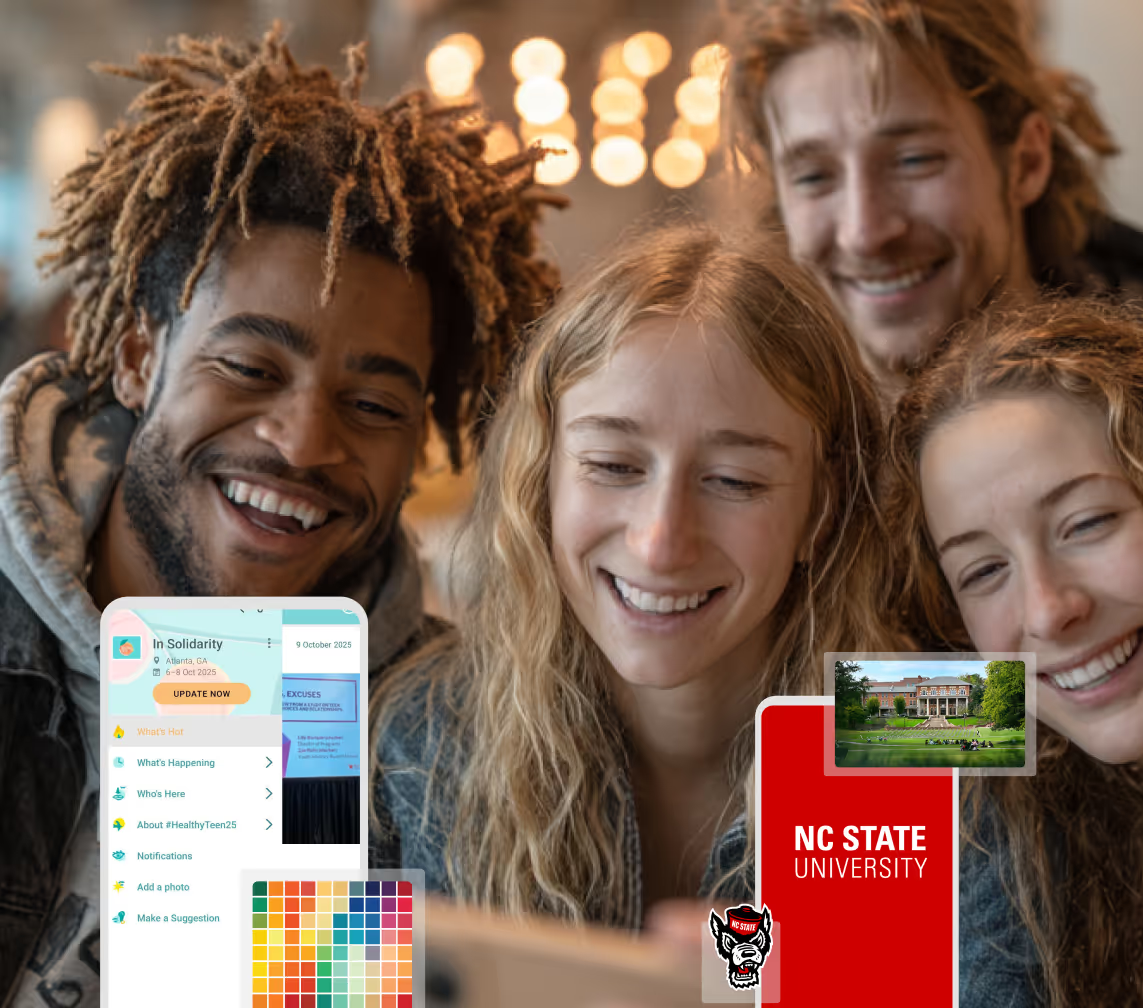
Boost Student Engagement
One hub for schedules, resources, and events that keeps students connected throughout the academic year.
Planning Orientation?
Help new students feel prepared from day one with schedules, campus resources, and real-time updates in one app.
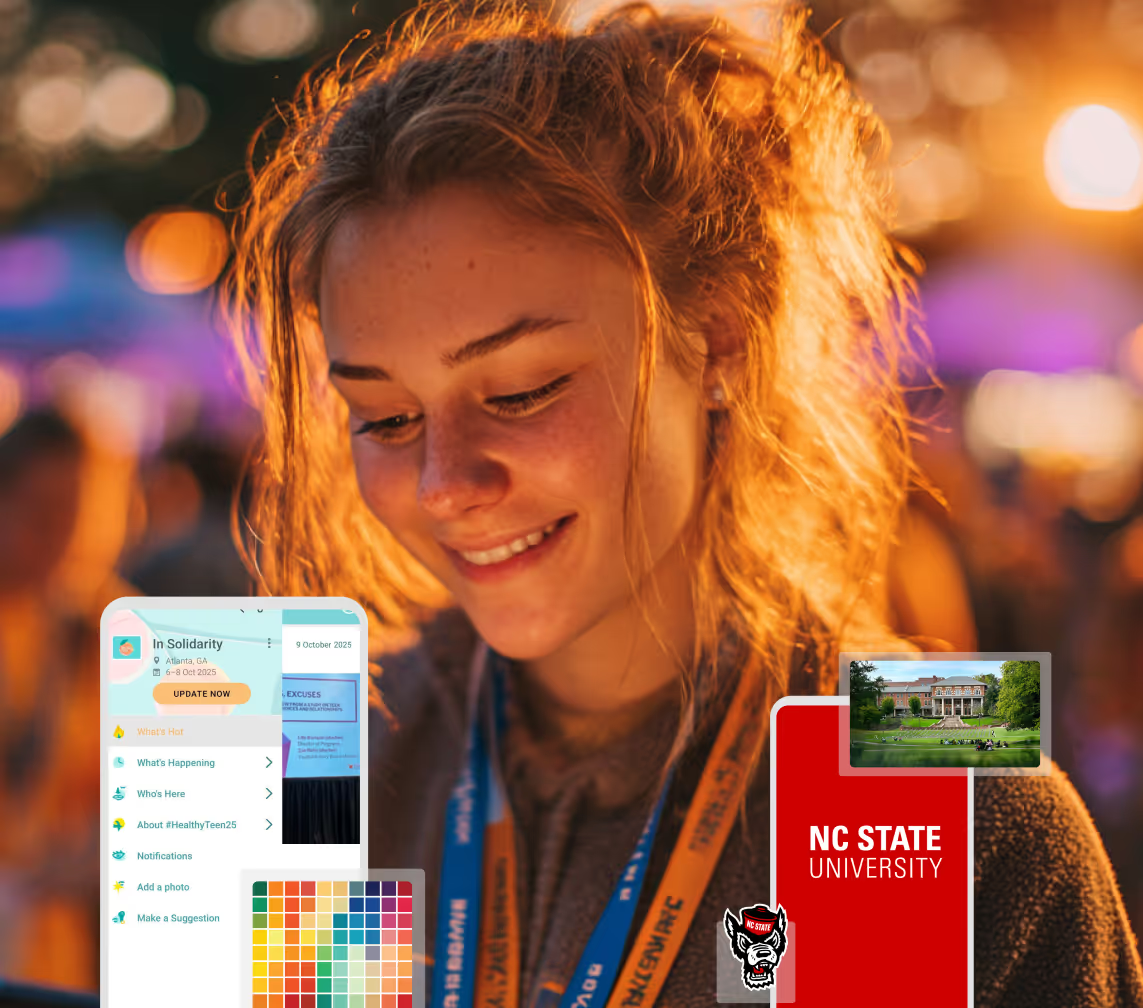
Planning Orientation?
Help new students feel prepared from day one with schedules, campus resources, and real-time updates in one app.
Running Admissions Events?
Manage open houses, tours, and yield events with a branded app that saves time and engages prospective students.

Running Admissions Events?
Manage open houses, tours, and yield events with a branded app that saves time and engages prospective students.
Get a custom Sponsorship Package Template
Stop starting from scratch. Grab free templates that helWe'll build a tailored sponsorship package with suggested pricing, tiers, and benefits..for your specific event.p you build professional sponsorship packages and close deals faster.
Get a custom Sponsorship Package Template
Stop starting from scratch. Grab free templates that helWe'll build a tailored sponsorship package with suggested pricing, tiers, and benefits..for your specific event.p you build professional sponsorship packages and close deals faster.
Plan Your Next Event Without Missing a Beat.
From venue selection to post-event wrap-up, this free checklist walks you through every step (so nothing falls through the cracks).
.avif)
Plan Your Next Event Without Missing a Beat.
From venue selection to post-event wrap-up, this free checklist walks you through every step (so nothing falls through the cracks).
Real Results From Real Events
100,000+ organizations trust Guidebook. See exactly how universities, associations, enterprises, and more put it to work.

Real Results From Real Events
100,000+ organizations trust Guidebook. See exactly how universities, associations, enterprises, and more put it to work.
Flexible pricing for every event size
Find the perfect plan for your needs, from intimate gatherings to large-scale conferences.

Flexible pricing for every event size
Find the perfect plan for your needs, from intimate gatherings to large-scale conferences.
Join our event experts
Watch on-demand webinars and join live sessions with industry leaders sharing best practices for event success.
.avif)
Join our event experts
Watch on-demand webinars and join live sessions with industry leaders sharing best practices for event success.
Guidebook in Action
Book a personalized walkthrough and discover how we help event teams create better attendee experiences.
Guidebook in Action
Book a personalized walkthrough and discover how we help event teams create better attendee experiences.
What is new student orientation?
New student orientation welcomes and prepares students for campus life. Discover key activities, schedules, and tips for a successful transition.
New student orientation is the structured welcome program that helps incoming students build confidence, make connections, and successfully transition to campus life before classes begin. These programs range from single-day events to week-long immersive experiences. When done right, orientation sets the foundation for student success and retention.
Here's the thing: new student orientation isn't just about handing out campus maps and reviewing academic policies. It's the first real opportunity to transform nervous newcomers into confident community members. The best programs balance essential information with meaningful social connections. They help students feel like they belong before they've even attended their first class.
Key Characteristics of New Student Orientation
- Structured Programming: Orientation follows a planned schedule that guides students through essential activities. This structure prevents overwhelm while ensuring everyone receives critical information.
- Peer-Led Components: Current students serve as orientation leaders, mentors, and guides. Their involvement creates authentic connections and helps newcomers see themselves succeeding.
- Small Group Experiences: Breaking large cohorts into smaller teams builds immediate community. Students form friendships faster when they're not lost in a crowd of thousands.
- Multi-Day Format: Most effective orientations span several days rather than cramming everything into one session. This gives students time to absorb information and explore campus.
- Family Integration: Many programs include separate tracks for parents and families. This addresses their concerns while giving students space to connect independently.
- Digital Support Tools: Modern orientations use event check-in software and mobile apps to deliver schedules, maps, and real-time updates directly to students' phones.
- Academic Preview Sessions: Students get early exposure to their departments, advisors, and academic expectations. This reduces first-week anxiety significantly.
New Student Orientation vs. Related Programs
Welcome Week
- Scope: Broader campus-wide celebration open to all students
- Focus: Social activities, campus traditions, and community building
- Timeline: Typically runs during the first week of classes
- Channels: Large-scale events, concerts, and campus-wide activities
- Goal: Generate excitement and school spirit for the new year
First-Year Experience Programs
- Scope: Semester or year-long support initiatives
- Focus: Academic success, personal development, and ongoing mentorship
- Timeline: Extends throughout the entire first year
- Channels: Courses, workshops, advising sessions, and peer mentoring
- Goal: Support long-term retention and student success
Admitted Student Days
- Scope: Pre-enrollment recruitment events for accepted applicants
- Focus: Showcasing campus life and encouraging enrollment decisions
- Timeline: Occurs before students commit to attending
- Channels: Campus tours, information sessions, and student panels
- Goal: Convert admitted students into enrolled students
These programs work together as part of a complete student journey. Admitted student days help with yield, orientation launches the college experience, and first-year programs sustain momentum. Smart institutions connect all three through consistent messaging and event planning strategies.
Essential New Student Orientation Components
Academic Preparation Sessions
Students need to understand what's expected before classes start. Academic sessions cover registration systems, advising relationships, and study resources.
Include department-specific meetups where students connect with faculty and peers in their major. These smaller gatherings feel less intimidating than large welcome assemblies.
Campus Resource Tours
Walking students through key locations builds confidence. Cover these essential stops:
- Library and study spaces
- Health and counseling centers
- Career services offices
- Dining halls and student unions
- Recreation and fitness facilities
Social Connection Activities
Friendships formed during orientation often last throughout college. Build in plenty of unstructured time for students to bond naturally.
Consider team building events that encourage collaboration without feeling forced. Scavenger hunts, trivia competitions, and group challenges work well.
Technology and Systems Training
Students need hands-on practice with campus technology. Cover learning management systems, email, student portals, and mobile apps.
Schools using dedicated orientation apps see higher engagement and fewer confused students wandering campus.
Safety and Wellness Information
Address campus safety protocols, emergency procedures, and mental health resources. Students retain this information better when it's delivered in small, focused sessions rather than lengthy presentations.
The New Student Orientation Timeline
Pre-Arrival Communication
Start building relationships weeks before students arrive. Send welcome emails, introduce orientation leaders, and share what to expect.
Create online modules that cover basic information ahead of time. This frees up in-person time for more meaningful activities. Strong event digital marketing principles apply here too.
Move-In Day Integration
Orientation should connect seamlessly with move-in activities. Station orientation leaders in residence halls to greet students and answer questions.
Use this moment to promote your orientation app. Place QR codes on beds, in elevators, and at check-in desks. Every touchpoint is an opportunity.
Core Programming Days
Structure your main orientation days with a mix of required and optional sessions:
- Morning: Large group welcome and essential information
- Midday: Small group activities and campus exploration
- Afternoon: Academic department sessions and resource tours
- Evening: Social events and community building
Transition to Classes
Don't end orientation abruptly. Taper programming as classes begin. Offer drop-in support sessions during the first week.
Check in with students who seemed disconnected during orientation. Early intervention prevents bigger problems later.
How New Student Orientation Technology Works
Mobile App Platforms
Paper schedules are outdated. Modern orientations use mobile apps to deliver personalized content directly to students' phones.
Apps like Guidebook for schools let students select their orientation group and receive custom schedules. Updates happen in real-time, so everyone stays informed.
Real-Time Communication
Push notifications alert students to schedule changes, weather updates, or last-minute room switches. No more scrambling to find students when plans change.
Staff can send targeted messages to specific groups. Need to reach just the engineering students? Done in seconds.
Interactive Maps and Wayfinding
Campus maps in orientation apps help students navigate unfamiliar buildings. Include indoor maps for large facilities where students commonly get lost.
Mark important locations like session rooms, dining options, and restrooms. Reduce the "where am I supposed to be?" anxiety.
Engagement Tracking
Digital tools provide data on student participation. See which sessions are popular and which need improvement.
Track app usage to understand how students interact with your content. This data informs future event management decisions.
Why New Student Orientation Matters
For Event Success:
- Higher Participation Rates: Well-designed orientations attract more students, even when attendance is optional. Purdue's program sees 75% participation without requiring it.
- Stronger Student Engagement: Interactive programming keeps students present and involved rather than checking out mentally.
- Smoother Logistics: Digital tools and clear communication reduce confusion and staff stress during high-volume events.
- Better Resource Allocation: Data from orientation apps helps planners understand what works and where to invest resources.
- Positive Word of Mouth: Students who have great orientation experiences tell future students. This builds program reputation over time.
For Business Objectives:
- Improved Retention Rates: Students who feel connected during orientation are more likely to persist through graduation.
- Stronger Yield Numbers: Orientation quality influences whether admitted students actually enroll. It's a yield tool, not just a welcome event.
- Reduced Support Burden: Students who understand campus resources during orientation ask fewer basic questions later.
- Enhanced Institutional Reputation: Professional, well-organized orientations signal institutional quality to students and families.
- Measurable ROI: Track event ROI through retention data, satisfaction surveys, and engagement metrics.
Platforms like Guidebook's event management platform help orientation teams deliver professional experiences without overwhelming small staffs. The right technology amplifies your team's efforts.
New Student Orientation Best Practices
- Start Communication Early: Reach out to students weeks before orientation begins. Build anticipation and reduce anxiety through consistent, friendly messaging.
- Train Your Student Leaders Thoroughly: Orientation leaders make or break the experience. Invest in comprehensive training that covers both logistics and interpersonal skills.
- Balance Structure with Flexibility: Provide enough guidance that students don't feel lost, but enough freedom that they can explore their interests.
- Use Technology as a Single Source of Truth: Eliminate confusion by putting all schedules, maps, and updates in one place. Orientation apps work better than scattered emails and printed packets.
- Create Small Group Experiences: Large assemblies have their place, but real connections happen in smaller settings. Build in team-based activities throughout your program.
- Include Identity-Based Programming: Offer sessions for first-generation students, international students, transfer students, and other specific populations. Everyone should see themselves reflected.
- Gather Feedback Immediately: Survey students while the experience is fresh. Use an event debrief template to capture insights for next year.
- Connect Orientation to Ongoing Support: Don't let orientation exist in isolation. Link students to first-year programs, mentoring relationships, and campus resources.
- Promote Your App at Every Touchpoint: QR codes on beds, social media posts, stadium screens, check-in desks. Make downloading easy and obvious.
- Measure What Matters: Track participation rates, app engagement, satisfaction scores, and retention outcomes. Data drives improvement.
Common New Student Orientation Mistakes
Information Overload: Cramming too much content into orientation overwhelms students. They stop absorbing information after the first few hours. Spread essential content across multiple days and use digital resources for reference materials.
Ignoring Different Learning Styles: Not everyone learns by sitting in lectures. Mix presentation formats with hands-on activities, small group discussions, and self-guided exploration. Variety keeps students engaged.
Forgetting About Families: Parents and families have their own anxieties about sending students to college. Ignoring them creates problems. Offer separate programming that addresses their concerns while giving students independence.
Relying on Printed Materials: Paper schedules get lost, damaged, or outdated immediately. Students expect digital solutions. Invest in event planning resources that include mobile technology.
Making Everything Mandatory: Forcing attendance at every session breeds resentment. Required sessions should be truly essential. Let students choose from optional programming that matches their interests.
Underestimating Logistics: Moving thousands of students across campus requires careful planning. Test your schedule, train your staff, and have backup plans. Small logistical failures create big frustrations.
Neglecting Assessment: Running the same orientation year after year without evaluation leads to stagnation. Collect data, analyze results, and make improvements. What worked five years ago might not work today.
Final Thoughts
New student orientation represents one of the most important touchpoints in a student's college journey. It's the moment when uncertainty transforms into excitement, when strangers become friends, and when a campus becomes home. Getting it right matters enormously.
The best orientation programs balance careful structure with authentic connection. They use technology to simplify logistics while preserving the human moments that students remember years later. They treat orientation not as an administrative requirement but as a strategic investment in student success.
Schools that embrace modern event planning processes and digital tools consistently outperform those clinging to outdated methods. Students expect seamless, mobile-first experiences. Meeting those expectations signals that your institution understands their world.
Ready to transform your orientation program? Explore how Guidebook's new student programs solutions help schools deliver exceptional experiences. Check out our guide to orientation apps or watch how Seattle University transformed their orientation. Your students deserve an orientation that sets them up for success from day one.
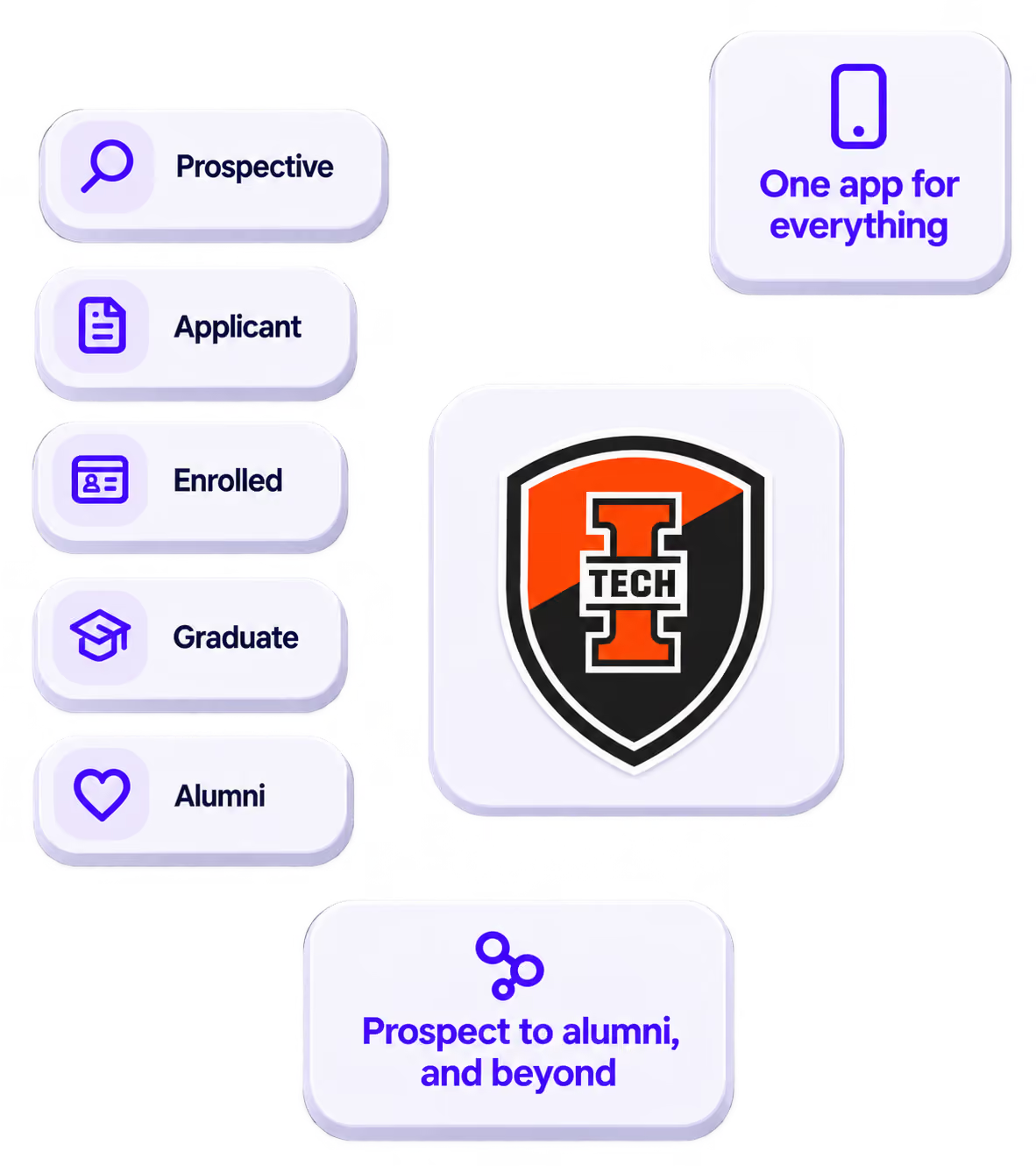
The power of your brand in your app, from first visit to alumni.
Build trust
Attendees download your app, not ours. Your name, colors, and crest in the stores.
.avif)
One place for the whole event
Schedules, maps, registration, and updates in one branded hub - not five tools.
Stand out
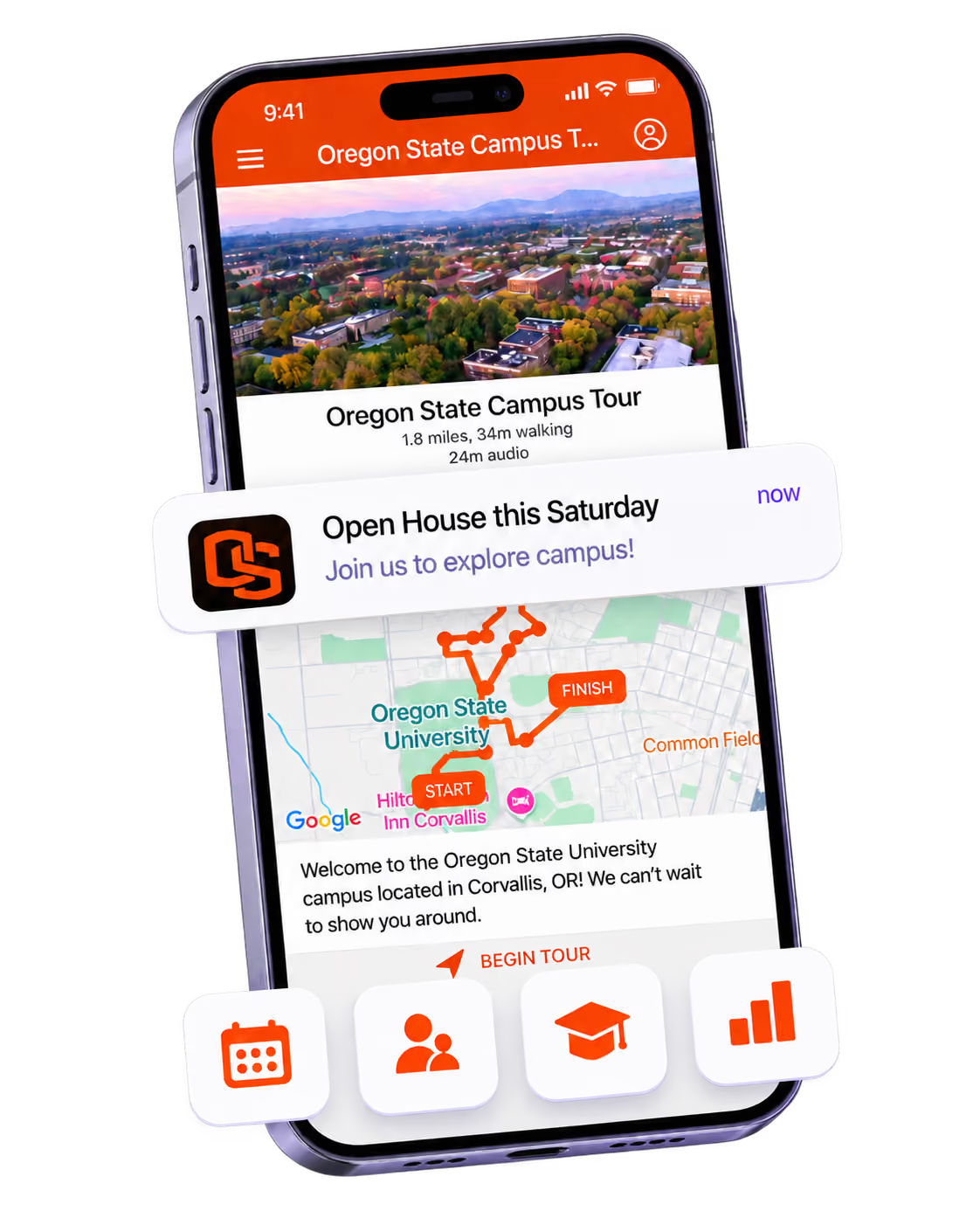
A branded app is what people keep on their phone after the printed program is in the recycling.

Get the Mobile App Playbook
A short guide to running the whole student journey in one app. No fluff, just what works.
for higher ed
Campus
Playbook
A practical guide to building a connected campus experience.
Free playbook
The Mobile App Playbook for Universities
Students decide if they belong long before they set foot on campus. This playbook shows how to win them over from the first visit through graduation.
- Grow enrollment and boost recruitment
- Increase belonging and retention
- Run every event from one branded app
By submitting, you agree to our Privacy Policy.
You're in.
.png)