
Campus apps by department
Admissions, orientation, student life, and more — one campus app that works across departments.

Campus apps by department
Admissions, orientation, student life, and more — one campus app that works across departments.
Build unlimited event apps on one license
One partnership for unlimited campus events — orientation, tours, student life, and everything in between.
Build unlimited event apps on one license
One partnership for unlimited campus events — orientation, tours, student life, and everything in between.
Compare event app platforms
See how Guidebook stacks up against other event app and registration platforms.
Compare event app platforms
See how Guidebook stacks up against other event app and registration platforms.
Event apps for nonprofit and community programs
Give members, volunteers, and donors one branded app for conferences, fundraisers, and year-round community.
Event apps for nonprofit and community programs
Give members, volunteers, and donors one branded app for conferences, fundraisers, and year-round community.
Campus integrations and an open API
Connect Guidebook with the campus systems, APIs, and tools your team already uses.
Campus integrations and an open API
Connect Guidebook with the campus systems, APIs, and tools your team already uses.
Event apps for corporate and enterprise teams
Internal meetings, offsites, and large-scale corporate events — with the branding and control enterprise teams need.
Event apps for corporate and enterprise teams
Internal meetings, offsites, and large-scale corporate events — with the branding and control enterprise teams need.
Create a branded event app with no coding
Put schedules, maps, resources, and updates in every attendee's pocket — built for campus events and programs.
Create a branded event app with no coding
Put schedules, maps, resources, and updates in every attendee's pocket — built for campus events and programs.
Launch a branded, white-label event app
A white-label event app with your branding, your content, and your attendee experience — no coding required.
Launch a branded, white-label event app
A white-label event app with your branding, your content, and your attendee experience — no coding required.
Everything in the Guidebook platform
Explore the features event teams use to engage attendees before, during, and after the event.
Everything in the Guidebook platform
Explore the features event teams use to engage attendees before, during, and after the event.
One app for in-person and virtual attendees
The same schedule, networking, and updates whether people are in the room or joining remotely.
One app for in-person and virtual attendees
The same schedule, networking, and updates whether people are in the room or joining remotely.
Event apps built for associations
Annual meetings, chapter events, and member engagement — without rebuilding a new app every year.
Event apps built for associations
Annual meetings, chapter events, and member engagement — without rebuilding a new app every year.
A branded event website that matches the app
Promote the event, collect interest, and keep branding consistent from the first click to check-in.
A branded event website that matches the app
Promote the event, collect interest, and keep branding consistent from the first click to check-in.
Plan, run, and measure events on one platform
App, registration, badges, and websites in one workflow — so planning isn't a pile of disconnected tools.
Plan, run, and measure events on one platform
App, registration, badges, and websites in one workflow — so planning isn't a pile of disconnected tools.
Keep members engaged between events
One branded app for the conference and everything that happens the other 51 weeks of the year.
Keep members engaged between events
One branded app for the conference and everything that happens the other 51 weeks of the year.
The conference app attendees actually use
Schedules, maps, networking, and live updates for annual meetings, summits, and multi-day conferences.
The conference app attendees actually use
Schedules, maps, networking, and live updates for annual meetings, summits, and multi-day conferences.
Registration that feeds your app and badges
Collect registrations, payments, and attendee data in the same platform as your event app.
Registration that feeds your app and badges
Collect registrations, payments, and attendee data in the same platform as your event app.
Design and print event badges in one place
Custom badges, QR check-in, and on-site printing — without a separate badge vendor.
Design and print event badges in one place
Custom badges, QR check-in, and on-site printing — without a separate badge vendor.
A Smaller School?
Deliver a polished, branded event experience without a large team or a big budget.
A Smaller School?
Deliver a polished, branded event experience without a large team or a big budget.
Running Family Programs?
Give families everything they need, from schedules and maps to real-time updates, all in one place.
Running Family Programs?
Give families everything they need, from schedules and maps to real-time updates, all in one place.
Coordinating Move-In Day?
Share updates, manage events, and keep students informed from move-in through the academic year.

Coordinating Move-In Day?
Share updates, manage events, and keep students informed from move-in through the academic year.
Offering Campus Tours?
Deliver branded, self-guided tour experiences with interactive maps and rich media, available 24/7.

Offering Campus Tours?
Deliver branded, self-guided tour experiences with interactive maps and rich media, available 24/7.
Organising a Career Fair?
Simplify logistics for students, employers, and Career Services staff with one easy-to-use app.
Organising a Career Fair?
Simplify logistics for students, employers, and Career Services staff with one easy-to-use app.
Managing Alumni Events?
Plan reunions, regional events, and fundraising campaigns with an app built for alumni engagement.
Managing Alumni Events?
Plan reunions, regional events, and fundraising campaigns with an app built for alumni engagement.
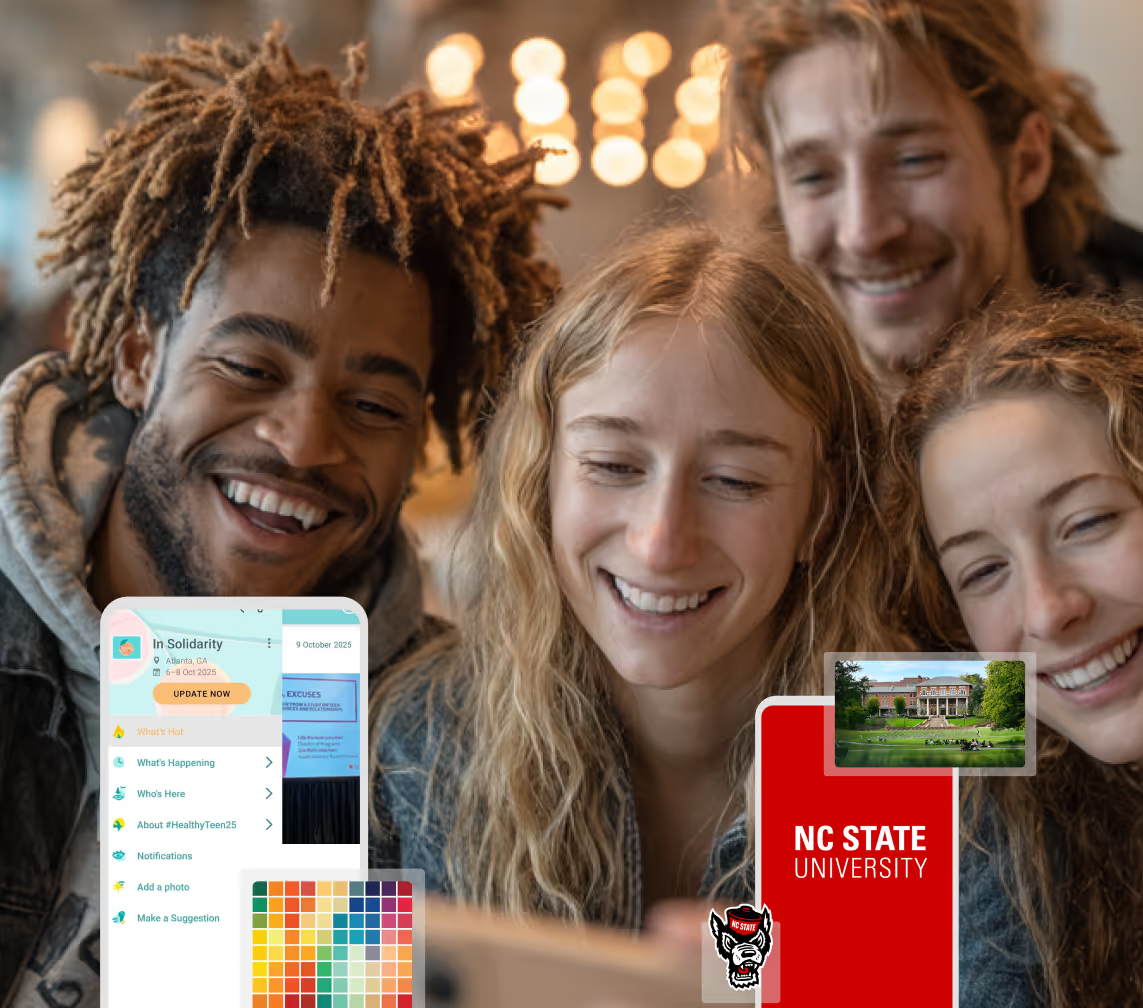
Boost Student Engagement
One hub for schedules, resources, and events that keeps students connected throughout the academic year.
Boost Student Engagement
One hub for schedules, resources, and events that keeps students connected throughout the academic year.
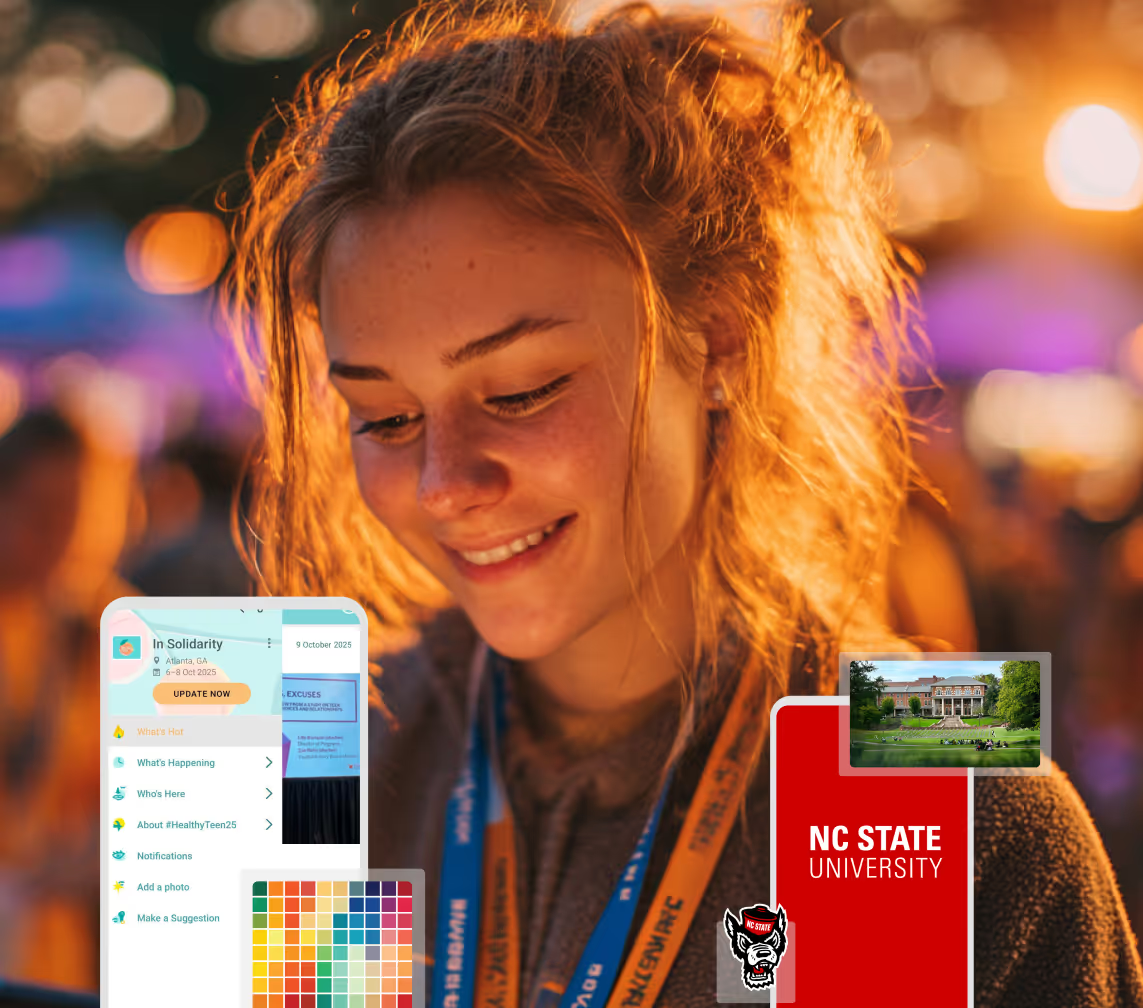
Planning Orientation?
Help new students feel prepared from day one with schedules, campus resources, and real-time updates in one app.
Planning Orientation?
Help new students feel prepared from day one with schedules, campus resources, and real-time updates in one app.
Running Admissions Events?
Manage open houses, tours, and yield events with a branded app that saves time and engages prospective students.

Running Admissions Events?
Manage open houses, tours, and yield events with a branded app that saves time and engages prospective students.
Get a custom Sponsorship Package Template
Stop starting from scratch. Grab free templates that helWe'll build a tailored sponsorship package with suggested pricing, tiers, and benefits..for your specific event.p you build professional sponsorship packages and close deals faster.
Get a custom Sponsorship Package Template
Stop starting from scratch. Grab free templates that helWe'll build a tailored sponsorship package with suggested pricing, tiers, and benefits..for your specific event.p you build professional sponsorship packages and close deals faster.
Plan Your Next Event Without Missing a Beat.
From venue selection to post-event wrap-up, this free checklist walks you through every step (so nothing falls through the cracks).
.avif)
Plan Your Next Event Without Missing a Beat.
From venue selection to post-event wrap-up, this free checklist walks you through every step (so nothing falls through the cracks).
Real Results From Real Events
100,000+ organizations trust Guidebook. See exactly how universities, associations, enterprises, and more put it to work.

Real Results From Real Events
100,000+ organizations trust Guidebook. See exactly how universities, associations, enterprises, and more put it to work.
Flexible pricing for every event size
Find the perfect plan for your needs, from intimate gatherings to large-scale conferences.

Flexible pricing for every event size
Find the perfect plan for your needs, from intimate gatherings to large-scale conferences.
Join our event experts
Watch on-demand webinars and join live sessions with industry leaders sharing best practices for event success.
.avif)
Join our event experts
Watch on-demand webinars and join live sessions with industry leaders sharing best practices for event success.
Guidebook in Action
Book a personalized walkthrough and discover how we help event teams create better attendee experiences.
Guidebook in Action
Book a personalized walkthrough and discover how we help event teams create better attendee experiences.

What are Event Planning Resources?
Event planning resources help organize successful events with tools, guides, and checklists. Discover essential templates, expert tips, and best practices for every stage.

Event Planning Resources are the essential tools, templates, guides, and platforms that help organizers create successful events without starting from scratch. These resources cover everything from budget spreadsheets to venue checklists to digital platforms. The right resources can cut planning time in half and prevent costly mistakes.
Here's the thing: event planning resources aren't just nice-to-have extras. They're the difference between scrambling at the last minute and executing with confidence. Whether you're organizing a small team meeting or a 5,000-person conference, having the right toolkit makes everything smoother. Smart planners build their resource library before they need it.
Key Characteristics of Event Planning Resources
- Accessibility: Quality resources are easy to find, download, and use immediately. They don't require extensive training or technical skills to implement.
- Customizability: The best resources adapt to different event types, sizes, and industries. A good template works for both corporate conferences and community fundraisers.
- Time-Saving: Resources eliminate the need to create documents from scratch. They provide proven frameworks that speed up the event planning process.
- Comprehensive Coverage: Strong resource collections address every planning phase. This includes pre-event logistics, day-of execution, and post-event analysis.
- Industry-Tested: Reliable resources come from experienced professionals. They reflect real-world best practices, not theoretical concepts.
- Digital Integration: Modern resources work seamlessly with event management platforms and other digital tools.
Event Planning Resources vs. Related Tools
Event Management Software
- Scope: Complete digital platforms for end-to-end event execution
- Focus: Automation, registration, and attendee management
- Timeline: Used throughout the entire event lifecycle
- Channels: Web-based and mobile applications
- Goal: Streamline operations and improve attendee experience
Event Templates
- Scope: Pre-built documents for specific planning tasks
- Focus: Individual deliverables like budgets, timelines, or run sheets
- Timeline: Used at specific planning milestones
- Channels: Downloadable files (Excel, Word, PDF)
- Goal: Provide starting points for common planning needs
Event Guides
- Scope: Educational content explaining how to plan events
- Focus: Knowledge transfer and skill development
- Timeline: Referenced during learning and problem-solving
- Channels: Blog posts, ebooks, webinars, and courses
- Goal: Build planner expertise and confidence
Event planning resources serve as the umbrella term covering all these categories. The most effective planners use a mix of software, templates, and educational content. Together, these tools create a complete support system for any event.
Essential Types of Event Planning Resources
Budget and Financial Tools
Money management makes or breaks events. Budget templates help you track every expense category. They also forecast costs and identify potential overruns early.
Look for spreadsheets that include:
- Venue and catering line items
- Marketing and promotional costs
- Technology and equipment rentals
- Contingency fund calculations
- Revenue tracking for ticketed events
Timeline and Scheduling Resources
Event timelines keep everyone on track. A solid timeline template breaks down tasks by week or month. It assigns owners and sets clear deadlines.
The best scheduling resources include both planning timelines and day-of run sheets. Planning timelines cover the months leading up to your event. Run sheets detail minute-by-minute execution on event day. Both are essential for understanding what event planning really involves.
Vendor and Venue Checklists
Vendor selection requires careful comparison. Checklists ensure you ask the right questions. They help you evaluate options consistently.
Key checklist categories include:
- Venue capacity and layout options
- Catering menus and dietary accommodations
- AV equipment and technical support
- Insurance and liability requirements
- Cancellation policies and payment terms
Marketing and Promotion Templates
Getting people to attend requires strategic promotion. Marketing resources help you craft compelling messages. They also help you reach the right audiences through the right channels.
Useful marketing resources include email templates, social media calendars, and press release examples. Understanding types of event marketing helps you choose the best approach. Don't forget to explore how to advertise your event effectively.
Building Your Event Resource Library
Start with Core Documents
Every planner needs a foundation of essential documents. Begin with a master checklist covering all planning phases. Add budget templates, timeline frameworks, and contact management sheets.
These core documents become your planning backbone. Customize them for each event type you manage. Over time, you'll build versions tailored to conferences, galas, trade shows, and more.
Add Specialized Resources
Different events require different tools. A team building event needs activity planning guides. A virtual event requires technology checklists and platform comparisons.
Build specialized resource folders for:
- Corporate meetings and conferences
- Fundraisers and galas
- Trade shows and exhibitions
- Virtual and hybrid events
- Community and public events
Leverage Digital Platforms
Modern event planning relies heavily on technology. Platforms like Guidebook offer ready-to-use templates and integrated tools. These digital resources streamline everything from event registration to attendee communication.
Why Event Planning Resources Matter
For Event Success:
- Reduced Planning Time: Templates and checklists eliminate hours of document creation. You focus on strategy instead of formatting spreadsheets.
- Fewer Missed Details: Comprehensive checklists catch items you might forget. Nothing falls through the cracks when you follow proven frameworks.
- Better Vendor Negotiations: Comparison tools help you evaluate options objectively. You make smarter decisions and often save money.
- Smoother Day-of Execution: Run sheets and communication templates keep everyone aligned. Your team knows exactly what to do and when.
- Improved Attendee Experience: When logistics run smoothly, attendees notice. Great resources lead to great events.
For Business Objectives:
- Higher ROI: Efficient planning reduces costs and maximizes impact. Understanding event ROI helps you measure success.
- Scalable Processes: Documented resources let you replicate success. What works for one event becomes a template for the next.
- Team Development: Resources help train new team members quickly. They don't need to reinvent processes from scratch.
- Stakeholder Confidence: Professional planning documents impress executives and sponsors. They see you're organized and prepared.
- Continuous Improvement: Post-event resources like debrief templates capture lessons learned. Each event gets better than the last.
Event Planning Resources Best Practices
- Organize Resources by Event Phase: Create folders for pre-event, day-of, and post-event materials. This structure helps you find what you need quickly.
- Customize Templates for Your Brand: Generic templates work, but branded versions look more professional. Add your logo, colors, and standard language.
- Update Resources After Each Event: Capture improvements while they're fresh. Add new checklist items and refine existing templates.
- Share Resources with Your Team: Centralize documents where everyone can access them. Cloud storage keeps everyone working from the same version.
- Include Contact Information: Add vendor contacts, emergency numbers, and team details to relevant documents. This saves time during crunch moments.
- Create Event-Specific Versions: Start with master templates, then save event-specific copies. This preserves your originals while allowing customization.
- Build Relationships with Resource Providers: Follow industry blogs and join professional communities. They often share valuable free resources.
- Invest in Quality Platforms: Free resources have limits. Professional tools like Guidebook offer features that justify the investment.
- Document Your Own Best Practices: Your experience is valuable. Create internal guides based on what you've learned.
- Stay Current with Industry Trends: Event planning evolves constantly. Keep up with event trends to ensure your resources stay relevant.
Common Event Planning Resources Mistakes
Using Outdated Templates: Event planning standards change. Templates from five years ago may miss important considerations like hybrid event logistics or accessibility requirements. Review and update your resources annually.
Hoarding Without Organizing: Downloading every template you find creates chaos. You waste time searching through cluttered folders. Be selective and maintain a clean organizational system.
Ignoring Digital Tools: Paper checklists and static spreadsheets have limits. Modern event check-in software and management platforms offer real-time updates and collaboration features.
Skipping the Debrief: Post-event analysis is a critical resource for future planning. Without capturing lessons learned, you repeat the same mistakes. Always complete a thorough debrief.
Not Customizing for Your Audience: Generic resources don't account for your specific attendees. A corporate conference needs different materials than a community event. Adapt resources to fit your context.
Relying on Free Resources Only: Free templates and guides provide a starting point. But professional platforms offer support, updates, and advanced features worth the investment.
Failing to Train Your Team: Great resources mean nothing if your team doesn't use them. Invest time in training and ensure everyone knows where to find what they need.
Final Thoughts
Event planning resources transform how you work. They turn overwhelming projects into manageable tasks. They capture institutional knowledge and prevent reinventing the wheel. Most importantly, they free you to focus on creating memorable experiences.
The event industry continues to evolve rapidly. Virtual events, hybrid formats, and new technologies create fresh challenges. Having a strong resource library helps you adapt quickly. It gives you frameworks to build on, even when facing something new.
Think of your resource collection as a competitive advantage. Planners with better tools deliver better events. They work more efficiently, make fewer mistakes, and impress stakeholders. Building your library is an investment that pays dividends for years.
Ready to level up your event planning toolkit? Explore Guidebook's comprehensive guides, browse case studies from successful events, or request a demo to see how our platform can become your most valuable resource. The best events start with the best preparation—and the right resources make all the difference.
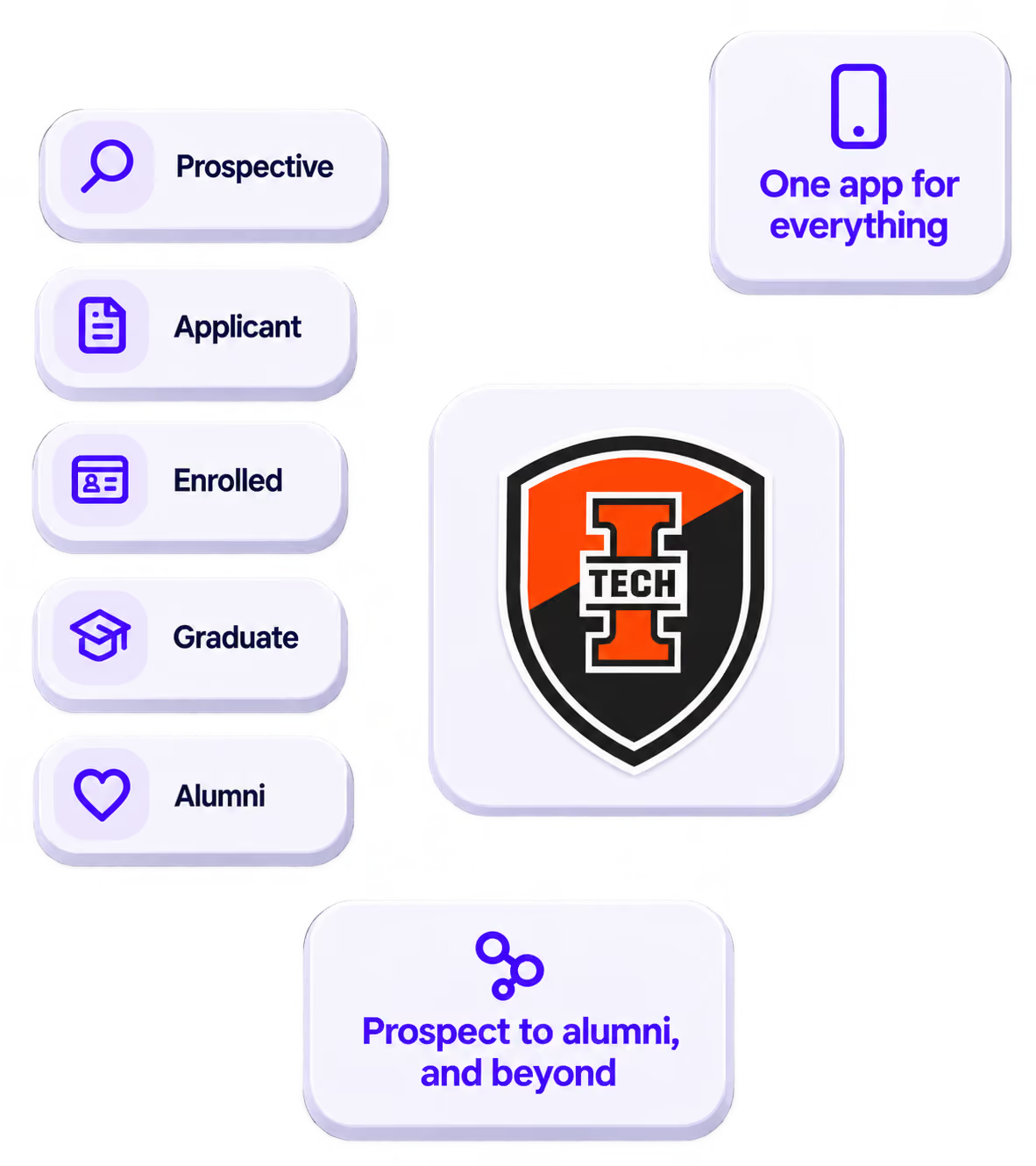
The power of your brand in your app, from first visit to alumni.
Build trust
Your brand, front and center in your own app, downloaded directly from the app stores.
.avif)
Deliver continuity
One app for everything a student needs. From being a prospective student through to graduation and beyond.
Stand out
Your own app helps you to stand out from the competition, stay top of mind, and be remembered.
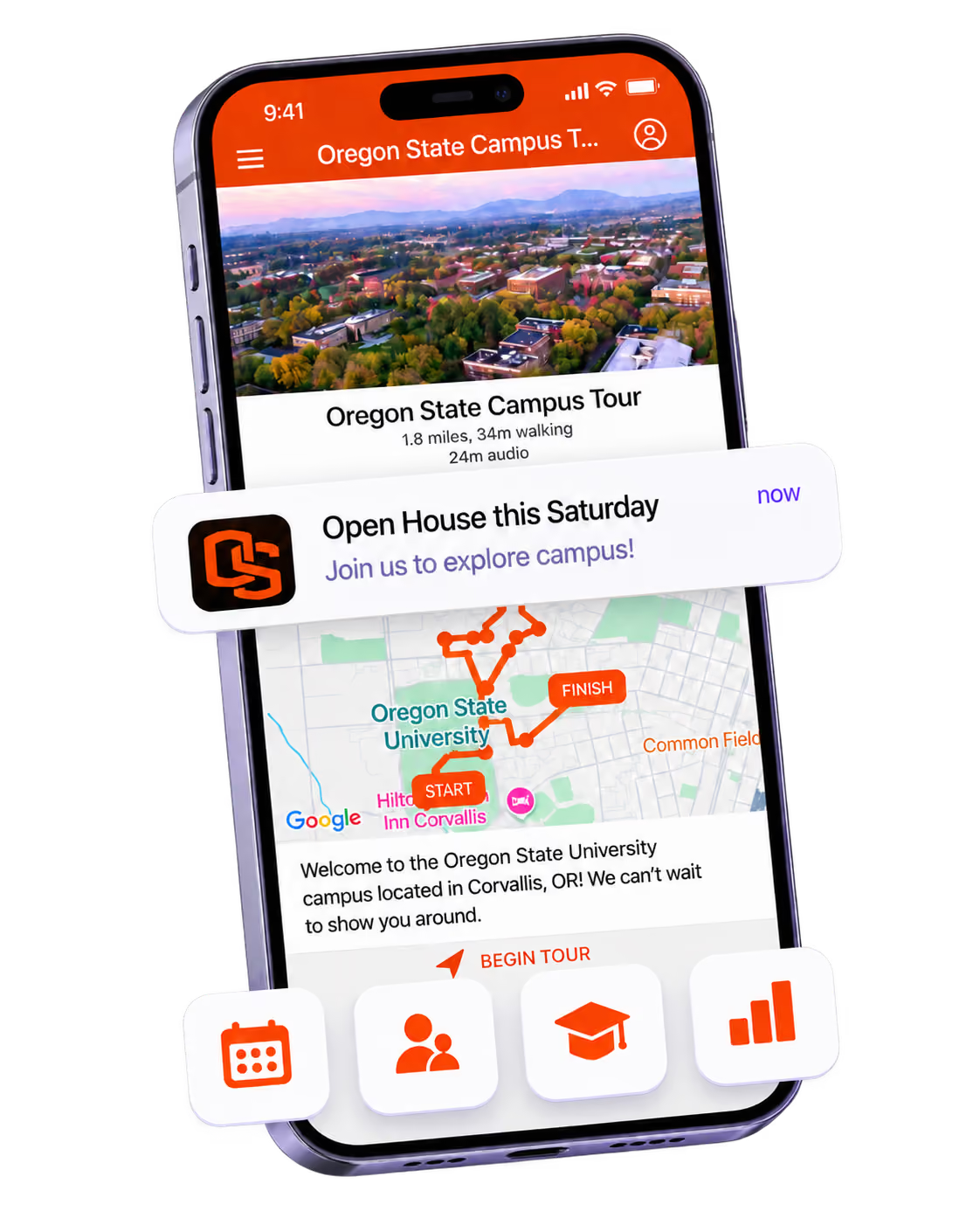

Get the Mobile App Playbook
A short guide to running the whole student journey in one app. No fluff, just what works.
for higher ed
Campus
Playbook
A practical guide to building a connected campus experience.
Free playbook
The Mobile App Playbook for Universities
Students decide if they belong long before they set foot on campus. This playbook shows how to win them over from the first visit through graduation.
- Grow enrollment and boost recruitment
- Increase belonging and retention
- Run every event from one branded app
By submitting, you agree to our Privacy Policy.
You're in.
.png)