
Campus apps by department
Admissions, orientation, student life, and more — one campus app that works across departments.

Campus apps by department
Admissions, orientation, student life, and more — one campus app that works across departments.
Build unlimited event apps on one license
One partnership for unlimited campus events — orientation, tours, student life, and everything in between.
Build unlimited event apps on one license
One partnership for unlimited campus events — orientation, tours, student life, and everything in between.
Compare event app platforms
See how Guidebook stacks up against other event app and registration platforms.
Compare event app platforms
See how Guidebook stacks up against other event app and registration platforms.
Event apps for nonprofit and community programs
Give members, volunteers, and donors one branded app for conferences, fundraisers, and year-round community.
Event apps for nonprofit and community programs
Give members, volunteers, and donors one branded app for conferences, fundraisers, and year-round community.
Campus integrations and an open API
Connect Guidebook with the campus systems, APIs, and tools your team already uses.
Campus integrations and an open API
Connect Guidebook with the campus systems, APIs, and tools your team already uses.
Event apps for corporate and enterprise teams
Internal meetings, offsites, and large-scale corporate events — with the branding and control enterprise teams need.
Event apps for corporate and enterprise teams
Internal meetings, offsites, and large-scale corporate events — with the branding and control enterprise teams need.
Create a branded event app with no coding
Put schedules, maps, resources, and updates in every attendee's pocket — built for campus events and programs.
Create a branded event app with no coding
Put schedules, maps, resources, and updates in every attendee's pocket — built for campus events and programs.
Launch a branded, white-label event app
A white-label event app with your branding, your content, and your attendee experience — no coding required.
Launch a branded, white-label event app
A white-label event app with your branding, your content, and your attendee experience — no coding required.
Everything in the Guidebook platform
Explore the features event teams use to engage attendees before, during, and after the event.
Everything in the Guidebook platform
Explore the features event teams use to engage attendees before, during, and after the event.
One app for in-person and virtual attendees
The same schedule, networking, and updates whether people are in the room or joining remotely.
One app for in-person and virtual attendees
The same schedule, networking, and updates whether people are in the room or joining remotely.
Event apps built for associations
Annual meetings, chapter events, and member engagement — without rebuilding a new app every year.
Event apps built for associations
Annual meetings, chapter events, and member engagement — without rebuilding a new app every year.
A branded event website that matches the app
Promote the event, collect interest, and keep branding consistent from the first click to check-in.
A branded event website that matches the app
Promote the event, collect interest, and keep branding consistent from the first click to check-in.
Plan, run, and measure events on one platform
App, registration, badges, and websites in one workflow — so planning isn't a pile of disconnected tools.
Plan, run, and measure events on one platform
App, registration, badges, and websites in one workflow — so planning isn't a pile of disconnected tools.
Keep members engaged between events
One branded app for the conference and everything that happens the other 51 weeks of the year.
Keep members engaged between events
One branded app for the conference and everything that happens the other 51 weeks of the year.
The conference app attendees actually use
Schedules, maps, networking, and live updates for annual meetings, summits, and multi-day conferences.
The conference app attendees actually use
Schedules, maps, networking, and live updates for annual meetings, summits, and multi-day conferences.
Registration that feeds your app and badges
Collect registrations, payments, and attendee data in the same platform as your event app.
Registration that feeds your app and badges
Collect registrations, payments, and attendee data in the same platform as your event app.
Design and print event badges in one place
Custom badges, QR check-in, and on-site printing — without a separate badge vendor.
Design and print event badges in one place
Custom badges, QR check-in, and on-site printing — without a separate badge vendor.
A Smaller School?
Deliver a polished, branded event experience without a large team or a big budget.
A Smaller School?
Deliver a polished, branded event experience without a large team or a big budget.
Running Family Programs?
Give families everything they need, from schedules and maps to real-time updates, all in one place.
Running Family Programs?
Give families everything they need, from schedules and maps to real-time updates, all in one place.
Coordinating Move-In Day?
Share updates, manage events, and keep students informed from move-in through the academic year.

Coordinating Move-In Day?
Share updates, manage events, and keep students informed from move-in through the academic year.
Offering Campus Tours?
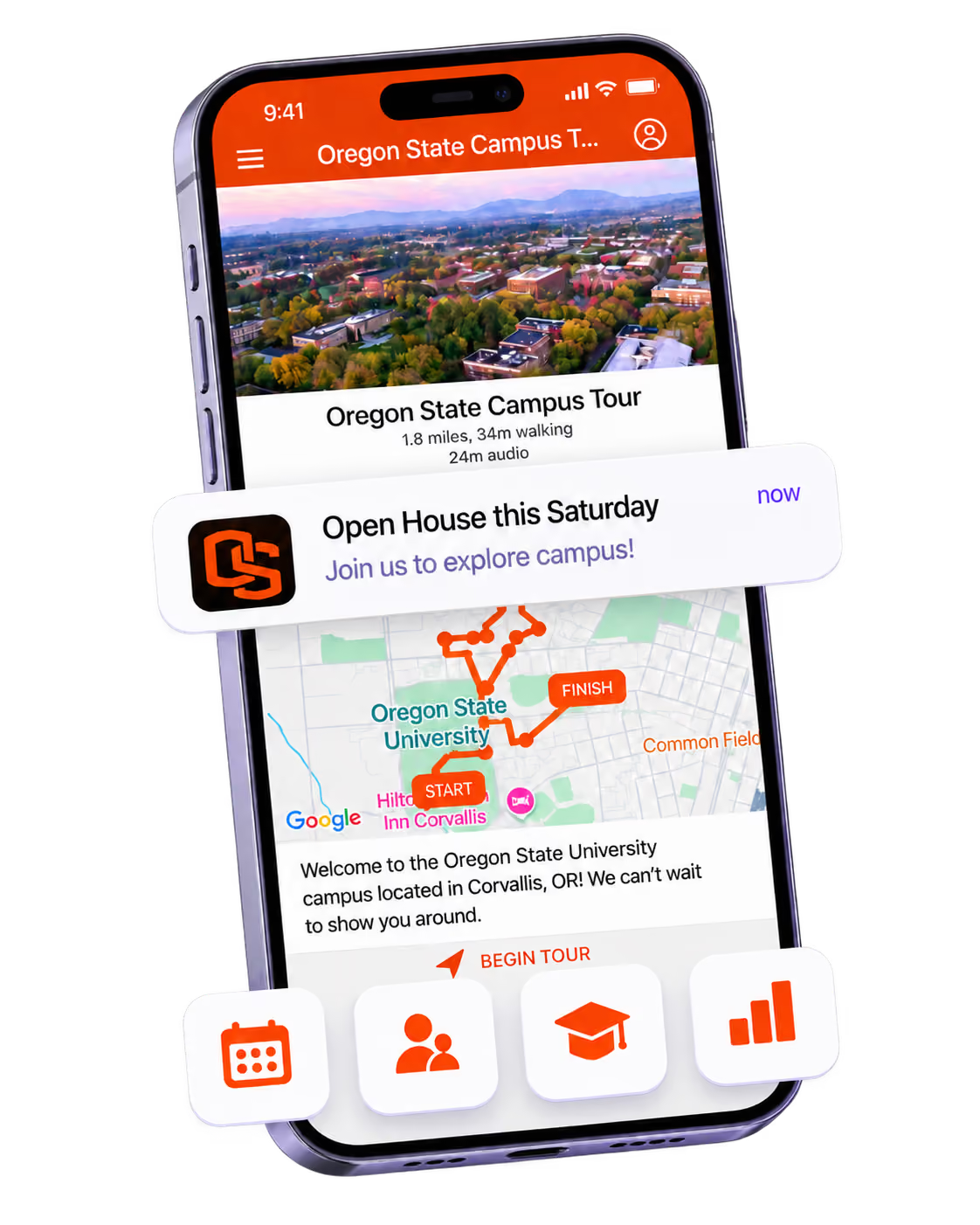
Deliver branded, self-guided tour experiences with interactive maps and rich media, available 24/7.

Offering Campus Tours?
Deliver branded, self-guided tour experiences with interactive maps and rich media, available 24/7.
Organising a Career Fair?
Simplify logistics for students, employers, and Career Services staff with one easy-to-use app.
Organising a Career Fair?
Simplify logistics for students, employers, and Career Services staff with one easy-to-use app.
Managing Alumni Events?
Plan reunions, regional events, and fundraising campaigns with an app built for alumni engagement.
Managing Alumni Events?
Plan reunions, regional events, and fundraising campaigns with an app built for alumni engagement.
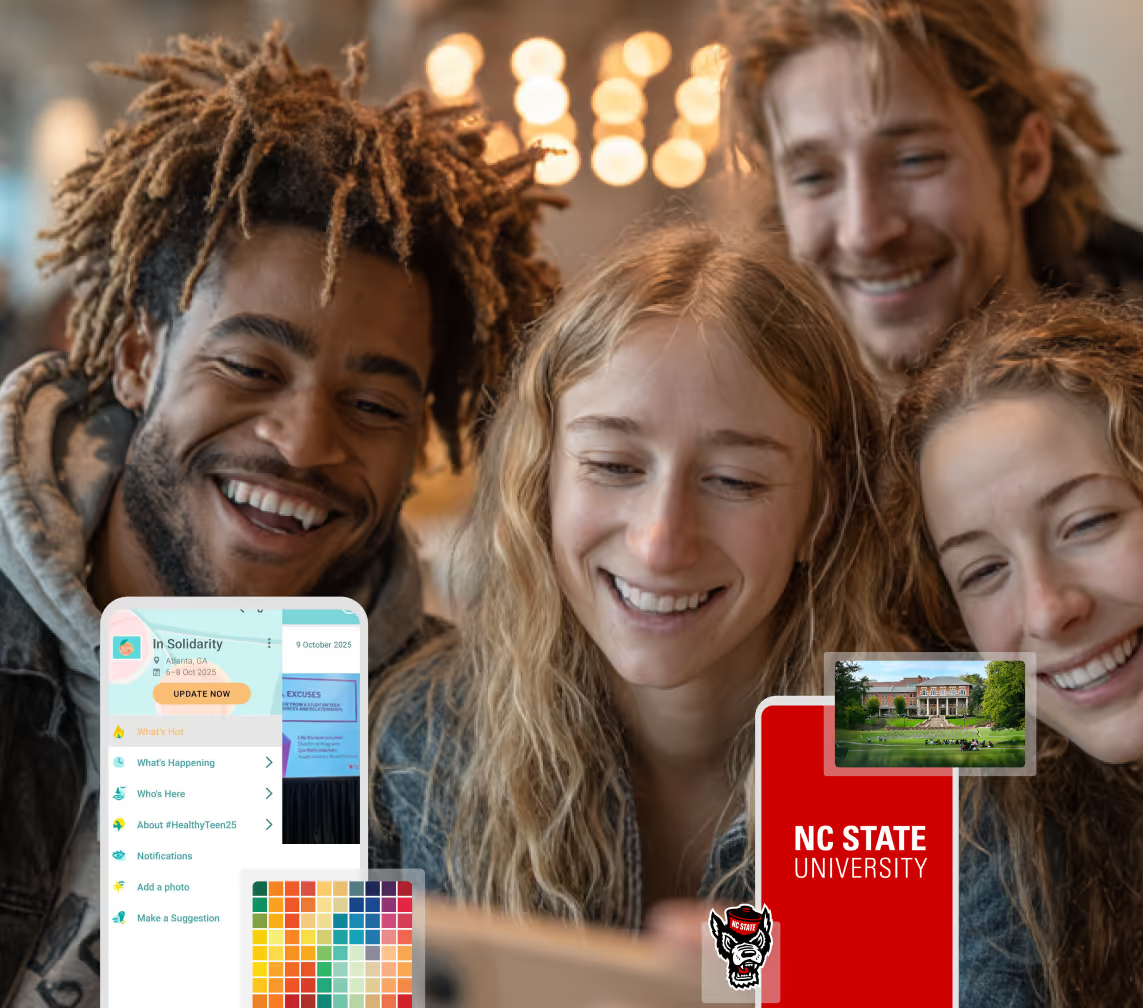
Boost Student Engagement
One hub for schedules, resources, and events that keeps students connected throughout the academic year.
Boost Student Engagement
One hub for schedules, resources, and events that keeps students connected throughout the academic year.
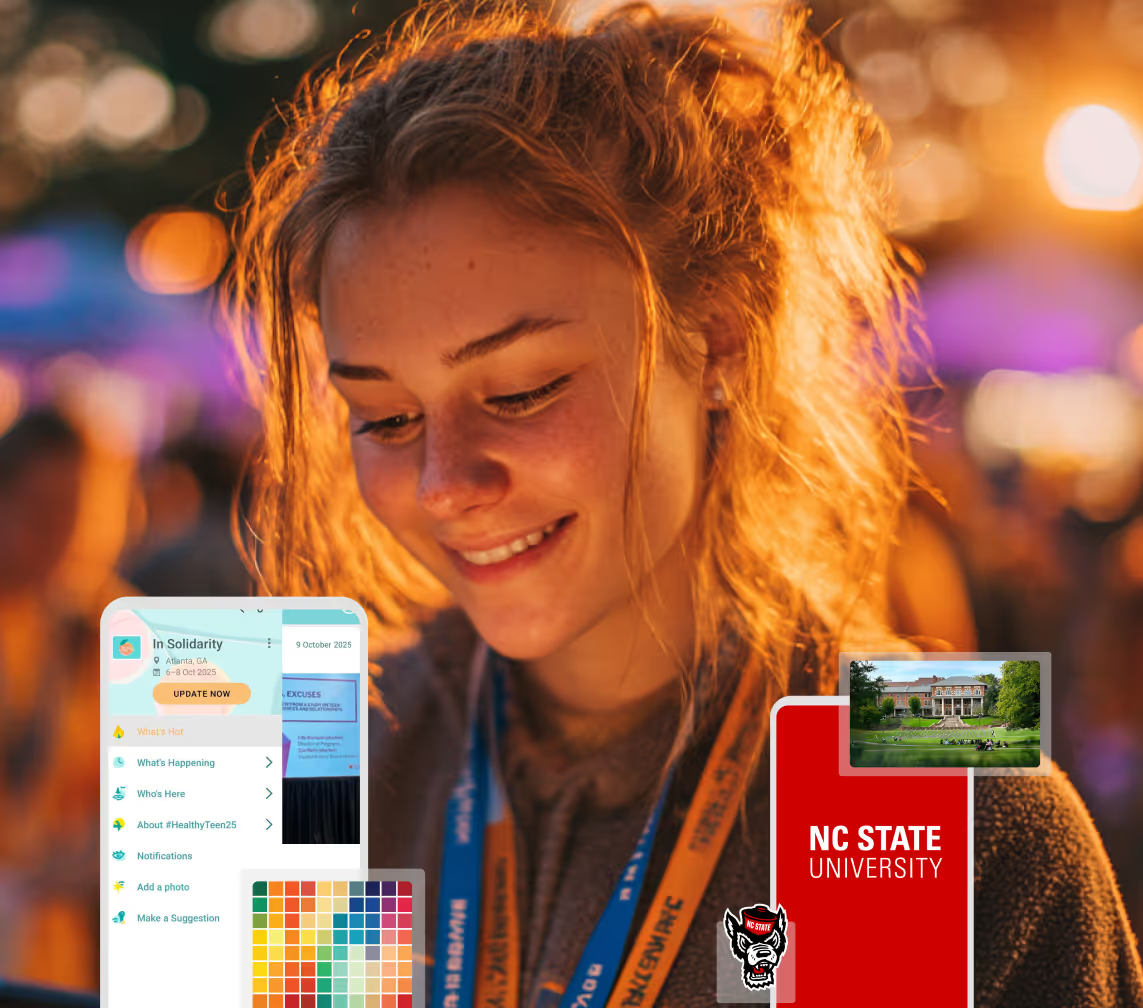
Planning Orientation?
Help new students feel prepared from day one with schedules, campus resources, and real-time updates in one app.
Planning Orientation?
Help new students feel prepared from day one with schedules, campus resources, and real-time updates in one app.
Running Admissions Events?
Manage open houses, tours, and yield events with a branded app that saves time and engages prospective students.

Running Admissions Events?
Manage open houses, tours, and yield events with a branded app that saves time and engages prospective students.
Get a custom Sponsorship Package Template
Stop starting from scratch. Grab free templates that helWe'll build a tailored sponsorship package with suggested pricing, tiers, and benefits..for your specific event.p you build professional sponsorship packages and close deals faster.
Get a custom Sponsorship Package Template
Stop starting from scratch. Grab free templates that helWe'll build a tailored sponsorship package with suggested pricing, tiers, and benefits..for your specific event.p you build professional sponsorship packages and close deals faster.
Plan Your Next Event Without Missing a Beat.
From venue selection to post-event wrap-up, this free checklist walks you through every step (so nothing falls through the cracks).
.avif)
Plan Your Next Event Without Missing a Beat.
From venue selection to post-event wrap-up, this free checklist walks you through every step (so nothing falls through the cracks).
Real Results From Real Events
100,000+ organizations trust Guidebook. See exactly how universities, associations, enterprises, and more put it to work.

Real Results From Real Events
100,000+ organizations trust Guidebook. See exactly how universities, associations, enterprises, and more put it to work.
Flexible pricing for every event size
Find the perfect plan for your needs, from intimate gatherings to large-scale conferences.
Flexible pricing for every event size
Find the perfect plan for your needs, from intimate gatherings to large-scale conferences.
Join our event experts
Watch on-demand webinars and join live sessions with industry leaders sharing best practices for event success.
.avif)
Join our event experts
Watch on-demand webinars and join live sessions with industry leaders sharing best practices for event success.
Guidebook in Action
Book a personalized walkthrough and discover how we help event teams create better attendee experiences.
Guidebook in Action
Book a personalized walkthrough and discover how we help event teams create better attendee experiences.
What is a Press Release Example for Event?
Discover what a press release example for an event looks like. Get templates, key elements, and tips to craft effective event press releases that capture media attention.
Press Release Example for Event is the ready-to-use template that shows event planners exactly how to announce their events to media outlets and generate buzz. These examples provide the structure, format, and language needed to craft compelling announcements. A well-written press release can mean the difference between packed attendance and empty seats.
Here's the thing: most event planners know they need press coverage. But staring at a blank page? That's where things fall apart. A press release example removes the guesswork. It shows you what works, what editors expect, and how to position your event as newsworthy. Think of it as your cheat sheet for media attention.
Key Characteristics of a Press Release Example for Event
- Standard Format Structure: Every example follows the inverted pyramid style. The most important information comes first, with supporting details following in order of importance.
- Headline and Subheadline: Examples showcase attention-grabbing headlines that hook readers instantly. The subheadline adds context without repeating the main headline.
- Dateline and Lead Paragraph: The opening includes location, date, and answers who, what, when, where, and why within the first 25 words.
- Quotable Content: Strong examples include quotes from event organizers or speakers. These add credibility and give journalists ready-to-publish soundbites.
- Boilerplate Section: Every example ends with a brief "About" section describing the hosting organization. This saves journalists research time.
- Contact Information: Clear media contact details appear prominently. Journalists need to know exactly who to call for more information.
- Call to Action: The best examples tell readers what to do next. Register here. Visit this website. Save the date.
Press Release Example for Event vs. Related Communications
Event announcements take many forms. Understanding the differences helps you choose the right tool for each situation.
Media Advisory
- Scope: Brief, one-page document focused on logistics
- Focus: Inviting journalists to attend and cover the event
- Timeline: Sent 3-5 days before the event
- Channels: Direct email to specific reporters and editors
- Goal: Secure on-site media coverage
Event Announcement Email
- Scope: Personalized message to your existing audience
- Focus: Driving registrations and ticket sales
- Timeline: Sent weeks or months in advance
- Channels: Email marketing platforms and newsletters
- Goal: Convert subscribers into attendees
Social Media Announcement
- Scope: Short, shareable content optimized for each platform
- Focus: Building awareness and encouraging shares
- Timeline: Ongoing promotion before, during, and after
- Channels: Facebook, LinkedIn, Instagram, Twitter
- Goal: Expand reach through organic engagement
A press release targets media outlets specifically. It's formal, follows strict conventions, and aims for earned coverage. Your event digital marketing strategy should include all three approaches working together.
Essential Components of a Press Release Example for Event
Craft a Compelling Headline
Your headline determines whether anyone reads further. Keep it under 10 words. Include the event name and one key benefit or hook.
Strong headlines create urgency or curiosity. "Tech Summit 2026 Brings 50 Industry Leaders to Chicago" works better than "Annual Conference Scheduled for March." Be specific. Be bold.
Write a Strong Lead Paragraph
Journalists are busy. Your first paragraph must deliver the essentials immediately. Answer the five W's in 25-30 words.
Here's a formula that works:
- What: Name and type of event
- When: Specific date and time
- Where: Venue and city
- Who: Hosting organization
- Why: The main value proposition
Include Relevant Quotes
Quotes humanize your press release. They give journalists content they can use directly. Include one quote from an organizer and one from a featured speaker if possible.
Good quotes express enthusiasm, share vision, or highlight what makes this event unique. Avoid generic statements like "We're excited to host this event." Instead, try: "This year's summit tackles the challenges keeping CEOs up at night."
Add Supporting Details
After the lead, expand on the event details. Cover:
- Featured speakers or performers
- Session topics or agenda highlights
- Expected attendance numbers
- Registration information and pricing
- Sponsorship or partnership announcements
Close with Your Boilerplate
The boilerplate is your organization's "About Us" section. Keep it to 3-4 sentences. Include your mission, history, and website. This section stays consistent across all press releases.
The Press Release Distribution Process
Build Your Media List
Don't blast your press release everywhere. Target journalists who cover your industry or event type. Research who writes about similar events. Check their recent articles.
Create a spreadsheet with:
- Reporter name and outlet
- Email address
- Beat or coverage area
- Recent relevant articles
Time Your Distribution Right
Timing matters more than you think. Send press releases Tuesday through Thursday. Avoid Monday mornings and Friday afternoons. Aim for 9-10 AM in the journalist's time zone.
For major events, send your first release 4-6 weeks out. Follow up with a reminder 2 weeks before. Send a final media advisory 3-5 days prior.
Personalize Your Pitch
Mass emails get deleted. Personalized pitches get read. Reference the journalist's recent work. Explain why your event matters to their audience.
Keep your email brief. Include the press release as both an attachment and pasted text. Make it easy for them to say yes.
Follow Up Strategically
No response doesn't mean no interest. Follow up once, 3-5 days after your initial send. Keep it short. Offer additional information or interview opportunities.
Track your outreach in a spreadsheet. Note who opened, who responded, and who covered your event. This data improves future campaigns.
Why Press Release Example for Event Matters
For Event Success:
- Increased Visibility: Media coverage reaches audiences you can't access through paid advertising alone.
- Credibility Boost: Third-party coverage carries more weight than self-promotion. Journalists validate your event's importance.
- SEO Benefits: Online press coverage creates backlinks to your event registration page, improving search rankings.
- Attendance Growth: Media mentions drive registrations. People trust events that get press coverage.
- Content Amplification: Press releases give you shareable content for social media and email campaigns.
For Business Objectives:
- Brand Awareness: Every media mention puts your organization in front of new audiences.
- Thought Leadership: Press coverage positions your team as industry experts worth following.
- Sponsor Value: Media impressions increase the value of your sponsorship packages.
- Lead Generation: Coverage drives traffic to your website, capturing potential customers.
- Measurable ROI: Track media mentions, website traffic, and registrations to prove event ROI.
Platforms like Guidebook's event management platform help you maximize the impact of your press coverage. When journalists write about your event, you need a professional digital presence to back it up.
Press Release Example for Event Best Practices
- Start with a Template: Don't reinvent the wheel. Use proven press release formats as your foundation. Customize from there.
- Lead with News: Your event isn't news by itself. Find the angle. What's new, different, or timely about this event?
- Keep It Under 500 Words: Journalists skim. Respect their time. Cut every unnecessary word.
- Use Active Voice: "The conference features 30 speakers" beats "30 speakers will be featured at the conference."
- Include Multimedia: Link to high-resolution images, videos, or speaker headshots. Make the journalist's job easier.
- Optimize for Search: Include relevant keywords naturally. Your press release may appear in search results. Learn more about event SEO strategies.
- Proofread Ruthlessly: Typos kill credibility. Read your release aloud. Have someone else review it.
- Include Clear Contact Info: Name, phone, email. Make sure someone actually answers that phone.
- Add a Strong CTA: Tell readers exactly what to do. Register now. Learn more. Request an interview.
- Track Your Results: Use unique URLs or tracking codes. Measure which outlets drive the most traffic.
Common Press Release Example for Event Mistakes
Writing Like an Advertisement: Press releases inform; they don't sell. Journalists delete anything that reads like marketing copy. Stick to facts, not hype. Save the sales pitch for your event advertising.
Burying the Lead: If your most important information appears in paragraph three, you've lost the reader. Front-load the news. Get to the point immediately.
Ignoring the Audience: A press release for a tech publication differs from one for a local newspaper. Tailor your angle and language to each outlet's readers.
Forgetting the Human Element: Numbers and facts matter, but stories resonate. Include quotes, attendee testimonials, or speaker backgrounds that bring your event to life.
Sending Too Early or Too Late: Six months out? Journalists won't care yet. Three days before? They can't plan coverage. Find the sweet spot based on your event type and media targets.
Neglecting Follow-Up: One email rarely gets results. Plan a follow-up strategy. But don't be annoying. Two touches maximum unless they respond.
Missing Mobile Optimization: Journalists read emails on phones. If your press release doesn't display well on mobile, it won't get read. Test before sending.
Final Thoughts
A strong press release example for event gives you the blueprint for media success. It's not about fancy writing. It's about clear communication, proper formatting, and strategic distribution. Master these basics, and you'll earn coverage that money can't buy.
The events industry continues evolving. Digital-first strategies now dominate event marketing. But press releases remain relevant. They've simply adapted. Today's releases include multimedia, optimize for search, and integrate with broader event planning strategies.
Don't let the blank page intimidate you. Start with a proven example. Customize it for your event. Focus on what makes your event newsworthy. Then get it in front of the right journalists at the right time.
Ready to take your events to the next level? Book a demo with Guidebook to see how our platform supports everything from event check-in to attendee engagement. Explore our templates and case studies for more inspiration. Your next successful event starts with the right tools—and the right press release.
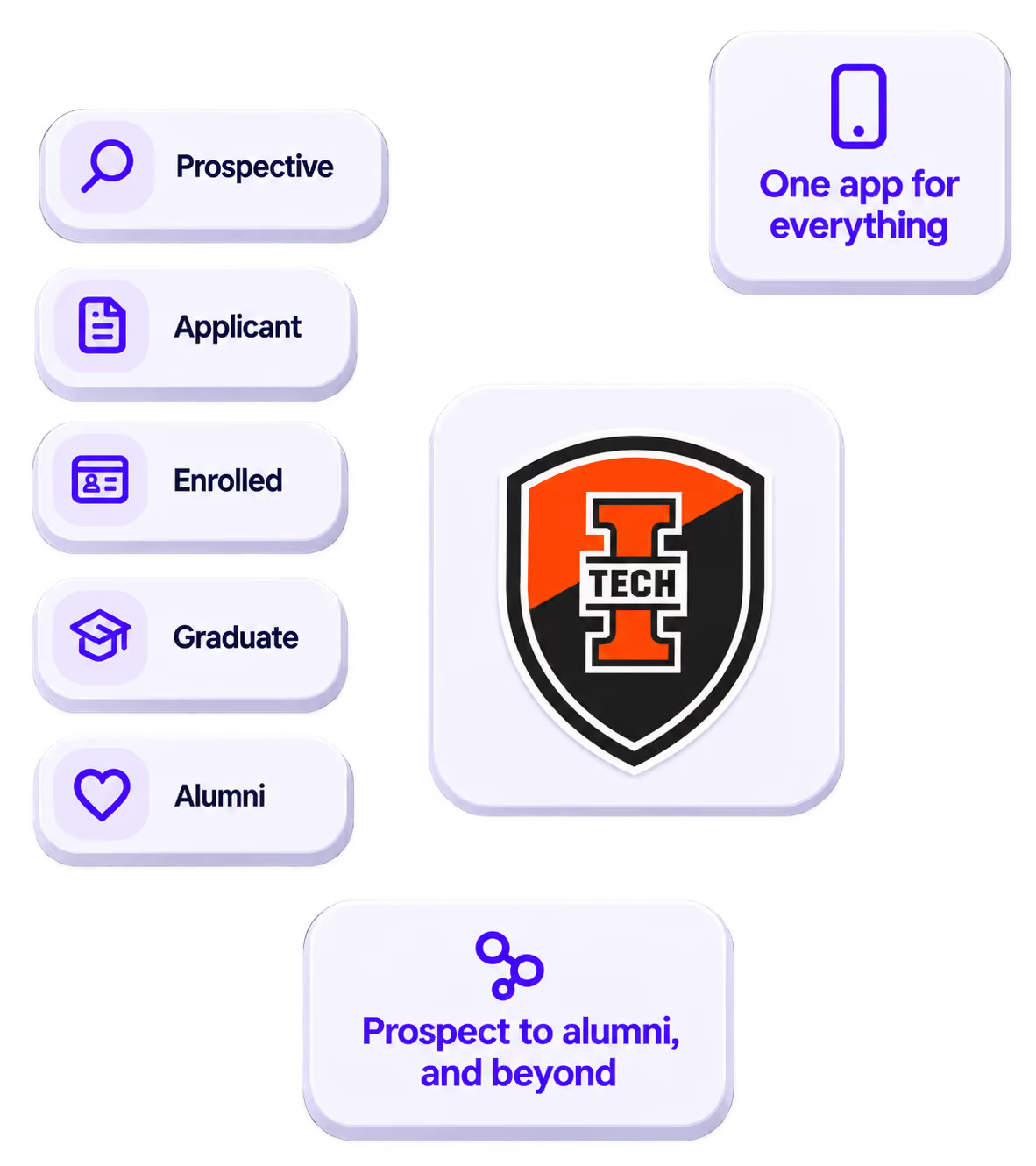
The power of your brand in your app, from first visit to alumni.
Build trust
Your brand, front and center in your own app, downloaded directly from the app stores.
.avif)
Deliver continuity
One app for everything a student needs. From being a prospective student through to graduation and beyond.
Stand out
Your own app helps you to stand out from the competition, stay top of mind, and be remembered.

Get the Mobile App Playbook
A short guide to running the whole student journey in one app. No fluff, just what works.
for higher ed
Campus
Playbook
A practical guide to building a connected campus experience.
Free playbook
The Mobile App Playbook for Universities
Students decide if they belong long before they set foot on campus. This playbook shows how to win them over from the first visit through graduation.
- Grow enrollment and boost recruitment
- Increase belonging and retention
- Run every event from one branded app
By submitting, you agree to our Privacy Policy.
You're in.
.png)