
Campus apps by department
Admissions, orientation, student life, and more — one campus app that works across departments.

Campus apps by department
Admissions, orientation, student life, and more — one campus app that works across departments.
Build unlimited event apps on one license
One partnership for unlimited campus events — orientation, tours, student life, and everything in between.
Build unlimited event apps on one license
One partnership for unlimited campus events — orientation, tours, student life, and everything in between.
Compare event app platforms
See how Guidebook stacks up against other event app and registration platforms.
Compare event app platforms
See how Guidebook stacks up against other event app and registration platforms.
Event apps for nonprofit and community programs
Give members, volunteers, and donors one branded app for conferences, fundraisers, and year-round community.
Event apps for nonprofit and community programs
Give members, volunteers, and donors one branded app for conferences, fundraisers, and year-round community.
Campus integrations and an open API
Connect Guidebook with the campus systems, APIs, and tools your team already uses.
Campus integrations and an open API
Connect Guidebook with the campus systems, APIs, and tools your team already uses.
Event apps for corporate and enterprise teams
Internal meetings, offsites, and large-scale corporate events — with the branding and control enterprise teams need.
Event apps for corporate and enterprise teams
Internal meetings, offsites, and large-scale corporate events — with the branding and control enterprise teams need.
Create a branded event app with no coding
Put schedules, maps, resources, and updates in every attendee's pocket — built for campus events and programs.
Create a branded event app with no coding
Put schedules, maps, resources, and updates in every attendee's pocket — built for campus events and programs.
Launch a branded, white-label event app
A white-label event app with your branding, your content, and your attendee experience — no coding required.
Launch a branded, white-label event app
A white-label event app with your branding, your content, and your attendee experience — no coding required.
Everything in the Guidebook platform
Explore the features event teams use to engage attendees before, during, and after the event.
Everything in the Guidebook platform
Explore the features event teams use to engage attendees before, during, and after the event.
One app for in-person and virtual attendees
The same schedule, networking, and updates whether people are in the room or joining remotely.
One app for in-person and virtual attendees
The same schedule, networking, and updates whether people are in the room or joining remotely.
Event apps built for associations
Annual meetings, chapter events, and member engagement — without rebuilding a new app every year.
Event apps built for associations
Annual meetings, chapter events, and member engagement — without rebuilding a new app every year.
A branded event website that matches the app
Promote the event, collect interest, and keep branding consistent from the first click to check-in.
A branded event website that matches the app
Promote the event, collect interest, and keep branding consistent from the first click to check-in.
Plan, run, and measure events on one platform
App, registration, badges, and websites in one workflow — so planning isn't a pile of disconnected tools.
Plan, run, and measure events on one platform
App, registration, badges, and websites in one workflow — so planning isn't a pile of disconnected tools.
Keep members engaged between events
One branded app for the conference and everything that happens the other 51 weeks of the year.
Keep members engaged between events
One branded app for the conference and everything that happens the other 51 weeks of the year.
The conference app attendees actually use
Schedules, maps, networking, and live updates for annual meetings, summits, and multi-day conferences.
The conference app attendees actually use
Schedules, maps, networking, and live updates for annual meetings, summits, and multi-day conferences.
Registration that feeds your app and badges
Collect registrations, payments, and attendee data in the same platform as your event app.
Registration that feeds your app and badges
Collect registrations, payments, and attendee data in the same platform as your event app.
Design and print event badges in one place
Custom badges, QR check-in, and on-site printing — without a separate badge vendor.
Design and print event badges in one place
Custom badges, QR check-in, and on-site printing — without a separate badge vendor.
A Smaller School?
Deliver a polished, branded event experience without a large team or a big budget.
A Smaller School?
Deliver a polished, branded event experience without a large team or a big budget.
Running Family Programs?
Give families everything they need, from schedules and maps to real-time updates, all in one place.
Running Family Programs?
Give families everything they need, from schedules and maps to real-time updates, all in one place.
Coordinating Move-In Day?
Share updates, manage events, and keep students informed from move-in through the academic year.

Coordinating Move-In Day?
Share updates, manage events, and keep students informed from move-in through the academic year.
Offering Campus Tours?
Deliver branded, self-guided tour experiences with interactive maps and rich media, available 24/7.

Offering Campus Tours?
Deliver branded, self-guided tour experiences with interactive maps and rich media, available 24/7.
Organising a Career Fair?
Simplify logistics for students, employers, and Career Services staff with one easy-to-use app.
Organising a Career Fair?
Simplify logistics for students, employers, and Career Services staff with one easy-to-use app.
Managing Alumni Events?
Plan reunions, regional events, and fundraising campaigns with an app built for alumni engagement.
Managing Alumni Events?
Plan reunions, regional events, and fundraising campaigns with an app built for alumni engagement.
Boost Student Engagement
One hub for schedules, resources, and events that keeps students connected throughout the academic year.
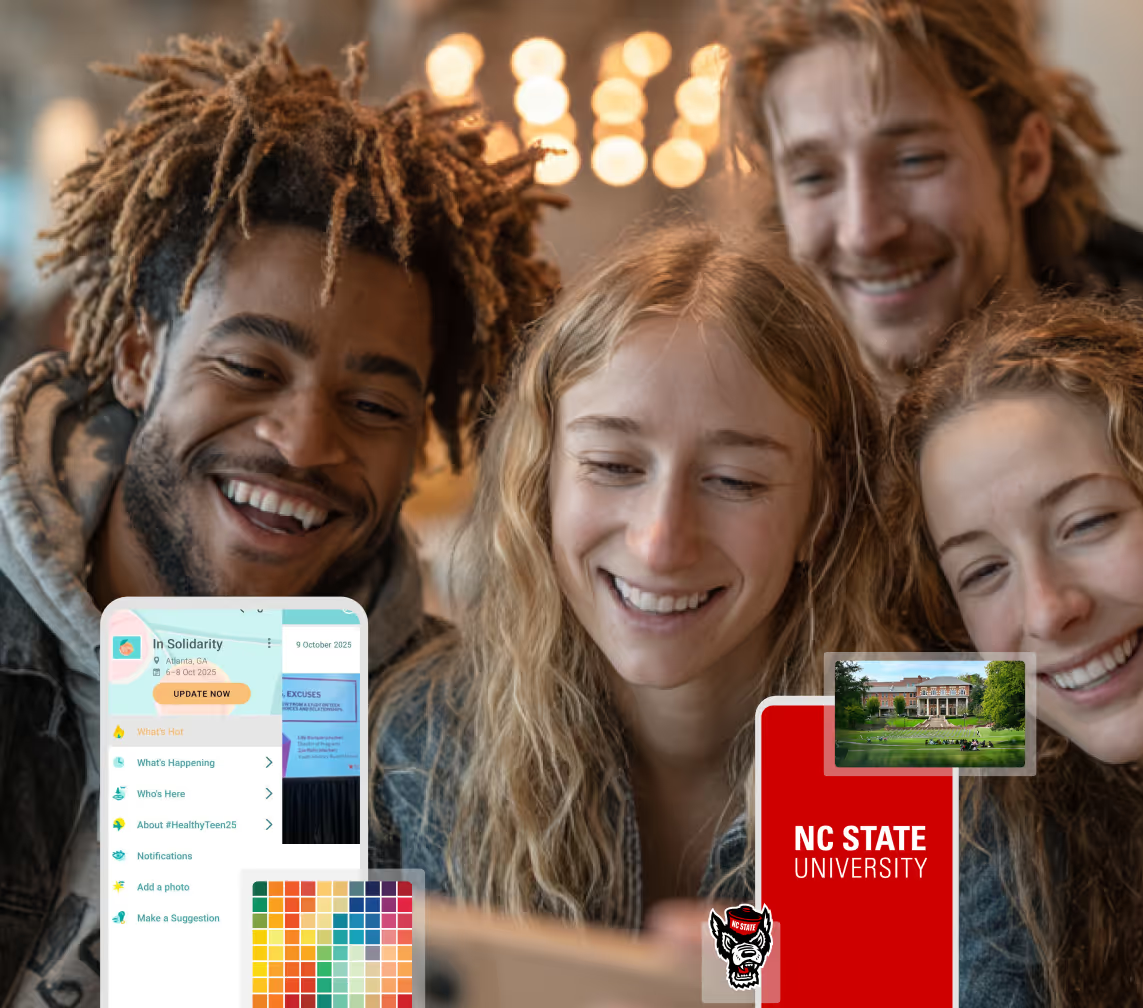
Boost Student Engagement
One hub for schedules, resources, and events that keeps students connected throughout the academic year.
Planning Orientation?
Help new students feel prepared from day one with schedules, campus resources, and real-time updates in one app.
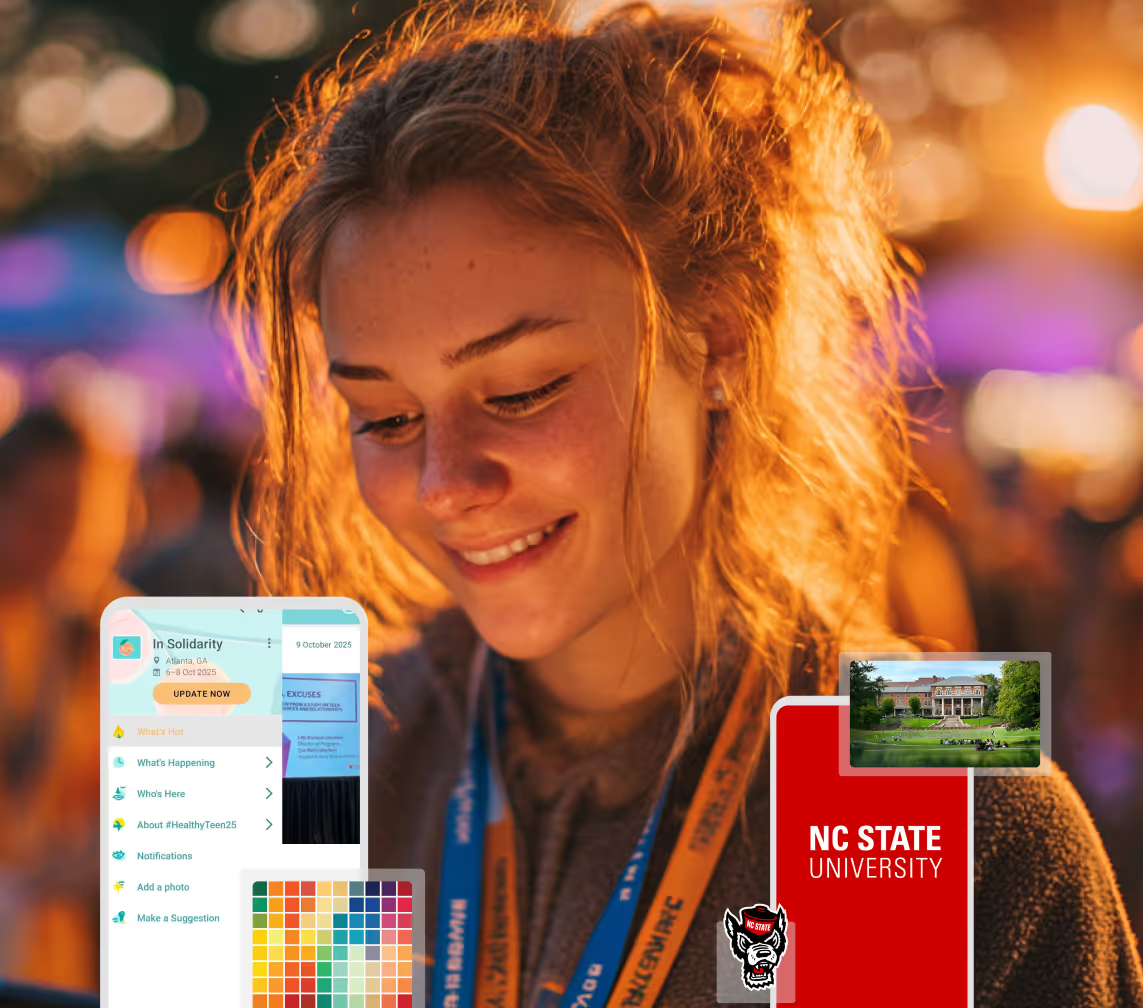
Planning Orientation?
Help new students feel prepared from day one with schedules, campus resources, and real-time updates in one app.
Running Admissions Events?
Manage open houses, tours, and yield events with a branded app that saves time and engages prospective students.

Running Admissions Events?
Manage open houses, tours, and yield events with a branded app that saves time and engages prospective students.
Get a custom Sponsorship Package Template
Stop starting from scratch. Grab free templates that helWe'll build a tailored sponsorship package with suggested pricing, tiers, and benefits..for your specific event.p you build professional sponsorship packages and close deals faster.
Get a custom Sponsorship Package Template
Stop starting from scratch. Grab free templates that helWe'll build a tailored sponsorship package with suggested pricing, tiers, and benefits..for your specific event.p you build professional sponsorship packages and close deals faster.
Plan Your Next Event Without Missing a Beat.
From venue selection to post-event wrap-up, this free checklist walks you through every step (so nothing falls through the cracks).
.avif)
Plan Your Next Event Without Missing a Beat.
From venue selection to post-event wrap-up, this free checklist walks you through every step (so nothing falls through the cracks).
Real Results From Real Events
100,000+ organizations trust Guidebook. See exactly how universities, associations, enterprises, and more put it to work.

Real Results From Real Events
100,000+ organizations trust Guidebook. See exactly how universities, associations, enterprises, and more put it to work.
Flexible pricing for every event size
Find the perfect plan for your needs, from intimate gatherings to large-scale conferences.
Flexible pricing for every event size
Find the perfect plan for your needs, from intimate gatherings to large-scale conferences.
Join our event experts
Watch on-demand webinars and join live sessions with industry leaders sharing best practices for event success.
.avif)
Join our event experts
Watch on-demand webinars and join live sessions with industry leaders sharing best practices for event success.
Guidebook in Action
Book a personalized walkthrough and discover how we help event teams create better attendee experiences.
Guidebook in Action
Book a personalized walkthrough and discover how we help event teams create better attendee experiences.

How to Advertise an Event
Learn how to advertise an event effectively with proven strategies, channel recommendations, and actionable tips. Discover templates, promotion ideas, and ways to boost event visibility and attendance.

Advertise an Event is the strategic process of promoting your event across multiple channels to reach the right audience, drive registrations, and create buzz that fills seats. It covers everything from social media posts to email campaigns to paid ads. Done well, event advertising turns unknown gatherings into must-attend experiences.
Here's the thing: advertising an event isn't just about spreading the word. It's about reaching people who actually want to attend. Random promotion wastes money. Targeted advertising builds audiences. The best event marketers know exactly who they're talking to and where to find them.
Key Characteristics of Event Advertising
- Audience-Centric Approach: Every ad decision starts with understanding who you want to reach. Demographics, interests, and behaviors shape your entire strategy.
- Multi-Channel Distribution: Effective event advertising spans multiple platforms. Social media, email, paid search, and traditional media work together.
- Time-Sensitive Messaging: Event ads create urgency. Deadlines, early-bird pricing, and limited capacity drive action.
- Measurable Results: Unlike general brand awareness, event advertising tracks specific outcomes. Registrations, ticket sales, and RSVPs show what's working.
- Visual-First Content: Eye-catching graphics, videos, and imagery stop the scroll. Text alone rarely cuts through the noise.
- Clear Call-to-Action: Every ad points to one thing: register, buy tickets, or save your spot. No confusion about next steps.
- Budget Flexibility: Event advertising scales to fit any budget. Free organic posts and paid campaigns both play important roles.
Advertise an Event vs. Related Marketing Terms
Event advertising often gets confused with similar concepts. Here's how they differ:
Event Marketing
- Scope: Broader strategy covering the entire attendee journey
- Focus: Building relationships and brand experiences
- Timeline: Before, during, and after the event
- Channels: Includes on-site activations and post-event follow-up
- Goal: Long-term engagement and brand loyalty
Event Promotion
- Scope: All activities that spread awareness about an event
- Focus: Getting the word out through any means
- Timeline: Primarily pre-event
- Channels: Includes word-of-mouth, PR, and partnerships
- Goal: Maximum visibility and reach
Event PR
- Scope: Earned media coverage and press relationships
- Focus: Third-party credibility and news coverage
- Timeline: Pre-event announcements and post-event recaps
- Channels: Media outlets, journalists, and influencers
- Goal: Credibility and organic reach
Think of it this way: event marketing is the umbrella. Event advertising is the paid and owned media piece. Event promotion includes everything you do to spread awareness. And PR focuses on earned coverage. Smart planners use all four together.
Essential Event Advertising Channels
Choosing the right channels makes or breaks your advertising efforts. Here's where to focus your energy.
Social Media Platforms
Social media offers both free and paid options. Organic posts build community. Paid ads extend your reach to new audiences.
Each platform serves different purposes:
- LinkedIn works best for professional conferences and B2B events
- Instagram shines for visual, lifestyle-focused gatherings
- Facebook excels at community events and local audiences
- TikTok reaches younger demographics with creative content
Understanding Facebook keywords for events helps your ads reach the right people.
Email Marketing Campaigns
Email remains one of the highest-converting channels. Your existing contacts already know and trust you. That makes them more likely to register.
Segment your lists for better results. Past attendees get different messages than prospects. VIPs deserve personalized outreach. One-size-fits-all emails underperform.
Paid Search and Display Ads
Google Ads capture people actively searching for events like yours. Display ads build awareness across websites your audience visits.
Retargeting ads follow visitors who checked out your event page but didn't register. These often deliver the best return on ad spend.
Content Marketing and SEO
Blog posts, videos, and guides attract organic traffic. Event SEO helps people find your event when searching online.
This approach takes longer but costs less over time. Content keeps working long after you publish it.
Traditional Media Options
Don't ignore offline channels. Local events benefit from:
- Radio spots and podcast ads
- Print ads in relevant publications
- Outdoor billboards and signage
- Direct mail to targeted lists
The Event Advertising Timeline
Timing matters as much as channel selection. Here's how to structure your advertising efforts.
Launch Phase (8-12 Weeks Out)
Start with awareness-building content. Announce your event across all channels. Focus on the big picture: what, when, where, and why it matters.
This phase targets your warmest audiences first. Email your existing list. Post to engaged social followers. Let your biggest fans spread the word.
Build Phase (4-8 Weeks Out)
Ramp up paid advertising. Share speaker announcements, agenda highlights, and early-bird deadlines. Create urgency without being pushy.
Test different ad creative and messaging. Double down on what works. Cut what doesn't.
Push Phase (2-4 Weeks Out)
This is crunch time. Increase ad spend. Send more frequent emails. Leverage press releases for last-minute coverage.
Highlight scarcity: limited seats, final pricing, or exclusive bonuses for quick action.
Final Sprint (Last 2 Weeks)
Focus on conversion over awareness. Retarget everyone who showed interest. Send reminder emails to incomplete registrations.
Personal outreach works well here. Have your team reach out directly to high-value prospects.
Why Advertise an Event Matters
For Event Success:
- Fills Seats: Even amazing events fail without attendees. Advertising ensures people know about your event and show up.
- Attracts the Right Audience: Targeted ads bring people who actually want what you're offering. Quality matters more than quantity.
- Builds Anticipation: Good advertising creates excitement before the event starts. Attendees arrive engaged and ready to participate.
- Supports Sponsors: Sponsors want visibility. Strong advertising proves you can deliver the audience they're paying to reach.
- Creates Social Proof: Public advertising signals legitimacy. People trust events that invest in professional promotion.
For Business Objectives:
- Generates Revenue: More registrations mean more ticket sales. Advertising directly impacts your bottom line.
- Builds Brand Awareness: Event ads introduce your organization to new audiences. Even non-attendees learn who you are.
- Grows Your Database: Every registration adds contacts for future marketing. Events become lead generation engines.
- Strengthens Partnerships: Co-marketing with sponsors and partners extends your reach. Everyone benefits from shared promotion.
- Improves Event ROI: Smart advertising maximizes return on your event investment. Better attendance means better results.
Platforms like Guidebook's event management platform help you track advertising performance and connect promotion efforts to actual attendance data.
Advertise an Event Best Practices
- Define Your Target Audience First: Know exactly who you want to reach before spending a dollar. Create detailed personas with demographics, interests, and pain points.
- Set Clear, Measurable Goals: Decide what success looks like. Registration numbers, ticket revenue, or attendance targets give you something to measure against.
- Create a Consistent Visual Identity: Use the same colors, fonts, and imagery across all channels. Consistency builds recognition and trust.
- Write Compelling Headlines: Your headline determines whether people read further. Focus on benefits, not features. What will attendees gain?
- Use Video Whenever Possible: Video outperforms static images on almost every platform. Even simple clips boost engagement significantly.
- Test Multiple Ad Variations: Don't guess what works. Run A/B tests on headlines, images, and calls-to-action. Let data guide decisions.
- Optimize for Mobile: Most people see your ads on phones. Make sure landing pages load fast and registration forms work on small screens.
- Leverage Social Proof: Include testimonials, past attendance numbers, and speaker credentials. Show people why others trust your event.
- Create Urgency Without Being Sleazy: Real deadlines and limited capacity drive action. Fake scarcity destroys trust.
Common Event Advertising Mistakes
Starting Too Late: Many planners wait until weeks before their event to advertise. By then, calendars are full and budgets are spent. Start promoting at least 8-12 weeks out for best results.
Targeting Everyone: Broad targeting wastes money. "Anyone interested in events" isn't a target audience. Get specific about who you want to reach and why they'd care.
Ignoring Organic Channels: Paid ads get attention, but organic content builds trust. Balance both. Your email list and social followers deserve consistent, valuable content.
Weak Calls-to-Action: "Learn more" doesn't drive registrations. Tell people exactly what to do: "Register now," "Save your spot," or "Get your ticket." Be direct.
Inconsistent Messaging: Different messages on different channels confuse people. Your event value proposition should stay consistent everywhere.
Forgetting Mobile Users: Over 60% of ad clicks happen on mobile devices. If your registration page doesn't work on phones, you're losing attendees.
Not Retargeting: Most people don't register on their first visit. Retargeting ads remind interested visitors to come back and complete registration. Skipping this leaves money on the table.
Final Thoughts
Learning to advertise an event effectively separates successful gatherings from empty rooms. It's not about having the biggest budget. It's about reaching the right people with the right message at the right time.
The event industry keeps evolving. Current event trends show audiences expect more personalized, targeted communication. Generic blast emails and broad social posts don't cut it anymore. Smart event digital marketing meets people where they are.
Here's what separates good event advertisers from great ones: they treat every campaign as a learning opportunity. They test, measure, and improve. They know their audience deeply. And they never stop experimenting with new types of event marketing.
Ready to level up your event advertising? Guidebook helps planners create seamless attendee experiences from first ad click to final session. Explore our event templates, check out case studies from successful events, or book a demo to see how our platform supports your event planning goals. Because great advertising deserves an equally great event experience.
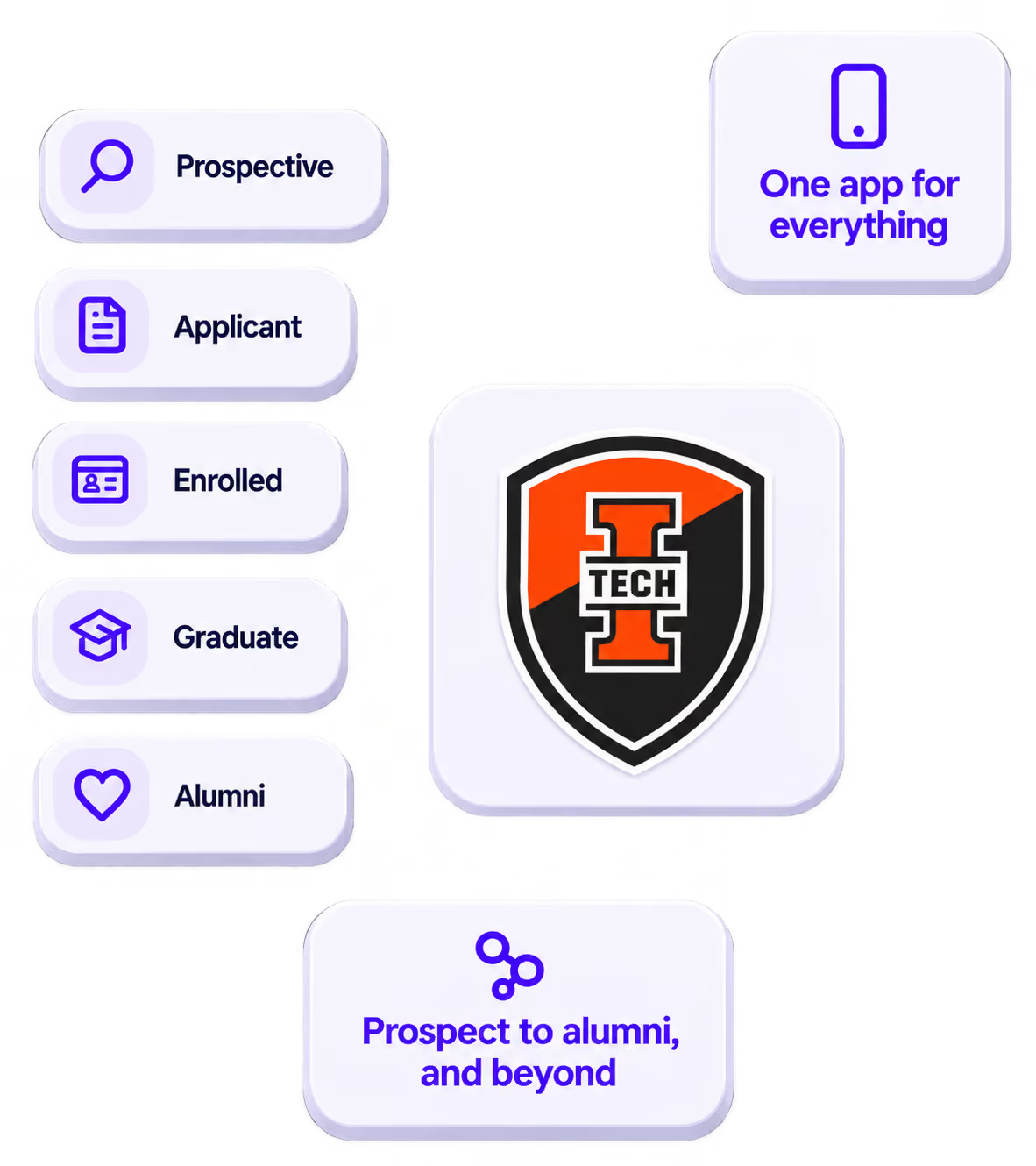
The power of your brand in your app, from first visit to alumni.
Build trust
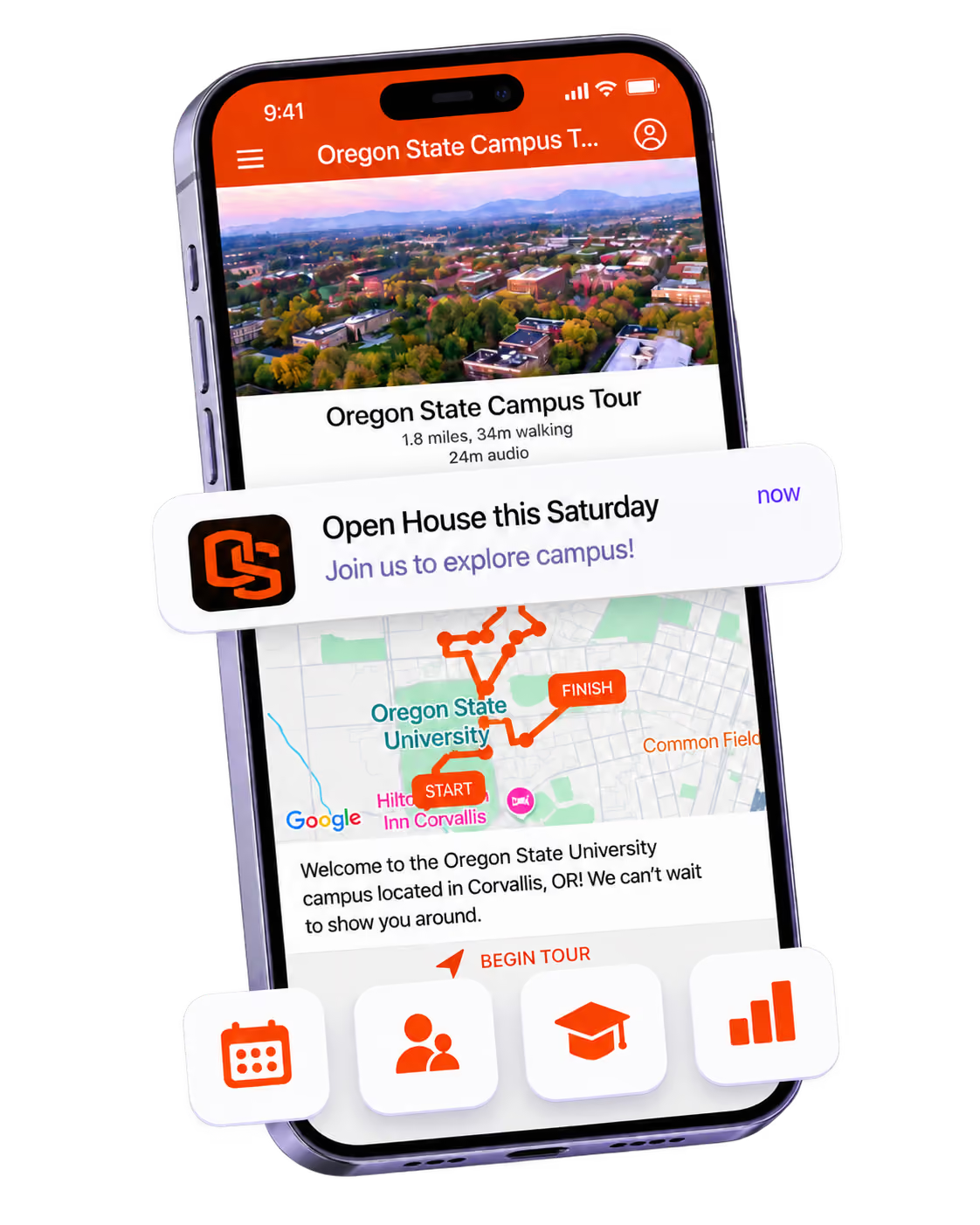
Your brand, front and center in your own app, downloaded directly from the app stores.
.avif)
Deliver continuity
One app for everything a student needs. From being a prospective student through to graduation and beyond.
Stand out
Your own app helps you to stand out from the competition, stay top of mind, and be remembered.

Get the Mobile App Playbook
A short guide to running the whole student journey in one app. No fluff, just what works.
for higher ed
Campus
Playbook
A practical guide to building a connected campus experience.
Free playbook
The Mobile App Playbook for Universities
Students decide if they belong long before they set foot on campus. This playbook shows how to win them over from the first visit through graduation.
- Grow enrollment and boost recruitment
- Increase belonging and retention
- Run every event from one branded app
By submitting, you agree to our Privacy Policy.
You're in.
.png)