
Campus apps by department
Admissions, orientation, student life, and more — one campus app that works across departments.

Campus apps by department
Admissions, orientation, student life, and more — one campus app that works across departments.
Build unlimited event apps on one license
One partnership for unlimited campus events — orientation, tours, student life, and everything in between.
Build unlimited event apps on one license
One partnership for unlimited campus events — orientation, tours, student life, and everything in between.
Compare event app platforms
See how Guidebook stacks up against other event app and registration platforms.
Compare event app platforms
See how Guidebook stacks up against other event app and registration platforms.
Event apps for nonprofit and community programs
Give members, volunteers, and donors one branded app for conferences, fundraisers, and year-round community.
Event apps for nonprofit and community programs
Give members, volunteers, and donors one branded app for conferences, fundraisers, and year-round community.
Campus integrations and an open API
Connect Guidebook with the campus systems, APIs, and tools your team already uses.
Campus integrations and an open API
Connect Guidebook with the campus systems, APIs, and tools your team already uses.
Event apps for corporate and enterprise teams
Internal meetings, offsites, and large-scale corporate events — with the branding and control enterprise teams need.
Event apps for corporate and enterprise teams
Internal meetings, offsites, and large-scale corporate events — with the branding and control enterprise teams need.
Create a branded event app with no coding
Put schedules, maps, resources, and updates in every attendee's pocket — built for campus events and programs.
Create a branded event app with no coding
Put schedules, maps, resources, and updates in every attendee's pocket — built for campus events and programs.
Launch a branded, white-label event app
A white-label event app with your branding, your content, and your attendee experience — no coding required.
Launch a branded, white-label event app
A white-label event app with your branding, your content, and your attendee experience — no coding required.
Everything in the Guidebook platform
Explore the features event teams use to engage attendees before, during, and after the event.
Everything in the Guidebook platform
Explore the features event teams use to engage attendees before, during, and after the event.
One app for in-person and virtual attendees
The same schedule, networking, and updates whether people are in the room or joining remotely.
One app for in-person and virtual attendees
The same schedule, networking, and updates whether people are in the room or joining remotely.
Event apps built for associations
Annual meetings, chapter events, and member engagement — without rebuilding a new app every year.
Event apps built for associations
Annual meetings, chapter events, and member engagement — without rebuilding a new app every year.
A branded event website that matches the app
Promote the event, collect interest, and keep branding consistent from the first click to check-in.
A branded event website that matches the app
Promote the event, collect interest, and keep branding consistent from the first click to check-in.
Plan, run, and measure events on one platform
App, registration, badges, and websites in one workflow — so planning isn't a pile of disconnected tools.
Plan, run, and measure events on one platform
App, registration, badges, and websites in one workflow — so planning isn't a pile of disconnected tools.
Keep members engaged between events
One branded app for the conference and everything that happens the other 51 weeks of the year.
Keep members engaged between events
One branded app for the conference and everything that happens the other 51 weeks of the year.
The conference app attendees actually use
Schedules, maps, networking, and live updates for annual meetings, summits, and multi-day conferences.
The conference app attendees actually use
Schedules, maps, networking, and live updates for annual meetings, summits, and multi-day conferences.
Registration that feeds your app and badges
Collect registrations, payments, and attendee data in the same platform as your event app.
Registration that feeds your app and badges
Collect registrations, payments, and attendee data in the same platform as your event app.
Design and print event badges in one place
Custom badges, QR check-in, and on-site printing — without a separate badge vendor.
Design and print event badges in one place
Custom badges, QR check-in, and on-site printing — without a separate badge vendor.
A Smaller School?
Deliver a polished, branded event experience without a large team or a big budget.
A Smaller School?
Deliver a polished, branded event experience without a large team or a big budget.
Running Family Programs?
Give families everything they need, from schedules and maps to real-time updates, all in one place.
Running Family Programs?
Give families everything they need, from schedules and maps to real-time updates, all in one place.
Coordinating Move-In Day?
Share updates, manage events, and keep students informed from move-in through the academic year.

Coordinating Move-In Day?
Share updates, manage events, and keep students informed from move-in through the academic year.
Offering Campus Tours?
Deliver branded, self-guided tour experiences with interactive maps and rich media, available 24/7.

Offering Campus Tours?
Deliver branded, self-guided tour experiences with interactive maps and rich media, available 24/7.
Organising a Career Fair?
Simplify logistics for students, employers, and Career Services staff with one easy-to-use app.
Organising a Career Fair?
Simplify logistics for students, employers, and Career Services staff with one easy-to-use app.
Managing Alumni Events?
Plan reunions, regional events, and fundraising campaigns with an app built for alumni engagement.
Managing Alumni Events?
Plan reunions, regional events, and fundraising campaigns with an app built for alumni engagement.
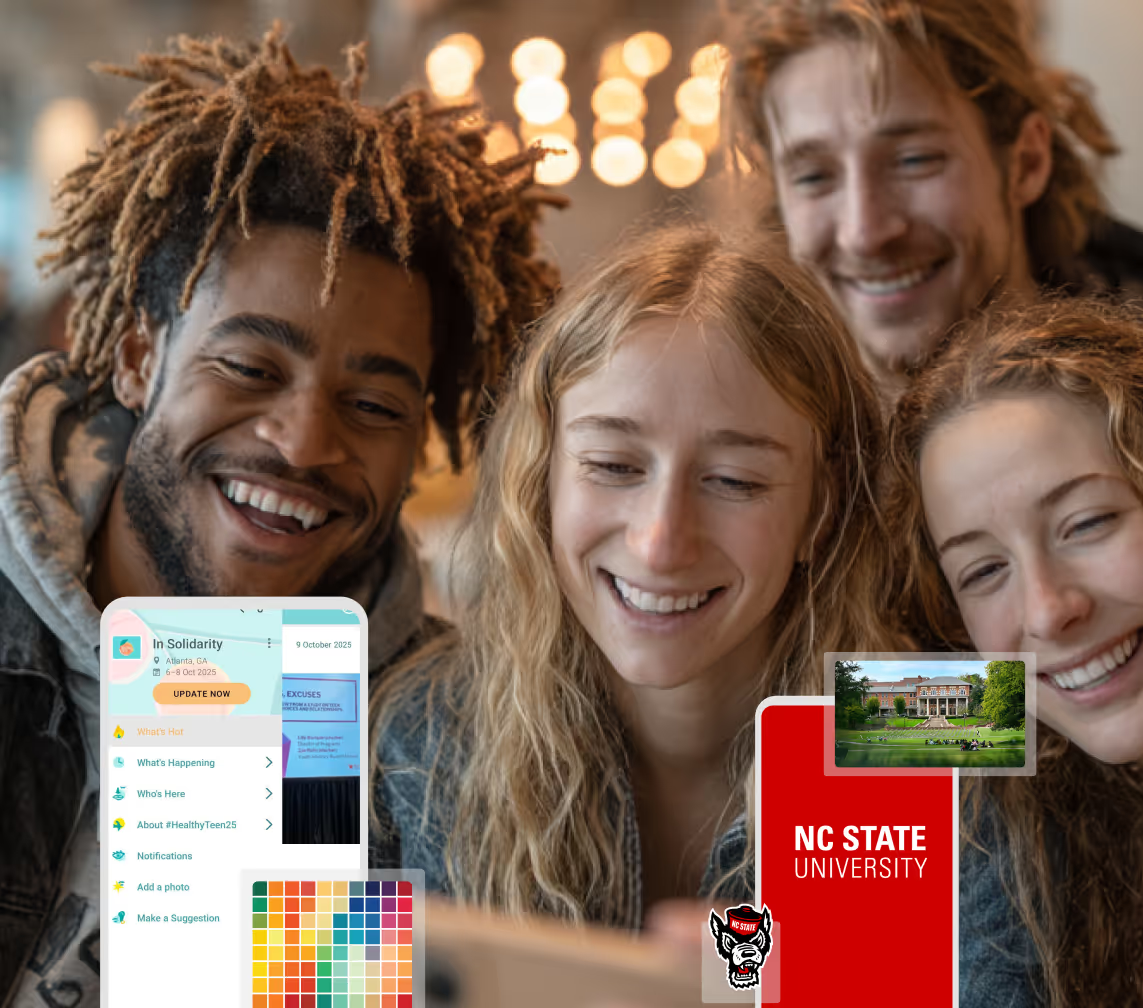
Boost Student Engagement
One hub for schedules, resources, and events that keeps students connected throughout the academic year.
Boost Student Engagement
One hub for schedules, resources, and events that keeps students connected throughout the academic year.
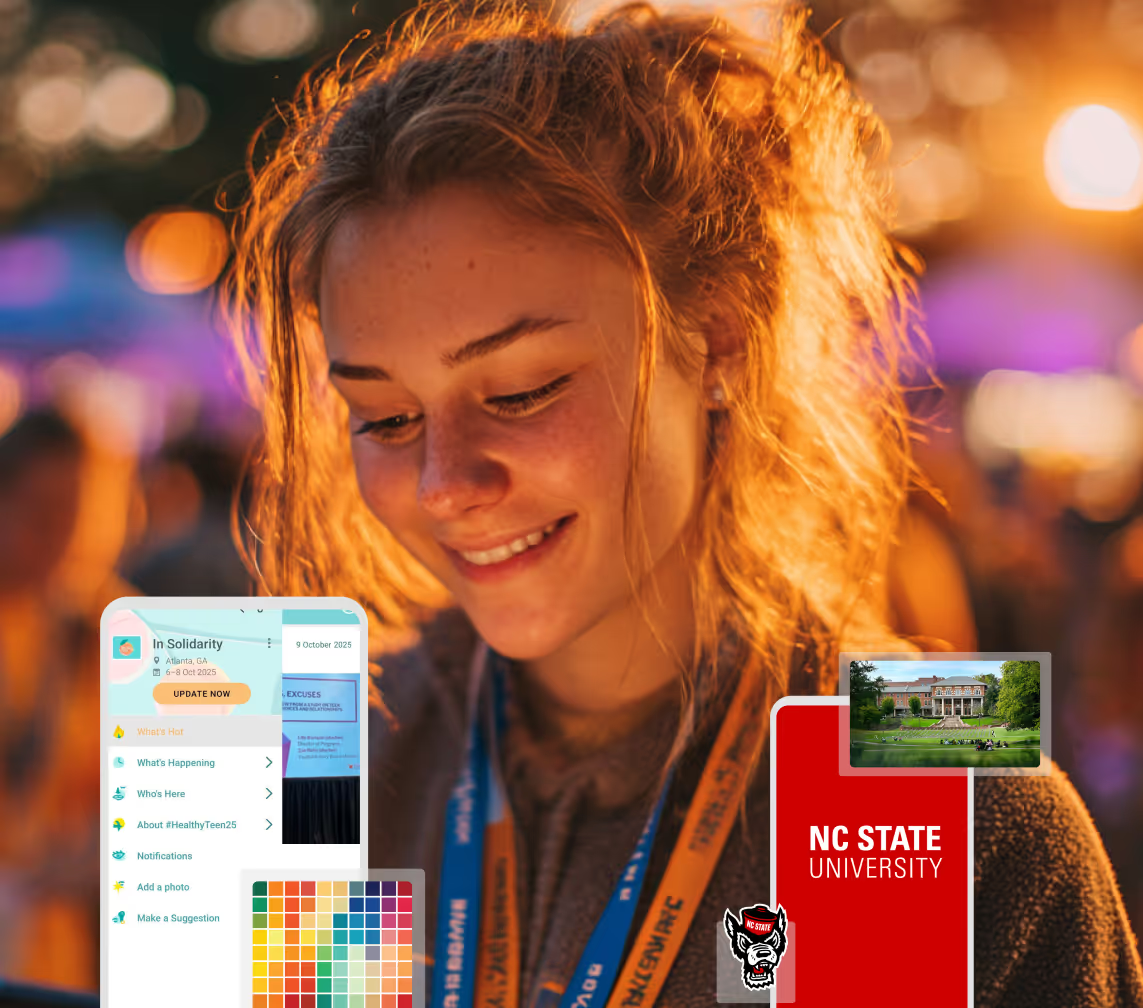
Planning Orientation?
Help new students feel prepared from day one with schedules, campus resources, and real-time updates in one app.
Planning Orientation?
Help new students feel prepared from day one with schedules, campus resources, and real-time updates in one app.
Running Admissions Events?
Manage open houses, tours, and yield events with a branded app that saves time and engages prospective students.

Running Admissions Events?
Manage open houses, tours, and yield events with a branded app that saves time and engages prospective students.
Get a custom Sponsorship Package Template
Stop starting from scratch. Grab free templates that helWe'll build a tailored sponsorship package with suggested pricing, tiers, and benefits..for your specific event.p you build professional sponsorship packages and close deals faster.
Get a custom Sponsorship Package Template
Stop starting from scratch. Grab free templates that helWe'll build a tailored sponsorship package with suggested pricing, tiers, and benefits..for your specific event.p you build professional sponsorship packages and close deals faster.
Plan Your Next Event Without Missing a Beat.
From venue selection to post-event wrap-up, this free checklist walks you through every step (so nothing falls through the cracks).
.avif)
Plan Your Next Event Without Missing a Beat.
From venue selection to post-event wrap-up, this free checklist walks you through every step (so nothing falls through the cracks).
Real Results From Real Events
100,000+ organizations trust Guidebook. See exactly how universities, associations, enterprises, and more put it to work.

Real Results From Real Events
100,000+ organizations trust Guidebook. See exactly how universities, associations, enterprises, and more put it to work.
Flexible pricing for every event size
Find the perfect plan for your needs, from intimate gatherings to large-scale conferences.
Flexible pricing for every event size
Find the perfect plan for your needs, from intimate gatherings to large-scale conferences.
Join our event experts
Watch on-demand webinars and join live sessions with industry leaders sharing best practices for event success.
.avif)
Join our event experts
Watch on-demand webinars and join live sessions with industry leaders sharing best practices for event success.
Guidebook in Action
Book a personalized walkthrough and discover how we help event teams create better attendee experiences.
Guidebook in Action
Book a personalized walkthrough and discover how we help event teams create better attendee experiences.
What are Event Trends?
Event trends shape the future of gatherings by highlighting emerging technologies, attendee preferences, and industry innovations. Discover key trends, expert insights, and actionable strategies.

Event Trends are the emerging patterns, technologies, and attendee expectations shaping how events are planned, executed, and experienced. These shifts span everything from sustainability practices to AI-powered personalization. Staying current with trends separates thriving events from forgettable ones.
Here's the thing: event trends aren't just industry buzz. They reflect real changes in how people want to connect, learn, and engage. Miss a major trend, and your event feels dated. Catch it early, and you create experiences attendees rave about for months.
Key Characteristics of Event Trends
- Audience-Driven: Trends emerge from what attendees actually want, not what planners assume they need.
- Technology-Enabled: Most modern trends involve digital tools, from event check-in software to AI matchmaking.
- Experience-Focused: Today's trends prioritize memorable moments over passive content consumption.
- Data-Informed: Successful trend adoption relies on measuring event ROI and attendee feedback.
- Sustainability-Conscious: Environmental impact now influences everything from venue selection to swag choices.
- Hybrid-Ready: Trends increasingly bridge in-person and virtual event experiences seamlessly.
Event Trends vs. Event Fads
Event Trends
- Scope: Industry-wide shifts that reshape how events function
- Focus: Solving real attendee pain points or desires
- Timeline: Develops over 2-5 years with lasting impact
- Channels: Affects multiple touchpoints across the event lifecycle
- Goal: Fundamentally improve event outcomes and experiences
Event Fads
- Scope: Surface-level novelties that create temporary buzz
- Focus: Generating social media moments or "wow" factors
- Timeline: Peaks within 6-12 months, then fades quickly
- Channels: Usually limited to one aspect like décor or entertainment
- Goal: Create short-term excitement without structural change
Understanding this difference helps you invest wisely. Trends deserve budget and planning time. Fads might add fun but shouldn't drive your strategy. Smart planners track both but commit resources to trends with staying power.
Top Event Trends Shaping 2026
AI-Powered Personalization
Artificial intelligence now customizes every attendee touchpoint. From personalized session recommendations to smart networking matches, AI removes the guesswork.
Event apps analyze attendee behavior in real-time. They suggest relevant sessions, introduce compatible contacts, and surface content that matters. Learn more about AI for event management strategies.
Sustainability as Standard
Green events aren't optional anymore. Attendees expect eco-conscious choices throughout their experience.
This means:
- Digital-first communications (goodbye, printed programs)
- Local and seasonal catering options
- Carbon offset programs for travel
- Reusable or recyclable event materials
- Venues with strong environmental credentials
Hybrid Event Evolution
Hybrid events have matured beyond pandemic necessity. They're now strategic choices that expand reach without sacrificing engagement.
The best hybrid experiences treat virtual attendees as first-class participants. They get dedicated content, networking opportunities, and interactive elements. Check out virtual event planning essentials for guidance.
Community-Centric Design
Events are shifting from one-time gatherings to year-round community hubs. The event itself becomes a peak moment in an ongoing relationship.
This trend drives:
- Pre-event networking and content
- Post-event discussion forums
- Member-exclusive resources
- Ongoing engagement between annual events
Wellness Integration
Attendee wellbeing now influences every planning decision. From schedule pacing to food options, wellness matters.
Popular wellness elements include meditation breaks, healthy menu options, quiet zones, and movement sessions. Even session lengths are shrinking to prevent mental fatigue.
How to Identify Emerging Event Trends
Monitor Industry Leaders
Watch what top event organizations are testing. Major conferences often pilot innovations before they go mainstream.
Follow industry publications, attend webinars, and join professional communities. Early awareness gives you time to plan thoughtful adoption.
Listen to Your Attendees
Pay attention to:
- Session attendance rates
- Networking feature usage
- Content download patterns
- Social media conversations
- Post-event survey comments
Track Adjacent Industries
Event trends often emerge from hospitality, technology, and entertainment sectors first. What's happening in hotels, apps, and concerts today hits events tomorrow.
Consumer expectations don't stay siloed. If people love personalized streaming recommendations, they'll want personalized event agendas too.
Test Before Committing
Don't overhaul your entire event based on one trend. Pilot new approaches at smaller events or with specific attendee segments.
Measure results carefully. Some trends work brilliantly for certain audiences and flop for others. Data beats assumptions every time.
Why Event Trends Matter
For Event Success:
- Higher Attendance: Trend-forward events attract more registrations and reduce no-shows.
- Better Engagement: Modern experiences keep attendees active and attentive throughout.
- Stronger Word-of-Mouth: Innovative events generate organic buzz and social sharing.
- Improved Satisfaction: Meeting current expectations leads to higher post-event ratings.
- Competitive Advantage: Standing out in crowded markets requires fresh approaches.
For Business Objectives:
- Increased Revenue: Compelling events command premium pricing and attract sponsors.
- Better Data Collection: Modern tools capture richer attendee insights for future planning.
- Stronger Partnerships: Trend-aware events appeal to forward-thinking sponsors and exhibitors.
- Enhanced Brand Perception: Innovation signals organizational leadership and relevance.
- Long-Term Growth: Building community through trends creates sustainable event programs.
Guidebook's event management platform helps you implement trends without overwhelming your team. From personalized schedules to real-time updates, the right technology makes trend adoption practical.
Event Trends Best Practices
- Start with Strategy, Not Shiny Objects: Choose trends that align with your event goals and audience needs, not just what looks cool.
- Budget for Experimentation: Set aside 10-15% of your budget specifically for testing new approaches each year.
- Train Your Team: New trends require new skills. Invest in staff development before launching innovations.
- Communicate Changes Clearly: Help attendees understand and embrace new elements through pre-event messaging.
- Measure Everything: Define success metrics before implementing trends so you can evaluate honestly.
- Gather Real-Time Feedback: Use in-app surveys and social listening to adjust during your event.
- Document Lessons Learned: Create an event debrief template that captures trend performance data.
- Share Results with Stakeholders: Build support for future innovation by showing what worked and why.
- Stay Flexible: Trends evolve quickly. Be ready to pivot if something isn't resonating.
- Connect with Peers: Join industry groups to learn how others are implementing similar trends.
Common Event Trends Mistakes
Chasing Every New Thing: Trying to implement too many trends at once overwhelms your team and confuses attendees. Pick 2-3 trends that matter most for your specific audience and execute them well.
Ignoring Your Audience Demographics: A trend that works for tech conferences might flop at women in business conferences. Always filter trends through your specific attendee lens.
Skipping the Pilot Phase: Rolling out major changes across your entire event is risky. Test new approaches at smaller events or with volunteer attendee groups first.
Forgetting Staff Training: Your team can't support trends they don't understand. Build training time into every implementation plan.
Neglecting Accessibility: New technologies and formats must work for all attendees. Ensure trends don't create barriers for people with disabilities.
Measuring the Wrong Things: Vanity metrics like social mentions don't tell the full story. Focus on engagement depth, satisfaction scores, and business outcomes.
Abandoning What Works: Don't sacrifice proven elements for untested trends. Innovation should enhance your foundation, not replace it.
Final Thoughts
Event trends aren't just industry chatter. They're signals pointing toward what attendees want and expect. Ignoring them means falling behind. Embracing them thoughtfully means creating experiences people remember.
The event industry moves fast. What felt cutting-edge two years ago now seems standard. Staying current requires ongoing attention, experimentation, and willingness to evolve. The best event professionals treat trend-watching as a core skill, not an occasional activity.
Here's the exciting part: you don't need massive budgets to be trend-forward. Smart implementation beats expensive gimmicks every time. Focus on trends that solve real problems for your attendees, and you'll see results.
Ready to put trends into action? Explore event management tips for practical guidance. Check out event digital marketing strategies to promote your innovative events. And when you're ready to level up your event technology, book a Guidebook demo to see how the right platform makes trend adoption seamless. The future of events is being written right now—make sure you're part of the story.
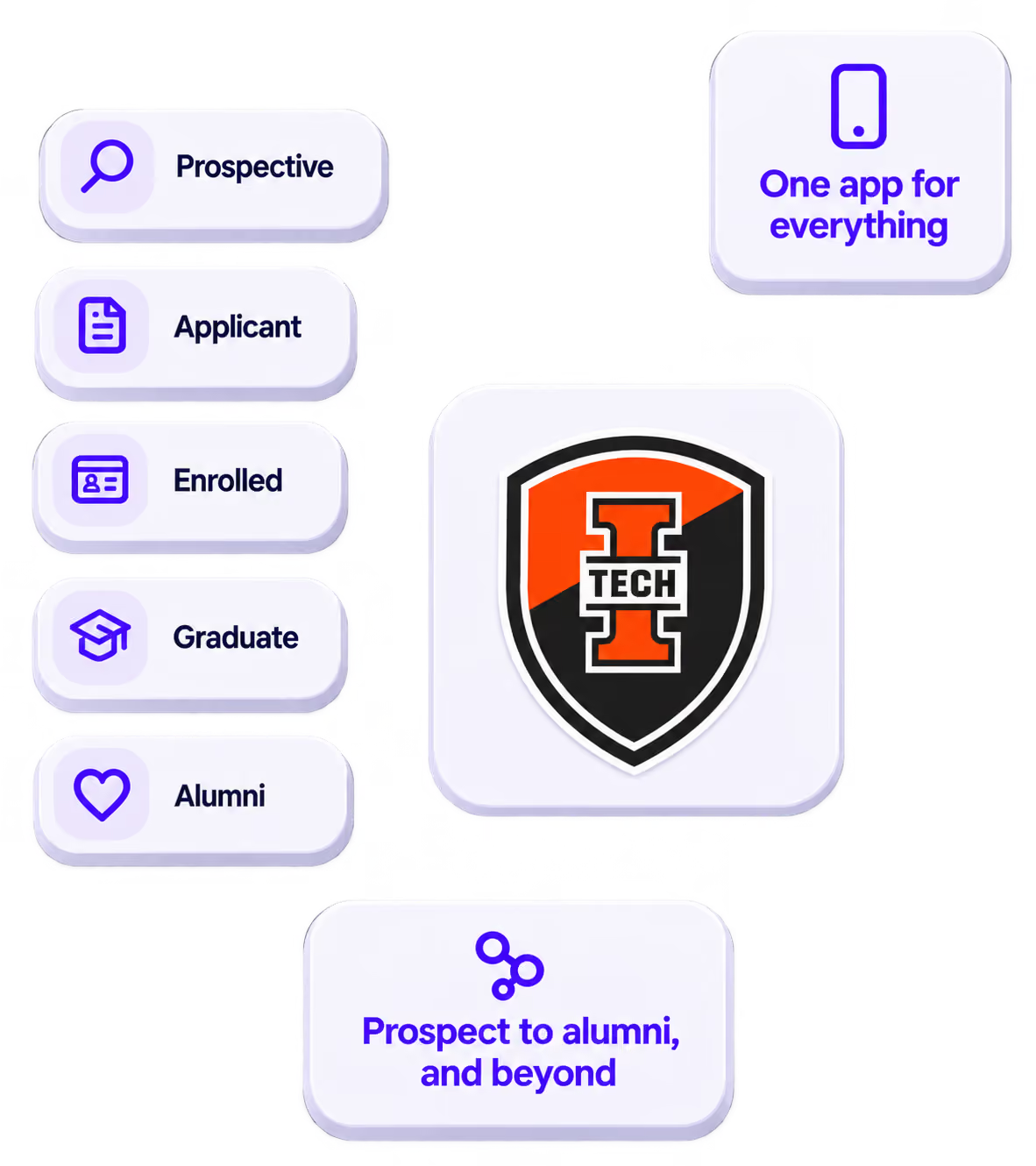
The power of your brand in your app, from first visit to alumni.
Build trust
Your brand, front and center in your own app, downloaded directly from the app stores.
.avif)
Deliver continuity
One app for everything a student needs. From being a prospective student through to graduation and beyond.
Stand out
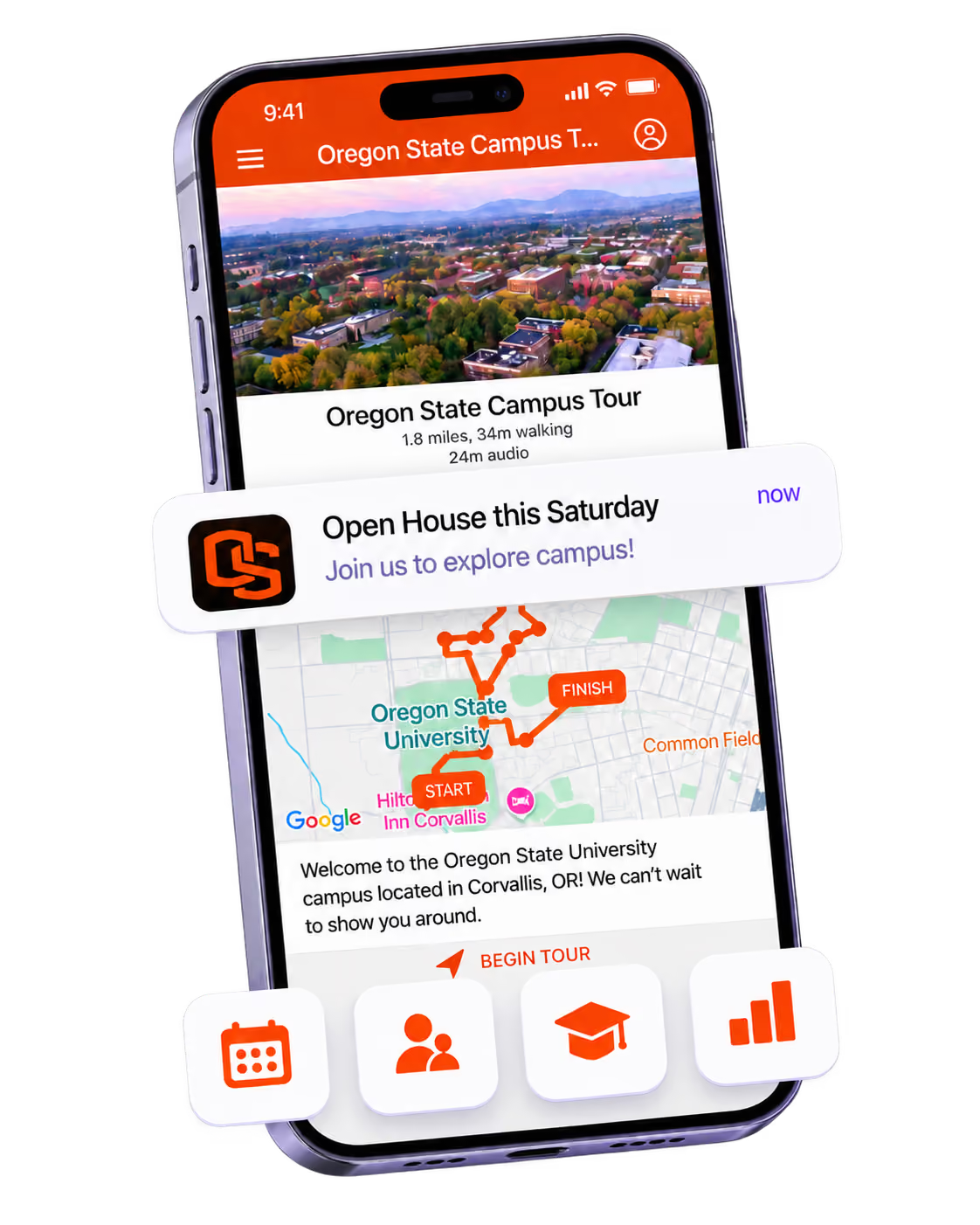
Your own app helps you to stand out from the competition, stay top of mind, and be remembered.

Get the Mobile App Playbook
A short guide to running the whole student journey in one app. No fluff, just what works.
for higher ed
Campus
Playbook
A practical guide to building a connected campus experience.
Free playbook
The Mobile App Playbook for Universities
Students decide if they belong long before they set foot on campus. This playbook shows how to win them over from the first visit through graduation.
- Grow enrollment and boost recruitment
- Increase belonging and retention
- Run every event from one branded app
By submitting, you agree to our Privacy Policy.
You're in.
.png)