
Campus apps by department
Admissions, orientation, student life, and more — one campus app that works across departments.

Campus apps by department
Admissions, orientation, student life, and more — one campus app that works across departments.
Build unlimited event apps on one license
One partnership for unlimited campus events — orientation, tours, student life, and everything in between.
Build unlimited event apps on one license
One partnership for unlimited campus events — orientation, tours, student life, and everything in between.
Compare event app platforms
See how Guidebook stacks up against other event app and registration platforms.
Compare event app platforms
See how Guidebook stacks up against other event app and registration platforms.
Event apps for nonprofit and community programs
Give members, volunteers, and donors one branded app for conferences, fundraisers, and year-round community.
Event apps for nonprofit and community programs
Give members, volunteers, and donors one branded app for conferences, fundraisers, and year-round community.
Campus integrations and an open API
Connect Guidebook with the campus systems, APIs, and tools your team already uses.
Campus integrations and an open API
Connect Guidebook with the campus systems, APIs, and tools your team already uses.
Event apps for corporate and enterprise teams
Internal meetings, offsites, and large-scale corporate events — with the branding and control enterprise teams need.
Event apps for corporate and enterprise teams
Internal meetings, offsites, and large-scale corporate events — with the branding and control enterprise teams need.
Create a branded event app with no coding
Put schedules, maps, resources, and updates in every attendee's pocket — built for campus events and programs.
Create a branded event app with no coding
Put schedules, maps, resources, and updates in every attendee's pocket — built for campus events and programs.
Launch a branded, white-label event app
A white-label event app with your branding, your content, and your attendee experience — no coding required.
Launch a branded, white-label event app
A white-label event app with your branding, your content, and your attendee experience — no coding required.
Everything in the Guidebook platform
Explore the features event teams use to engage attendees before, during, and after the event.
Everything in the Guidebook platform
Explore the features event teams use to engage attendees before, during, and after the event.
One app for in-person and virtual attendees
The same schedule, networking, and updates whether people are in the room or joining remotely.
One app for in-person and virtual attendees
The same schedule, networking, and updates whether people are in the room or joining remotely.
Event apps built for associations
Annual meetings, chapter events, and member engagement — without rebuilding a new app every year.
Event apps built for associations
Annual meetings, chapter events, and member engagement — without rebuilding a new app every year.
A branded event website that matches the app
Promote the event, collect interest, and keep branding consistent from the first click to check-in.
A branded event website that matches the app
Promote the event, collect interest, and keep branding consistent from the first click to check-in.
Plan, run, and measure events on one platform
App, registration, badges, and websites in one workflow — so planning isn't a pile of disconnected tools.
Plan, run, and measure events on one platform
App, registration, badges, and websites in one workflow — so planning isn't a pile of disconnected tools.
Keep members engaged between events
One branded app for the conference and everything that happens the other 51 weeks of the year.
Keep members engaged between events
One branded app for the conference and everything that happens the other 51 weeks of the year.
The conference app attendees actually use
Schedules, maps, networking, and live updates for annual meetings, summits, and multi-day conferences.
The conference app attendees actually use
Schedules, maps, networking, and live updates for annual meetings, summits, and multi-day conferences.
Registration that feeds your app and badges
Collect registrations, payments, and attendee data in the same platform as your event app.
Registration that feeds your app and badges
Collect registrations, payments, and attendee data in the same platform as your event app.
Design and print event badges in one place
Custom badges, QR check-in, and on-site printing — without a separate badge vendor.
Design and print event badges in one place
Custom badges, QR check-in, and on-site printing — without a separate badge vendor.
A Smaller School?
Deliver a polished, branded event experience without a large team or a big budget.
A Smaller School?
Deliver a polished, branded event experience without a large team or a big budget.
Running Family Programs?
Give families everything they need, from schedules and maps to real-time updates, all in one place.
Running Family Programs?
Give families everything they need, from schedules and maps to real-time updates, all in one place.
Coordinating Move-In Day?
Share updates, manage events, and keep students informed from move-in through the academic year.

Coordinating Move-In Day?
Share updates, manage events, and keep students informed from move-in through the academic year.
Offering Campus Tours?
Deliver branded, self-guided tour experiences with interactive maps and rich media, available 24/7.

Offering Campus Tours?
Deliver branded, self-guided tour experiences with interactive maps and rich media, available 24/7.
Organising a Career Fair?
Simplify logistics for students, employers, and Career Services staff with one easy-to-use app.
Organising a Career Fair?
Simplify logistics for students, employers, and Career Services staff with one easy-to-use app.
Managing Alumni Events?
Plan reunions, regional events, and fundraising campaigns with an app built for alumni engagement.
Managing Alumni Events?
Plan reunions, regional events, and fundraising campaigns with an app built for alumni engagement.
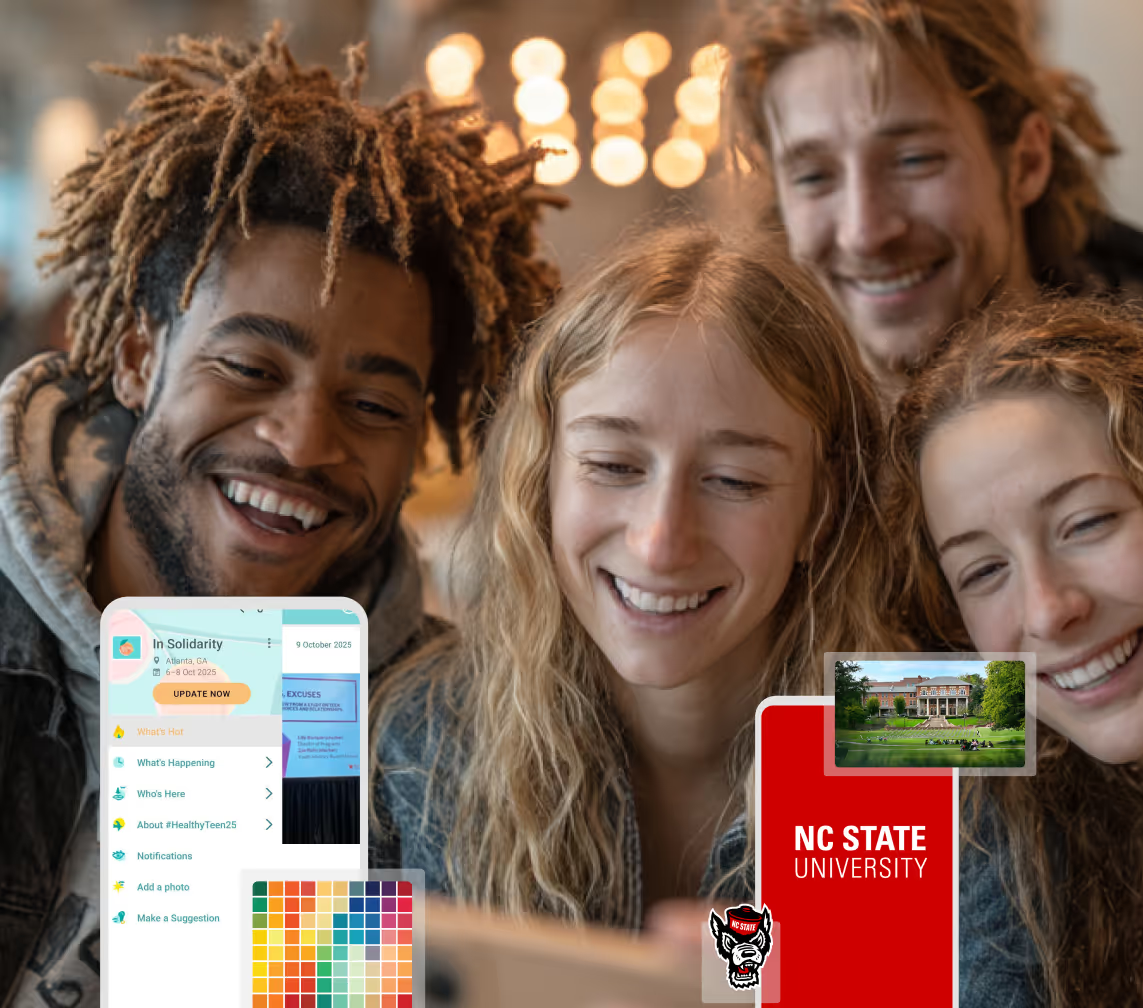
Boost Student Engagement
One hub for schedules, resources, and events that keeps students connected throughout the academic year.
Boost Student Engagement
One hub for schedules, resources, and events that keeps students connected throughout the academic year.
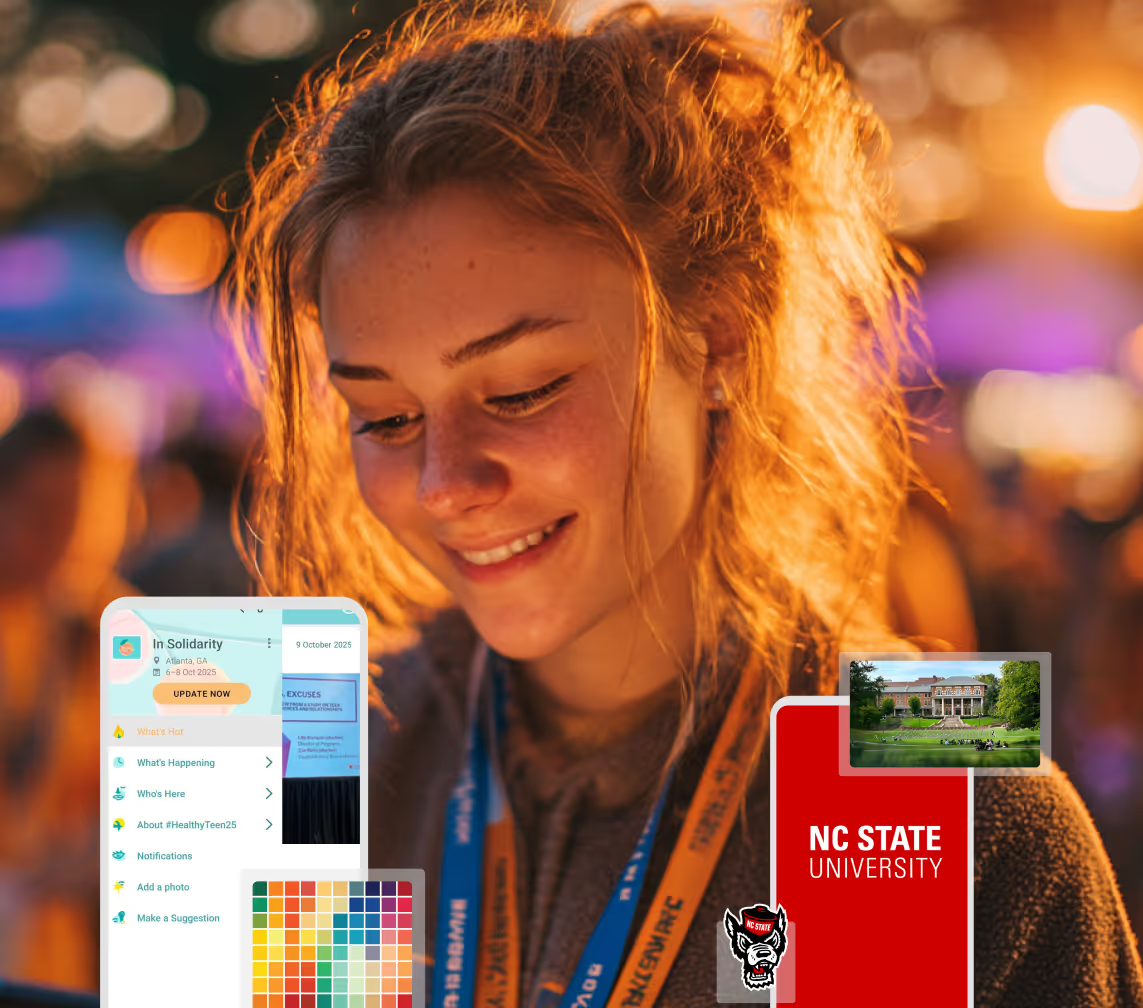
Planning Orientation?
Help new students feel prepared from day one with schedules, campus resources, and real-time updates in one app.
Planning Orientation?
Help new students feel prepared from day one with schedules, campus resources, and real-time updates in one app.
Running Admissions Events?
Manage open houses, tours, and yield events with a branded app that saves time and engages prospective students.

Running Admissions Events?
Manage open houses, tours, and yield events with a branded app that saves time and engages prospective students.
Get a custom Sponsorship Package Template
Stop starting from scratch. Grab free templates that helWe'll build a tailored sponsorship package with suggested pricing, tiers, and benefits..for your specific event.p you build professional sponsorship packages and close deals faster.
Get a custom Sponsorship Package Template
Stop starting from scratch. Grab free templates that helWe'll build a tailored sponsorship package with suggested pricing, tiers, and benefits..for your specific event.p you build professional sponsorship packages and close deals faster.
Plan Your Next Event Without Missing a Beat.
From venue selection to post-event wrap-up, this free checklist walks you through every step (so nothing falls through the cracks).
.avif)
Plan Your Next Event Without Missing a Beat.
From venue selection to post-event wrap-up, this free checklist walks you through every step (so nothing falls through the cracks).
Real Results From Real Events
100,000+ organizations trust Guidebook. See exactly how universities, associations, enterprises, and more put it to work.

Real Results From Real Events
100,000+ organizations trust Guidebook. See exactly how universities, associations, enterprises, and more put it to work.
Flexible pricing for every event size
Find the perfect plan for your needs, from intimate gatherings to large-scale conferences.

Flexible pricing for every event size
Find the perfect plan for your needs, from intimate gatherings to large-scale conferences.
Join our event experts
Watch on-demand webinars and join live sessions with industry leaders sharing best practices for event success.
.avif)
Join our event experts
Watch on-demand webinars and join live sessions with industry leaders sharing best practices for event success.
Guidebook in Action
Book a personalized walkthrough and discover how we help event teams create better attendee experiences.
Guidebook in Action
Book a personalized walkthrough and discover how we help event teams create better attendee experiences.

What is a Women in Business Conference?
A Women in Business Conference empowers female professionals through networking, expert panels, and skill-building sessions. Discover event highlights, key benefits, and tips for maximizing your experience.

Women in Business Conference is a professional gathering designed to empower, connect, and advance women leaders through networking, education, and career development opportunities. These events range from intimate local meetups to large-scale national summits. They've become essential catalysts for closing the gender gap in corporate leadership.
Here's the thing: Women in business conferences aren't just networking events with a gender focus. They create safe spaces for honest conversations about challenges women face at work. Attendees gain access to mentors, sponsors, and peers who understand their unique journey. The connections made here often lead to job offers, partnerships, and lifelong friendships.
Key Characteristics of Women in Business Conferences
- Female-Focused Programming: Sessions address topics like negotiation skills, work-life integration, and breaking through glass ceilings. Content speaks directly to women's professional experiences.
- Diverse Speaker Lineups: Keynotes feature successful women from various industries, backgrounds, and career stages. Representation matters, and these events deliver it.
- Intentional Networking: Structured activities help attendees make meaningful connections. Speed networking, roundtables, and mentorship matching are common formats.
- Safe Space Environment: Participants can discuss sensitive workplace issues openly. Topics like discrimination, imposter syndrome, and harassment get addressed head-on.
- Career Advancement Focus: Many conferences include job fairs, resume reviews, and executive coaching. The goal is tangible career progress, not just inspiration.
- Community Building: Events foster ongoing relationships through alumni networks and year-round programming. One conference often leads to a lasting professional community.
- Sponsorship Opportunities: Companies use these events to demonstrate commitment to gender diversity. Sponsorship packages often include recruiting access and brand visibility.
Women in Business Conference vs. Related Events
General Business Conference
- Scope: Broad industry topics for all professionals
- Focus: Industry trends, technical skills, market insights
- Timeline: Typically 2-4 days with multiple tracks
- Channels: Industry associations, trade publications
- Goal: Professional development and industry networking
Leadership Summit
- Scope: Executive-level content for senior leaders
- Focus: Strategic thinking, organizational change, C-suite skills
- Timeline: Often 1-2 days with intensive programming
- Channels: Executive networks, invitation-only lists
- Goal: High-level peer connections and strategic insights
Professional Development Workshop
- Scope: Specific skill-building for targeted audiences
- Focus: Hands-on training in particular competencies
- Timeline: Half-day to full-day sessions
- Channels: Training companies, HR departments
- Goal: Immediate skill acquisition and application
Women in business conferences blend elements from all three formats. They combine the networking of general conferences, the leadership focus of summits, and the skill-building of workshops—all through a lens that addresses women's unique professional challenges.
Essential Components of a Women in Business Conference
Keynote Speakers Who Inspire Action
The best conferences feature speakers who've walked the path attendees want to follow. These aren't just motivational talks. They're practical roadmaps from women who've succeeded.
Look for speakers who share specific strategies, not just stories. Attendees should leave with actionable takeaways they can use Monday morning.
Breakout Sessions That Build Skills
Effective breakout sessions go beyond surface-level advice. They tackle real challenges:
- Salary negotiation tactics with role-play exercises
- Executive presence training with video feedback
- Personal branding workshops with portfolio reviews
- Financial literacy sessions covering investing and wealth building
Structured Networking Opportunities
Random mingling doesn't cut it. Smart event planning includes structured networking formats:
- Speed networking with timed rotations
- Industry-specific roundtables
- Mentorship matching programs
- Small group dinners with assigned seating
Career Development Resources
Many conferences include practical career services. Job boards, resume reviews, and headshot stations add tangible value. Some events partner with recruiters actively seeking diverse candidates.
Wellness and Self-Care Elements
Burnout affects women disproportionately. Progressive conferences include wellness programming. Morning yoga, meditation breaks, and stress management sessions acknowledge the whole person.
Planning a Successful Women in Business Conference
Define Your Target Audience Clearly
Not all women professionals have the same needs. Early-career women want different content than C-suite executives. Entrepreneurs face different challenges than corporate employees.
Get specific about who you're serving. A focused event beats a generic one every time.
Build a Diverse Planning Committee
Your planning team should reflect your audience. Include women from different:
- Industries and sectors
- Career stages and levels
- Racial and ethnic backgrounds
- Geographic regions
- Company sizes
Create an Inclusive Environment
Accessibility matters. Consider childcare options, nursing rooms, and dietary accommodations. Price tickets at various levels to ensure economic diversity. Event management tips for inclusive planning can guide your approach.
Leverage Technology Effectively
Modern conferences need digital tools. Event check-in software streamlines registration. Mobile apps help attendees navigate schedules and connect with each other.
Guidebook's event management platform makes it easy to create personalized experiences. Attendees can build custom schedules and message other participants directly.
Plan for Year-Round Engagement
The best conferences don't end when attendees go home. Build community through:
- Online networking groups
- Monthly virtual meetups
- Mentorship program follow-ups
- Content libraries from sessions
Why Women in Business Conferences Matter
For Event Success:
- High Engagement Rates: Women's conferences consistently see strong attendance and participation. Attendees come ready to connect and learn.
- Loyal Return Attendees: When done well, these events build fierce loyalty. Many conferences see 60%+ return rates year over year.
- Strong Word-of-Mouth: Satisfied attendees become ambassadors. They bring colleagues and friends to future events.
- Sponsor Appeal: Companies want to reach professional women. Sponsorship opportunities are often easier to sell for these events.
- Media Interest: Women's leadership is a hot topic. Press coverage comes more easily for well-positioned events.
For Business Objectives:
- Talent Pipeline Development: Companies use these events to identify and recruit diverse talent. It's targeted recruiting at its best.
- Brand Positioning: Sponsoring women's events signals commitment to diversity. This matters to customers, employees, and investors.
- Leadership Development: Organizations send high-potential women to accelerate their growth. It's an investment in future leaders.
- Market Research: These events offer direct access to professional women's perspectives. Smart companies listen and learn.
- Partnership Opportunities: Business deals happen at conferences. Women's events are no exception.
Guidebook helps conference organizers deliver exceptional experiences. Our platform supports everything from event registration to post-event engagement. Request a demo to see how we can help your next women's conference succeed.
Women in Business Conference Best Practices
- Start Planning Early: Book venues and speakers 9-12 months ahead. Top speakers get booked fast, especially for women's events.
- Prioritize Speaker Diversity: Include women from different backgrounds, industries, and perspectives. Representation on stage matters deeply.
- Create Multiple Networking Formats: Not everyone thrives in the same setting. Offer structured and unstructured options for different personality types.
- Include Male Allies Thoughtfully: Some sessions benefit from male participation. Others need women-only spaces. Be intentional about when and how men are included.
- Provide Actionable Takeaways: Every session should leave attendees with something they can do immediately. Inspiration without action fades fast.
- Use Technology to Enhance Connection: Digital marketing builds buzz before the event. Mobile apps keep engagement high during and after.
- Gather Feedback Continuously: Don't wait until the end. Use live polling and quick surveys throughout. Event debrief templates help capture insights.
- Build Community Beyond the Event: Create year-round touchpoints. Online groups, webinars, and local meetups extend the conference's impact.
- Measure What Matters: Track event ROI beyond attendance numbers. Career outcomes, connections made, and skills gained tell the real story.
- Partner with Aligned Organizations: Collaborate with women's professional groups, universities, and corporations. Partnerships expand reach and add credibility.
Common Women in Business Conference Mistakes
Tokenism in Speaker Selection: Inviting one or two diverse speakers isn't enough. When panels lack real diversity, attendees notice. Build diversity into every aspect of programming, not just the keynote stage.
Ignoring Intersectionality: Women's experiences vary dramatically based on race, age, disability, and other factors. Programming that treats all women as a monolith misses the mark. Address the unique challenges faced by women of color, LGBTQ+ women, and other groups.
Overloading the Schedule: More sessions don't equal more value. Packed schedules leave no time for the networking that attendees crave. Build in breathing room and connection time.
Neglecting Follow-Up: The conference ends, and then... silence. Without post-event engagement, connections fade and momentum dies. Plan your follow-up strategy before the event even starts.
Pricing Out Your Audience: High ticket prices exclude many women, especially those early in their careers. Offer scholarships, early-bird rates, and group discounts to ensure accessibility.
Forgetting Practical Needs: No childcare options. No nursing rooms. No dietary accommodations. These oversights signal that organizers don't understand their audience's real lives.
All Inspiration, No Action: Motivational speeches feel great in the moment. But without practical tools and strategies, attendees leave empty-handed. Balance inspiration with education.
Final Thoughts
Women in business conferences have evolved from nice-to-have networking events into essential career accelerators. They create spaces where women can learn, connect, and advance in ways that traditional business events often don't support.
The data backs this up. Companies with diverse leadership outperform their peers. Women who attend professional development events advance faster. And the connections made at these conferences often become career-defining relationships.
There's something powerful about a room full of ambitious women supporting each other. The energy is different. The conversations go deeper. The possibilities feel bigger. That's not just feel-good talk—it's the foundation for real professional growth.
Ready to create an unforgettable women in business conference? Guidebook's platform helps you deliver seamless experiences from planning through execution. Explore our templates, check out case studies from successful events, or book a demo to see how we can help your conference make a lasting impact.
Because when women rise together, everyone wins.
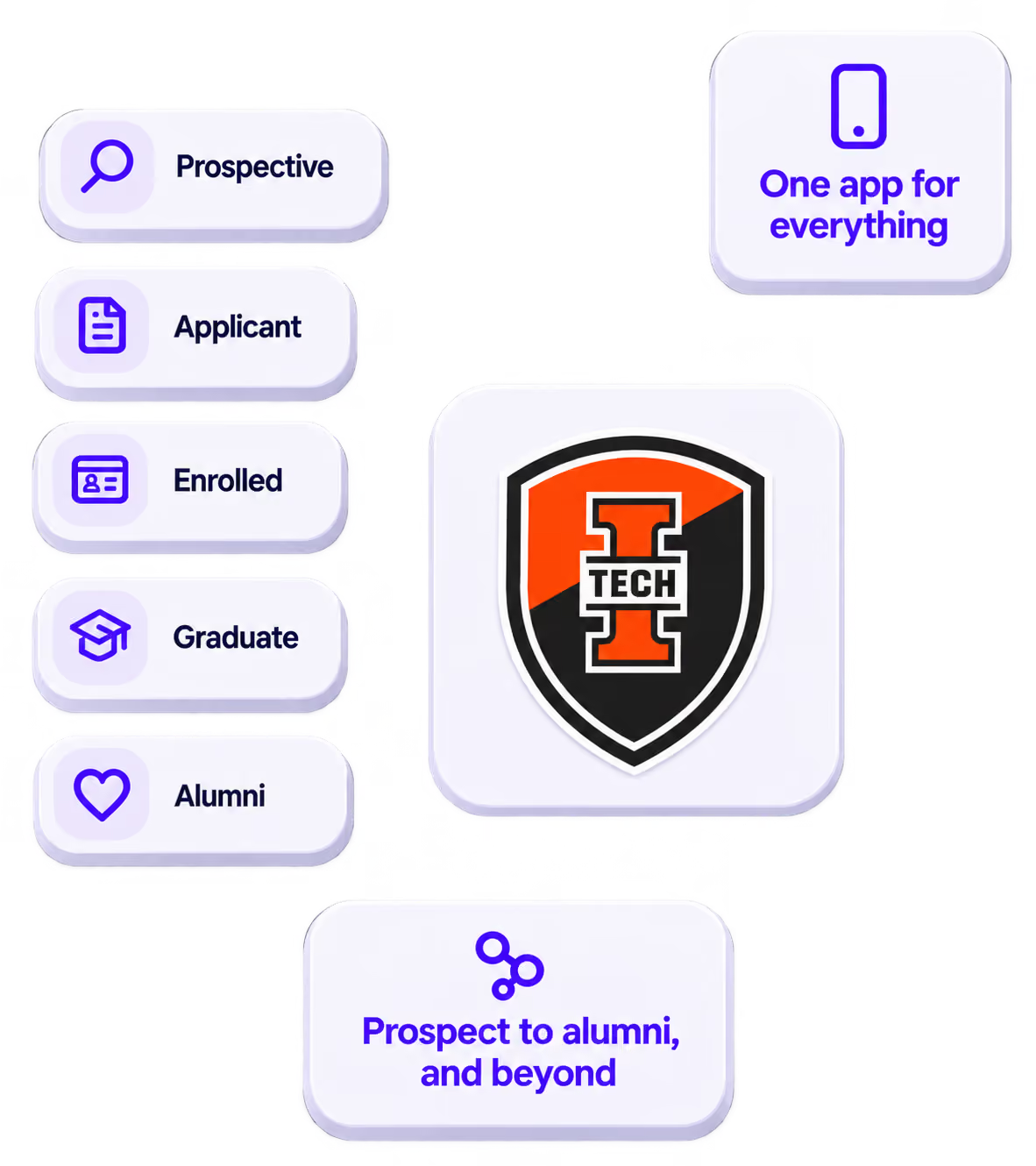
The power of your brand in your app, from first visit to alumni.
Build trust
Your brand, front and center in your own app, downloaded directly from the app stores.
.avif)
Deliver continuity
One app for everything a student needs. From being a prospective student through to graduation and beyond.
Stand out
Your own app helps you to stand out from the competition, stay top of mind, and be remembered.
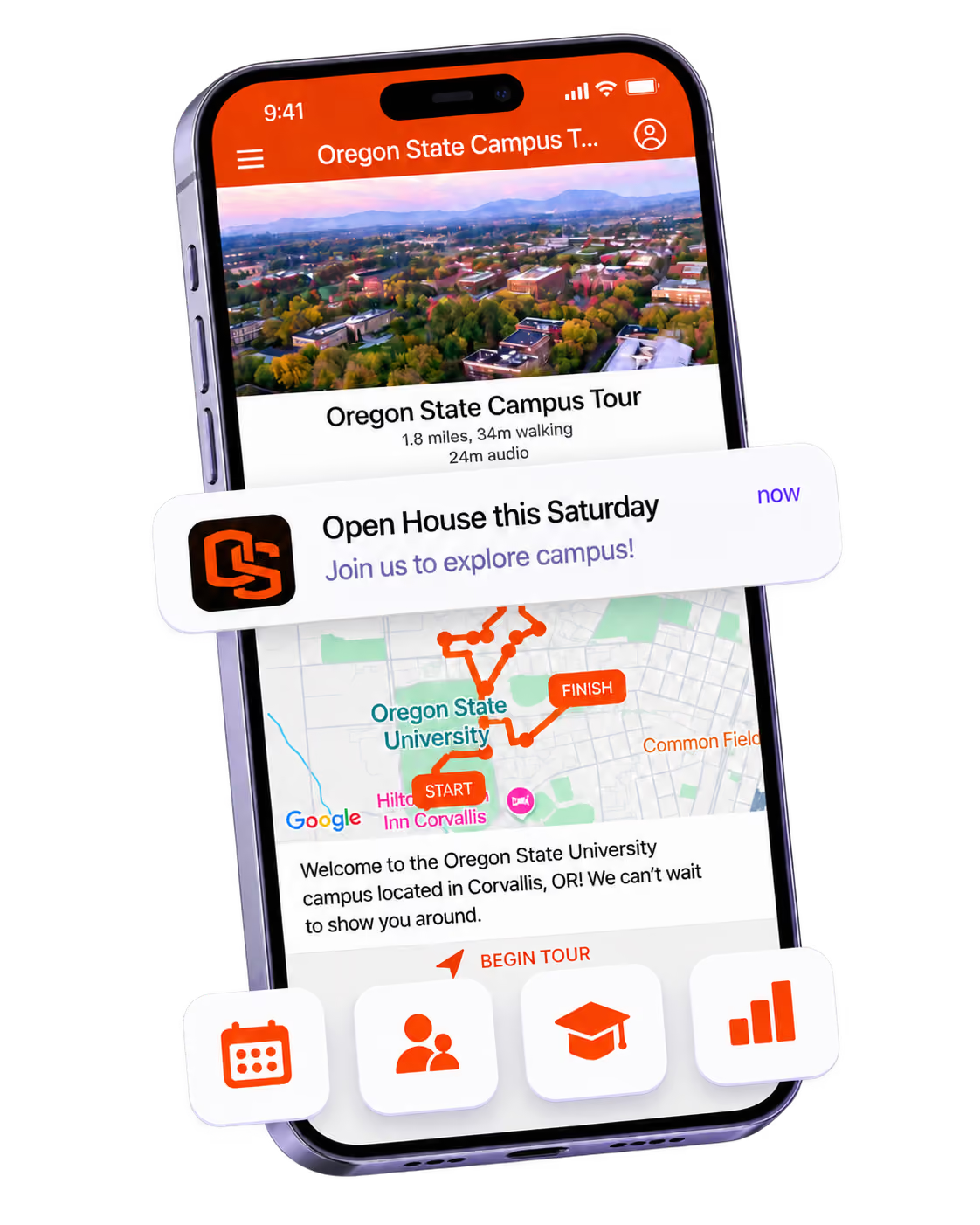

Get the Mobile App Playbook
A short guide to running the whole student journey in one app. No fluff, just what works.
for higher ed
Campus
Playbook
A practical guide to building a connected campus experience.
Free playbook
The Mobile App Playbook for Universities
Students decide if they belong long before they set foot on campus. This playbook shows how to win them over from the first visit through graduation.
- Grow enrollment and boost recruitment
- Increase belonging and retention
- Run every event from one branded app
By submitting, you agree to our Privacy Policy.
You're in.
.png)