
Campus apps by department
Admissions, orientation, student life, and more — one campus app that works across departments.

Campus apps by department
Admissions, orientation, student life, and more — one campus app that works across departments.
Build unlimited event apps on one license
One partnership for unlimited campus events — orientation, tours, student life, and everything in between.
Build unlimited event apps on one license
One partnership for unlimited campus events — orientation, tours, student life, and everything in between.
Compare event app platforms
See how Guidebook stacks up against other event app and registration platforms.
Compare event app platforms
See how Guidebook stacks up against other event app and registration platforms.
Event apps for nonprofit and community programs
Give members, volunteers, and donors one branded app for conferences, fundraisers, and year-round community.
Event apps for nonprofit and community programs
Give members, volunteers, and donors one branded app for conferences, fundraisers, and year-round community.
Campus integrations and an open API
Connect Guidebook with the campus systems, APIs, and tools your team already uses.
Campus integrations and an open API
Connect Guidebook with the campus systems, APIs, and tools your team already uses.
Event apps for corporate and enterprise teams
Internal meetings, offsites, and large-scale corporate events — with the branding and control enterprise teams need.
Event apps for corporate and enterprise teams
Internal meetings, offsites, and large-scale corporate events — with the branding and control enterprise teams need.
Create a branded event app with no coding
Put schedules, maps, resources, and updates in every attendee's pocket — built for campus events and programs.
Create a branded event app with no coding
Put schedules, maps, resources, and updates in every attendee's pocket — built for campus events and programs.
Launch a branded, white-label event app
A white-label event app with your branding, your content, and your attendee experience — no coding required.
Launch a branded, white-label event app
A white-label event app with your branding, your content, and your attendee experience — no coding required.
Everything in the Guidebook platform
Explore the features event teams use to engage attendees before, during, and after the event.
Everything in the Guidebook platform
Explore the features event teams use to engage attendees before, during, and after the event.
One app for in-person and virtual attendees
The same schedule, networking, and updates whether people are in the room or joining remotely.
One app for in-person and virtual attendees
The same schedule, networking, and updates whether people are in the room or joining remotely.
Event apps built for associations
Annual meetings, chapter events, and member engagement — without rebuilding a new app every year.
Event apps built for associations
Annual meetings, chapter events, and member engagement — without rebuilding a new app every year.
A branded event website that matches the app
Promote the event, collect interest, and keep branding consistent from the first click to check-in.
A branded event website that matches the app
Promote the event, collect interest, and keep branding consistent from the first click to check-in.
Plan, run, and measure events on one platform
App, registration, badges, and websites in one workflow — so planning isn't a pile of disconnected tools.
Plan, run, and measure events on one platform
App, registration, badges, and websites in one workflow — so planning isn't a pile of disconnected tools.
Keep members engaged between events
One branded app for the conference and everything that happens the other 51 weeks of the year.
Keep members engaged between events
One branded app for the conference and everything that happens the other 51 weeks of the year.
The conference app attendees actually use
Schedules, maps, networking, and live updates for annual meetings, summits, and multi-day conferences.
The conference app attendees actually use
Schedules, maps, networking, and live updates for annual meetings, summits, and multi-day conferences.
Registration that feeds your app and badges
Collect registrations, payments, and attendee data in the same platform as your event app.
Registration that feeds your app and badges
Collect registrations, payments, and attendee data in the same platform as your event app.
Design and print event badges in one place
Custom badges, QR check-in, and on-site printing — without a separate badge vendor.
Design and print event badges in one place
Custom badges, QR check-in, and on-site printing — without a separate badge vendor.
A Smaller School?
Deliver a polished, branded event experience without a large team or a big budget.
A Smaller School?
Deliver a polished, branded event experience without a large team or a big budget.
Running Family Programs?
Give families everything they need, from schedules and maps to real-time updates, all in one place.
Running Family Programs?
Give families everything they need, from schedules and maps to real-time updates, all in one place.
Coordinating Move-In Day?
Share updates, manage events, and keep students informed from move-in through the academic year.

Coordinating Move-In Day?
Share updates, manage events, and keep students informed from move-in through the academic year.
Offering Campus Tours?
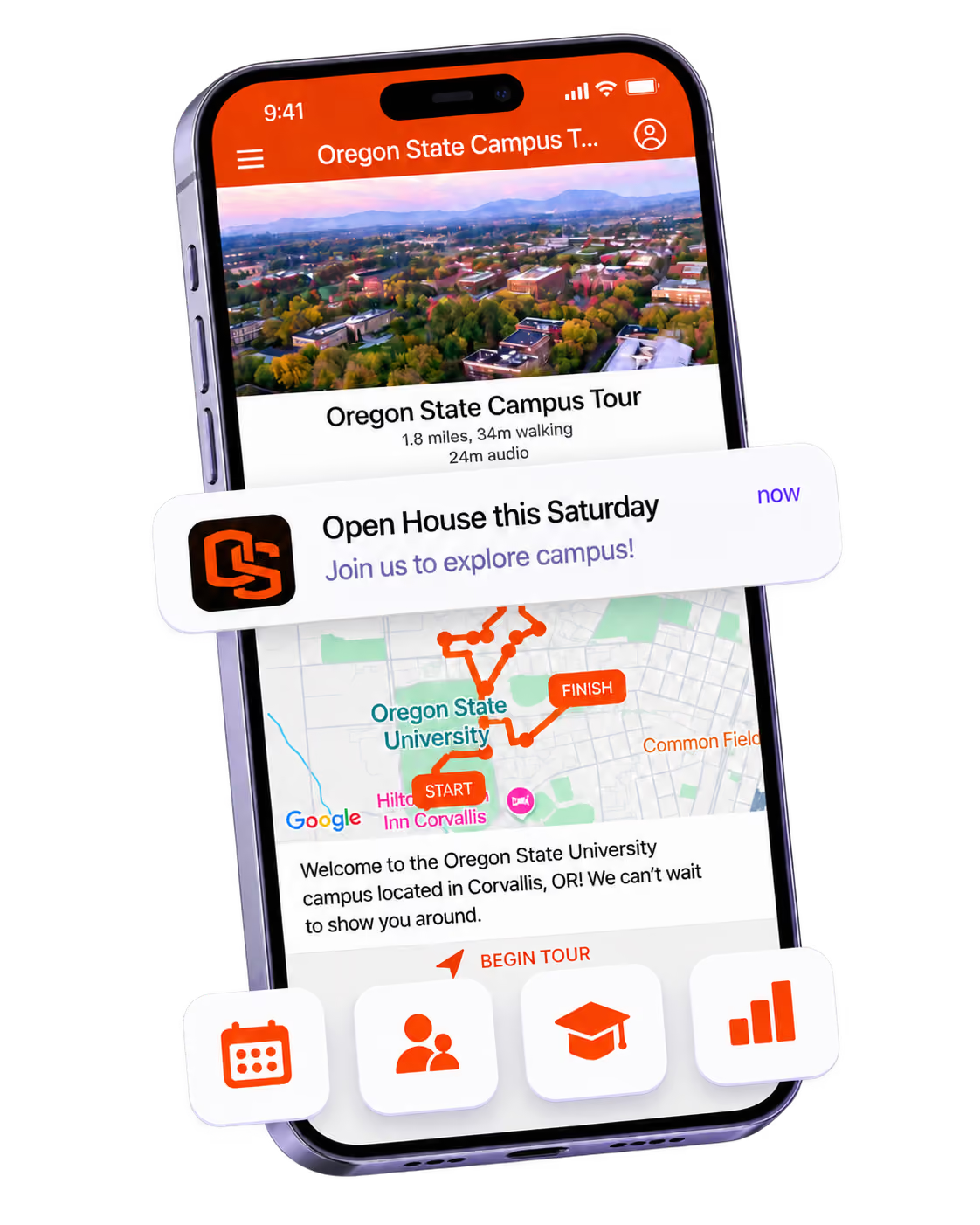
Deliver branded, self-guided tour experiences with interactive maps and rich media, available 24/7.

Offering Campus Tours?
Deliver branded, self-guided tour experiences with interactive maps and rich media, available 24/7.
Organising a Career Fair?
Simplify logistics for students, employers, and Career Services staff with one easy-to-use app.
Organising a Career Fair?
Simplify logistics for students, employers, and Career Services staff with one easy-to-use app.
Managing Alumni Events?
Plan reunions, regional events, and fundraising campaigns with an app built for alumni engagement.
Managing Alumni Events?
Plan reunions, regional events, and fundraising campaigns with an app built for alumni engagement.
Boost Student Engagement
One hub for schedules, resources, and events that keeps students connected throughout the academic year.
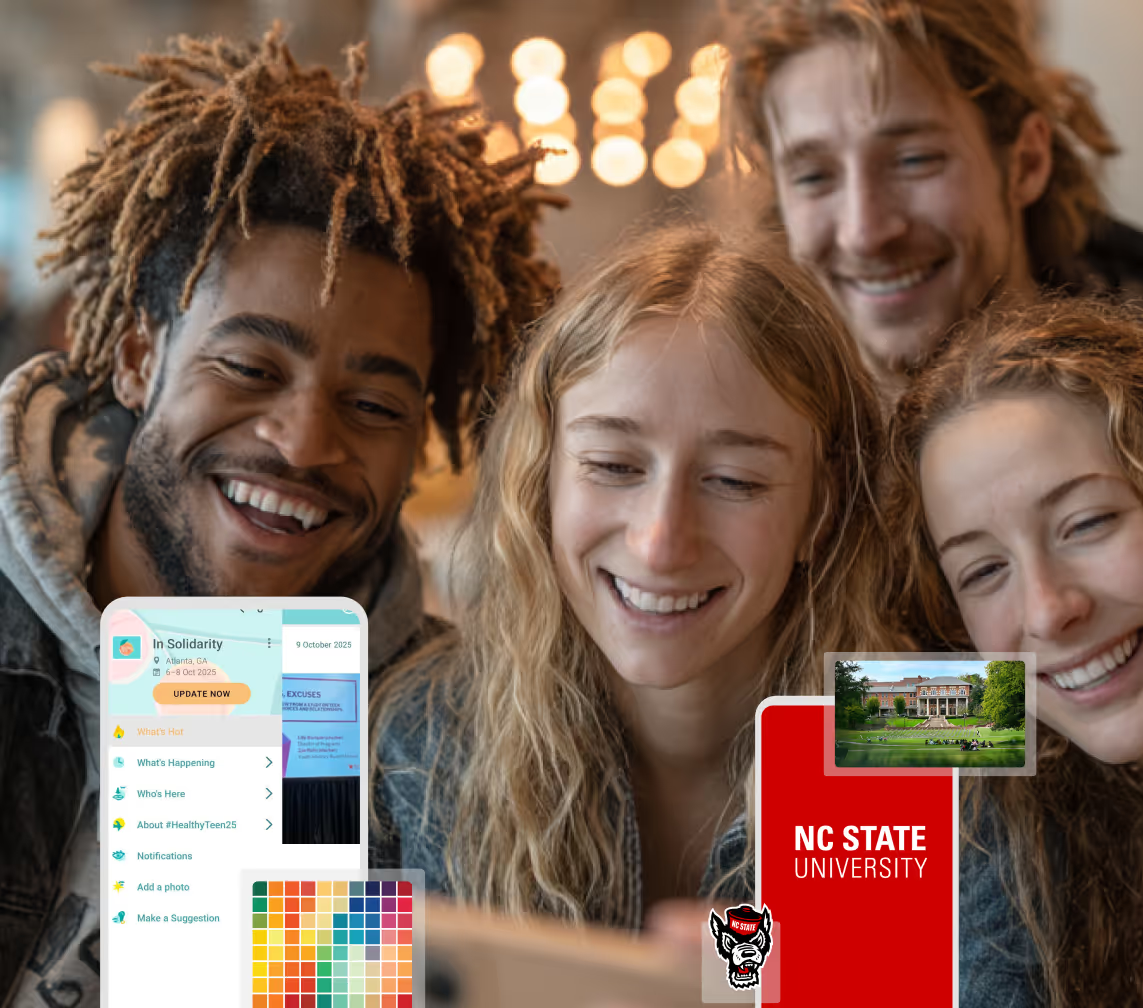
Boost Student Engagement
One hub for schedules, resources, and events that keeps students connected throughout the academic year.
Planning Orientation?
Help new students feel prepared from day one with schedules, campus resources, and real-time updates in one app.
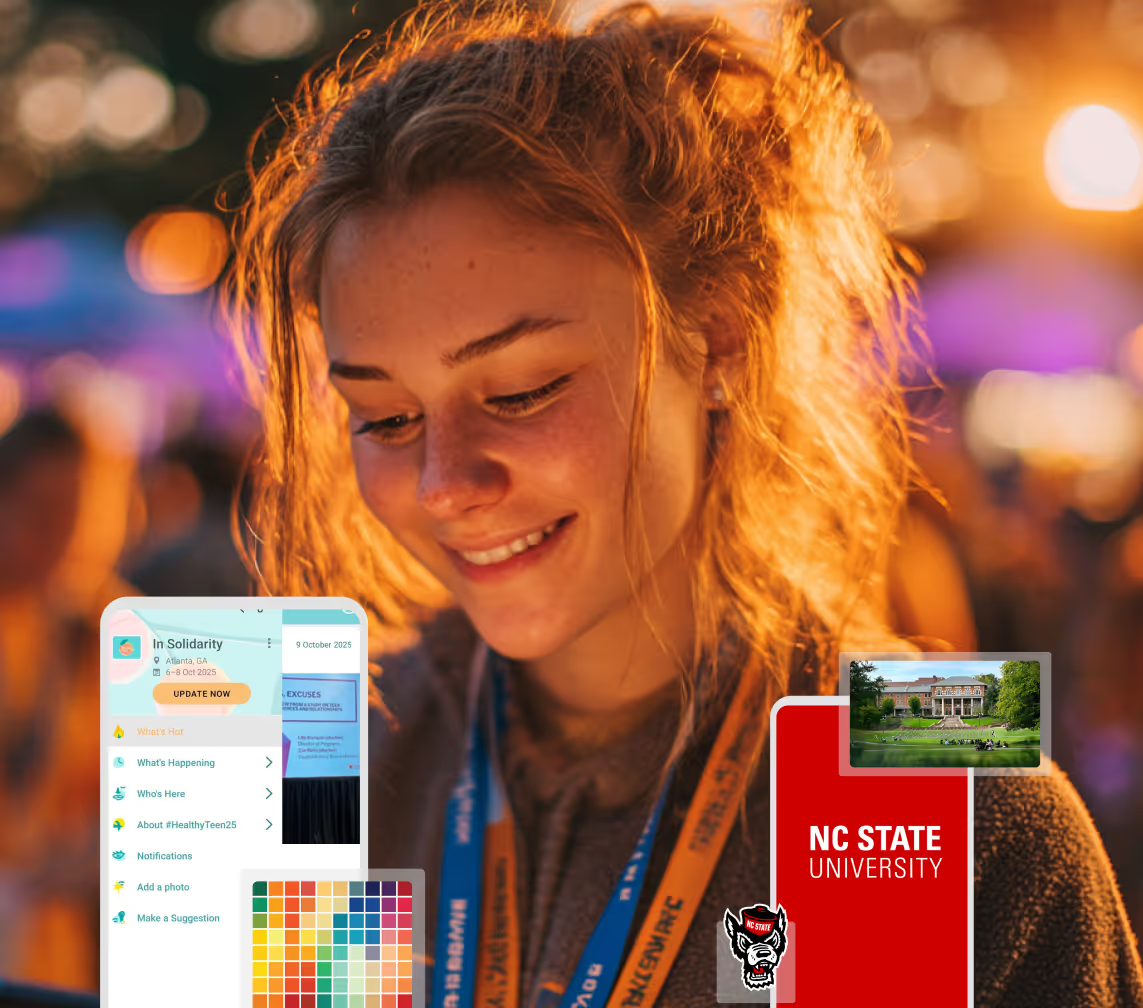
Planning Orientation?
Help new students feel prepared from day one with schedules, campus resources, and real-time updates in one app.
Running Admissions Events?
Manage open houses, tours, and yield events with a branded app that saves time and engages prospective students.

Running Admissions Events?
Manage open houses, tours, and yield events with a branded app that saves time and engages prospective students.
Get a custom Sponsorship Package Template
Stop starting from scratch. Grab free templates that helWe'll build a tailored sponsorship package with suggested pricing, tiers, and benefits..for your specific event.p you build professional sponsorship packages and close deals faster.
Get a custom Sponsorship Package Template
Stop starting from scratch. Grab free templates that helWe'll build a tailored sponsorship package with suggested pricing, tiers, and benefits..for your specific event.p you build professional sponsorship packages and close deals faster.
Plan Your Next Event Without Missing a Beat.
From venue selection to post-event wrap-up, this free checklist walks you through every step (so nothing falls through the cracks).
.avif)
Plan Your Next Event Without Missing a Beat.
From venue selection to post-event wrap-up, this free checklist walks you through every step (so nothing falls through the cracks).
Real Results From Real Events
100,000+ organizations trust Guidebook. See exactly how universities, associations, enterprises, and more put it to work.

Real Results From Real Events
100,000+ organizations trust Guidebook. See exactly how universities, associations, enterprises, and more put it to work.
Flexible pricing for every event size
Find the perfect plan for your needs, from intimate gatherings to large-scale conferences.

Flexible pricing for every event size
Find the perfect plan for your needs, from intimate gatherings to large-scale conferences.
Join our event experts
Watch on-demand webinars and join live sessions with industry leaders sharing best practices for event success.
.avif)
Join our event experts
Watch on-demand webinars and join live sessions with industry leaders sharing best practices for event success.
Guidebook in Action
Book a personalized walkthrough and discover how we help event teams create better attendee experiences.
Guidebook in Action
Book a personalized walkthrough and discover how we help event teams create better attendee experiences.

What are Sponsorship Package Examples?
Sponsorship package examples showcase tiered benefits and pricing to attract sponsors. Discover sample packages, key inclusions, and tips for maximizing sponsor value.

Sponsorship package examples are ready-to-use templates and real-world models that show event planners exactly how to structure, price, and present sponsor opportunities. They range from simple one-page proposals to multi-tier offerings with detailed benefits. The right examples can transform your sponsorship revenue overnight.
Here's the thing: most event planners struggle with sponsorship because they're starting from scratch. Good examples eliminate guesswork. They show you what works, what sponsors actually want, and how to price your offerings competitively. Instead of reinventing the wheel, you can adapt proven formats to your specific event.
Key Characteristics of Sponsorship Package Examples
- Tiered Structure: Most examples feature three to five levels (Bronze, Silver, Gold, Platinum). This gives sponsors options at different price points and commitment levels.
- Clear Benefit Lists: Each tier spells out exactly what sponsors receive. No vague promises—just concrete deliverables like logo placement, booth space, or speaking slots.
- Visual Appeal: Strong examples use professional design. They include your event branding, clean layouts, and easy-to-scan formatting.
- Pricing Transparency: Good packages show investment amounts upfront. Some include "à la carte" add-ons for flexibility.
- Audience Data: Effective examples include attendee demographics. Sponsors want to know who they're reaching.
- ROI Indicators: The best packages reference past results. They might show previous attendance numbers, engagement rates, or sponsor testimonials.
- Customization Options: Top-tier examples leave room for negotiation. They signal openness to tailored partnerships.
Sponsorship Package Examples vs. Related Documents
Sponsorship Proposal
- Scope: Customized pitch to a specific company
- Focus: Why this sponsor should partner with your event
- Timeline: Created after initial sponsor interest
- Channels: Sent directly to decision-makers
- Goal: Close a specific deal
Sponsorship Letter
- Scope: Initial outreach to potential sponsors
- Focus: Introducing your event and opportunity
- Timeline: First touchpoint in sponsor outreach
- Channels: Email, direct mail, or LinkedIn
- Goal: Generate interest and secure a meeting
Sponsorship Agreement
- Scope: Legal contract between event and sponsor
- Focus: Terms, deliverables, and payment schedules
- Timeline: Created after verbal commitment
- Channels: Formal document exchange
- Goal: Finalize the partnership legally
Think of it this way: your sponsorship letter opens the door. Your package examples show what's possible. Your proposal makes the specific ask. And your agreement seals the deal. Each document plays a distinct role in your sponsorship strategy.
Essential Sponsorship Package Tiers
Most successful events use a tiered approach. Here's what each level typically includes and how to structure them effectively.
Bronze or Supporting Sponsor Level
This entry-level tier works for smaller businesses or first-time sponsors. Price it at 15-25% of your top tier.
Typical benefits include:
- Logo on event website and program
- Social media mention (1-2 posts)
- Two complimentary event tickets
- Recognition during opening remarks
Silver or Partner Sponsor Level
Mid-tier sponsors want more visibility without the premium price tag. Set this at 40-50% of your top tier.
Common inclusions:
- Everything in Bronze, plus:
- Larger logo placement
- Exhibit table or small booth
- Four complimentary tickets
- Email blast mention to attendees
- Banner placement at event
Gold or Premier Sponsor Level
This tier attracts serious sponsors seeking significant exposure. Price it at 70-80% of your top tier.
Standard benefits:
- Everything in Silver, plus:
- Premium booth location
- Speaking opportunity (5-10 minutes)
- Six complimentary tickets
- Dedicated social media post
- Logo on event signage
Platinum or Title Sponsor Level
Your flagship tier offers maximum visibility and exclusivity. This is your anchor sponsorship.
Premium benefits include:
- Everything in Gold, plus:
- Name in event title ("Event Name presented by Sponsor")
- Keynote introduction opportunity
- VIP table at meals
- Eight to ten complimentary tickets
- Exclusive category rights
Types of Sponsorship Package Formats
Different events call for different package styles. Choose the format that matches your event type and sponsor expectations.
One-Page Overview Format
Perfect for smaller events or initial conversations. This format fits everything on a single page.
Include your event name, date, expected attendance, and a simple tier comparison chart. Keep it scannable. Busy executives should grasp your offering in 30 seconds.
Multi-Page Prospectus Format
Larger conferences and festivals need more detail. A 4-8 page prospectus tells your complete story.
Structure it like this:
- Page 1: Event overview and mission
- Page 2: Audience demographics and reach
- Pages 3-5: Detailed tier breakdowns
- Page 6: À la carte add-ons
- Page 7: Past sponsor testimonials
- Page 8: Contact information and next steps
Digital Interactive Format
Modern sponsors expect digital options. Consider creating an interactive PDF or dedicated webpage.
Benefits of going digital:
- Easy to share via email
- Clickable links to your event website
- Embedded videos showcasing past events
- Real-time updates as packages sell
Tools like event management platforms can help you create professional digital materials that impress potential sponsors.
Industry-Specific Format
Tailor your package to your event type. A team building event needs different sponsor benefits than a virtual event.
For trade shows, emphasize booth traffic and lead generation. For conferences, highlight speaking opportunities. For festivals, focus on brand activation spaces.
Building Your Sponsorship Package
Creating effective packages requires strategy. Follow this process to develop offerings that sell.
Research Your Market First
Before setting prices, study comparable events. What do similar events in your industry charge? What benefits do they offer?
Check competitor websites and past event programs. Ask colleagues what they've paid as sponsors. This research prevents underpricing your value.
Calculate Your True Value
Add up what sponsors actually receive. Consider:
- Estimated impressions from logo placement
- Value of complimentary tickets
- Cost of equivalent advertising
- Lead generation potential
- Networking access value
Your package price should reflect 50-70% of this total value. Sponsors need to feel they're getting a deal.
Design for Easy Comparison
Use a comparison chart showing all tiers side by side. Checkmarks work great for this. Sponsors should instantly see what each level includes.
Place your most popular tier in the center. Research shows middle options get chosen most often.
Include Compelling Visuals
Add photos from past events. Show sponsors what their logo placement looks like in action. Include images of packed rooms, engaged attendees, and happy sponsors.
Strong visuals help sponsors envision their brand at your event. They also demonstrate your event's professionalism and scale.
Why Sponsorship Package Examples Matter
For Event Success:
- Revenue Generation: Well-structured packages can cover 30-50% of your event budget through sponsor support.
- Professional Credibility: Polished packages signal you run a serious operation worth investing in.
- Faster Sales Cycles: Clear examples reduce back-and-forth negotiations and speed up decisions.
- Consistent Messaging: Templates ensure every sponsor receives the same professional presentation.
- Scalable Outreach: Good examples let you approach multiple sponsors simultaneously without custom work.
For Business Objectives:
- Brand Alignment: Examples help sponsors see how their brand fits your event's audience and values.
- Budget Planning: Clear pricing helps sponsors allocate marketing budgets appropriately.
- ROI Projection: Detailed benefits let sponsors estimate their return before committing.
- Internal Approval: Sponsors can share professional packages with their leadership for faster sign-off.
- Long-term Partnerships: Transparent packages build trust that leads to multi-year commitments.
Platforms like Guidebook help event planners showcase sponsor benefits through branded event apps. Sponsors love seeing their logos on attendee phones throughout your event.
Sponsorship Package Examples Best Practices
- Start with Your Audience Data: Lead with who attends your event. Sponsors buy access to people, not events. Include demographics, job titles, and company sizes.
- Create Urgency with Deadlines: Set early-bird pricing or limited availability. "Only two Platinum spots available" motivates faster decisions.
- Offer Exclusive Categories: Promise sponsors they'll be the only company in their industry. Exclusivity commands premium pricing.
- Include Digital Benefits: Modern packages must include digital marketing elements. Think app placement, email features, and social media exposure.
- Show Past Results: Include metrics from previous events. Attendance numbers, engagement rates, and sponsor satisfaction scores build confidence.
- Make Contact Easy: Include your name, email, phone, and calendar booking link. Remove every barrier to saying yes.
- Price Strategically: Your top tier should be 3-4x your entry tier. This makes middle options look like great value.
- Update Annually: Refresh your packages each year. Add new benefits, adjust pricing, and incorporate current event trends.
- Create À La Carte Options: Some sponsors want specific benefits without full packages. Offer individual items like extra tickets or additional signage.
- Test Different Versions: Try different package structures with different prospects. Track what resonates and refine accordingly.
Common Sponsorship Package Examples Mistakes
Underpricing Your Value: Many event planners price packages too low out of fear. Research comparable events and price confidently. Sponsors expect to pay for quality exposure. Low prices can actually signal low value.
Overloading with Benefits: Cramming too many benefits into lower tiers leaves nothing special for premium sponsors. Save your best offerings for top tiers. Create clear differentiation between levels.
Ignoring Digital Opportunities: Print-only packages feel outdated. Include app features, event SEO benefits, and social media exposure. Modern sponsors expect digital reach.
Vague Benefit Descriptions: "Logo placement" means nothing without specifics. Say "Logo on main stage backdrop (8' x 4' banner)" instead. Concrete details build confidence.
Missing Audience Information: Sponsors care about who attends, not just how many. Include job titles, industries, buying authority, and geographic distribution.
One-Size-Fits-All Approach: Different sponsors have different goals. A tech company wants leads. A nonprofit wants awareness. Customize your pitch even when using standard packages.
Forgetting Follow-Up Materials: Your package is just the start. Prepare answers to common questions, case studies, and ROI calculations for follow-up conversations.
Final Thoughts
Sponsorship package examples aren't just templates—they're revenue tools. The right examples help you communicate value clearly, price confidently, and close deals faster. They transform sponsorship from awkward asking into professional partnership building.
The events industry continues evolving, and sponsor expectations evolve with it. Today's sponsors want digital exposure, measurable results, and authentic audience connections. Your packages should reflect these priorities while showcasing what makes your event unique.
Don't let sponsorship intimidate you. Start with proven examples, customize them for your event, and present them professionally. Every successful event planner started somewhere. The difference between struggling and thriving often comes down to having the right tools and templates.
Ready to level up your sponsorship game? Explore event planning resources and templates to streamline your process. Check out case studies from events that nailed their sponsorship strategy. And when you're ready to wow sponsors with a branded event app, book a demo to see how Guidebook can help. Your next sponsor is waiting—give them a package worth saying yes to.
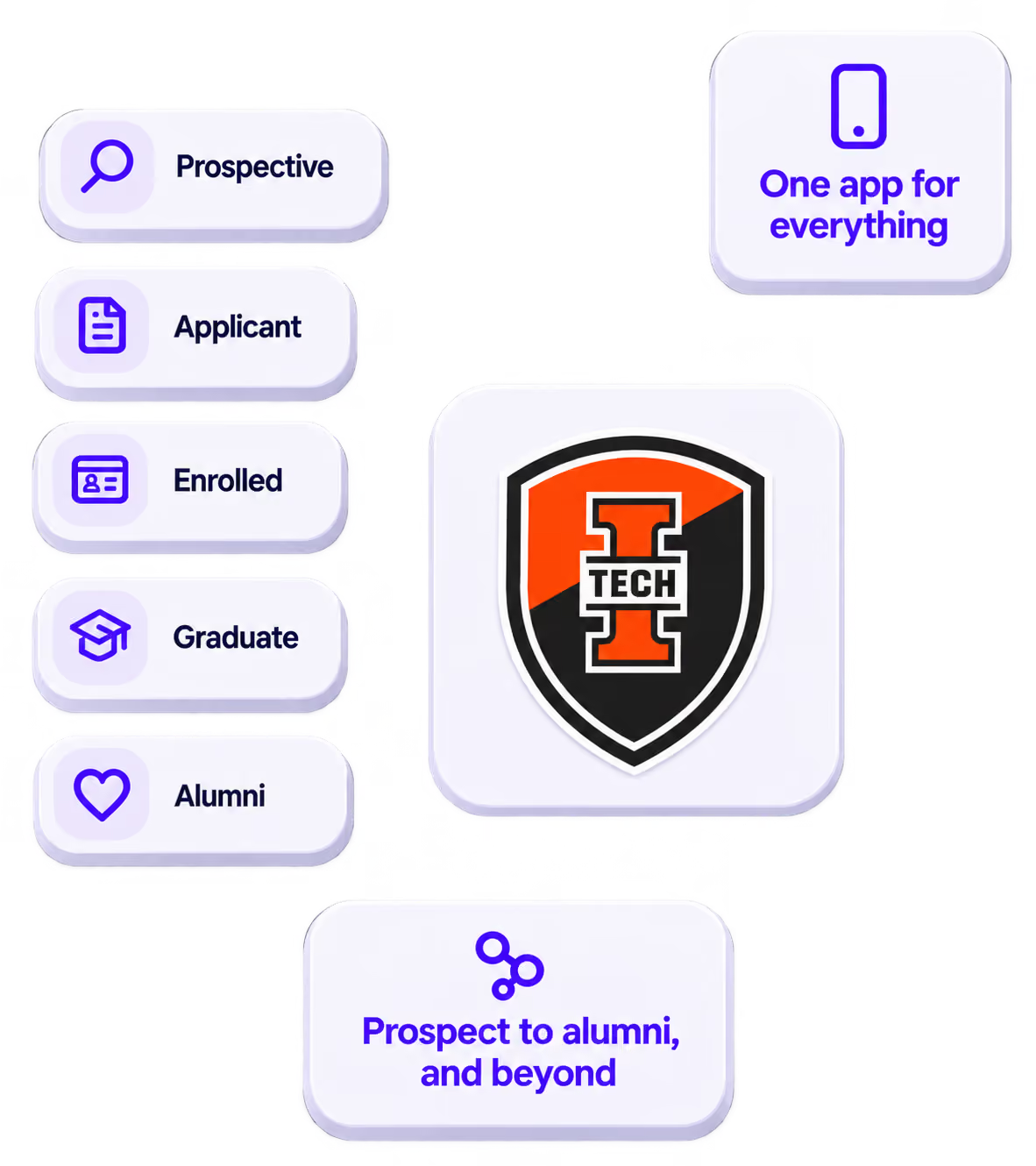
The power of your brand in your app, from first visit to alumni.
Build trust
Your brand, front and center in your own app, downloaded directly from the app stores.
.avif)
Deliver continuity
One app for everything a student needs. From being a prospective student through to graduation and beyond.
Stand out
Your own app helps you to stand out from the competition, stay top of mind, and be remembered.

Get the Mobile App Playbook
A short guide to running the whole student journey in one app. No fluff, just what works.
for higher ed
Campus
Playbook
A practical guide to building a connected campus experience.
Free playbook
The Mobile App Playbook for Universities
Students decide if they belong long before they set foot on campus. This playbook shows how to win them over from the first visit through graduation.
- Grow enrollment and boost recruitment
- Increase belonging and retention
- Run every event from one branded app
By submitting, you agree to our Privacy Policy.
You're in.
.png)