
Campus apps by department
Admissions, orientation, student life, and more — one campus app that works across departments.

Campus apps by department
Admissions, orientation, student life, and more — one campus app that works across departments.
Build unlimited event apps on one license
One partnership for unlimited campus events — orientation, tours, student life, and everything in between.
Build unlimited event apps on one license
One partnership for unlimited campus events — orientation, tours, student life, and everything in between.
Compare event app platforms
See how Guidebook stacks up against other event app and registration platforms.
Compare event app platforms
See how Guidebook stacks up against other event app and registration platforms.
Event apps for nonprofit and community programs
Give members, volunteers, and donors one branded app for conferences, fundraisers, and year-round community.
Event apps for nonprofit and community programs
Give members, volunteers, and donors one branded app for conferences, fundraisers, and year-round community.
Campus integrations and an open API
Connect Guidebook with the campus systems, APIs, and tools your team already uses.
Campus integrations and an open API
Connect Guidebook with the campus systems, APIs, and tools your team already uses.
Event apps for corporate and enterprise teams
Internal meetings, offsites, and large-scale corporate events — with the branding and control enterprise teams need.
Event apps for corporate and enterprise teams
Internal meetings, offsites, and large-scale corporate events — with the branding and control enterprise teams need.
Create a branded event app with no coding
Put schedules, maps, resources, and updates in every attendee's pocket — built for campus events and programs.
Create a branded event app with no coding
Put schedules, maps, resources, and updates in every attendee's pocket — built for campus events and programs.
Launch a branded, white-label event app
A white-label event app with your branding, your content, and your attendee experience — no coding required.
Launch a branded, white-label event app
A white-label event app with your branding, your content, and your attendee experience — no coding required.
Everything in the Guidebook platform
Explore the features event teams use to engage attendees before, during, and after the event.
Everything in the Guidebook platform
Explore the features event teams use to engage attendees before, during, and after the event.
One app for in-person and virtual attendees
The same schedule, networking, and updates whether people are in the room or joining remotely.
One app for in-person and virtual attendees
The same schedule, networking, and updates whether people are in the room or joining remotely.
Event apps built for associations
Annual meetings, chapter events, and member engagement — without rebuilding a new app every year.
Event apps built for associations
Annual meetings, chapter events, and member engagement — without rebuilding a new app every year.
A branded event website that matches the app
Promote the event, collect interest, and keep branding consistent from the first click to check-in.
A branded event website that matches the app
Promote the event, collect interest, and keep branding consistent from the first click to check-in.
Plan, run, and measure events on one platform
App, registration, badges, and websites in one workflow — so planning isn't a pile of disconnected tools.
Plan, run, and measure events on one platform
App, registration, badges, and websites in one workflow — so planning isn't a pile of disconnected tools.
Keep members engaged between events
One branded app for the conference and everything that happens the other 51 weeks of the year.
Keep members engaged between events
One branded app for the conference and everything that happens the other 51 weeks of the year.
The conference app attendees actually use
Schedules, maps, networking, and live updates for annual meetings, summits, and multi-day conferences.
The conference app attendees actually use
Schedules, maps, networking, and live updates for annual meetings, summits, and multi-day conferences.
Registration that feeds your app and badges
Collect registrations, payments, and attendee data in the same platform as your event app.
Registration that feeds your app and badges
Collect registrations, payments, and attendee data in the same platform as your event app.
Design and print event badges in one place
Custom badges, QR check-in, and on-site printing — without a separate badge vendor.
Design and print event badges in one place
Custom badges, QR check-in, and on-site printing — without a separate badge vendor.
A Smaller School?
Deliver a polished, branded event experience without a large team or a big budget.
A Smaller School?
Deliver a polished, branded event experience without a large team or a big budget.
Running Family Programs?
Give families everything they need, from schedules and maps to real-time updates, all in one place.
Running Family Programs?
Give families everything they need, from schedules and maps to real-time updates, all in one place.
Coordinating Move-In Day?
Share updates, manage events, and keep students informed from move-in through the academic year.

Coordinating Move-In Day?
Share updates, manage events, and keep students informed from move-in through the academic year.
Offering Campus Tours?
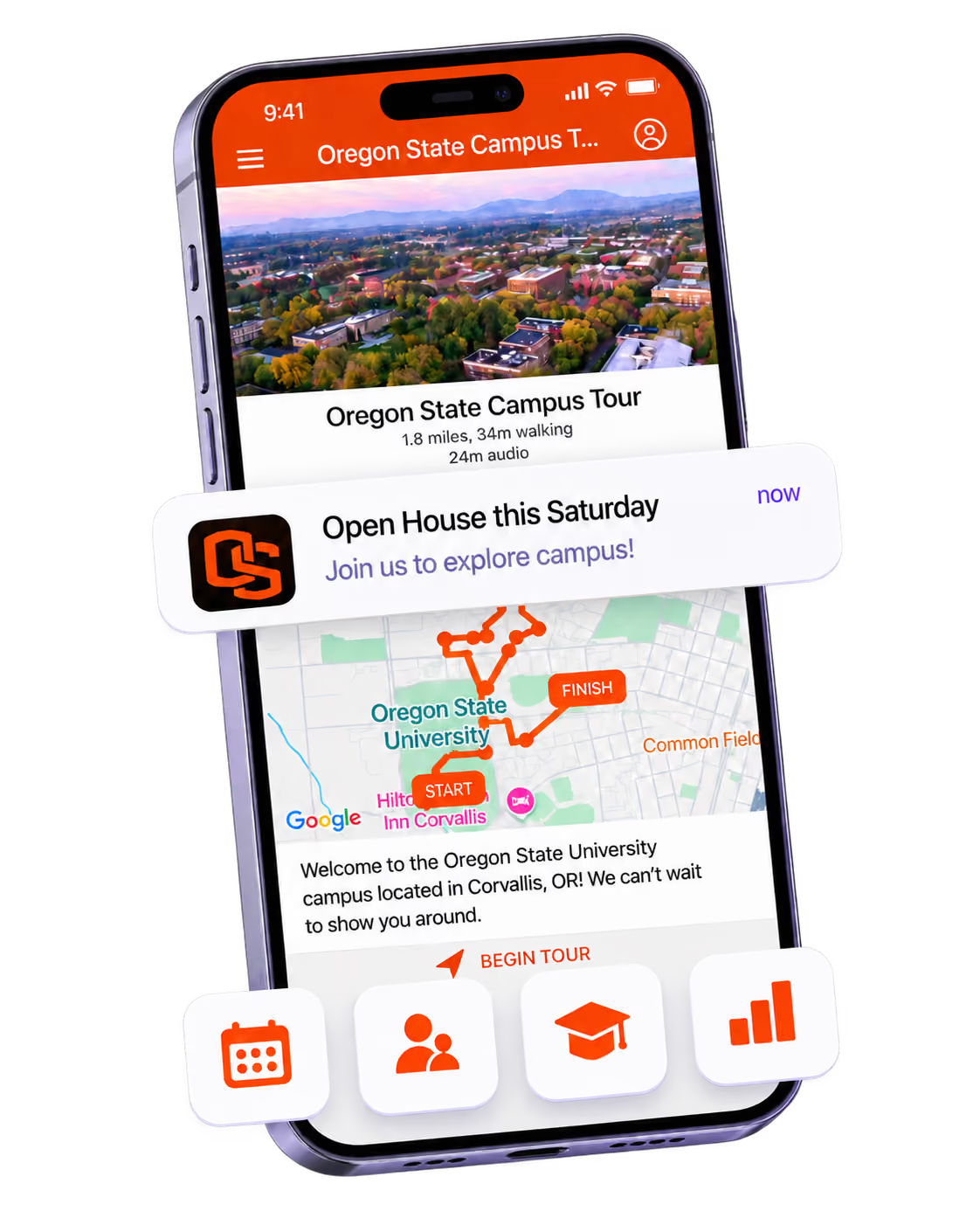
Deliver branded, self-guided tour experiences with interactive maps and rich media, available 24/7.

Offering Campus Tours?
Deliver branded, self-guided tour experiences with interactive maps and rich media, available 24/7.
Organising a Career Fair?
Simplify logistics for students, employers, and Career Services staff with one easy-to-use app.
Organising a Career Fair?
Simplify logistics for students, employers, and Career Services staff with one easy-to-use app.
Managing Alumni Events?
Plan reunions, regional events, and fundraising campaigns with an app built for alumni engagement.
Managing Alumni Events?
Plan reunions, regional events, and fundraising campaigns with an app built for alumni engagement.
Boost Student Engagement
One hub for schedules, resources, and events that keeps students connected throughout the academic year.
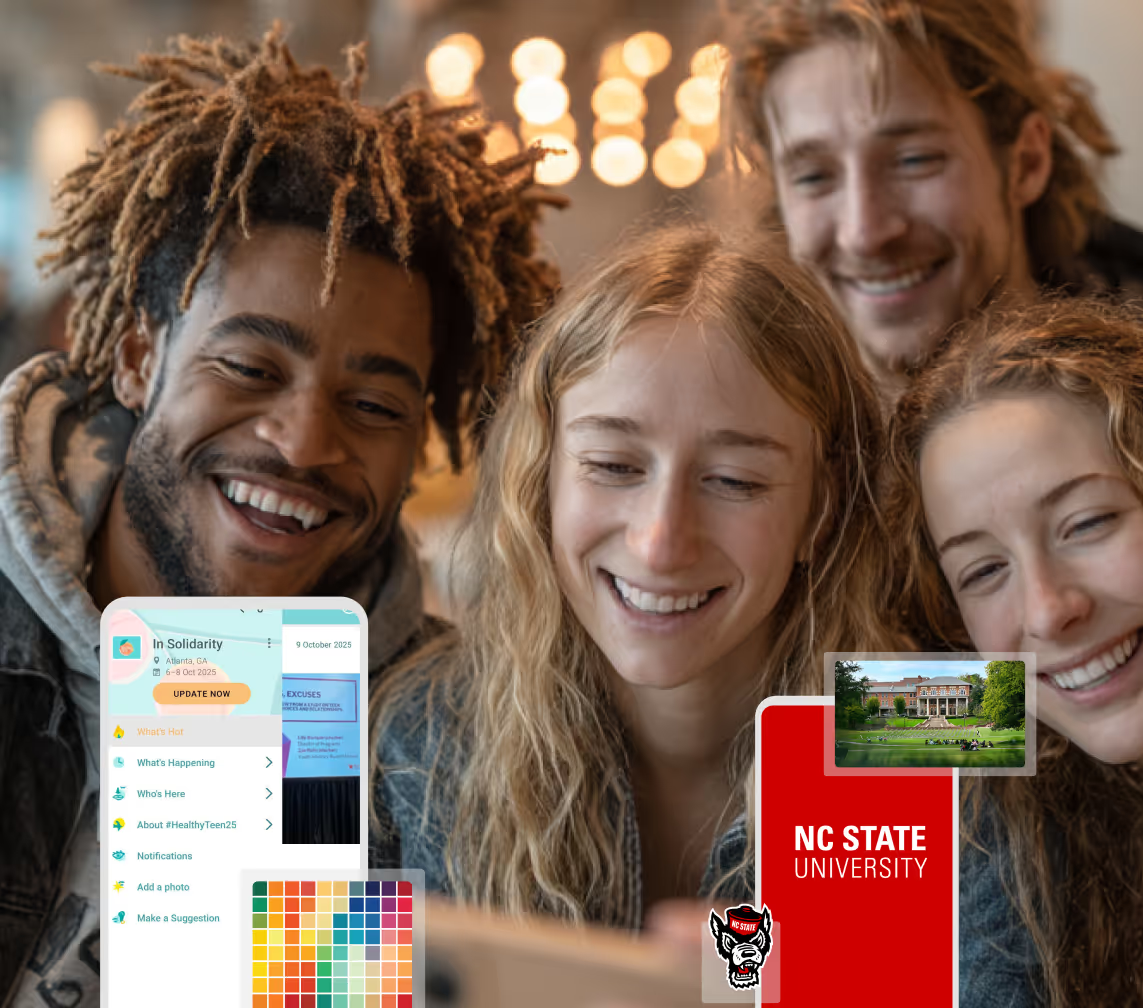
Boost Student Engagement
One hub for schedules, resources, and events that keeps students connected throughout the academic year.
Planning Orientation?
Help new students feel prepared from day one with schedules, campus resources, and real-time updates in one app.
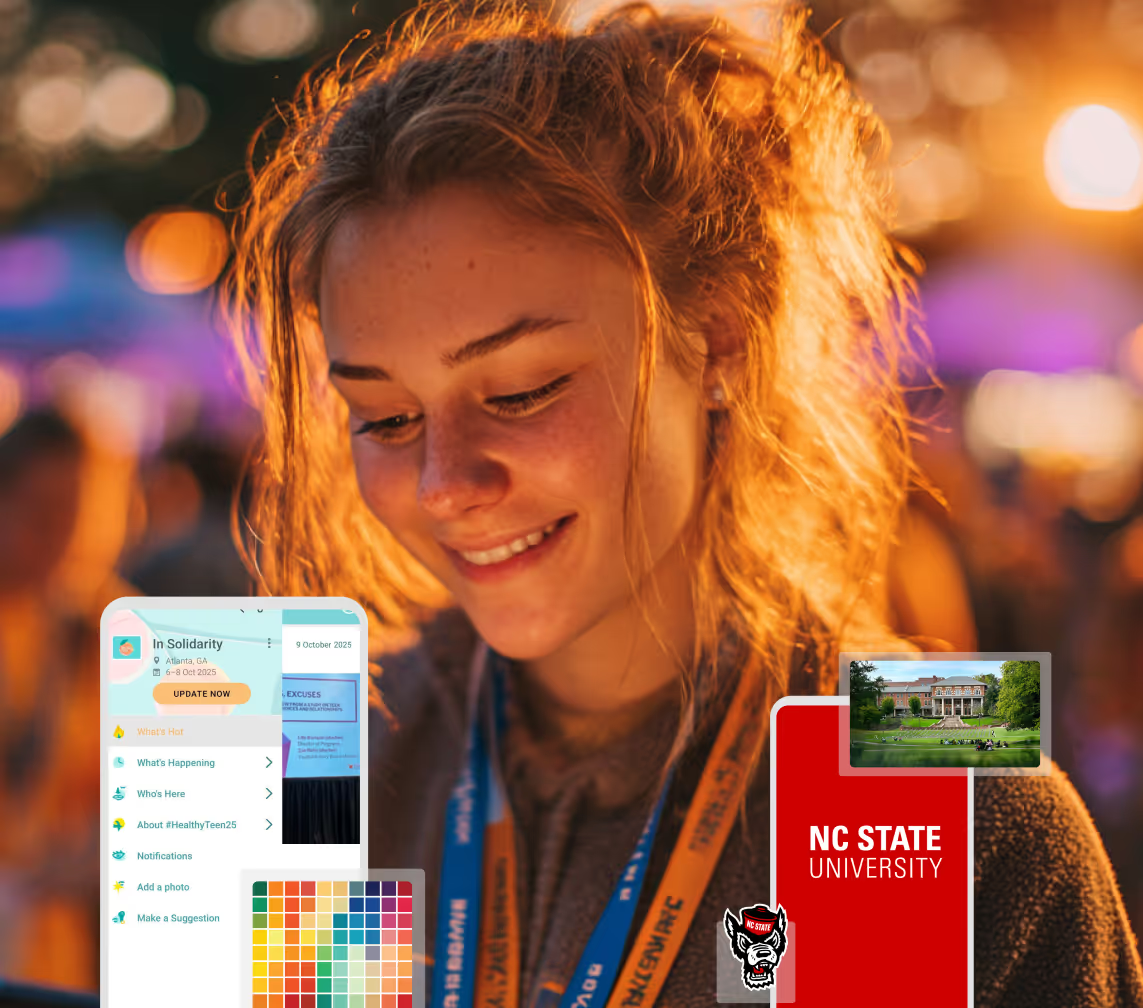
Planning Orientation?
Help new students feel prepared from day one with schedules, campus resources, and real-time updates in one app.
Running Admissions Events?
Manage open houses, tours, and yield events with a branded app that saves time and engages prospective students.

Running Admissions Events?
Manage open houses, tours, and yield events with a branded app that saves time and engages prospective students.
Get a custom Sponsorship Package Template
Stop starting from scratch. Grab free templates that helWe'll build a tailored sponsorship package with suggested pricing, tiers, and benefits..for your specific event.p you build professional sponsorship packages and close deals faster.
Get a custom Sponsorship Package Template
Stop starting from scratch. Grab free templates that helWe'll build a tailored sponsorship package with suggested pricing, tiers, and benefits..for your specific event.p you build professional sponsorship packages and close deals faster.
Plan Your Next Event Without Missing a Beat.
From venue selection to post-event wrap-up, this free checklist walks you through every step (so nothing falls through the cracks).
.avif)
Plan Your Next Event Without Missing a Beat.
From venue selection to post-event wrap-up, this free checklist walks you through every step (so nothing falls through the cracks).
Real Results From Real Events
100,000+ organizations trust Guidebook. See exactly how universities, associations, enterprises, and more put it to work.

Real Results From Real Events
100,000+ organizations trust Guidebook. See exactly how universities, associations, enterprises, and more put it to work.
Flexible pricing for every event size
Find the perfect plan for your needs, from intimate gatherings to large-scale conferences.

Flexible pricing for every event size
Find the perfect plan for your needs, from intimate gatherings to large-scale conferences.
Join our event experts
Watch on-demand webinars and join live sessions with industry leaders sharing best practices for event success.
.avif)
Join our event experts
Watch on-demand webinars and join live sessions with industry leaders sharing best practices for event success.
Guidebook in Action
Book a personalized walkthrough and discover how we help event teams create better attendee experiences.
Guidebook in Action
Book a personalized walkthrough and discover how we help event teams create better attendee experiences.

How to Write a Sponsorship Letter
Learn how to write a sponsorship letter with proven templates, key elements, and persuasive tips. Boost your chances of securing sponsors for your event or cause.

Writing a Sponsorship Letter is the strategic process of crafting a compelling written request that persuades businesses to financially support your event in exchange for valuable exposure and benefits. This skill combines persuasive writing with business acumen to create win-win partnerships. A well-written sponsorship letter can transform your event budget overnight.
Here's the thing: most sponsorship letters fail because they focus on what the event needs, not what the sponsor gains. The best letters flip this script entirely. They lead with value, back it up with data, and make saying "yes" feel like a smart business decision. That's the difference between a letter that gets filed away and one that gets funded.
Key Characteristics of an Effective Sponsorship Letter
- Value-First Approach: The letter leads with sponsor benefits rather than event needs. Companies receive dozens of requests weekly, so yours must immediately answer "what's in it for me?"
- Personalized Content: Each letter addresses the specific company's goals, audience, and brand values. Generic templates get ignored.
- Clear Call to Action: The letter specifies exactly what you're asking for and what happens next. Vague requests produce vague responses.
- Professional Formatting: Clean design, proper business letter structure, and error-free writing signal credibility and attention to detail.
- Compelling Data: Concrete numbers about attendance, demographics, and past sponsor results build trust and justify investment.
- Tiered Options: Multiple sponsorship levels let companies choose their comfort zone. This increases your chances of getting some level of support.
- Deadline Inclusion: A response deadline creates urgency without being pushy. It also helps you plan your event planning process timeline.
Sponsorship Letter vs. Related Outreach Methods
Sponsorship Proposal
- Scope: Comprehensive multi-page document with detailed benefits, pricing, and event information
- Focus: Deep dive into partnership opportunities and ROI projections
- Timeline: Sent after initial interest is established
- Channels: Email attachment or printed presentation package
- Goal: Close the deal with decision-makers who've already shown interest
Sponsorship Email
- Scope: Brief digital message, typically under 200 words
- Focus: Quick introduction and meeting request
- Timeline: First touchpoint in outreach sequence
- Channels: Direct email to marketing or partnership contacts
- Goal: Secure a phone call or meeting to discuss further
Grant Application
- Scope: Formal application following specific foundation guidelines
- Focus: Mission alignment and community impact
- Timeline: Submitted during designated application windows
- Channels: Online portals or mailed applications
- Goal: Secure funding without commercial exchange expectations
The sponsorship letter sits between these approaches. It's more detailed than an email but more accessible than a full proposal. Think of it as your elevator pitch in written form—enough to spark interest and open doors for deeper conversations.
Essential Components of a Sponsorship Letter
Craft a Compelling Opening Hook
Your first sentence determines whether they keep reading. Skip the generic "I'm writing to request..." opener. Instead, lead with something that grabs attention.
Try starting with a surprising statistic, a shared connection, or a bold statement about your event's impact. For example: "Last year, 5,000 tech professionals gathered at our conference—and 73% made purchasing decisions within 30 days."
Establish Your Event's Credibility
Sponsors need to trust you before they invest. Include:
- Years you've been running the event
- Notable past sponsors or partners
- Media coverage or industry recognition
- Attendance growth trends
- Testimonials from previous sponsors
If you're planning a first-time event, emphasize your team's experience and any pre-registration numbers. Your event planning background matters here.
Detail Your Audience Demographics
Sponsors care about reaching their target customers. Get specific about who attends your event. Include age ranges, job titles, income levels, geographic locations, and buying behaviors.
The more your audience matches their ideal customer profile, the more attractive your sponsorship becomes. This data transforms your letter from a request into a business opportunity.
Present Clear Sponsorship Benefits
List exactly what sponsors receive at each level. Be specific:
- Logo placement locations and sizes
- Speaking opportunities or panel spots
- Booth space dimensions
- Social media mentions with follower counts
- Email newsletter features with subscriber numbers
- Complimentary tickets or VIP access
Check out sponsorship package examples for inspiration on structuring these tiers effectively.
Include a Strong Call to Action
End with crystal-clear next steps. Don't just say "let me know if you're interested." Instead, propose a specific action: "I'll call your office Thursday at 2 PM to discuss how we can partner."
Include your contact information, response deadline, and any time-sensitive incentives for early commitment.
The Sponsorship Letter Writing Process
Research Your Target Sponsors
Before writing a single word, do your homework. Study each potential sponsor's:
- Current marketing campaigns and messaging
- Previous event sponsorships
- Target customer demographics
- Company values and mission
- Recent press releases or announcements
This research helps you customize each letter and identify the strongest alignment points. Understanding types of event marketing helps you speak their language.
Draft Your Initial Version
Write your first draft without editing. Get all your ideas on paper. Include every benefit, every statistic, every reason they should sponsor.
Then step away. Come back with fresh eyes and cut ruthlessly. Your final letter should be one page maximum. Every sentence must earn its place.
Customize for Each Recipient
Generic letters get generic results (usually rejection). Personalize each letter by:
- Addressing the right person by name
- Referencing their specific products or services
- Connecting your event theme to their brand
- Mentioning mutual connections if applicable
- Highlighting benefits most relevant to their goals
Review and Polish
Proofread multiple times. Then have someone else proofread. Typos and grammatical errors signal carelessness—not the impression you want when asking for money.
Read your letter aloud. If any sentence sounds awkward or too long, rewrite it. Your letter should flow naturally and be easy to scan quickly.
Why Sponsorship Letters Matter
For Event Success:
- Budget Expansion: Sponsorship funds let you upgrade venues, book better speakers, and enhance attendee experiences without raising ticket prices.
- Credibility Boost: Recognized brand sponsors signal that your event is legitimate and worth attending.
- Resource Access: Sponsors often provide products, services, or expertise beyond cash contributions.
- Marketing Amplification: Sponsors promote your event to their audiences, extending your reach significantly. This supports your event digital marketing efforts.
- Risk Reduction: Secured sponsorships before ticket sales reduce financial uncertainty and enable better planning.
For Business Objectives:
- Revenue Diversification: Multiple income streams protect against ticket sales fluctuations.
- Relationship Building: Sponsor partnerships often lead to ongoing business relationships beyond single events.
- Brand Positioning: High-profile sponsors elevate your organization's industry standing.
- Data Collection: Sponsor requirements often push you to gather better attendee data, improving your event ROI tracking.
- Scalability: Strong sponsorship programs enable event growth without proportional cost increases.
Sponsorship Letter Best Practices
- Start Early: Begin outreach 6-12 months before your event. Corporate budgets get allocated early, and decision-making takes time.
- Target Strategically: Focus on companies whose customers match your attendees. Quality beats quantity in sponsor outreach.
- Lead with Benefits: Put sponsor advantages in your first paragraph. Save event details for later.
- Use Specific Numbers: "5,000 attendees" beats "thousands of attendees." Concrete data builds credibility.
- Keep It Short: One page maximum. Busy executives won't read lengthy letters.
- Include Social Proof: Mention past sponsors, media coverage, or industry endorsements.
- Create Urgency: Include deadlines for early-bird pricing or limited premium placements.
- Follow Up Persistently: Plan 3-5 follow-up touches. Most deals close after multiple contacts.
- Offer Flexibility: Be willing to customize packages. Rigid tiers lose potential partners.
- Track Everything: Document all outreach in a CRM or spreadsheet. This helps you refine your approach over time.
Common Sponsorship Letter Mistakes
Making It All About You: Letters that focus on "we need funding" rather than "here's what you'll gain" fail immediately. Sponsors aren't charities. They're making business investments and need to see returns.
Being Too Vague: Phrases like "great exposure" and "valuable partnership" mean nothing without specifics. Quantify everything: exact logo placements, precise audience numbers, specific social media reach.
Sending Generic Templates: Copy-paste letters insult recipients and show laziness. If you can't take time to personalize, why should they take time to respond?
Forgetting the Ask: Some letters describe events beautifully but never clearly state what they want. Always include specific sponsorship levels and investment amounts.
Ignoring Follow-Up: Sending one letter and waiting isn't a strategy. Plan systematic follow-up through calls, emails, and LinkedIn messages. Persistence wins deals.
Overpricing Packages: Research comparable events' sponsorship rates. Pricing too high for your event's size or reach kills deals before conversations start.
Poor Timing: Reaching out two months before your event misses most corporate budget cycles. Start early and align with sponsors' fiscal planning periods.
Final Thoughts
Writing effective sponsorship letters is part art, part science. The art lies in crafting compelling narratives that connect your event's mission with a sponsor's business goals. The science involves systematic research, strategic targeting, and persistent follow-up.
The events industry increasingly relies on sponsorship revenue. As event trends shift toward more immersive experiences, sponsors want deeper engagement opportunities—not just logo slaps. Your letters should reflect this evolution by emphasizing meaningful touchpoints over passive visibility.
Remember: every successful sponsorship starts with a conversation, and every conversation starts with that first letter. Take time to craft something worth reading. Research your prospects. Personalize your approach. Follow up relentlessly.
case studies to see how other event planners have transformed their sponsorship programs.Your next great sponsor partnership is one well-written letter away.
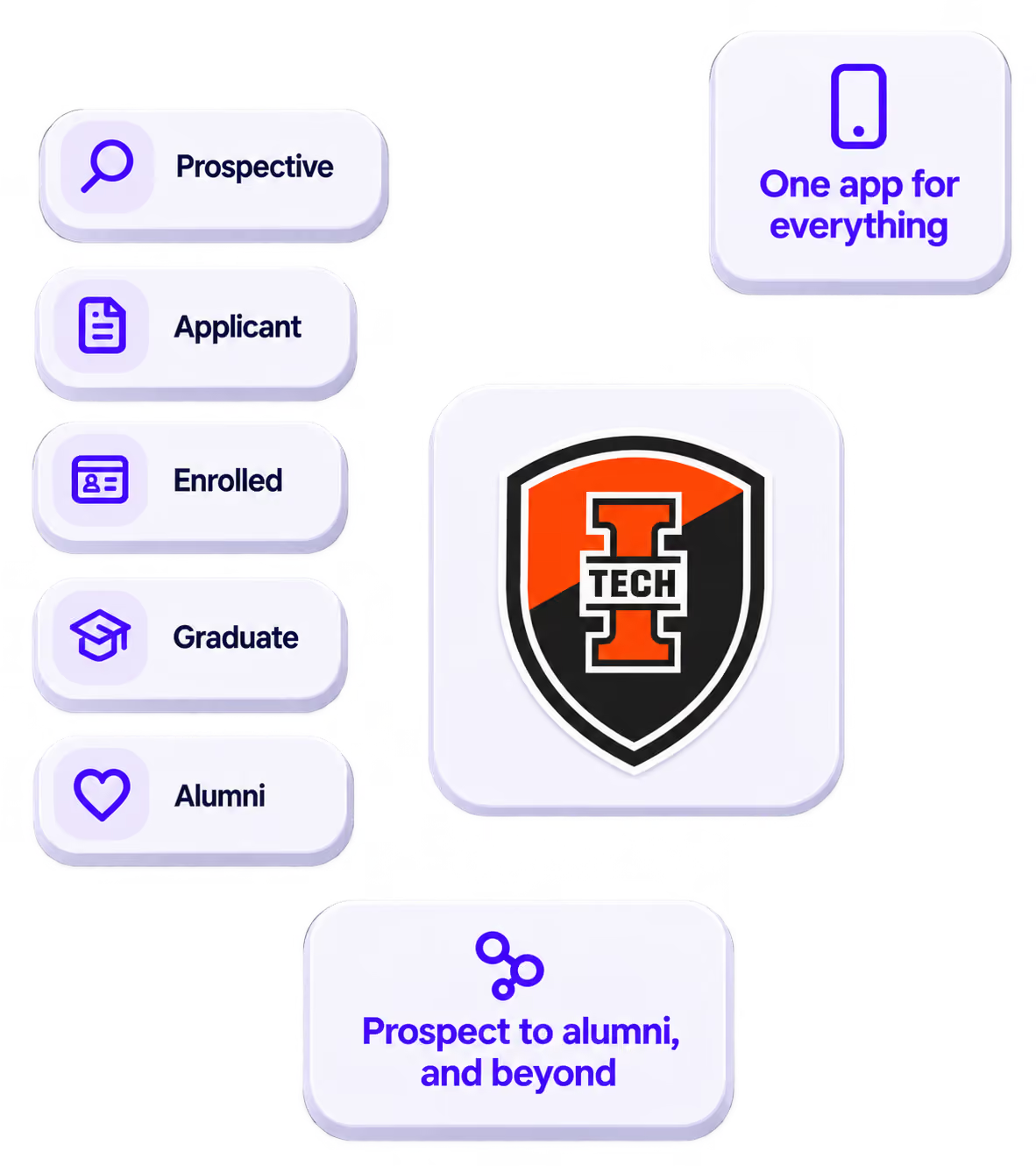
The power of your brand in your app, from first visit to alumni.
Build trust
Your brand, front and center in your own app, downloaded directly from the app stores.
.avif)
Deliver continuity
One app for everything a student needs. From being a prospective student through to graduation and beyond.
Stand out
Your own app helps you to stand out from the competition, stay top of mind, and be remembered.

Get the Mobile App Playbook
A short guide to running the whole student journey in one app. No fluff, just what works.
for higher ed
Campus
Playbook
A practical guide to building a connected campus experience.
Free playbook
The Mobile App Playbook for Universities
Students decide if they belong long before they set foot on campus. This playbook shows how to win them over from the first visit through graduation.
- Grow enrollment and boost recruitment
- Increase belonging and retention
- Run every event from one branded app
By submitting, you agree to our Privacy Policy.
You're in.
.png)