
Campus apps by department
Admissions, orientation, student life, and more — one campus app that works across departments.

Campus apps by department
Admissions, orientation, student life, and more — one campus app that works across departments.
Build unlimited event apps on one license
One partnership for unlimited campus events — orientation, tours, student life, and everything in between.
Build unlimited event apps on one license
One partnership for unlimited campus events — orientation, tours, student life, and everything in between.
Compare event app platforms
See how Guidebook stacks up against other event app and registration platforms.
Compare event app platforms
See how Guidebook stacks up against other event app and registration platforms.
Event apps for nonprofit and community programs
Give members, volunteers, and donors one branded app for conferences, fundraisers, and year-round community.
Event apps for nonprofit and community programs
Give members, volunteers, and donors one branded app for conferences, fundraisers, and year-round community.
Campus integrations and an open API
Connect Guidebook with the campus systems, APIs, and tools your team already uses.
Campus integrations and an open API
Connect Guidebook with the campus systems, APIs, and tools your team already uses.
Event apps for corporate and enterprise teams
Internal meetings, offsites, and large-scale corporate events — with the branding and control enterprise teams need.
Event apps for corporate and enterprise teams
Internal meetings, offsites, and large-scale corporate events — with the branding and control enterprise teams need.
Create a branded event app with no coding
Put schedules, maps, resources, and updates in every attendee's pocket — built for campus events and programs.
Create a branded event app with no coding
Put schedules, maps, resources, and updates in every attendee's pocket — built for campus events and programs.
Launch a branded, white-label event app
A white-label event app with your branding, your content, and your attendee experience — no coding required.
Launch a branded, white-label event app
A white-label event app with your branding, your content, and your attendee experience — no coding required.
Everything in the Guidebook platform
Explore the features event teams use to engage attendees before, during, and after the event.
Everything in the Guidebook platform
Explore the features event teams use to engage attendees before, during, and after the event.
One app for in-person and virtual attendees
The same schedule, networking, and updates whether people are in the room or joining remotely.
One app for in-person and virtual attendees
The same schedule, networking, and updates whether people are in the room or joining remotely.
Event apps built for associations
Annual meetings, chapter events, and member engagement — without rebuilding a new app every year.
Event apps built for associations
Annual meetings, chapter events, and member engagement — without rebuilding a new app every year.
A branded event website that matches the app
Promote the event, collect interest, and keep branding consistent from the first click to check-in.
A branded event website that matches the app
Promote the event, collect interest, and keep branding consistent from the first click to check-in.
Plan, run, and measure events on one platform
App, registration, badges, and websites in one workflow — so planning isn't a pile of disconnected tools.
Plan, run, and measure events on one platform
App, registration, badges, and websites in one workflow — so planning isn't a pile of disconnected tools.
Keep members engaged between events
One branded app for the conference and everything that happens the other 51 weeks of the year.
Keep members engaged between events
One branded app for the conference and everything that happens the other 51 weeks of the year.
The conference app attendees actually use
Schedules, maps, networking, and live updates for annual meetings, summits, and multi-day conferences.
The conference app attendees actually use
Schedules, maps, networking, and live updates for annual meetings, summits, and multi-day conferences.
Registration that feeds your app and badges
Collect registrations, payments, and attendee data in the same platform as your event app.
Registration that feeds your app and badges
Collect registrations, payments, and attendee data in the same platform as your event app.
Design and print event badges in one place
Custom badges, QR check-in, and on-site printing — without a separate badge vendor.
Design and print event badges in one place
Custom badges, QR check-in, and on-site printing — without a separate badge vendor.
A Smaller School?
Deliver a polished, branded event experience without a large team or a big budget.
A Smaller School?
Deliver a polished, branded event experience without a large team or a big budget.
Running Family Programs?
Give families everything they need, from schedules and maps to real-time updates, all in one place.
Running Family Programs?
Give families everything they need, from schedules and maps to real-time updates, all in one place.
Coordinating Move-In Day?
Share updates, manage events, and keep students informed from move-in through the academic year.

Coordinating Move-In Day?
Share updates, manage events, and keep students informed from move-in through the academic year.
Offering Campus Tours?
Deliver branded, self-guided tour experiences with interactive maps and rich media, available 24/7.

Offering Campus Tours?
Deliver branded, self-guided tour experiences with interactive maps and rich media, available 24/7.
Organising a Career Fair?
Simplify logistics for students, employers, and Career Services staff with one easy-to-use app.
Organising a Career Fair?
Simplify logistics for students, employers, and Career Services staff with one easy-to-use app.
Managing Alumni Events?
Plan reunions, regional events, and fundraising campaigns with an app built for alumni engagement.
Managing Alumni Events?
Plan reunions, regional events, and fundraising campaigns with an app built for alumni engagement.
Boost Student Engagement
One hub for schedules, resources, and events that keeps students connected throughout the academic year.
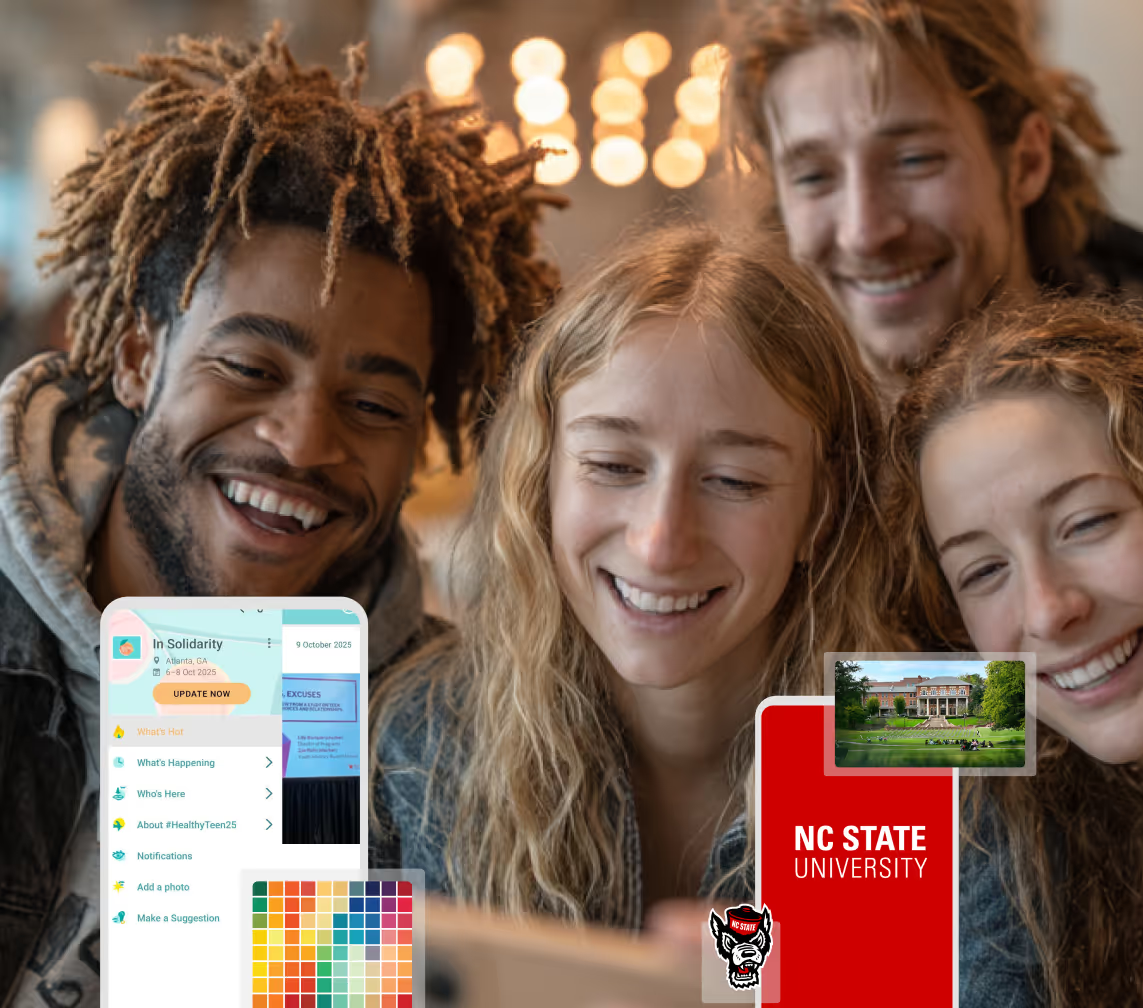
Boost Student Engagement
One hub for schedules, resources, and events that keeps students connected throughout the academic year.
Planning Orientation?
Help new students feel prepared from day one with schedules, campus resources, and real-time updates in one app.
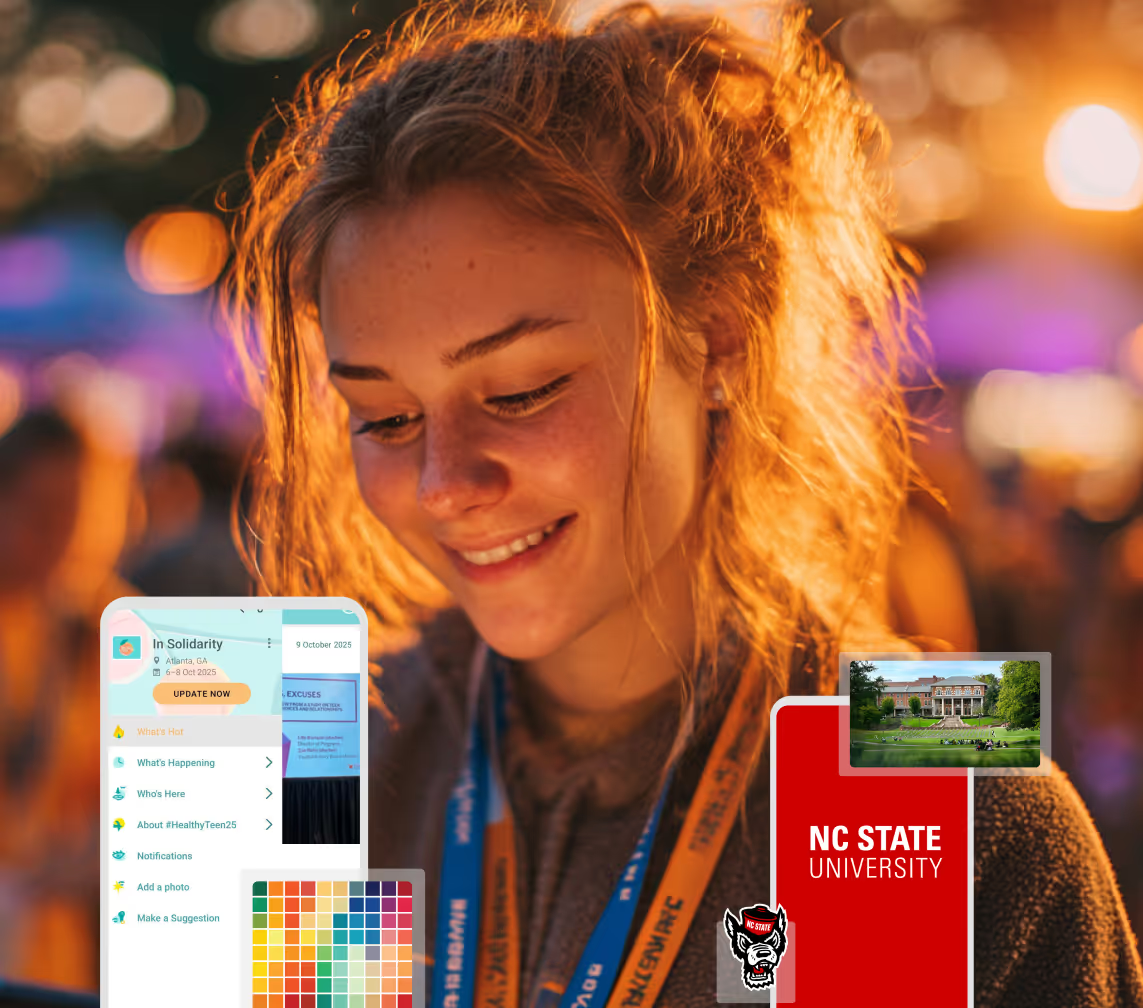
Planning Orientation?
Help new students feel prepared from day one with schedules, campus resources, and real-time updates in one app.
Running Admissions Events?
Manage open houses, tours, and yield events with a branded app that saves time and engages prospective students.

Running Admissions Events?
Manage open houses, tours, and yield events with a branded app that saves time and engages prospective students.
Get a custom Sponsorship Package Template
Stop starting from scratch. Grab free templates that helWe'll build a tailored sponsorship package with suggested pricing, tiers, and benefits..for your specific event.p you build professional sponsorship packages and close deals faster.
Get a custom Sponsorship Package Template
Stop starting from scratch. Grab free templates that helWe'll build a tailored sponsorship package with suggested pricing, tiers, and benefits..for your specific event.p you build professional sponsorship packages and close deals faster.
Plan Your Next Event Without Missing a Beat.
From venue selection to post-event wrap-up, this free checklist walks you through every step (so nothing falls through the cracks).
.avif)
Plan Your Next Event Without Missing a Beat.
From venue selection to post-event wrap-up, this free checklist walks you through every step (so nothing falls through the cracks).
Real Results From Real Events
100,000+ organizations trust Guidebook. See exactly how universities, associations, enterprises, and more put it to work.

Real Results From Real Events
100,000+ organizations trust Guidebook. See exactly how universities, associations, enterprises, and more put it to work.
Flexible pricing for every event size
Find the perfect plan for your needs, from intimate gatherings to large-scale conferences.

Flexible pricing for every event size
Find the perfect plan for your needs, from intimate gatherings to large-scale conferences.
Join our event experts
Watch on-demand webinars and join live sessions with industry leaders sharing best practices for event success.
.avif)
Join our event experts
Watch on-demand webinars and join live sessions with industry leaders sharing best practices for event success.
Guidebook in Action
Book a personalized walkthrough and discover how we help event teams create better attendee experiences.
Guidebook in Action
Book a personalized walkthrough and discover how we help event teams create better attendee experiences.

What is a Team Building Event?
Team building events boost collaboration and morale through engaging group activities. Discover event ideas, planning tips, and benefits for your team.

A Team Building Event is the intentional gathering designed to strengthen workplace relationships, boost collaboration, and create shared experiences that transform coworkers into cohesive teams. These events range from quick icebreakers to multi-day retreats. When done right, they deliver measurable improvements in communication, morale, and productivity.
Here's the thing: team building events aren't just "fun days off." They're strategic investments in your people. The best ones create genuine connections that carry back to the office. Poor ones? They become inside jokes about awkward trust falls. The difference lies in thoughtful event planning and understanding what your team actually needs.
Key Characteristics of Team Building Events
- Purposeful Design: Every activity ties back to specific goals like improving communication, building trust, or solving team challenges. Random fun isn't enough.
- Inclusive Participation: Activities accommodate different physical abilities, personalities, and comfort levels. No one should feel left out or embarrassed.
- Shared Experience Focus: The event creates memories and stories teams reference long after. These become part of your company culture.
- Structured Yet Flexible: Good team building balances planned activities with organic interaction time. Over-scheduling kills authentic connection.
- Safe Environment: Participants feel comfortable taking small risks, being vulnerable, and stepping outside their usual work roles.
- Measurable Outcomes: Success isn't just "people had fun." It's improved collaboration, better communication, or stronger relationships you can actually observe.
- Professional Facilitation: Whether internal or external, someone guides the experience to keep energy high and objectives on track.
Team Building Event vs. Related Concepts
Corporate Retreat
- Scope: Multi-day, often off-site experience combining work sessions with team activities
- Focus: Strategic planning, vision alignment, and relationship building
- Timeline: 2-5 days typically, requiring significant planning lead time
- Channels: In-person at destination venues, resorts, or conference centers
- Goal: Big-picture alignment plus team bonding in immersive setting
Company Social Event
- Scope: Casual gatherings focused primarily on enjoyment and celebration
- Focus: Fun, appreciation, and informal networking
- Timeline: Single event, usually a few hours
- Channels: Office parties, happy hours, holiday celebrations
- Goal: Boost morale and show appreciation without structured outcomes
Professional Development Workshop
- Scope: Skill-building sessions with educational objectives
- Focus: Learning specific competencies or knowledge
- Timeline: Half-day to full-day sessions
- Channels: Training rooms, conference spaces, or virtual events
- Goal: Individual skill improvement rather than team dynamics
Team building events sit at the intersection of these concepts. They're more purposeful than social events, more relationship-focused than workshops, and more accessible than full retreats. Smart organizations use all four strategically throughout the year.
Types of Team Building Events
Problem-Solving Challenges
Escape rooms, scavenger hunts, and puzzle competitions put teams under pressure together. These activities reveal natural leaders and communication styles.
They work because they create low-stakes failure opportunities. Teams learn to collaborate without real business consequences on the line.
Creative Collaboration Activities
Cooking classes, art projects, and improv workshops tap into different skills than daily work. Your quiet analyst might shine as a creative director.
- Cooking competitions build coordination and delegation
- Art projects encourage vulnerability and self-expression
- Improv exercises improve listening and adaptability
- Music or rhythm activities create instant group synchronization
Outdoor Adventure Experiences
Ropes courses, hiking trips, and sports tournaments get teams moving together. Physical challenges create bonding through shared accomplishment.
Important note: always offer alternatives for those with physical limitations. The goal is inclusion, not exclusion.
Volunteer and Give-Back Events
Building homes, packing meals, or cleaning parks combines team building with purpose. These events often generate the strongest emotional connections.
Teams report feeling proud of their company after volunteer events. That pride translates to engagement and retention.
Virtual Team Building Options
Remote teams need connection too. Virtual event planning has evolved dramatically. Options now include:
- Online escape rooms and murder mysteries
- Virtual cooking or cocktail classes with shipped ingredients
- Remote trivia competitions
- Digital scavenger hunts
- Online game tournaments
The Team Building Event Planning Process
Define Clear Objectives First
Start with "why" before "what." Are you onboarding new hires? Healing after conflict? Celebrating a win? Your objective shapes everything else.
Write down 2-3 specific outcomes you want. "Better teamwork" is too vague. "Improved cross-department communication" gives you something to measure.
Know Your Audience
Survey your team about preferences. Some people dread forced fun. Others live for it. Understanding your group prevents planning disasters.
Consider these factors:
- Physical abilities and limitations
- Introvert/extrovert balance
- Cultural backgrounds and sensitivities
- Age range and generational preferences
- Past team building experiences (good and bad)
Set Realistic Budget and Timeline
Great team building doesn't require huge budgets. But it does require adequate planning time. Rush jobs usually disappoint.
Budget categories to consider:
- Venue or activity fees
- Food and beverages
- Transportation
- Facilitator costs
- Materials and supplies
- Technology needs
Choose Activities That Match Goals
Trust issues? Skip competitive activities. Communication problems? Choose exercises requiring collaboration. New team? Focus on getting-to-know-you formats.
The event planning process should connect every activity choice back to your stated objectives.
Plan the Logistics Carefully
Use event planning resources to manage details. Create timelines, assign responsibilities, and build contingency plans.
Don't forget:
- Dietary restrictions and allergies
- Accessibility requirements
- Weather backup plans for outdoor events
- Clear communication to participants beforehand
Why Team Building Events Matter
For Event Success:
- Higher Engagement Rates: Well-planned team building sees 85%+ participation when employees feel activities respect their time and preferences.
- Authentic Connections: Structured activities break down barriers faster than unstructured socializing, creating genuine relationships.
- Positive Word of Mouth: Great team building events become stories people tell. Bad ones become warnings.
- Repeat Participation: Teams that enjoy one event eagerly anticipate the next, building momentum for your culture initiatives.
- Measurable Feedback: Post-event surveys provide data to improve future events and demonstrate event ROI.
For Business Objectives:
- Improved Collaboration: Teams that bond outside work communicate better during projects, reducing friction and delays.
- Higher Retention: Employees with strong workplace friendships are 50% more likely to stay with their company.
- Better Problem-Solving: Teams comfortable with each other share ideas more freely and challenge assumptions constructively.
- Stronger Company Culture: Regular team building reinforces values and creates shared experiences that define your organization.
- Increased Productivity: Happy, connected teams work more efficiently and produce higher-quality results.
Managing team building events becomes easier with the right tools. Guidebook's event management platform helps organizers coordinate schedules, share information, and gather feedback all in one place.
Team Building Event Best Practices
- Start with Leadership Buy-In: Executives should participate, not just approve budgets. Their presence signals team building matters.
- Communicate Purpose Clearly: Tell participants why you're doing this. Transparency prevents cynicism about "mandatory fun."
- Respect Time Boundaries: Don't extend into personal time without consent. Weekend events should be truly optional.
- Mix Up Group Compositions: Break people out of their usual cliques. Cross-functional mixing builds broader connections.
- Include Reflection Time: Build in moments to discuss what teams learned. This transfers insights back to work.
- Follow Up Afterward: Send thank-you messages, share photos, and reference the experience in future communications.
- Gather Honest Feedback: Anonymous surveys reveal what worked and what flopped. Use an event debrief template to capture insights.
- Plan Regular Cadence: One annual event isn't enough. Quarterly touchpoints maintain momentum without overwhelming.
- Balance Structure and Freedom: Over-programmed events feel forced. Leave room for organic conversation.
- Celebrate Wins Publicly: Share successes from team building activities. Recognition reinforces positive behaviors.
Common Team Building Event Mistakes
Forcing Participation: Mandatory "fun" breeds resentment. Create compelling events people want to attend. If you have to force it, something's wrong with your approach.
Ignoring Accessibility: Physical challenges exclude team members with disabilities. Always offer alternatives. One excluded person damages the entire team dynamic.
Choosing Activities for Executives: What leadership enjoys isn't always what teams need. Golf outings might thrill the C-suite but alienate everyone else.
Skipping the Planning Phase: Last-minute team building feels thrown together because it is. Invest time in proper event management tips and preparation.
Forgetting Introverts: Not everyone recharges through group activities. Include quieter options and don't penalize those who need breaks.
Making It Too Competitive: Healthy competition motivates. Cutthroat competition damages relationships. Know your team's tolerance for rivalry.
Neglecting Follow-Through: Team building without workplace application wastes everyone's time. Connect activities to real work challenges and reference learnings afterward.
Final Thoughts
Team building events represent one of the highest-impact investments organizations can make in their people. The connections formed during well-designed activities ripple through daily work for months afterward. Teams that genuinely like each other simply perform better.
The event industry continues evolving team building approaches. Event trends show growing interest in purpose-driven activities, hybrid formats for distributed teams, and experiences that feel authentic rather than corporate. Today's employees see through forced fun instantly.
The best team building doesn't feel like team building at all. It feels like a great day with people you're glad to know. That's the goal worth pursuing.
Ready to plan your next team building event? Explore community event ideas for inspiration, check out templates to streamline your planning, or book a demo to see how Guidebook can help you create memorable experiences your team will actually enjoy. Because the best teams aren't built in meetings—they're built in moments.
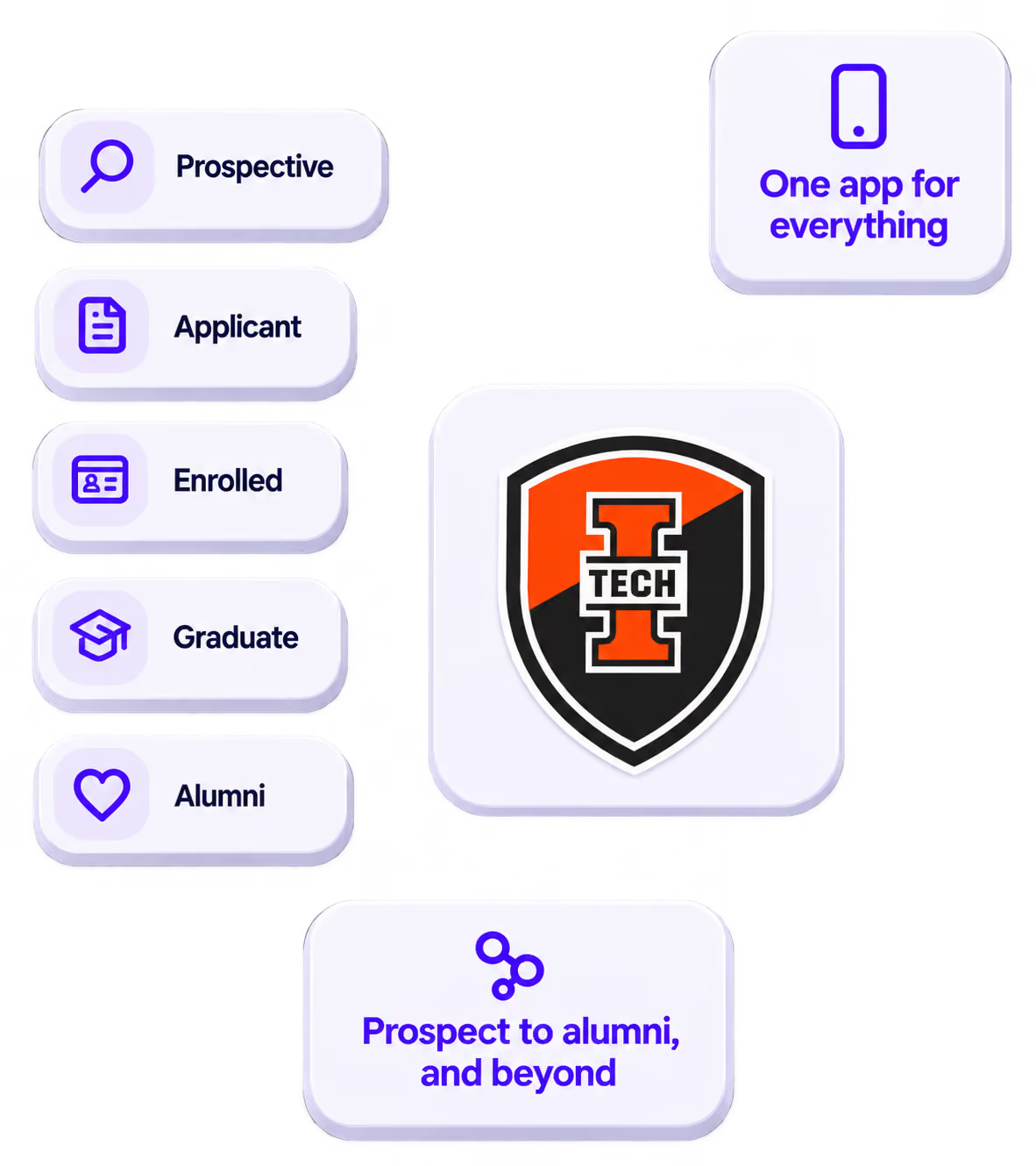
The power of your brand in your app, from first visit to alumni.
Build trust
Your brand, front and center in your own app, downloaded directly from the app stores.
.avif)
Deliver continuity
One app for everything a student needs. From being a prospective student through to graduation and beyond.
Stand out
Your own app helps you to stand out from the competition, stay top of mind, and be remembered.
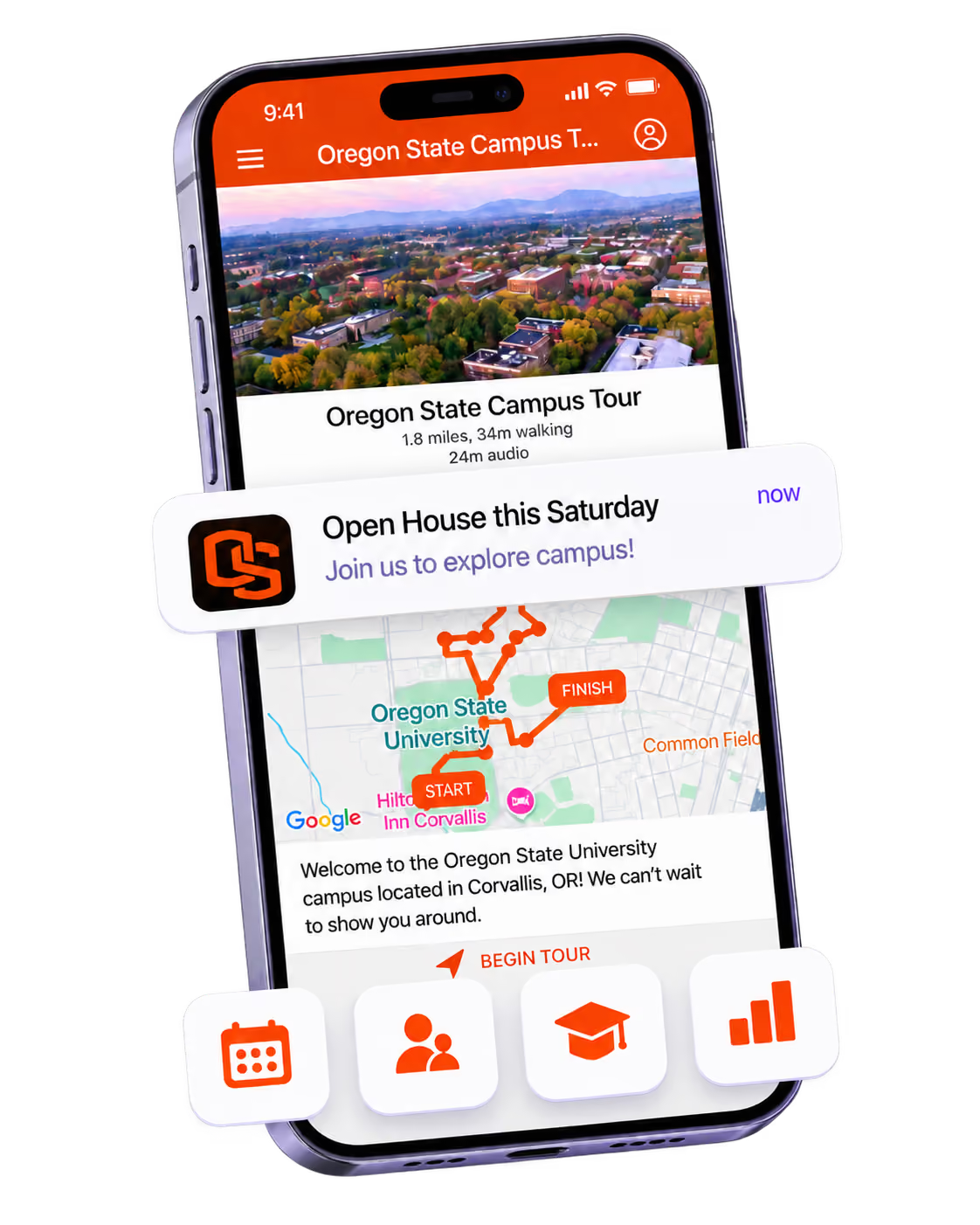

Get the Mobile App Playbook
A short guide to running the whole student journey in one app. No fluff, just what works.
for higher ed
Campus
Playbook
A practical guide to building a connected campus experience.
Free playbook
The Mobile App Playbook for Universities
Students decide if they belong long before they set foot on campus. This playbook shows how to win them over from the first visit through graduation.
- Grow enrollment and boost recruitment
- Increase belonging and retention
- Run every event from one branded app
By submitting, you agree to our Privacy Policy.
You're in.
.png)