
Campus apps by department
Admissions, orientation, student life, and more — one campus app that works across departments.

Campus apps by department
Admissions, orientation, student life, and more — one campus app that works across departments.
Build unlimited event apps on one license
One partnership for unlimited campus events — orientation, tours, student life, and everything in between.
Build unlimited event apps on one license
One partnership for unlimited campus events — orientation, tours, student life, and everything in between.
Compare event app platforms
See how Guidebook stacks up against other event app and registration platforms.
Compare event app platforms
See how Guidebook stacks up against other event app and registration platforms.
Event apps for nonprofit and community programs
Give members, volunteers, and donors one branded app for conferences, fundraisers, and year-round community.
Event apps for nonprofit and community programs
Give members, volunteers, and donors one branded app for conferences, fundraisers, and year-round community.
Campus integrations and an open API
Connect Guidebook with the campus systems, APIs, and tools your team already uses.
Campus integrations and an open API
Connect Guidebook with the campus systems, APIs, and tools your team already uses.
Event apps for corporate and enterprise teams
Internal meetings, offsites, and large-scale corporate events — with the branding and control enterprise teams need.
Event apps for corporate and enterprise teams
Internal meetings, offsites, and large-scale corporate events — with the branding and control enterprise teams need.
Create a branded event app with no coding
Put schedules, maps, resources, and updates in every attendee's pocket — built for campus events and programs.
Create a branded event app with no coding
Put schedules, maps, resources, and updates in every attendee's pocket — built for campus events and programs.
Launch a branded, white-label event app
A white-label event app with your branding, your content, and your attendee experience — no coding required.
Launch a branded, white-label event app
A white-label event app with your branding, your content, and your attendee experience — no coding required.
Everything in the Guidebook platform
Explore the features event teams use to engage attendees before, during, and after the event.
Everything in the Guidebook platform
Explore the features event teams use to engage attendees before, during, and after the event.
One app for in-person and virtual attendees
The same schedule, networking, and updates whether people are in the room or joining remotely.
One app for in-person and virtual attendees
The same schedule, networking, and updates whether people are in the room or joining remotely.
Event apps built for associations
Annual meetings, chapter events, and member engagement — without rebuilding a new app every year.
Event apps built for associations
Annual meetings, chapter events, and member engagement — without rebuilding a new app every year.
A branded event website that matches the app
Promote the event, collect interest, and keep branding consistent from the first click to check-in.
A branded event website that matches the app
Promote the event, collect interest, and keep branding consistent from the first click to check-in.
Plan, run, and measure events on one platform
App, registration, badges, and websites in one workflow — so planning isn't a pile of disconnected tools.
Plan, run, and measure events on one platform
App, registration, badges, and websites in one workflow — so planning isn't a pile of disconnected tools.
Keep members engaged between events
One branded app for the conference and everything that happens the other 51 weeks of the year.
Keep members engaged between events
One branded app for the conference and everything that happens the other 51 weeks of the year.
The conference app attendees actually use
Schedules, maps, networking, and live updates for annual meetings, summits, and multi-day conferences.
The conference app attendees actually use
Schedules, maps, networking, and live updates for annual meetings, summits, and multi-day conferences.
Registration that feeds your app and badges
Collect registrations, payments, and attendee data in the same platform as your event app.
Registration that feeds your app and badges
Collect registrations, payments, and attendee data in the same platform as your event app.
Design and print event badges in one place
Custom badges, QR check-in, and on-site printing — without a separate badge vendor.
Design and print event badges in one place
Custom badges, QR check-in, and on-site printing — without a separate badge vendor.
A Smaller School?
Deliver a polished, branded event experience without a large team or a big budget.
A Smaller School?
Deliver a polished, branded event experience without a large team or a big budget.
Running Family Programs?
Give families everything they need, from schedules and maps to real-time updates, all in one place.
Running Family Programs?
Give families everything they need, from schedules and maps to real-time updates, all in one place.
Coordinating Move-In Day?
Share updates, manage events, and keep students informed from move-in through the academic year.

Coordinating Move-In Day?
Share updates, manage events, and keep students informed from move-in through the academic year.
Offering Campus Tours?
Deliver branded, self-guided tour experiences with interactive maps and rich media, available 24/7.

Offering Campus Tours?
Deliver branded, self-guided tour experiences with interactive maps and rich media, available 24/7.
Organising a Career Fair?
Simplify logistics for students, employers, and Career Services staff with one easy-to-use app.
Organising a Career Fair?
Simplify logistics for students, employers, and Career Services staff with one easy-to-use app.
Managing Alumni Events?
Plan reunions, regional events, and fundraising campaigns with an app built for alumni engagement.
Managing Alumni Events?
Plan reunions, regional events, and fundraising campaigns with an app built for alumni engagement.
Boost Student Engagement
One hub for schedules, resources, and events that keeps students connected throughout the academic year.
Boost Student Engagement
One hub for schedules, resources, and events that keeps students connected throughout the academic year.
Planning Orientation?
Help new students feel prepared from day one with schedules, campus resources, and real-time updates in one app.
Planning Orientation?
Help new students feel prepared from day one with schedules, campus resources, and real-time updates in one app.
Running Admissions Events?
Manage open houses, tours, and yield events with a branded app that saves time and engages prospective students.

Running Admissions Events?
Manage open houses, tours, and yield events with a branded app that saves time and engages prospective students.
Get a custom Sponsorship Package Template
Stop starting from scratch. Grab free templates that helWe'll build a tailored sponsorship package with suggested pricing, tiers, and benefits..for your specific event.p you build professional sponsorship packages and close deals faster.
Get a custom Sponsorship Package Template
Stop starting from scratch. Grab free templates that helWe'll build a tailored sponsorship package with suggested pricing, tiers, and benefits..for your specific event.p you build professional sponsorship packages and close deals faster.
Plan Your Next Event Without Missing a Beat.
From venue selection to post-event wrap-up, this free checklist walks you through every step (so nothing falls through the cracks).
.avif)
Plan Your Next Event Without Missing a Beat.
From venue selection to post-event wrap-up, this free checklist walks you through every step (so nothing falls through the cracks).
Real Results From Real Events
100,000+ organizations trust Guidebook. See exactly how universities, associations, enterprises, and more put it to work.

Real Results From Real Events
100,000+ organizations trust Guidebook. See exactly how universities, associations, enterprises, and more put it to work.
Flexible pricing for every event size
Find the perfect plan for your needs, from intimate gatherings to large-scale conferences.
Flexible pricing for every event size
Find the perfect plan for your needs, from intimate gatherings to large-scale conferences.
Join our event experts
Watch on-demand webinars and join live sessions with industry leaders sharing best practices for event success.
.avif)
Join our event experts
Watch on-demand webinars and join live sessions with industry leaders sharing best practices for event success.
Guidebook in Action
Book a personalized walkthrough and discover how we help event teams create better attendee experiences.
Guidebook in Action
Book a personalized walkthrough and discover how we help event teams create better attendee experiences.

What are Community Event Ideas?
Discover creative community event ideas to boost engagement and connection. Explore event types, planning tips, and strategies for successful local gatherings.
Community event ideas are creative concepts and formats that bring local residents together for shared experiences, celebrations, and meaningful connections. These ideas range from small neighborhood gatherings to large-scale festivals. The right community event can transform strangers into neighbors and build lasting bonds.
Here's the thing: community events aren't just parties with a purpose. They're strategic opportunities to strengthen social ties, support local causes, and create memories people talk about for years. Whether you're a city planner, nonprofit leader, or volunteer coordinator, fresh event ideas keep your community engaged and coming back for more.
Key Characteristics of Community Event Ideas
- Inclusive by Design: The best community events welcome everyone regardless of age, background, or ability. They remove barriers to participation through free or low-cost admission and accessible venues.
- Local Relevance: Strong ideas connect to your community's unique culture, history, or current needs. A beach town's surf competition hits differently than a mountain village's harvest festival.
- Social Connection Focus: Unlike private parties, community events prioritize bringing people together. Every activity should encourage interaction between attendees.
- Scalable Format: Good ideas work whether you have 50 attendees or 5,000. They can grow with your community's interest and your organization's capacity.
- Volunteer-Friendly Structure: Community events often rely on donated time. The best ideas make it easy for helpers to jump in without extensive training.
- Memorable Experience: People should leave with stories to tell. Unique touches and unexpected moments create the buzz that builds attendance year over year.
Community Event Ideas vs. Related Concepts
Corporate Events
- Scope: Internal company audiences or business partners
- Focus: Brand building, employee engagement, client relationships
- Timeline: Often tied to business calendar or product launches
- Channels: Professional networks, internal communications
- Goal: Business outcomes like sales, retention, or culture building
Private Social Events
- Scope: Invited guests only, typically friends and family
- Focus: Personal celebrations or milestones
- Timeline: Based on individual life events
- Channels: Personal invitations, social media
- Goal: Celebrating relationships and personal moments
Fundraising Events
- Scope: Donors, supporters, and potential contributors
- Focus: Raising money for specific causes or organizations
- Timeline: Aligned with campaign goals or fiscal needs
- Channels: Donor databases, cause-related marketing
- Goal: Financial contributions and donor cultivation
Community events can overlap with all three categories. A neighborhood block party might include corporate sponsors, feel like a big family gathering, and raise money for local schools. The key difference? Community events put public connection first.
Popular Types of Community Event Ideas
Outdoor Festivals and Fairs
Nothing beats a sunny day and a packed park. Street fairs, farmers markets, and seasonal festivals draw crowds naturally. They're perfect for showcasing local vendors and artists.
Consider themes that match your area's identity. Wine country? Host a grape stomp. College town? Try a homecoming street party. These events work well with proper event planning and clear logistics.
Sports and Recreation Events
Active events build community through shared physical experiences. Options include:
- 5K fun runs or charity walks
- Community softball or kickball leagues
- Outdoor yoga in the park
- Bike rides through scenic routes
- Swimming competitions at local pools
These events appeal to health-conscious residents and families looking for weekend activities. They're also great for team building among local groups.
Cultural Celebrations
Diverse communities thrive when they celebrate their differences. Cultural events might include heritage festivals, international food fairs, or traditional dance performances.
These gatherings educate while entertaining. They help neighbors understand each other's backgrounds and traditions. Plus, the food is usually amazing.
Educational Workshops and Classes
Learning together creates bonds. Community workshops can cover:
- Cooking classes featuring local cuisine
- DIY home repair basics
- Financial literacy sessions
- Art and craft workshops
- Technology training for seniors
Partner with local experts who want to give back. Libraries, community centers, and schools make excellent venues.
Volunteer and Service Events
Working together for a cause builds deep connections. Organize neighborhood cleanups, park beautification days, or meal packing events for food banks.
Service events attract people who want to make a difference. They leave participants feeling proud of their community and eager to return.
Planning Your Community Event
Define Your Purpose and Audience
Start with the "why" before the "what." Are you trying to welcome new residents? Celebrate a milestone? Address a community need? Your purpose shapes every decision that follows.
Know who you're trying to reach. Young families need different activities than retirees. Understanding your audience helps you pick the right format, time, and location.
Choose the Right Venue and Date
Location matters more than you think. Consider parking, accessibility, and weather backup plans. Public parks work great but require permits. Indoor venues offer climate control but limit capacity.
Check local calendars before setting your date. Avoid conflicts with major holidays, school events, or competing community activities. Weekend afternoons typically draw the biggest crowds.
Build Your Planning Team
You can't do this alone. Recruit volunteers with different skills:
- Someone who loves logistics and spreadsheets
- A creative type for decorations and themes
- A people person for volunteer coordination
- Someone with marketing or social media skills
- A detail-oriented person for permits and paperwork
The event coordinator role is crucial. This person keeps everyone on track and handles problems as they arise.
Create a Realistic Budget
Money matters, even for free events. Common expenses include venue rental, permits, insurance, supplies, entertainment, and marketing materials.
Look for sponsors among local businesses. Many companies want community visibility and will donate money, goods, or services. Check out sponsorship package examples for ideas on what to offer in return.
Marketing Your Community Event
Leverage Local Channels
Community events need community-focused promotion. Skip the national platforms and focus on:
- Neighborhood Facebook groups and Nextdoor
- Local newspaper event calendars
- Community bulletin boards at libraries and coffee shops
- School newsletters and parent groups
- Church and civic organization announcements
Word of mouth remains powerful. Give attendees reasons to invite their neighbors.
Use Digital Tools Effectively
Create a simple event page with all the details. Include date, time, location, parking info, and what to expect. Make it easy to share on social media.
Learn how to advertise your event without breaking the bank. Facebook keywords for events can help your listing reach the right people.
Build Anticipation
Don't just announce once and hope for the best. Create a countdown with teasers about entertainment, food vendors, or special activities.
Share behind-the-scenes content showing your team preparing. People love feeling like insiders. This approach is part of smart event digital marketing.
Why Community Event Ideas Matter
For Event Success:
- Higher Attendance: Fresh, relevant ideas attract more participants than recycled formats people have seen before.
- Stronger Engagement: Creative events keep people present and participating rather than just showing up briefly.
- Better Word of Mouth: Unique experiences generate social media posts and conversations that market your next event for free.
- Volunteer Enthusiasm: Exciting ideas make it easier to recruit helpers who want to be part of something special.
- Media Coverage: Local news outlets love covering interesting community events, giving you free publicity.
For Business Objectives:
- Community Goodwill: Organizations that host great events build trust and positive reputation.
- Networking Opportunities: Events create natural settings for business connections and partnerships.
- Local Economic Impact: Successful events support local vendors and bring visitors who spend money in your area.
- Civic Engagement: Regular community gatherings increase participation in local government and initiatives.
- Social Cohesion: Strong communities with active event calendars see lower crime rates and higher property values.
Managing community events gets easier with the right tools. Guidebook's event management platform helps organizers handle registration, communication, and day-of logistics without the chaos.
Community Event Ideas Best Practices
- Start Small and Scale Up: Test new ideas with smaller pilot events before committing major resources. Learn what works before going big.
- Survey Your Community First: Ask residents what they want before planning. A quick poll prevents you from organizing events nobody attends.
- Partner with Existing Organizations: Team up with schools, churches, and civic groups. They bring built-in audiences and shared resources.
- Plan for All Weather: Outdoor events need rain dates or backup venues. Don't let weather ruin months of planning.
- Make Registration Easy: Use event registration tools that work on mobile devices. Remove friction from signing up.
- Create Photo Opportunities: Design Instagram-worthy moments with backdrops, props, or activities. Attendees become your marketing team.
- Include Food Options: People stay longer when they can eat. Partner with local restaurants or food trucks for variety.
- Plan for Accessibility: Ensure wheelchair access, provide seating, and consider sensory-friendly options for those who need them.
- Collect Feedback Immediately: Use an event debrief template while memories are fresh. This data improves future events.
- Thank Everyone Publicly: Recognize volunteers, sponsors, and partners. Gratitude builds loyalty for next time.
Common Community Event Ideas Mistakes
Ignoring Permits and Insurance: Many organizers skip the paperwork and face last-minute cancellations or liability issues. Research requirements early and budget for proper coverage. One accident without insurance can end your organization.
Overcomplicating the First Event: Ambitious planners try to do everything at once and burn out their teams. Start with a manageable scope and add complexity in future years. Simple events done well beat elaborate disasters.
Poor Communication with Attendees: People show up confused about parking, timing, or what to bring. Send clear information multiple times through multiple channels. Use event check-in software to streamline arrival.
Forgetting About Volunteers: Organizers focus on attendee experience and neglect the people making it happen. Feed your volunteers, give them breaks, and show appreciation. Happy helpers return next year.
Not Measuring Success: Without tracking attendance, feedback, and costs, you can't improve. Define what success looks like before the event and measure event ROI afterward.
Scheduling Conflicts: Hosting your event during the big game or school play guarantees low turnout. Research your community calendar thoroughly before committing to a date.
Underestimating Setup Time: Everything takes longer than planned. Build buffer time into your schedule and have backup plans for common problems.
Final Thoughts
Community event ideas are the seeds of stronger neighborhoods. When you bring people together around shared experiences, you create connections that last far beyond the event itself. These gatherings remind us why we chose to live where we do.
The event industry continues to evolve with new event trends and technologies. But the fundamentals remain constant: people want to belong, celebrate, and connect with their neighbors. Your job is to create the space for that magic to happen.
Don't let perfect be the enemy of good. Your first community event won't be flawless, and that's okay. What matters is showing up, learning from experience, and building momentum for the next gathering. Every successful annual tradition started as someone's first attempt.
Ready to turn your community event ideas into reality? Guidebook offers event templates and planning guides to help you get started. Book a demo to see how the right tools can make your next community event your best one yet. Because great communities don't just happen—they're built one event at a time.
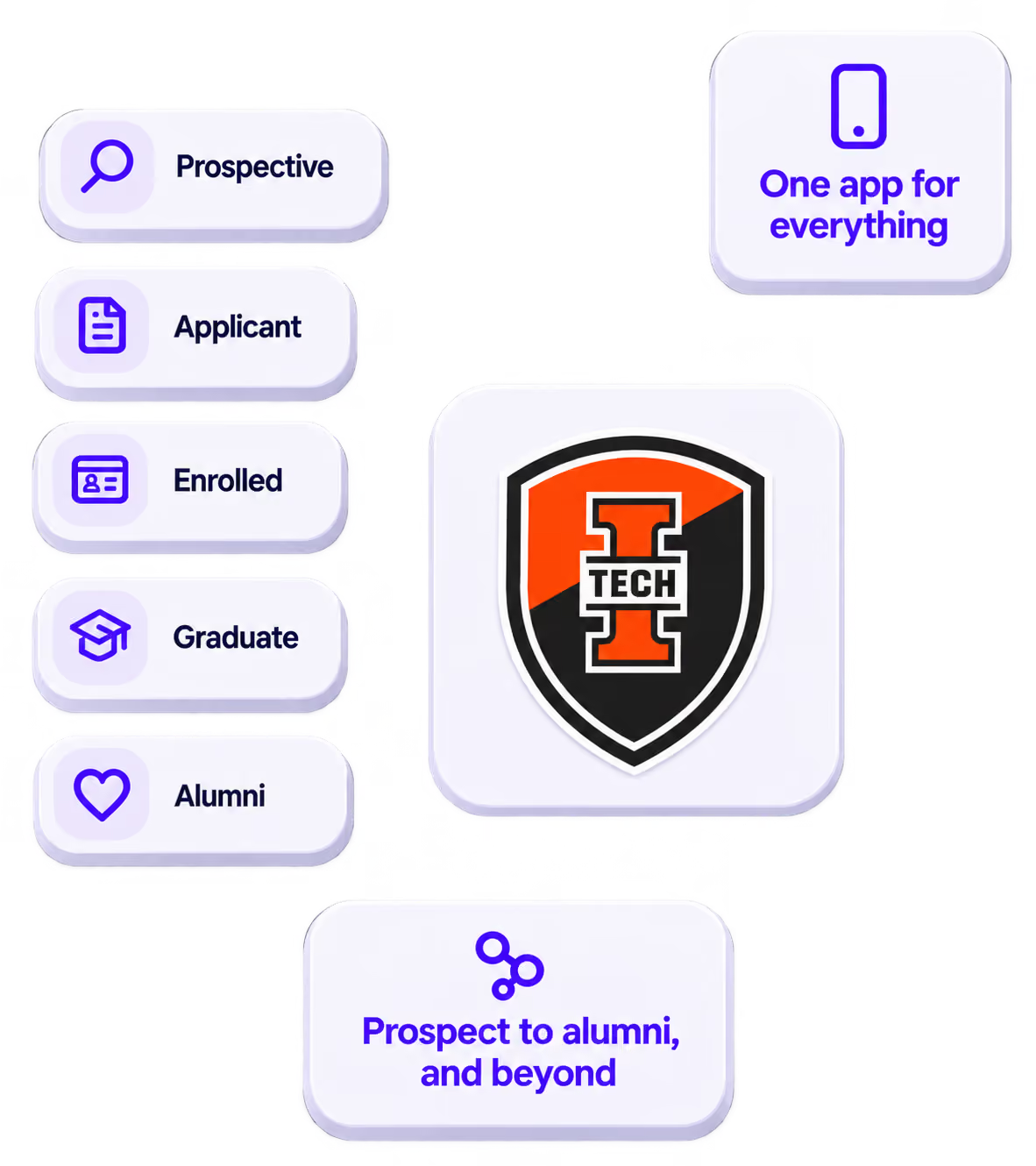
The power of your brand in your app, from first visit to alumni.
Build trust
Your brand, front and center in your own app, downloaded directly from the app stores.
.avif)
Deliver continuity
One app for everything a student needs. From being a prospective student through to graduation and beyond.
Stand out
Your own app helps you to stand out from the competition, stay top of mind, and be remembered.
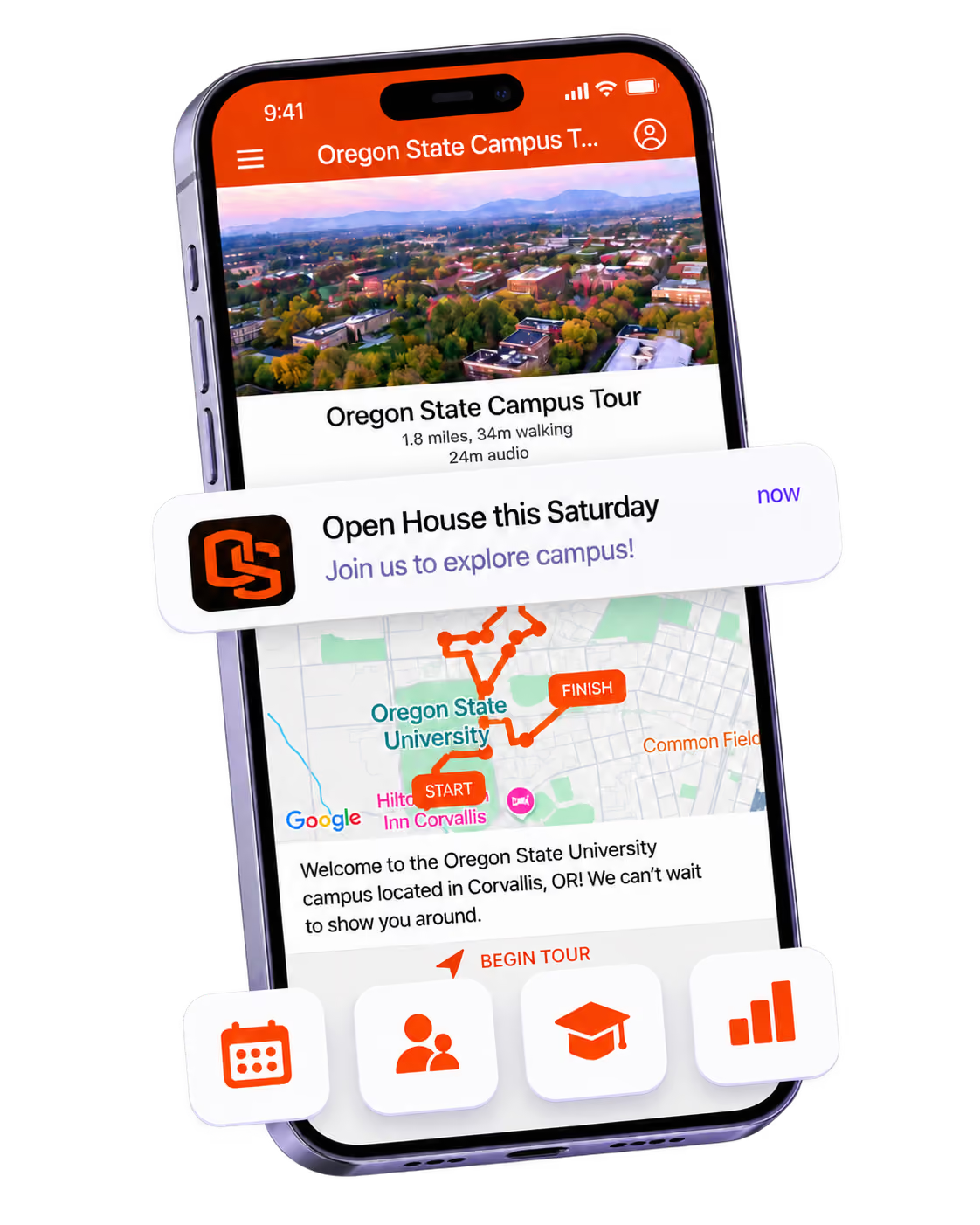

Get the Mobile App Playbook
A short guide to running the whole student journey in one app. No fluff, just what works.
for higher ed
Campus
Playbook
A practical guide to building a connected campus experience.
Free playbook
The Mobile App Playbook for Universities
Students decide if they belong long before they set foot on campus. This playbook shows how to win them over from the first visit through graduation.
- Grow enrollment and boost recruitment
- Increase belonging and retention
- Run every event from one branded app
By submitting, you agree to our Privacy Policy.
You're in.
.png)