
Campus apps by department
Admissions, orientation, student life, and more — one campus app that works across departments.

Campus apps by department
Admissions, orientation, student life, and more — one campus app that works across departments.
Build unlimited event apps on one license
One partnership for unlimited campus events — orientation, tours, student life, and everything in between.
Build unlimited event apps on one license
One partnership for unlimited campus events — orientation, tours, student life, and everything in between.
Compare event app platforms
See how Guidebook stacks up against other event app and registration platforms.
Compare event app platforms
See how Guidebook stacks up against other event app and registration platforms.
Event apps for nonprofit and community programs
Give members, volunteers, and donors one branded app for conferences, fundraisers, and year-round community.
Event apps for nonprofit and community programs
Give members, volunteers, and donors one branded app for conferences, fundraisers, and year-round community.
Campus integrations and an open API
Connect Guidebook with the campus systems, APIs, and tools your team already uses.
Campus integrations and an open API
Connect Guidebook with the campus systems, APIs, and tools your team already uses.
Event apps for corporate and enterprise teams
Internal meetings, offsites, and large-scale corporate events — with the branding and control enterprise teams need.
Event apps for corporate and enterprise teams
Internal meetings, offsites, and large-scale corporate events — with the branding and control enterprise teams need.
Create a branded event app with no coding
Put schedules, maps, resources, and updates in every attendee's pocket — built for campus events and programs.
Create a branded event app with no coding
Put schedules, maps, resources, and updates in every attendee's pocket — built for campus events and programs.
Launch a branded, white-label event app
A white-label event app with your branding, your content, and your attendee experience — no coding required.
Launch a branded, white-label event app
A white-label event app with your branding, your content, and your attendee experience — no coding required.
Everything in the Guidebook platform
Explore the features event teams use to engage attendees before, during, and after the event.
Everything in the Guidebook platform
Explore the features event teams use to engage attendees before, during, and after the event.
One app for in-person and virtual attendees
The same schedule, networking, and updates whether people are in the room or joining remotely.
One app for in-person and virtual attendees
The same schedule, networking, and updates whether people are in the room or joining remotely.
Event apps built for associations
Annual meetings, chapter events, and member engagement — without rebuilding a new app every year.
Event apps built for associations
Annual meetings, chapter events, and member engagement — without rebuilding a new app every year.
A branded event website that matches the app
Promote the event, collect interest, and keep branding consistent from the first click to check-in.
A branded event website that matches the app
Promote the event, collect interest, and keep branding consistent from the first click to check-in.
Plan, run, and measure events on one platform
App, registration, badges, and websites in one workflow — so planning isn't a pile of disconnected tools.
Plan, run, and measure events on one platform
App, registration, badges, and websites in one workflow — so planning isn't a pile of disconnected tools.
Keep members engaged between events
One branded app for the conference and everything that happens the other 51 weeks of the year.
Keep members engaged between events
One branded app for the conference and everything that happens the other 51 weeks of the year.
The conference app attendees actually use
Schedules, maps, networking, and live updates for annual meetings, summits, and multi-day conferences.
The conference app attendees actually use
Schedules, maps, networking, and live updates for annual meetings, summits, and multi-day conferences.
Registration that feeds your app and badges
Collect registrations, payments, and attendee data in the same platform as your event app.
Registration that feeds your app and badges
Collect registrations, payments, and attendee data in the same platform as your event app.
Design and print event badges in one place
Custom badges, QR check-in, and on-site printing — without a separate badge vendor.
Design and print event badges in one place
Custom badges, QR check-in, and on-site printing — without a separate badge vendor.
A Smaller School?
Deliver a polished, branded event experience without a large team or a big budget.
A Smaller School?
Deliver a polished, branded event experience without a large team or a big budget.
Running Family Programs?
Give families everything they need, from schedules and maps to real-time updates, all in one place.
Running Family Programs?
Give families everything they need, from schedules and maps to real-time updates, all in one place.
Coordinating Move-In Day?
Share updates, manage events, and keep students informed from move-in through the academic year.

Coordinating Move-In Day?
Share updates, manage events, and keep students informed from move-in through the academic year.
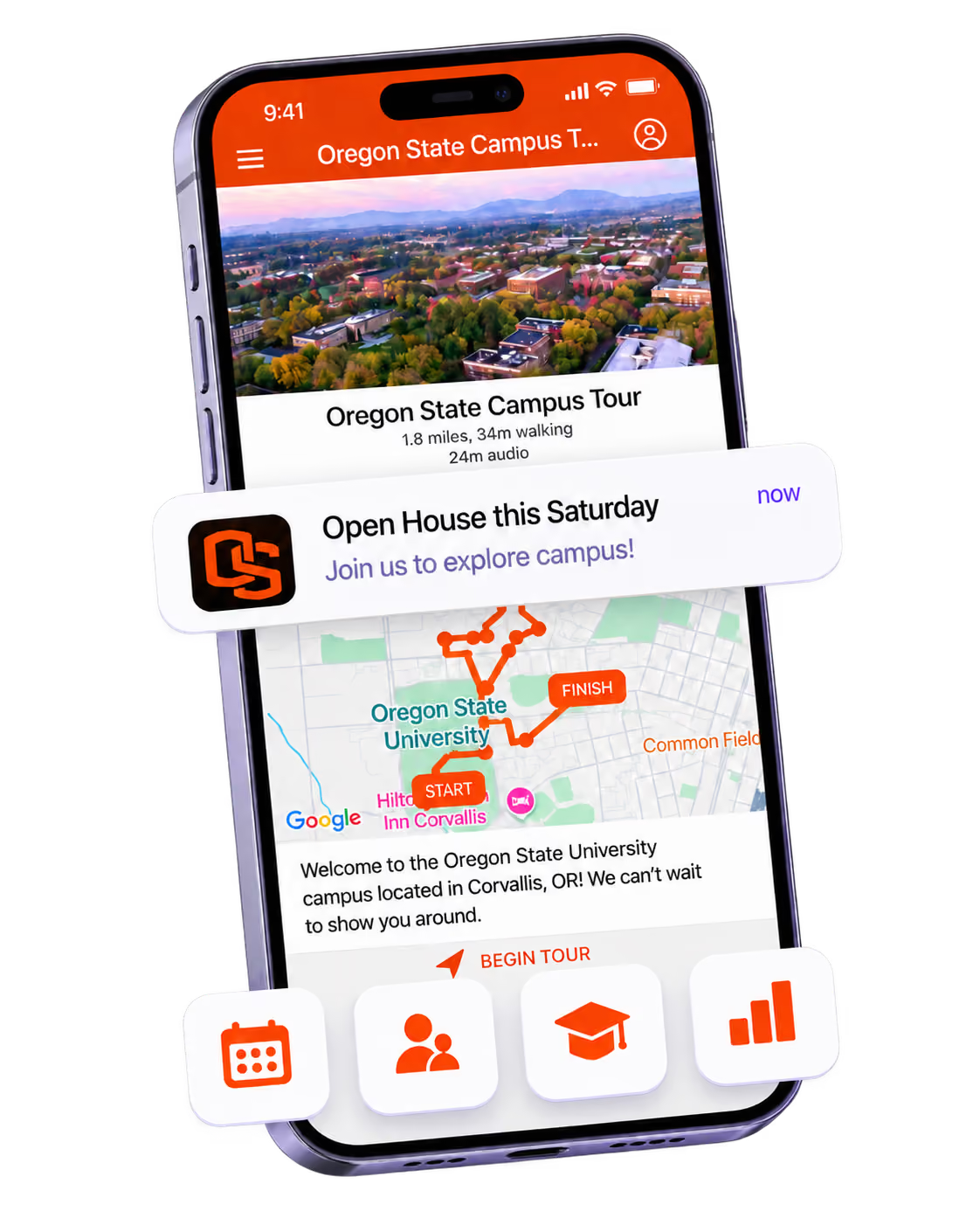
Offering Campus Tours?
Deliver branded, self-guided tour experiences with interactive maps and rich media, available 24/7.

Offering Campus Tours?
Deliver branded, self-guided tour experiences with interactive maps and rich media, available 24/7.
Organising a Career Fair?
Simplify logistics for students, employers, and Career Services staff with one easy-to-use app.
Organising a Career Fair?
Simplify logistics for students, employers, and Career Services staff with one easy-to-use app.
Managing Alumni Events?
Plan reunions, regional events, and fundraising campaigns with an app built for alumni engagement.
Managing Alumni Events?
Plan reunions, regional events, and fundraising campaigns with an app built for alumni engagement.
Boost Student Engagement
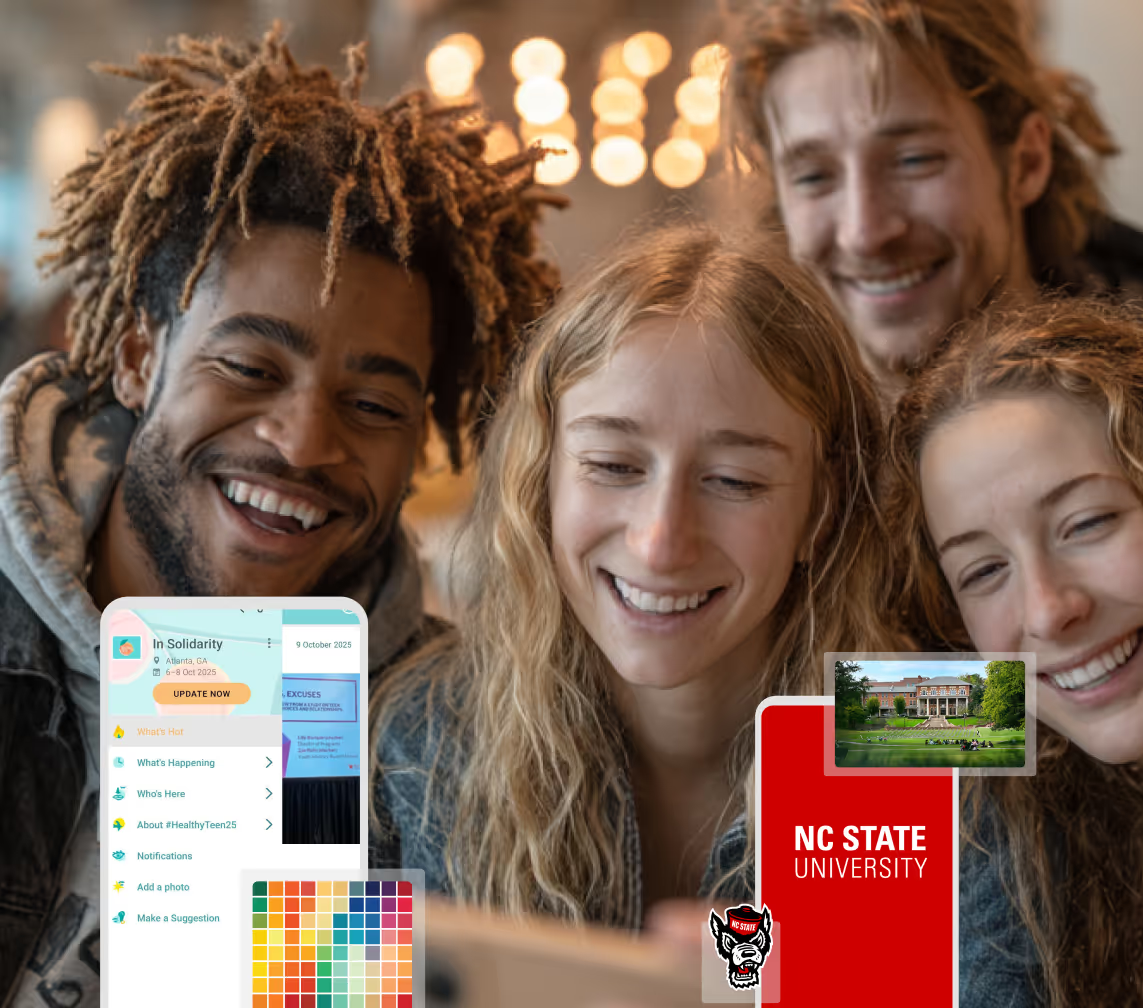
One hub for schedules, resources, and events that keeps students connected throughout the academic year.
Boost Student Engagement
One hub for schedules, resources, and events that keeps students connected throughout the academic year.
Planning Orientation?
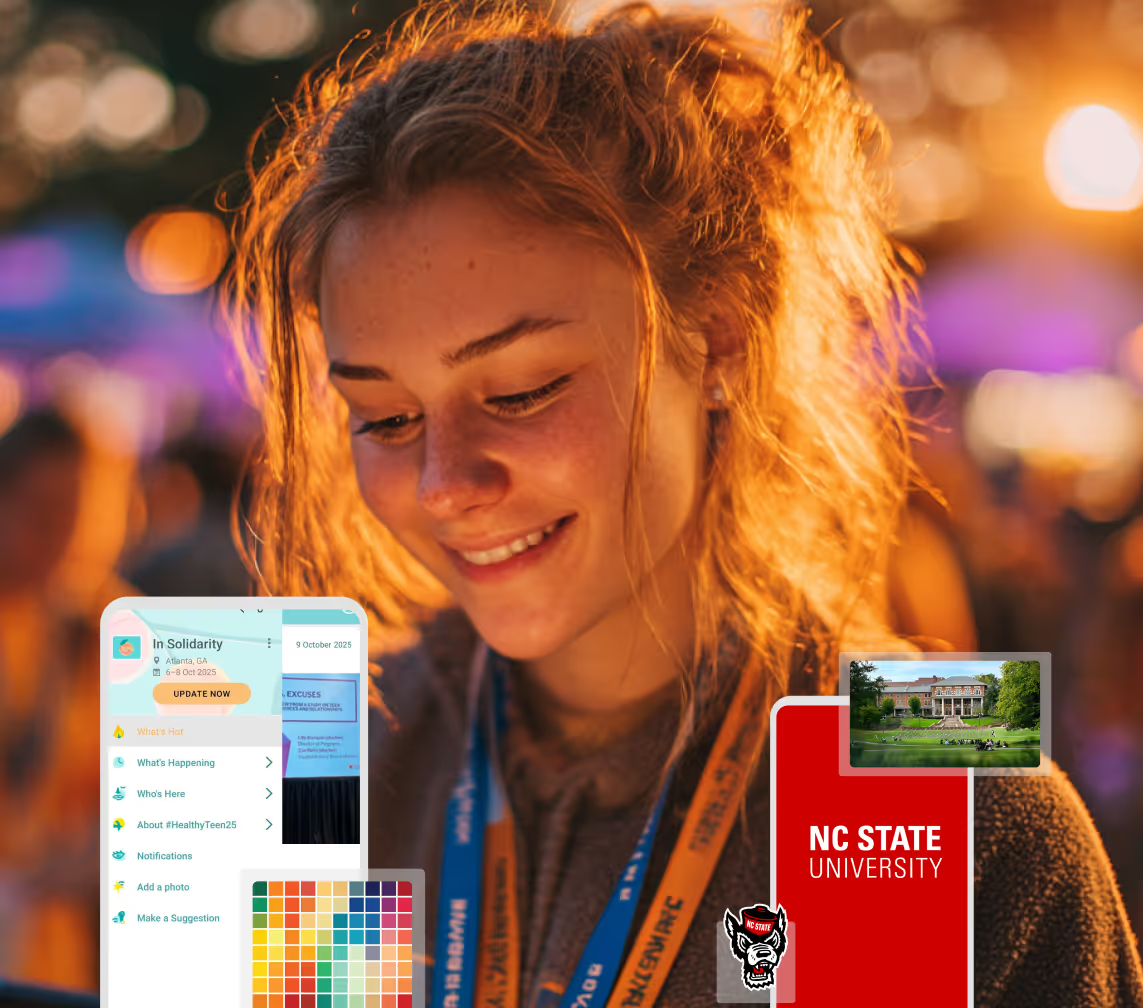
Help new students feel prepared from day one with schedules, campus resources, and real-time updates in one app.
Planning Orientation?
Help new students feel prepared from day one with schedules, campus resources, and real-time updates in one app.
Running Admissions Events?
Manage open houses, tours, and yield events with a branded app that saves time and engages prospective students.

Running Admissions Events?
Manage open houses, tours, and yield events with a branded app that saves time and engages prospective students.
Get a custom Sponsorship Package Template
Stop starting from scratch. Grab free templates that helWe'll build a tailored sponsorship package with suggested pricing, tiers, and benefits..for your specific event.p you build professional sponsorship packages and close deals faster.
Get a custom Sponsorship Package Template
Stop starting from scratch. Grab free templates that helWe'll build a tailored sponsorship package with suggested pricing, tiers, and benefits..for your specific event.p you build professional sponsorship packages and close deals faster.
Plan Your Next Event Without Missing a Beat.
From venue selection to post-event wrap-up, this free checklist walks you through every step (so nothing falls through the cracks).
.avif)
Plan Your Next Event Without Missing a Beat.
From venue selection to post-event wrap-up, this free checklist walks you through every step (so nothing falls through the cracks).
Real Results From Real Events
100,000+ organizations trust Guidebook. See exactly how universities, associations, enterprises, and more put it to work.

Real Results From Real Events
100,000+ organizations trust Guidebook. See exactly how universities, associations, enterprises, and more put it to work.
Flexible pricing for every event size
Find the perfect plan for your needs, from intimate gatherings to large-scale conferences.

Flexible pricing for every event size
Find the perfect plan for your needs, from intimate gatherings to large-scale conferences.
Join our event experts
Watch on-demand webinars and join live sessions with industry leaders sharing best practices for event success.
.avif)
Join our event experts
Watch on-demand webinars and join live sessions with industry leaders sharing best practices for event success.
Guidebook in Action
Book a personalized walkthrough and discover how we help event teams create better attendee experiences.
Guidebook in Action
Book a personalized walkthrough and discover how we help event teams create better attendee experiences.

What is the Hospitality Industry?
Discover what the hospitality industry is, its key sectors, and how it shapes guest experiences. Explore definitions, examples, and industry trends.

The Hospitality Industry is a dynamic sector that creates memorable experiences through lodging, food service, travel, and entertainment for guests worldwide. It spans hotels, restaurants, resorts, cruise lines, theme parks, and event venues. This industry generates over $4 trillion globally and employs millions of people dedicated to guest satisfaction.
Here's the thing: hospitality isn't just about providing a bed or a meal. It's about crafting moments that people remember. Every interaction matters. From the front desk greeting to the conference room setup, hospitality professionals turn ordinary stays into extraordinary experiences. That's what sets this industry apart from simple service delivery.
Key Characteristics of the Hospitality Industry
- Guest-Centric Focus: Every decision revolves around guest comfort and satisfaction. Staff anticipate needs before guests even ask.
- 24/7 Operations: Hotels, airports, and venues never truly close. Someone's always working to serve guests at any hour.
- High Touch Service: Personal interactions drive success. Technology supports but never replaces human connection.
- Perishable Inventory: Empty hotel rooms and unsold event tickets can't be stored. Revenue lost today is gone forever.
- Seasonal Fluctuations: Demand shifts with holidays, weather, and local events. Smart operators plan for peaks and valleys.
- Experience Economy: Guests pay for memories, not just products. The atmosphere matters as much as the amenities.
- Reputation Dependency: Online reviews make or break businesses. One bad experience can reach thousands instantly.
Hospitality Industry vs. Related Sectors
Tourism Industry
- Scope: Focuses on travel destinations and attractions
- Focus: Getting people to visit specific locations
- Timeline: Trip planning through departure
- Channels: Travel agencies, destination marketing, tour operators
- Goal: Increase visitor numbers to a region
Service Industry
- Scope: Broad category including healthcare, banking, retail
- Focus: Delivering intangible products to customers
- Timeline: Varies by service type
- Channels: Multiple touchpoints depending on sector
- Goal: Meet customer needs through service delivery
Event Industry
- Scope: Conferences, weddings, festivals, corporate gatherings
- Focus: Creating successful gatherings and experiences
- Timeline: Planning through post-event follow-up
- Channels: Venues, vendors, event planning platforms
- Goal: Execute memorable, well-organized events
These sectors overlap significantly. A hotel hosts events. A conference drives tourism. The hospitality industry serves as the connective tissue that brings them all together through exceptional guest experiences.
Major Segments of the Hospitality Industry
Lodging and Accommodations
Hotels remain the backbone of hospitality. From budget motels to luxury resorts, lodging options serve every traveler type. Boutique hotels offer unique experiences. Extended-stay properties cater to business travelers. Vacation rentals have disrupted traditional models.
The lodging segment generates roughly $200 billion annually in the U.S. alone. Occupancy rates, average daily rates, and revenue per available room drive success metrics.
Food and Beverage Operations
Restaurants, bars, catering companies, and food trucks fall into this category. Quick-service restaurants serve millions daily. Fine dining establishments create culinary art. Hotel restaurants and room service add revenue streams for lodging properties.
Catering plays a crucial role in event production. Corporate events, weddings, and conferences all need quality food service. Check out these amazing event catering vendors for inspiration.
Travel and Transportation
Airlines, cruise lines, car rentals, and ground transportation connect guests to destinations. This segment focuses on getting people where they need to go comfortably. Business travel and leisure travel have different needs but share hospitality principles.
Entertainment and Recreation
Theme parks, casinos, spas, and recreation facilities round out the industry. These venues create experiences that guests can't replicate at home. Entertainment hospitality blends service excellence with memorable attractions.
Meetings and Events
Convention centers, conference hotels, and event venues serve the business events market. This segment connects closely with event planning processes and requires specialized expertise. Understanding event management tips helps hospitality professionals excel here.
Technology's Role in Modern Hospitality
Digital Guest Experiences
Mobile check-in eliminates front desk lines. Apps let guests control room temperature and order room service. Digital concierges answer questions instantly. Technology removes friction from the guest journey.
Event venues use event check-in software to streamline registration. Attendees appreciate quick, hassle-free arrivals. Staff can focus on hospitality instead of paperwork.
Data-Driven Personalization
Guest profiles track preferences across visits. Hotels remember your pillow choice. Restaurants note dietary restrictions. This data powers personalized experiences at scale.
Understanding event ROI helps hospitality businesses measure success. Data shows what works and what needs improvement.
Operational Efficiency Tools
Property management systems coordinate reservations. Revenue management software optimizes pricing. Staff scheduling tools balance labor costs with service levels. Back-end technology supports front-line excellence.
Platforms like Guidebook's event management platform help hospitality venues deliver seamless experiences. From conferences to corporate retreats, the right tools make a difference.
Why the Hospitality Industry Matters
For Event Success:
- Venue Quality: Great hospitality venues elevate any event from ordinary to exceptional
- Service Excellence: Trained hospitality staff handle guest needs professionally and warmly
- Logistical Support: Hotels and venues provide infrastructure for successful virtual event planning and in-person gatherings
- Catering Expertise: Food and beverage teams create memorable dining experiences for attendees
- Technical Capabilities: Modern hospitality venues offer AV equipment, WiFi, and tech support
For Business Objectives:
- Economic Impact: Hospitality drives local economies through jobs and tourism spending
- Brand Building: Corporate events at quality venues strengthen company reputation
- Relationship Development: Face-to-face hospitality experiences build stronger business connections
- Employee Engagement: Team building events at hospitality venues boost morale and retention
- Revenue Generation: Events and conferences bring significant income to hospitality businesses
Guidebook's platform helps hospitality venues and event planners work together seamlessly. From branded apps to comprehensive event tools, the right technology enhances hospitality experiences.
Hospitality Industry Best Practices
- Prioritize First Impressions: Guests form opinions in seconds. Train staff to greet warmly and professionally from the first moment.
- Empower Your Team: Give frontline employees authority to solve problems. Don't make guests wait for manager approval on simple requests.
- Anticipate Guest Needs: Study patterns and preferences. Offer solutions before guests ask for them.
- Respond Quickly to Feedback: Address complaints immediately. Turn unhappy guests into loyal advocates through swift resolution.
- Invest in Training: Service excellence requires ongoing education. Regular training keeps skills sharp and standards high.
- Embrace Technology Thoughtfully: Use tech to enhance, not replace, human connection. Balance efficiency with warmth.
- Create Memorable Moments: Look for opportunities to surprise and delight. Small gestures create lasting impressions.
- Maintain Consistency: Guests expect the same quality every visit. Standard operating procedures ensure reliable experiences.
- Build Community Connections: Partner with local businesses and attractions. Guests appreciate insider recommendations.
- Measure What Matters: Track guest satisfaction, not just revenue. Happy guests drive long-term profitability.
Common Hospitality Industry Mistakes
Ignoring Online Reviews: Many hospitality businesses fail to monitor and respond to online feedback. Negative reviews left unanswered signal that you don't care. Potential guests read these reviews before booking.
Understaffing During Peak Times: Cutting labor costs often backfires. Long wait times and stressed employees create poor experiences. Guests remember when service suffered.
Overlooking Employee Satisfaction: Unhappy staff can't deliver happy experiences. High turnover costs more than competitive wages. Invest in your team to invest in your guests.
Failing to Adapt to Trends: Guest expectations evolve constantly. Staying current with event trends and hospitality innovations keeps you competitive. Yesterday's luxury becomes today's expectation.
Neglecting Maintenance: Worn carpets, flickering lights, and outdated decor signal decline. Regular updates and repairs maintain property value and guest perception.
Over-Promising and Under-Delivering: Marketing claims must match reality. Disappointed guests share their frustration widely. Honest representation builds trust.
Treating All Guests the Same: Business travelers have different needs than vacationing families. Personalization shows you understand and value each guest segment.
Final Thoughts
The hospitality industry sits at the heart of human connection. Whether hosting a major conference or serving a quiet dinner for two, hospitality professionals create the spaces where memories happen. This industry demands excellence in every detail.
Current trends point toward increased personalization and technology integration. Guests expect seamless digital experiences alongside genuine human warmth. The best hospitality businesses master both. They use tools like event digital marketing while never losing sight of personal touch.
There's something special about hospitality work. You get to be part of celebrations, reunions, and milestone moments. Every shift brings opportunities to make someone's day better. That's a privilege few industries offer.
Ready to elevate your hospitality events? Explore event planning resources and discover how Guidebook's platform can transform your guest experiences. From event registration to post-event follow-up, the right tools help hospitality shine.
Because at the end of the day, hospitality isn't just an industry. It's the art of making people feel welcome.
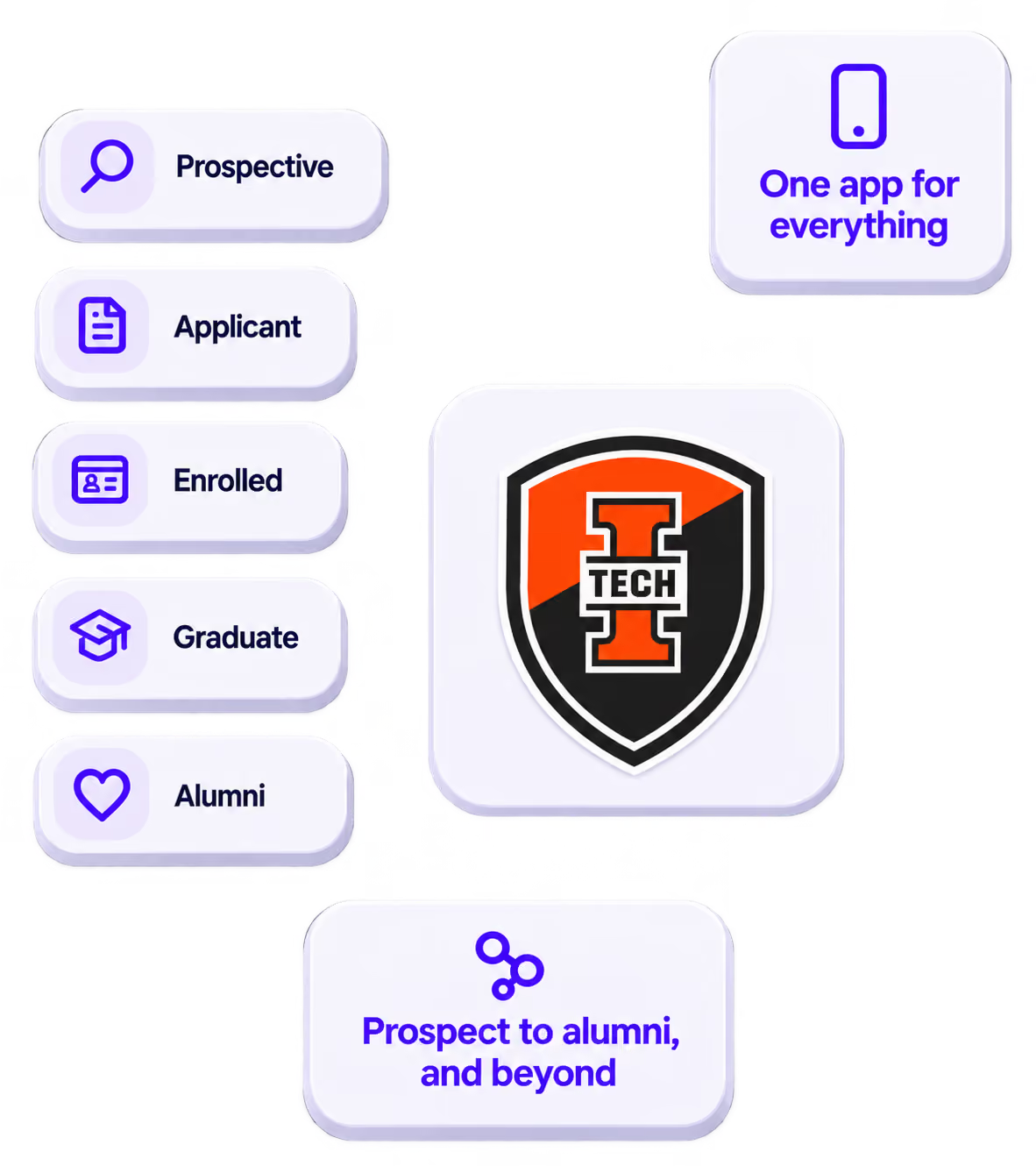
The power of your brand in your app, from first visit to alumni.
Build trust
Attendees download your app, not ours. Your name, colors, and crest in the stores.
.avif)
One place for the whole event
Schedules, maps, registration, and updates in one branded hub - not five tools.
Stand out
A branded app is what people keep on their phone after the printed program is in the recycling.

Get the Mobile App Playbook
A short guide to running the whole student journey in one app. No fluff, just what works.
for higher ed
Campus
Playbook
A practical guide to building a connected campus experience.
Free playbook
The Mobile App Playbook for Universities
Students decide if they belong long before they set foot on campus. This playbook shows how to win them over from the first visit through graduation.
- Grow enrollment and boost recruitment
- Increase belonging and retention
- Run every event from one branded app
By submitting, you agree to our Privacy Policy.
You're in.
.png)