
Campus apps by department
Admissions, orientation, student life, and more — one campus app that works across departments.

Campus apps by department
Admissions, orientation, student life, and more — one campus app that works across departments.
Build unlimited event apps on one license
One partnership for unlimited campus events — orientation, tours, student life, and everything in between.
Build unlimited event apps on one license
One partnership for unlimited campus events — orientation, tours, student life, and everything in between.
Compare event app platforms
See how Guidebook stacks up against other event app and registration platforms.
Compare event app platforms
See how Guidebook stacks up against other event app and registration platforms.
Event apps for nonprofit and community programs
Give members, volunteers, and donors one branded app for conferences, fundraisers, and year-round community.
Event apps for nonprofit and community programs
Give members, volunteers, and donors one branded app for conferences, fundraisers, and year-round community.
Campus integrations and an open API
Connect Guidebook with the campus systems, APIs, and tools your team already uses.
Campus integrations and an open API
Connect Guidebook with the campus systems, APIs, and tools your team already uses.
Event apps for corporate and enterprise teams
Internal meetings, offsites, and large-scale corporate events — with the branding and control enterprise teams need.
Event apps for corporate and enterprise teams
Internal meetings, offsites, and large-scale corporate events — with the branding and control enterprise teams need.
Create a branded event app with no coding
Put schedules, maps, resources, and updates in every attendee's pocket — built for campus events and programs.
Create a branded event app with no coding
Put schedules, maps, resources, and updates in every attendee's pocket — built for campus events and programs.
Launch a branded, white-label event app
A white-label event app with your branding, your content, and your attendee experience — no coding required.
Launch a branded, white-label event app
A white-label event app with your branding, your content, and your attendee experience — no coding required.
Everything in the Guidebook platform
Explore the features event teams use to engage attendees before, during, and after the event.
Everything in the Guidebook platform
Explore the features event teams use to engage attendees before, during, and after the event.
One app for in-person and virtual attendees
The same schedule, networking, and updates whether people are in the room or joining remotely.
One app for in-person and virtual attendees
The same schedule, networking, and updates whether people are in the room or joining remotely.
Event apps built for associations
Annual meetings, chapter events, and member engagement — without rebuilding a new app every year.
Event apps built for associations
Annual meetings, chapter events, and member engagement — without rebuilding a new app every year.
A branded event website that matches the app
Promote the event, collect interest, and keep branding consistent from the first click to check-in.
A branded event website that matches the app
Promote the event, collect interest, and keep branding consistent from the first click to check-in.
Plan, run, and measure events on one platform
App, registration, badges, and websites in one workflow — so planning isn't a pile of disconnected tools.
Plan, run, and measure events on one platform
App, registration, badges, and websites in one workflow — so planning isn't a pile of disconnected tools.
Keep members engaged between events
One branded app for the conference and everything that happens the other 51 weeks of the year.
Keep members engaged between events
One branded app for the conference and everything that happens the other 51 weeks of the year.
The conference app attendees actually use
Schedules, maps, networking, and live updates for annual meetings, summits, and multi-day conferences.
The conference app attendees actually use
Schedules, maps, networking, and live updates for annual meetings, summits, and multi-day conferences.
Registration that feeds your app and badges
Collect registrations, payments, and attendee data in the same platform as your event app.
Registration that feeds your app and badges
Collect registrations, payments, and attendee data in the same platform as your event app.
Design and print event badges in one place
Custom badges, QR check-in, and on-site printing — without a separate badge vendor.
Design and print event badges in one place
Custom badges, QR check-in, and on-site printing — without a separate badge vendor.
A Smaller School?
Deliver a polished, branded event experience without a large team or a big budget.
A Smaller School?
Deliver a polished, branded event experience without a large team or a big budget.
Running Family Programs?
Give families everything they need, from schedules and maps to real-time updates, all in one place.
Running Family Programs?
Give families everything they need, from schedules and maps to real-time updates, all in one place.
Coordinating Move-In Day?
Share updates, manage events, and keep students informed from move-in through the academic year.

Coordinating Move-In Day?
Share updates, manage events, and keep students informed from move-in through the academic year.
Offering Campus Tours?
Deliver branded, self-guided tour experiences with interactive maps and rich media, available 24/7.

Offering Campus Tours?
Deliver branded, self-guided tour experiences with interactive maps and rich media, available 24/7.
Organising a Career Fair?
Simplify logistics for students, employers, and Career Services staff with one easy-to-use app.
Organising a Career Fair?
Simplify logistics for students, employers, and Career Services staff with one easy-to-use app.
Managing Alumni Events?
Plan reunions, regional events, and fundraising campaigns with an app built for alumni engagement.
Managing Alumni Events?
Plan reunions, regional events, and fundraising campaigns with an app built for alumni engagement.
Boost Student Engagement
One hub for schedules, resources, and events that keeps students connected throughout the academic year.
Boost Student Engagement
One hub for schedules, resources, and events that keeps students connected throughout the academic year.
Planning Orientation?
Help new students feel prepared from day one with schedules, campus resources, and real-time updates in one app.
Planning Orientation?
Help new students feel prepared from day one with schedules, campus resources, and real-time updates in one app.
Running Admissions Events?
Manage open houses, tours, and yield events with a branded app that saves time and engages prospective students.

Running Admissions Events?
Manage open houses, tours, and yield events with a branded app that saves time and engages prospective students.
Get a custom Sponsorship Package Template
Stop starting from scratch. Grab free templates that helWe'll build a tailored sponsorship package with suggested pricing, tiers, and benefits..for your specific event.p you build professional sponsorship packages and close deals faster.
Get a custom Sponsorship Package Template
Stop starting from scratch. Grab free templates that helWe'll build a tailored sponsorship package with suggested pricing, tiers, and benefits..for your specific event.p you build professional sponsorship packages and close deals faster.
Plan Your Next Event Without Missing a Beat.
From venue selection to post-event wrap-up, this free checklist walks you through every step (so nothing falls through the cracks).
.avif)
Plan Your Next Event Without Missing a Beat.
From venue selection to post-event wrap-up, this free checklist walks you through every step (so nothing falls through the cracks).
Real Results From Real Events
100,000+ organizations trust Guidebook. See exactly how universities, associations, enterprises, and more put it to work.

Real Results From Real Events
100,000+ organizations trust Guidebook. See exactly how universities, associations, enterprises, and more put it to work.
Flexible pricing for every event size
Find the perfect plan for your needs, from intimate gatherings to large-scale conferences.
Flexible pricing for every event size
Find the perfect plan for your needs, from intimate gatherings to large-scale conferences.
Join our event experts
Watch on-demand webinars and join live sessions with industry leaders sharing best practices for event success.
.avif)
Join our event experts
Watch on-demand webinars and join live sessions with industry leaders sharing best practices for event success.
Guidebook in Action
Book a personalized walkthrough and discover how we help event teams create better attendee experiences.
Guidebook in Action
Book a personalized walkthrough and discover how we help event teams create better attendee experiences.
What is Event Production?
What is Event Production? Strategies & Best Practices | Guidebook
Event Production is the behind-the-scenes magic that transforms a concept into a fully realized, immersive experience through technical expertise, creative vision, and flawless execution. It covers everything from stage design and lighting to sound engineering and live show management. Without solid event production, even the best-planned events fall flat.
Here's the thing: event production isn't the same as event planning. Planning handles the "what" and "who." Production handles the "how it looks, sounds, and feels." Think of planners as architects and producers as builders. Both matter, but production is what attendees actually experience when they walk through the door.
Key Characteristics of Event Production
- Technical Expertise: Production teams master audio, video, lighting, and staging systems. They know which equipment works for each venue and audience size.
- Creative Vision: Great production tells a story. Every lighting cue, sound effect, and visual element supports the event's theme and goals.
- Real-Time Problem Solving: Live events don't pause for technical issues. Production crews troubleshoot on the fly without audiences noticing.
- Vendor Coordination: Productions involve dozens of specialists. Someone needs to make sure the AV team, caterers, and decorators work together seamlessly.
- Timeline Precision: Load-in schedules, rehearsals, and show cues run on tight timelines. Missing one deadline creates a domino effect.
- Safety Compliance: Rigging, electrical work, and crowd management all require strict safety protocols. Production teams ensure everything meets code.
- Budget Management: Production costs add up fast. Skilled producers deliver impressive results without blowing the budget.
Event Production vs. Related Terms
Event Planning
- Scope: Overall event strategy, logistics, and coordination
- Focus: Guest lists, venues, schedules, and vendor contracts
- Timeline: Months of advance preparation
- Channels: Communication, budgeting, and stakeholder management
- Goal: Ensure the event happens smoothly from a logistical standpoint
Event Production
- Scope: Technical and creative execution of the live experience
- Focus: Audio, video, lighting, staging, and show flow
- Timeline: Intensive work in final weeks, especially during load-in and show days
- Channels: Technical equipment, creative design, and crew coordination
- Goal: Deliver a polished, engaging attendee experience
Event Management
- Scope: Overarching term covering both planning and production
- Focus: End-to-end event delivery from concept to post-event analysis
- Timeline: Entire event lifecycle
- Channels: All aspects including marketing, operations, and technical
- Goal: Achieve event objectives and measure event ROI
These roles often overlap, especially at smaller organizations. But understanding the distinctions helps you hire the right people and set clear expectations.
Essential Event Production Components
Audio and Sound Systems
Sound makes or breaks an event. Attendees forgive mediocre visuals, but they won't tolerate bad audio. Production teams select microphones, speakers, and mixing boards based on venue acoustics and audience size.
For conferences, clear speech reinforcement matters most. For concerts and galas, you need full-range systems that handle music. Wireless systems add flexibility but require careful frequency coordination.
Lighting Design and Execution
Lighting sets the mood before anyone speaks a word. Production designers use color, intensity, and movement to guide attention and create atmosphere.
Key lighting elements include:
- Stage washes for general visibility
- Spotlights for speakers and performers
- Accent lighting for décor and branding
- Intelligent fixtures for dynamic effects
- LED walls and screens for visual content
Video and Visual Content
Modern events rely heavily on video. This includes live camera feeds, pre-produced content, and real-time graphics. Production teams manage projectors, LED walls, and confidence monitors.
For virtual events and hybrid formats, video production becomes even more critical. You're essentially producing a broadcast alongside a live experience.
Stage Design and Set Construction
The stage is your event's visual anchor. Production teams design and build sets that reflect your brand and support your program. This ranges from simple podiums to elaborate multi-level structures.
Good stage design considers sightlines, accessibility, and quick changeovers between sessions.
Technical Direction and Show Calling
Someone needs to run the show. Technical directors coordinate all production elements and call cues during the live event. They're the conductors of your production orchestra.
This role requires calm under pressure and excellent communication skills. One missed cue can throw off an entire segment.
The Event Production Process
Discovery and Concept Development
Production starts with understanding your vision. What feeling do you want to create? What's your budget? What are the venue's capabilities and limitations?
During this phase, production teams review your event planning process documents and site specs. They identify technical requirements and creative opportunities.
Design and Pre-Production
This is where ideas become plans. Production designers create renderings, floor plans, and technical drawings. They specify equipment, build timelines, and coordinate with vendors.
Pre-production also includes:
- Content creation and video editing
- Script development and show flow documents
- Equipment ordering and logistics
- Crew scheduling and briefings
Load-In and Setup
The production team transforms your venue from empty space to finished set. Load-in schedules are precise. Rigging goes up first, then lighting, then audio, then scenic elements.
This phase often runs 24-48 hours before the event. Larger productions may need a week or more.
Rehearsals and Technical Checks
Never skip rehearsals. They're where you catch problems before audiences arrive. Sound checks ensure audio levels work. Lighting cues get programmed. Speakers practice with confidence monitors.
Technical rehearsals also help your event coordinators understand the production flow.
Live Show Execution
Showtime. The production crew runs the event according to the show flow document. The technical director calls cues. Operators execute lighting, audio, and video changes on command.
Behind the scenes, teams monitor equipment, manage backups, and solve problems in real-time.
Strike and Post-Production
After the event, everything comes down. Strike (teardown) follows a reverse order from load-in. Equipment gets packed, inventoried, and returned.
Post-production includes reviewing recordings, gathering feedback, and documenting lessons learned for your event debrief.
Why Event Production Matters
For Event Success:
- Attendee Engagement: Professional production captures attention and keeps audiences focused on your content.
- Brand Perception: High-quality production signals that your organization values excellence and attention to detail.
- Message Clarity: Good audio and visuals ensure your content actually reaches attendees without distraction.
- Memorable Experiences: Production elements create emotional moments that attendees remember and share.
- Smooth Flow: Professional show calling keeps your program on schedule and transitions polished.
For Business Objectives:
- Sponsor Value: Quality production makes sponsorship packages more attractive and valuable.
- Content Repurposing: Professional recordings become marketing assets for event digital marketing.
- Competitive Advantage: Superior production differentiates your events from competitors.
- Attendee Retention: Great experiences drive repeat attendance and positive word-of-mouth.
- Data Collection: Modern production integrates with platforms like Guidebook's event management platform to track engagement and gather insights.
Event Production Best Practices
- Start Production Planning Early: Don't wait until the last month. Complex productions need 3-6 months of lead time for design, equipment sourcing, and crew booking.
- Conduct Thorough Site Visits: Visit your venue with production leads. Check power availability, rigging points, load-in access, and acoustic challenges.
- Build Contingency Into Your Budget: Production surprises happen. Reserve 10-15% of your production budget for unexpected needs and last-minute changes.
- Create Detailed Technical Riders: Document every technical requirement for speakers, performers, and sessions. Share these with your production team early.
- Invest in Quality Audio: If budget is tight, prioritize sound over visuals. Audiences tolerate simple staging but hate struggling to hear.
- Schedule Adequate Rehearsal Time: Plan at least one full technical rehearsal. For complex shows, schedule a dress rehearsal with all participants.
- Communicate Show Flow Clearly: Create detailed run-of-show documents. Share them with everyone involved, from speakers to catering staff.
- Plan for Hybrid and Virtual: Even in-person events benefit from virtual event planning elements. Consider livestreaming and recording from the start.
- Use Technology to Enhance Experience: Integrate production with your event app. Guidebook helps attendees navigate schedules while production delivers the wow factor.
- Document Everything for Next Time: Take photos, save files, and write notes. Your future self will thank you when planning the next event.
Common Event Production Mistakes
Underestimating Load-In Time: Complex productions need more setup time than you think. Rushing load-in leads to mistakes, safety issues, and stressed crews. Always add buffer time to your schedule.
Ignoring Venue Limitations: Not every venue can support your production vision. Power capacity, rigging points, and ceiling heights all matter. Discover limitations during site visits, not during load-in.
Skipping Technical Rehearsals: "We'll figure it out live" is a recipe for disaster. Rehearsals reveal problems when you can still fix them. They also build confidence for speakers and performers.
Choosing Price Over Quality: The cheapest production company often costs more in the end. Poor equipment fails. Inexperienced crews make mistakes. Invest in professionals who deliver reliability.
Neglecting Backup Systems: Equipment fails at the worst moments. Professional productions include backup microphones, spare projector bulbs, and redundant playback systems. Don't learn this lesson the hard way.
Poor Communication With Stakeholders: Production teams need information from planners, speakers, and sponsors. Unclear communication leads to wrong equipment, missed cues, and frustrated partners.
Forgetting the Audience Perspective: Production teams sometimes focus on technical perfection over attendee experience. Always check sightlines, audio levels, and comfort from where audiences actually sit.
Final Thoughts
Event production is where vision becomes reality. It's the craft that transforms empty venues into immersive experiences. Whether you're running a small team building event or a massive conference, production quality shapes how attendees perceive and remember your event.
The events industry continues evolving with new technologies and audience expectations. Today's attendees expect broadcast-quality production at live events. They've seen what's possible and won't settle for less. Staying current with event trends helps you meet these rising standards.
Great production doesn't require unlimited budgets. It requires smart planning, clear priorities, and skilled partners. Focus your resources on elements that matter most to your audience and objectives. Sometimes simple and polished beats elaborate and chaotic.
Ready to elevate your next event? Combine professional production with powerful event technology. Book a Guidebook demo to see how our event management platform works alongside your production team. From event check-in to real-time updates, we help you deliver seamless experiences. Check out our case studies to see how other organizations create unforgettable events. Because when production and technology work together, magic happens.
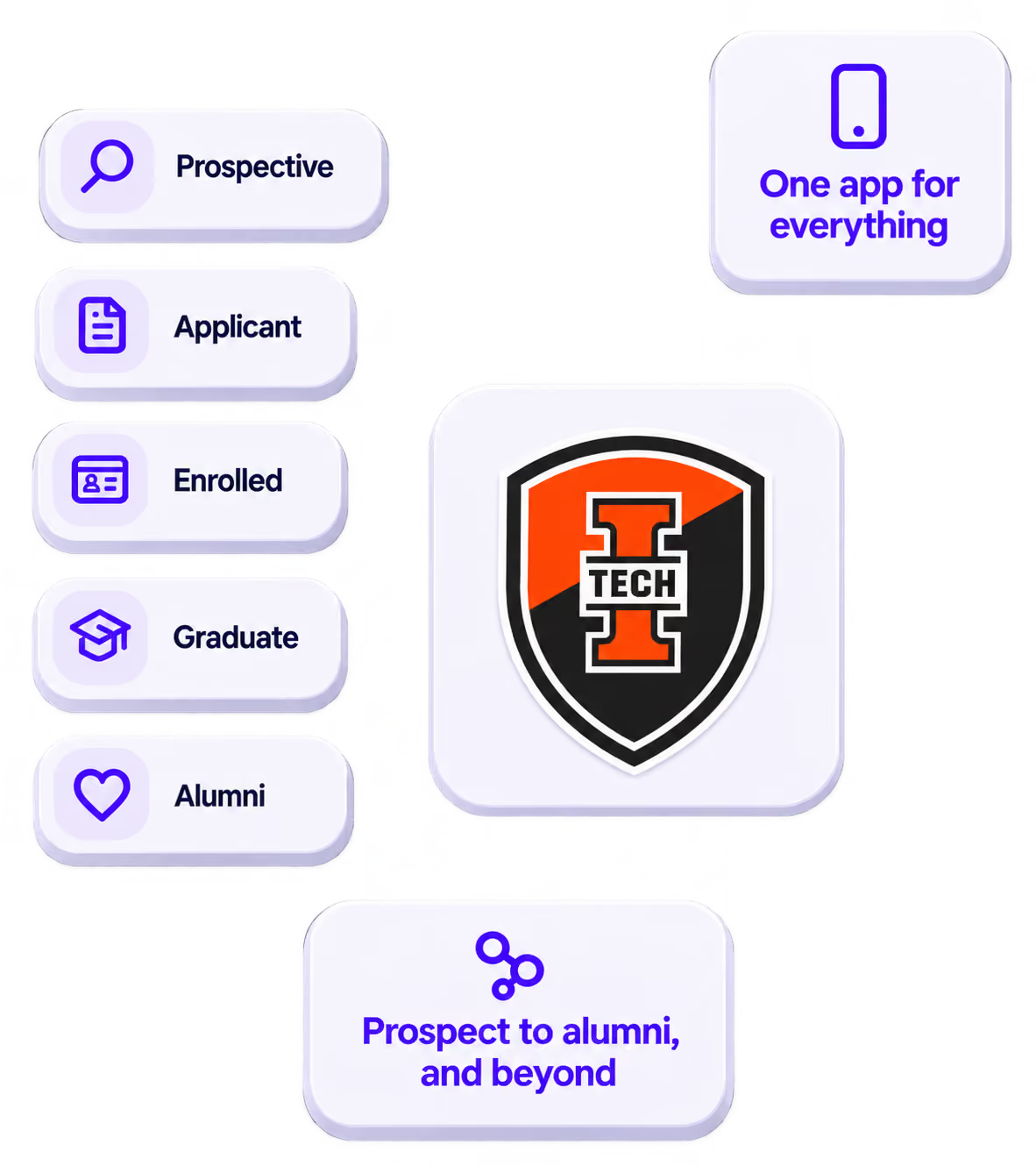
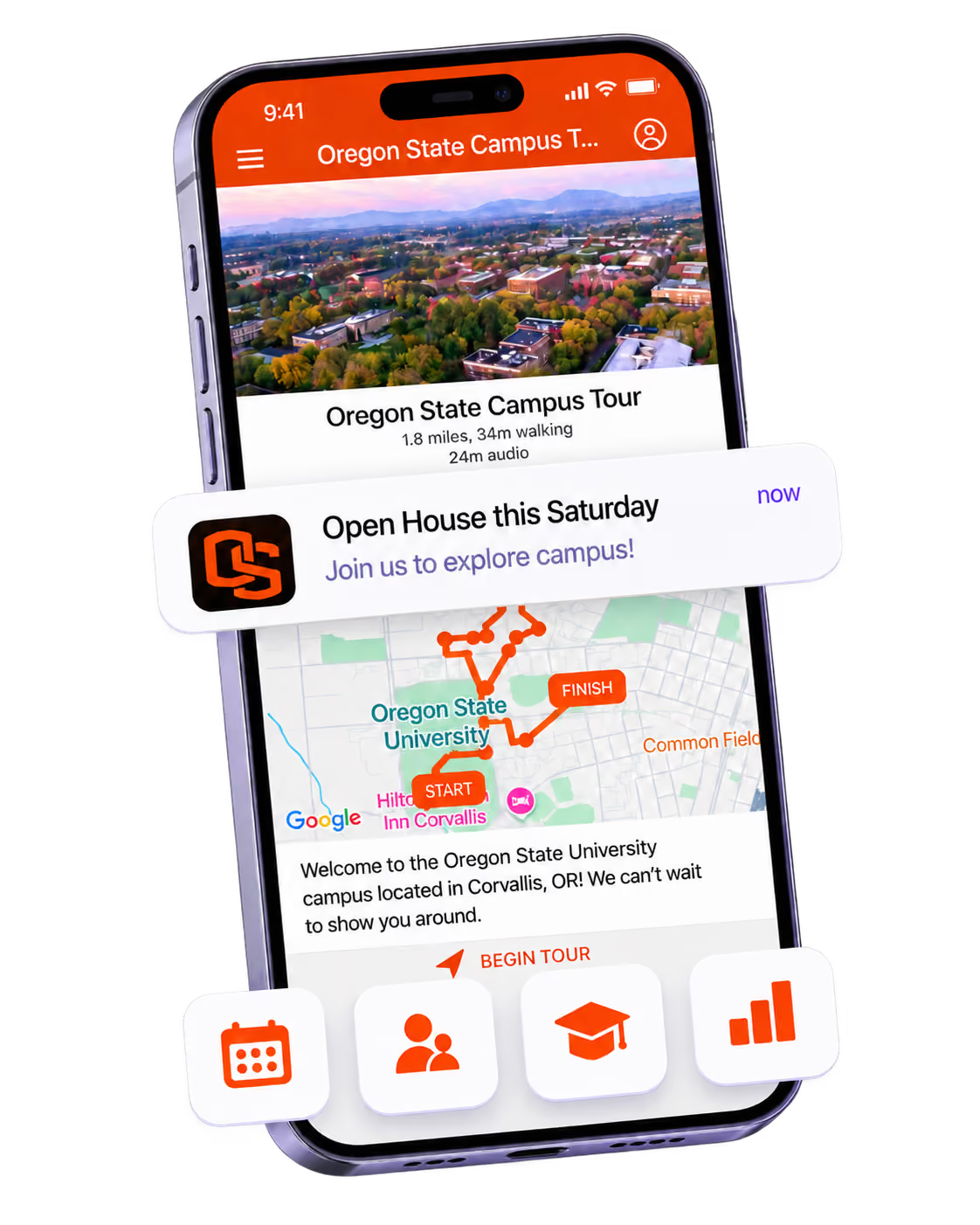
The power of your brand in your app, from first visit to alumni.
Build trust
Attendees download your app, not ours. Your name, colors, and crest in the stores.
.avif)
One place for the whole event
Schedules, maps, registration, and updates in one branded hub - not five tools.
Stand out
A branded app is what people keep on their phone after the printed program is in the recycling.

Get the Mobile App Playbook
A short guide to running the whole student journey in one app. No fluff, just what works.
for higher ed
Campus
Playbook
A practical guide to building a connected campus experience.
Free playbook
The Mobile App Playbook for Universities
Students decide if they belong long before they set foot on campus. This playbook shows how to win them over from the first visit through graduation.
- Grow enrollment and boost recruitment
- Increase belonging and retention
- Run every event from one branded app
By submitting, you agree to our Privacy Policy.
You're in.
.png)