
Campus apps by department
Admissions, orientation, student life, and more — one campus app that works across departments.

Campus apps by department
Admissions, orientation, student life, and more — one campus app that works across departments.
Build unlimited event apps on one license
One partnership for unlimited campus events — orientation, tours, student life, and everything in between.
Build unlimited event apps on one license
One partnership for unlimited campus events — orientation, tours, student life, and everything in between.
Compare event app platforms
See how Guidebook stacks up against other event app and registration platforms.
Compare event app platforms
See how Guidebook stacks up against other event app and registration platforms.
Event apps for nonprofit and community programs
Give members, volunteers, and donors one branded app for conferences, fundraisers, and year-round community.
Event apps for nonprofit and community programs
Give members, volunteers, and donors one branded app for conferences, fundraisers, and year-round community.
Campus integrations and an open API
Connect Guidebook with the campus systems, APIs, and tools your team already uses.
Campus integrations and an open API
Connect Guidebook with the campus systems, APIs, and tools your team already uses.
Event apps for corporate and enterprise teams
Internal meetings, offsites, and large-scale corporate events — with the branding and control enterprise teams need.
Event apps for corporate and enterprise teams
Internal meetings, offsites, and large-scale corporate events — with the branding and control enterprise teams need.
Create a branded event app with no coding
Put schedules, maps, resources, and updates in every attendee's pocket — built for campus events and programs.
Create a branded event app with no coding
Put schedules, maps, resources, and updates in every attendee's pocket — built for campus events and programs.
Launch a branded, white-label event app
A white-label event app with your branding, your content, and your attendee experience — no coding required.
Launch a branded, white-label event app
A white-label event app with your branding, your content, and your attendee experience — no coding required.
Everything in the Guidebook platform
Explore the features event teams use to engage attendees before, during, and after the event.
Everything in the Guidebook platform
Explore the features event teams use to engage attendees before, during, and after the event.
One app for in-person and virtual attendees
The same schedule, networking, and updates whether people are in the room or joining remotely.
One app for in-person and virtual attendees
The same schedule, networking, and updates whether people are in the room or joining remotely.
Event apps built for associations
Annual meetings, chapter events, and member engagement — without rebuilding a new app every year.
Event apps built for associations
Annual meetings, chapter events, and member engagement — without rebuilding a new app every year.
A branded event website that matches the app
Promote the event, collect interest, and keep branding consistent from the first click to check-in.
A branded event website that matches the app
Promote the event, collect interest, and keep branding consistent from the first click to check-in.
Plan, run, and measure events on one platform
App, registration, badges, and websites in one workflow — so planning isn't a pile of disconnected tools.
Plan, run, and measure events on one platform
App, registration, badges, and websites in one workflow — so planning isn't a pile of disconnected tools.
Keep members engaged between events
One branded app for the conference and everything that happens the other 51 weeks of the year.
Keep members engaged between events
One branded app for the conference and everything that happens the other 51 weeks of the year.
The conference app attendees actually use
Schedules, maps, networking, and live updates for annual meetings, summits, and multi-day conferences.
The conference app attendees actually use
Schedules, maps, networking, and live updates for annual meetings, summits, and multi-day conferences.
Registration that feeds your app and badges
Collect registrations, payments, and attendee data in the same platform as your event app.
Registration that feeds your app and badges
Collect registrations, payments, and attendee data in the same platform as your event app.
Design and print event badges in one place
Custom badges, QR check-in, and on-site printing — without a separate badge vendor.
Design and print event badges in one place
Custom badges, QR check-in, and on-site printing — without a separate badge vendor.
A Smaller School?
Deliver a polished, branded event experience without a large team or a big budget.
A Smaller School?
Deliver a polished, branded event experience without a large team or a big budget.
Running Family Programs?
Give families everything they need, from schedules and maps to real-time updates, all in one place.
Running Family Programs?
Give families everything they need, from schedules and maps to real-time updates, all in one place.
Coordinating Move-In Day?
Share updates, manage events, and keep students informed from move-in through the academic year.

Coordinating Move-In Day?
Share updates, manage events, and keep students informed from move-in through the academic year.
Offering Campus Tours?
Deliver branded, self-guided tour experiences with interactive maps and rich media, available 24/7.

Offering Campus Tours?
Deliver branded, self-guided tour experiences with interactive maps and rich media, available 24/7.
Organising a Career Fair?
Simplify logistics for students, employers, and Career Services staff with one easy-to-use app.
Organising a Career Fair?
Simplify logistics for students, employers, and Career Services staff with one easy-to-use app.
Managing Alumni Events?
Plan reunions, regional events, and fundraising campaigns with an app built for alumni engagement.
Managing Alumni Events?
Plan reunions, regional events, and fundraising campaigns with an app built for alumni engagement.
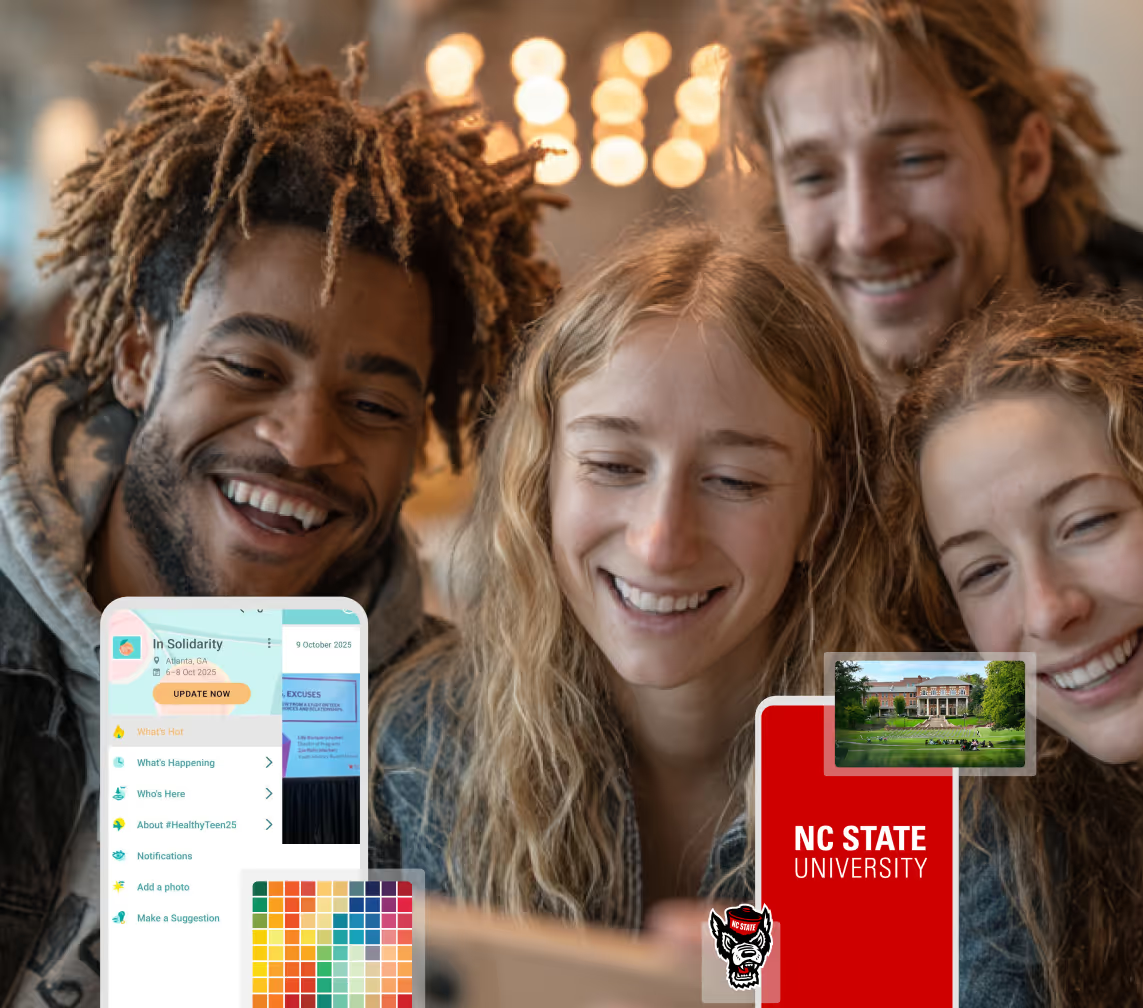
Boost Student Engagement
One hub for schedules, resources, and events that keeps students connected throughout the academic year.
Boost Student Engagement
One hub for schedules, resources, and events that keeps students connected throughout the academic year.
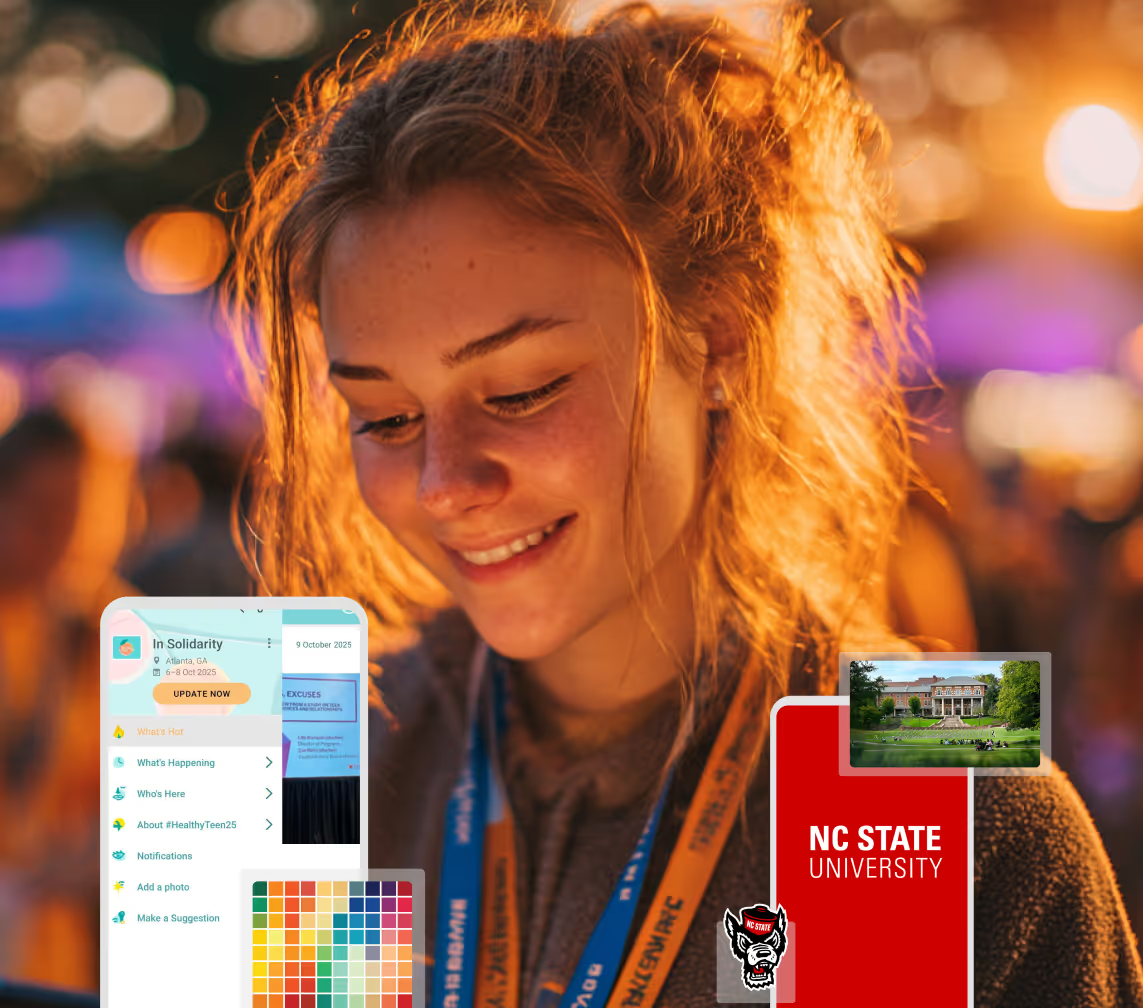
Planning Orientation?
Help new students feel prepared from day one with schedules, campus resources, and real-time updates in one app.
Planning Orientation?
Help new students feel prepared from day one with schedules, campus resources, and real-time updates in one app.
Running Admissions Events?
Manage open houses, tours, and yield events with a branded app that saves time and engages prospective students.

Running Admissions Events?
Manage open houses, tours, and yield events with a branded app that saves time and engages prospective students.
Get a custom Sponsorship Package Template
Stop starting from scratch. Grab free templates that helWe'll build a tailored sponsorship package with suggested pricing, tiers, and benefits..for your specific event.p you build professional sponsorship packages and close deals faster.
Get a custom Sponsorship Package Template
Stop starting from scratch. Grab free templates that helWe'll build a tailored sponsorship package with suggested pricing, tiers, and benefits..for your specific event.p you build professional sponsorship packages and close deals faster.
Plan Your Next Event Without Missing a Beat.
From venue selection to post-event wrap-up, this free checklist walks you through every step (so nothing falls through the cracks).
.avif)
Plan Your Next Event Without Missing a Beat.
From venue selection to post-event wrap-up, this free checklist walks you through every step (so nothing falls through the cracks).
Real Results From Real Events
100,000+ organizations trust Guidebook. See exactly how universities, associations, enterprises, and more put it to work.

Real Results From Real Events
100,000+ organizations trust Guidebook. See exactly how universities, associations, enterprises, and more put it to work.
Flexible pricing for every event size
Find the perfect plan for your needs, from intimate gatherings to large-scale conferences.
Flexible pricing for every event size
Find the perfect plan for your needs, from intimate gatherings to large-scale conferences.
Join our event experts
Watch on-demand webinars and join live sessions with industry leaders sharing best practices for event success.
.avif)
Join our event experts
Watch on-demand webinars and join live sessions with industry leaders sharing best practices for event success.
Guidebook in Action
Book a personalized walkthrough and discover how we help event teams create better attendee experiences.
Guidebook in Action
Book a personalized walkthrough and discover how we help event teams create better attendee experiences.

What does meaningful member engagement through events look like?
Meaningful member engagement through events fosters connection, participation, and value. Discover engagement strategies, event ideas, and success metrics.

Member Engagement Through Events is the strategic approach of creating meaningful event experiences that deepen connections, boost participation, and strengthen loyalty among your organization's members. It goes beyond simple attendance tracking. This approach transforms passive members into active community participants who feel genuinely invested in your organization's success.
Here's the thing: hosting events isn't the same as engaging members. You can fill a room with people who check their phones the whole time. True member engagement happens when attendees interact, contribute, and leave feeling more connected than when they arrived. That's the difference between a forgettable meeting and a community-building experience.
Key Characteristics of Member Engagement Through Events
- Two-Way Interaction: Members don't just watch—they participate. Q&A sessions, polls, and networking activities replace passive listening with active involvement.
- Personalized Experiences: Content and activities match member interests, career stages, and goals. One-size-fits-all programming doesn't cut it anymore.
- Community Building Focus: Events create connections between members, not just between members and your organization. Peer relationships drive long-term loyalty.
- Value-Driven Programming: Every session answers the question "What's in it for me?" Members leave with skills, contacts, or insights they can use immediately.
- Consistent Touchpoints: Engagement doesn't happen at one annual conference. Regular events throughout the year maintain momentum and keep members connected.
- Measurable Outcomes: Success goes beyond headcounts. You track participation depth, satisfaction scores, and retention rates tied to event attendance.
- Feedback Integration: Member input shapes future programming. When people see their suggestions implemented, they feel ownership in the community.
Member Engagement Through Events vs. Related Approaches
Member Communications
- Scope: One-way information sharing through newsletters, emails, and announcements
- Focus: Keeping members informed about news and updates
- Timeline: Ongoing, often automated messaging
- Channels: Email, social media, websites, print materials
- Goal: Awareness and information delivery
Member Benefits Programs
- Scope: Tangible perks like discounts, resources, and exclusive access
- Focus: Providing transactional value for membership fees
- Timeline: Year-round availability
- Channels: Member portals, partner networks, digital resources
- Goal: Justify membership cost through concrete benefits
Member Engagement Through Events
- Scope: Interactive experiences that build relationships and community
- Focus: Creating emotional connections and active participation
- Timeline: Scheduled gatherings throughout the year
- Channels: In-person venues, virtual platforms, hybrid formats
- Goal: Deepen loyalty through meaningful shared experiences
These approaches work best together. Communications inform members about events. Benefits give them reasons to attend. But events create the emotional bonds that turn casual members into passionate advocates. Smart associations integrate all three into a cohesive engagement strategy.
Essential Components of Member Engagement Events
Build Interactive Programming
Passive presentations kill engagement. Members want to participate, not just spectate. Build interaction into every session.
Try live polling during keynotes. Add small group discussions after panels. Create hands-on workshops instead of lectures. The more members contribute, the more invested they become.
Create Networking Opportunities
Members often value peer connections more than content. Don't leave networking to chance. Structure it intentionally.
- Speed networking sessions with timed rotations
- Interest-based meetups for specific topics or industries
- Mentorship matching between experienced and newer members
- Facilitated roundtables with discussion prompts
Personalize the Experience
Generic events feel impersonal. Use member data to customize experiences. Recommend sessions based on past attendance. Group attendees by career level or specialty area.
A mobile event app makes personalization scalable. Members build custom schedules. They receive relevant notifications. The experience feels tailored even at large-scale events.
Gather Real-Time Feedback
Don't wait until post-event surveys to learn what's working. Collect feedback during the event itself.
- Session ratings after each presentation
- Quick pulse surveys throughout the day
- Social media monitoring for live reactions
- Staff observations at key touchpoints
Follow Up Meaningfully
Engagement doesn't end when the event does. Post-event follow-up extends the connection. Share session recordings. Send personalized thank-you messages. Connect attendees who met at the event.
This ongoing communication bridges the gap between events and maintains momentum.
Types of Member Engagement Events
Annual Conferences and Conventions
These flagship events bring your entire community together. They combine education, networking, and celebration. Annual conferences create shared memories that strengthen member identity.
The key is balancing scale with intimacy. Large keynotes build excitement. Smaller breakouts enable deeper connections. Check out event management tips for running successful large-scale gatherings.
Regional Meetups and Chapter Events
Not everyone can travel to national events. Regional gatherings bring engagement closer to home. They're more accessible and often more personal.
Local events also identify emerging leaders. Active chapter participants often become your most engaged national members.
Virtual and Hybrid Programs
Virtual events remove geographic barriers entirely. Members can participate from anywhere. Hybrid formats combine in-person energy with virtual accessibility.
- Webinars for educational content
- Virtual networking rooms for peer connections
- Online workshops for skill-building
- Hybrid conferences with remote attendance options
Special Interest Gatherings
Niche events serve specific member segments. Young professionals groups. Women's leadership summits. Technical specialty tracks. These focused gatherings create tight-knit communities within your larger membership.
Consider hosting a women in business conference or team building events for specific member groups.
Social and Celebration Events
Not every event needs an educational agenda. Social gatherings build relationships in relaxed settings. Award ceremonies recognize member achievements. Anniversary celebrations honor your organization's history.
These events remind members why they joined in the first place—to be part of something meaningful.
Why Member Engagement Through Events Matters
For Event Success:
- Higher Attendance Rates: Engaged members show up. They register early, attend consistently, and bring colleagues along.
- Better Participation Quality: Active members ask questions, join discussions, and contribute to sessions rather than sitting silently.
- Stronger Word-of-Mouth: Engaged attendees become promoters. They share experiences on social media and recommend events to peers.
- Valuable Feedback: Members who care provide honest input. Their suggestions improve future programming.
- Volunteer Pipeline: Engaged members volunteer as speakers, committee members, and event ambassadors.
For Business Objectives:
- Improved Retention: Members who attend events renew at significantly higher rates than those who don't.
- Increased Revenue: Engaged members buy more—event tickets, sponsorships, additional services, and premium memberships.
- Stronger Community: Events create the relationships that make membership valuable beyond transactional benefits.
- Better Data Insights: Event participation reveals member interests, helping you serve them better year-round.
- Competitive Advantage: Organizations with strong event engagement stand out in crowded membership markets.
Platforms like Guidebook help associations track engagement metrics and deliver personalized event experiences that drive these outcomes.
Member Engagement Through Events Best Practices
- Start with Member Research: Survey members about their interests, challenges, and preferred event formats before planning. Build programming around actual needs, not assumptions.
- Set Clear Engagement Goals: Define what success looks like beyond attendance. Track session participation, networking connections, and satisfaction scores. Learn more about measuring event ROI.
- Create Multiple Entry Points: Offer various ways to participate—in-person, virtual, synchronous, on-demand. Meet members where they are.
- Design for Interaction: Build participation into every session. Use polls, Q&A, small groups, and hands-on activities. Passive audiences don't become engaged members.
- Leverage Technology Thoughtfully: Use event check-in software and mobile apps to streamline logistics and enhance experiences. Technology should simplify, not complicate.
- Recognize and Celebrate Members: Highlight member achievements at events. Feature member speakers. Create moments that make people feel valued.
- Connect Events to Year-Round Engagement: Events shouldn't exist in isolation. Link them to online communities, ongoing education, and member benefits.
- Train Your Team on Engagement: Staff and volunteers set the tone. Train them to facilitate connections, not just manage logistics. Review event coordinator responsibilities for guidance.
- Follow the Event Planning Process: Systematic planning ensures nothing falls through the cracks. Document your approach and improve it each year.
- Debrief and Iterate: Use an event debrief template to capture lessons learned. Apply insights to future events.
Common Member Engagement Through Events Mistakes
Focusing Only on Content Delivery: Treating events as information dumps misses the point. Members can get content anywhere. They come to events for connection and community. Balance education with interaction and networking.
Ignoring Different Member Segments: New members have different needs than 20-year veterans. Young professionals want different things than retirees. One-size-fits-all programming leaves many members feeling overlooked.
Neglecting Pre-Event Communication: Engagement starts before the event. Members who feel prepared and excited arrive ready to participate. Poor pre-event communication leads to confused, disengaged attendees.
Skipping Post-Event Follow-Up: The event ends, and silence follows. This wastes the momentum you built. Meaningful follow-up extends engagement and bridges to the next event.
Measuring Only Attendance: Headcounts don't tell the whole story. A packed room of disengaged people isn't success. Track participation depth, satisfaction, and behavior changes.
Overcomplicating the Experience: Too many sessions, confusing schedules, and complicated registration frustrate members. Simplicity enables engagement. Complexity kills it.
Failing to Act on Feedback: Collecting feedback then ignoring it damages trust. Members stop providing input when they see no changes. Close the loop by showing how feedback shaped improvements.
Final Thoughts
Member engagement through events isn't a nice-to-have—it's essential for organizational health. Events create the emotional connections that transform transactional memberships into genuine community belonging. Without them, you're just selling access to benefits.
The associations thriving today understand this. They invest in event experiences that make members feel seen, valued, and connected. They use strategic event planning to build loyalty that lasts beyond any single gathering.
Your members have endless options for their time and money. Events give them reasons to choose you—not just once, but year after year. The relationships formed at your events become the glue that holds your community together.
Ready to transform your member events? Explore Guidebook's resources for event planning, check out case studies from successful associations, or request a demo to see how the right technology can amplify your engagement efforts. Because when members feel truly engaged, everybody wins.
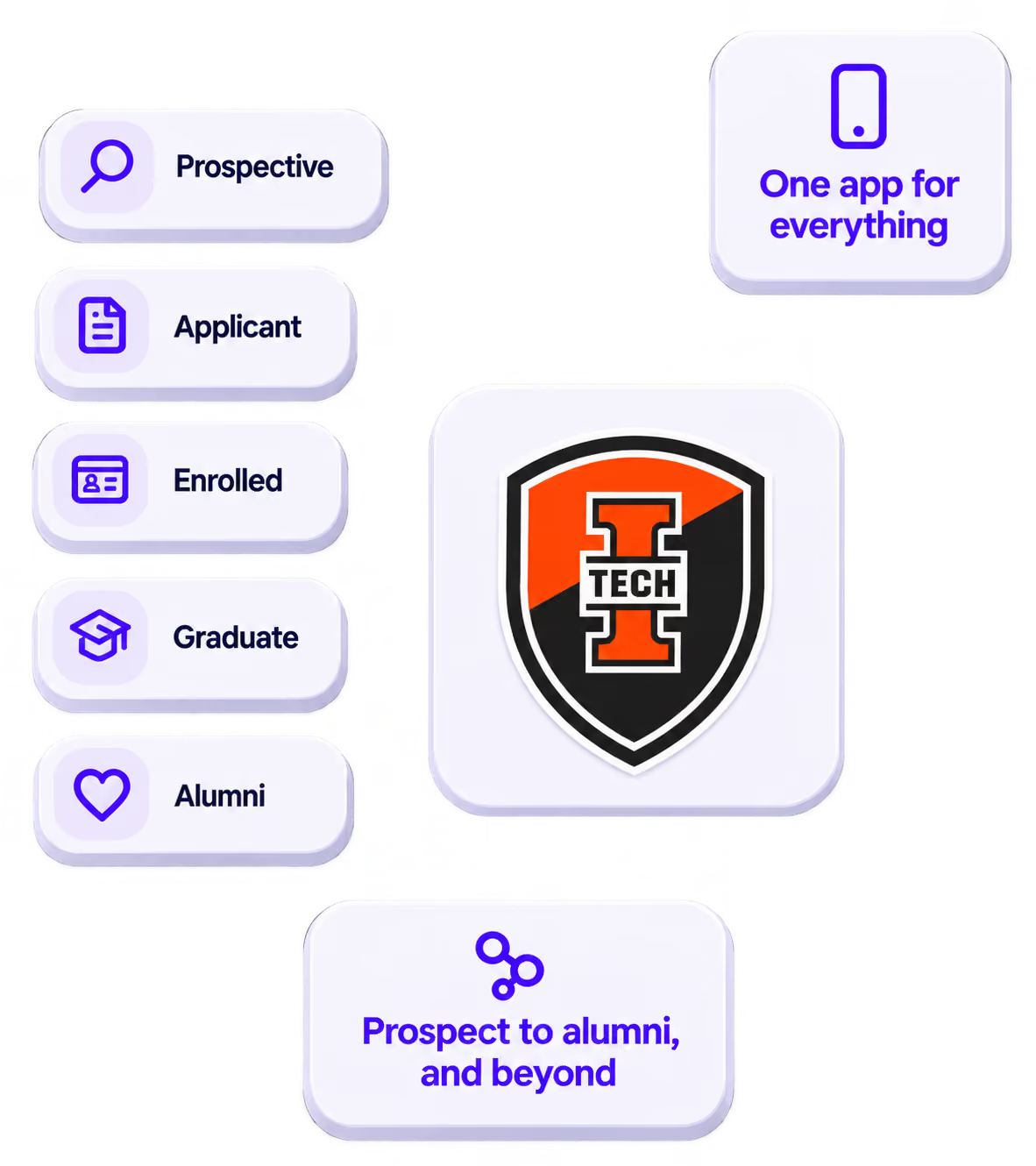
The power of your brand in your app, from first visit to alumni.
Build trust
Attendees download your app, not ours. Your name, colors, and crest in the stores.
.avif)
One place for the whole event
Schedules, maps, registration, and updates in one branded hub - not five tools.
Stand out
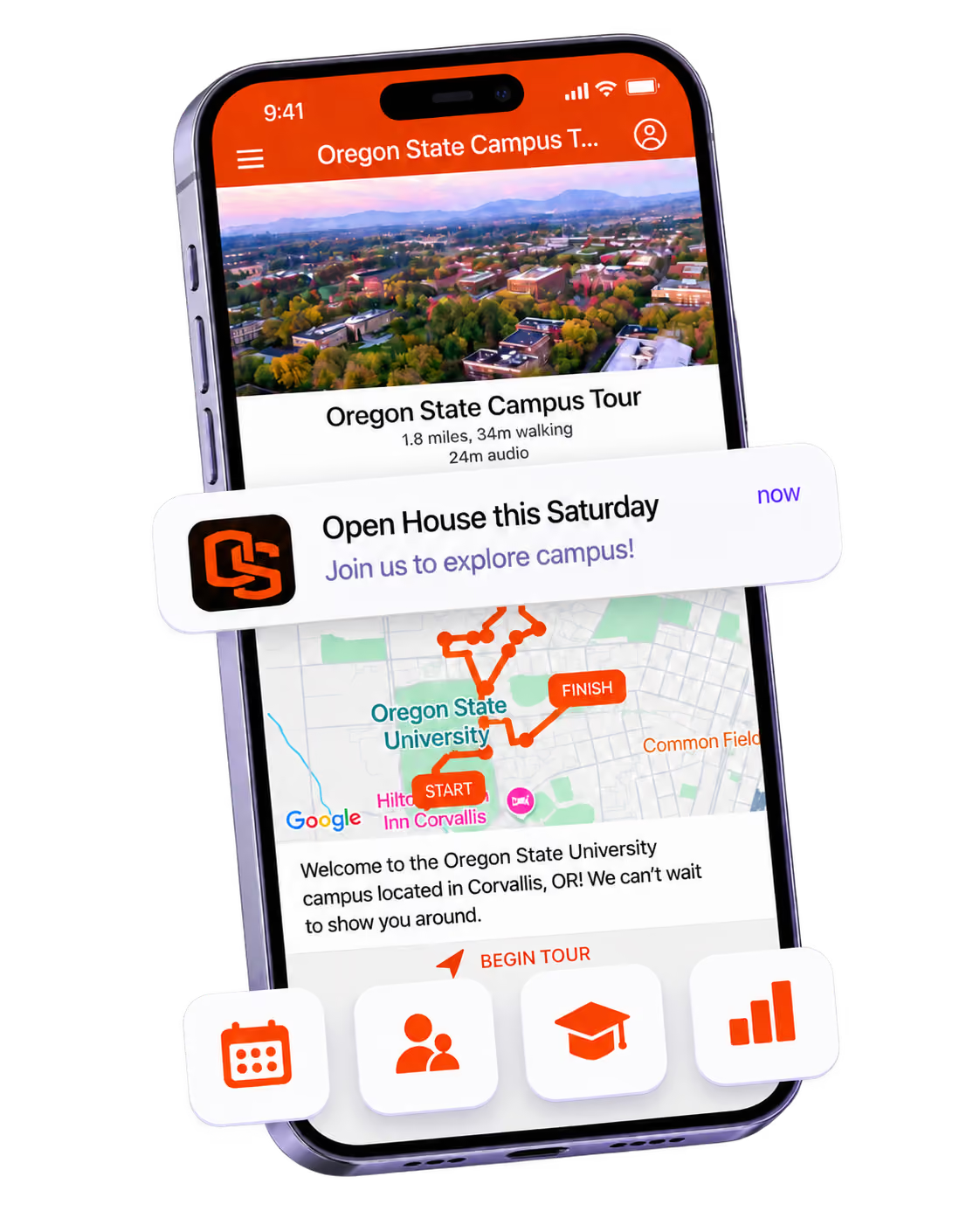
A branded app is what people keep on their phone after the printed program is in the recycling.

Get the Mobile App Playbook
A short guide to running the whole student journey in one app. No fluff, just what works.
for higher ed
Campus
Playbook
A practical guide to building a connected campus experience.
Free playbook
The Mobile App Playbook for Universities
Students decide if they belong long before they set foot on campus. This playbook shows how to win them over from the first visit through graduation.
- Grow enrollment and boost recruitment
- Increase belonging and retention
- Run every event from one branded app
By submitting, you agree to our Privacy Policy.
You're in.
.png)