
Campus apps by department
Admissions, orientation, student life, and more — one campus app that works across departments.

Campus apps by department
Admissions, orientation, student life, and more — one campus app that works across departments.
Build unlimited event apps on one license
One partnership for unlimited campus events — orientation, tours, student life, and everything in between.
Build unlimited event apps on one license
One partnership for unlimited campus events — orientation, tours, student life, and everything in between.
Compare event app platforms
See how Guidebook stacks up against other event app and registration platforms.
Compare event app platforms
See how Guidebook stacks up against other event app and registration platforms.
Event apps for nonprofit and community programs
Give members, volunteers, and donors one branded app for conferences, fundraisers, and year-round community.
Event apps for nonprofit and community programs
Give members, volunteers, and donors one branded app for conferences, fundraisers, and year-round community.
Campus integrations and an open API
Connect Guidebook with the campus systems, APIs, and tools your team already uses.
Campus integrations and an open API
Connect Guidebook with the campus systems, APIs, and tools your team already uses.
Event apps for corporate and enterprise teams
Internal meetings, offsites, and large-scale corporate events — with the branding and control enterprise teams need.
Event apps for corporate and enterprise teams
Internal meetings, offsites, and large-scale corporate events — with the branding and control enterprise teams need.
Create a branded event app with no coding
Put schedules, maps, resources, and updates in every attendee's pocket — built for campus events and programs.
Create a branded event app with no coding
Put schedules, maps, resources, and updates in every attendee's pocket — built for campus events and programs.
Launch a branded, white-label event app
A white-label event app with your branding, your content, and your attendee experience — no coding required.
Launch a branded, white-label event app
A white-label event app with your branding, your content, and your attendee experience — no coding required.
Everything in the Guidebook platform
Explore the features event teams use to engage attendees before, during, and after the event.
Everything in the Guidebook platform
Explore the features event teams use to engage attendees before, during, and after the event.
One app for in-person and virtual attendees
The same schedule, networking, and updates whether people are in the room or joining remotely.
One app for in-person and virtual attendees
The same schedule, networking, and updates whether people are in the room or joining remotely.
Event apps built for associations
Annual meetings, chapter events, and member engagement — without rebuilding a new app every year.
Event apps built for associations
Annual meetings, chapter events, and member engagement — without rebuilding a new app every year.
A branded event website that matches the app
Promote the event, collect interest, and keep branding consistent from the first click to check-in.
A branded event website that matches the app
Promote the event, collect interest, and keep branding consistent from the first click to check-in.
Plan, run, and measure events on one platform
App, registration, badges, and websites in one workflow — so planning isn't a pile of disconnected tools.
Plan, run, and measure events on one platform
App, registration, badges, and websites in one workflow — so planning isn't a pile of disconnected tools.
Keep members engaged between events
One branded app for the conference and everything that happens the other 51 weeks of the year.
Keep members engaged between events
One branded app for the conference and everything that happens the other 51 weeks of the year.
The conference app attendees actually use
Schedules, maps, networking, and live updates for annual meetings, summits, and multi-day conferences.
The conference app attendees actually use
Schedules, maps, networking, and live updates for annual meetings, summits, and multi-day conferences.
Registration that feeds your app and badges
Collect registrations, payments, and attendee data in the same platform as your event app.
Registration that feeds your app and badges
Collect registrations, payments, and attendee data in the same platform as your event app.
Design and print event badges in one place
Custom badges, QR check-in, and on-site printing — without a separate badge vendor.
Design and print event badges in one place
Custom badges, QR check-in, and on-site printing — without a separate badge vendor.
A Smaller School?
Deliver a polished, branded event experience without a large team or a big budget.
A Smaller School?
Deliver a polished, branded event experience without a large team or a big budget.
Running Family Programs?
Give families everything they need, from schedules and maps to real-time updates, all in one place.
Running Family Programs?
Give families everything they need, from schedules and maps to real-time updates, all in one place.
Coordinating Move-In Day?
Share updates, manage events, and keep students informed from move-in through the academic year.

Coordinating Move-In Day?
Share updates, manage events, and keep students informed from move-in through the academic year.
Offering Campus Tours?
Deliver branded, self-guided tour experiences with interactive maps and rich media, available 24/7.

Offering Campus Tours?
Deliver branded, self-guided tour experiences with interactive maps and rich media, available 24/7.
Organising a Career Fair?
Simplify logistics for students, employers, and Career Services staff with one easy-to-use app.
Organising a Career Fair?
Simplify logistics for students, employers, and Career Services staff with one easy-to-use app.
Managing Alumni Events?
Plan reunions, regional events, and fundraising campaigns with an app built for alumni engagement.
Managing Alumni Events?
Plan reunions, regional events, and fundraising campaigns with an app built for alumni engagement.
Boost Student Engagement
One hub for schedules, resources, and events that keeps students connected throughout the academic year.
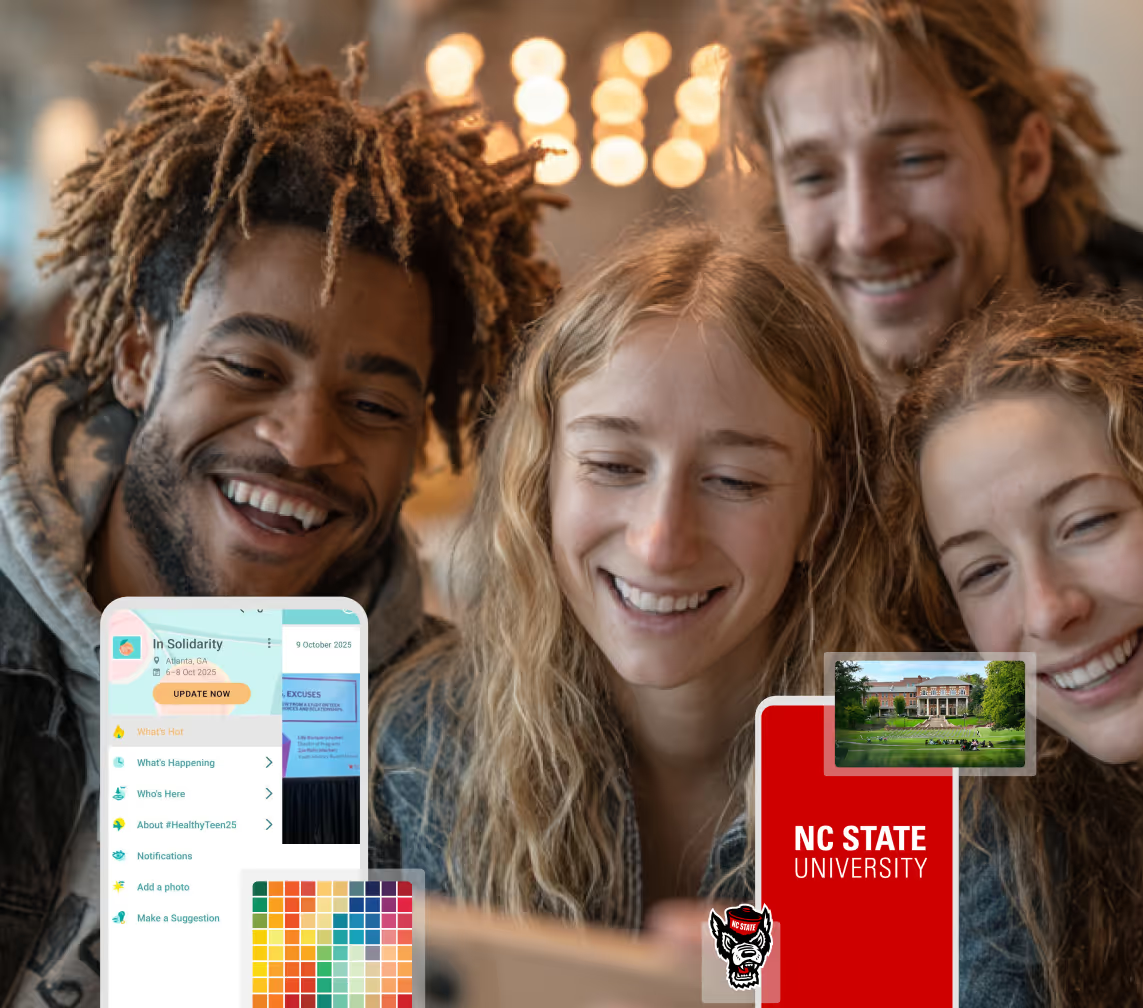
Boost Student Engagement
One hub for schedules, resources, and events that keeps students connected throughout the academic year.
Planning Orientation?
Help new students feel prepared from day one with schedules, campus resources, and real-time updates in one app.
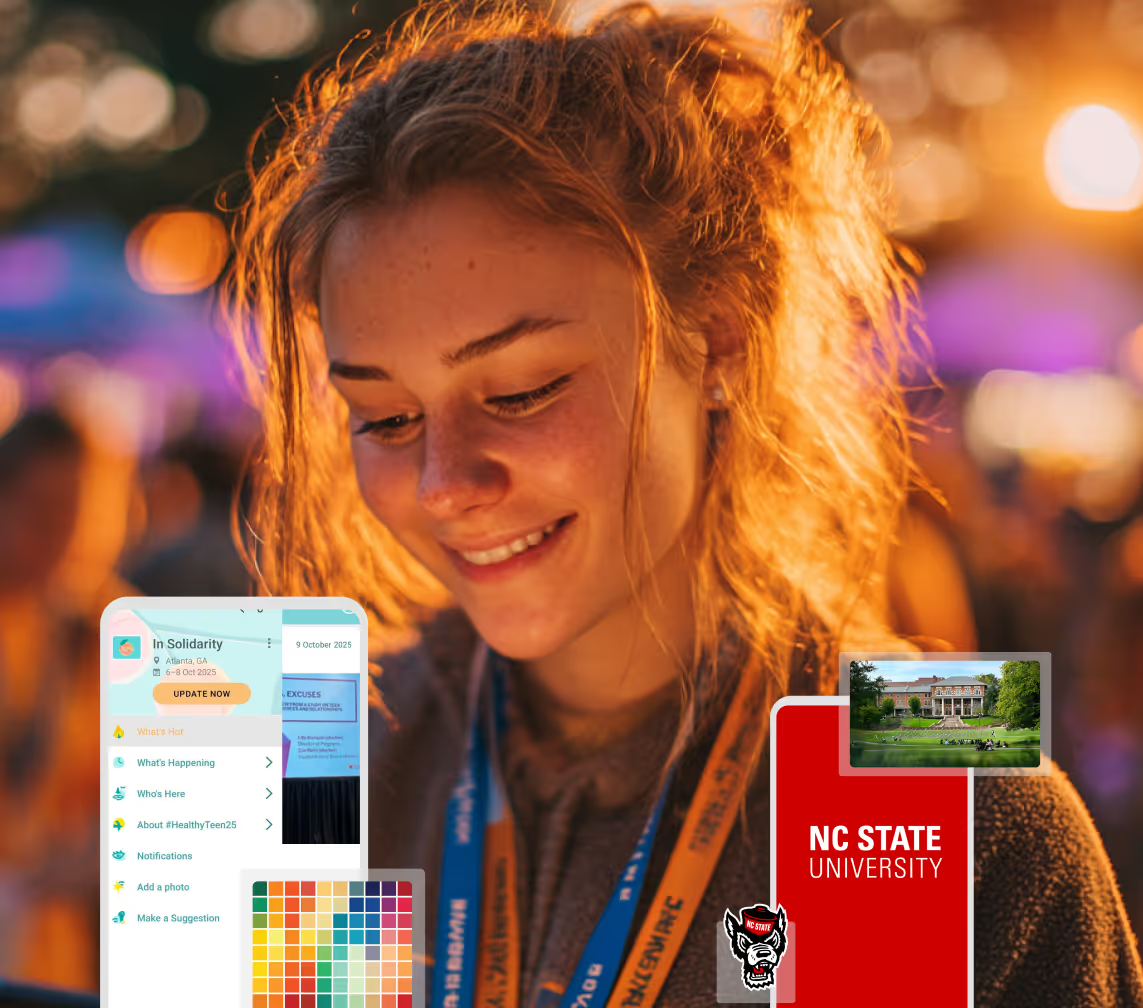
Planning Orientation?
Help new students feel prepared from day one with schedules, campus resources, and real-time updates in one app.
Running Admissions Events?
Manage open houses, tours, and yield events with a branded app that saves time and engages prospective students.

Running Admissions Events?
Manage open houses, tours, and yield events with a branded app that saves time and engages prospective students.
Get a custom Sponsorship Package Template
Stop starting from scratch. Grab free templates that helWe'll build a tailored sponsorship package with suggested pricing, tiers, and benefits..for your specific event.p you build professional sponsorship packages and close deals faster.
Get a custom Sponsorship Package Template
Stop starting from scratch. Grab free templates that helWe'll build a tailored sponsorship package with suggested pricing, tiers, and benefits..for your specific event.p you build professional sponsorship packages and close deals faster.
Plan Your Next Event Without Missing a Beat.
From venue selection to post-event wrap-up, this free checklist walks you through every step (so nothing falls through the cracks).
.avif)
Plan Your Next Event Without Missing a Beat.
From venue selection to post-event wrap-up, this free checklist walks you through every step (so nothing falls through the cracks).
Real Results From Real Events
100,000+ organizations trust Guidebook. See exactly how universities, associations, enterprises, and more put it to work.

Real Results From Real Events
100,000+ organizations trust Guidebook. See exactly how universities, associations, enterprises, and more put it to work.
Flexible pricing for every event size
Find the perfect plan for your needs, from intimate gatherings to large-scale conferences.

Flexible pricing for every event size
Find the perfect plan for your needs, from intimate gatherings to large-scale conferences.
Join our event experts
Watch on-demand webinars and join live sessions with industry leaders sharing best practices for event success.
.avif)
Join our event experts
Watch on-demand webinars and join live sessions with industry leaders sharing best practices for event success.
Guidebook in Action
Book a personalized walkthrough and discover how we help event teams create better attendee experiences.
Guidebook in Action
Book a personalized walkthrough and discover how we help event teams create better attendee experiences.

How to Start Event Organizing Business
Learn how to start an event organizing business with step-by-step guides, essential tools, marketing strategies, and tips for building a successful brand.

Starting a Event Organizing Business means launching a professional venture that plans, coordinates, and executes memorable events for clients across industries. This entrepreneurial path covers everything from corporate conferences to weddings and community gatherings. It's one of the most rewarding ways to turn creativity and organizational skills into a thriving career.
Here's the thing: starting an event business isn't just about loving parties. It requires solid business foundations, industry knowledge, and the right tools. Many aspiring planners jump in without understanding the full scope. The successful ones treat it like any serious business—with strategy, systems, and a clear niche.
Key Characteristics of Starting an Event Organizing Business
- Service-Based Model: You're selling expertise, creativity, and execution rather than physical products. Your reputation becomes your most valuable asset.
- Low Startup Costs: Compared to retail or manufacturing, event businesses can launch with minimal investment. A laptop, phone, and strong network get you started.
- Flexible Structure: You can operate as a solo planner, build a team, or create a hybrid model. The business scales based on your goals and capacity.
- Relationship-Driven: Success depends on vendor partnerships, client trust, and word-of-mouth referrals. Every event is a networking opportunity.
- Project-Based Revenue: Income flows from individual events rather than recurring subscriptions. This creates feast-or-famine cycles without proper planning.
- High Emotional Stakes: Clients invest significant money and expectations into their events. You're responsible for moments that matter deeply to them.
Start Event Organizing Business vs. Related Career Paths
Freelance Event Coordinator
- Scope: Works on individual events as a contractor
- Focus: Day-of execution and logistics management
- Timeline: Short-term project engagements
- Channels: Hired by planners, venues, or clients directly
- Goal: Earn income without building a full business
In-House Event Manager
- Scope: Handles events for a single organization
- Focus: Company meetings, conferences, and internal programs
- Timeline: Ongoing employment with steady salary
- Channels: Works within corporate structure
- Goal: Support organizational objectives through events
Event Business Owner
- Scope: Serves multiple clients across various event types
- Focus: Full-service planning, marketing, and business growth
- Timeline: Long-term business building with client portfolio
- Channels: Direct client acquisition and vendor partnerships
- Goal: Build a profitable, scalable enterprise
Understanding these distinctions helps you choose the right path. Many planners start as coordinators, gain experience, then launch their own businesses. The event coordinator role description provides a solid foundation for understanding day-to-day responsibilities.
Essential Steps to Start Your Event Business
Define Your Niche and Services
Don't try to do everything. Specializing makes marketing easier and builds expertise faster. Consider focusing on corporate events, weddings, nonprofit galas, or team building events.
Research your local market. What's missing? Where's the demand? Your niche should balance passion with profitability.
Create Your Business Foundation
Handle the legal basics first:
- Register your business name and structure (LLC recommended)
- Get proper insurance coverage
- Set up business banking accounts
- Create contracts and service agreements
- Establish your pricing structure
Build Your Vendor Network
Your vendor relationships determine your success. Start connecting with caterers, photographers, venues, and rental companies. Attend industry events and join local business associations.
Strong vendor partnerships mean better pricing, priority booking, and reliable execution. Treat vendors as partners, not just suppliers.
Develop Your Marketing Strategy
New event businesses need visibility. Focus on these channels:
- Professional website with portfolio
- Social media presence (Instagram works well for events)
- Google Business Profile for local searches
- Networking at industry events
- Referral programs with past clients
Learn more about how to advertise events effectively. These same principles apply to marketing your business.
Invest in the Right Tools
Technology streamlines operations and impresses clients. Essential tools include:
- Project management software
- Event check-in software
- Client relationship management (CRM)
- Accounting and invoicing platforms
- Event apps for attendee engagement
The Event Planning Process for New Businesses
Client Discovery and Proposals
Every event starts with understanding client needs. Ask detailed questions about goals, budget, audience, and vision. Document everything.
Create professional proposals that outline scope, timeline, and pricing. Clear proposals prevent scope creep and set expectations. The event planning process guide covers this in depth.
Planning and Coordination
This phase involves the heavy lifting:
- Venue selection and booking
- Vendor coordination and contracts
- Timeline and run-of-show creation
- Budget tracking and management
- Client communication and approvals
Use event planning resources to streamline your workflow. Templates save hours on every project.
Execution and Day-Of Management
Event day requires calm under pressure. Arrive early, brief your team, and have backup plans ready. Problems will happen—your response defines your reputation.
Document everything with photos and notes. This content fuels your marketing and helps with post-event analysis.
Post-Event Follow-Up
The event ends, but your work doesn't. Send thank-you notes, request testimonials, and conduct debriefs. Use an event debrief template to capture lessons learned.
Calculate your event ROI to understand profitability. This data improves pricing and operations over time.
Why Starting an Event Organizing Business Matters
For Event Success:
- Professional Expertise: Clients get experienced guidance through complex planning decisions
- Vendor Access: Established relationships mean better options and pricing for clients
- Stress Reduction: Professional planners handle details so clients enjoy their events
- Creative Vision: Fresh ideas and industry knowledge elevate event experiences
- Problem Prevention: Experience helps anticipate and avoid common pitfalls
For Business Objectives:
- Flexible Income: Control your earning potential through client volume and pricing
- Creative Fulfillment: Turn passion for events into a sustainable career
- Scalable Growth: Build from solo operator to full agency over time
- Industry Impact: Shape how people celebrate, connect, and do business
- Work-Life Balance: Design a schedule that fits your lifestyle goals
Modern event businesses leverage technology to compete with larger firms. Platforms like Guidebook's event management platform help small businesses deliver professional experiences without massive overhead.
Start Event Organizing Business Best Practices
- Start Small and Grow Strategically: Take on manageable projects first. Build your portfolio and confidence before pursuing larger events.
- Document Everything: Create systems for contracts, timelines, and communications. Good documentation protects you and improves efficiency.
- Price for Profit: Calculate all costs including your time. Underpricing hurts the industry and burns you out fast.
- Build Before You Need: Develop vendor relationships and marketing presence before you're desperate for clients.
- Specialize First, Expand Later: Master one event type before diversifying. Expertise commands higher fees.
- Invest in Professional Development: Stay current with event trends and industry certifications. Learning never stops.
- Create Repeatable Processes: Templates and checklists ensure consistency. Use event management tips to refine your approach.
- Leverage Technology Early: Modern tools like event registration systems and mobile apps set you apart from competitors.
- Protect Your Business: Get proper insurance, use contracts, and maintain professional boundaries with clients.
- Ask for Referrals: Happy clients want to help. Make it easy for them to recommend you.
Common Start Event Organizing Business Mistakes
Skipping the Business Plan: Many planners jump straight into taking clients without defining their business model. This leads to inconsistent pricing, unclear services, and financial struggles. Take time to plan before you launch.
Underestimating Startup Costs: While event businesses have low overhead, you still need funds for insurance, marketing, software, and operating expenses. Running out of cash kills promising businesses.
Saying Yes to Everything: Taking every project regardless of fit damages your brand and exhausts your resources. Learn to decline events outside your expertise or budget range.
Neglecting Contracts: Handshake deals lead to disputes. Every client needs a signed contract covering scope, payment terms, and cancellation policies. Protect yourself legally.
Ignoring Digital Marketing: Word-of-mouth alone won't sustain growth. Invest in event digital marketing and event SEO to attract clients consistently.
Working Without Systems: Reinventing your process for every event wastes time and creates errors. Build templates, checklists, and workflows from day one.
Forgetting Self-Care: Event planning is demanding. Burnout destroys businesses and health. Set boundaries and take breaks between busy seasons.
Final Thoughts
Starting an event organizing business offers incredible opportunities for creative, organized professionals. The industry continues growing as people value experiences over possessions. Your skills can create moments that matter.
Success requires more than passion. You need business acumen, strong systems, and the right technology stack. The planners who thrive treat their ventures as serious businesses while maintaining the joy that drew them to events.
The barrier to entry is low, but the bar for excellence is high. Clients have endless options. Standing out means delivering exceptional experiences consistently. That's where proper tools and processes make the difference.
Ready to build your event business the smart way? Explore what event planning really involves, check out professional templates to streamline your workflow, and see how Guidebook's platform can help you deliver polished, professional events from day one. Your event business journey starts with a single step—make it count.
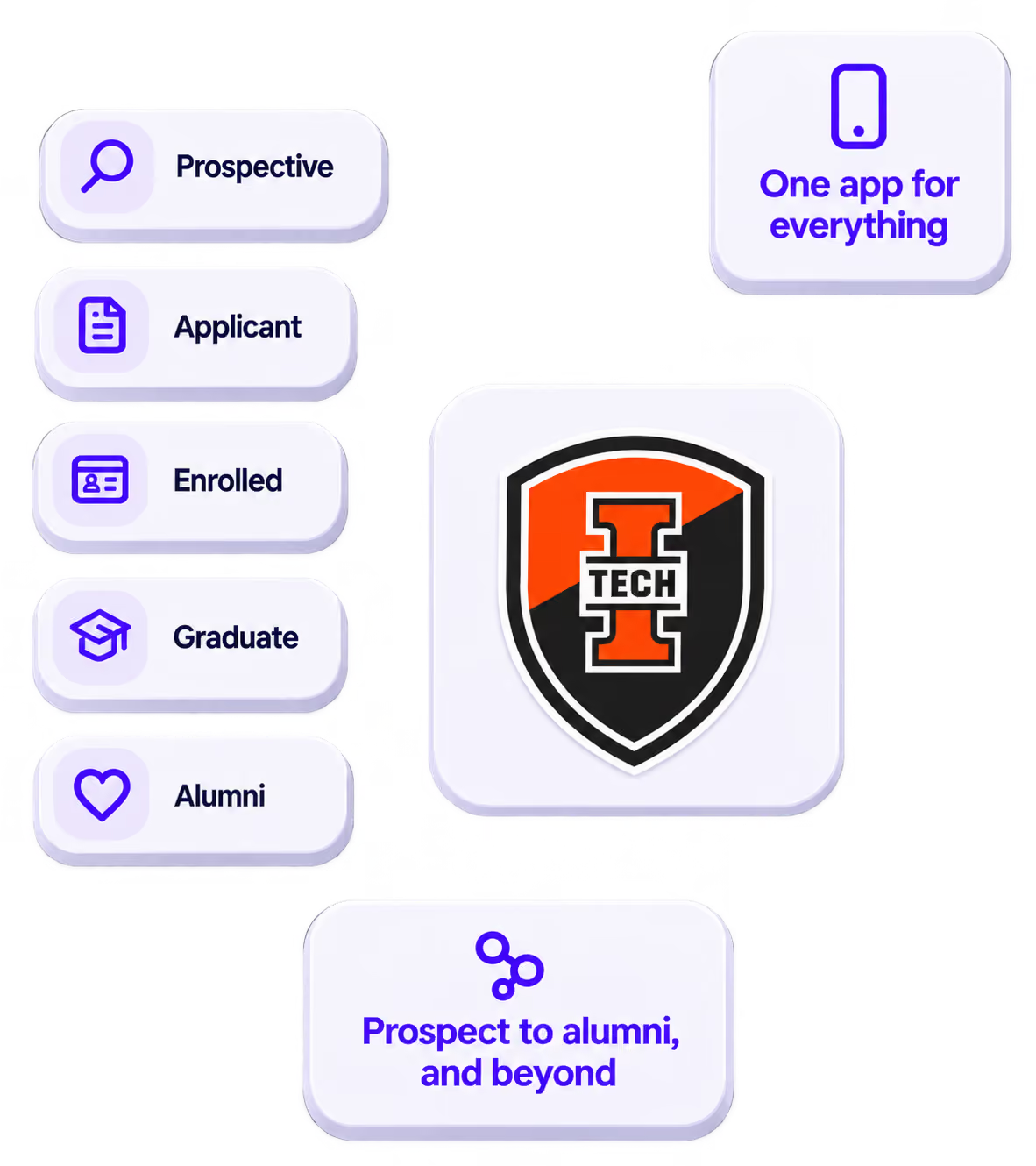
The power of your brand in your app, from first visit to alumni.
Build trust
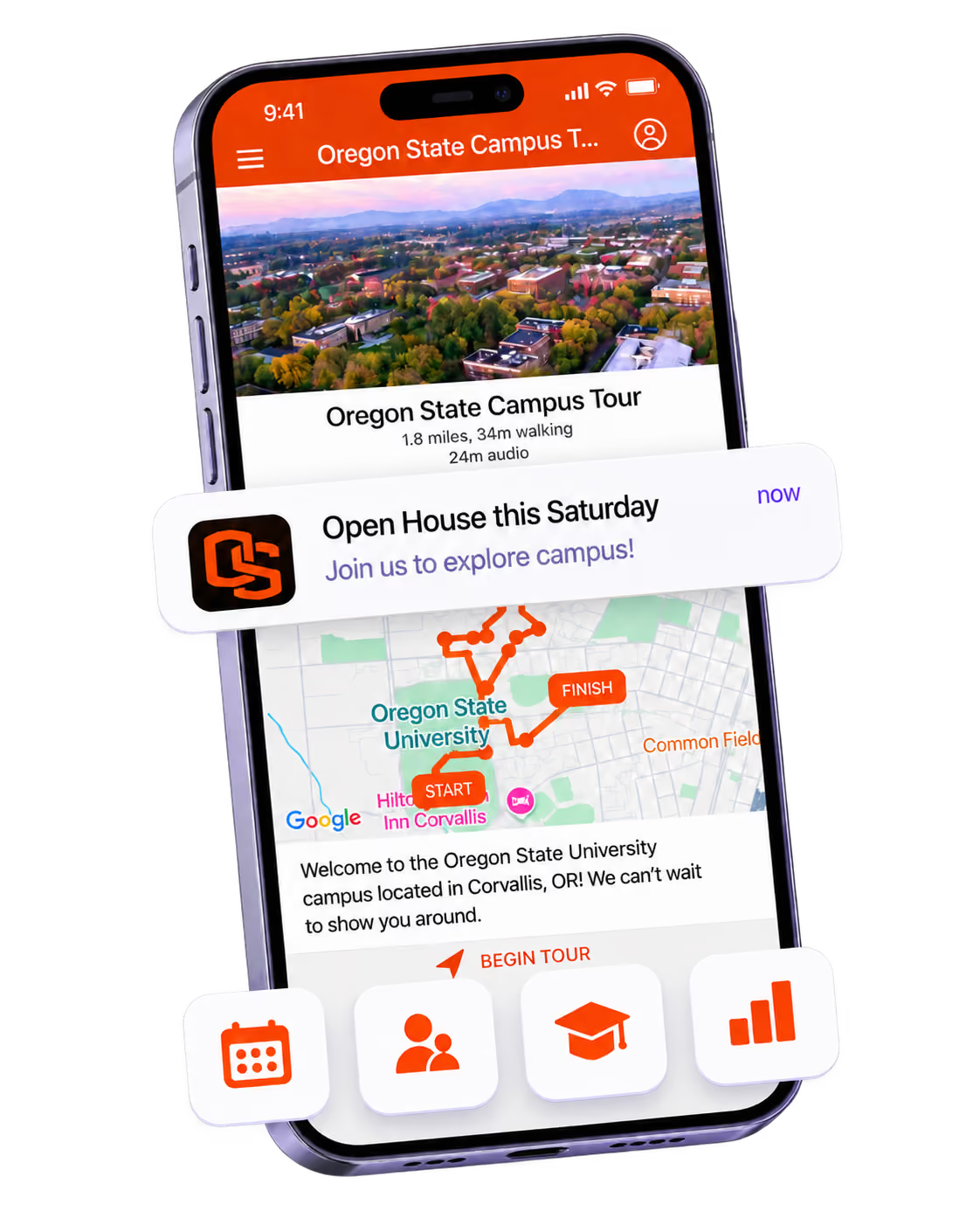
Attendees download your app, not ours. Your name, colors, and crest in the stores.
.avif)
One place for the whole event
Schedules, maps, registration, and updates in one branded hub - not five tools.
Stand out
A branded app is what people keep on their phone after the printed program is in the recycling.

Get the Mobile App Playbook
A short guide to running the whole student journey in one app. No fluff, just what works.
for higher ed
Campus
Playbook
A practical guide to building a connected campus experience.
Free playbook
The Mobile App Playbook for Universities
Students decide if they belong long before they set foot on campus. This playbook shows how to win them over from the first visit through graduation.
- Grow enrollment and boost recruitment
- Increase belonging and retention
- Run every event from one branded app
By submitting, you agree to our Privacy Policy.
You're in.
.png)