
Campus apps by department
Admissions, orientation, student life, and more — one campus app that works across departments.

Campus apps by department
Admissions, orientation, student life, and more — one campus app that works across departments.
Build unlimited event apps on one license
One partnership for unlimited campus events — orientation, tours, student life, and everything in between.
Build unlimited event apps on one license
One partnership for unlimited campus events — orientation, tours, student life, and everything in between.
Compare event app platforms
See how Guidebook stacks up against other event app and registration platforms.
Compare event app platforms
See how Guidebook stacks up against other event app and registration platforms.
Event apps for nonprofit and community programs
Give members, volunteers, and donors one branded app for conferences, fundraisers, and year-round community.
Event apps for nonprofit and community programs
Give members, volunteers, and donors one branded app for conferences, fundraisers, and year-round community.
Campus integrations and an open API
Connect Guidebook with the campus systems, APIs, and tools your team already uses.
Campus integrations and an open API
Connect Guidebook with the campus systems, APIs, and tools your team already uses.
Event apps for corporate and enterprise teams
Internal meetings, offsites, and large-scale corporate events — with the branding and control enterprise teams need.
Event apps for corporate and enterprise teams
Internal meetings, offsites, and large-scale corporate events — with the branding and control enterprise teams need.
Create a branded event app with no coding
Put schedules, maps, resources, and updates in every attendee's pocket — built for campus events and programs.
Create a branded event app with no coding
Put schedules, maps, resources, and updates in every attendee's pocket — built for campus events and programs.
Launch a branded, white-label event app
A white-label event app with your branding, your content, and your attendee experience — no coding required.
Launch a branded, white-label event app
A white-label event app with your branding, your content, and your attendee experience — no coding required.
Everything in the Guidebook platform
Explore the features event teams use to engage attendees before, during, and after the event.
Everything in the Guidebook platform
Explore the features event teams use to engage attendees before, during, and after the event.
One app for in-person and virtual attendees
The same schedule, networking, and updates whether people are in the room or joining remotely.
One app for in-person and virtual attendees
The same schedule, networking, and updates whether people are in the room or joining remotely.
Event apps built for associations
Annual meetings, chapter events, and member engagement — without rebuilding a new app every year.
Event apps built for associations
Annual meetings, chapter events, and member engagement — without rebuilding a new app every year.
A branded event website that matches the app
Promote the event, collect interest, and keep branding consistent from the first click to check-in.
A branded event website that matches the app
Promote the event, collect interest, and keep branding consistent from the first click to check-in.
Plan, run, and measure events on one platform
App, registration, badges, and websites in one workflow — so planning isn't a pile of disconnected tools.
Plan, run, and measure events on one platform
App, registration, badges, and websites in one workflow — so planning isn't a pile of disconnected tools.
Keep members engaged between events
One branded app for the conference and everything that happens the other 51 weeks of the year.
Keep members engaged between events
One branded app for the conference and everything that happens the other 51 weeks of the year.
The conference app attendees actually use
Schedules, maps, networking, and live updates for annual meetings, summits, and multi-day conferences.
The conference app attendees actually use
Schedules, maps, networking, and live updates for annual meetings, summits, and multi-day conferences.
Registration that feeds your app and badges
Collect registrations, payments, and attendee data in the same platform as your event app.
Registration that feeds your app and badges
Collect registrations, payments, and attendee data in the same platform as your event app.
Design and print event badges in one place
Custom badges, QR check-in, and on-site printing — without a separate badge vendor.
Design and print event badges in one place
Custom badges, QR check-in, and on-site printing — without a separate badge vendor.
A Smaller School?
Deliver a polished, branded event experience without a large team or a big budget.
A Smaller School?
Deliver a polished, branded event experience without a large team or a big budget.
Running Family Programs?
Give families everything they need, from schedules and maps to real-time updates, all in one place.
Running Family Programs?
Give families everything they need, from schedules and maps to real-time updates, all in one place.
Coordinating Move-In Day?
Share updates, manage events, and keep students informed from move-in through the academic year.

Coordinating Move-In Day?
Share updates, manage events, and keep students informed from move-in through the academic year.
Offering Campus Tours?
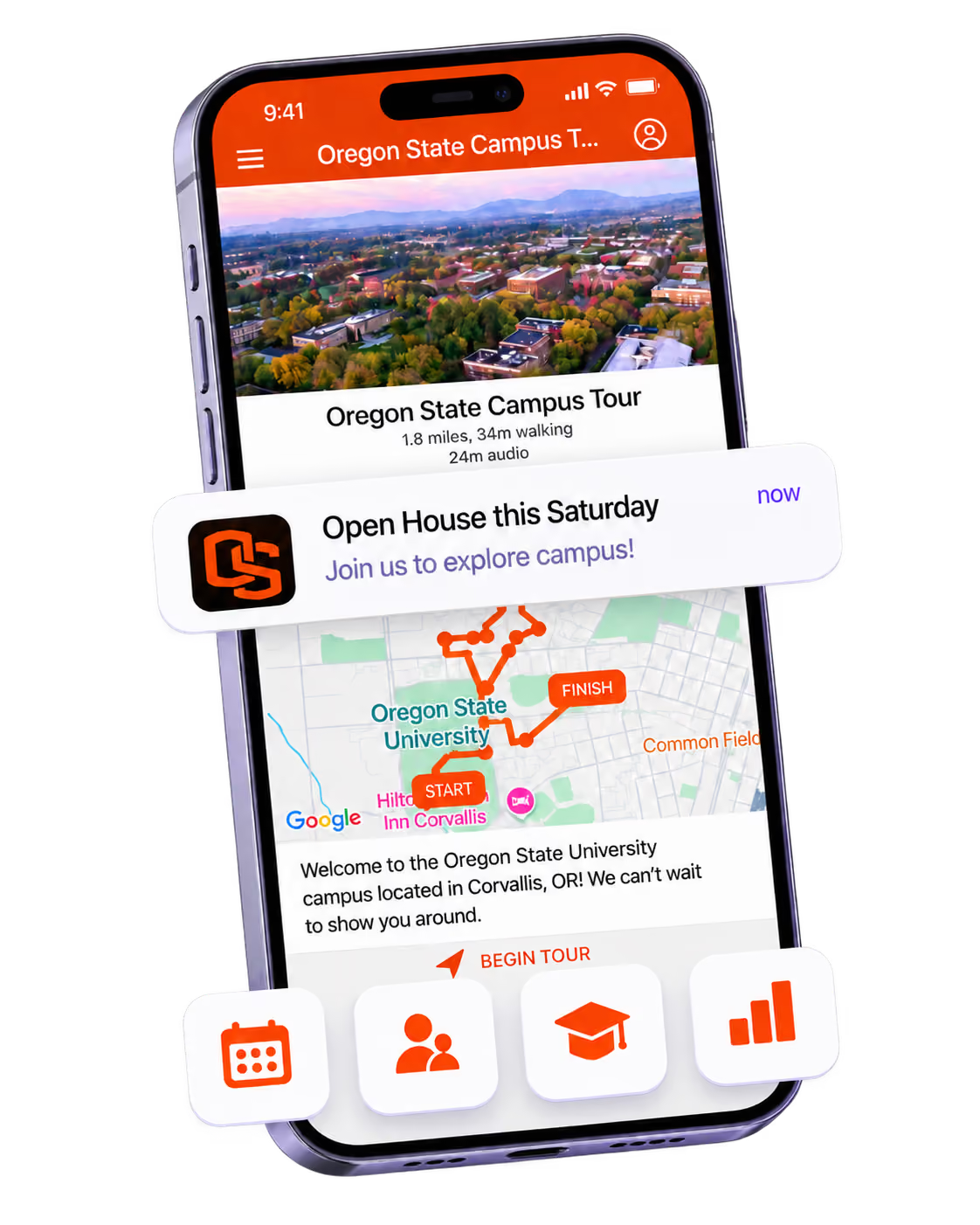
Deliver branded, self-guided tour experiences with interactive maps and rich media, available 24/7.

Offering Campus Tours?
Deliver branded, self-guided tour experiences with interactive maps and rich media, available 24/7.
Organising a Career Fair?
Simplify logistics for students, employers, and Career Services staff with one easy-to-use app.
Organising a Career Fair?
Simplify logistics for students, employers, and Career Services staff with one easy-to-use app.
Managing Alumni Events?
Plan reunions, regional events, and fundraising campaigns with an app built for alumni engagement.
Managing Alumni Events?
Plan reunions, regional events, and fundraising campaigns with an app built for alumni engagement.
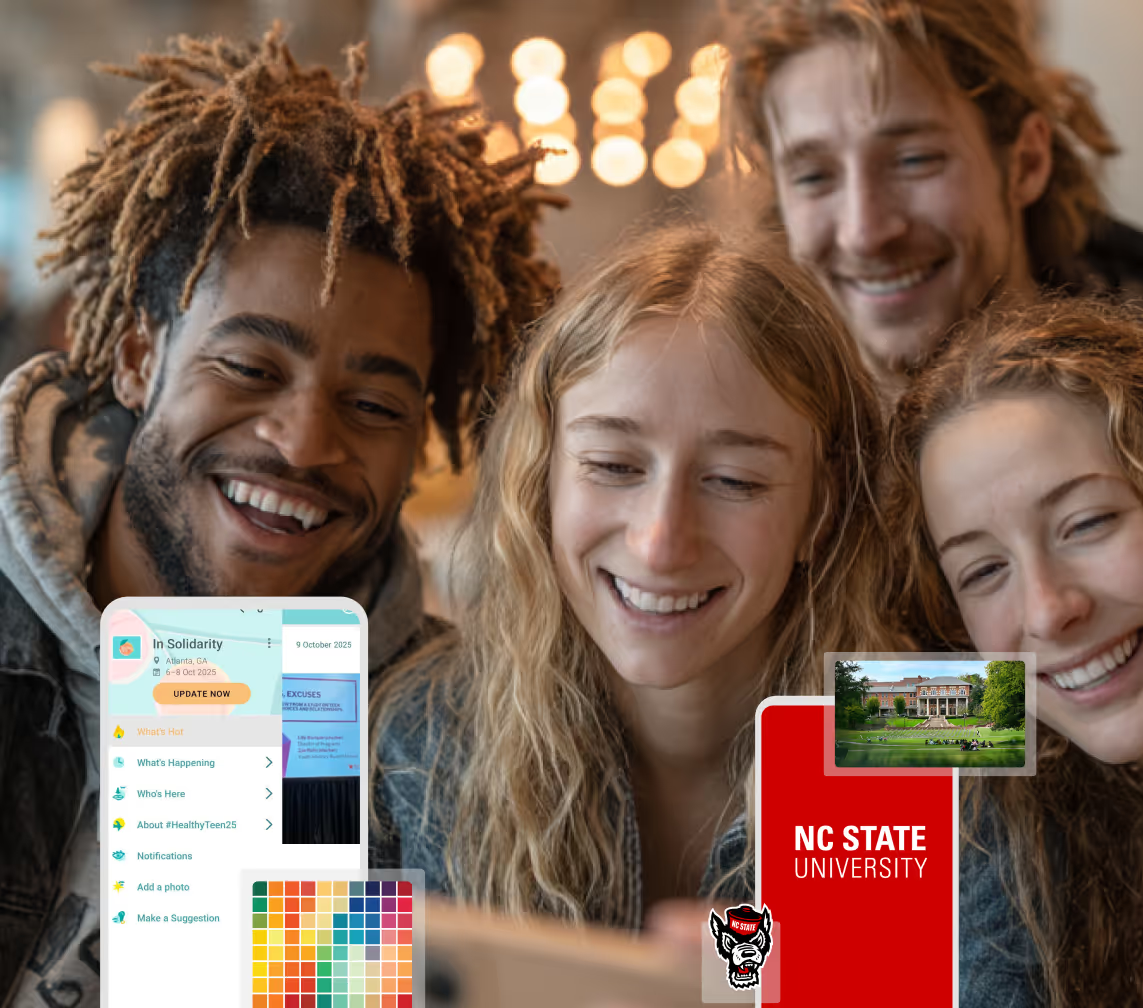
Boost Student Engagement
One hub for schedules, resources, and events that keeps students connected throughout the academic year.
Boost Student Engagement
One hub for schedules, resources, and events that keeps students connected throughout the academic year.
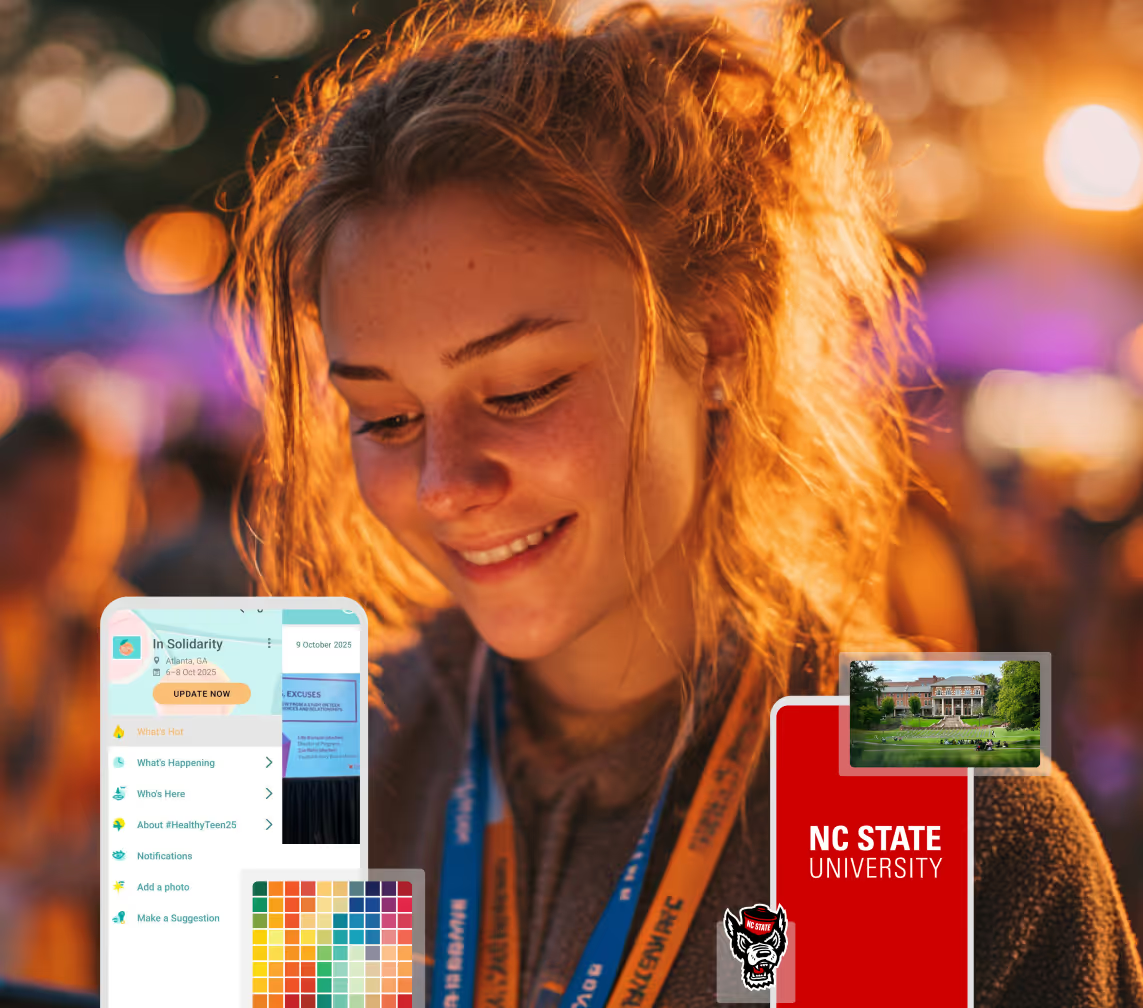
Planning Orientation?
Help new students feel prepared from day one with schedules, campus resources, and real-time updates in one app.
Planning Orientation?
Help new students feel prepared from day one with schedules, campus resources, and real-time updates in one app.
Running Admissions Events?
Manage open houses, tours, and yield events with a branded app that saves time and engages prospective students.

Running Admissions Events?
Manage open houses, tours, and yield events with a branded app that saves time and engages prospective students.
Get a custom Sponsorship Package Template
Stop starting from scratch. Grab free templates that helWe'll build a tailored sponsorship package with suggested pricing, tiers, and benefits..for your specific event.p you build professional sponsorship packages and close deals faster.
Get a custom Sponsorship Package Template
Stop starting from scratch. Grab free templates that helWe'll build a tailored sponsorship package with suggested pricing, tiers, and benefits..for your specific event.p you build professional sponsorship packages and close deals faster.
Plan Your Next Event Without Missing a Beat.
From venue selection to post-event wrap-up, this free checklist walks you through every step (so nothing falls through the cracks).
.avif)
Plan Your Next Event Without Missing a Beat.
From venue selection to post-event wrap-up, this free checklist walks you through every step (so nothing falls through the cracks).
Real Results From Real Events
100,000+ organizations trust Guidebook. See exactly how universities, associations, enterprises, and more put it to work.

Real Results From Real Events
100,000+ organizations trust Guidebook. See exactly how universities, associations, enterprises, and more put it to work.
Flexible pricing for every event size
Find the perfect plan for your needs, from intimate gatherings to large-scale conferences.
Flexible pricing for every event size
Find the perfect plan for your needs, from intimate gatherings to large-scale conferences.
Join our event experts
Watch on-demand webinars and join live sessions with industry leaders sharing best practices for event success.
.avif)
Join our event experts
Watch on-demand webinars and join live sessions with industry leaders sharing best practices for event success.
Guidebook in Action
Book a personalized walkthrough and discover how we help event teams create better attendee experiences.
Guidebook in Action
Book a personalized walkthrough and discover how we help event teams create better attendee experiences.
What is a Gala Event?
Gala events are elegant gatherings designed for celebration, fundraising, or recognition. Discover gala types, planning tips, and ideas to create a memorable experience.
A gala Event is a prestigious, formal gathering designed to celebrate achievements, raise funds, or honor special occasions through elegant dining, entertainment, and networking. These upscale events range from charity fundraisers and award ceremonies to corporate celebrations and milestone anniversaries. A well-executed gala creates lasting impressions and drives meaningful results.
Here's the thing: galas aren't just fancy parties. They're strategic events with clear goals. Whether you're raising money for a cause or celebrating company wins, every detail serves a purpose. The formal atmosphere creates an environment where guests feel special—and that feeling translates into action.
Key Characteristics of a Gala Event
- Formal Dress Code: Guests typically wear black-tie or cocktail attire. This sets the tone and signals the event's importance from the moment invitations arrive.
- Elegant Venue: Galas take place in upscale locations like ballrooms, museums, or historic estates. The venue itself becomes part of the experience.
- Structured Program: A typical gala includes a reception, seated dinner, speeches, and entertainment. Each segment flows into the next with purpose.
- Fundraising Component: Many galas feature silent auctions, live auctions, or donation appeals. These elements turn goodwill into tangible support.
- High-Profile Guest List: Attendees often include donors, executives, celebrities, or community leaders. The guest list reflects the event's prestige.
- Premium Catering: Multi-course plated dinners or gourmet stations are standard. Food quality matches the event's elevated atmosphere.
- Live Entertainment: Bands, orchestras, or headline performers add energy and memorability. Entertainment keeps guests engaged throughout the evening.
Gala Event vs. Related Event Types
Charity Dinner
- Scope: Focused specifically on fundraising for a cause
- Focus: Donor cultivation and giving appeals
- Timeline: Typically 3-4 hours with structured program
- Channels: Nonprofit networks and donor databases
- Goal: Maximize donations and donor retention
Awards Ceremony
- Scope: Centered on recognizing achievements
- Focus: Honorees and their accomplishments
- Timeline: 2-3 hours with presentation-heavy format
- Channels: Industry associations and media outlets
- Goal: Celebrate excellence and build prestige
Corporate Banquet
- Scope: Internal company celebration or milestone
- Focus: Employee recognition and team building
- Timeline: 2-4 hours with flexible programming
- Channels: Internal communications and HR
- Goal: Boost morale and company culture
All three share formal elements with galas. The key difference? Galas combine multiple purposes—celebration, fundraising, and networking—into one premium experience. Understanding these distinctions helps you choose the right format for your goals.
Essential Gala Event Components
Create a Compelling Theme
Your theme ties everything together. It influences décor, invitations, entertainment, and even menu choices. Strong themes create cohesive experiences guests remember.
Popular gala themes include masquerade balls, Old Hollywood glamour, and garden parties. Choose something that resonates with your audience and supports your cause.
Design the Guest Experience
Think through every touchpoint. From arrival to departure, each moment matters. Consider these elements:
- Valet parking or transportation coordination
- Red carpet photo opportunities
- Welcome drinks and hors d'oeuvres
- Seating arrangements that encourage networking
- Gift bags or parting favors
Plan Your Program Flow
A typical gala runs 4-5 hours. Here's a proven structure:
- 6:00 PM: Cocktail reception and silent auction
- 7:00 PM: Guests seated, welcome remarks
- 7:30 PM: Dinner service begins
- 8:30 PM: Program, speeches, live auction
- 9:30 PM: Entertainment and dancing
- 11:00 PM: Event concludes
Secure Sponsorships Early
Sponsors offset costs and add credibility. Start outreach 6-9 months before your event. Create tiered packages with clear benefits. Check out sponsorship package examples for inspiration.
Learn how to write a sponsorship letter that gets results. Personalization and clear value propositions win sponsors over.
The Gala Planning Process
Set Your Budget and Goals
Start with the end in mind. How much do you need to raise? How many guests will attend? What's your break-even point?
Typical gala budgets allocate funds like this:
- Venue and catering: 40-50%
- Entertainment: 15-20%
- Décor and rentals: 15-20%
- Marketing and invitations: 10%
- Contingency: 5-10%
Build Your Planning Timeline
Galas require 6-12 months of planning. Here's what to tackle when:
6-12 months out:
- Set date and secure venue
- Establish budget and goals
- Form planning committee
- Begin sponsor outreach
3-6 months out:
- Book entertainment and vendors
- Design invitations and marketing
- Launch ticket sales
- Plan auction items
1-3 months out:
- Finalize menu and seating
- Confirm all vendors
- Create run-of-show document
- Train volunteers
For detailed guidance, explore the event planning process and event planning resources.
Assemble Your Team
You can't do this alone. Key roles include:
- Event chair or lead planner
- Sponsorship coordinator
- Auction manager
- Volunteer coordinator
- Marketing lead
Understanding the event coordinator role helps you delegate effectively.
Why Gala Events Matter
For Event Success:
- Creates Memorable Experiences: The formal setting and attention to detail make galas stand out from everyday events.
- Builds Community: Shared experiences strengthen bonds between attendees, donors, and organizations.
- Generates Media Attention: High-profile galas attract press coverage and social media buzz.
- Showcases Your Brand: Every element reflects your organization's values and professionalism.
- Drives Engagement: Interactive elements like auctions and entertainment keep guests involved all night.
For Business Objectives:
- Raises Significant Funds: Top galas generate hundreds of thousands—even millions—in a single evening.
- Cultivates Major Donors: The intimate setting allows for meaningful conversations with high-value supporters.
- Strengthens Partnerships: Sponsors and partners gain visibility while supporting your mission.
- Increases Brand Awareness: Galas put your organization in front of influential audiences.
- Measures Event ROI: Clear fundraising goals make success easy to track and report.
Managing a gala's many moving parts gets easier with the right tools. Guidebook's event management platform helps you coordinate schedules, share updates, and engage guests before, during, and after your event.
Gala Event Best Practices
- Start Planning Early: Give yourself at least 6 months. Premium venues and vendors book up fast, especially during peak gala season.
- Know Your Audience: Tailor every element to your guests' preferences. A tech industry gala looks different from a healthcare nonprofit event.
- Invest in Quality Invitations: First impressions matter. Beautiful invitations set expectations and boost attendance rates.
- Use Technology Wisely: Mobile bidding for auctions, event check-in software, and digital programs enhance the experience without feeling intrusive.
- Create Photo Opportunities: Branded backdrops and professional photographers encourage social sharing. This extends your reach beyond the room.
- Practice Your Program: Run through speeches and transitions. Smooth execution keeps energy high and guests engaged.
- Train Your Volunteers: Brief everyone on their roles, the schedule, and how to handle common questions. Confident volunteers create confident guests.
- Follow Up Promptly: Send thank-you notes within 48 hours. Share photos and impact stories within a week. This builds relationships for next year.
- Track Everything: Document what worked and what didn't. Use a debrief template to capture insights while they're fresh.
- Promote Strategically: Learn how to advertise your event across multiple channels. Mix email, social media, and personal outreach.
Common Gala Event Mistakes
Underestimating the Budget: Galas cost more than you think. Hidden expenses like gratuities, rentals, and last-minute additions add up fast. Build in a 10-15% contingency to avoid scrambling.
Overloading the Program: Too many speeches kill momentum. Keep remarks brief and meaningful. Guests came to celebrate, not sit through a lecture series.
Ignoring Logistics: Parking, coat check, and restroom access seem minor until they cause problems. Walk through the guest journey and address every friction point.
Skipping the Rehearsal: Winging it leads to awkward transitions and technical glitches. A full run-through catches issues before guests arrive.
Forgetting Accessibility: Ensure your venue accommodates all guests. This includes wheelchair access, dietary restrictions, and hearing assistance.
Neglecting Post-Event Follow-Up: The gala ends, but the relationship doesn't. Failing to thank donors and share results damages future fundraising potential.
Poor Auction Management: Disorganized auctions frustrate bidders and leave money on the table. Use mobile bidding tools and clearly display all items.
Final Thoughts
Gala events represent the pinnacle of formal event planning. They combine elegance, purpose, and strategy into unforgettable experiences. When executed well, galas achieve what few other events can—they inspire action while creating lasting memories.
The event industry continues to evolve, with current event trends emphasizing personalization and technology integration. Modern galas blend traditional elegance with digital tools that enhance engagement and streamline operations.
Whether you're planning your first gala or your fiftieth, the fundamentals remain the same. Focus on your guests, stay true to your mission, and sweat the details. The magic happens when preparation meets passion.
Ready to elevate your next gala? Explore Guidebook's event templates and planning guides to get started. From event registration to real-time updates, our platform helps you create seamless experiences your guests will talk about for years. Book a demo to see how we can help bring your vision to life.
Because at the end of the night, a great gala isn't just an event—it's a statement.
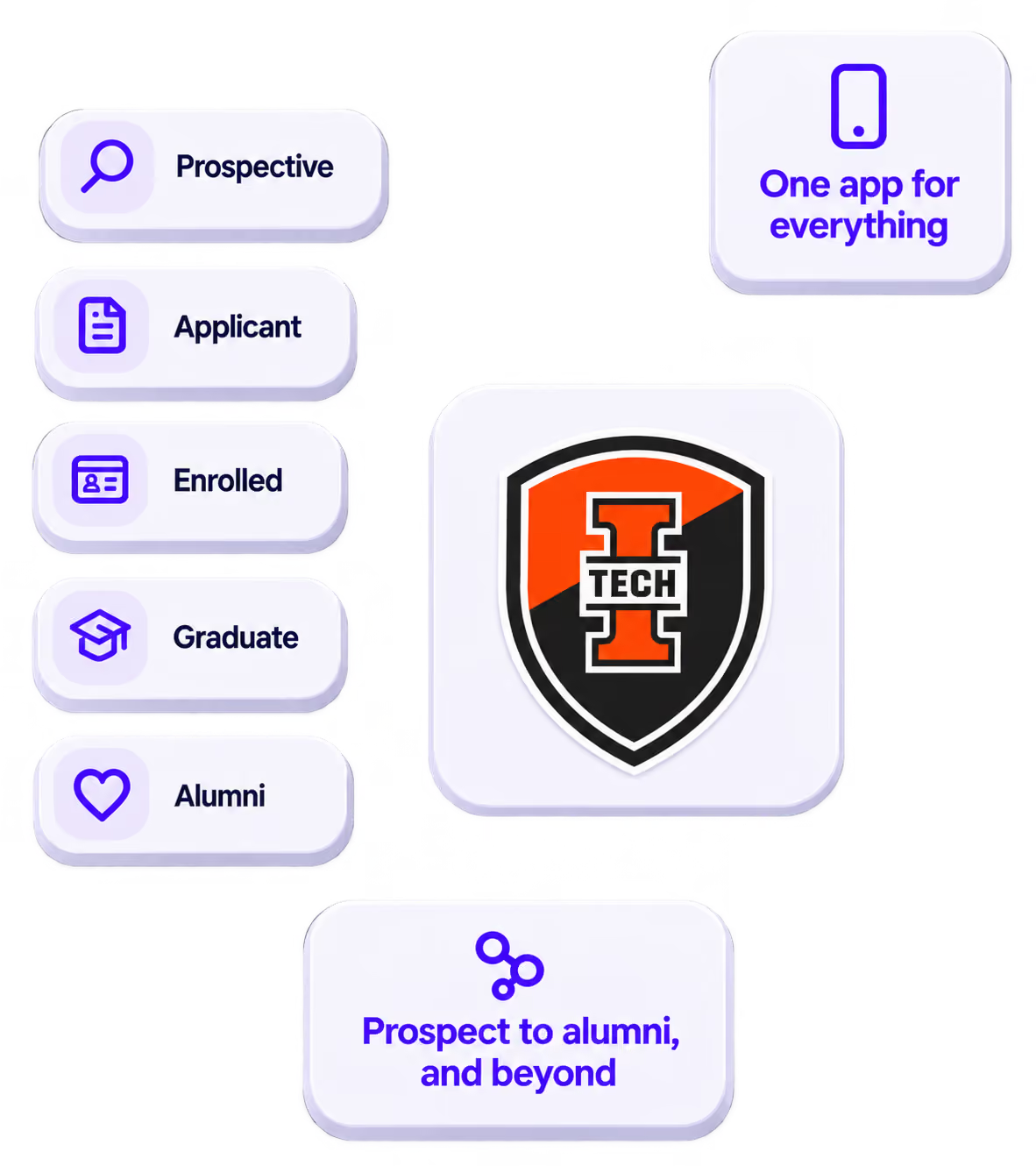
The power of your brand in your app, from first visit to alumni.
Build trust
Attendees download your app, not ours. Your name, colors, and crest in the stores.
.avif)
One place for the whole event
Schedules, maps, registration, and updates in one branded hub - not five tools.
Stand out
A branded app is what people keep on their phone after the printed program is in the recycling.

Get the Mobile App Playbook
A short guide to running the whole student journey in one app. No fluff, just what works.
for higher ed
Campus
Playbook
A practical guide to building a connected campus experience.
Free playbook
The Mobile App Playbook for Universities
Students decide if they belong long before they set foot on campus. This playbook shows how to win them over from the first visit through graduation.
- Grow enrollment and boost recruitment
- Increase belonging and retention
- Run every event from one branded app
By submitting, you agree to our Privacy Policy.
You're in.
.png)