
Campus apps by department
Admissions, orientation, student life, and more — one campus app that works across departments.

Campus apps by department
Admissions, orientation, student life, and more — one campus app that works across departments.
Build unlimited event apps on one license
One partnership for unlimited campus events — orientation, tours, student life, and everything in between.
Build unlimited event apps on one license
One partnership for unlimited campus events — orientation, tours, student life, and everything in between.
Compare event app platforms
See how Guidebook stacks up against other event app and registration platforms.
Compare event app platforms
See how Guidebook stacks up against other event app and registration platforms.
Event apps for nonprofit and community programs
Give members, volunteers, and donors one branded app for conferences, fundraisers, and year-round community.
Event apps for nonprofit and community programs
Give members, volunteers, and donors one branded app for conferences, fundraisers, and year-round community.
Campus integrations and an open API
Connect Guidebook with the campus systems, APIs, and tools your team already uses.
Campus integrations and an open API
Connect Guidebook with the campus systems, APIs, and tools your team already uses.
Event apps for corporate and enterprise teams
Internal meetings, offsites, and large-scale corporate events — with the branding and control enterprise teams need.
Event apps for corporate and enterprise teams
Internal meetings, offsites, and large-scale corporate events — with the branding and control enterprise teams need.
Create a branded event app with no coding
Put schedules, maps, resources, and updates in every attendee's pocket — built for campus events and programs.
Create a branded event app with no coding
Put schedules, maps, resources, and updates in every attendee's pocket — built for campus events and programs.
Launch a branded, white-label event app
A white-label event app with your branding, your content, and your attendee experience — no coding required.
Launch a branded, white-label event app
A white-label event app with your branding, your content, and your attendee experience — no coding required.
Everything in the Guidebook platform
Explore the features event teams use to engage attendees before, during, and after the event.
Everything in the Guidebook platform
Explore the features event teams use to engage attendees before, during, and after the event.
One app for in-person and virtual attendees
The same schedule, networking, and updates whether people are in the room or joining remotely.
One app for in-person and virtual attendees
The same schedule, networking, and updates whether people are in the room or joining remotely.
Event apps built for associations
Annual meetings, chapter events, and member engagement — without rebuilding a new app every year.
Event apps built for associations
Annual meetings, chapter events, and member engagement — without rebuilding a new app every year.
A branded event website that matches the app
Promote the event, collect interest, and keep branding consistent from the first click to check-in.
A branded event website that matches the app
Promote the event, collect interest, and keep branding consistent from the first click to check-in.
Plan, run, and measure events on one platform
App, registration, badges, and websites in one workflow — so planning isn't a pile of disconnected tools.
Plan, run, and measure events on one platform
App, registration, badges, and websites in one workflow — so planning isn't a pile of disconnected tools.
Keep members engaged between events
One branded app for the conference and everything that happens the other 51 weeks of the year.
Keep members engaged between events
One branded app for the conference and everything that happens the other 51 weeks of the year.
The conference app attendees actually use
Schedules, maps, networking, and live updates for annual meetings, summits, and multi-day conferences.
The conference app attendees actually use
Schedules, maps, networking, and live updates for annual meetings, summits, and multi-day conferences.
Registration that feeds your app and badges
Collect registrations, payments, and attendee data in the same platform as your event app.
Registration that feeds your app and badges
Collect registrations, payments, and attendee data in the same platform as your event app.
Design and print event badges in one place
Custom badges, QR check-in, and on-site printing — without a separate badge vendor.
Design and print event badges in one place
Custom badges, QR check-in, and on-site printing — without a separate badge vendor.
A Smaller School?
Deliver a polished, branded event experience without a large team or a big budget.
A Smaller School?
Deliver a polished, branded event experience without a large team or a big budget.
Running Family Programs?
Give families everything they need, from schedules and maps to real-time updates, all in one place.
Running Family Programs?
Give families everything they need, from schedules and maps to real-time updates, all in one place.
Coordinating Move-In Day?
Share updates, manage events, and keep students informed from move-in through the academic year.

Coordinating Move-In Day?
Share updates, manage events, and keep students informed from move-in through the academic year.
Offering Campus Tours?
Deliver branded, self-guided tour experiences with interactive maps and rich media, available 24/7.

Offering Campus Tours?
Deliver branded, self-guided tour experiences with interactive maps and rich media, available 24/7.
Organising a Career Fair?
Simplify logistics for students, employers, and Career Services staff with one easy-to-use app.
Organising a Career Fair?
Simplify logistics for students, employers, and Career Services staff with one easy-to-use app.
Managing Alumni Events?
Plan reunions, regional events, and fundraising campaigns with an app built for alumni engagement.
Managing Alumni Events?
Plan reunions, regional events, and fundraising campaigns with an app built for alumni engagement.
Boost Student Engagement
One hub for schedules, resources, and events that keeps students connected throughout the academic year.
Boost Student Engagement
One hub for schedules, resources, and events that keeps students connected throughout the academic year.
Planning Orientation?
Help new students feel prepared from day one with schedules, campus resources, and real-time updates in one app.
Planning Orientation?
Help new students feel prepared from day one with schedules, campus resources, and real-time updates in one app.
Running Admissions Events?
Manage open houses, tours, and yield events with a branded app that saves time and engages prospective students.

Running Admissions Events?
Manage open houses, tours, and yield events with a branded app that saves time and engages prospective students.
Get a custom Sponsorship Package Template
Stop starting from scratch. Grab free templates that helWe'll build a tailored sponsorship package with suggested pricing, tiers, and benefits..for your specific event.p you build professional sponsorship packages and close deals faster.
Get a custom Sponsorship Package Template
Stop starting from scratch. Grab free templates that helWe'll build a tailored sponsorship package with suggested pricing, tiers, and benefits..for your specific event.p you build professional sponsorship packages and close deals faster.
Plan Your Next Event Without Missing a Beat.
From venue selection to post-event wrap-up, this free checklist walks you through every step (so nothing falls through the cracks).
.avif)
Plan Your Next Event Without Missing a Beat.
From venue selection to post-event wrap-up, this free checklist walks you through every step (so nothing falls through the cracks).
Real Results From Real Events
100,000+ organizations trust Guidebook. See exactly how universities, associations, enterprises, and more put it to work.

Real Results From Real Events
100,000+ organizations trust Guidebook. See exactly how universities, associations, enterprises, and more put it to work.
Flexible pricing for every event size
Find the perfect plan for your needs, from intimate gatherings to large-scale conferences.

Flexible pricing for every event size
Find the perfect plan for your needs, from intimate gatherings to large-scale conferences.
Join our event experts
Watch on-demand webinars and join live sessions with industry leaders sharing best practices for event success.
.avif)
Join our event experts
Watch on-demand webinars and join live sessions with industry leaders sharing best practices for event success.
Guidebook in Action
Book a personalized walkthrough and discover how we help event teams create better attendee experiences.
Guidebook in Action
Book a personalized walkthrough and discover how we help event teams create better attendee experiences.

How is an annual meeting different from a conference?
Discover the key differences between an annual meeting and a conference. Learn about their unique purposes, formats, and benefits to choose the right event for your organization.

Annual meetings and conferences bring people together, but they serve different purposes. Getting this distinction right can make or break your event's success.
Here's the breakdown: annual meetings focus inward on organizational business, while conferences cast a wider net for learning and networking. Many planners use these terms interchangeably—and that's a costly mistake. The format you choose shapes everything from your budget to your attendee experience.
Key Characteristics of Annual Meetings vs Conferences
- Primary Purpose: Annual meetings handle organizational governance and member updates. Conferences prioritize education, networking, and industry trends.
- Audience Composition: Annual meetings typically draw members, shareholders, or employees. Conferences attract broader audiences including non-members and industry professionals.
- Frequency Pattern: Annual meetings happen once per year by definition. Conferences can occur multiple times annually or even quarterly.
- Content Focus: Annual meetings cover reports, elections, and strategic planning. Conferences feature keynotes, breakout sessions, and workshops.
- Legal Requirements: Many annual meetings fulfill regulatory or bylaw obligations. Conferences rarely have legal mandates attached.
- Duration Range: Annual meetings often run half a day to one full day. Conferences typically span two to five days.
- Revenue Model: Annual meetings may be included in membership dues. Conferences usually charge separate registration fees and attract sponsors.
Annual Meeting vs Conference: A Detailed Comparison
Annual Meeting
- Scope: Internal organizational focus with defined membership boundaries
- Focus: Business operations, financial reports, leadership elections, and strategic direction
- Timeline: Typically 4-8 hours, sometimes extending to a full day with social events
- Channels: Member communications, internal newsletters, and direct outreach
- Goal: Fulfill governance requirements and strengthen member engagement
Conference
- Scope: Industry-wide or topic-specific, open to diverse attendees
- Focus: Professional development, thought leadership, and peer networking
- Timeline: Multi-day format ranging from two to five days
- Channels: Event digital marketing, social media, industry publications, and partner promotions
- Goal: Generate revenue, build brand authority, and deliver educational value
Some organizations combine both formats into a single event. The annual meeting handles required business in the morning. The conference programming fills the remaining days. This hybrid approach maximizes travel budgets and boosts attendance for governance sessions.
Essential Components of Each Event Type
Annual Meeting Must-Haves
Every annual meeting needs a clear agenda distributed in advance. Members should know exactly what business items require their attention or vote.
Financial reporting forms the backbone of most annual meetings. Prepare visual presentations that make complex data accessible. Include year-over-year comparisons that tell your organization's story.
Conference Programming Elements
Conferences thrive on variety. Mix keynote presentations with interactive workshops. Add panel discussions and networking breaks throughout.
Your meeting theme should connect all sessions. A strong theme helps attendees navigate content and creates memorable takeaways. It also simplifies your marketing messaging.
Registration and Check-In Systems
Both event types need smooth event registration processes. Annual meetings may use simpler systems since attendance is often predictable.
Conferences benefit from robust event check-in software that handles high volumes. Look for solutions that reduce lines and capture attendance data automatically.
Technology Infrastructure
Modern events need digital support. An event management platform keeps everything organized. Attendees expect mobile access to schedules, maps, and speaker information.
Post-Event Follow-Up
Don't skip the event debrief. Both annual meetings and conferences generate valuable insights. Capture feedback while memories are fresh.
Planning Timeline Differences
Annual Meeting Planning Cycle
Start planning your annual meeting 6-9 months ahead. Lock in your venue and date first. These events often happen at the same time each year, so book early.
Three months out, finalize your agenda and speaker lineup. Confirm any voting procedures or bylaw requirements. Send save-the-dates to all eligible participants.
Conference Planning Cycle
Conferences need 12-18 months of lead time. The event planning process includes call-for-proposals, speaker recruitment, and sponsor outreach.
Your event planning resources should include detailed timelines. Break the process into monthly milestones. Assign clear ownership for each task.
Budget Considerations
Annual meetings typically cost less per attendee. Shorter duration means lower venue and catering expenses. However, you may not generate registration revenue.
Conferences require larger upfront investments. But sponsorship packages and ticket sales can deliver strong event ROI. Many conferences become profit centers for their organizations.
Why Understanding This Distinction Matters
For Event Success:
- Audience Expectations: Attendees arrive with different mindsets for each format. Meeting their expectations drives satisfaction scores.
- Content Development: Knowing your format guides speaker selection and session design. Annual meetings need concise updates. Conferences need deep-dive content.
- Venue Selection: Annual meetings may work in boardrooms or hotel ballrooms. Conferences need breakout rooms, exhibit space, and networking areas.
- Marketing Approach: Your event marketing strategy shifts based on format. Annual meetings target existing members. Conferences require broader outreach.
- Success Metrics: Define KPIs that match your format. Annual meetings track quorum and voting participation. Conferences measure session attendance and lead generation.
For Business Objectives:
- Revenue Generation: Conferences offer multiple income streams through tickets, sponsors, and exhibitors.
- Member Retention: Well-run annual meetings strengthen organizational loyalty and reduce churn.
- Brand Positioning: Conferences establish thought leadership and industry authority.
- Compliance Requirements: Annual meetings fulfill legal obligations for many organizations.
- Networking Value: Both formats create connection opportunities, but conferences excel at expanding professional networks.
Guidebook's platform supports both event types with customizable features. From simple agenda sharing to complex multi-track scheduling, the right technology adapts to your format.
Annual Meeting vs Conference Best Practices
- Define Your Primary Objective First: Clarify whether you need governance, education, or both before planning begins. This decision shapes every subsequent choice.
- Know Your Audience Inside Out: Survey past attendees about their preferences. Use data to guide format decisions and content development.
- Set Realistic Timelines: Annual meetings need 6-9 months. Conferences need 12-18 months. Rushing either format compromises quality.
- Budget for Your Actual Format: Don't apply conference budgets to annual meetings or vice versa. Each format has distinct cost structures.
- Choose Venues That Match: Annual meetings work in simpler spaces. Conferences need room to spread out. Visit sites in person before signing contracts.
- Communicate Format Expectations: Tell attendees exactly what to expect. Surprises frustrate people who planned for something different.
- Leverage Technology Appropriately: Use event planning tools that scale to your needs. Don't overcomplicate simple annual meetings.
- Plan Hybrid Options Thoughtfully: Virtual event components can extend reach for both formats. But in-person and remote experiences need separate attention.
- Measure What Matters: Track metrics aligned with your format's goals. Annual meeting success looks different from conference success.
- Gather Feedback Immediately: Send surveys within 24 hours of your event. Fresh feedback drives better planning for next year.
Common Annual Meeting vs Conference Mistakes
Using the Wrong Format for Your Goals: Trying to accomplish conference-level education in an annual meeting frustrates everyone. Match your format to your objectives. If you need both, plan a multi-day hybrid event.
Ignoring Audience Expectations: Members attending annual meetings expect efficiency. Conference attendees expect inspiration. Delivering the wrong experience damages your reputation and attendance rates.
Underestimating Planning Time: Rushed events show their seams. Annual meetings need months of preparation. Conferences need over a year. Start earlier than you think necessary.
Copying Competitors Without Context: What works for another organization may not work for yours. Understand why certain formats succeed before adopting them.
Neglecting Post-Event Analysis: Many planners move immediately to the next event. Take time to analyze what worked. Document lessons learned while details remain fresh.
Skipping Technology Integration: Paper programs and manual check-ins waste time and money. Modern attendees expect digital experiences. Invest in tools that streamline operations.
Forgetting Accessibility Needs: Both formats must accommodate diverse attendees. Plan for physical accessibility, dietary restrictions, and varying tech comfort levels.
Final Thoughts
Understanding the annual meeting vs conference distinction isn't just semantics. It's the foundation of successful event production. The format you choose determines your budget, timeline, content, and attendee experience.
The events industry continues evolving with new event trends emerging each year. But this fundamental distinction remains constant. Annual meetings serve organizational needs. Conferences serve educational and networking needs. Both have their place.
The best event planners master both formats. They know when to keep things simple and when to go big. They match their approach to their organization's goals and their audience's expectations.
Ready to plan your next annual meeting or conference? Guidebook's event management platform adapts to either format. Request a demo to see how the right technology makes every event easier to plan and better to attend. Your attendees will notice the difference.
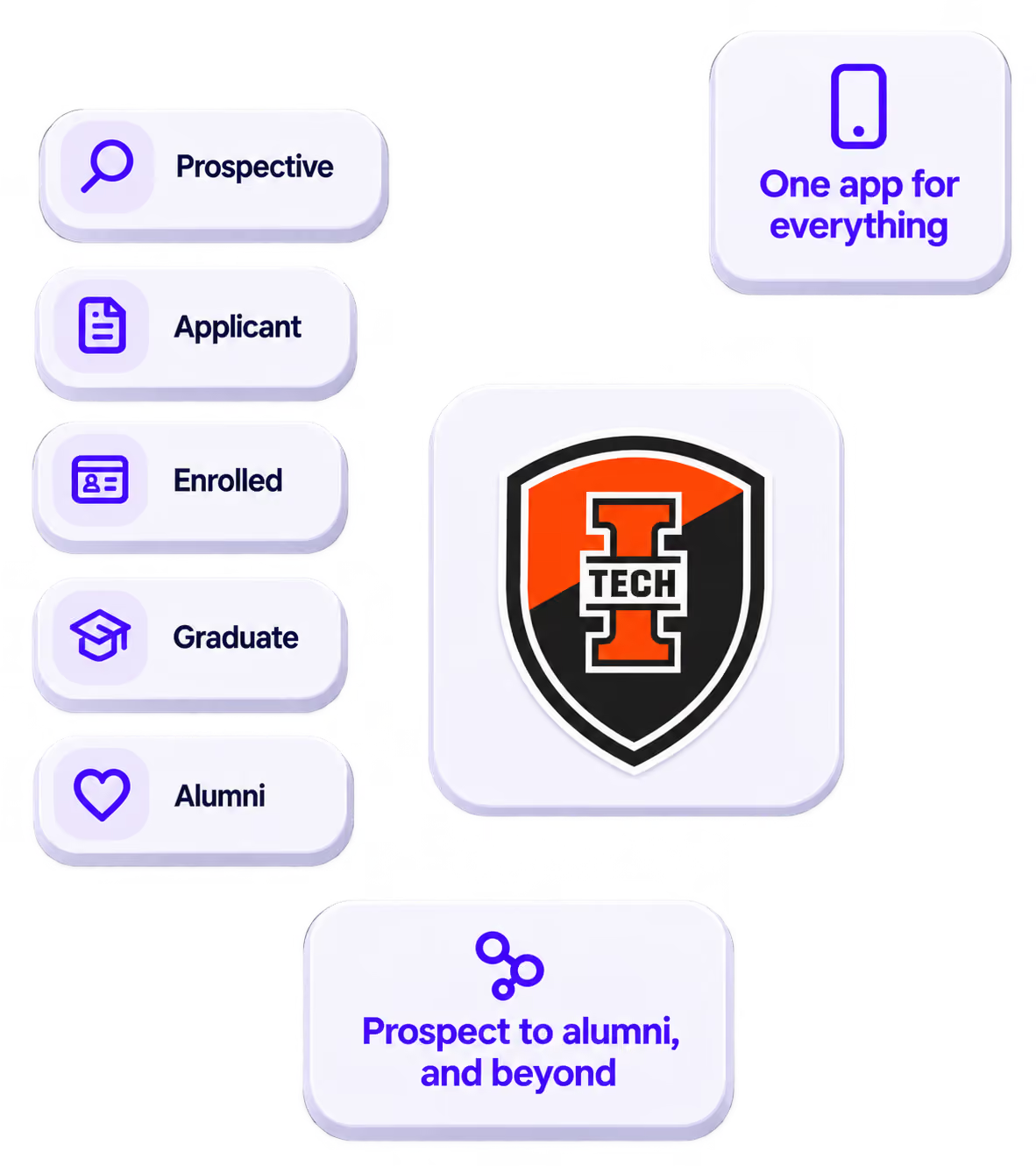
The power of your brand in your app, from first visit to alumni.
Build trust
Attendees download your app, not ours. Your name, colors, and crest in the stores.
.avif)
One place for the whole event
Schedules, maps, registration, and updates in one branded hub - not five tools.
Stand out
A branded app is what people keep on their phone after the printed program is in the recycling.
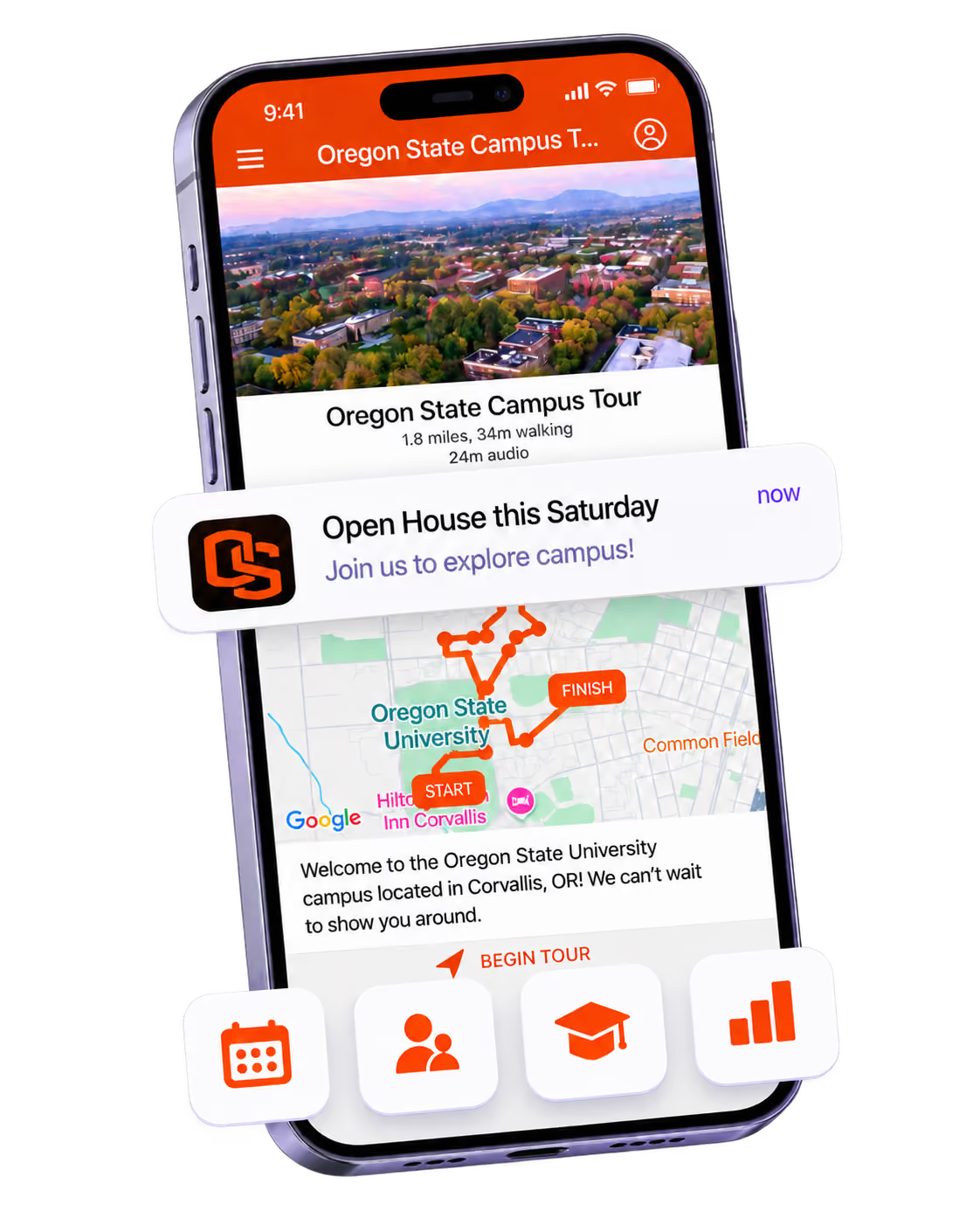

Get the Mobile App Playbook
A short guide to running the whole student journey in one app. No fluff, just what works.
for higher ed
Campus
Playbook
A practical guide to building a connected campus experience.
Free playbook
The Mobile App Playbook for Universities
Students decide if they belong long before they set foot on campus. This playbook shows how to win them over from the first visit through graduation.
- Grow enrollment and boost recruitment
- Increase belonging and retention
- Run every event from one branded app
By submitting, you agree to our Privacy Policy.
You're in.
.png)