
Campus apps by department
Admissions, orientation, student life, and more — one campus app that works across departments.

Campus apps by department
Admissions, orientation, student life, and more — one campus app that works across departments.
Build unlimited event apps on one license
One partnership for unlimited campus events — orientation, tours, student life, and everything in between.
Build unlimited event apps on one license
One partnership for unlimited campus events — orientation, tours, student life, and everything in between.
Compare event app platforms
See how Guidebook stacks up against other event app and registration platforms.
Compare event app platforms
See how Guidebook stacks up against other event app and registration platforms.
Event apps for nonprofit and community programs
Give members, volunteers, and donors one branded app for conferences, fundraisers, and year-round community.
Event apps for nonprofit and community programs
Give members, volunteers, and donors one branded app for conferences, fundraisers, and year-round community.
Campus integrations and an open API
Connect Guidebook with the campus systems, APIs, and tools your team already uses.
Campus integrations and an open API
Connect Guidebook with the campus systems, APIs, and tools your team already uses.
Event apps for corporate and enterprise teams
Internal meetings, offsites, and large-scale corporate events — with the branding and control enterprise teams need.
Event apps for corporate and enterprise teams
Internal meetings, offsites, and large-scale corporate events — with the branding and control enterprise teams need.
Create a branded event app with no coding
Put schedules, maps, resources, and updates in every attendee's pocket — built for campus events and programs.
Create a branded event app with no coding
Put schedules, maps, resources, and updates in every attendee's pocket — built for campus events and programs.
Launch a branded, white-label event app
A white-label event app with your branding, your content, and your attendee experience — no coding required.
Launch a branded, white-label event app
A white-label event app with your branding, your content, and your attendee experience — no coding required.
Everything in the Guidebook platform
Explore the features event teams use to engage attendees before, during, and after the event.
Everything in the Guidebook platform
Explore the features event teams use to engage attendees before, during, and after the event.
One app for in-person and virtual attendees
The same schedule, networking, and updates whether people are in the room or joining remotely.
One app for in-person and virtual attendees
The same schedule, networking, and updates whether people are in the room or joining remotely.
Event apps built for associations
Annual meetings, chapter events, and member engagement — without rebuilding a new app every year.
Event apps built for associations
Annual meetings, chapter events, and member engagement — without rebuilding a new app every year.
A branded event website that matches the app
Promote the event, collect interest, and keep branding consistent from the first click to check-in.
A branded event website that matches the app
Promote the event, collect interest, and keep branding consistent from the first click to check-in.
Plan, run, and measure events on one platform
App, registration, badges, and websites in one workflow — so planning isn't a pile of disconnected tools.
Plan, run, and measure events on one platform
App, registration, badges, and websites in one workflow — so planning isn't a pile of disconnected tools.
Keep members engaged between events
One branded app for the conference and everything that happens the other 51 weeks of the year.
Keep members engaged between events
One branded app for the conference and everything that happens the other 51 weeks of the year.
The conference app attendees actually use
Schedules, maps, networking, and live updates for annual meetings, summits, and multi-day conferences.
The conference app attendees actually use
Schedules, maps, networking, and live updates for annual meetings, summits, and multi-day conferences.
Registration that feeds your app and badges
Collect registrations, payments, and attendee data in the same platform as your event app.
Registration that feeds your app and badges
Collect registrations, payments, and attendee data in the same platform as your event app.
Design and print event badges in one place
Custom badges, QR check-in, and on-site printing — without a separate badge vendor.
Design and print event badges in one place
Custom badges, QR check-in, and on-site printing — without a separate badge vendor.
A Smaller School?
Deliver a polished, branded event experience without a large team or a big budget.
A Smaller School?
Deliver a polished, branded event experience without a large team or a big budget.
Running Family Programs?
Give families everything they need, from schedules and maps to real-time updates, all in one place.
Running Family Programs?
Give families everything they need, from schedules and maps to real-time updates, all in one place.
Coordinating Move-In Day?
Share updates, manage events, and keep students informed from move-in through the academic year.

Coordinating Move-In Day?
Share updates, manage events, and keep students informed from move-in through the academic year.
Offering Campus Tours?
Deliver branded, self-guided tour experiences with interactive maps and rich media, available 24/7.

Offering Campus Tours?
Deliver branded, self-guided tour experiences with interactive maps and rich media, available 24/7.
Organising a Career Fair?
Simplify logistics for students, employers, and Career Services staff with one easy-to-use app.
Organising a Career Fair?
Simplify logistics for students, employers, and Career Services staff with one easy-to-use app.
Managing Alumni Events?
Plan reunions, regional events, and fundraising campaigns with an app built for alumni engagement.
Managing Alumni Events?
Plan reunions, regional events, and fundraising campaigns with an app built for alumni engagement.
Boost Student Engagement
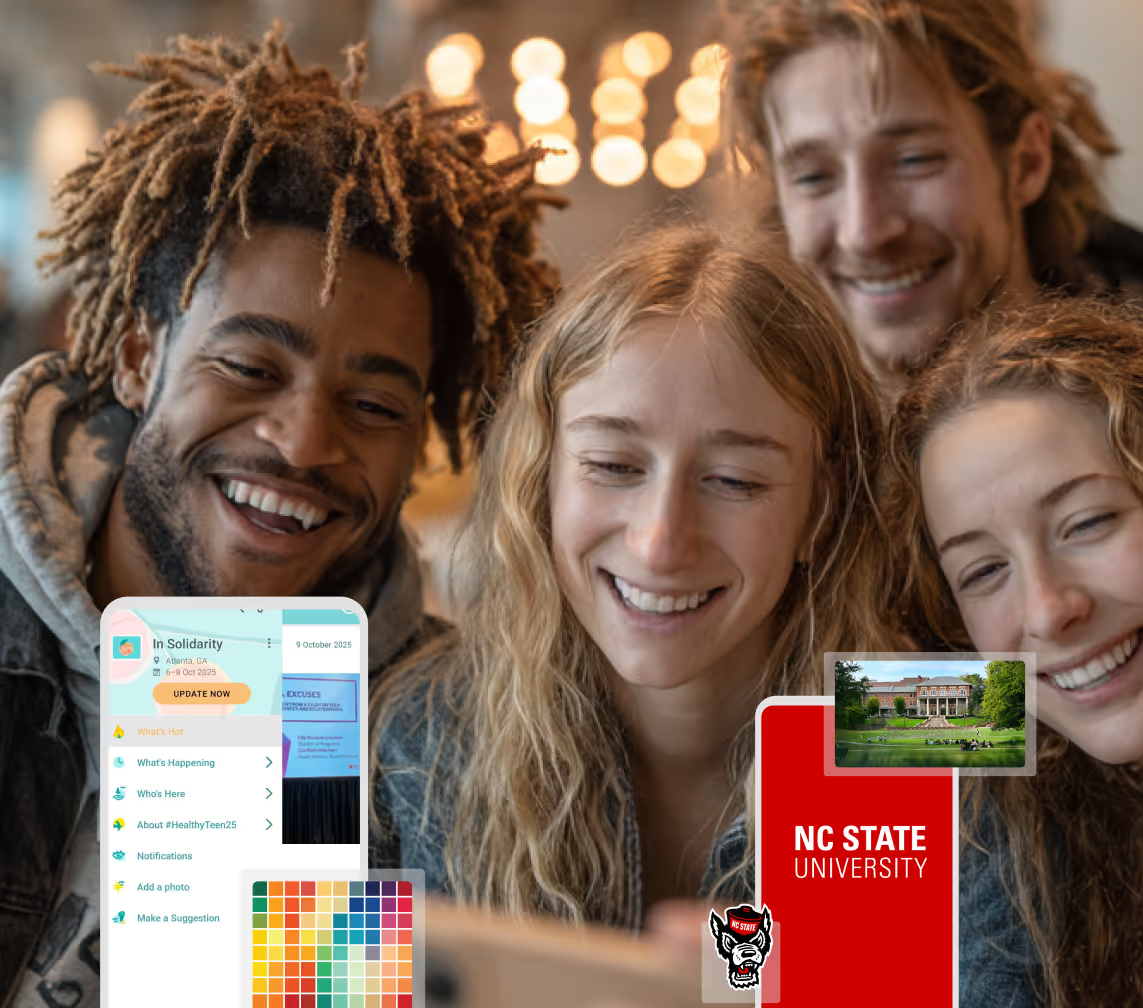
One hub for schedules, resources, and events that keeps students connected throughout the academic year.
Boost Student Engagement
One hub for schedules, resources, and events that keeps students connected throughout the academic year.
Planning Orientation?
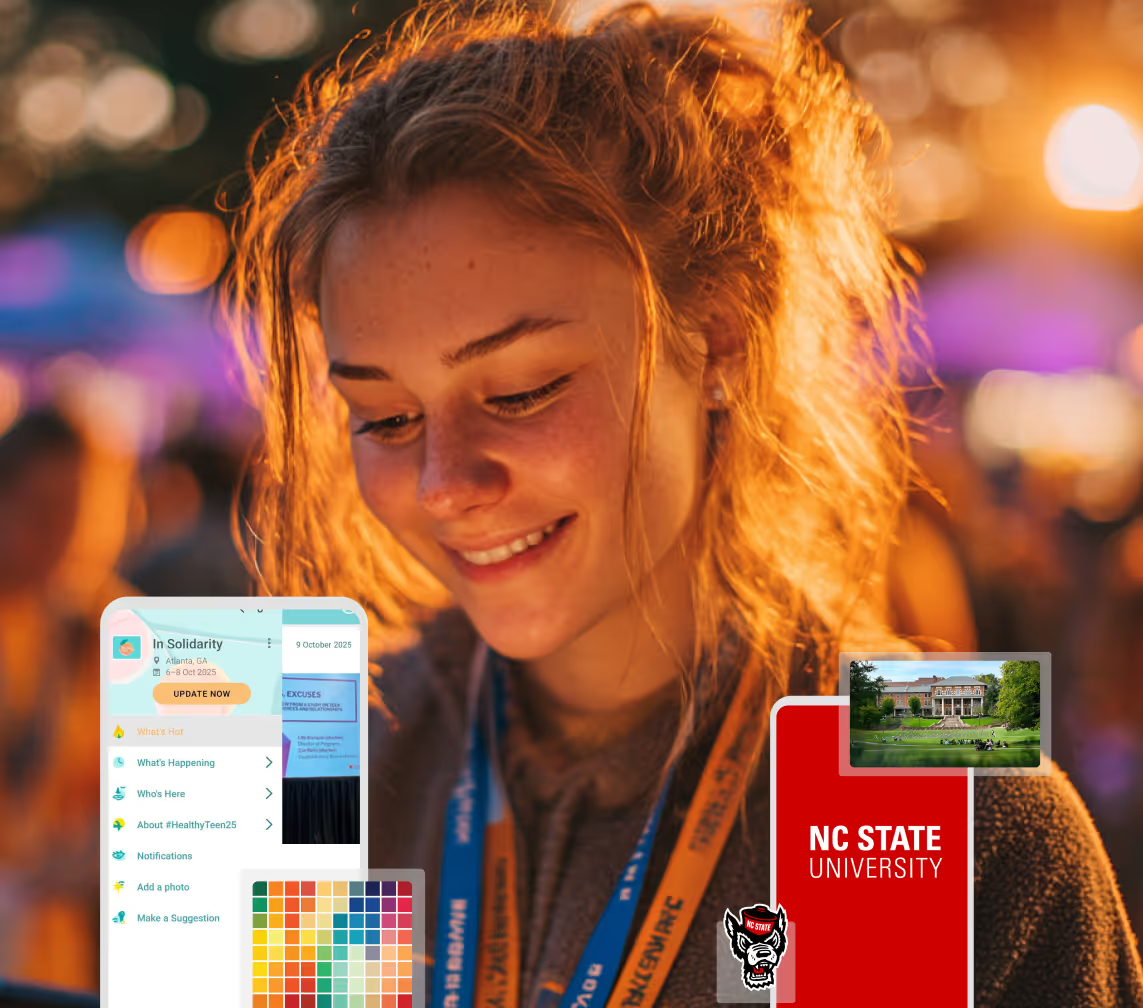
Help new students feel prepared from day one with schedules, campus resources, and real-time updates in one app.
Planning Orientation?
Help new students feel prepared from day one with schedules, campus resources, and real-time updates in one app.
Running Admissions Events?
Manage open houses, tours, and yield events with a branded app that saves time and engages prospective students.

Running Admissions Events?
Manage open houses, tours, and yield events with a branded app that saves time and engages prospective students.
Get a custom Sponsorship Package Template
Stop starting from scratch. Grab free templates that helWe'll build a tailored sponsorship package with suggested pricing, tiers, and benefits..for your specific event.p you build professional sponsorship packages and close deals faster.
Get a custom Sponsorship Package Template
Stop starting from scratch. Grab free templates that helWe'll build a tailored sponsorship package with suggested pricing, tiers, and benefits..for your specific event.p you build professional sponsorship packages and close deals faster.
Plan Your Next Event Without Missing a Beat.
From venue selection to post-event wrap-up, this free checklist walks you through every step (so nothing falls through the cracks).
.avif)
Plan Your Next Event Without Missing a Beat.
From venue selection to post-event wrap-up, this free checklist walks you through every step (so nothing falls through the cracks).
Real Results From Real Events
100,000+ organizations trust Guidebook. See exactly how universities, associations, enterprises, and more put it to work.

Real Results From Real Events
100,000+ organizations trust Guidebook. See exactly how universities, associations, enterprises, and more put it to work.
Flexible pricing for every event size
Find the perfect plan for your needs, from intimate gatherings to large-scale conferences.

Flexible pricing for every event size
Find the perfect plan for your needs, from intimate gatherings to large-scale conferences.
Join our event experts
Watch on-demand webinars and join live sessions with industry leaders sharing best practices for event success.
.avif)
Join our event experts
Watch on-demand webinars and join live sessions with industry leaders sharing best practices for event success.
Guidebook in Action
Book a personalized walkthrough and discover how we help event teams create better attendee experiences.
Guidebook in Action
Book a personalized walkthrough and discover how we help event teams create better attendee experiences.

What is an Event Planning Guide?
An event planning guide provides step-by-step instructions, best practices, and tools for organizing successful events. Discover checklists, budgeting tips, and expert planning strategies.

An Event Planning Guide is the comprehensive roadmap that transforms your event vision into reality by outlining every step from initial concept to post-event analysis. It covers budgeting, venue selection, vendor coordination, marketing, and day-of logistics. Without one, even experienced planners risk costly oversights and missed opportunities.
Here's the thing: an event planning guide isn't just a checklist. It's your strategic blueprint that keeps teams aligned and stakeholders informed. Think of it as your event's GPS—it shows where you're going and the best route to get there. The best guides adapt to your specific event type while maintaining proven frameworks.
Key Characteristics of an Event Planning Guide
- Comprehensive Scope: Covers every phase from concept development through post-event evaluation. Nothing falls through the cracks when you follow a complete guide.
- Timeline-Driven Structure: Organizes tasks by deadlines, typically starting 6-12 months before the event. This prevents last-minute scrambles and panic decisions.
- Budget Integration: Links every decision to financial implications. Your guide should track estimated versus actual costs throughout the event planning process.
- Stakeholder Clarity: Defines roles and responsibilities for every team member. Everyone knows who handles what and when.
- Flexibility Built-In: Includes contingency plans for common challenges. Weather issues, vendor cancellations, and attendance fluctuations won't derail your event.
- Measurable Outcomes: Establishes clear success metrics from the start. You'll know exactly how to measure event ROI when it's over.
Event Planning Guide vs. Related Planning Documents
Event Planning Guide
- Scope: End-to-end event lifecycle from concept to completion
- Focus: Strategic framework and decision-making processes
- Timeline: Months of planning with milestone checkpoints
- Channels: All departments and vendor relationships
- Goal: Successful event execution and measurable outcomes
Event Checklist
- Scope: Task-level items requiring completion
- Focus: Tactical execution and task tracking
- Timeline: Day-by-day or week-by-week action items
- Channels: Individual task owners
- Goal: Nothing gets forgotten or overlooked
Event Brief
- Scope: High-level event overview and objectives
- Focus: Stakeholder alignment and vision communication
- Timeline: Snapshot document, typically 1-2 pages
- Channels: Leadership and key decision-makers
- Goal: Shared understanding of event purpose
Your event planning guide incorporates elements from both checklists and briefs. It provides the strategic context of a brief while including the tactical detail of a checklist. Smart planners use all three documents together for maximum effectiveness.
Essential Components of Your Event Planning Guide
Define Your Event Goals and Objectives
Start with the "why" before anything else. What does success look like? Be specific—"increase brand awareness" is vague. "Generate 500 qualified leads" gives you something to measure.
Your objectives should follow the SMART framework:
- Specific targets with clear definitions
- Measurable outcomes you can track
- Achievable goals within your resources
- Relevant to broader business objectives
- Time-bound with clear deadlines
Build Your Event Budget Framework
Money drives decisions. Your budget section should break down costs into categories: venue, catering, technology, marketing, staffing, and contingency funds.
Pro tip: always add 10-15% for unexpected expenses. They will happen. Check out event planning resources for budget templates that work.
Create Your Event Timeline
Work backward from your event date. Major milestones typically include:
- 6-12 months out: Venue booking and major vendor contracts
- 3-6 months out: Marketing launch and event registration opens
- 1-3 months out: Final vendor confirmations and attendee communications
- 1-4 weeks out: Run-of-show finalization and team briefings
- Event week: Setup, execution, and real-time problem-solving
Outline Your Vendor Management Strategy
Your guide should include criteria for selecting vendors and managing relationships. Document contact information, contract terms, and payment schedules in one place.
Consider using an event management platform to centralize vendor communications. It saves hours of email searching later.
Plan Your Marketing and Promotion Approach
How will people find out about your event? Your guide needs a marketing section covering event digital marketing, social media strategy, and email campaigns.
Don't forget to explore how to advertise your event across multiple channels for maximum reach.
The Event Planning Guide Process
Phase 1: Research and Discovery
Before planning anything, gather information. Research your target audience, analyze competitor events, and identify current event trends.
Talk to past attendees if possible. Their feedback shapes better events. Survey data beats assumptions every time.
Phase 2: Strategic Planning
Now you're ready to make decisions. Select your venue based on capacity, location, and budget. Choose your event format—in-person, virtual event, or hybrid.
This phase also includes:
- Finalizing your event theme and branding
- Selecting technology partners
- Building your core planning team
- Establishing communication protocols
Phase 3: Execution Planning
Get into the details. Create your run-of-show document. Assign specific tasks to team members. Build backup plans for your backup plans.
Your event coordinator should own this phase. They'll translate strategy into action items everyone can follow.
Phase 4: Day-of Management
Your guide should include protocols for event day. Who handles check-in? What's the escalation path for problems? How do you communicate with your team?
Consider event check-in software to streamline registration and reduce lines. First impressions matter.
Phase 5: Post-Event Analysis
The event ends, but your guide doesn't. Include templates for gathering feedback and measuring results. Use an event debrief template to capture lessons learned.
This data improves your next event. Smart planners treat every event as a learning opportunity.
Why Event Planning Guides Matter
For Event Success:
- Reduced Stress: Clear roadmaps eliminate guesswork and last-minute panic. You know what's coming next.
- Better Coordination: Teams work together smoothly when everyone follows the same playbook.
- Fewer Mistakes: Documented processes catch errors before they become problems.
- Consistent Quality: Your events maintain high standards regardless of who's managing them.
- Faster Problem-Solving: Contingency plans mean you're never caught completely off-guard.
For Business Objectives:
- Higher ROI: Strategic planning maximizes every dollar spent on your event.
- Scalable Processes: Good guides become templates for future events, saving time and money.
- Stakeholder Confidence: Leadership trusts teams with documented, professional approaches.
- Measurable Results: Built-in metrics prove your event's value to the organization.
- Competitive Advantage: Well-planned events outperform competitors who wing it.
Guidebook's platform helps planners execute their guides flawlessly. From branded apps to real-time attendee engagement, the right technology turns good plans into great events.
Event Planning Guide Best Practices
- Start Earlier Than You Think: Most planners underestimate lead time. Begin 6-12 months out for major events. You'll thank yourself later.
- Document Everything: Decisions, conversations, and changes should all be recorded. Memory fails; documentation doesn't.
- Build in Buffer Time: Add extra days to every deadline. Vendors run late. Approvals take longer than expected. Plan for reality.
- Communicate Obsessively: Over-communication beats under-communication every time. Keep stakeholders informed at every stage.
- Test Your Technology: Run through every tech element before event day. Test registration, check-in, and presentation equipment.
- Create Clear Escalation Paths: Everyone should know who to contact when problems arise. No confusion during crises.
- Gather Feedback Continuously: Don't wait until the event ends. Check in with vendors and team members throughout planning.
- Review and Update Regularly: Your guide is a living document. Update it as circumstances change and new information emerges.
- Celebrate Small Wins: Planning is a marathon. Acknowledge milestones to keep team morale high.
- Learn from Every Event: Post-event analysis isn't optional. Capture insights while they're fresh and apply them next time.
Common Event Planning Guide Mistakes
Skipping the Research Phase: Jumping straight into logistics without understanding your audience leads to misaligned events. Take time to gather data and insights before making major decisions. Events built on assumptions often miss the mark.
Underestimating Budget Needs: Optimistic budgets create problems. Hidden costs appear everywhere—permits, insurance, overtime, equipment rentals. Always include contingency funds and track spending religiously.
Ignoring Contingency Planning: "It won't happen to us" is dangerous thinking. Weather, vendor cancellations, and technical failures happen regularly. Events without backup plans face preventable disasters.
Overcomplicating the Guide: A 50-page document nobody reads helps no one. Keep your guide practical and accessible. If team members can't find information quickly, the guide fails its purpose.
Failing to Assign Ownership: Tasks without owners don't get done. Every item in your guide needs a specific person responsible. "The team" isn't accountable—individuals are.
Neglecting Post-Event Planning: Your guide should extend beyond event day. Follow-up communications, thank-you notes, and data analysis deserve the same attention as pre-event tasks.
Not Using Available Technology: Manual processes waste time and increase errors. Modern event management tips emphasize technology adoption. Tools exist to make your job easier—use them.
Final Thoughts
A solid event planning guide separates professional planners from amateurs. It's the difference between confident execution and constant firefighting. Your guide becomes your competitive advantage.
The events industry continues evolving rapidly. Attendee expectations rise every year. Technology creates new possibilities and challenges. Your planning guide must evolve too, incorporating lessons learned and emerging best practices.
Great events don't happen by accident. They result from careful planning, clear communication, and relentless attention to detail. Your event planning guide captures all of this in one actionable document.
Ready to level up your event planning? Explore Guidebook's templates and guides for practical resources. Book a demo to see how our platform supports planners at every stage. Your next event deserves a guide that sets it up for success.
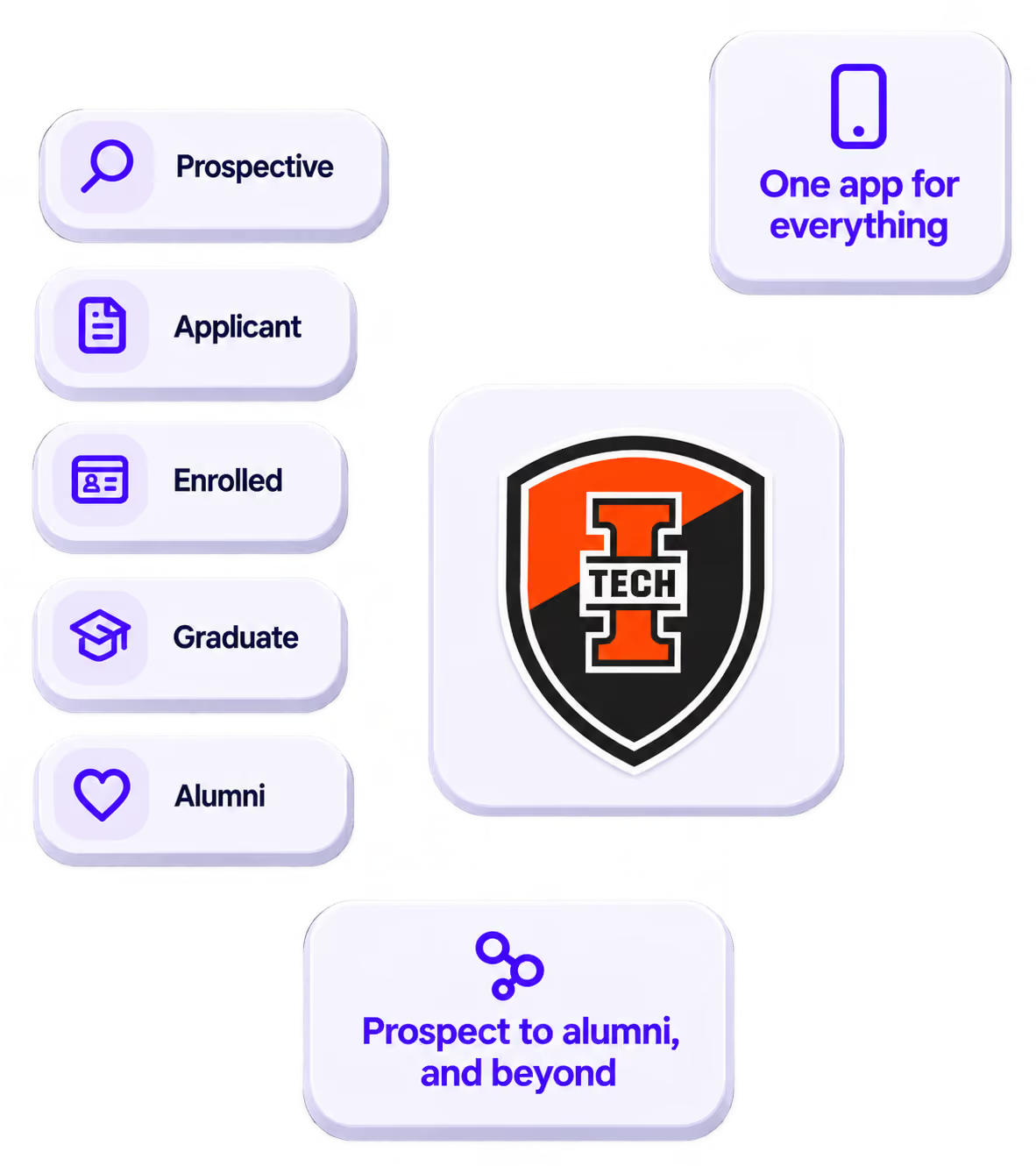
The power of your brand in your app, from first visit to alumni.
Build trust
Attendees download your app, not ours. Your name, colors, and crest in the stores.
.avif)
One place for the whole event
Schedules, maps, registration, and updates in one branded hub - not five tools.
Stand out
A branded app is what people keep on their phone after the printed program is in the recycling.
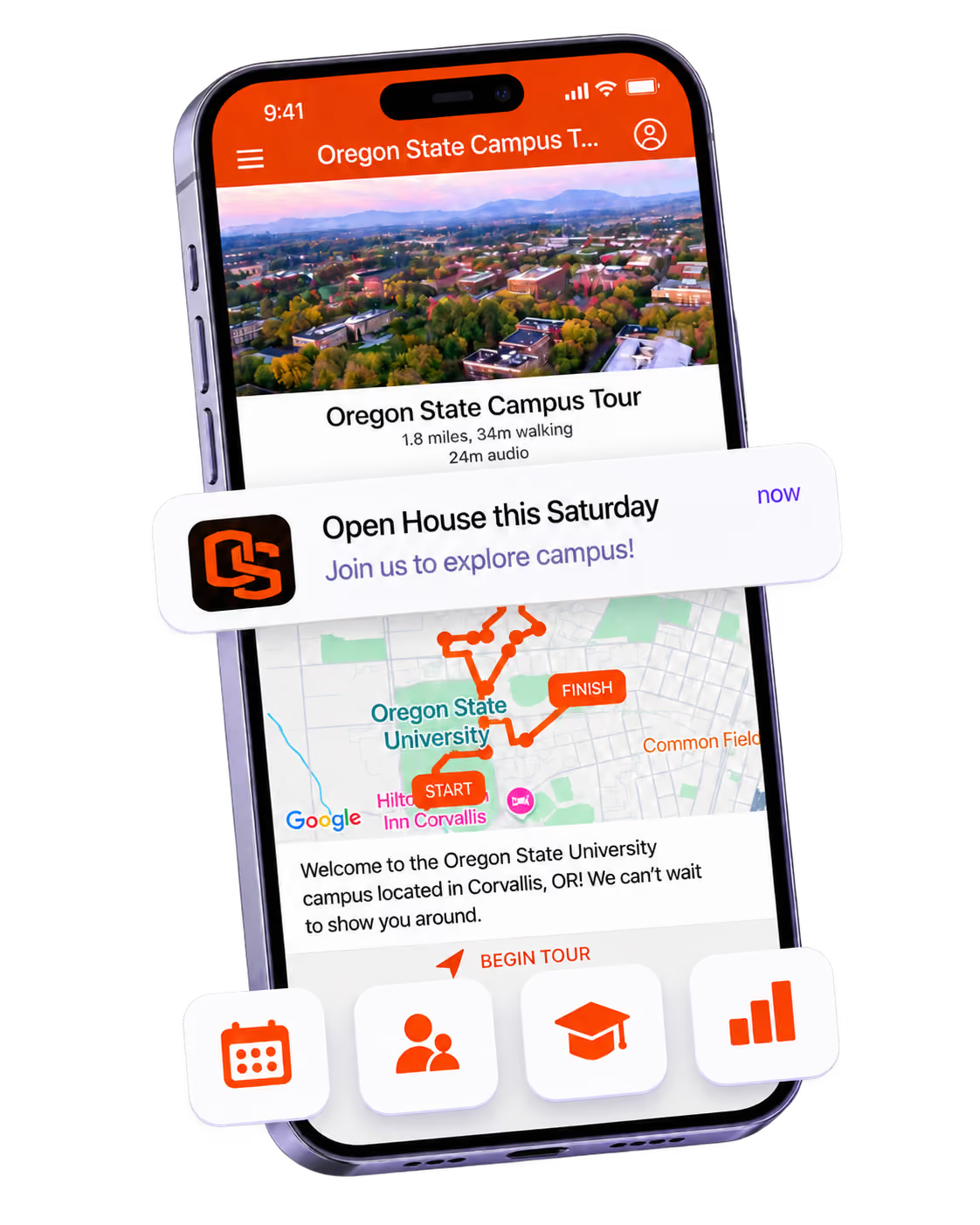

Get the Mobile App Playbook
A short guide to running the whole student journey in one app. No fluff, just what works.
for higher ed
Campus
Playbook
A practical guide to building a connected campus experience.
Free playbook
The Mobile App Playbook for Universities
Students decide if they belong long before they set foot on campus. This playbook shows how to win them over from the first visit through graduation.
- Grow enrollment and boost recruitment
- Increase belonging and retention
- Run every event from one branded app
By submitting, you agree to our Privacy Policy.
You're in.
.png)