
Campus apps by department
Admissions, orientation, student life, and more — one campus app that works across departments.

Campus apps by department
Admissions, orientation, student life, and more — one campus app that works across departments.
Build unlimited event apps on one license
One partnership for unlimited campus events — orientation, tours, student life, and everything in between.
Build unlimited event apps on one license
One partnership for unlimited campus events — orientation, tours, student life, and everything in between.
Compare event app platforms
See how Guidebook stacks up against other event app and registration platforms.
Compare event app platforms
See how Guidebook stacks up against other event app and registration platforms.
Event apps for nonprofit and community programs
Give members, volunteers, and donors one branded app for conferences, fundraisers, and year-round community.
Event apps for nonprofit and community programs
Give members, volunteers, and donors one branded app for conferences, fundraisers, and year-round community.
Campus integrations and an open API
Connect Guidebook with the campus systems, APIs, and tools your team already uses.
Campus integrations and an open API
Connect Guidebook with the campus systems, APIs, and tools your team already uses.
Event apps for corporate and enterprise teams
Internal meetings, offsites, and large-scale corporate events — with the branding and control enterprise teams need.
Event apps for corporate and enterprise teams
Internal meetings, offsites, and large-scale corporate events — with the branding and control enterprise teams need.
Create a branded event app with no coding
Put schedules, maps, resources, and updates in every attendee's pocket — built for campus events and programs.
Create a branded event app with no coding
Put schedules, maps, resources, and updates in every attendee's pocket — built for campus events and programs.
Launch a branded, white-label event app
A white-label event app with your branding, your content, and your attendee experience — no coding required.
Launch a branded, white-label event app
A white-label event app with your branding, your content, and your attendee experience — no coding required.
Everything in the Guidebook platform
Explore the features event teams use to engage attendees before, during, and after the event.
Everything in the Guidebook platform
Explore the features event teams use to engage attendees before, during, and after the event.
One app for in-person and virtual attendees
The same schedule, networking, and updates whether people are in the room or joining remotely.
One app for in-person and virtual attendees
The same schedule, networking, and updates whether people are in the room or joining remotely.
Event apps built for associations
Annual meetings, chapter events, and member engagement — without rebuilding a new app every year.
Event apps built for associations
Annual meetings, chapter events, and member engagement — without rebuilding a new app every year.
A branded event website that matches the app
Promote the event, collect interest, and keep branding consistent from the first click to check-in.
A branded event website that matches the app
Promote the event, collect interest, and keep branding consistent from the first click to check-in.
Plan, run, and measure events on one platform
App, registration, badges, and websites in one workflow — so planning isn't a pile of disconnected tools.
Plan, run, and measure events on one platform
App, registration, badges, and websites in one workflow — so planning isn't a pile of disconnected tools.
Keep members engaged between events
One branded app for the conference and everything that happens the other 51 weeks of the year.
Keep members engaged between events
One branded app for the conference and everything that happens the other 51 weeks of the year.
The conference app attendees actually use
Schedules, maps, networking, and live updates for annual meetings, summits, and multi-day conferences.
The conference app attendees actually use
Schedules, maps, networking, and live updates for annual meetings, summits, and multi-day conferences.
Registration that feeds your app and badges
Collect registrations, payments, and attendee data in the same platform as your event app.
Registration that feeds your app and badges
Collect registrations, payments, and attendee data in the same platform as your event app.
Design and print event badges in one place
Custom badges, QR check-in, and on-site printing — without a separate badge vendor.
Design and print event badges in one place
Custom badges, QR check-in, and on-site printing — without a separate badge vendor.
A Smaller School?
Deliver a polished, branded event experience without a large team or a big budget.
A Smaller School?
Deliver a polished, branded event experience without a large team or a big budget.
Running Family Programs?
Give families everything they need, from schedules and maps to real-time updates, all in one place.
Running Family Programs?
Give families everything they need, from schedules and maps to real-time updates, all in one place.
Coordinating Move-In Day?
Share updates, manage events, and keep students informed from move-in through the academic year.

Coordinating Move-In Day?
Share updates, manage events, and keep students informed from move-in through the academic year.
Offering Campus Tours?
Deliver branded, self-guided tour experiences with interactive maps and rich media, available 24/7.

Offering Campus Tours?
Deliver branded, self-guided tour experiences with interactive maps and rich media, available 24/7.
Organising a Career Fair?
Simplify logistics for students, employers, and Career Services staff with one easy-to-use app.
Organising a Career Fair?
Simplify logistics for students, employers, and Career Services staff with one easy-to-use app.
Managing Alumni Events?
Plan reunions, regional events, and fundraising campaigns with an app built for alumni engagement.
Managing Alumni Events?
Plan reunions, regional events, and fundraising campaigns with an app built for alumni engagement.
Boost Student Engagement
One hub for schedules, resources, and events that keeps students connected throughout the academic year.
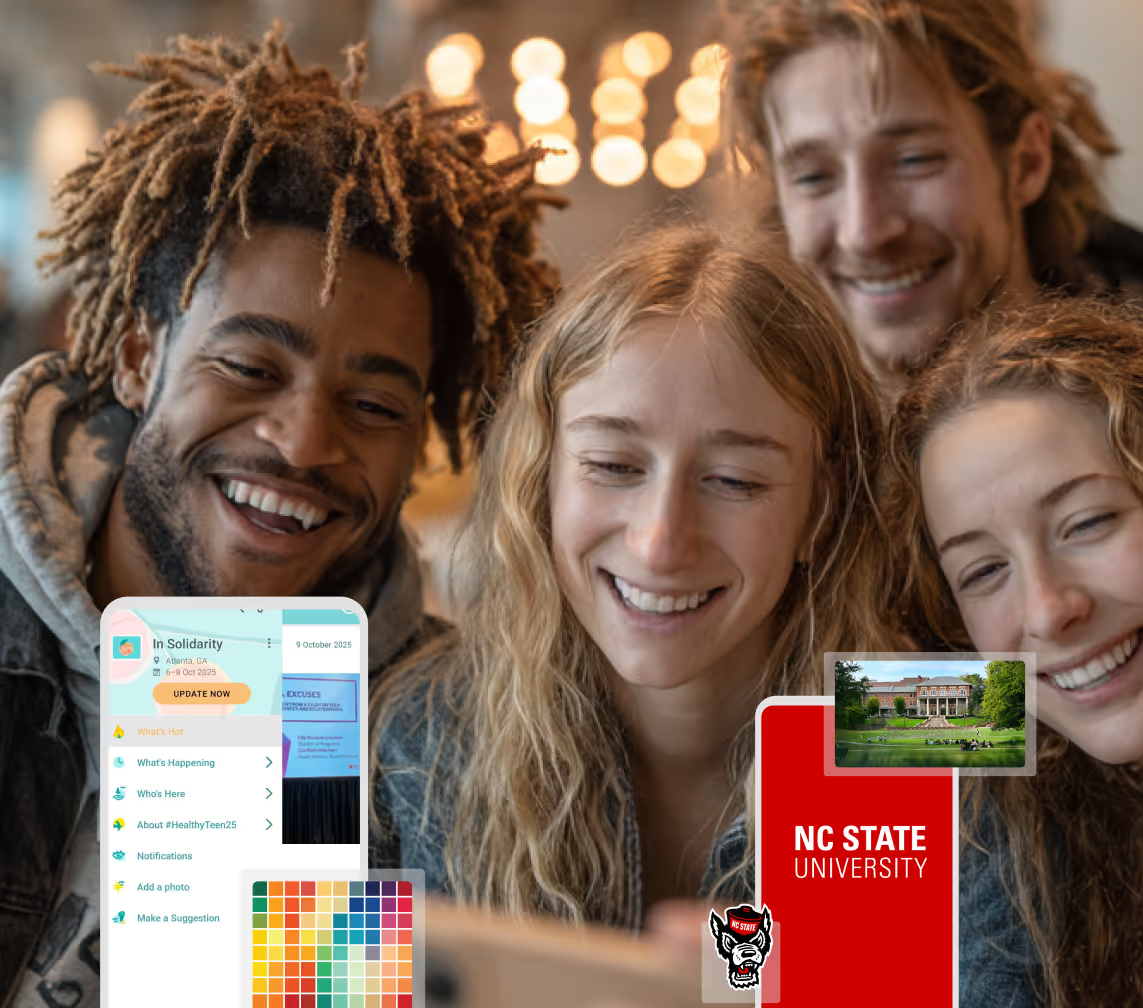
Boost Student Engagement
One hub for schedules, resources, and events that keeps students connected throughout the academic year.
Planning Orientation?
Help new students feel prepared from day one with schedules, campus resources, and real-time updates in one app.
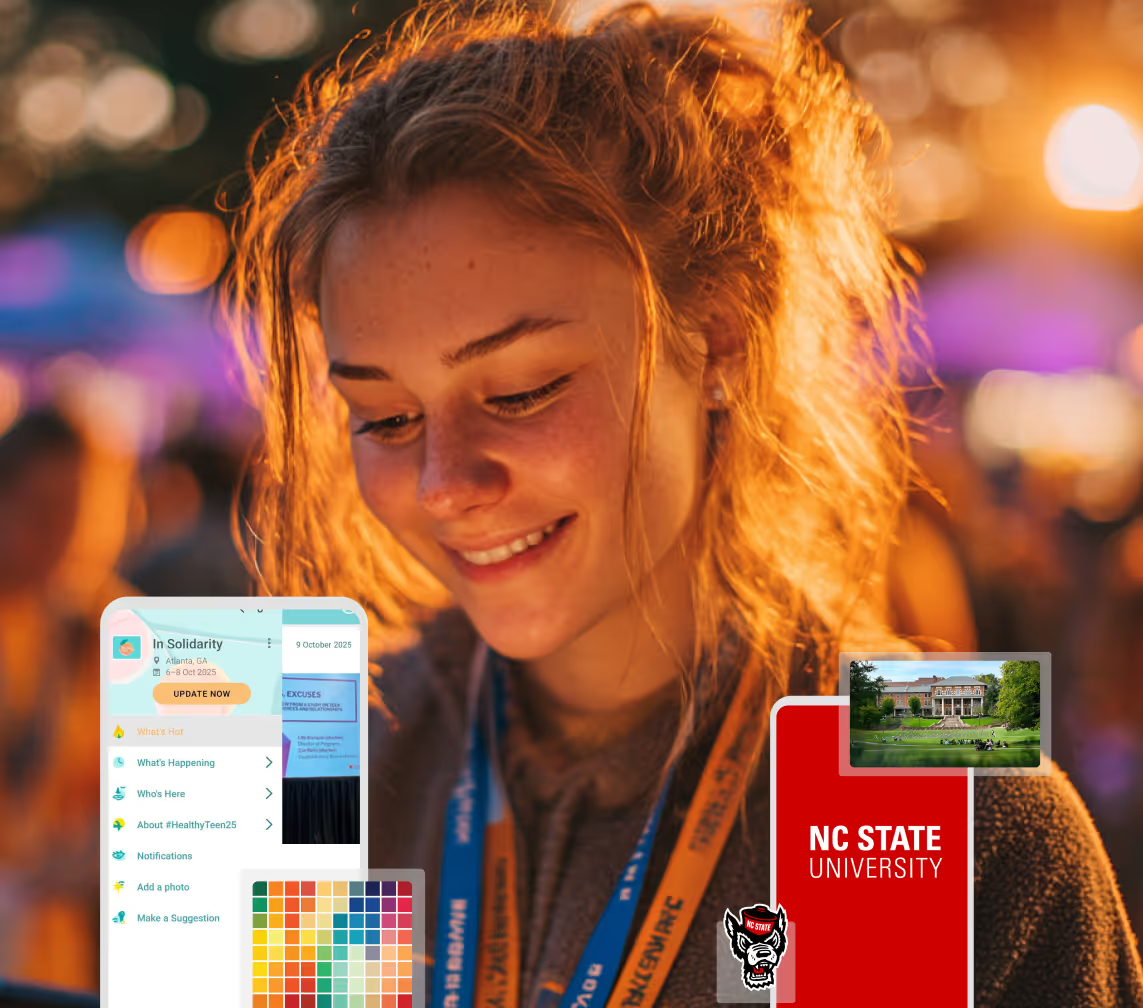
Planning Orientation?
Help new students feel prepared from day one with schedules, campus resources, and real-time updates in one app.
Running Admissions Events?
Manage open houses, tours, and yield events with a branded app that saves time and engages prospective students.

Running Admissions Events?
Manage open houses, tours, and yield events with a branded app that saves time and engages prospective students.
Get a custom Sponsorship Package Template
Stop starting from scratch. Grab free templates that helWe'll build a tailored sponsorship package with suggested pricing, tiers, and benefits..for your specific event.p you build professional sponsorship packages and close deals faster.
Get a custom Sponsorship Package Template
Stop starting from scratch. Grab free templates that helWe'll build a tailored sponsorship package with suggested pricing, tiers, and benefits..for your specific event.p you build professional sponsorship packages and close deals faster.
Plan Your Next Event Without Missing a Beat.
From venue selection to post-event wrap-up, this free checklist walks you through every step (so nothing falls through the cracks).
.avif)
Plan Your Next Event Without Missing a Beat.
From venue selection to post-event wrap-up, this free checklist walks you through every step (so nothing falls through the cracks).
Real Results From Real Events
100,000+ organizations trust Guidebook. See exactly how universities, associations, enterprises, and more put it to work.

Real Results From Real Events
100,000+ organizations trust Guidebook. See exactly how universities, associations, enterprises, and more put it to work.
Flexible pricing for every event size
Find the perfect plan for your needs, from intimate gatherings to large-scale conferences.

Flexible pricing for every event size
Find the perfect plan for your needs, from intimate gatherings to large-scale conferences.
Join our event experts
Watch on-demand webinars and join live sessions with industry leaders sharing best practices for event success.
.avif)
Join our event experts
Watch on-demand webinars and join live sessions with industry leaders sharing best practices for event success.
Guidebook in Action
Book a personalized walkthrough and discover how we help event teams create better attendee experiences.
Guidebook in Action
Book a personalized walkthrough and discover how we help event teams create better attendee experiences.

What is an Event Coordinator Description?
Discover what an event coordinator does, key responsibilities, essential skills, and tips for crafting the perfect event coordinator job description.

Event coordinator description is the detailed outline of responsibilities, skills, and qualifications that define what an event coordinator does daily to bring gatherings to life. It covers everything from vendor management to timeline creation. A clear description helps organizations hire the right talent and sets expectations for success.
Here's the thing: an event coordinator description isn't just an HR document. It's a roadmap for the role itself. Without one, you'll end up with confused team members and missed deadlines. The best descriptions balance specific duties with room for creativity.
Key Characteristics of Event Coordinator Description
- Role Clarity: Defines exactly what the coordinator handles versus what falls to other team members. No gray areas mean fewer dropped balls.
- Skill Requirements: Lists both hard skills (budget management, software proficiency) and soft skills (communication, problem-solving) needed for success.
- Scope Definition: Specifies event types the coordinator will manage—conferences, weddings, corporate meetings, or team building events.
- Reporting Structure: Shows who the coordinator reports to and who reports to them. Clear hierarchy prevents confusion.
- Success Metrics: Outlines how performance will be measured, from attendee satisfaction to budget adherence.
- Growth Pathway: Indicates potential career advancement opportunities within the organization.
Event Coordinator Description vs. Related Roles
Event Coordinator
- Scope: Handles day-to-day logistics and execution details
- Focus: Vendor coordination, timeline management, on-site support
- Timeline: Works primarily during active planning phases
- Channels: Direct communication with vendors and attendees
- Goal: Smooth event execution within established parameters
Event Planner
- Scope: Oversees entire event strategy and vision
- Focus: Concept development, budget creation, big-picture decisions
- Timeline: Involved from initial concept through post-event analysis
- Channels: Client relationships and stakeholder management
- Goal: Deliver events that meet client objectives and vision
Event Manager
- Scope: Leads teams and manages multiple events simultaneously
- Focus: Staff supervision, resource allocation, process improvement
- Timeline: Ongoing oversight across event portfolios
- Channels: Internal team coordination and executive reporting
- Goal: Optimize department performance and profitability
Understanding these distinctions matters when writing job descriptions. A coordinator role that actually requires planner-level work will frustrate candidates and lead to turnover. For more on role clarity, check out our guide on event coordinator role description.
Essential Components of an Event Coordinator Description
Core Responsibilities Section
This is the meat of any description. List 8-12 specific duties the coordinator will handle. Be concrete—"manage vendor relationships" beats "assist with event needs."
Strong responsibility statements start with action verbs. Think "coordinate," "negotiate," "track," and "execute." Vague language leads to vague performance.
Required Qualifications
Split this into must-haves and nice-to-haves. Required qualifications might include:
- 2-3 years of event coordination experience
- Bachelor's degree in hospitality, marketing, or related field
- Proficiency with event check-in software and registration platforms
- Strong written and verbal communication skills
- Ability to manage multiple projects simultaneously
Preferred Skills and Experience
This section attracts candidates who bring extra value. Include things like:
- Experience with virtual event planning
- Knowledge of event digital marketing
- Familiarity with specific industries (healthcare, tech, education)
- Certification from recognized event planning organizations
Work Environment Details
Don't skip this part. Candidates want to know about travel requirements, weekend work expectations, and physical demands. Honesty here prevents mismatched hires.
The Event Coordinator Description Process
Gather Input from Stakeholders
Talk to people who'll work with the coordinator. What do they need from this role? What's worked well with past coordinators? What hasn't?
Include perspectives from vendors, clients, and team members. Each group sees different aspects of the role.
Analyze Current Workflows
Map out your event planning process. Where does the coordinator fit? What tasks currently fall through the cracks?
This analysis often reveals hidden responsibilities. Maybe someone's been handling registration informally. Now's the time to formalize it.
Benchmark Against Industry Standards
Research what other organizations include in similar descriptions. Look at:
- Salary ranges for your market
- Common qualification requirements
- Trending skills (like event SEO knowledge)
- Benefits packages that attract top talent
Draft and Review
Write your first draft, then let it sit for a day. Fresh eyes catch awkward phrasing and missing elements. Have HR review for compliance issues.
Test with Real Candidates
After posting, track which questions candidates ask most. Frequent questions signal gaps in your description. Update accordingly.
Why Event Coordinator Description Matters
For Event Success:
- Clear Accountability: When everyone knows who handles what, nothing slips through the cracks during busy event production phases.
- Faster Onboarding: New hires hit the ground running when expectations are crystal clear from day one.
- Better Vendor Relationships: Vendors appreciate knowing exactly who to contact for decisions and approvals.
- Reduced Stress: Coordinators work more confidently when they understand their boundaries and authority.
- Consistent Quality: Standardized descriptions lead to standardized processes and reliable outcomes.
For Business Objectives:
- Improved Event ROI: The right coordinator in the right role maximizes return on every event dollar spent.
- Lower Turnover Costs: Accurate descriptions attract candidates who actually fit, reducing expensive rehiring cycles.
- Scalable Operations: Well-defined roles make it easier to grow your event team as demand increases.
- Legal Protection: Documented job descriptions provide defense against employment disputes.
- Strategic Alignment: Descriptions that tie to business goals ensure coordinators contribute to bigger objectives.
Platforms like Guidebook's event management platform help coordinators execute their responsibilities more efficiently. When your description includes technology proficiency, you're setting up your team for success.
Event Coordinator Description Best Practices
- Start with Action Verbs: Every responsibility should begin with a strong verb. "Coordinate vendor logistics" beats "responsible for vendors."
- Be Specific About Scope: State event sizes, types, and frequency. "Manage 15-20 corporate events annually" tells candidates exactly what to expect.
- Include Technology Requirements: List specific platforms the coordinator will use, from event registration systems to communication tools.
- Define Decision-Making Authority: Can the coordinator approve expenses under $500? Make vendor selections? Clarity prevents bottlenecks.
- Address Physical Requirements: Event work often involves lifting, standing for hours, and travel. Be upfront about these demands.
- Show Growth Opportunities: Top candidates want career paths. Mention potential advancement to planner or manager roles.
- Update Regularly: Review descriptions annually. Event trends shift, and your descriptions should evolve too.
- Include Salary Range: Transparency attracts serious candidates and saves everyone time.
- Highlight Company Culture: A few sentences about your team's vibe helps candidates self-select.
- Keep It Scannable: Use bullets, headers, and white space. Walls of text lose readers fast.
Common Event Coordinator Description Mistakes
Vague Responsibility Lists: Phrases like "assist with events" or "support the team" mean nothing. Candidates can't evaluate fit, and employees can't be held accountable. Get specific or get ignored.
Unrealistic Qualification Requirements: Asking for 10 years of experience for an entry-level salary drives away qualified candidates. Match requirements to compensation and actual job needs.
Missing Technology Expectations: Today's coordinators need digital skills. Failing to mention software proficiency leaves you with candidates who can't handle modern event planning demands.
Ignoring Soft Skills: Technical abilities matter, but so do communication, adaptability, and problem-solving. Descriptions that focus only on hard skills miss half the picture.
Copy-Paste Templates: Generic descriptions attract generic candidates. Customize for your organization's specific needs, culture, and event types.
Forgetting the "Why": Candidates want purpose, not just tasks. Explain how the role contributes to organizational success and attendee experiences.
Outdated Information: Descriptions from five years ago don't reflect current tools, trends, or expectations. Regular updates keep you competitive in the talent market.
Final Thoughts
A well-crafted event coordinator description does more than fill a position. It sets the foundation for successful events, happy teams, and satisfied attendees. Take the time to get it right.
The events industry continues evolving rapidly. From virtual events to hybrid experiences, coordinators face new challenges constantly. Your description should reflect this dynamic landscape while providing clear guidance.
Think of your coordinator description as a living document. It should grow with your organization, adapt to event management tips and best practices, and attract the talent that'll take your events to the next level.
Ready to support your coordinators with the right tools? Explore event planning resources and see how Guidebook's platform helps teams execute flawless events. Because even the best coordinator description needs great technology behind it.
Your next great event starts with the right person in the right role—and that starts with a description worth reading.
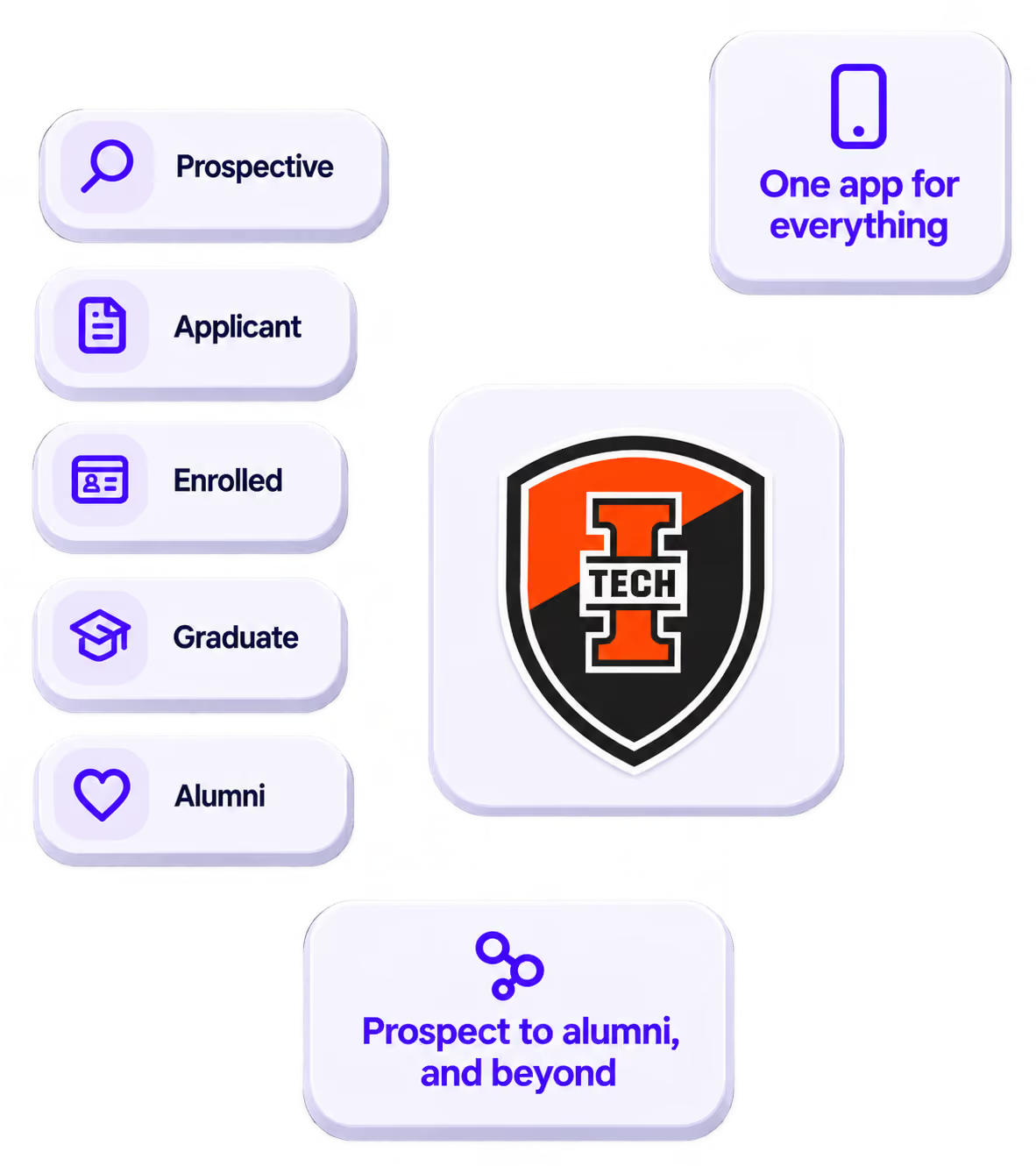
The power of your brand in your app, from first visit to alumni.
Build trust
Your brand, front and center in your own app, downloaded directly from the app stores.
.avif)
Deliver continuity
One app for everything a student needs. From being a prospective student through to graduation and beyond.
Stand out
Your own app helps you to stand out from the competition, stay top of mind, and be remembered.
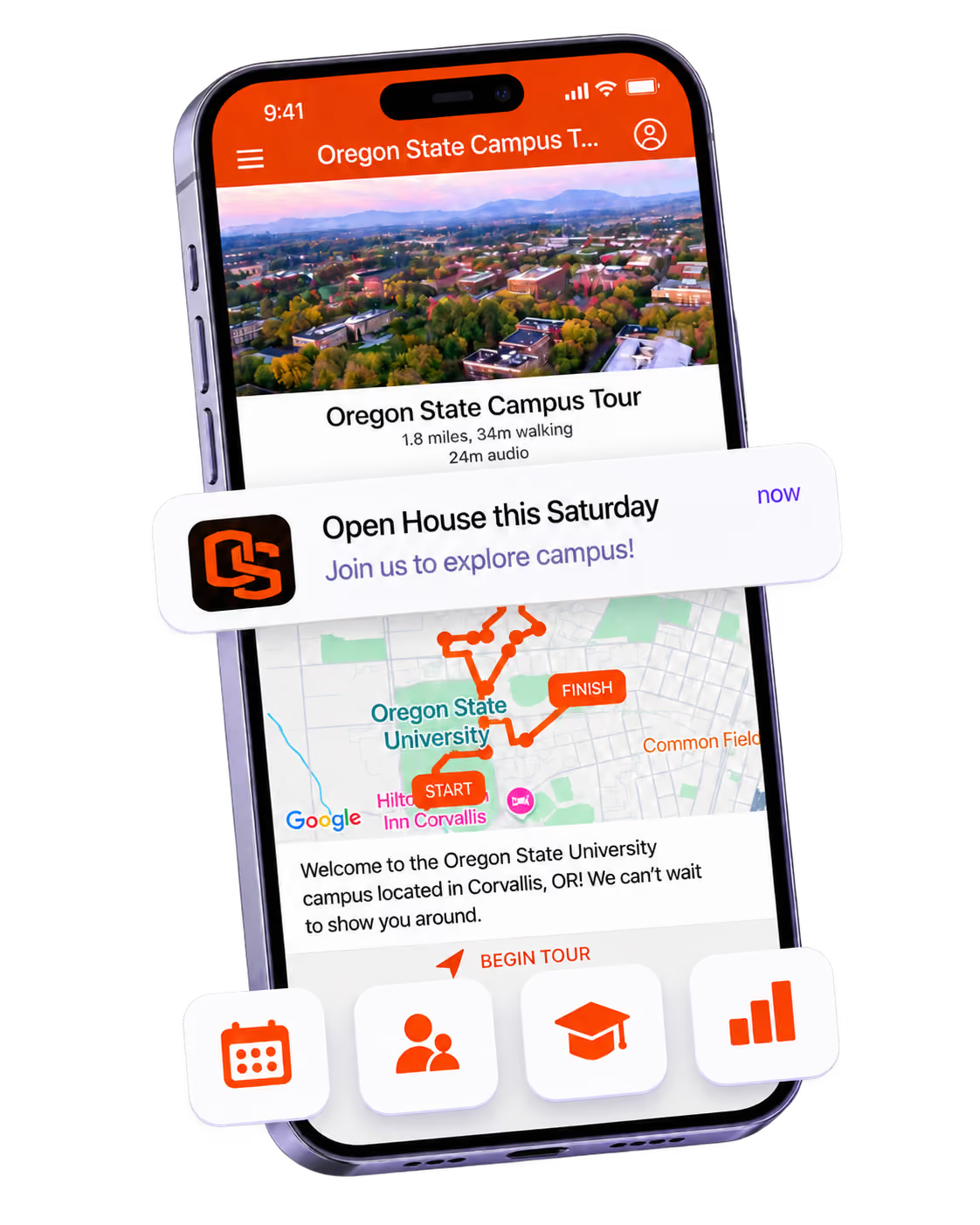

Get the Mobile App Playbook
A short guide to running the whole student journey in one app. No fluff, just what works.
for higher ed
Campus
Playbook
A practical guide to building a connected campus experience.
Free playbook
The Mobile App Playbook for Universities
Students decide if they belong long before they set foot on campus. This playbook shows how to win them over from the first visit through graduation.
- Grow enrollment and boost recruitment
- Increase belonging and retention
- Run every event from one branded app
By submitting, you agree to our Privacy Policy.
You're in.
.png)