
Campus apps by department
Admissions, orientation, student life, and more — one campus app that works across departments.

Campus apps by department
Admissions, orientation, student life, and more — one campus app that works across departments.
Build unlimited event apps on one license
One partnership for unlimited campus events — orientation, tours, student life, and everything in between.
Build unlimited event apps on one license
One partnership for unlimited campus events — orientation, tours, student life, and everything in between.
Compare event app platforms
See how Guidebook stacks up against other event app and registration platforms.
Compare event app platforms
See how Guidebook stacks up against other event app and registration platforms.
Event apps for nonprofit and community programs
Give members, volunteers, and donors one branded app for conferences, fundraisers, and year-round community.
Event apps for nonprofit and community programs
Give members, volunteers, and donors one branded app for conferences, fundraisers, and year-round community.
Campus integrations and an open API
Connect Guidebook with the campus systems, APIs, and tools your team already uses.
Campus integrations and an open API
Connect Guidebook with the campus systems, APIs, and tools your team already uses.
Event apps for corporate and enterprise teams
Internal meetings, offsites, and large-scale corporate events — with the branding and control enterprise teams need.
Event apps for corporate and enterprise teams
Internal meetings, offsites, and large-scale corporate events — with the branding and control enterprise teams need.
Create a branded event app with no coding
Put schedules, maps, resources, and updates in every attendee's pocket — built for campus events and programs.
Create a branded event app with no coding
Put schedules, maps, resources, and updates in every attendee's pocket — built for campus events and programs.
Launch a branded, white-label event app
A white-label event app with your branding, your content, and your attendee experience — no coding required.
Launch a branded, white-label event app
A white-label event app with your branding, your content, and your attendee experience — no coding required.
Everything in the Guidebook platform
Explore the features event teams use to engage attendees before, during, and after the event.
Everything in the Guidebook platform
Explore the features event teams use to engage attendees before, during, and after the event.
One app for in-person and virtual attendees
The same schedule, networking, and updates whether people are in the room or joining remotely.
One app for in-person and virtual attendees
The same schedule, networking, and updates whether people are in the room or joining remotely.
Event apps built for associations
Annual meetings, chapter events, and member engagement — without rebuilding a new app every year.
Event apps built for associations
Annual meetings, chapter events, and member engagement — without rebuilding a new app every year.
A branded event website that matches the app
Promote the event, collect interest, and keep branding consistent from the first click to check-in.
A branded event website that matches the app
Promote the event, collect interest, and keep branding consistent from the first click to check-in.
Plan, run, and measure events on one platform
App, registration, badges, and websites in one workflow — so planning isn't a pile of disconnected tools.
Plan, run, and measure events on one platform
App, registration, badges, and websites in one workflow — so planning isn't a pile of disconnected tools.
Keep members engaged between events
One branded app for the conference and everything that happens the other 51 weeks of the year.
Keep members engaged between events
One branded app for the conference and everything that happens the other 51 weeks of the year.
The conference app attendees actually use
Schedules, maps, networking, and live updates for annual meetings, summits, and multi-day conferences.
The conference app attendees actually use
Schedules, maps, networking, and live updates for annual meetings, summits, and multi-day conferences.
Registration that feeds your app and badges
Collect registrations, payments, and attendee data in the same platform as your event app.
Registration that feeds your app and badges
Collect registrations, payments, and attendee data in the same platform as your event app.
Design and print event badges in one place
Custom badges, QR check-in, and on-site printing — without a separate badge vendor.
Design and print event badges in one place
Custom badges, QR check-in, and on-site printing — without a separate badge vendor.
A Smaller School?
Deliver a polished, branded event experience without a large team or a big budget.
A Smaller School?
Deliver a polished, branded event experience without a large team or a big budget.
Running Family Programs?
Give families everything they need, from schedules and maps to real-time updates, all in one place.
Running Family Programs?
Give families everything they need, from schedules and maps to real-time updates, all in one place.
Coordinating Move-In Day?
Share updates, manage events, and keep students informed from move-in through the academic year.

Coordinating Move-In Day?
Share updates, manage events, and keep students informed from move-in through the academic year.
Offering Campus Tours?
Deliver branded, self-guided tour experiences with interactive maps and rich media, available 24/7.

Offering Campus Tours?
Deliver branded, self-guided tour experiences with interactive maps and rich media, available 24/7.
Organising a Career Fair?
Simplify logistics for students, employers, and Career Services staff with one easy-to-use app.
Organising a Career Fair?
Simplify logistics for students, employers, and Career Services staff with one easy-to-use app.
Managing Alumni Events?
Plan reunions, regional events, and fundraising campaigns with an app built for alumni engagement.
Managing Alumni Events?
Plan reunions, regional events, and fundraising campaigns with an app built for alumni engagement.
Boost Student Engagement
One hub for schedules, resources, and events that keeps students connected throughout the academic year.
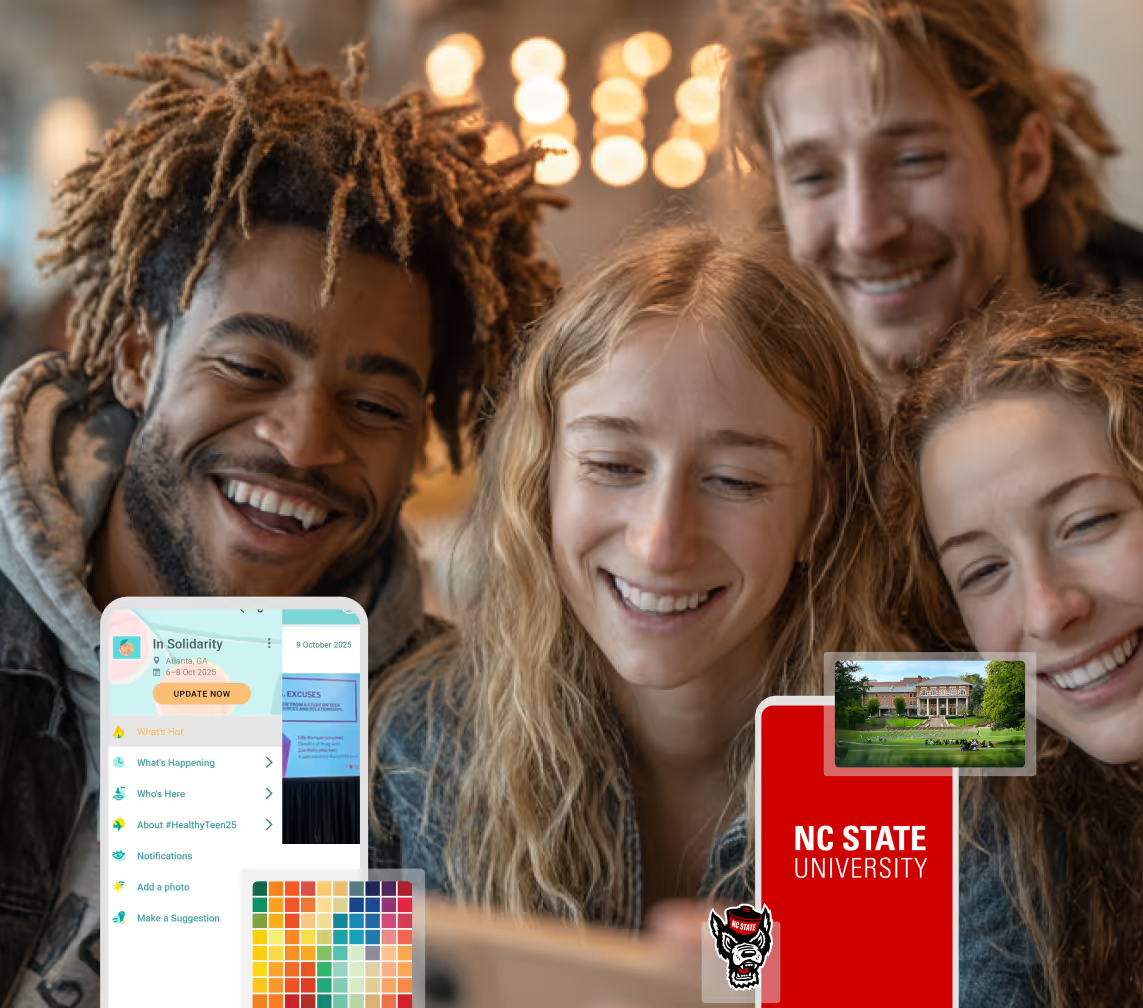
Boost Student Engagement
One hub for schedules, resources, and events that keeps students connected throughout the academic year.
Planning Orientation?
Help new students feel prepared from day one with schedules, campus resources, and real-time updates in one app.

Planning Orientation?
Help new students feel prepared from day one with schedules, campus resources, and real-time updates in one app.
Running Admissions Events?
Manage open houses, tours, and yield events with a branded app that saves time and engages prospective students.

Running Admissions Events?
Manage open houses, tours, and yield events with a branded app that saves time and engages prospective students.
Get a custom Sponsorship Package Template
Stop starting from scratch. Grab free templates that helWe'll build a tailored sponsorship package with suggested pricing, tiers, and benefits..for your specific event.p you build professional sponsorship packages and close deals faster.
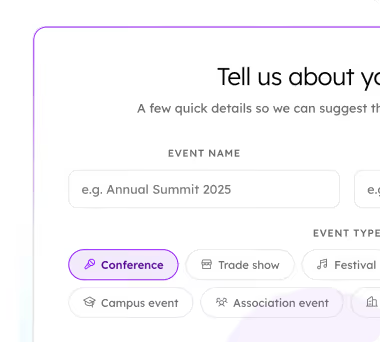
Get a custom Sponsorship Package Template
Stop starting from scratch. Grab free templates that helWe'll build a tailored sponsorship package with suggested pricing, tiers, and benefits..for your specific event.p you build professional sponsorship packages and close deals faster.
Plan Your Next Event Without Missing a Beat.
From venue selection to post-event wrap-up, this free checklist walks you through every step (so nothing falls through the cracks).
.avif)
Plan Your Next Event Without Missing a Beat.
From venue selection to post-event wrap-up, this free checklist walks you through every step (so nothing falls through the cracks).
Real Results From Real Events
100,000+ organizations trust Guidebook. See exactly how universities, associations, enterprises, and more put it to work.

Real Results From Real Events
100,000+ organizations trust Guidebook. See exactly how universities, associations, enterprises, and more put it to work.
Flexible pricing for every event size
Find the perfect plan for your needs, from intimate gatherings to large-scale conferences.

Flexible pricing for every event size
Find the perfect plan for your needs, from intimate gatherings to large-scale conferences.
Join our event experts
Watch on-demand webinars and join live sessions with industry leaders sharing best practices for event success.
.avif)
Join our event experts
Watch on-demand webinars and join live sessions with industry leaders sharing best practices for event success.
Guidebook in Action
Book a personalized walkthrough and discover how we help event teams create better attendee experiences.
Guidebook in Action
Book a personalized walkthrough and discover how we help event teams create better attendee experiences.

What is Conference Attendance Tracking?
Conference attendance tracking monitors participant engagement and presence using digital tools. Discover tracking methods, technology options, and benefits for event organizers.

Conference attendance tracking is the systematic process of monitoring, recording, and analyzing who attends your event sessions, when they arrive, and how they engage throughout the experience. It covers everything from initial check-in to session-level participation. When done right, it transforms raw headcounts into actionable insights that shape future events.
Here's the thing: tracking attendance isn't just about knowing who showed up. It's about understanding behavior patterns, proving ROI to stakeholders, and creating better experiences. Modern tracking goes far beyond clipboard sign-in sheets. Today's tools capture real-time data that helps you make smarter decisions before, during, and after your conference.
Key Characteristics of Conference Attendance Tracking
- Real-Time Data Capture: Information flows instantly as attendees check in, move between sessions, and engage with content. No waiting until post-event to see what happened.
- Multi-Touchpoint Monitoring: Tracks attendance at various levels—main event entry, individual sessions, workshops, networking events, and exhibitor booths.
- Automated Accuracy: Digital systems eliminate human error from manual counting. Badge scans and app check-ins create reliable records automatically.
- Integration Capability: Connects with event registration systems, CRMs, and marketing platforms to create unified attendee profiles.
- Compliance Documentation: Provides verifiable records for continuing education credits, certification requirements, and sponsor reporting obligations. : Goes beyond presence to measure engagement duration, session popularity, and movement patterns throughout your venue.
- Scalable Architecture: Works equally well for 50-person workshops and 10,000-attendee conferences without sacrificing speed or accuracy.
Conference Attendance Tracking vs. Related Terms
Event Registration
- Scope: Pre-event sign-up and ticket purchase process
- Focus: Collecting attendee information and payment before the event
- Timeline: Weeks or months before the conference begins
- Channels: Website forms, email campaigns, sales outreach
- Goal: Secure commitments and build your attendee database
Event Check-In
- Scope: Single-point verification at event entry
- Focus: Confirming registered attendees and distributing badges
- Timeline: Event day arrival only
- Channels: Registration desks, kiosks, event check-in software
- Goal: Smooth entry experience and initial headcount
Session Tracking
- Scope: Individual breakout and workshop attendance
- Focus: Measuring which content draws the most interest
- Timeline: Throughout the event program
- Channels: Room scanners, app check-ins, manual counts
- Goal: Content optimization and speaker performance data
Essential Conference Attendance Tracking Methods
Badge Scanning Technology
QR codes and RFID badges remain the gold standard for speed and accuracy. Attendees simply tap or scan at entry points. The system logs their presence instantly.
This method works best for high-volume events where speed matters. A single scanner can process hundreds of attendees per hour without creating bottlenecks.
Mobile App Check-Ins
Event apps let attendees self-report their session attendance. They open the app, tap "I'm here," and the system records their presence. This approach reduces hardware costs and staffing needs.
Apps also enable event digital marketing opportunities. Push notifications can remind attendees about upcoming sessions they've bookmarked.
Beacon and Proximity Sensors
Bluetooth beacons detect smartphones as attendees enter specific zones. This passive tracking requires no action from participants. It's ideal for measuring foot traffic and dwell time.
The downside? It requires attendees to have Bluetooth enabled and your app installed. Plan your app download strategy accordingly.
Facial Recognition Systems
Advanced venues now offer facial recognition for seamless entry. Attendees register their photo during sign-up. Cameras identify them automatically at check-in points.
Privacy concerns make this option controversial. Always get explicit consent and offer alternative check-in methods.
Manual Counting and Clickers
Sometimes simple works best. Staff members with handheld counters can track room capacity for fire safety compliance. This backup method ensures you're never without data.
How Conference Attendance Tracking Works
Pre-Event Setup and Configuration
Start by defining what you need to track. Main entrance only? Every breakout session? Exhibitor booth visits? Your goals determine your technology requirements.
Next, integrate your tracking system with your registration platform. This connection ensures attendee data flows seamlessly between systems.
Day-Of Data Collection
Position check-in stations at strategic locations. Train staff on troubleshooting common issues. Test all equipment before doors open.
During the event, monitor dashboards for real-time insights. Spot empty sessions early and send push notifications to boost attendance. Identify overcrowded rooms and open overflow spaces.
Post-Event Analysis and Reporting
Raw attendance numbers tell only part of the story. Dig deeper with these analyses:
- Session popularity rankings
- Attendee journey mapping
- No-show rates by registration type
- Peak attendance times
- Sponsor booth traffic reports
Share findings with stakeholders using visual reports. This data proves event ROI and justifies future budgets.
Why Conference Attendance Tracking Matters
For Event Success:
- Content Optimization: Identify which topics resonate and which fall flat. Use this data to plan next year's agenda.
- Resource Allocation: Know exactly how many people attended each session. Right-size rooms, catering, and materials accordingly.
- Real-Time Problem Solving: Spot issues as they happen. Empty keynote? Send a push notification. Overcrowded workshop? Open a second room.
- Speaker Accountability: Provide presenters with concrete attendance data. High-performing speakers earn return invitations.
- Safety Compliance: Maintain accurate headcounts for emergency evacuation procedures and venue capacity limits.
For Business Objectives:
- Sponsor Value Proof: Show sponsors exactly how many attendees visited their booth or attended their session. Hard numbers close renewal deals.
- Lead Qualification: Track which sessions prospects attended. Sales teams can personalize follow-up based on demonstrated interests.
- Certification Compliance: Provide verifiable attendance records for continuing education credits and professional certifications.
- Budget Justification: Prove attendance growth year-over-year. Demonstrate engagement improvements to secure future funding.
- Attendee Insights: Build detailed profiles based on session choices. Use this data for targeted event marketing campaigns.
Conference Attendance Tracking Best Practices
- Define Success Metrics Early: Decide what you're measuring before choosing technology. Tracking everything creates data overload. Focus on metrics that drive decisions.
- Test Your Systems Thoroughly: Run full dress rehearsals with your tracking equipment. Discover problems before 500 attendees line up at registration.
- Train Staff on Troubleshooting: Every team member should know how to handle scanner failures, app glitches, and manual backup procedures.
- Communicate Privacy Policies: Tell attendees what you're tracking and why. Transparency builds trust and ensures compliance with data regulations.
- Create Multiple Check-In Options: Some attendees prefer self-service kiosks. Others want human assistance. Offer both to keep lines moving.
- Monitor Data in Real-Time: Assign someone to watch dashboards throughout the event. Immediate insights enable immediate action.
- Integrate with Your CRM: Push attendance data directly into your customer database. Sales and marketing teams need this information for follow-up.
- Plan for Connectivity Issues: WiFi fails. Apps crash. Have offline backup systems ready. Paper sign-in sheets aren't glamorous, but they work.
- Segment Your Reporting: Different stakeholders need different data. Create custom reports for sponsors, speakers, executives, and your event planning team.
- Act on Your Findings: Data without action is worthless. Use attendance insights to improve your next event. Close the feedback loop.
Common Conference Attendance Tracking Mistakes
Tracking Too Much, Analyzing Too Little: Collecting mountains of data feels productive. But if you never analyze it, you've wasted effort. Focus on actionable metrics that inform real decisions.
Ignoring the Attendee Experience: Long check-in lines frustrate attendees before your event even starts. Prioritize speed and convenience over data perfection. A smooth experience matters more than capturing every data point.
Relying on Single-Point Tracking: Knowing someone entered the building tells you almost nothing. Track session attendance, booth visits, and engagement touchpoints for meaningful insights.
Forgetting About No-Shows: Registration numbers aren't attendance numbers. Track the gap between sign-ups and actual arrivals. High no-show rates signal pricing, timing, or communication problems.
Skipping the Post-Event Debrief: Attendance data loses value quickly. Schedule your event debrief within a week while insights are fresh and team members remember context.
Underestimating Technical Requirements: Badge scanners need charged batteries. Apps need stable WiFi. Beacons need proper placement. Technical failures destroy your data quality.
Failing to Communicate Value to Attendees: People resist tracking when they don't understand the benefit. Explain how their data improves future events and personalizes their experience.
Final Thoughts
The industry continues moving toward passive, seamless tracking. Attendees expect personalized experiences without friction. Meeting these expectations requires investing in the right technology and processes. Check out the latest event trends to stay ahead of attendee expectations.
Don't let perfect be the enemy of good. Start with basic session tracking and build from there. Even simple attendance data beats guessing. Every insight you capture today makes next year's event stronger.
Book a demo to see how easy modern tracking can be. Your future self—armed with actionable data—will thank you.The power of your brand in your app, from first visit to alumni.
Build trust
Attendees download your app, not ours. Your name, colors, and crest in the stores.
.avif)
One place for the whole event
Schedules, maps, registration, and updates in one branded hub - not five tools.
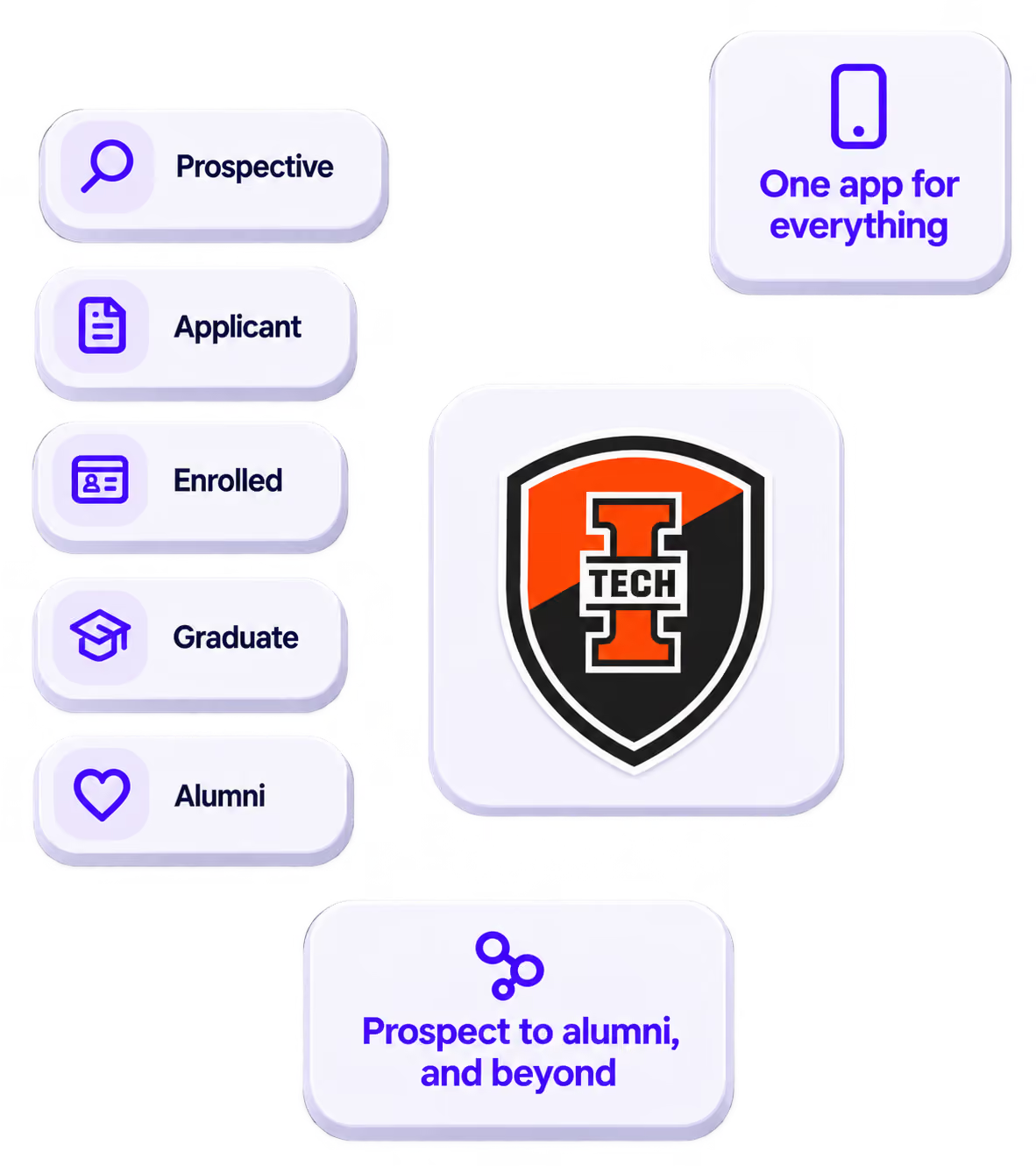
Stand out
A branded app is what people keep on their phone after the printed program is in the recycling.
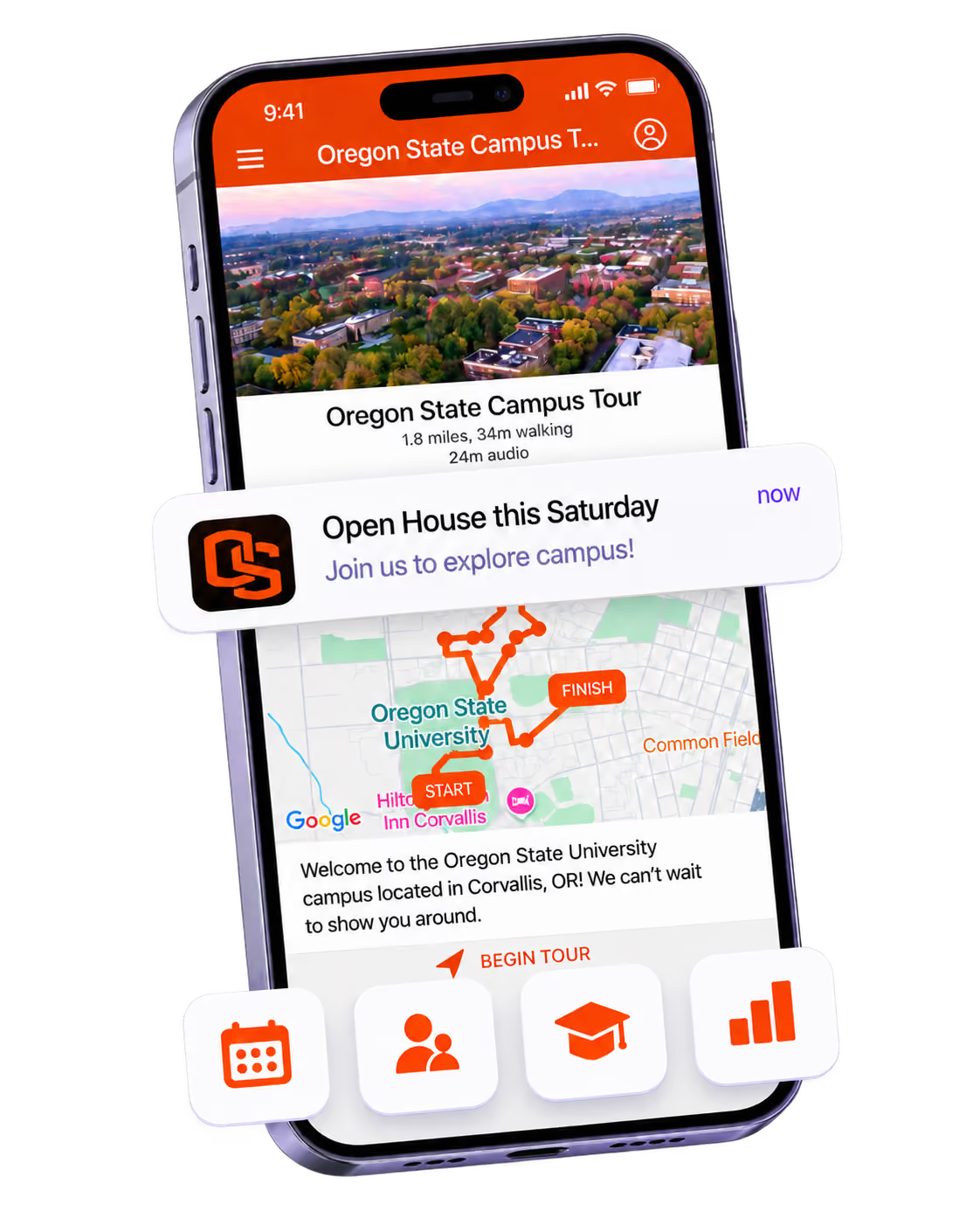

Get the Mobile App Playbook
A short guide to running the whole student journey in one app. No fluff, just what works.
for higher ed
Campus
Playbook
A practical guide to building a connected campus experience.
Free playbook
The Mobile App Playbook for Universities
Students decide if they belong long before they set foot on campus. This playbook shows how to win them over from the first visit through graduation.
- Grow enrollment and boost recruitment
- Increase belonging and retention
- Run every event from one branded app
By submitting, you agree to our Privacy Policy.
You're in.
.png)