
Campus apps by department
Admissions, orientation, student life, and more — one campus app that works across departments.

Campus apps by department
Admissions, orientation, student life, and more — one campus app that works across departments.
Build unlimited event apps on one license
One partnership for unlimited campus events — orientation, tours, student life, and everything in between.
Build unlimited event apps on one license
One partnership for unlimited campus events — orientation, tours, student life, and everything in between.
Compare event app platforms
See how Guidebook stacks up against other event app and registration platforms.
Compare event app platforms
See how Guidebook stacks up against other event app and registration platforms.
Event apps for nonprofit and community programs
Give members, volunteers, and donors one branded app for conferences, fundraisers, and year-round community.
Event apps for nonprofit and community programs
Give members, volunteers, and donors one branded app for conferences, fundraisers, and year-round community.
Campus integrations and an open API
Connect Guidebook with the campus systems, APIs, and tools your team already uses.
Campus integrations and an open API
Connect Guidebook with the campus systems, APIs, and tools your team already uses.
Event apps for corporate and enterprise teams
Internal meetings, offsites, and large-scale corporate events — with the branding and control enterprise teams need.
Event apps for corporate and enterprise teams
Internal meetings, offsites, and large-scale corporate events — with the branding and control enterprise teams need.
Create a branded event app with no coding
Put schedules, maps, resources, and updates in every attendee's pocket — built for campus events and programs.
Create a branded event app with no coding
Put schedules, maps, resources, and updates in every attendee's pocket — built for campus events and programs.
Launch a branded, white-label event app
A white-label event app with your branding, your content, and your attendee experience — no coding required.
Launch a branded, white-label event app
A white-label event app with your branding, your content, and your attendee experience — no coding required.
Everything in the Guidebook platform
Explore the features event teams use to engage attendees before, during, and after the event.
Everything in the Guidebook platform
Explore the features event teams use to engage attendees before, during, and after the event.
One app for in-person and virtual attendees
The same schedule, networking, and updates whether people are in the room or joining remotely.
One app for in-person and virtual attendees
The same schedule, networking, and updates whether people are in the room or joining remotely.
Event apps built for associations
Annual meetings, chapter events, and member engagement — without rebuilding a new app every year.
Event apps built for associations
Annual meetings, chapter events, and member engagement — without rebuilding a new app every year.
A branded event website that matches the app
Promote the event, collect interest, and keep branding consistent from the first click to check-in.
A branded event website that matches the app
Promote the event, collect interest, and keep branding consistent from the first click to check-in.
Plan, run, and measure events on one platform
App, registration, badges, and websites in one workflow — so planning isn't a pile of disconnected tools.
Plan, run, and measure events on one platform
App, registration, badges, and websites in one workflow — so planning isn't a pile of disconnected tools.
Keep members engaged between events
One branded app for the conference and everything that happens the other 51 weeks of the year.
Keep members engaged between events
One branded app for the conference and everything that happens the other 51 weeks of the year.
The conference app attendees actually use
Schedules, maps, networking, and live updates for annual meetings, summits, and multi-day conferences.
The conference app attendees actually use
Schedules, maps, networking, and live updates for annual meetings, summits, and multi-day conferences.
Registration that feeds your app and badges
Collect registrations, payments, and attendee data in the same platform as your event app.
Registration that feeds your app and badges
Collect registrations, payments, and attendee data in the same platform as your event app.
Design and print event badges in one place
Custom badges, QR check-in, and on-site printing — without a separate badge vendor.
Design and print event badges in one place
Custom badges, QR check-in, and on-site printing — without a separate badge vendor.
A Smaller School?
Deliver a polished, branded event experience without a large team or a big budget.
A Smaller School?
Deliver a polished, branded event experience without a large team or a big budget.
Running Family Programs?
Give families everything they need, from schedules and maps to real-time updates, all in one place.
Running Family Programs?
Give families everything they need, from schedules and maps to real-time updates, all in one place.
Coordinating Move-In Day?
Share updates, manage events, and keep students informed from move-in through the academic year.

Coordinating Move-In Day?
Share updates, manage events, and keep students informed from move-in through the academic year.
Offering Campus Tours?
Deliver branded, self-guided tour experiences with interactive maps and rich media, available 24/7.

Offering Campus Tours?
Deliver branded, self-guided tour experiences with interactive maps and rich media, available 24/7.
Organising a Career Fair?
Simplify logistics for students, employers, and Career Services staff with one easy-to-use app.
Organising a Career Fair?
Simplify logistics for students, employers, and Career Services staff with one easy-to-use app.
Managing Alumni Events?
Plan reunions, regional events, and fundraising campaigns with an app built for alumni engagement.
Managing Alumni Events?
Plan reunions, regional events, and fundraising campaigns with an app built for alumni engagement.
Boost Student Engagement
One hub for schedules, resources, and events that keeps students connected throughout the academic year.
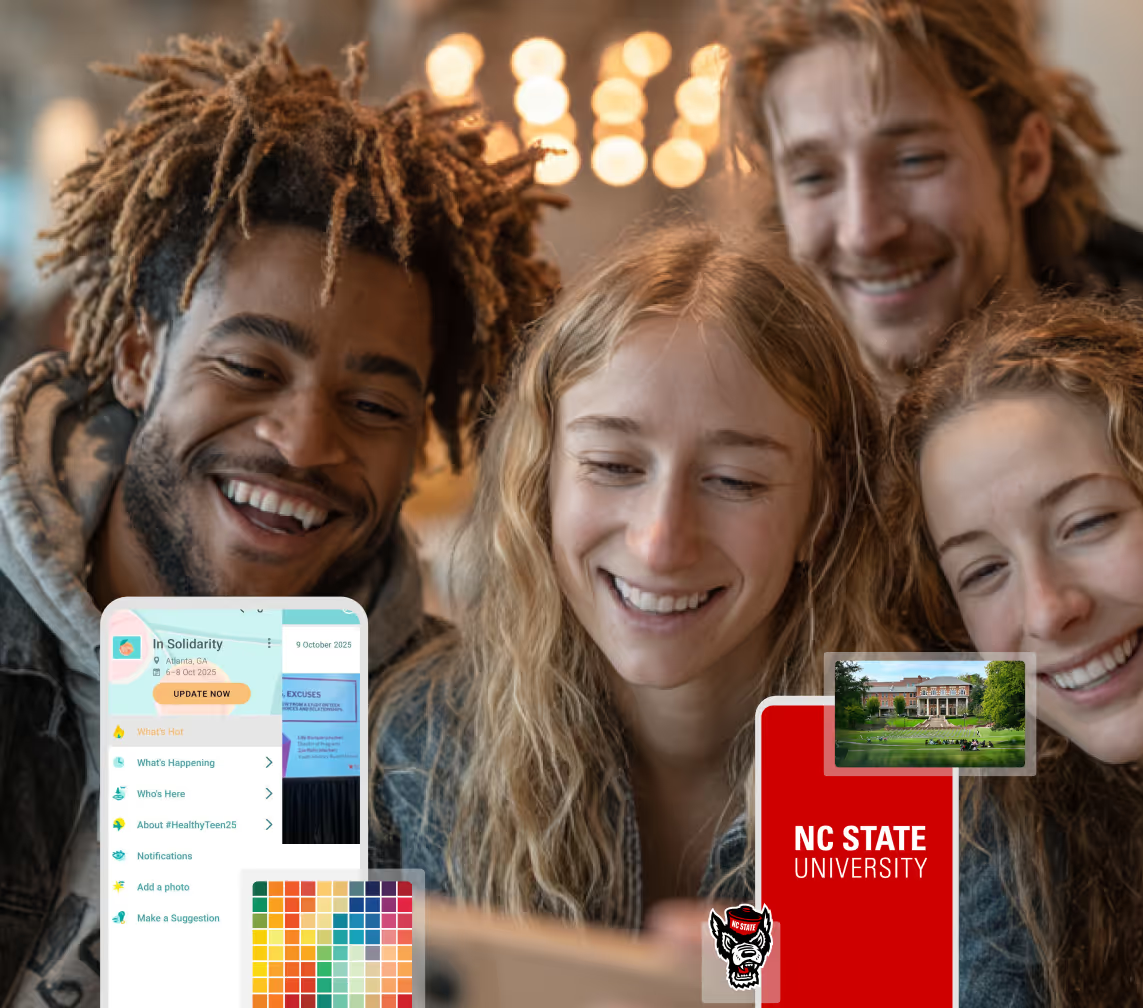
Boost Student Engagement
One hub for schedules, resources, and events that keeps students connected throughout the academic year.
Planning Orientation?
Help new students feel prepared from day one with schedules, campus resources, and real-time updates in one app.
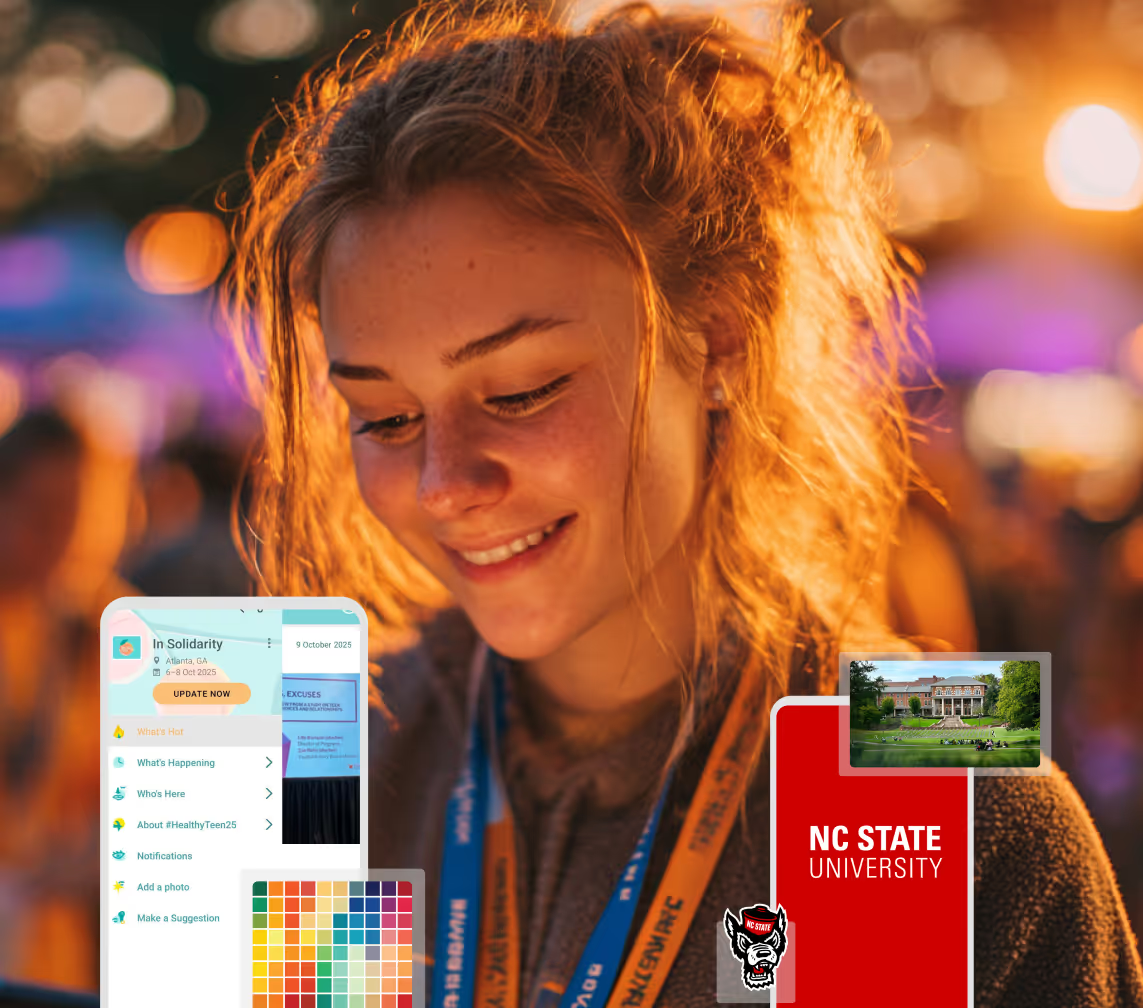
Planning Orientation?
Help new students feel prepared from day one with schedules, campus resources, and real-time updates in one app.
Running Admissions Events?
Manage open houses, tours, and yield events with a branded app that saves time and engages prospective students.

Running Admissions Events?
Manage open houses, tours, and yield events with a branded app that saves time and engages prospective students.
Get a custom Sponsorship Package Template
Stop starting from scratch. Grab free templates that helWe'll build a tailored sponsorship package with suggested pricing, tiers, and benefits..for your specific event.p you build professional sponsorship packages and close deals faster.
Get a custom Sponsorship Package Template
Stop starting from scratch. Grab free templates that helWe'll build a tailored sponsorship package with suggested pricing, tiers, and benefits..for your specific event.p you build professional sponsorship packages and close deals faster.
Plan Your Next Event Without Missing a Beat.
From venue selection to post-event wrap-up, this free checklist walks you through every step (so nothing falls through the cracks).
.avif)
Plan Your Next Event Without Missing a Beat.
From venue selection to post-event wrap-up, this free checklist walks you through every step (so nothing falls through the cracks).
Real Results From Real Events
100,000+ organizations trust Guidebook. See exactly how universities, associations, enterprises, and more put it to work.

Real Results From Real Events
100,000+ organizations trust Guidebook. See exactly how universities, associations, enterprises, and more put it to work.
Flexible pricing for every event size
Find the perfect plan for your needs, from intimate gatherings to large-scale conferences.

Flexible pricing for every event size
Find the perfect plan for your needs, from intimate gatherings to large-scale conferences.
Join our event experts
Watch on-demand webinars and join live sessions with industry leaders sharing best practices for event success.
.avif)
Join our event experts
Watch on-demand webinars and join live sessions with industry leaders sharing best practices for event success.
Guidebook in Action
Book a personalized walkthrough and discover how we help event teams create better attendee experiences.
Guidebook in Action
Book a personalized walkthrough and discover how we help event teams create better attendee experiences.

What is Events and Logistics?
Events and logistics ensure seamless planning and execution of gatherings by coordinating resources, schedules, and operations. Discover key concepts, best practices, and expert tips for successful event management.

Events and Logistics is the strategic coordination of all physical, operational, and resource elements that transform an event concept into a seamless attendee experience. It covers everything from venue selection and vendor management to transportation, equipment setup, and on-site operations. Without solid logistics, even the most creative event ideas fall flat.
Here's the thing: event planning focuses on the "what" and "why." Logistics handles the "how" and "when." You can dream up an amazing conference theme. But someone needs to figure out how 500 chairs arrive on time. That's logistics. It's the behind-the-scenes engine that makes events actually work.
Key Characteristics of Events and Logistics
- Multi-Stakeholder Coordination: Logistics requires constant communication between venues, vendors, staff, and clients. One missed email can derail an entire timeline.
- Time-Sensitive Execution: Every task has a deadline that connects to other deadlines. Late catering delivery means late lunch, which means a rushed afternoon schedule.
- Resource Optimization: Smart logistics stretches budgets further. It's about getting the right equipment, people, and materials in place without waste.
- Risk Management Focus: Good logistics planning includes backup plans. What if the AV equipment fails? What if a vendor cancels?
- Scalability Requirements: Logistics systems must flex for events of 50 or 5,000 people. The core processes stay similar, but complexity multiplies.
- Real-Time Problem Solving: No event runs perfectly. Logistics teams must adapt quickly when things go sideways.
- Documentation-Heavy: Contracts, permits, schedules, floor plans, and checklists keep everything organized and legally compliant.
Events and Logistics vs. Related Terms
Event Planning
- Scope: Overall event strategy, theme, and attendee experience design
- Focus: Creative vision and stakeholder goals
- Timeline: Begins months before the event with concept development
- Channels: Client meetings, brainstorming sessions, design reviews
- Goal: Create a compelling event concept that meets objectives
Event Production
- Scope: Technical execution including AV, lighting, staging, and effects
- Focus: Show quality and technical performance
- Timeline: Intensifies during load-in and live event days
- Channels: Production schedules, technical riders, crew coordination
- Goal: Deliver flawless technical execution that wows attendees
Event Operations
- Scope: Day-of management including staffing, crowd flow, and safety
- Focus: Smooth attendee experience during the live event
- Timeline: Primarily active during event hours
- Channels: Radios, staff briefings, real-time communication tools
- Goal: Keep everything running smoothly from doors open to close
Think of it this way: event planning decides you're hosting a gala. Event production creates the stage magic. Logistics gets 200 tables, 1,000 plates, and a 12-piece band to the venue on time. They're all connected, but logistics is the glue.
Essential Components of Event Logistics
Venue and Space Management
Your venue choice drives almost every other logistics decision. Capacity limits affect guest counts. Loading dock access determines delivery schedules. Power availability shapes your AV options.
Key venue logistics include:
- Site visits and floor plan development
- Permit and insurance requirements
- Load-in and load-out scheduling
- Parking and accessibility planning
Vendor Coordination and Contracts
Most events involve 10-20 vendors minimum. Caterers, AV companies, florists, photographers, rental companies—each needs clear contracts and timelines.
Strong vendor management means:
- Detailed scope of work documents
- Payment schedules and deposit tracking
- Delivery time windows and contact information
- Backup vendor relationships for emergencies
Transportation and Shipping
Getting people and stuff where they need to be sounds simple. It's not. Consider attendee shuttles, speaker travel, equipment shipping, and signage delivery. Each has different timing needs.
Transportation logistics cover:
- Freight and equipment shipping schedules
- VIP and speaker ground transportation
- Attendee parking or shuttle services
- International shipping and customs (for global events)
Staffing and Volunteer Management
People power your event. But bodies alone aren't enough. Staff need training, schedules, meals, and clear communication channels.
Staffing logistics include:
- Role definitions and responsibility matrices
- Shift schedules and break rotations
- Uniform or credential distribution
- Communication tools like radios or apps
Technology and Equipment Setup
Modern events run on tech. Check-in software, presentation equipment, live streaming gear, and mobile apps all need setup time and testing.
Tech logistics require:
- Equipment inventory and testing schedules
- Internet bandwidth requirements
- Power distribution planning
- Technical rehearsal time blocks
The Event Logistics Timeline
Pre-Event Phase (3-12 Months Out)
This is where most logistics work happens. You're booking venues, signing vendor contracts, and building master schedules. Rush this phase, and you'll pay for it later.
Critical pre-event tasks:
- Venue selection and contract negotiation
- Vendor RFPs and selection
- Permit applications and insurance certificates
- Master timeline development
- Budget allocation and tracking setup
Production Phase (1-4 Weeks Out)
Details get finalized here. You're confirming headcounts, finalizing floor plans, and creating detailed run-of-show documents. Changes become expensive.
Production phase priorities:
- Final vendor confirmations and payments
- Staff scheduling and training
- Signage and materials production
- Technology testing and troubleshooting
Execution Phase (Event Days)
All your planning meets reality. Load-in happens, vendors arrive, and attendees show up. Your job shifts from planning to problem-solving.
Execution phase focus areas:
- Load-in supervision and vendor check-ins
- Real-time schedule adjustments
- Staff coordination and support
- Attendee experience monitoring
Post-Event Phase (1-2 Weeks After)
The event ends, but logistics continues. Equipment returns, final invoices arrive, and you document what worked and what didn't.
Post-event logistics include:
- Load-out supervision and venue walkthrough
- Final vendor payments and invoice reconciliation
- Equipment inventory and damage assessment
- Event debrief and lessons learned documentation
Why Events and Logistics Matters
For Event Success:
- Seamless Attendee Experience: Good logistics means attendees never notice logistics. They just enjoy the event without friction or confusion.
- Risk Reduction: Backup plans and contingency thinking prevent small problems from becoming disasters.
- Budget Protection: Organized logistics prevents costly last-minute rushes, overtime charges, and emergency purchases.
- Team Confidence: When staff know the plan, they execute better. Clear logistics documentation reduces stress and mistakes.
- Reputation Building: Events that run smoothly get talked about. Attendees remember how they felt, and logistics shapes that feeling.
For Business Objectives:
- Measurable ROI: Tracking logistics costs helps calculate true event ROI and improve future budgeting.
- Scalability: Documented logistics processes let you grow events without reinventing the wheel each time.
- Stakeholder Trust: Sponsors and executives trust teams that demonstrate operational competence.
- Competitive Advantage: Organizations known for flawless execution attract better speakers, sponsors, and attendees.
- Data Collection: Logistics touchpoints like registration and check-in generate valuable attendee data.
Platforms like Guidebook's event management software help teams centralize logistics information, communicate with attendees in real-time, and reduce the chaos that comes with complex events.
Events and Logistics Best Practices
- Build Your Master Timeline First: Every logistics decision connects to timing. Start with key dates and work backward to create realistic deadlines.
- Document Everything in Writing: Verbal agreements cause problems. Get vendor commitments, delivery times, and scope details in contracts or emails.
- Create Redundancy for Critical Elements: Have backup vendors for catering, AV, and transportation. One cancellation shouldn't tank your event.
- Visit Your Venue Multiple Times: Photos lie. Walk the space at different times of day. Check loading docks, power outlets, and cell signal strength.
- Centralize Communication: Use one platform for team updates. Scattered information across email, text, and calls creates confusion.
- Build Buffer Time Into Every Schedule: Things take longer than expected. Add 20-30% buffer to load-in, setup, and transition times.
- Brief Your Team Thoroughly: Staff can't solve problems they don't understand. Invest time in pre-event briefings and written role guides.
- Test Technology Before Event Day: Run through your check-in software, presentation equipment, and streaming setup. Find problems early.
- Create a Day-Of Contact Sheet: List every vendor, staff lead, and venue contact with cell numbers. Distribute to your core team.
- Conduct Post-Event Reviews: Capture lessons learned while they're fresh. What worked? What failed? What would you change?
Common Events and Logistics Mistakes
Underestimating Load-In Time: Teams often schedule tight load-in windows that don't account for elevator waits, vendor delays, or setup complications. This creates a rushed, stressful start that affects the entire event. Always add buffer time and sequence vendor arrivals strategically.
Ignoring Permit Requirements: Many venues and municipalities require permits for tents, food service, alcohol, or amplified sound. Discovering this requirement days before your event leads to scrambling, fines, or cancellations. Research permit needs during venue selection.
Skipping the Site Visit: Relying on floor plans and photos leads to surprises. That "large loading dock" might be down a narrow alley. The "ample parking" might be a 10-minute walk away. Visit in person, ideally at the same time of day as your event.
Single Points of Failure: Using one vendor for critical services without a backup plan is risky. If your sole caterer has a kitchen fire, you need options. Build relationships with backup vendors before you need them.
Poor Staff Communication: Assuming staff will "figure it out" leads to confusion and inconsistent attendee experiences. Create clear briefing documents, hold pre-event meetings, and establish communication protocols.
Neglecting Attendee Flow: Focusing on logistics without considering how attendees move through the space creates bottlenecks. Map the attendee journey from arrival to departure and identify potential congestion points.
Waiting Too Long to Confirm Details: Procrastinating on final headcounts, menu selections, or equipment orders limits options and increases costs. Set internal deadlines that beat vendor deadlines by several days.
Final Thoughts
Events and logistics might not be glamorous, but it's where events succeed or fail. The best creative concepts mean nothing if attendees can't find parking, lunch arrives cold, or the projector doesn't work. Logistics is the foundation everything else builds on.
The event industry continues evolving with new trends and technologies. Hybrid events add complexity. Sustainability requirements change vendor choices. Attendee expectations keep rising. Strong logistics skills matter more than ever.
Here's what separates good event professionals from great ones: they embrace logistics as a creative challenge, not a boring checklist. Finding elegant solutions to complex coordination problems is genuinely satisfying work. And when everything comes together seamlessly? That's the magic.
Ready to level up your event logistics? Explore event management tips for more strategies, check out planning resources to build your toolkit, or see how Guidebook's platform can centralize your logistics and communication. Great events don't happen by accident—they happen because someone sweated the details.
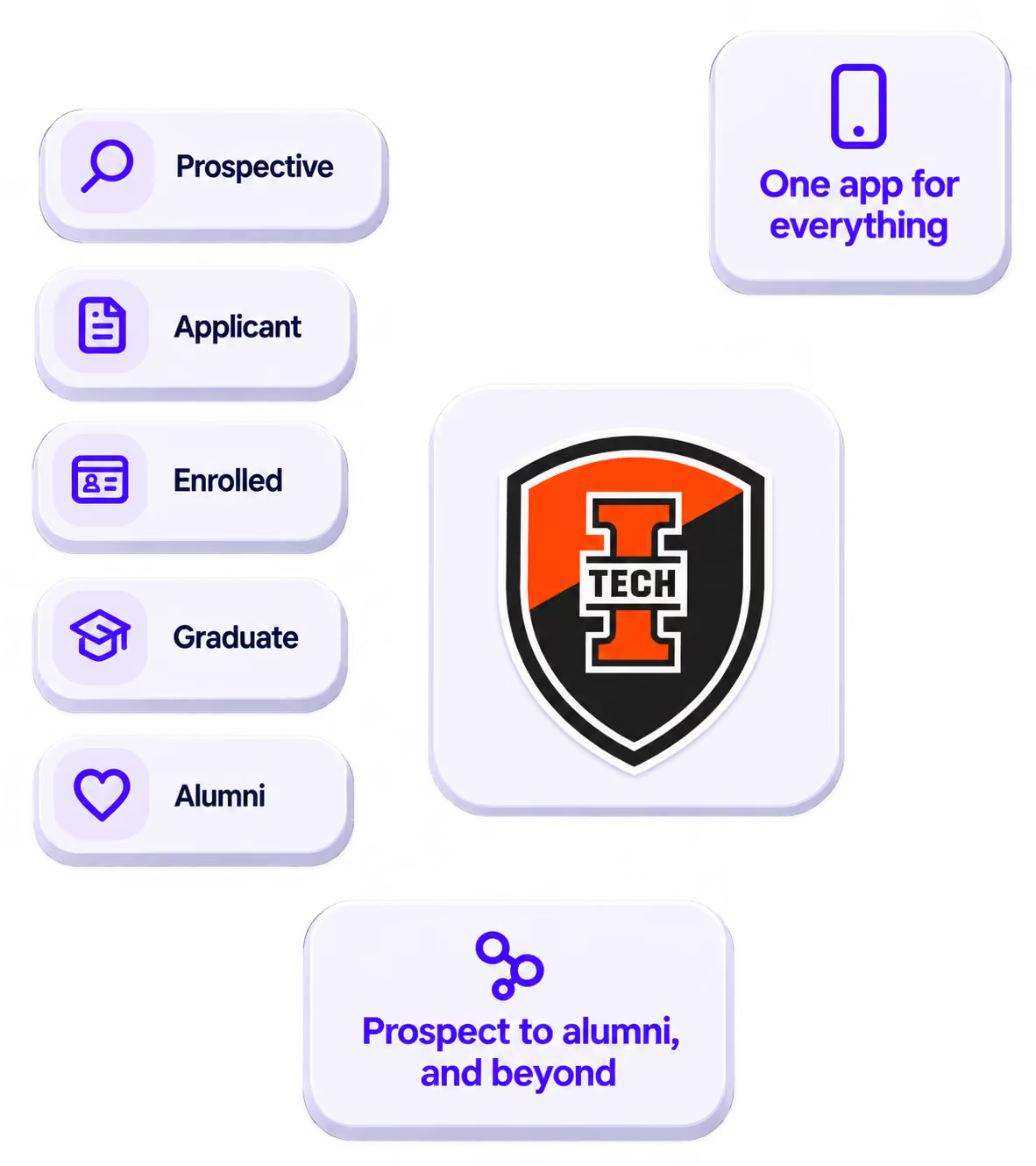
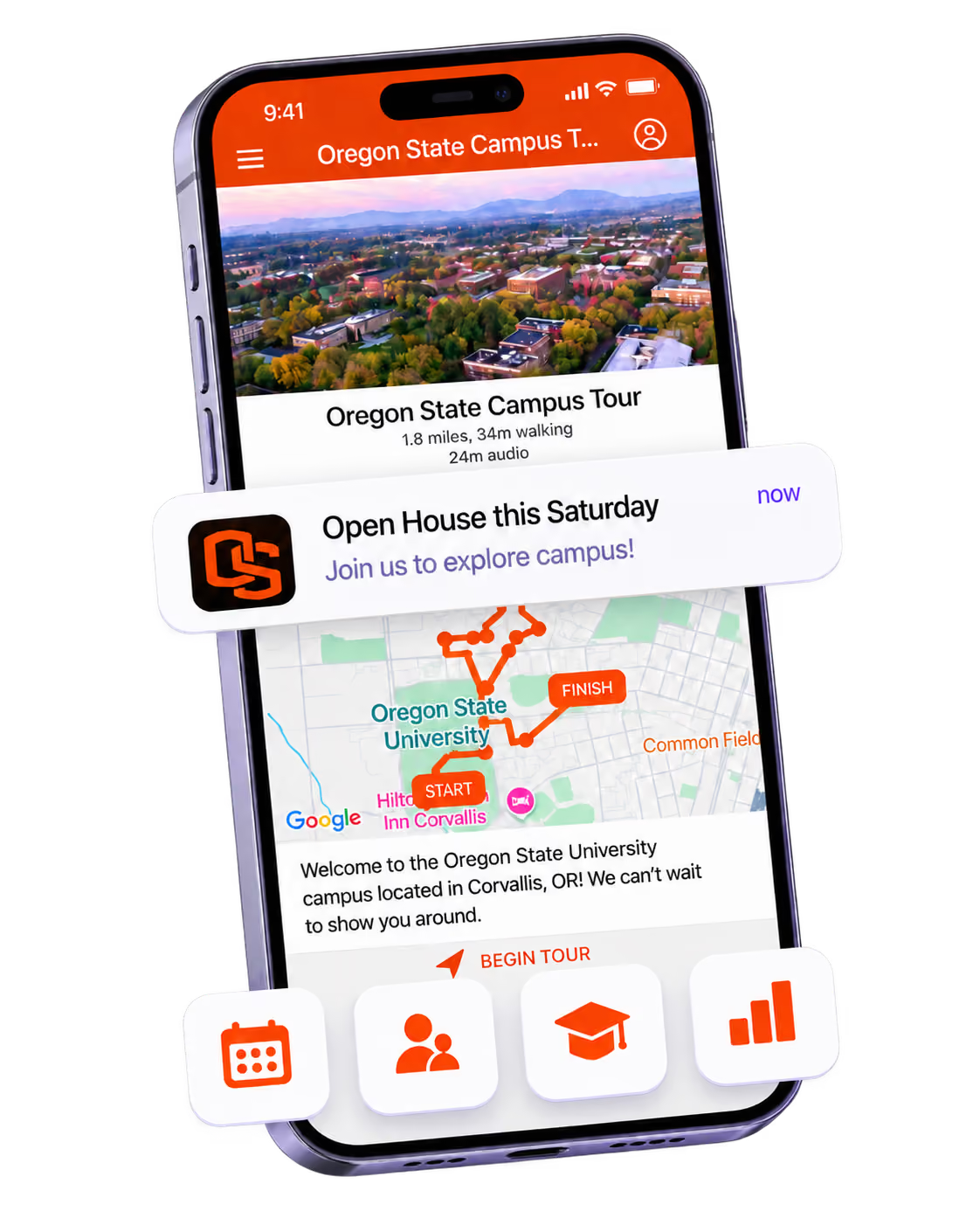
The power of your brand in your app, from first visit to alumni.
Build trust
Attendees download your app, not ours. Your name, colors, and crest in the stores.
.avif)
One place for the whole event
Schedules, maps, registration, and updates in one branded hub - not five tools.
Stand out
A branded app is what people keep on their phone after the printed program is in the recycling.

Get the Mobile App Playbook
A short guide to running the whole student journey in one app. No fluff, just what works.
for higher ed
Campus
Playbook
A practical guide to building a connected campus experience.
Free playbook
The Mobile App Playbook for Universities
Students decide if they belong long before they set foot on campus. This playbook shows how to win them over from the first visit through graduation.
- Grow enrollment and boost recruitment
- Increase belonging and retention
- Run every event from one branded app
By submitting, you agree to our Privacy Policy.
You're in.
.png)