
Campus apps by department
Admissions, orientation, student life, and more — one campus app that works across departments.

Campus apps by department
Admissions, orientation, student life, and more — one campus app that works across departments.
Build unlimited event apps on one license
One partnership for unlimited campus events — orientation, tours, student life, and everything in between.
Build unlimited event apps on one license
One partnership for unlimited campus events — orientation, tours, student life, and everything in between.
Compare event app platforms
See how Guidebook stacks up against other event app and registration platforms.
Compare event app platforms
See how Guidebook stacks up against other event app and registration platforms.
Event apps for nonprofit and community programs
Give members, volunteers, and donors one branded app for conferences, fundraisers, and year-round community.
Event apps for nonprofit and community programs
Give members, volunteers, and donors one branded app for conferences, fundraisers, and year-round community.
Campus integrations and an open API
Connect Guidebook with the campus systems, APIs, and tools your team already uses.
Campus integrations and an open API
Connect Guidebook with the campus systems, APIs, and tools your team already uses.
Event apps for corporate and enterprise teams
Internal meetings, offsites, and large-scale corporate events — with the branding and control enterprise teams need.
Event apps for corporate and enterprise teams
Internal meetings, offsites, and large-scale corporate events — with the branding and control enterprise teams need.
Create a branded event app with no coding
Put schedules, maps, resources, and updates in every attendee's pocket — built for campus events and programs.
Create a branded event app with no coding
Put schedules, maps, resources, and updates in every attendee's pocket — built for campus events and programs.
Launch a branded, white-label event app
A white-label event app with your branding, your content, and your attendee experience — no coding required.
Launch a branded, white-label event app
A white-label event app with your branding, your content, and your attendee experience — no coding required.
Everything in the Guidebook platform
Explore the features event teams use to engage attendees before, during, and after the event.
Everything in the Guidebook platform
Explore the features event teams use to engage attendees before, during, and after the event.
One app for in-person and virtual attendees
The same schedule, networking, and updates whether people are in the room or joining remotely.
One app for in-person and virtual attendees
The same schedule, networking, and updates whether people are in the room or joining remotely.
Event apps built for associations
Annual meetings, chapter events, and member engagement — without rebuilding a new app every year.
Event apps built for associations
Annual meetings, chapter events, and member engagement — without rebuilding a new app every year.
A branded event website that matches the app
Promote the event, collect interest, and keep branding consistent from the first click to check-in.
A branded event website that matches the app
Promote the event, collect interest, and keep branding consistent from the first click to check-in.
Plan, run, and measure events on one platform
App, registration, badges, and websites in one workflow — so planning isn't a pile of disconnected tools.
Plan, run, and measure events on one platform
App, registration, badges, and websites in one workflow — so planning isn't a pile of disconnected tools.
Keep members engaged between events
One branded app for the conference and everything that happens the other 51 weeks of the year.
Keep members engaged between events
One branded app for the conference and everything that happens the other 51 weeks of the year.
The conference app attendees actually use
Schedules, maps, networking, and live updates for annual meetings, summits, and multi-day conferences.
The conference app attendees actually use
Schedules, maps, networking, and live updates for annual meetings, summits, and multi-day conferences.
Registration that feeds your app and badges
Collect registrations, payments, and attendee data in the same platform as your event app.
Registration that feeds your app and badges
Collect registrations, payments, and attendee data in the same platform as your event app.
Design and print event badges in one place
Custom badges, QR check-in, and on-site printing — without a separate badge vendor.
Design and print event badges in one place
Custom badges, QR check-in, and on-site printing — without a separate badge vendor.
A Smaller School?
Deliver a polished, branded event experience without a large team or a big budget.
A Smaller School?
Deliver a polished, branded event experience without a large team or a big budget.
Running Family Programs?
Give families everything they need, from schedules and maps to real-time updates, all in one place.
Running Family Programs?
Give families everything they need, from schedules and maps to real-time updates, all in one place.
Coordinating Move-In Day?
Share updates, manage events, and keep students informed from move-in through the academic year.

Coordinating Move-In Day?
Share updates, manage events, and keep students informed from move-in through the academic year.
Offering Campus Tours?
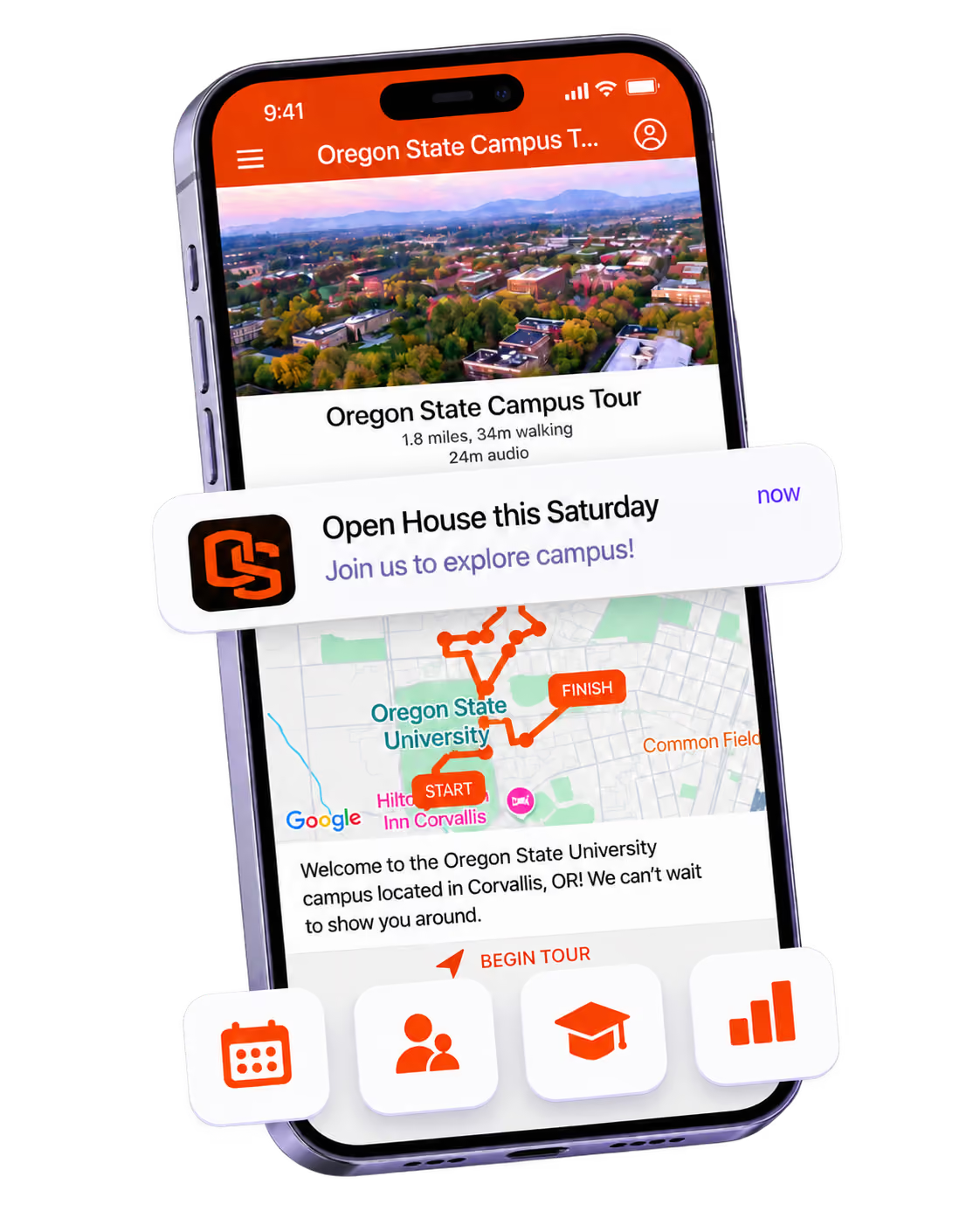
Deliver branded, self-guided tour experiences with interactive maps and rich media, available 24/7.

Offering Campus Tours?
Deliver branded, self-guided tour experiences with interactive maps and rich media, available 24/7.
Organising a Career Fair?
Simplify logistics for students, employers, and Career Services staff with one easy-to-use app.
Organising a Career Fair?
Simplify logistics for students, employers, and Career Services staff with one easy-to-use app.
Managing Alumni Events?
Plan reunions, regional events, and fundraising campaigns with an app built for alumni engagement.
Managing Alumni Events?
Plan reunions, regional events, and fundraising campaigns with an app built for alumni engagement.
Boost Student Engagement
One hub for schedules, resources, and events that keeps students connected throughout the academic year.
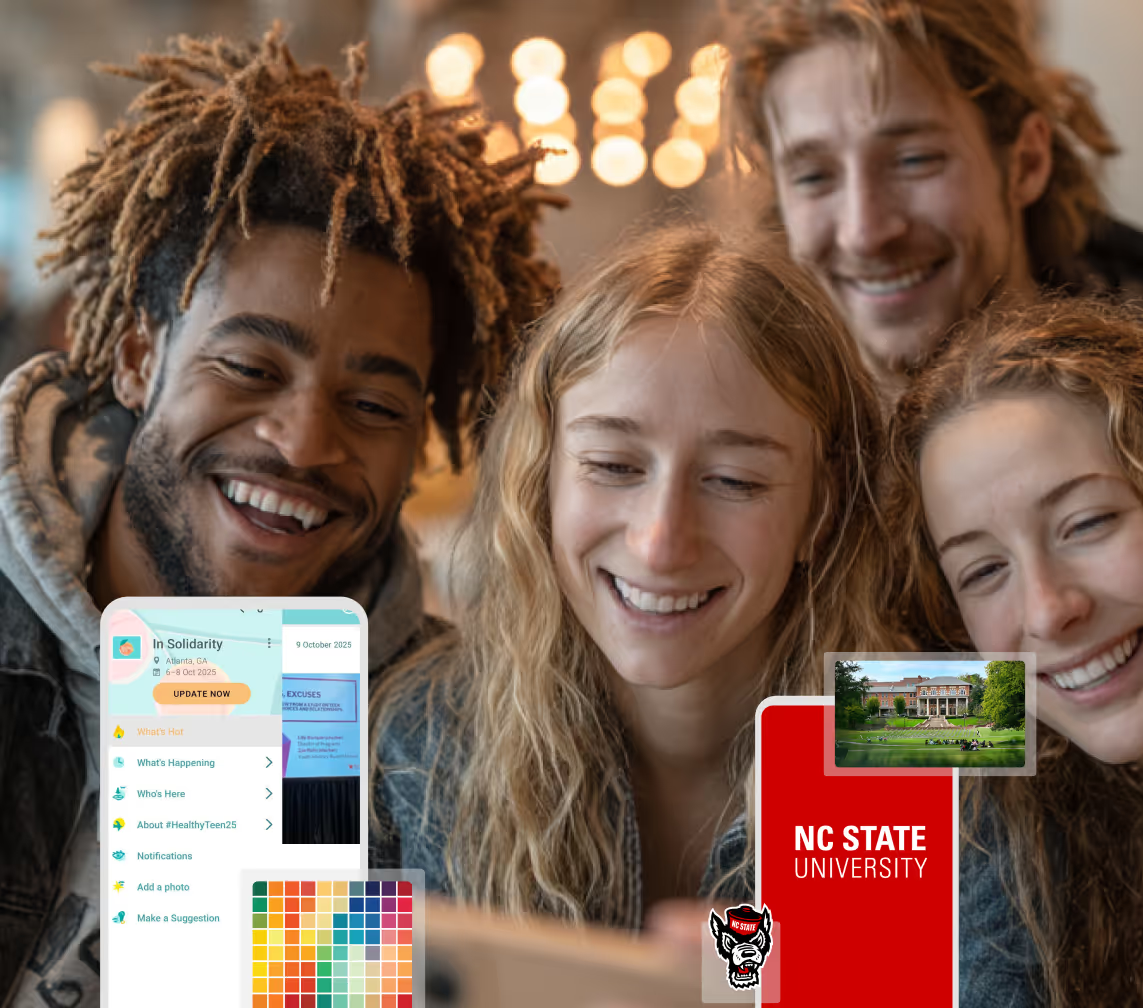
Boost Student Engagement
One hub for schedules, resources, and events that keeps students connected throughout the academic year.
Planning Orientation?
Help new students feel prepared from day one with schedules, campus resources, and real-time updates in one app.
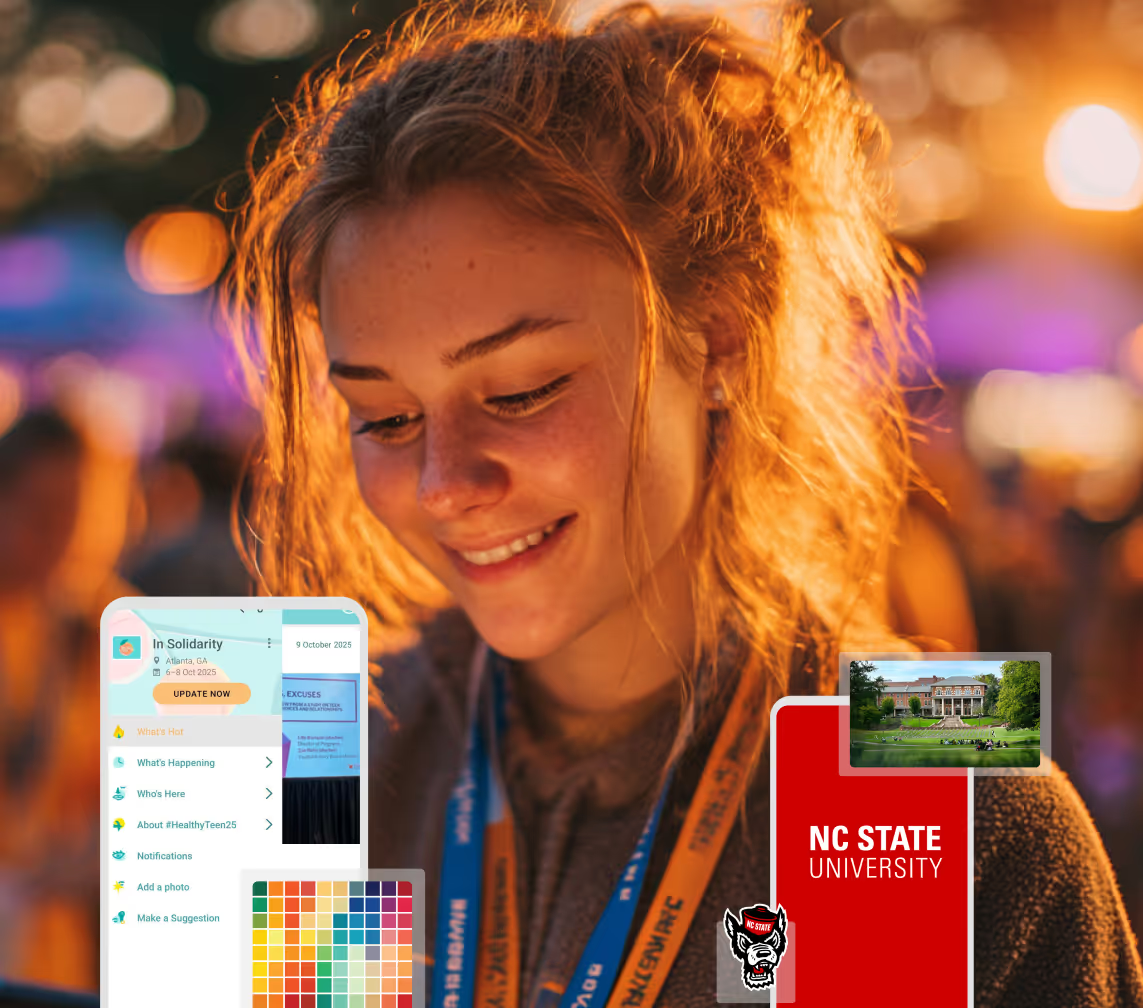
Planning Orientation?
Help new students feel prepared from day one with schedules, campus resources, and real-time updates in one app.
Running Admissions Events?
Manage open houses, tours, and yield events with a branded app that saves time and engages prospective students.

Running Admissions Events?
Manage open houses, tours, and yield events with a branded app that saves time and engages prospective students.
Get a custom Sponsorship Package Template
Stop starting from scratch. Grab free templates that helWe'll build a tailored sponsorship package with suggested pricing, tiers, and benefits..for your specific event.p you build professional sponsorship packages and close deals faster.
Get a custom Sponsorship Package Template
Stop starting from scratch. Grab free templates that helWe'll build a tailored sponsorship package with suggested pricing, tiers, and benefits..for your specific event.p you build professional sponsorship packages and close deals faster.
Plan Your Next Event Without Missing a Beat.
From venue selection to post-event wrap-up, this free checklist walks you through every step (so nothing falls through the cracks).
.avif)
Plan Your Next Event Without Missing a Beat.
From venue selection to post-event wrap-up, this free checklist walks you through every step (so nothing falls through the cracks).
Real Results From Real Events
100,000+ organizations trust Guidebook. See exactly how universities, associations, enterprises, and more put it to work.

Real Results From Real Events
100,000+ organizations trust Guidebook. See exactly how universities, associations, enterprises, and more put it to work.
Flexible pricing for every event size
Find the perfect plan for your needs, from intimate gatherings to large-scale conferences.
Flexible pricing for every event size
Find the perfect plan for your needs, from intimate gatherings to large-scale conferences.
Join our event experts
Watch on-demand webinars and join live sessions with industry leaders sharing best practices for event success.
.avif)
Join our event experts
Watch on-demand webinars and join live sessions with industry leaders sharing best practices for event success.
Guidebook in Action
Book a personalized walkthrough and discover how we help event teams create better attendee experiences.
Guidebook in Action
Book a personalized walkthrough and discover how we help event teams create better attendee experiences.
What is an Event Press Release Example?
Discover what an event press release is with real examples. Learn how to structure, write, and distribute effective press releases to boost event visibility and media coverage.
Event Press Release Example is a ready-to-use template that shows event planners exactly how to announce their events to media outlets and generate buzz. These examples cover everything from product launches to conferences to charity galas. A well-crafted press release can land you free media coverage worth thousands in advertising.
Here's the thing: most event announcements get ignored. Journalists receive hundreds of pitches daily. A strong press release example shows you the exact format, structure, and language that grabs attention. It's not about fancy writing—it's about following proven formulas that work.
Key Characteristics of Event Press Release Examples
- Inverted Pyramid Structure: The most important information comes first. Who, what, when, where, and why appear in the opening paragraph.
- Newsworthy Angle: Every example highlights what makes the event unique or timely. Generic announcements don't get coverage.
- Quotable Soundbites: Strong examples include quotes from organizers or speakers that journalists can pull directly into their stories.
- Clear Call-to-Action: Each example tells readers exactly what to do next—register, attend, or contact for more information.
- Boilerplate Section: A brief "About" paragraph at the end provides background on the hosting organization.
- Contact Information: Every press release example includes a media contact with phone, email, and sometimes social handles.
- Proper Formatting: Standard elements like "FOR IMMEDIATE RELEASE," datelines, and "###" endings signal professionalism to journalists.
Event Press Release Example vs. Related Communications
Press releases often get confused with other types of event marketing materials. Here's how they differ:
Media Advisory
- Scope: Brief, one-page document with just the basics
- Focus: Logistics for journalists attending the event
- Timeline: Sent 2-3 days before the event
- Channels: Direct to assignment editors and reporters
- Goal: Get media to show up and cover the event live
Event Announcement
- Scope: Broader promotional content for all audiences
- Focus: Driving registrations and ticket sales
- Timeline: Weeks or months before the event
- Channels: Social media, email, website, paid ads
- Goal: Fill seats and build excitement among attendees
Sponsorship Letter
- Scope: Personalized pitch to potential partners
- Focus: Business benefits and partnership opportunities
- Timeline: 3-6 months before the event
- Channels: Direct outreach to decision-makers
- Goal: Secure funding and in-kind support
Understanding these differences helps you use the right tool for each audience. A press release targets journalists, while a sponsorship letter targets business partners. Each requires different messaging and timing.
Essential Components of an Event Press Release Example
Craft a Compelling Headline
Your headline determines whether anyone reads further. Keep it under 10 words. Include the event name and one newsworthy hook.
Strong headlines use action verbs and specific details. "Tech Conference Brings 500 Innovators to Austin" beats "Annual Conference Announced." Numbers and location add credibility.
Write a Powerful Lead Paragraph
The first paragraph must answer the five W's immediately. Journalists skim—give them everything they need in 2-3 sentences.
- Who is hosting the event?
- What type of event is it?
- When does it take place?
- Where is the venue?
- Why should anyone care?
Include Supporting Details
The body paragraphs expand on your lead. Cover speakers, agenda highlights, and unique features. This is where you build the story.
Use short paragraphs—two to three sentences max. Each paragraph should focus on one idea. This makes your release easy to scan and quote.
Add Authentic Quotes
Quotes bring personality to your press release. Include one from an organizer and one from a featured speaker or sponsor.
Good quotes express enthusiasm or share insights. Bad quotes state obvious facts. "We're excited to host this event" adds nothing. "This conference will tackle the biggest challenge facing our industry" tells a story.
Close with Event Details
End with practical information. Include registration links, ticket prices, and deadlines. Make it easy for readers to take action.
Your boilerplate paragraph goes last. Keep it to 3-4 sentences about your organization. Include your website and social media handles.
The Event Press Release Timeline
Plan Your Distribution Strategy
Timing matters as much as content. Send your main press release 2-4 weeks before the event. This gives journalists time to plan coverage.
For major events, consider a phased approach. An initial announcement goes out 6-8 weeks early. Follow-up releases cover speaker announcements, agenda reveals, and registration milestones.
Target the Right Media Outlets
Don't blast your release to everyone. Research journalists who cover your industry or event type. Personalized pitches get better results than mass emails.
- Local newspapers and TV stations for community events
- Industry publications for conferences and trade shows
- Lifestyle blogs for festivals and entertainment events
- Business journals for corporate events and product launches
Follow Up Strategically
One email rarely gets results. Follow up 3-5 days after your initial send. Keep it brief—just ask if they received the release and offer additional information.
Track your outreach in a spreadsheet. Note who opened your emails, who responded, and who published coverage. This data improves future campaigns.
Why Event Press Release Examples Matter
For Event Success:
- Free Media Coverage: A single news story can reach thousands of potential attendees without ad spend.
- Credibility Boost: Third-party coverage carries more weight than self-promotion. People trust journalists.
- SEO Benefits: Online press coverage creates backlinks that improve your event SEO rankings.
- Social Proof: "As featured in..." badges build trust on your registration page.
- Extended Reach: Media outlets have audiences you can't reach through your own channels.
For Business Objectives:
- Brand Awareness: Press coverage introduces your organization to new audiences.
- Lead Generation: News stories drive traffic to your website and registration pages.
- Sponsor Value: Media impressions increase the value of sponsorship packages.
- Stakeholder Relations: Coverage demonstrates success to board members, investors, and partners.
- Long-term ROI: Press mentions live online forever, continuing to drive awareness and event ROI.
Platforms like Guidebook's event management platform help you track these results. You can measure how media coverage impacts registrations and engagement.
Event Press Release Example Best Practices
- Start with the News: Lead with what's new, different, or timely. Bury the background information.
- Keep It Under 500 Words: Journalists don't have time for lengthy releases. Get to the point fast.
- Use Active Voice: "The conference features 50 speakers" beats "50 speakers will be featured at the conference."
- Include Multimedia: Attach high-resolution images or link to video. Visual assets increase pickup rates.
- Optimize for Search: Include relevant keywords naturally. Your release may appear in Google News results.
- Proofread Ruthlessly: Typos kill credibility. Have two people review before sending.
- Make Contact Easy: Include a phone number, not just email. Journalists work on tight deadlines.
- Test Your Links: Broken links frustrate journalists and lose you coverage opportunities.
- Localize When Possible: Local angles get more coverage from regional outlets.
- Track Your Results: Use Google Alerts and media monitoring tools to find coverage.
Common Event Press Release Mistakes
Burying the Lead: Many press releases start with company history instead of news. Journalists stop reading after the first paragraph. Put your most compelling information first.
Writing Like an Advertisement: Press releases aren't ads. Avoid superlatives like "amazing," "incredible," or "world-class." Stick to facts and let journalists draw conclusions.
Forgetting the News Hook: "We're hosting an event" isn't news. What makes your event different? A celebrity speaker, record attendance, or industry-first content creates real news value.
Ignoring Formatting Standards: Missing datelines, contact information, or proper structure signals amateur hour. Journalists may skip your release entirely.
Sending to the Wrong People: A tech conference release sent to food bloggers wastes everyone's time. Research your media list carefully.
Missing the Timing Window: Sending a press release the day before your event gives journalists no time to plan coverage. Start outreach weeks in advance.
Skipping the Follow-Up: One email rarely gets results. Polite, persistent follow-up separates successful PR campaigns from ignored ones.
Final Thoughts
A strong event press release example is worth studying. It shows you exactly how successful events earn media coverage. The format, structure, and language all follow proven patterns that work.
The events industry has become increasingly competitive. With so many community events and conferences vying for attention, earned media coverage gives you an edge. It's free, credible, and reaches audiences you can't access otherwise.
Don't let your next event go unnoticed. Study the examples, follow the format, and start building relationships with journalists in your space. The effort pays dividends long after your event ends.
Ready to level up your entire event planning process? Book a demo with Guidebook to see how our platform helps you manage everything from event registration to check-in software. Explore our templates and guides for more event planning resources. Your next event deserves the spotlight—make sure it gets there.
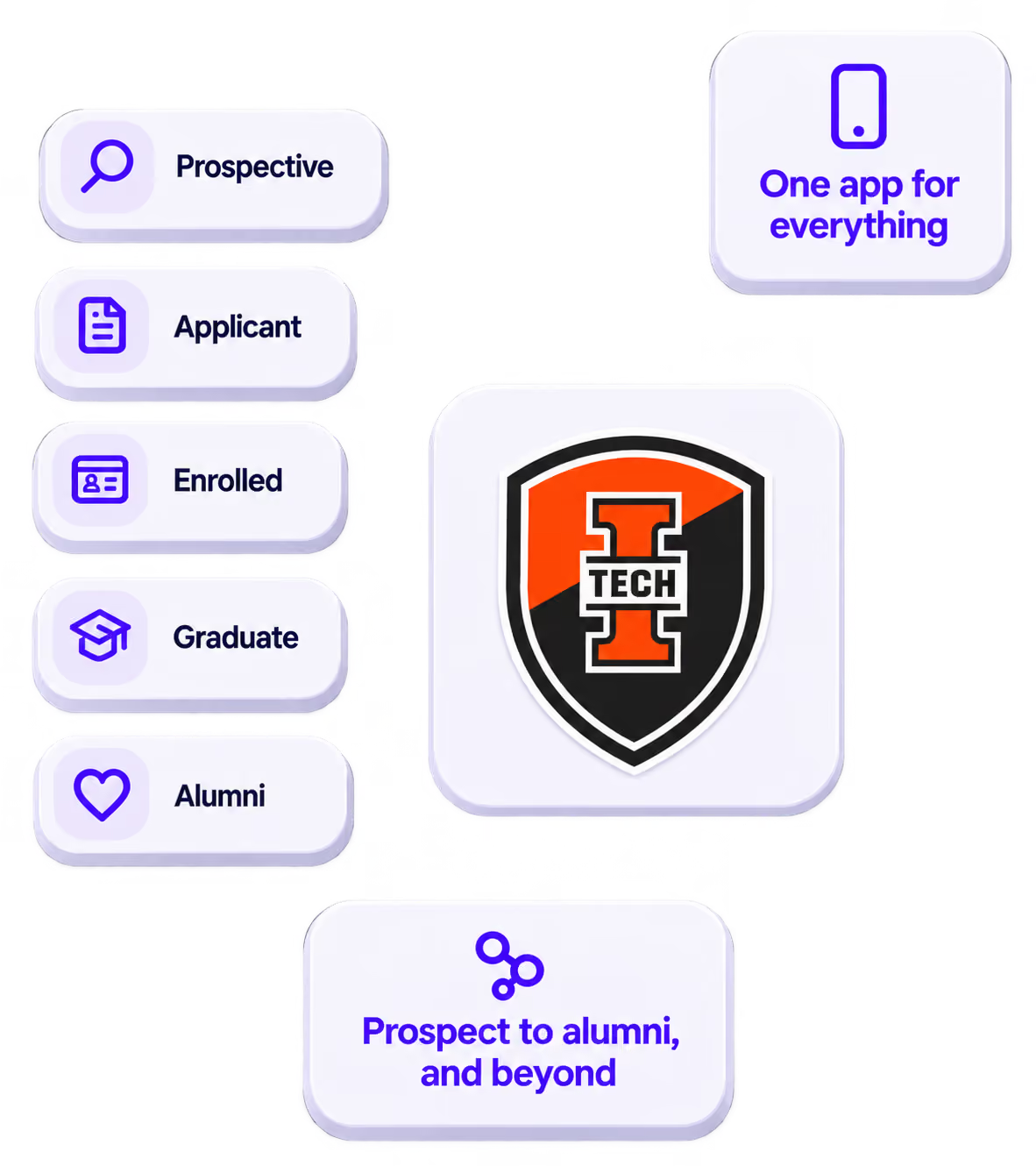
The power of your brand in your app, from first visit to alumni.
Build trust
Attendees download your app, not ours. Your name, colors, and crest in the stores.
.avif)
One place for the whole event
Schedules, maps, registration, and updates in one branded hub - not five tools.
Stand out
A branded app is what people keep on their phone after the printed program is in the recycling.

Get the Mobile App Playbook
A short guide to running the whole student journey in one app. No fluff, just what works.
for higher ed
Campus
Playbook
A practical guide to building a connected campus experience.
Free playbook
The Mobile App Playbook for Universities
Students decide if they belong long before they set foot on campus. This playbook shows how to win them over from the first visit through graduation.
- Grow enrollment and boost recruitment
- Increase belonging and retention
- Run every event from one branded app
By submitting, you agree to our Privacy Policy.
You're in.
.png)