
Campus apps by department
Admissions, orientation, student life, and more — one campus app that works across departments.

Campus apps by department
Admissions, orientation, student life, and more — one campus app that works across departments.
Build unlimited event apps on one license
One partnership for unlimited campus events — orientation, tours, student life, and everything in between.
Build unlimited event apps on one license
One partnership for unlimited campus events — orientation, tours, student life, and everything in between.
Compare event app platforms
See how Guidebook stacks up against other event app and registration platforms.
Compare event app platforms
See how Guidebook stacks up against other event app and registration platforms.
Event apps for nonprofit and community programs
Give members, volunteers, and donors one branded app for conferences, fundraisers, and year-round community.
Event apps for nonprofit and community programs
Give members, volunteers, and donors one branded app for conferences, fundraisers, and year-round community.
Campus integrations and an open API
Connect Guidebook with the campus systems, APIs, and tools your team already uses.
Campus integrations and an open API
Connect Guidebook with the campus systems, APIs, and tools your team already uses.
Event apps for corporate and enterprise teams
Internal meetings, offsites, and large-scale corporate events — with the branding and control enterprise teams need.
Event apps for corporate and enterprise teams
Internal meetings, offsites, and large-scale corporate events — with the branding and control enterprise teams need.
Create a branded event app with no coding
Put schedules, maps, resources, and updates in every attendee's pocket — built for campus events and programs.
Create a branded event app with no coding
Put schedules, maps, resources, and updates in every attendee's pocket — built for campus events and programs.
Launch a branded, white-label event app
A white-label event app with your branding, your content, and your attendee experience — no coding required.
Launch a branded, white-label event app
A white-label event app with your branding, your content, and your attendee experience — no coding required.
Everything in the Guidebook platform
Explore the features event teams use to engage attendees before, during, and after the event.
Everything in the Guidebook platform
Explore the features event teams use to engage attendees before, during, and after the event.
One app for in-person and virtual attendees
The same schedule, networking, and updates whether people are in the room or joining remotely.
One app for in-person and virtual attendees
The same schedule, networking, and updates whether people are in the room or joining remotely.
Event apps built for associations
Annual meetings, chapter events, and member engagement — without rebuilding a new app every year.
Event apps built for associations
Annual meetings, chapter events, and member engagement — without rebuilding a new app every year.
A branded event website that matches the app
Promote the event, collect interest, and keep branding consistent from the first click to check-in.
A branded event website that matches the app
Promote the event, collect interest, and keep branding consistent from the first click to check-in.
Plan, run, and measure events on one platform
App, registration, badges, and websites in one workflow — so planning isn't a pile of disconnected tools.
Plan, run, and measure events on one platform
App, registration, badges, and websites in one workflow — so planning isn't a pile of disconnected tools.
Keep members engaged between events
One branded app for the conference and everything that happens the other 51 weeks of the year.
Keep members engaged between events
One branded app for the conference and everything that happens the other 51 weeks of the year.
The conference app attendees actually use
Schedules, maps, networking, and live updates for annual meetings, summits, and multi-day conferences.
The conference app attendees actually use
Schedules, maps, networking, and live updates for annual meetings, summits, and multi-day conferences.
Registration that feeds your app and badges
Collect registrations, payments, and attendee data in the same platform as your event app.
Registration that feeds your app and badges
Collect registrations, payments, and attendee data in the same platform as your event app.
Design and print event badges in one place
Custom badges, QR check-in, and on-site printing — without a separate badge vendor.
Design and print event badges in one place
Custom badges, QR check-in, and on-site printing — without a separate badge vendor.
A Smaller School?
Deliver a polished, branded event experience without a large team or a big budget.
A Smaller School?
Deliver a polished, branded event experience without a large team or a big budget.
Running Family Programs?
Give families everything they need, from schedules and maps to real-time updates, all in one place.
Running Family Programs?
Give families everything they need, from schedules and maps to real-time updates, all in one place.
Coordinating Move-In Day?
Share updates, manage events, and keep students informed from move-in through the academic year.

Coordinating Move-In Day?
Share updates, manage events, and keep students informed from move-in through the academic year.
Offering Campus Tours?
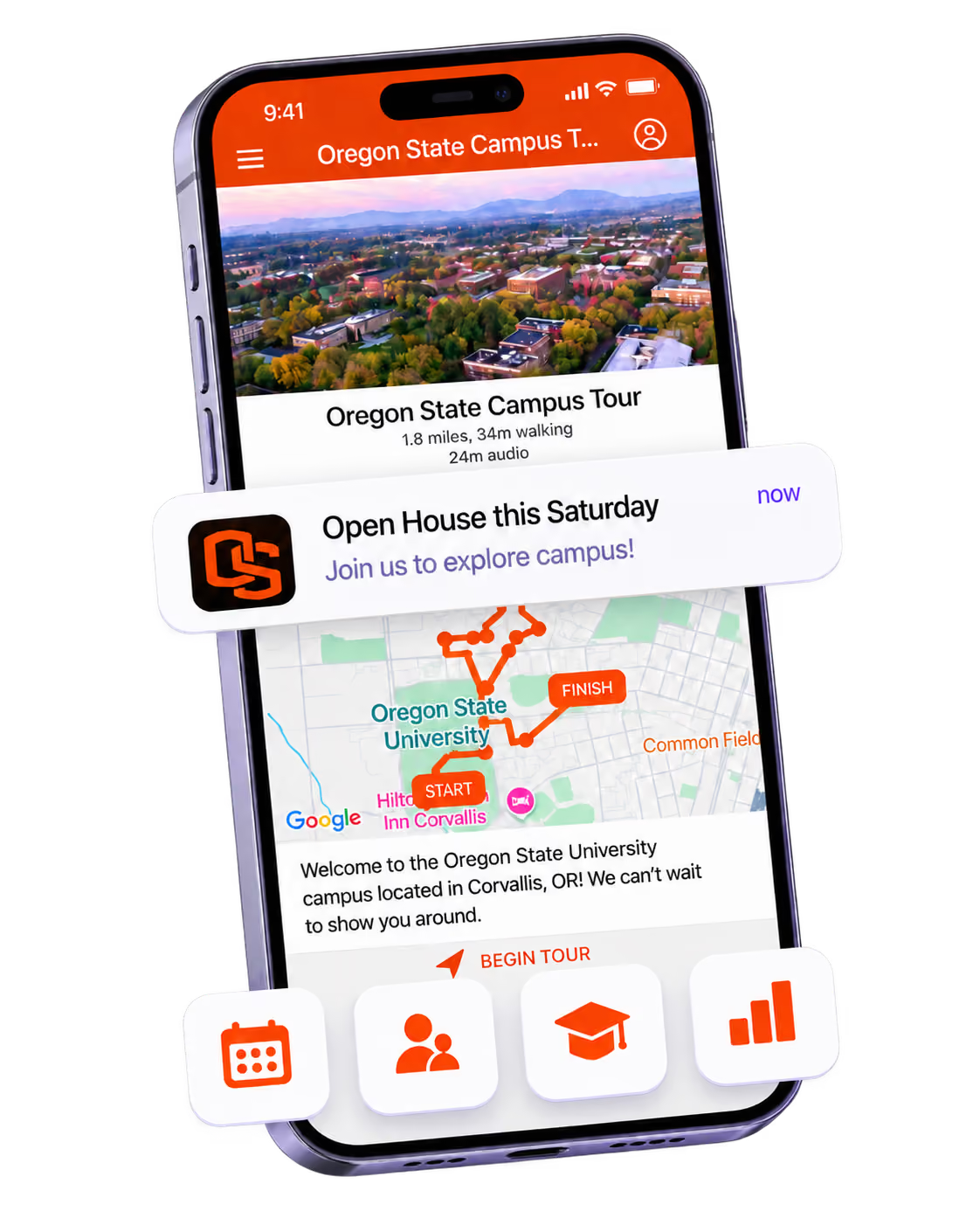
Deliver branded, self-guided tour experiences with interactive maps and rich media, available 24/7.

Offering Campus Tours?
Deliver branded, self-guided tour experiences with interactive maps and rich media, available 24/7.
Organising a Career Fair?
Simplify logistics for students, employers, and Career Services staff with one easy-to-use app.
Organising a Career Fair?
Simplify logistics for students, employers, and Career Services staff with one easy-to-use app.
Managing Alumni Events?
Plan reunions, regional events, and fundraising campaigns with an app built for alumni engagement.
Managing Alumni Events?
Plan reunions, regional events, and fundraising campaigns with an app built for alumni engagement.
Boost Student Engagement
One hub for schedules, resources, and events that keeps students connected throughout the academic year.
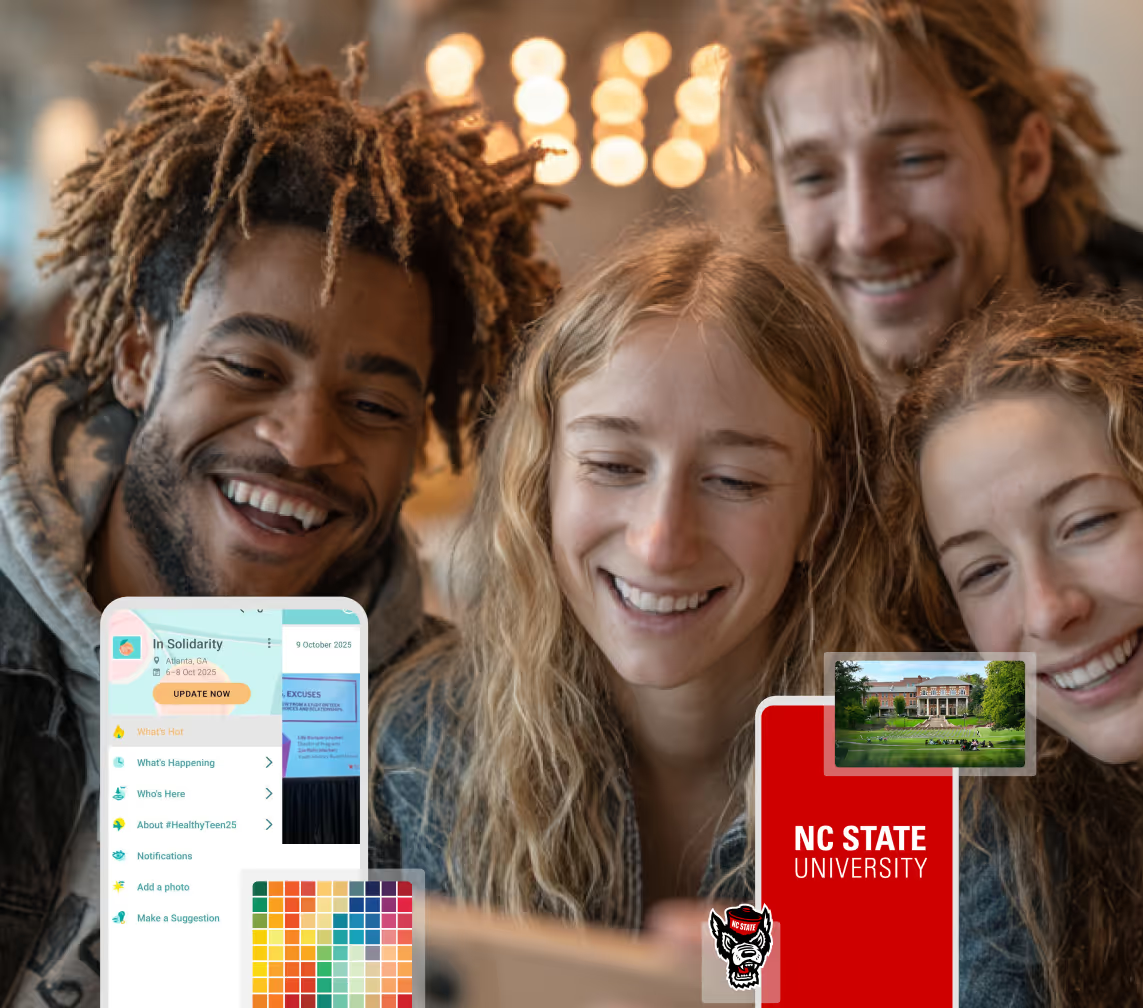
Boost Student Engagement
One hub for schedules, resources, and events that keeps students connected throughout the academic year.
Planning Orientation?
Help new students feel prepared from day one with schedules, campus resources, and real-time updates in one app.
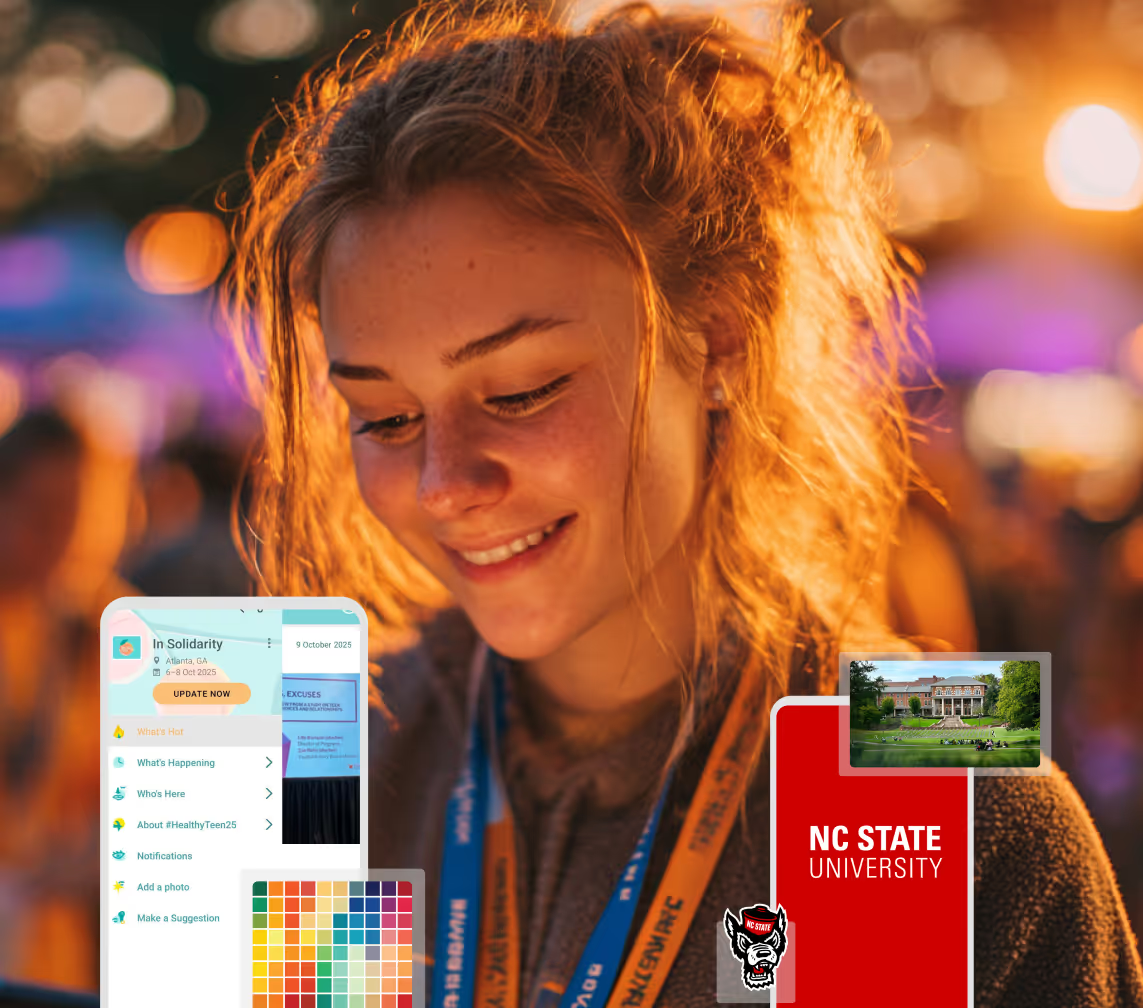
Planning Orientation?
Help new students feel prepared from day one with schedules, campus resources, and real-time updates in one app.
Running Admissions Events?
Manage open houses, tours, and yield events with a branded app that saves time and engages prospective students.

Running Admissions Events?
Manage open houses, tours, and yield events with a branded app that saves time and engages prospective students.
Get a custom Sponsorship Package Template
Stop starting from scratch. Grab free templates that helWe'll build a tailored sponsorship package with suggested pricing, tiers, and benefits..for your specific event.p you build professional sponsorship packages and close deals faster.
Get a custom Sponsorship Package Template
Stop starting from scratch. Grab free templates that helWe'll build a tailored sponsorship package with suggested pricing, tiers, and benefits..for your specific event.p you build professional sponsorship packages and close deals faster.
Plan Your Next Event Without Missing a Beat.
From venue selection to post-event wrap-up, this free checklist walks you through every step (so nothing falls through the cracks).
.avif)
Plan Your Next Event Without Missing a Beat.
From venue selection to post-event wrap-up, this free checklist walks you through every step (so nothing falls through the cracks).
Real Results From Real Events
100,000+ organizations trust Guidebook. See exactly how universities, associations, enterprises, and more put it to work.

Real Results From Real Events
100,000+ organizations trust Guidebook. See exactly how universities, associations, enterprises, and more put it to work.
Flexible pricing for every event size
Find the perfect plan for your needs, from intimate gatherings to large-scale conferences.
Flexible pricing for every event size
Find the perfect plan for your needs, from intimate gatherings to large-scale conferences.
Join our event experts
Watch on-demand webinars and join live sessions with industry leaders sharing best practices for event success.
.avif)
Join our event experts
Watch on-demand webinars and join live sessions with industry leaders sharing best practices for event success.
Guidebook in Action
Book a personalized walkthrough and discover how we help event teams create better attendee experiences.
Guidebook in Action
Book a personalized walkthrough and discover how we help event teams create better attendee experiences.
What is Event Marketing?
Event marketing is the strategic promotion of events to engage audiences and boost brand awareness. Discover key benefits, effective strategies, and real-world examples.
Event Marketing is the strategic process of promoting events to attract attendees, build brand awareness, and create memorable experiences that drive business results. It covers everything from initial promotion to post-event follow-up. Done right, event marketing turns a simple gathering into a powerful growth engine.
Here's the thing: event marketing isn't just about filling seats. It's about reaching the right people with the right message at the right time. While general marketing builds awareness over months, event marketing creates urgency. You have a fixed date, a limited capacity, and a clear call to action. That focus makes it uniquely powerful.
Key Characteristics of Event Marketing
- Time-Bound Urgency: Every campaign has a deadline. This natural scarcity drives action and creates momentum that other marketing types can't match.
- Multi-Channel Approach: Successful event marketing uses email, social media, paid ads, and partnerships together. No single channel does the heavy lifting alone.
- Audience-Centric Messaging: The best campaigns speak directly to attendee pain points and desires. Generic messaging gets ignored.
- Measurable Outcomes: Registration numbers, ticket sales, and attendance rates give you clear data. You know exactly what's working.
- Relationship Building: Event marketing creates two-way conversations. Attendees engage, ask questions, and share with their networks.
- Brand Experience Focus: Every touchpoint shapes how people perceive your brand. From the first email to the event itself, consistency matters.
Event Marketing vs. Related Terms
Event Marketing
- Scope: Promoting a specific event to drive registrations and attendance
- Focus: Audience acquisition and engagement before, during, and after the event
- Timeline: Weeks to months leading up to a fixed date
- Channels: Email, social media, paid ads, content marketing, partnerships
- Goal: Fill seats with qualified attendees who'll engage and convert
Event Planning
- Scope: Logistics, operations, and execution of the event itself
- Focus: Venue, vendors, schedules, and on-site experience
- Timeline: Months of preparation plus event-day execution
- Channels: Internal coordination, vendor management, attendee communications
- Goal: Deliver a smooth, memorable experience for everyone involved
Event Branding
- Scope: Visual identity and messaging consistency across all event touchpoints
- Focus: Logos, colors, tone of voice, and overall aesthetic
- Timeline: Established early and maintained throughout the event lifecycle
- Channels: All marketing materials, signage, digital platforms, and swag
- Goal: Create a cohesive, recognizable identity that builds trust
These three disciplines work together. Strong event planning creates the foundation. Consistent branding builds recognition. And smart marketing fills the room. Skip any one, and your event suffers.
Essential Event Marketing Channels
Choosing the right channels can make or break your campaign. Here's where to focus your energy.
Email Marketing Campaigns
Email remains the workhorse of event marketing. It delivers the highest ROI and gives you direct access to interested audiences.
- Segment your list by interest, past attendance, or engagement level
- Send a series of emails, not just one announcement
- Include clear CTAs and make registration easy
- Personalize subject lines to boost open rates
Social Media Promotion
Social platforms help you reach new audiences and build buzz. Each platform serves a different purpose.
LinkedIn works best for professional conferences and B2B events. Instagram shines for visual, experiential events. Facebook still drives strong results for community events and local gatherings. Understanding Facebook keywords for events can boost your visibility.
Paid Advertising Strategies
Organic reach has limits. Paid ads help you scale quickly and target specific audiences.
- Retarget website visitors who didn't register
- Use lookalike audiences to find similar prospects
- Test multiple ad creatives and messages
- Set clear budgets and track cost per registration
Content Marketing and SEO
Great content attracts attendees who are actively searching for solutions. Blog posts, videos, and guides build authority and drive organic traffic.
Focus on event SEO to rank for relevant searches. Create content that answers questions your target audience is asking. This approach builds long-term visibility beyond any single event.
Partnership and Influencer Outreach
Partners extend your reach to audiences you couldn't access alone. Sponsors, speakers, and industry influencers all have networks worth tapping.
Give partners ready-made content they can share. Make it easy for them to promote. Track which partnerships drive the most registrations.
The Event Marketing Timeline
Timing matters. Start too late, and you'll scramble. Start too early, and momentum fades. Here's a proven approach.
Pre-Launch Phase (8-12 Weeks Out)
This is your foundation-building phase. Get the basics right before you go public.
- Define your target audience and key messages
- Build your event landing page and registration system
- Create your content calendar and marketing assets
- Line up speakers, sponsors, and partners
Launch Phase (6-8 Weeks Out)
Time to make noise. Your launch should feel like an event itself.
Send your announcement email to your full list. Post across all social channels. Activate your partners and speakers to share. Consider an early-bird discount to drive initial momentum.
Momentum Phase (2-6 Weeks Out)
Keep the energy going with fresh content and social proof.
- Share speaker spotlights and session previews
- Post testimonials from past attendees
- Send reminder emails to non-registrants
- Ramp up paid advertising spend
Final Push Phase (1-2 Weeks Out)
Create urgency. This is when fence-sitters decide.
Highlight limited availability. Share behind-the-scenes content. Send last-chance emails. Make the fear of missing out real.
Post-Event Phase
Marketing doesn't stop when the event ends. Follow-up drives future results.
Send thank-you emails with key takeaways. Share event highlights and recordings. Gather feedback through surveys. Start building anticipation for your next event. Use an event debrief template to capture lessons learned.
Why Event Marketing Matters
For Event Success:
- Drives Registration Numbers: Without marketing, even great events stay empty. Promotion fills seats with the right people.
- Builds Pre-Event Excitement: Good marketing creates anticipation. Attendees arrive engaged and ready to participate.
- Attracts Quality Attendees: Targeted marketing brings people who'll actually benefit. That improves the experience for everyone.
- Supports Sponsor Value: Higher attendance and engagement make your event more attractive to sponsors. That means more revenue.
- Creates Shareable Moments: Marketing that encourages social sharing extends your reach. Attendees become promoters.
For Business Objectives:
- Generates Qualified Leads: Events attract people actively interested in your space. That's high-intent traffic.
- Builds Brand Authority: Hosting well-marketed events positions you as an industry leader. People remember who brought them value.
- Strengthens Customer Relationships: Events create face-to-face connections that emails can't match. That builds loyalty.
- Delivers Measurable ROI: Track registrations, attendance, and conversions. Event ROI is easier to measure than most marketing activities.
- Creates Content Opportunities: Events generate photos, videos, quotes, and stories. That content fuels marketing for months.
Guidebook's event management platform helps you execute marketing campaigns while managing the entire event experience. From registration to post-event surveys, everything connects.
Event Marketing Best Practices
- Start With Clear Goals: Define what success looks like before you create a single ad. Registration targets, revenue goals, and engagement metrics should guide every decision.
- Know Your Audience Deeply: Generic marketing wastes money. Research your ideal attendees. Understand their challenges, preferences, and where they spend time online.
- Create a Compelling Event Page: Your landing page does the heavy lifting. Make the value clear, the registration easy, and the design professional. Learn more about building an event marketing website.
- Use Multiple Channels Together: Don't rely on email alone. Combine channels so prospects see your message multiple times in different contexts.
- Leverage Social Proof: Testimonials, past attendance numbers, and speaker credentials build trust. Show people that others value your event.
- Create Urgency Strategically: Early-bird pricing, limited seats, and countdown timers work. But use them honestly. Fake scarcity backfires.
- Make Sharing Easy: Give attendees pre-written social posts, shareable graphics, and referral incentives. Word of mouth is powerful.
- Track Everything: Use UTM codes, unique landing pages, and registration source tracking. Know which channels deliver results.
- Test and Optimize: A/B test subject lines, ad creative, and landing page elements. Small improvements compound over time.
- Plan Your Follow-Up: Post-event marketing is often neglected. Plan your thank-you sequence, feedback collection, and next-event promotion before the event happens.
Common Event Marketing Mistakes
Starting Too Late: Many organizers begin marketing just weeks before their event. This leaves no time to build momentum or adjust strategy. Start at least 8-12 weeks out for major events.
Ignoring Mobile Users: Over 60% of email opens happen on mobile devices. If your emails and landing pages don't work on phones, you're losing registrations. Test everything on mobile first.
Sending Generic Messages: "Join us for our annual conference" doesn't excite anyone. Speak to specific benefits and outcomes. Tell people exactly what they'll gain by attending.
Neglecting Existing Attendees: Past attendees are your warmest leads. Many organizers focus only on new prospects. Create special campaigns for people who've attended before.
Forgetting About Sponsors and Speakers: Your partners have audiences too. Failing to activate them wastes valuable reach. Give them tools and incentives to promote.
Stopping at Registration: Getting someone to register is just the start. Without engagement before the event, no-show rates climb. Keep communicating to build excitement and commitment.
Final Thoughts
Event marketing transforms good events into great ones. It's the bridge between your vision and a room full of engaged attendees. Without it, even the best-planned events struggle to reach their potential.
The industry continues to evolve. Digital marketing for events has opened new channels and possibilities. Virtual events and hybrid formats have expanded what's possible. But the fundamentals remain: know your audience, craft compelling messages, and deliver on your promises.
The best event marketers think like their attendees. They ask: "What would make me excited to attend? What would convince me to clear my calendar?" That empathy, combined with solid execution, drives results.
Ready to level up your event marketing? Explore different types of event marketing to find what works for your audience. Check out our guides for tactical advice. Or book a demo to see how Guidebook helps you market, manage, and measure your events in one platform.
Great events don't happen by accident. They're marketed into existence.
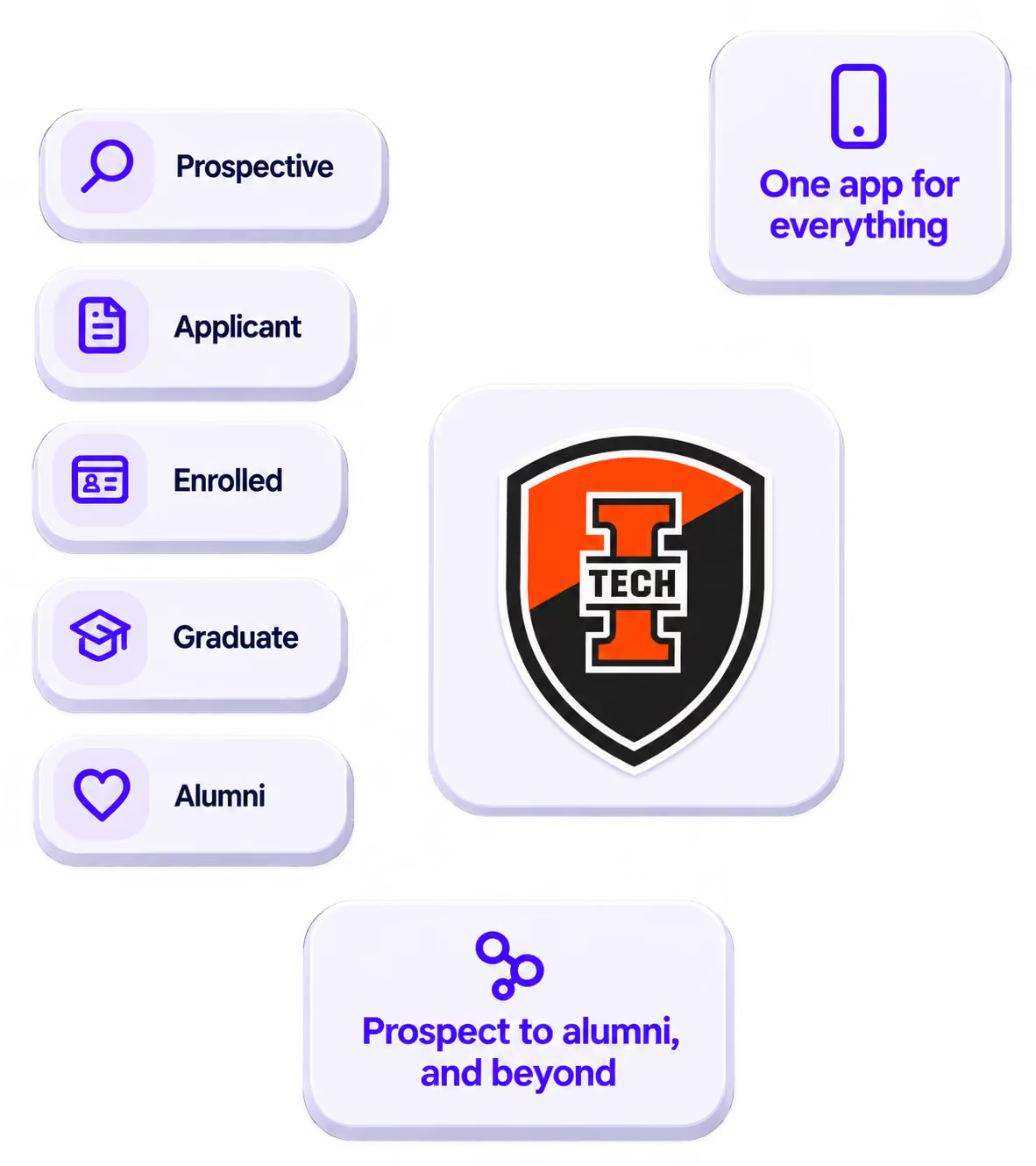
The power of your brand in your app, from first visit to alumni.
Build trust
Attendees download your app, not ours. Your name, colors, and crest in the stores.
.avif)
One place for the whole event
Schedules, maps, registration, and updates in one branded hub - not five tools.
Stand out
A branded app is what people keep on their phone after the printed program is in the recycling.

Get the Mobile App Playbook
A short guide to running the whole student journey in one app. No fluff, just what works.
for higher ed
Campus
Playbook
A practical guide to building a connected campus experience.
Free playbook
The Mobile App Playbook for Universities
Students decide if they belong long before they set foot on campus. This playbook shows how to win them over from the first visit through graduation.
- Grow enrollment and boost recruitment
- Increase belonging and retention
- Run every event from one branded app
By submitting, you agree to our Privacy Policy.
You're in.
.png)