Campus apps by department
Admissions, orientation, student life, and more — one campus app that works across departments.

Campus apps by department
Admissions, orientation, student life, and more — one campus app that works across departments.
Build unlimited event apps on one license
One partnership for unlimited campus events — orientation, tours, student life, and everything in between.
Build unlimited event apps on one license
One partnership for unlimited campus events — orientation, tours, student life, and everything in between.
Compare event app platforms
See how Guidebook stacks up against other event app and registration platforms.
Compare event app platforms
See how Guidebook stacks up against other event app and registration platforms.
Event apps for nonprofit and community programs
Give members, volunteers, and donors one branded app for conferences, fundraisers, and year-round community.
Event apps for nonprofit and community programs
Give members, volunteers, and donors one branded app for conferences, fundraisers, and year-round community.
Campus integrations and an open API
Connect Guidebook with the campus systems, APIs, and tools your team already uses.
Campus integrations and an open API
Connect Guidebook with the campus systems, APIs, and tools your team already uses.
Event apps for corporate and enterprise teams
Internal meetings, offsites, and large-scale corporate events — with the branding and control enterprise teams need.
Event apps for corporate and enterprise teams
Internal meetings, offsites, and large-scale corporate events — with the branding and control enterprise teams need.
Create a branded event app with no coding
Put schedules, maps, resources, and updates in every attendee's pocket — built for campus events and programs.
Create a branded event app with no coding
Put schedules, maps, resources, and updates in every attendee's pocket — built for campus events and programs.
Launch a branded, white-label event app
A white-label event app with your branding, your content, and your attendee experience — no coding required.
Launch a branded, white-label event app
A white-label event app with your branding, your content, and your attendee experience — no coding required.
Everything in the Guidebook platform
Explore the features event teams use to engage attendees before, during, and after the event.
Everything in the Guidebook platform
Explore the features event teams use to engage attendees before, during, and after the event.
One app for in-person and virtual attendees
The same schedule, networking, and updates whether people are in the room or joining remotely.
One app for in-person and virtual attendees
The same schedule, networking, and updates whether people are in the room or joining remotely.
Event apps built for associations
Annual meetings, chapter events, and member engagement — without rebuilding a new app every year.
Event apps built for associations
Annual meetings, chapter events, and member engagement — without rebuilding a new app every year.
A branded event website that matches the app
Promote the event, collect interest, and keep branding consistent from the first click to check-in.
A branded event website that matches the app
Promote the event, collect interest, and keep branding consistent from the first click to check-in.
Plan, run, and measure events on one platform
App, registration, badges, and websites in one workflow — so planning isn't a pile of disconnected tools.
Plan, run, and measure events on one platform
App, registration, badges, and websites in one workflow — so planning isn't a pile of disconnected tools.
Keep members engaged between events
One branded app for the conference and everything that happens the other 51 weeks of the year.
Keep members engaged between events
One branded app for the conference and everything that happens the other 51 weeks of the year.
The conference app attendees actually use
Schedules, maps, networking, and live updates for annual meetings, summits, and multi-day conferences.
The conference app attendees actually use
Schedules, maps, networking, and live updates for annual meetings, summits, and multi-day conferences.
Registration that feeds your app and badges
Collect registrations, payments, and attendee data in the same platform as your event app.
Registration that feeds your app and badges
Collect registrations, payments, and attendee data in the same platform as your event app.
Design and print event badges in one place
Custom badges, QR check-in, and on-site printing — without a separate badge vendor.
Design and print event badges in one place
Custom badges, QR check-in, and on-site printing — without a separate badge vendor.
A Smaller School?
Deliver a polished, branded event experience without a large team or a big budget.
A Smaller School?
Deliver a polished, branded event experience without a large team or a big budget.
Running Family Programs?
Give families everything they need, from schedules and maps to real-time updates, all in one place.
Running Family Programs?
Give families everything they need, from schedules and maps to real-time updates, all in one place.
Coordinating Move-In Day?
Share updates, manage events, and keep students informed from move-in through the academic year.

Coordinating Move-In Day?
Share updates, manage events, and keep students informed from move-in through the academic year.
Offering Campus Tours?
Deliver branded, self-guided tour experiences with interactive maps and rich media, available 24/7.

Offering Campus Tours?
Deliver branded, self-guided tour experiences with interactive maps and rich media, available 24/7.
Organising a Career Fair?
Simplify logistics for students, employers, and Career Services staff with one easy-to-use app.
Organising a Career Fair?
Simplify logistics for students, employers, and Career Services staff with one easy-to-use app.
Managing Alumni Events?
Plan reunions, regional events, and fundraising campaigns with an app built for alumni engagement.
Managing Alumni Events?
Plan reunions, regional events, and fundraising campaigns with an app built for alumni engagement.
Boost Student Engagement
One hub for schedules, resources, and events that keeps students connected throughout the academic year.
Boost Student Engagement
One hub for schedules, resources, and events that keeps students connected throughout the academic year.
Planning Orientation?
Help new students feel prepared from day one with schedules, campus resources, and real-time updates in one app.
Planning Orientation?
Help new students feel prepared from day one with schedules, campus resources, and real-time updates in one app.
Running Admissions Events?
Manage open houses, tours, and yield events with a branded app that saves time and engages prospective students.

Running Admissions Events?
Manage open houses, tours, and yield events with a branded app that saves time and engages prospective students.
Get a custom Sponsorship Package Template
Stop starting from scratch. Grab free templates that helWe'll build a tailored sponsorship package with suggested pricing, tiers, and benefits..for your specific event.p you build professional sponsorship packages and close deals faster.
Get a custom Sponsorship Package Template
Stop starting from scratch. Grab free templates that helWe'll build a tailored sponsorship package with suggested pricing, tiers, and benefits..for your specific event.p you build professional sponsorship packages and close deals faster.
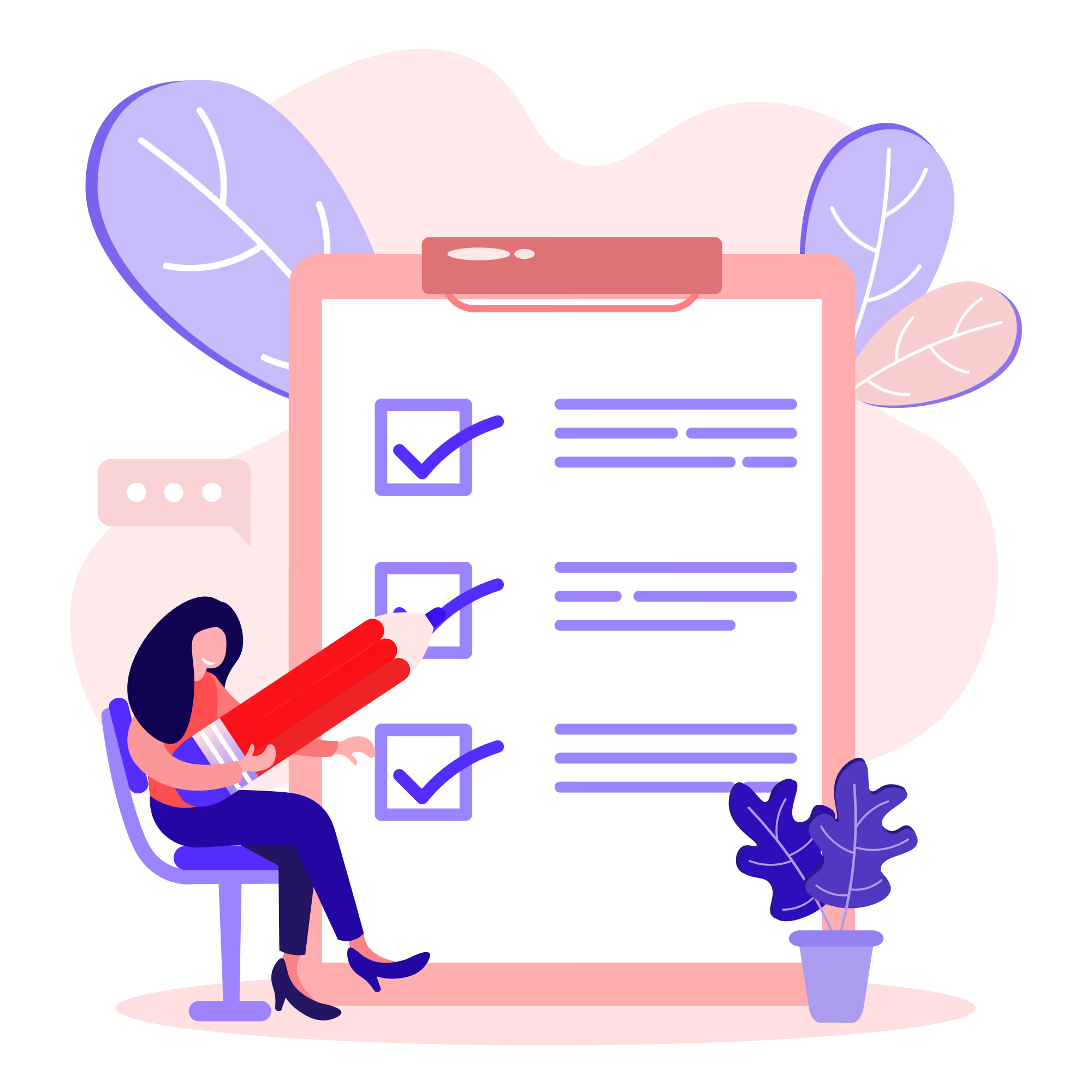
Plan Your Next Event Without Missing a Beat.
From venue selection to post-event wrap-up, this free checklist walks you through every step (so nothing falls through the cracks).
.avif)
Plan Your Next Event Without Missing a Beat.
From venue selection to post-event wrap-up, this free checklist walks you through every step (so nothing falls through the cracks).
Real Results From Real Events
100,000+ organizations trust Guidebook. See exactly how universities, associations, enterprises, and more put it to work.

Real Results From Real Events
100,000+ organizations trust Guidebook. See exactly how universities, associations, enterprises, and more put it to work.
Flexible pricing for every event size
Find the perfect plan for your needs, from intimate gatherings to large-scale conferences.

Flexible pricing for every event size
Find the perfect plan for your needs, from intimate gatherings to large-scale conferences.
Join our event experts
Watch on-demand webinars and join live sessions with industry leaders sharing best practices for event success.
.avif)
Join our event experts
Watch on-demand webinars and join live sessions with industry leaders sharing best practices for event success.
Guidebook in Action
Book a personalized walkthrough and discover how we help event teams create better attendee experiences.
Guidebook in Action
Book a personalized walkthrough and discover how we help event teams create better attendee experiences.
A Beginner's Guide to Building an Event Marketing Website





A Beginner's Guide to Building an Event Marketing Website

What is an Event Marketing Website?
Definition and Purpose
An event marketing website is a dedicated online platform designed to promote and manage your event. It serves as the central hub for all event-related information, making it easier for you to plan and promote your event while providing attendees with everything they need to know.Key Benefits
- Enhancing Visibility: Boost your event’s online presence.
- Streamlining Registration and Ticketing: Simplify the sign-up process.
- Improving Attendee Engagement: Keep your audience informed and excited.
5 Essential Features of Event Marketing Websites
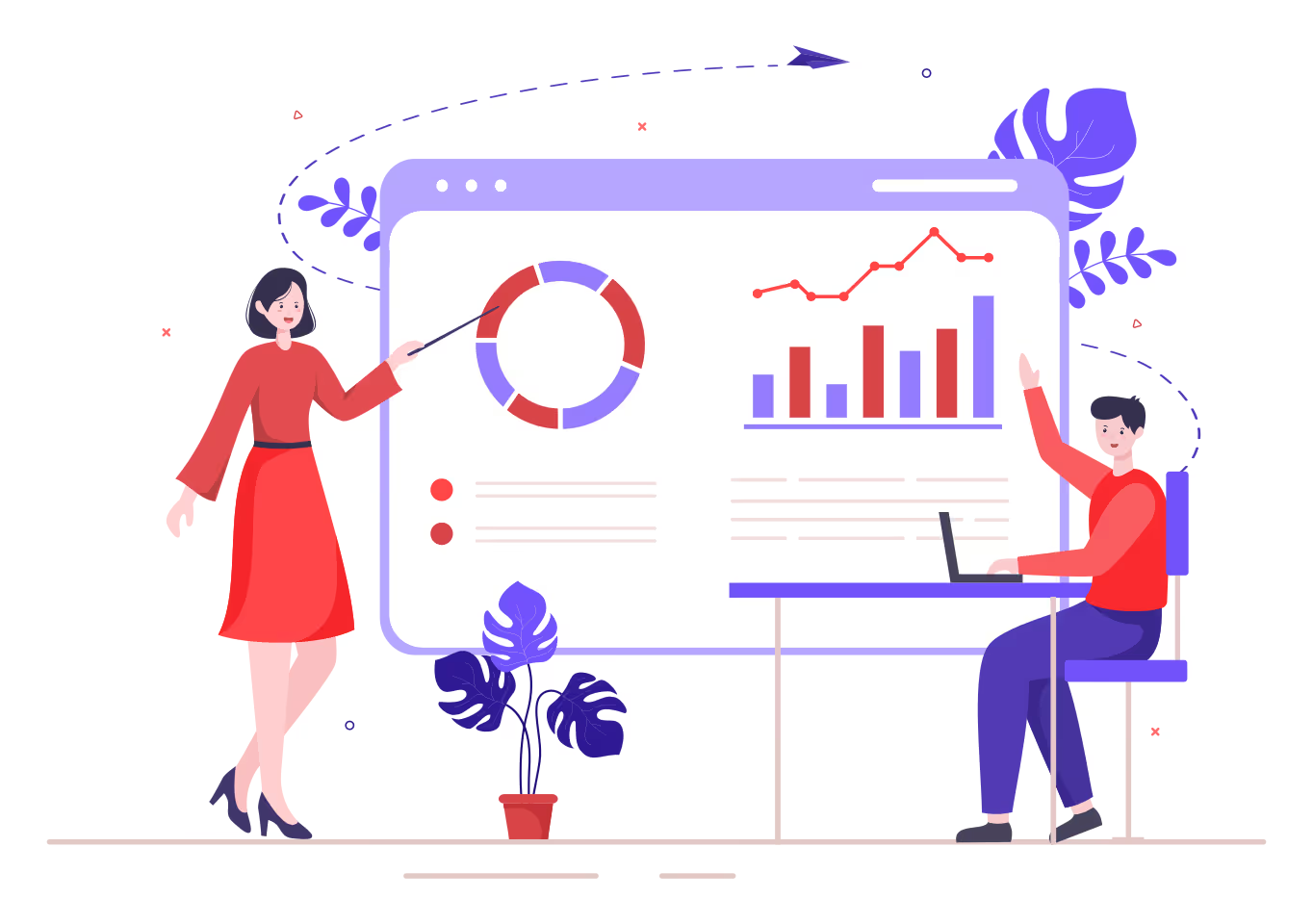
1 - User-Friendly Design Your website should be intuitive and easy to navigate. A clean layout helps visitors find information quickly, making their experience pleasant and hassle-free. 2 - Registration and Ticketing Systems Effective registration and ticketing systems are crucial. These tools help you manage attendee sign-ups, track ticket sales, and handle payments securely. 3 - Marketing and Promotion Tools Leverage features like email marketing, social media integration, and SEO to promote your event effectively. These tools can help you reach a wider audience and increase attendance. 4 - Analytics and Reporting Track your event’s performance with analytics and reporting features. These insights will help you understand what’s working and where you can improve. 5 - Engagement Features Interactive elements like live polls, Q&A sessions, and networking opportunities keep attendees engaged and make your event more dynamic.Choosing the Right Platform
Selecting the right platform for your event marketing website is a crucial step that can significantly impact the success of your event. Here’s how to make an informed decision:Assess Your Needs
Start by determining the size and type of your event. Different events have different requirements, so it's essential to choose a platform that meets your specific needs. Ask yourself the following questions:- What is the scale of your event? Large conferences might require more robust features compared to small, intimate gatherings.
- What type of event are you hosting? Corporate events, educational seminars, festivals, and fundraisers all have unique needs. Ensure the platform you choose can handle the specific requirements of your event type.
- What functionalities are non-negotiable? List the must-have features your event cannot do without, such as multi-session scheduling, attendee networking, or live streaming capabilities.
Feature Comparison
Once you have a clear understanding of your needs, compare platforms based on essential features like registration, ticketing, marketing tools, and analytics. Make sure the platform you choose has everything you need. Here are some features to consider:- Registration and Ticketing Systems: Look for platforms that offer seamless registration processes and flexible ticketing options. Features like early bird discounts, group registration, and automated confirmation emails can enhance the attendee experience.
- Marketing Tools: Effective marketing is key to a successful event. Ensure the platform offers tools for email campaigns, social media integration, and SEO to boost your event's visibility.
- Analytics and Reporting: Data-driven decisions can improve your event’s outcomes. Choose a platform that provides comprehensive analytics and reporting features, allowing you to track registrations, engagement, and overall performance.
- Customization Options: The ability to customize your event marketing website to reflect your branding and event theme is essential. Look for platforms that offer flexible design options and easy-to-use customization tools.
Budget Considerations
While it's important to stay within budget, focus on the value a platform provides. A slightly higher cost might be justified if it offers superior features and support. Here’s how to approach budgeting:- Evaluate Total Cost of Ownership: Consider all costs associated with the platform, including subscription fees, transaction fees, and any additional costs for premium features.
- Balance Cost with Benefits: Sometimes, a higher-priced platform may offer better ROI through enhanced features, better user experience, and superior customer support.
- Look for Scalable Solutions: Choose a platform that can grow with your event. This is particularly important if you plan to expand your event in the future or host multiple events.
User Reviews and Recommendations
Research user reviews and seek recommendations to find a reliable platform. Other users' experiences can provide valuable insights into a platform's strengths and weaknesses. Here are some tips:- Read Reviews on Multiple Sites: Check reviews on various platforms like G2, Capterra, and Trustpilot to get a balanced view.
- Seek Peer Recommendations: Ask colleagues or other event organizers for their recommendations. First-hand experiences can be incredibly informative.
- Join Event Planning Forums and Groups: Participate in online forums and social media groups dedicated to event planning. These communities often share valuable insights and honest feedback about different platforms.
- Look for Case Studies and Testimonials: Platforms that showcase case studies and testimonials on their website often highlight their successes and can give you a sense of what to expect.

Setting Up Your Event Marketing Website
Getting Started Begin by setting up your website. Most platforms offer step-by-step guides to help you get started. Customization Tailor the website to fit your event’s branding and needs. Customize colors, logos, and content to create a cohesive look and feel. Adding Content Include essential information such as event details, schedules, speaker bios, and FAQs. This ensures attendees have all the information they need in one place. Integrating Registration and Ticketing Set up your registration and payment processes. Make sure the forms are user-friendly and the payment gateways are secure.Promoting Your Event with an Event Marketing Website
Building a Marketing Strategy Develop a comprehensive marketing plan. Outline how you’ll promote your event across various channels. Leveraging Social Media Use social media platforms to promote your event. Share updates, engage with potential attendees, and create excitement. Email Marketing Campaigns Craft effective email campaigns to keep your audience informed and engaged. Segment your email list to send targeted messages. SEO and SEM Tactics Optimize your website for search engines to increase organic traffic. Consider using paid search to reach a broader audience.Managing and Engaging Attendees with an Event Website
Communication Keep attendees informed with regular updates and reminders. Clear communication builds trust and keeps everyone in the loop. Interactive Tools Use interactive tools like live polls, Q&A sessions, and social media integration to keep attendees engaged during the event. Feedback Collection Gather feedback during and after the event. Use surveys and feedback forms to understand attendee experiences and gather suggestions for improvement.
Post-Event Activities
Analyzing Data Review analytics and performance metrics to evaluate your event’s success. Analyze attendee behavior and engagement levels. Post-Event Surveys Post-event surveys play a key role in the success of the events you host, as the feedback you collect gives you much-needed insight into all of your participants’ experiences, giving you the data you need to improve. Follow-Up Communication Engage attendees with follow-up emails and surveys. Thank them for their participation and share any post-event resources or recordings. Leveraging Insights for Future Events Use the insights gained to improve future events. Adjust your strategies based on what worked well and what didn’t.
Simplify Your Event App and Website Creation with Guidebook
Need an effortless method to create an event app and website? Guidebook has you covered. With Guidebook, you gain access to comprehensive tools for developing mobile apps and websites tailored to your event’s specific needs.- Event Apps: Increase attendee engagement and deliver real-time updates with Guidebook's event apps.
- Campus Apps: Suited for college events, Guidebook’s campus apps come with engaging and interactive features.
- Association Apps: Manage conferences and meetings efficiently with Guidebook’s user-friendly association apps.
Conclusion
Starting with an event marketing website can seem daunting, but with the right approach, it becomes manageable and highly rewarding. By following this guide, you'll be well on your way to creating a successful event marketing website that maximizes engagement and ROI. Ready to take the next step? Request a demo today to see how Guidebook can elevate your event planning and promotion efforts.

Get the Mobile App Playbook
A short guide to running the whole student journey in one app. No fluff, just what works.
for higher ed
Campus
Playbook
A practical guide to building a connected campus experience.
Free playbook
The Mobile App Playbook for Universities
Students decide if they belong long before they set foot on campus. This playbook shows how to win them over from the first visit through graduation.
- Grow enrollment and boost recruitment
- Increase belonging and retention
- Run every event from one branded app
By submitting, you agree to our Privacy Policy.
You're in.
.png)

%20(1).avif)
.avif)