
Campus apps by department
Admissions, orientation, student life, and more — one campus app that works across departments.

Campus apps by department
Admissions, orientation, student life, and more — one campus app that works across departments.
Build unlimited event apps on one license
One partnership for unlimited campus events — orientation, tours, student life, and everything in between.
Build unlimited event apps on one license
One partnership for unlimited campus events — orientation, tours, student life, and everything in between.
Compare event app platforms
See how Guidebook stacks up against other event app and registration platforms.
Compare event app platforms
See how Guidebook stacks up against other event app and registration platforms.
Event apps for nonprofit and community programs
Give members, volunteers, and donors one branded app for conferences, fundraisers, and year-round community.
Event apps for nonprofit and community programs
Give members, volunteers, and donors one branded app for conferences, fundraisers, and year-round community.
Campus integrations and an open API
Connect Guidebook with the campus systems, APIs, and tools your team already uses.
Campus integrations and an open API
Connect Guidebook with the campus systems, APIs, and tools your team already uses.
Event apps for corporate and enterprise teams
Internal meetings, offsites, and large-scale corporate events — with the branding and control enterprise teams need.
Event apps for corporate and enterprise teams
Internal meetings, offsites, and large-scale corporate events — with the branding and control enterprise teams need.
Create a branded event app with no coding
Put schedules, maps, resources, and updates in every attendee's pocket — built for campus events and programs.
Create a branded event app with no coding
Put schedules, maps, resources, and updates in every attendee's pocket — built for campus events and programs.
Launch a branded, white-label event app
A white-label event app with your branding, your content, and your attendee experience — no coding required.
Launch a branded, white-label event app
A white-label event app with your branding, your content, and your attendee experience — no coding required.
Everything in the Guidebook platform
Explore the features event teams use to engage attendees before, during, and after the event.
Everything in the Guidebook platform
Explore the features event teams use to engage attendees before, during, and after the event.
One app for in-person and virtual attendees
The same schedule, networking, and updates whether people are in the room or joining remotely.
One app for in-person and virtual attendees
The same schedule, networking, and updates whether people are in the room or joining remotely.
Event apps built for associations
Annual meetings, chapter events, and member engagement — without rebuilding a new app every year.
Event apps built for associations
Annual meetings, chapter events, and member engagement — without rebuilding a new app every year.
A branded event website that matches the app
Promote the event, collect interest, and keep branding consistent from the first click to check-in.
A branded event website that matches the app
Promote the event, collect interest, and keep branding consistent from the first click to check-in.
Plan, run, and measure events on one platform
App, registration, badges, and websites in one workflow — so planning isn't a pile of disconnected tools.
Plan, run, and measure events on one platform
App, registration, badges, and websites in one workflow — so planning isn't a pile of disconnected tools.
Keep members engaged between events
One branded app for the conference and everything that happens the other 51 weeks of the year.
Keep members engaged between events
One branded app for the conference and everything that happens the other 51 weeks of the year.
The conference app attendees actually use
Schedules, maps, networking, and live updates for annual meetings, summits, and multi-day conferences.
The conference app attendees actually use
Schedules, maps, networking, and live updates for annual meetings, summits, and multi-day conferences.
Registration that feeds your app and badges
Collect registrations, payments, and attendee data in the same platform as your event app.
Registration that feeds your app and badges
Collect registrations, payments, and attendee data in the same platform as your event app.
Design and print event badges in one place
Custom badges, QR check-in, and on-site printing — without a separate badge vendor.
Design and print event badges in one place
Custom badges, QR check-in, and on-site printing — without a separate badge vendor.
A Smaller School?
Deliver a polished, branded event experience without a large team or a big budget.
A Smaller School?
Deliver a polished, branded event experience without a large team or a big budget.
Running Family Programs?
Give families everything they need, from schedules and maps to real-time updates, all in one place.
Running Family Programs?
Give families everything they need, from schedules and maps to real-time updates, all in one place.
Coordinating Move-In Day?
Share updates, manage events, and keep students informed from move-in through the academic year.

Coordinating Move-In Day?
Share updates, manage events, and keep students informed from move-in through the academic year.
Offering Campus Tours?
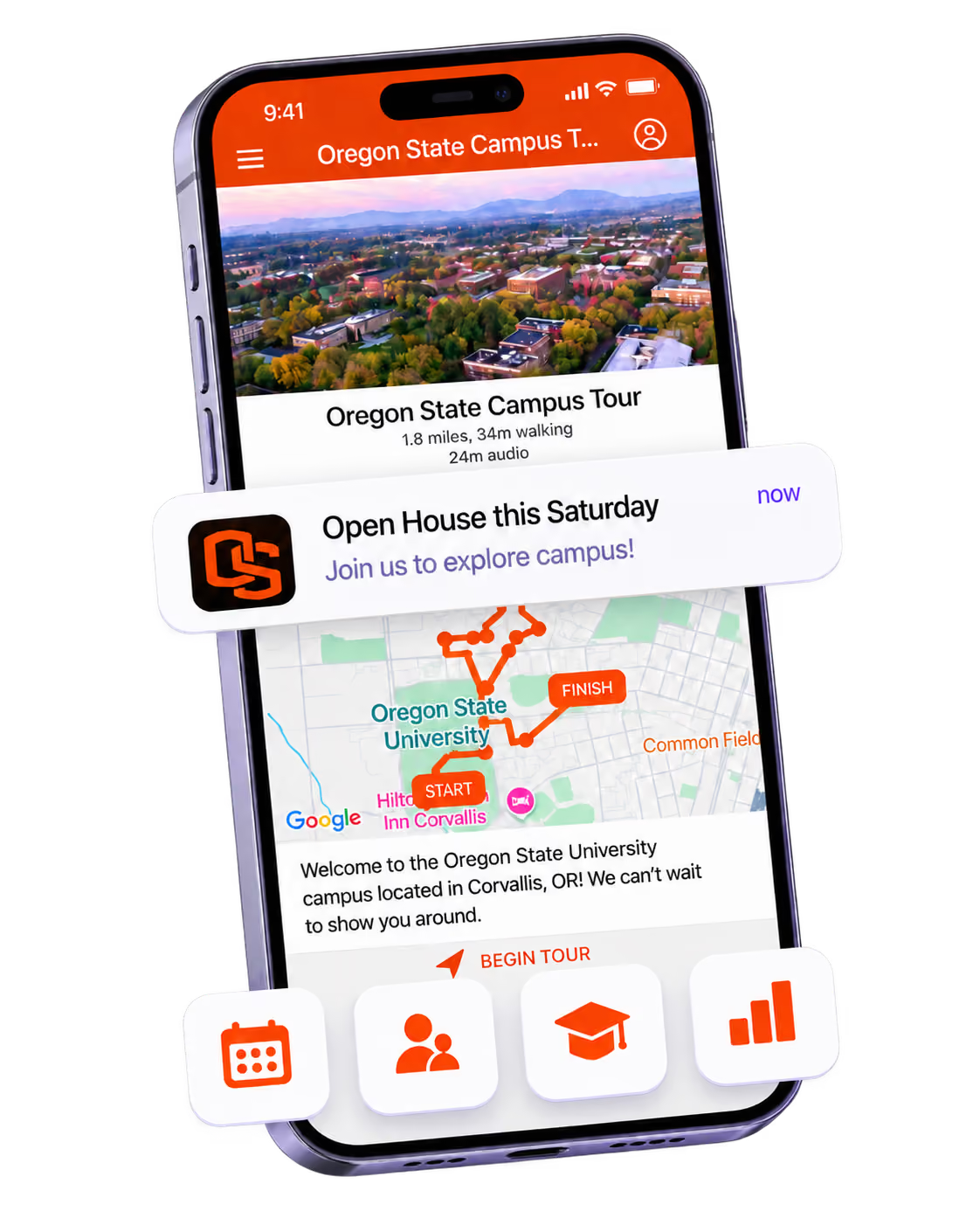
Deliver branded, self-guided tour experiences with interactive maps and rich media, available 24/7.

Offering Campus Tours?
Deliver branded, self-guided tour experiences with interactive maps and rich media, available 24/7.
Organising a Career Fair?
Simplify logistics for students, employers, and Career Services staff with one easy-to-use app.
Organising a Career Fair?
Simplify logistics for students, employers, and Career Services staff with one easy-to-use app.
Managing Alumni Events?
Plan reunions, regional events, and fundraising campaigns with an app built for alumni engagement.
Managing Alumni Events?
Plan reunions, regional events, and fundraising campaigns with an app built for alumni engagement.
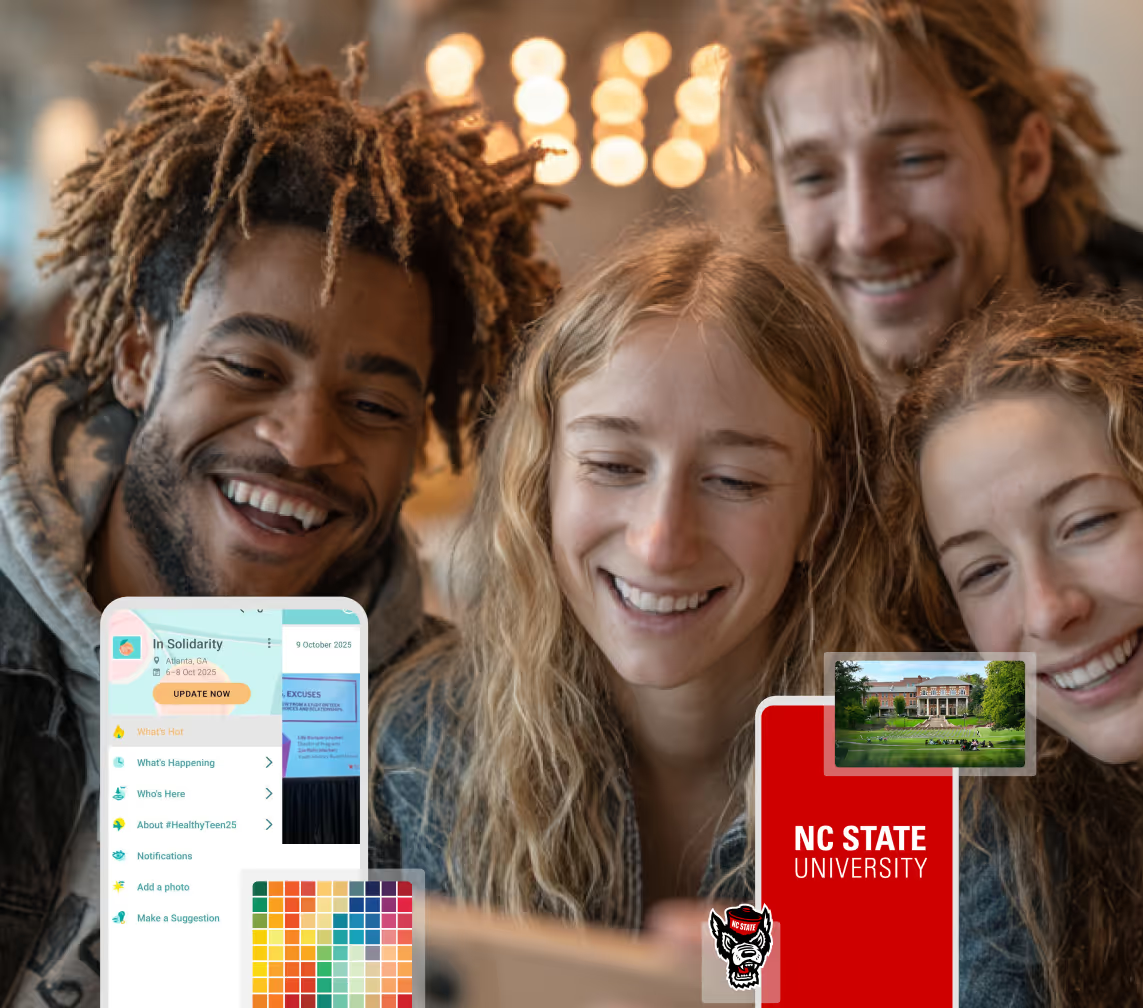
Boost Student Engagement
One hub for schedules, resources, and events that keeps students connected throughout the academic year.
Boost Student Engagement
One hub for schedules, resources, and events that keeps students connected throughout the academic year.
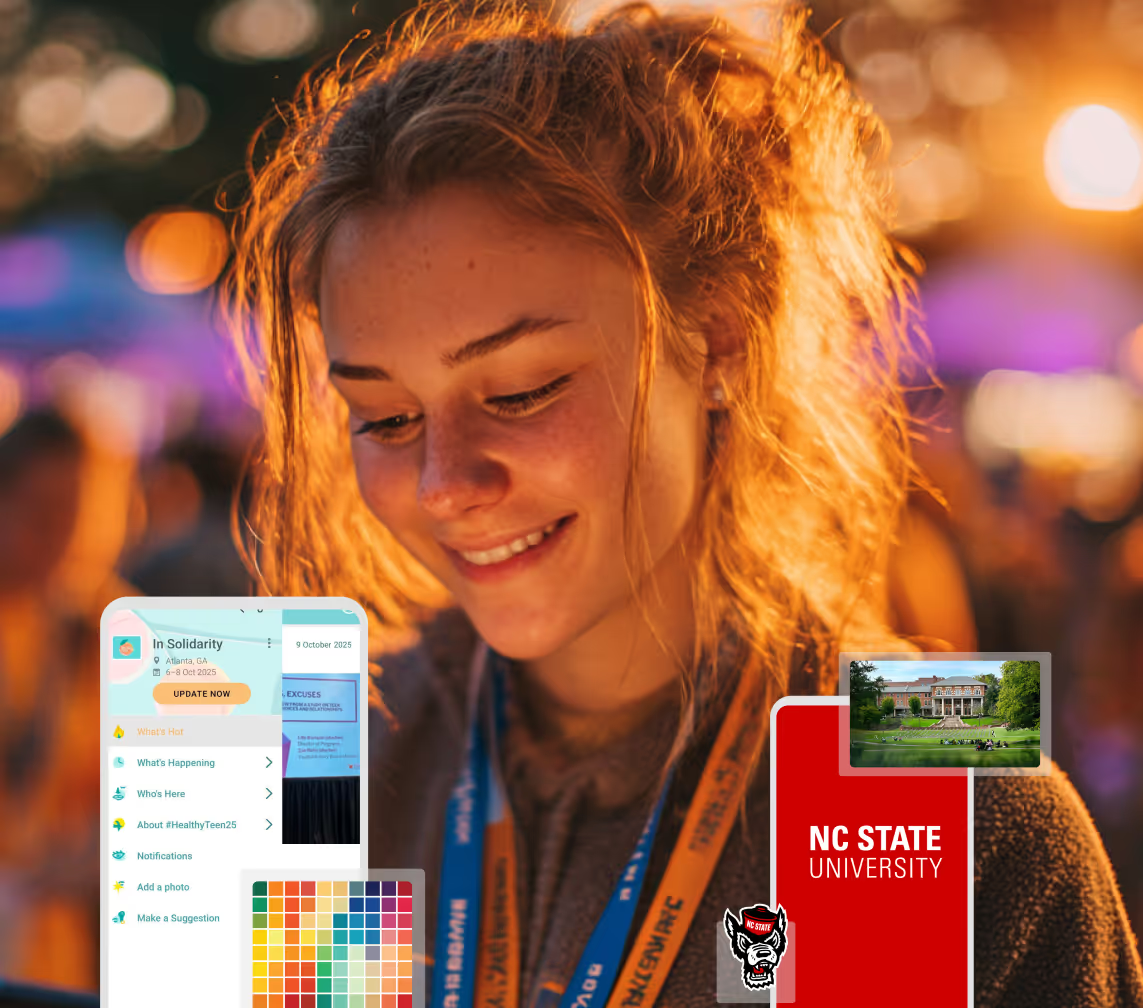
Planning Orientation?
Help new students feel prepared from day one with schedules, campus resources, and real-time updates in one app.
Planning Orientation?
Help new students feel prepared from day one with schedules, campus resources, and real-time updates in one app.
Running Admissions Events?
Manage open houses, tours, and yield events with a branded app that saves time and engages prospective students.

Running Admissions Events?
Manage open houses, tours, and yield events with a branded app that saves time and engages prospective students.
Get a custom Sponsorship Package Template
Stop starting from scratch. Grab free templates that helWe'll build a tailored sponsorship package with suggested pricing, tiers, and benefits..for your specific event.p you build professional sponsorship packages and close deals faster.
Get a custom Sponsorship Package Template
Stop starting from scratch. Grab free templates that helWe'll build a tailored sponsorship package with suggested pricing, tiers, and benefits..for your specific event.p you build professional sponsorship packages and close deals faster.
Plan Your Next Event Without Missing a Beat.
From venue selection to post-event wrap-up, this free checklist walks you through every step (so nothing falls through the cracks).
.avif)
Plan Your Next Event Without Missing a Beat.
From venue selection to post-event wrap-up, this free checklist walks you through every step (so nothing falls through the cracks).
Real Results From Real Events
100,000+ organizations trust Guidebook. See exactly how universities, associations, enterprises, and more put it to work.

Real Results From Real Events
100,000+ organizations trust Guidebook. See exactly how universities, associations, enterprises, and more put it to work.
Flexible pricing for every event size
Find the perfect plan for your needs, from intimate gatherings to large-scale conferences.
Flexible pricing for every event size
Find the perfect plan for your needs, from intimate gatherings to large-scale conferences.
Join our event experts
Watch on-demand webinars and join live sessions with industry leaders sharing best practices for event success.
.avif)
Join our event experts
Watch on-demand webinars and join live sessions with industry leaders sharing best practices for event success.
Guidebook in Action
Book a personalized walkthrough and discover how we help event teams create better attendee experiences.
Guidebook in Action
Book a personalized walkthrough and discover how we help event teams create better attendee experiences.
What is Event Design?
Event design shapes the attendee experience through creative planning and visual storytelling. Discover key principles, design frameworks, and tips for impactful events.
Event Design is the creative process of shaping every visual, sensory, and experiential element that transforms an ordinary gathering into an unforgettable experience. It covers everything from venue layout and lighting to color schemes, signage, and interactive installations. Great event design doesn't just look good—it drives engagement, reinforces your brand, and creates moments people actually remember.
Here's the thing: event design isn't just about making things pretty. It's strategic. Every design choice should support your event goals, guide attendee behavior, and create emotional connections. The best event designers think like architects, psychologists, and artists all at once. They understand that a well-designed space can boost networking, increase dwell time, and leave lasting impressions that translate into real business results.
Key Characteristics of Event Design
- Purpose-Driven Aesthetics: Every design element serves a function beyond looking nice. Colors, layouts, and materials all work together to support your event's goals and messaging.
- Sensory Integration: Great event design engages multiple senses—sight, sound, smell, touch, and even taste. This multi-sensory approach creates deeper, more memorable experiences.
- Brand Alignment: Design choices reflect and reinforce your organization's identity. From fonts to furniture, everything should feel cohesive and on-brand.
- Flow and Functionality: Smart design guides attendees naturally through spaces. It considers traffic patterns, bottlenecks, and how people actually move and interact.
- Scalability: Effective event design works across different venue sizes and formats. The core concepts translate whether you're hosting 50 people or 5,000.
- Flexibility: Good design anticipates change. It allows for last-minute adjustments without compromising the overall vision or experience.
- Emotional Impact: The best event design creates feelings—excitement, calm, curiosity, or connection. It's about crafting an atmosphere that resonates with attendees.
Event Design vs. Related Terms
Event Planning
- Scope: Covers all logistics, timelines, budgets, and coordination for an event
- Focus: Operational execution and project management
- Timeline: Spans months of preparation through post-event wrap-up
- Channels: Vendor management, scheduling, contracts, and communications
- Goal: Ensure the event runs smoothly from start to finish
Event Production
- Scope: Technical execution including AV, staging, lighting, and sound
- Focus: Bringing creative concepts to life through technical means
- Timeline: Intensifies during load-in, event days, and strike
- Channels: Technical crews, equipment, and on-site coordination
- Goal: Execute the technical vision flawlessly
Event Styling
- Scope: Decorative elements like florals, linens, and tabletop details
- Focus: Surface-level aesthetics and finishing touches
- Timeline: Typically finalized closer to the event date
- Channels: Décor vendors, rental companies, and florists
- Goal: Add visual polish and decorative appeal
Think of it this way: event planning is the "what" and "when," event production is the "how," and event design is the "why it feels this way." They're all connected, but event design specifically focuses on the creative vision that shapes attendee experience.
Essential Event Design Elements
Create a Cohesive Color Palette
Color sets the emotional tone for your entire event. Choose 3-5 colors that align with your brand and event goals. Warm colors like red and orange create energy and excitement. Cool colors like blue and green feel calming and professional.
Apply your palette consistently across all touchpoints:
- Signage and wayfinding
- Lighting gels and washes
- Linens and furniture
- Digital displays and event marketing materials
- Staff uniforms or accessories
Design Intentional Spatial Layouts
How you arrange a space directly impacts attendee behavior. Open layouts encourage mingling and networking. Defined zones create structure and guide flow. Consider sight lines, acoustics, and natural gathering points.
Map out your floor plan with these questions in mind:
- Where will attendees enter and exit?
- What's the focal point of each space?
- How will people move between areas?
- Where might bottlenecks occur?
Layer Your Lighting Design
Lighting is one of the most powerful (and often underused) design tools. It can completely transform a space, highlight key areas, and create mood shifts throughout your event.
Think in layers:
- Ambient lighting: Overall illumination that sets the base mood
- Accent lighting: Highlights specific features or focal points
- Task lighting: Functional light for registration desks, food stations, etc.
- Decorative lighting: String lights, chandeliers, or LED installations
Incorporate Branded Touchpoints
Your event design should reinforce brand identity at every turn. This doesn't mean slapping logos everywhere. It means thoughtfully integrating brand elements into the experience.
Effective branded touchpoints include:
- Custom signage and wayfinding
- Photo opportunities with branded backdrops
- Themed food and beverage presentations
- Interactive installations that reflect brand values
- Digital elements through your event management platform
Plan for Photography and Social Sharing
In today's world, your event design needs to be "camera-ready." Create moments worth capturing and sharing. Think about how spaces will look in photos and videos.
Design Instagram-worthy moments by:
- Creating statement installations or backdrops
- Using interesting textures and materials
- Incorporating good lighting for photos
- Adding unexpected or playful elements
The Event Design Process
Start with Discovery and Research
Great event design begins with understanding. Before sketching a single idea, dig into the details. What are your event goals? Who's attending? What's the venue like?
Key discovery questions include:
- What emotions should attendees feel?
- What actions do you want them to take?
- What's the brand personality?
- What are the venue's constraints and opportunities?
- What's the budget reality?
Develop Your Creative Concept
Your concept is the big idea that ties everything together. It's the story your design tells. A strong concept makes decision-making easier because every choice can be measured against it.
Good concepts are:
- Simple enough to explain in one sentence
- Flexible enough to apply across all elements
- Memorable and distinctive
- Aligned with event goals and brand
Create Detailed Design Plans
Once your concept is solid, get specific. Create floor plans, mood boards, and detailed specifications. This documentation becomes your roadmap and communication tool.
Your design package should include:
- Scaled floor plans with furniture placement
- Color and material specifications
- Lighting plots and cue sheets
- Signage designs and placement maps
- Vendor specifications and requirements
Execute and Adapt On-Site
Even the best plans need adjustment. Be prepared to problem-solve on-site. Walk the space before attendees arrive. Check sight lines, lighting levels, and flow patterns.
Smart designers always have backup plans. What if that centerpiece doesn't fit? What if the lighting looks different than expected? Flexibility is key to successful execution.
Why Event Design Matters
For Event Success:
- Increased Engagement: Well-designed spaces encourage interaction and participation. Attendees stay longer and engage more deeply with content and each other.
- Better Navigation: Intuitive design helps attendees find what they need. Clear wayfinding reduces confusion and frustration, especially at large events.
- Enhanced Memorability: Distinctive design creates lasting impressions. Attendees remember how an event made them feel long after the details fade.
- Improved Atmosphere: Design sets the mood from the moment attendees arrive. The right atmosphere supports your event's purpose and energy.
- Social Amplification: Share-worthy design extends your event's reach. Great visuals generate organic social media content and word-of-mouth buzz.
For Business Objectives:
- Stronger Brand Recognition: Consistent, thoughtful design reinforces brand identity. Every touchpoint becomes an opportunity to build brand awareness.
- Higher Event ROI: Engaged attendees are more likely to convert. Better experiences lead to better business outcomes.
- Competitive Differentiation: Outstanding design sets you apart. In a crowded market, memorable events win attention and loyalty.
- Sponsor Value: Well-designed events offer better sponsorship opportunities. Sponsors pay more for premium, well-executed activations.
- Attendee Retention: Great experiences bring people back. Attendees who love your event design become repeat participants and advocates.
Platforms like Guidebook help you extend your event design into the digital realm. Your branded event app becomes another touchpoint for cohesive design, from custom colors to branded navigation.
Event Design Best Practices
- Start with Goals, Not Aesthetics: Define what success looks like before choosing colors or furniture. Design decisions should support objectives, not just look pretty.
- Know Your Audience: Design for the people actually attending. A tech conference needs different energy than a team building event or gala dinner.
- Visit the Venue Early: Photos don't tell the whole story. Walk the space in person to understand lighting, acoustics, and flow opportunities.
- Create a Clear Focal Point: Every space needs a visual anchor. Give attendees something to orient around and remember.
- Design for Movement: Think about how people will flow through spaces. Avoid dead ends and create natural pathways between key areas.
- Layer Your Elements: Great design has depth. Combine lighting, textures, colors, and materials for rich, dimensional spaces.
- Plan for All Senses: Don't forget sound, scent, and touch. Multi-sensory design creates more immersive experiences.
- Build in Flexibility: Things change. Design systems that can adapt to last-minute adjustments without falling apart.
- Document Everything: Take photos and notes throughout the process. This documentation helps with future events and vendor communication.
- Integrate Digital Elements: Connect physical design with digital experiences. Use event check-in software and apps that match your visual identity.
Common Event Design Mistakes
Ignoring the Venue's Character: Fighting against a space's natural features wastes budget and energy. Work with what the venue offers instead of trying to completely transform it. The best designs enhance existing architecture rather than hiding it.
Overcomplicating the Concept: Complex themes confuse attendees and strain budgets. If you can't explain your concept in one sentence, it's probably too complicated. Simple, clear ideas execute better and resonate more.
Forgetting About Flow: Beautiful spaces mean nothing if people can't move through them. Bottlenecks at entrances, bars, or food stations create frustration. Always map traffic patterns before finalizing layouts.
Neglecting Lighting: Bad lighting ruins good design. Harsh fluorescents or dim corners undermine even the most beautiful décor. Invest in proper lighting design—it's often the highest-impact, lowest-cost improvement you can make.
Designing for Photos Only: Instagram moments matter, but don't sacrifice functionality for aesthetics. A gorgeous installation that blocks sight lines or creates traffic jams isn't good design.
Skipping the Site Visit: Designing from floor plans alone leads to surprises. Columns, outlets, ceiling heights, and natural light all affect your design. Always visit the venue before finalizing plans.
Underestimating Setup Time: Ambitious designs need adequate installation time. Rushing setup leads to sloppy execution and stressed teams. Build buffer time into your event planning process.
Final Thoughts
Event design is where strategy meets creativity. It's the difference between an event people attend and an event people remember. When done well, design doesn't just decorate a space—it shapes behavior, creates emotion, and drives results.
The event industry continues to evolve, with attendees expecting more immersive, personalized experiences. Static, cookie-cutter designs no longer cut it. Today's best events feel intentional, cohesive, and surprising.
Don't let design be an afterthought. Whether you're planning a virtual event, a massive conference, or an intimate themed meeting, thoughtful design elevates everything. It's an investment that pays dividends in engagement, brand perception, and attendee satisfaction.
Ready to bring your event design vision to life? Guidebook's platform helps you extend your creative vision into the digital experience. From custom-branded apps to seamless registration, we help you create cohesive experiences that wow attendees. Because great events deserve great design—in every dimension.
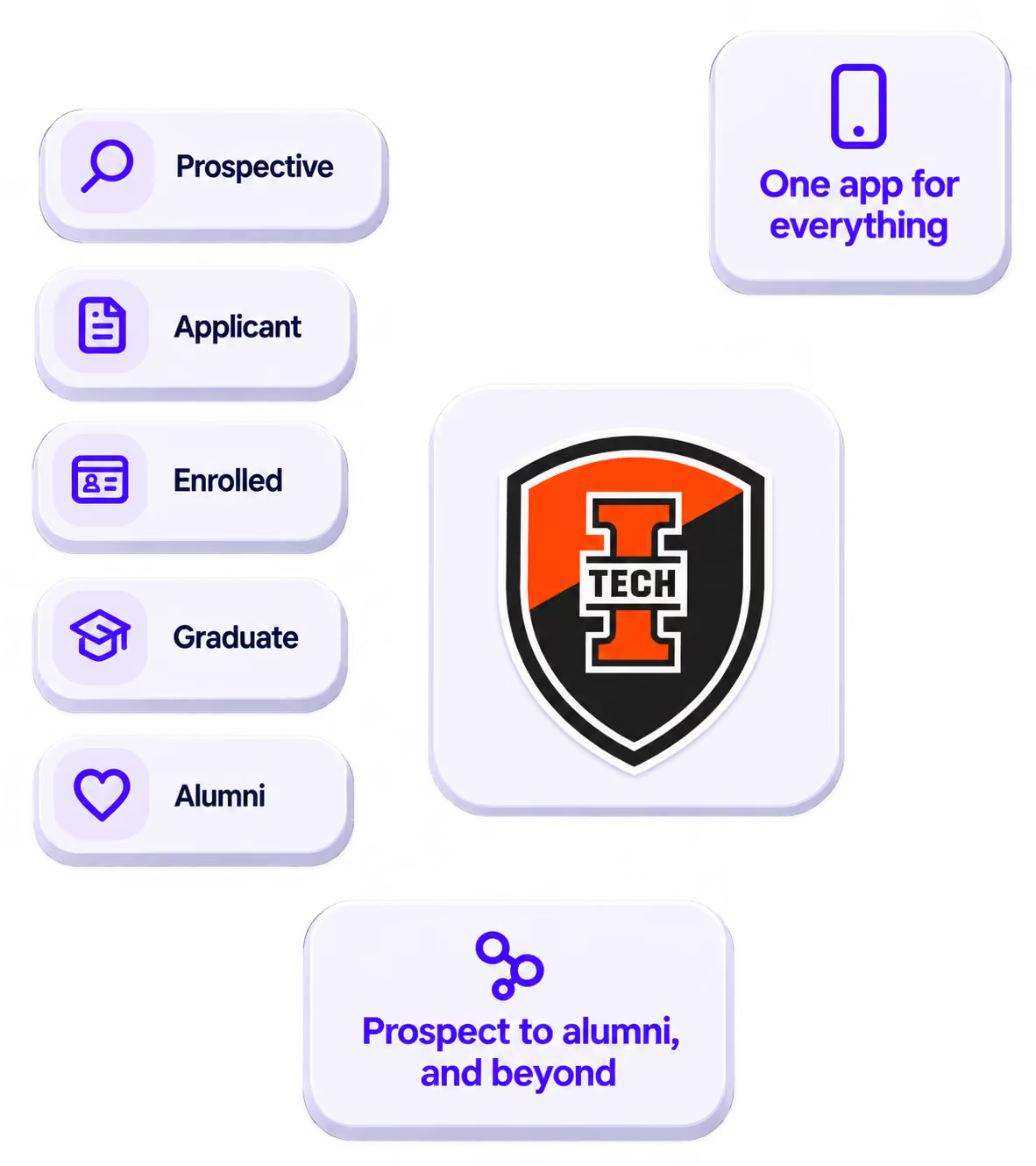
The power of your brand in your app, from first visit to alumni.
Build trust
Attendees download your app, not ours. Your name, colors, and crest in the stores.
.avif)
One place for the whole event
Schedules, maps, registration, and updates in one branded hub - not five tools.
Stand out
A branded app is what people keep on their phone after the printed program is in the recycling.

Get the Mobile App Playbook
A short guide to running the whole student journey in one app. No fluff, just what works.
for higher ed
Campus
Playbook
A practical guide to building a connected campus experience.
Free playbook
The Mobile App Playbook for Universities
Students decide if they belong long before they set foot on campus. This playbook shows how to win them over from the first visit through graduation.
- Grow enrollment and boost recruitment
- Increase belonging and retention
- Run every event from one branded app
By submitting, you agree to our Privacy Policy.
You're in.
.png)