
Campus apps by department
Admissions, orientation, student life, and more — one campus app that works across departments.

Campus apps by department
Admissions, orientation, student life, and more — one campus app that works across departments.
Build unlimited event apps on one license
One partnership for unlimited campus events — orientation, tours, student life, and everything in between.
Build unlimited event apps on one license
One partnership for unlimited campus events — orientation, tours, student life, and everything in between.
Compare event app platforms
See how Guidebook stacks up against other event app and registration platforms.
Compare event app platforms
See how Guidebook stacks up against other event app and registration platforms.
Event apps for nonprofit and community programs
Give members, volunteers, and donors one branded app for conferences, fundraisers, and year-round community.
Event apps for nonprofit and community programs
Give members, volunteers, and donors one branded app for conferences, fundraisers, and year-round community.
Campus integrations and an open API
Connect Guidebook with the campus systems, APIs, and tools your team already uses.
Campus integrations and an open API
Connect Guidebook with the campus systems, APIs, and tools your team already uses.
Event apps for corporate and enterprise teams
Internal meetings, offsites, and large-scale corporate events — with the branding and control enterprise teams need.
Event apps for corporate and enterprise teams
Internal meetings, offsites, and large-scale corporate events — with the branding and control enterprise teams need.
Create a branded event app with no coding
Put schedules, maps, resources, and updates in every attendee's pocket — built for campus events and programs.
Create a branded event app with no coding
Put schedules, maps, resources, and updates in every attendee's pocket — built for campus events and programs.
Launch a branded, white-label event app
A white-label event app with your branding, your content, and your attendee experience — no coding required.
Launch a branded, white-label event app
A white-label event app with your branding, your content, and your attendee experience — no coding required.
Everything in the Guidebook platform
Explore the features event teams use to engage attendees before, during, and after the event.
Everything in the Guidebook platform
Explore the features event teams use to engage attendees before, during, and after the event.
One app for in-person and virtual attendees
The same schedule, networking, and updates whether people are in the room or joining remotely.
One app for in-person and virtual attendees
The same schedule, networking, and updates whether people are in the room or joining remotely.
Event apps built for associations
Annual meetings, chapter events, and member engagement — without rebuilding a new app every year.
Event apps built for associations
Annual meetings, chapter events, and member engagement — without rebuilding a new app every year.
A branded event website that matches the app
Promote the event, collect interest, and keep branding consistent from the first click to check-in.
A branded event website that matches the app
Promote the event, collect interest, and keep branding consistent from the first click to check-in.
Plan, run, and measure events on one platform
App, registration, badges, and websites in one workflow — so planning isn't a pile of disconnected tools.
Plan, run, and measure events on one platform
App, registration, badges, and websites in one workflow — so planning isn't a pile of disconnected tools.
Keep members engaged between events
One branded app for the conference and everything that happens the other 51 weeks of the year.
Keep members engaged between events
One branded app for the conference and everything that happens the other 51 weeks of the year.
The conference app attendees actually use
Schedules, maps, networking, and live updates for annual meetings, summits, and multi-day conferences.
The conference app attendees actually use
Schedules, maps, networking, and live updates for annual meetings, summits, and multi-day conferences.
Registration that feeds your app and badges
Collect registrations, payments, and attendee data in the same platform as your event app.
Registration that feeds your app and badges
Collect registrations, payments, and attendee data in the same platform as your event app.
Design and print event badges in one place
Custom badges, QR check-in, and on-site printing — without a separate badge vendor.
Design and print event badges in one place
Custom badges, QR check-in, and on-site printing — without a separate badge vendor.
A Smaller School?
Deliver a polished, branded event experience without a large team or a big budget.
A Smaller School?
Deliver a polished, branded event experience without a large team or a big budget.
Running Family Programs?
Give families everything they need, from schedules and maps to real-time updates, all in one place.
Running Family Programs?
Give families everything they need, from schedules and maps to real-time updates, all in one place.
Coordinating Move-In Day?
Share updates, manage events, and keep students informed from move-in through the academic year.

Coordinating Move-In Day?
Share updates, manage events, and keep students informed from move-in through the academic year.
Offering Campus Tours?
Deliver branded, self-guided tour experiences with interactive maps and rich media, available 24/7.

Offering Campus Tours?
Deliver branded, self-guided tour experiences with interactive maps and rich media, available 24/7.
Organising a Career Fair?
Simplify logistics for students, employers, and Career Services staff with one easy-to-use app.
Organising a Career Fair?
Simplify logistics for students, employers, and Career Services staff with one easy-to-use app.
Managing Alumni Events?
Plan reunions, regional events, and fundraising campaigns with an app built for alumni engagement.
Managing Alumni Events?
Plan reunions, regional events, and fundraising campaigns with an app built for alumni engagement.
Boost Student Engagement
One hub for schedules, resources, and events that keeps students connected throughout the academic year.
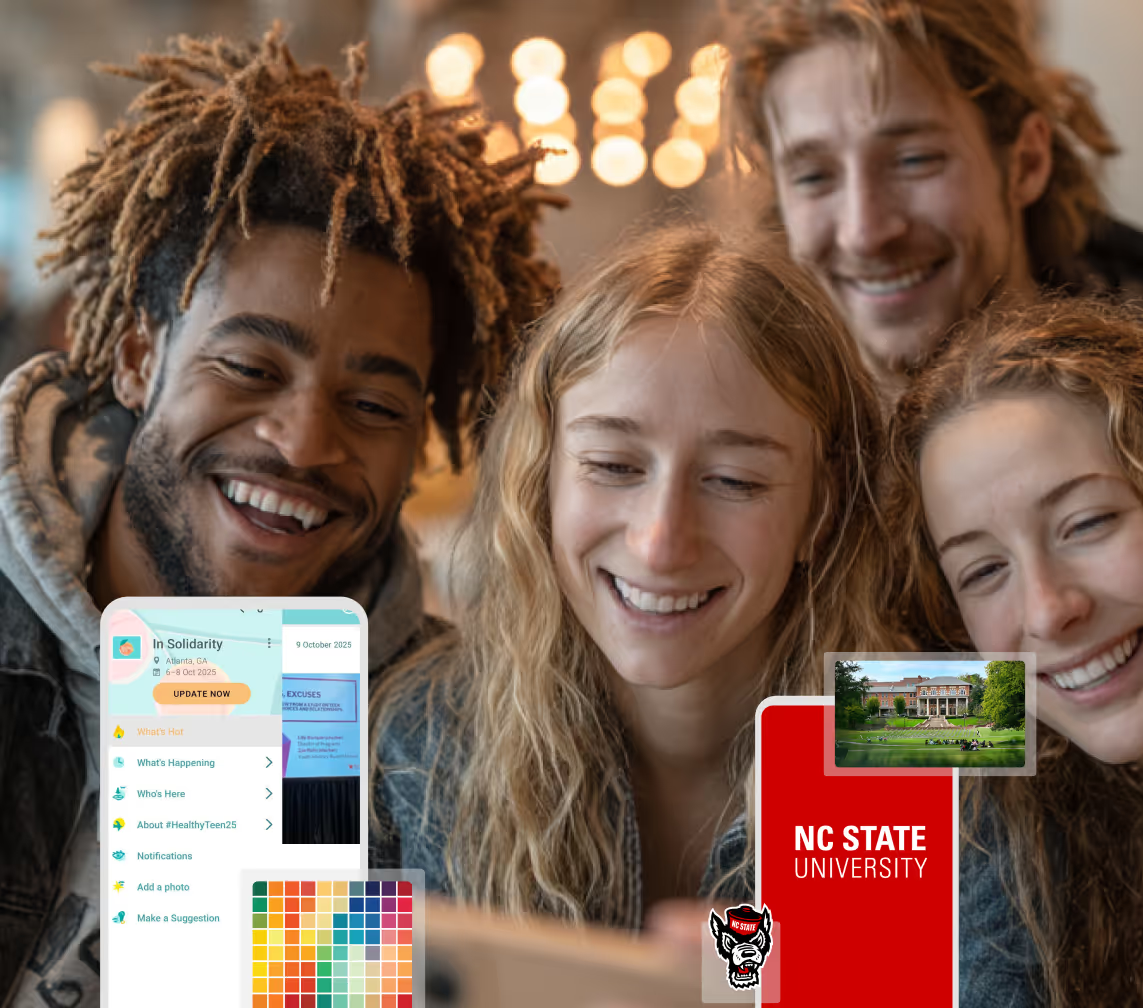
Boost Student Engagement
One hub for schedules, resources, and events that keeps students connected throughout the academic year.
Planning Orientation?
Help new students feel prepared from day one with schedules, campus resources, and real-time updates in one app.
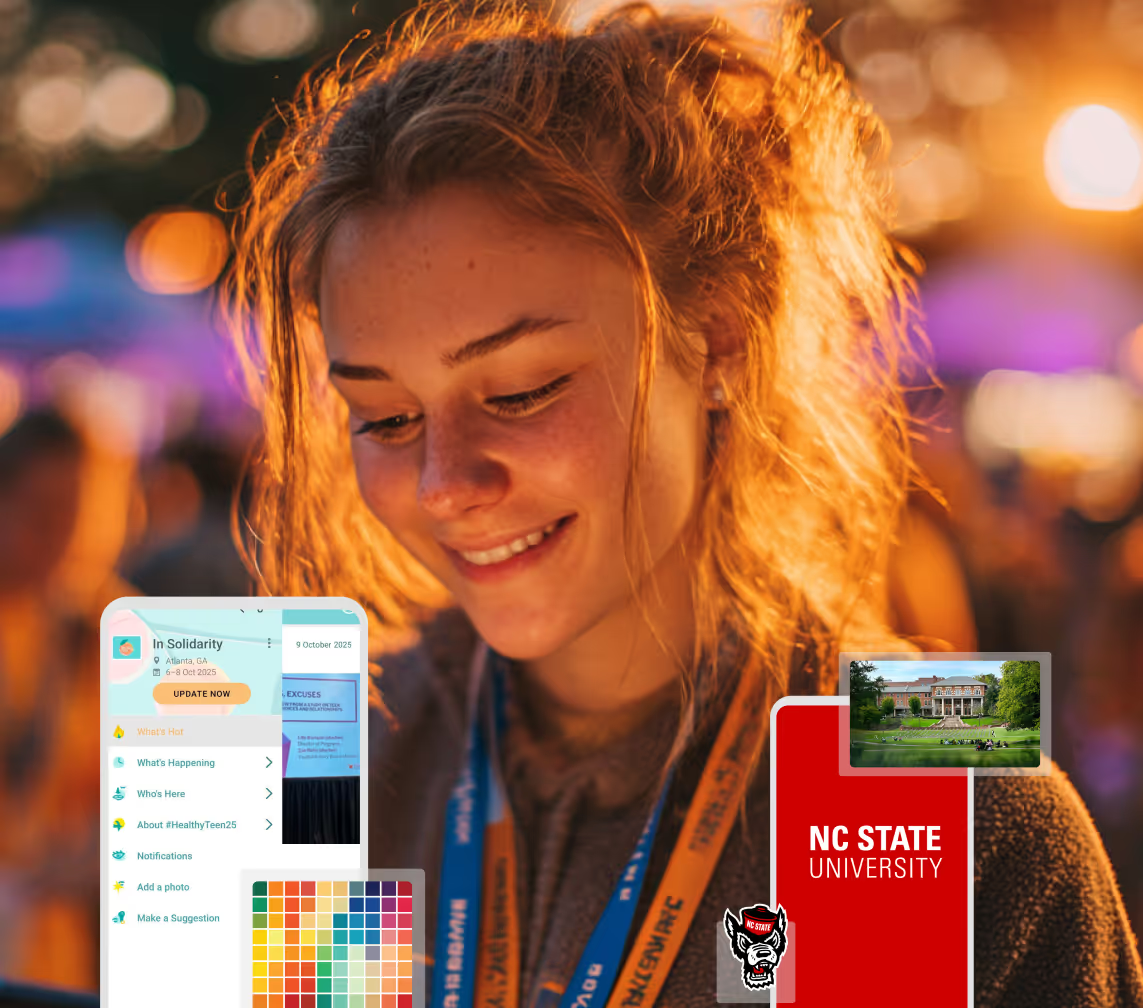
Planning Orientation?
Help new students feel prepared from day one with schedules, campus resources, and real-time updates in one app.
Running Admissions Events?
Manage open houses, tours, and yield events with a branded app that saves time and engages prospective students.

Running Admissions Events?
Manage open houses, tours, and yield events with a branded app that saves time and engages prospective students.
Get a custom Sponsorship Package Template
Stop starting from scratch. Grab free templates that helWe'll build a tailored sponsorship package with suggested pricing, tiers, and benefits..for your specific event.p you build professional sponsorship packages and close deals faster.
Get a custom Sponsorship Package Template
Stop starting from scratch. Grab free templates that helWe'll build a tailored sponsorship package with suggested pricing, tiers, and benefits..for your specific event.p you build professional sponsorship packages and close deals faster.
Plan Your Next Event Without Missing a Beat.
From venue selection to post-event wrap-up, this free checklist walks you through every step (so nothing falls through the cracks).
.avif)
Plan Your Next Event Without Missing a Beat.
From venue selection to post-event wrap-up, this free checklist walks you through every step (so nothing falls through the cracks).
Real Results From Real Events
100,000+ organizations trust Guidebook. See exactly how universities, associations, enterprises, and more put it to work.

Real Results From Real Events
100,000+ organizations trust Guidebook. See exactly how universities, associations, enterprises, and more put it to work.
Flexible pricing for every event size
Find the perfect plan for your needs, from intimate gatherings to large-scale conferences.

Flexible pricing for every event size
Find the perfect plan for your needs, from intimate gatherings to large-scale conferences.
Join our event experts
Watch on-demand webinars and join live sessions with industry leaders sharing best practices for event success.
.avif)
Join our event experts
Watch on-demand webinars and join live sessions with industry leaders sharing best practices for event success.
Guidebook in Action
Book a personalized walkthrough and discover how we help event teams create better attendee experiences.
Guidebook in Action
Book a personalized walkthrough and discover how we help event teams create better attendee experiences.

What are Sponsorship Tiers?
Sponsorship tiers define levels of partnership benefits and investment for sponsors. Learn about tier structures, examples, and how to maximize sponsor value.

Sponsorship tiers are structured levels of partnership packages that offer sponsors increasing benefits and visibility based on their investment amount. They typically range from basic bronze or supporter levels to premium platinum or title sponsor positions. Well-designed tiers help event planners maximize revenue while giving sponsors clear options that match their budgets and goals.
Here's the thing: sponsorship tiers aren't just about slapping different price tags on logos. They're strategic tools that create a win-win for everyone. Sponsors get predictable value at their comfort level. Event organizers build diverse revenue streams. And attendees benefit from better-funded experiences. The best tier structures make saying "yes" easy for sponsors at every budget level.
Key Characteristics of Sponsorship Tiers
- Graduated Value Structure: Each tier offers progressively more benefits as investment increases. Higher tiers unlock exclusive perks that lower tiers can't access.
- Clear Differentiation: Every level has distinct, easy-to-understand benefits. Sponsors should immediately see what separates a gold package from a silver one.
- Scalable Pricing: Tiers accommodate different budget sizes. This opens doors for small businesses and enterprise companies alike.
- Tangible Deliverables: Each tier includes specific, measurable benefits. Think logo placements, booth sizes, speaking slots, or attendee data access.
- Limited Availability: Top tiers often cap the number of sponsors. Scarcity creates urgency and protects exclusivity for premium partners.
- Customization Options: Many tier systems allow add-ons or upgrades. Sponsors can tailor packages to their specific marketing goals.
- ROI Transparency: Strong tiers clearly communicate expected returns. Sponsors need to justify their investment to stakeholders.
Sponsorship Tiers vs. Related Sponsorship Models
À La Carte Sponsorship
- Scope: Individual assets sold separately without bundled packages
- Focus: Maximum flexibility for sponsors to pick specific activations
- Timeline: Often negotiated closer to event dates
- Channels: Varies based on selected items
- Goal: Customized exposure without commitment to full packages
Title Sponsorship
- Scope: Single, exclusive top-level partnership for entire event
- Focus: Complete brand integration and naming rights
- Timeline: Usually secured 6-12 months in advance
- Channels: All event touchpoints and marketing materials
- Goal: Maximum brand association and market positioning
In-Kind Sponsorship
- Scope: Products or services exchanged instead of cash
- Focus: Reducing event costs through donated goods
- Timeline: Flexible, often arranged as needs arise
- Channels: Recognition varies based on contribution value
- Goal: Mutual benefit without direct financial exchange
While tiered sponsorship provides structure and predictability, these other models offer flexibility. Many successful events combine approaches. You might use tiers as your foundation while offering à la carte add-ons for sponsors wanting extra exposure. Check out sponsorship package examples for inspiration on mixing these models.
Common Sponsorship Tier Structures
Not all tier systems look the same. The right structure depends on your event size, industry, and sponsor expectations.
The Classic Metal System
Bronze, Silver, Gold, and Platinum remain the most recognized tier names. Sponsors instantly understand the hierarchy. This system works well for conferences, galas, and community events.
The downside? It's predictable. Some sponsors see it as generic. Consider whether your event needs a fresh approach.
Themed Tier Names
Creative naming ties tiers to your event's identity. A tech conference might use "Startup," "Scale-Up," and "Unicorn" levels. A sustainability summit could offer "Seedling," "Sapling," and "Redwood" packages.
Themed names make your event memorable. They also signal that you've put thought into the sponsor experience. Just ensure names clearly communicate relative value.
Benefit-Based Tiers
Some events name tiers after their primary benefit:
- Visibility Tier: Logo placement and brand exposure
- Engagement Tier: Direct attendee interaction opportunities
- Leadership Tier: Speaking slots and thought leadership positioning
- Experience Tier: Exclusive hospitality and VIP access
This approach helps sponsors self-select based on their marketing objectives. Learn more about aligning sponsorship with goals in our guide to event ROI.
Numerical Tiers
Simple Level 1, Level 2, Level 3 structures work for internal events or B2B contexts. They're straightforward and professional. However, they lack the aspirational quality that motivates sponsors to upgrade.
Building Effective Sponsorship Tier Benefits
The benefits you include make or break your tier structure. Sponsors evaluate packages based on tangible value, not fancy names.
Logo and Brand Placement
Every tier should include some form of brand visibility. The key is meaningful differentiation:
- Entry tiers: Logo on website and printed materials
- Mid tiers: Logo on signage, badges, and digital marketing
- Top tiers: Logo on stage backdrops, keynote slides, and app splash screens
Size and placement matter. A small logo buried on page 47 isn't worth much. Premium sponsors expect prominent, repeated exposure.
Physical Event Presence
For in-person events, booth space and location drive sponsor decisions. Consider these differentiators:
- Booth size (10x10 vs. 20x20 vs. custom builds)
- Location priority (near entrance, food areas, or main stage)
- Included furniture and electricity
- Storage and setup time access
Our interactive trade show booth guide covers ways sponsors can maximize their physical presence.
Content and Speaking Opportunities
Thought leadership benefits attract sponsors focused on credibility. Options include:
- Keynote or breakout session slots
- Panel participation
- Workshop hosting rights
- Sponsored content in event communications
- Blog or social media features
Reserve speaking slots for top tiers. This protects your content quality while creating genuine exclusivity.
Data and Lead Generation
For many B2B sponsors, attendee data is the real prize. Tier benefits might include:
- Attendee list access (opt-in contacts only)
- Lead retrieval tools at booths
- Post-event survey sponsorship
- Badge scanning capabilities
Be transparent about data policies. Sponsors need to know exactly what they're getting. Attendees need to trust their information is protected.
Hospitality and Access
VIP experiences create emotional connections. Premium tier perks often include:
- Complimentary registrations
- VIP lounge access
- Speaker meet-and-greets
- Exclusive dinners or receptions
- Reserved seating at keynotes
These benefits cost relatively little but feel high-value. They're perfect for differentiating top tiers.
Why Sponsorship Tiers Matter
For Event Success:
- Predictable Revenue: Tiered packages create clear income projections for budgeting and event planning.
- Simplified Sales Process: Defined packages reduce negotiation time and speed up sponsor commitments.
- Diverse Sponsor Mix: Multiple price points attract sponsors of all sizes, reducing dependence on single partners.
- Upgrade Opportunities: Clear tier progression encourages sponsors to increase investment year over year.
- Professional Perception: Well-structured tiers signal organizational maturity and build sponsor confidence.
For Business Objectives:
- Budget Alignment: Sponsors can choose packages matching their marketing budgets without awkward negotiations.
- Clear Expectations: Defined deliverables prevent misunderstandings and protect both parties.
- Competitive Positioning: Tier exclusivity helps sponsors stand out from competitors at the same event.
- Measurable ROI: Specific benefits make it easier to track and report sponsorship returns.
- Stakeholder Approval: Documented packages simplify internal approval processes for sponsor teams.
Managing sponsorship tiers becomes much easier with the right tools. Guidebook's event management platform helps you showcase sponsors at every level through branded apps, digital signage, and attendee communications. Request a demo to see how it works.
Sponsorship Tiers Best Practices
- Start with Sponsor Research: Survey past sponsors and prospects before building tiers. Understand what benefits they actually value, not what you assume they want.
- Create Clear Value Gaps: Each tier should offer noticeably more than the one below. If sponsors can't see the difference, they won't upgrade.
- Price Based on Value, Not Cost: Calculate what benefits are worth to sponsors, not what they cost you to deliver. A speaking slot costs nothing but delivers significant value.
- Limit Top Tier Availability: Cap your highest tier at 1-3 sponsors. Scarcity drives urgency and protects exclusivity promises.
- Include a Low-Barrier Entry Tier: Offer an affordable option for small businesses or first-time sponsors. Today's bronze sponsor could be next year's platinum partner.
- Build in Flexibility: Allow sponsors to add individual benefits to any tier. This captures additional revenue without creating endless package variations.
- Document Everything: Create detailed sponsorship agreements covering every deliverable, deadline, and responsibility. Clarity prevents conflicts.
- Showcase Past Success: Include testimonials, photos, and metrics from previous sponsors in your sponsorship proposals.
- Deliver Early Wins: Start promoting sponsors before the event through event marketing channels. Early visibility builds confidence.
- Follow Up Post-Event: Send sponsors detailed reports on their benefits delivered. This sets up renewal conversations and demonstrates professionalism.
Common Sponsorship Tiers Mistakes
Creating Too Many Tiers: Five or more tiers confuse sponsors and complicate sales conversations. Stick to 3-4 levels with clear differentiation. More options don't mean more revenue.
Underpricing Top Packages: Many event planners leave money on the table by pricing conservatively. Research comparable events and test higher price points. You can always negotiate down.
Promising Vague Benefits: "Premium visibility" means nothing without specifics. Define exact logo sizes, placement locations, and impression estimates. Vague promises lead to disappointed sponsors.
Ignoring Sponsor Goals: Not every sponsor wants the same thing. Some prioritize leads. Others want brand awareness. Build tiers that address different objectives, or offer customization options.
Forgetting Digital Benefits: Modern sponsors expect digital exposure alongside physical presence. Include app features, social media mentions, and email marketing in your packages. Learn more about event advertising options.
Overselling Exclusivity: If you promise "exclusive" benefits, honor that commitment. Nothing damages sponsor relationships faster than discovering their "exclusive" perk was sold to competitors.
Neglecting Small Sponsors: Entry-level sponsors deserve attention too. They're testing your event before committing more. Poor experiences at lower tiers kill upgrade potential.
Final Thoughts
Sponsorship tiers transform chaotic negotiations into streamlined partnerships. They give sponsors confidence in what they're buying. They give event planners predictable revenue and clearer workflows. When designed thoughtfully, tiers create value for everyone involved.
The events industry continues evolving toward data-driven sponsorship. Sponsors increasingly demand measurable returns, not just logo placements. Smart tier structures now include digital engagement metrics, lead quality guarantees, and post-event reporting. Stay ahead by reviewing current event trends regularly.
Don't overthink your first tier structure. Start simple, gather feedback, and refine over time. The best sponsorship programs evolve based on real sponsor input, not theoretical perfection. Your sponsors will tell you what they value most—if you ask.
Ready to showcase your sponsors effectively? Guidebook helps event planners highlight sponsor benefits through branded mobile apps, digital schedules, and interactive features. From event registration to post-event follow-up, our platform makes sponsor management seamless. Explore our templates or pricing options to get started. Your sponsors—and your bottom line—will thank you.
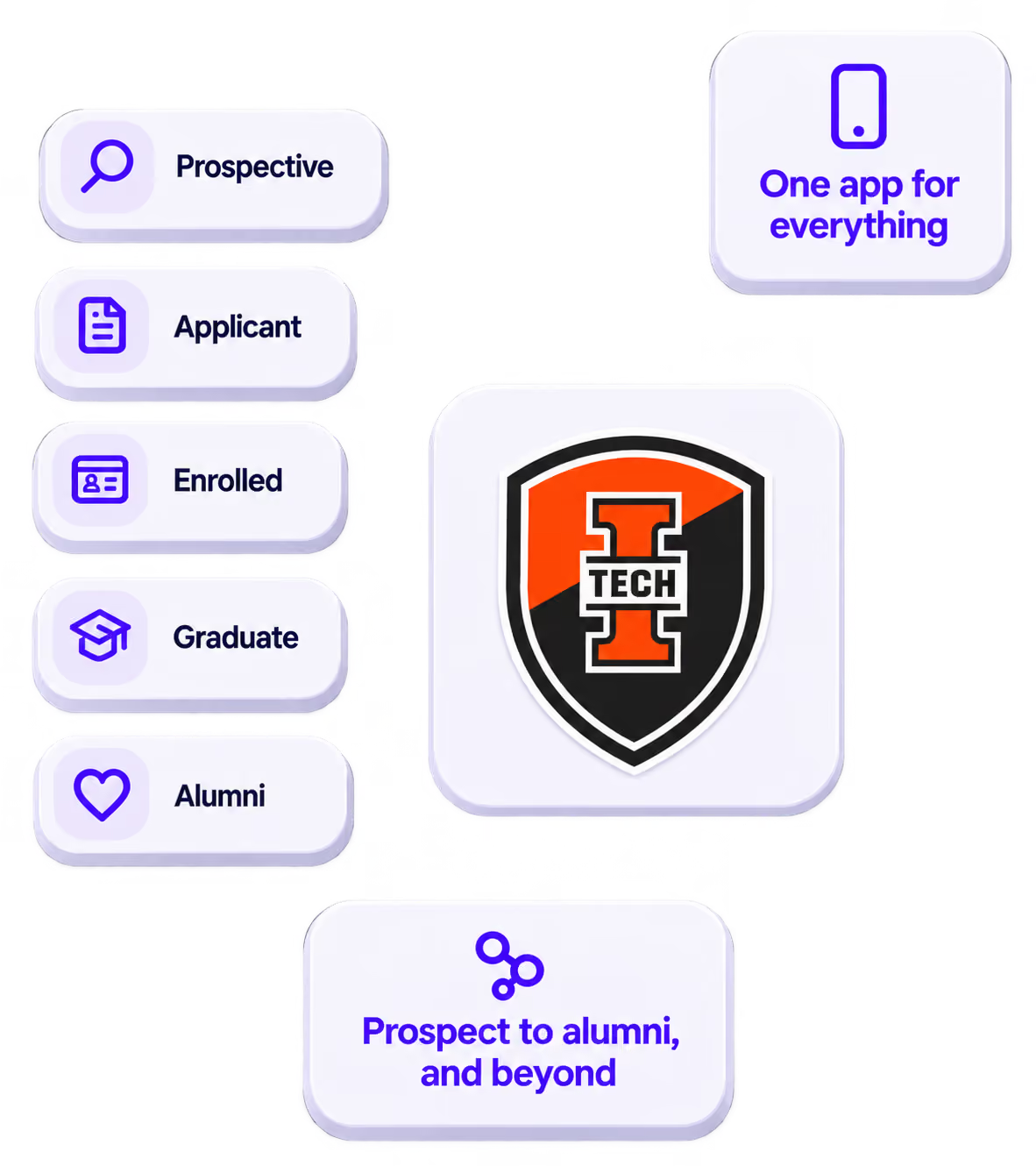
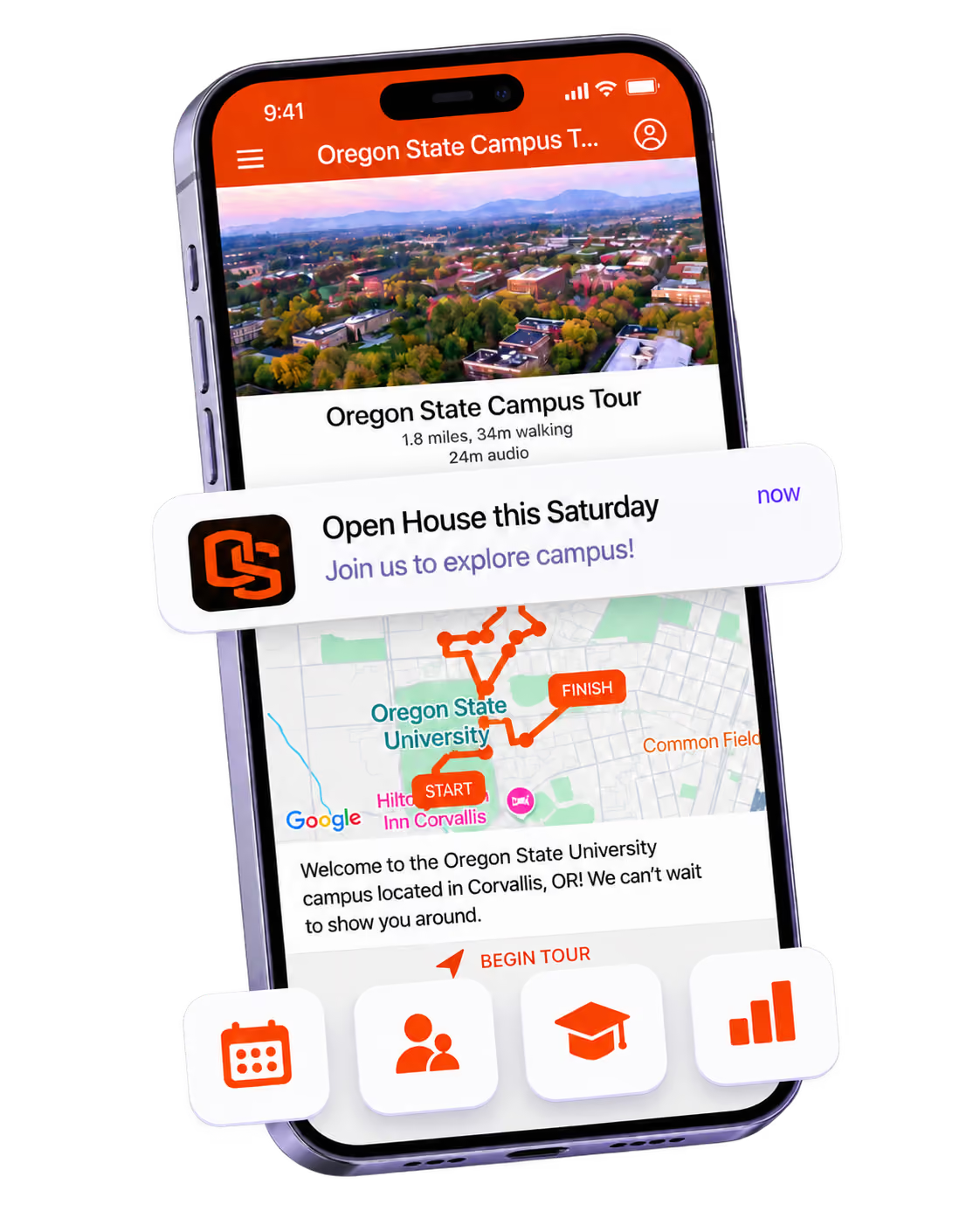
The power of your brand in your app, from first visit to alumni.
Build trust
Attendees download your app, not ours. Your name, colors, and crest in the stores.
.avif)
One place for the whole event
Schedules, maps, registration, and updates in one branded hub - not five tools.
Stand out
A branded app is what people keep on their phone after the printed program is in the recycling.

Get the Mobile App Playbook
A short guide to running the whole student journey in one app. No fluff, just what works.
for higher ed
Campus
Playbook
A practical guide to building a connected campus experience.
Free playbook
The Mobile App Playbook for Universities
Students decide if they belong long before they set foot on campus. This playbook shows how to win them over from the first visit through graduation.
- Grow enrollment and boost recruitment
- Increase belonging and retention
- Run every event from one branded app
By submitting, you agree to our Privacy Policy.
You're in.
.png)