
Campus apps by department
Admissions, orientation, student life, and more — one campus app that works across departments.

Campus apps by department
Admissions, orientation, student life, and more — one campus app that works across departments.
Build unlimited event apps on one license
One partnership for unlimited campus events — orientation, tours, student life, and everything in between.
Build unlimited event apps on one license
One partnership for unlimited campus events — orientation, tours, student life, and everything in between.
Compare event app platforms
See how Guidebook stacks up against other event app and registration platforms.
Compare event app platforms
See how Guidebook stacks up against other event app and registration platforms.
Event apps for nonprofit and community programs
Give members, volunteers, and donors one branded app for conferences, fundraisers, and year-round community.
Event apps for nonprofit and community programs
Give members, volunteers, and donors one branded app for conferences, fundraisers, and year-round community.
Campus integrations and an open API
Connect Guidebook with the campus systems, APIs, and tools your team already uses.
Campus integrations and an open API
Connect Guidebook with the campus systems, APIs, and tools your team already uses.
Event apps for corporate and enterprise teams
Internal meetings, offsites, and large-scale corporate events — with the branding and control enterprise teams need.
Event apps for corporate and enterprise teams
Internal meetings, offsites, and large-scale corporate events — with the branding and control enterprise teams need.
Create a branded event app with no coding
Put schedules, maps, resources, and updates in every attendee's pocket — built for campus events and programs.
Create a branded event app with no coding
Put schedules, maps, resources, and updates in every attendee's pocket — built for campus events and programs.
Launch a branded, white-label event app
A white-label event app with your branding, your content, and your attendee experience — no coding required.
Launch a branded, white-label event app
A white-label event app with your branding, your content, and your attendee experience — no coding required.
Everything in the Guidebook platform
Explore the features event teams use to engage attendees before, during, and after the event.
Everything in the Guidebook platform
Explore the features event teams use to engage attendees before, during, and after the event.
One app for in-person and virtual attendees
The same schedule, networking, and updates whether people are in the room or joining remotely.
One app for in-person and virtual attendees
The same schedule, networking, and updates whether people are in the room or joining remotely.
Event apps built for associations
Annual meetings, chapter events, and member engagement — without rebuilding a new app every year.
Event apps built for associations
Annual meetings, chapter events, and member engagement — without rebuilding a new app every year.
A branded event website that matches the app
Promote the event, collect interest, and keep branding consistent from the first click to check-in.
A branded event website that matches the app
Promote the event, collect interest, and keep branding consistent from the first click to check-in.
Plan, run, and measure events on one platform
App, registration, badges, and websites in one workflow — so planning isn't a pile of disconnected tools.
Plan, run, and measure events on one platform
App, registration, badges, and websites in one workflow — so planning isn't a pile of disconnected tools.
Keep members engaged between events
One branded app for the conference and everything that happens the other 51 weeks of the year.
Keep members engaged between events
One branded app for the conference and everything that happens the other 51 weeks of the year.
The conference app attendees actually use
Schedules, maps, networking, and live updates for annual meetings, summits, and multi-day conferences.
The conference app attendees actually use
Schedules, maps, networking, and live updates for annual meetings, summits, and multi-day conferences.
Registration that feeds your app and badges
Collect registrations, payments, and attendee data in the same platform as your event app.
Registration that feeds your app and badges
Collect registrations, payments, and attendee data in the same platform as your event app.
Design and print event badges in one place
Custom badges, QR check-in, and on-site printing — without a separate badge vendor.
Design and print event badges in one place
Custom badges, QR check-in, and on-site printing — without a separate badge vendor.
A Smaller School?
Deliver a polished, branded event experience without a large team or a big budget.
A Smaller School?
Deliver a polished, branded event experience without a large team or a big budget.
Running Family Programs?
Give families everything they need, from schedules and maps to real-time updates, all in one place.
Running Family Programs?
Give families everything they need, from schedules and maps to real-time updates, all in one place.
Coordinating Move-In Day?
Share updates, manage events, and keep students informed from move-in through the academic year.

Coordinating Move-In Day?
Share updates, manage events, and keep students informed from move-in through the academic year.
Offering Campus Tours?
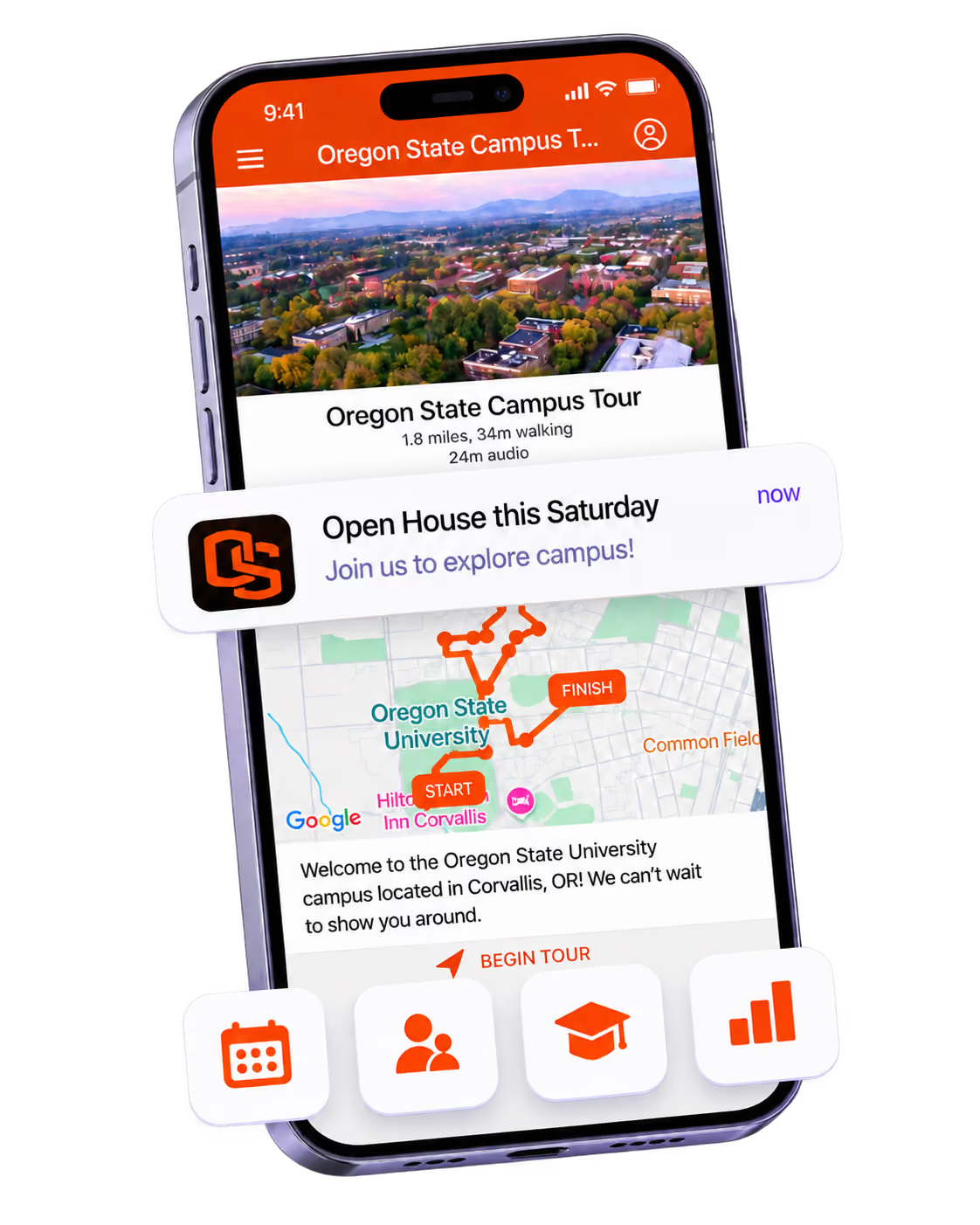
Deliver branded, self-guided tour experiences with interactive maps and rich media, available 24/7.

Offering Campus Tours?
Deliver branded, self-guided tour experiences with interactive maps and rich media, available 24/7.
Organising a Career Fair?
Simplify logistics for students, employers, and Career Services staff with one easy-to-use app.
Organising a Career Fair?
Simplify logistics for students, employers, and Career Services staff with one easy-to-use app.
Managing Alumni Events?
Plan reunions, regional events, and fundraising campaigns with an app built for alumni engagement.
Managing Alumni Events?
Plan reunions, regional events, and fundraising campaigns with an app built for alumni engagement.
Boost Student Engagement
One hub for schedules, resources, and events that keeps students connected throughout the academic year.
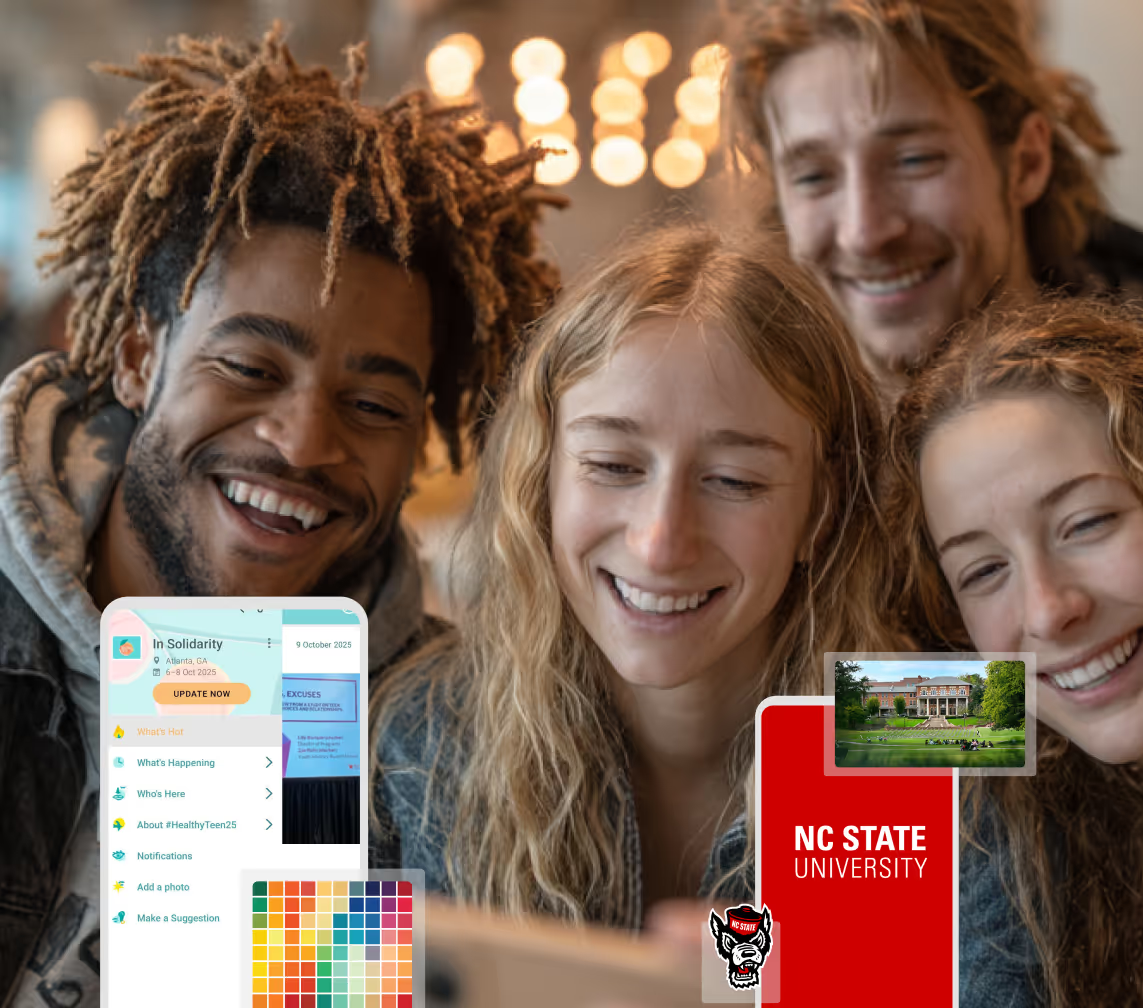
Boost Student Engagement
One hub for schedules, resources, and events that keeps students connected throughout the academic year.
Planning Orientation?
Help new students feel prepared from day one with schedules, campus resources, and real-time updates in one app.
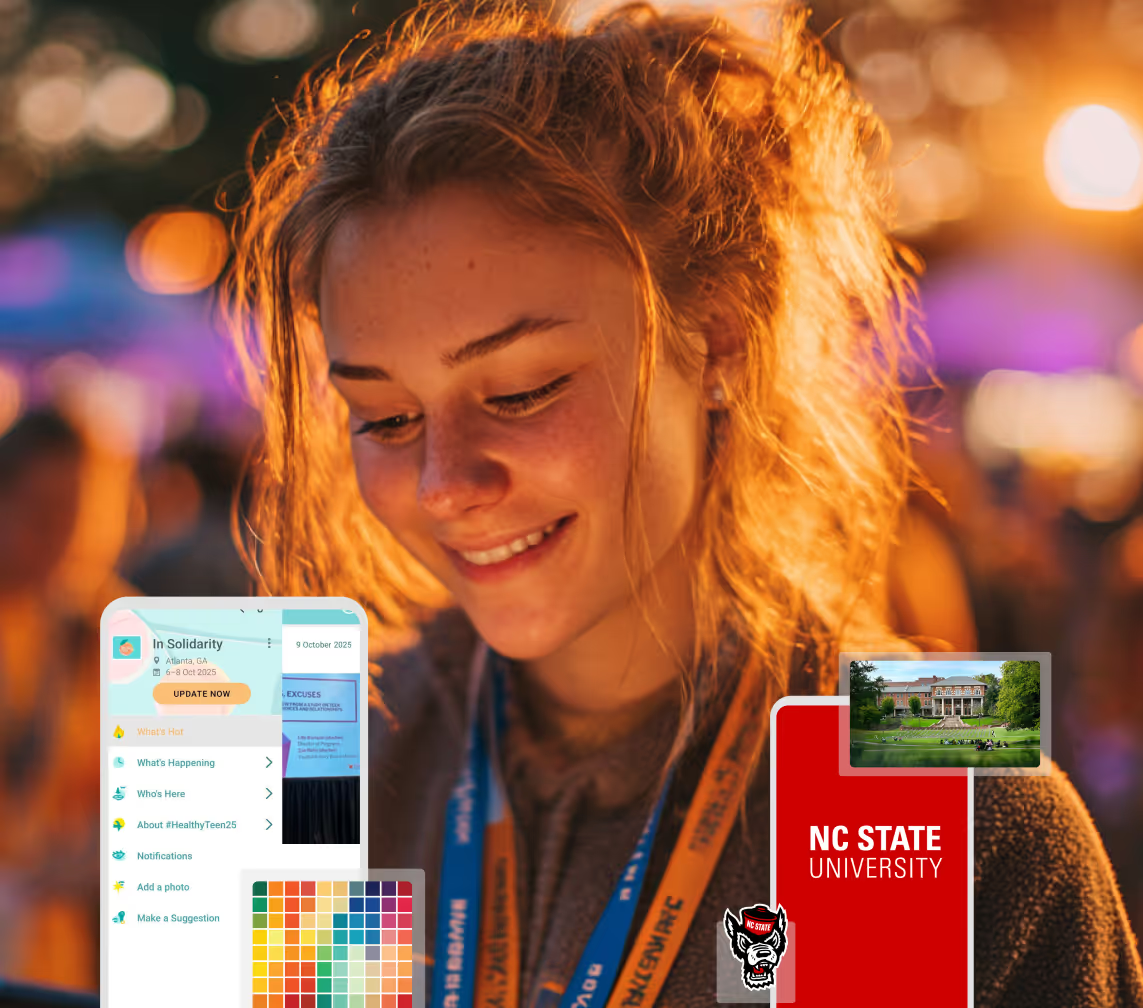
Planning Orientation?
Help new students feel prepared from day one with schedules, campus resources, and real-time updates in one app.
Running Admissions Events?
Manage open houses, tours, and yield events with a branded app that saves time and engages prospective students.

Running Admissions Events?
Manage open houses, tours, and yield events with a branded app that saves time and engages prospective students.
Get a custom Sponsorship Package Template
Stop starting from scratch. Grab free templates that helWe'll build a tailored sponsorship package with suggested pricing, tiers, and benefits..for your specific event.p you build professional sponsorship packages and close deals faster.
Get a custom Sponsorship Package Template
Stop starting from scratch. Grab free templates that helWe'll build a tailored sponsorship package with suggested pricing, tiers, and benefits..for your specific event.p you build professional sponsorship packages and close deals faster.
Plan Your Next Event Without Missing a Beat.
From venue selection to post-event wrap-up, this free checklist walks you through every step (so nothing falls through the cracks).
.avif)
Plan Your Next Event Without Missing a Beat.
From venue selection to post-event wrap-up, this free checklist walks you through every step (so nothing falls through the cracks).
Real Results From Real Events
100,000+ organizations trust Guidebook. See exactly how universities, associations, enterprises, and more put it to work.

Real Results From Real Events
100,000+ organizations trust Guidebook. See exactly how universities, associations, enterprises, and more put it to work.
Flexible pricing for every event size
Find the perfect plan for your needs, from intimate gatherings to large-scale conferences.

Flexible pricing for every event size
Find the perfect plan for your needs, from intimate gatherings to large-scale conferences.
Join our event experts
Watch on-demand webinars and join live sessions with industry leaders sharing best practices for event success.
.avif)
Join our event experts
Watch on-demand webinars and join live sessions with industry leaders sharing best practices for event success.
Guidebook in Action
Book a personalized walkthrough and discover how we help event teams create better attendee experiences.
Guidebook in Action
Book a personalized walkthrough and discover how we help event teams create better attendee experiences.

How to Organize an Event
Learn how to organize an event with step-by-step planning guides, timeline templates, promotion strategies, and tips for seamless execution and success.

Organizing an event involves planning, coordinating, and executing a gathering that brings people together for a specific purpose. It covers everything from initial concept to final cleanup. Whether you're hosting 50 people or 5,000, strong organization determines whether your event succeeds or falls flat.
Here's the thing: organizing an event isn't just about booking a venue and sending invites. It's about creating an experience that achieves real goals. Maybe you want to educate attendees, celebrate a milestone, or generate leads. Whatever your aim, the organization behind the scenes makes or breaks the outcome.
Key Characteristics of Organizing an Event
- Goal-Driven Planning: Every decision ties back to your event's core purpose. Without clear objectives, you're just throwing a party without direction.
- Timeline Management: Events have hard deadlines. You can't postpone the date, so every task needs careful scheduling.
- Budget Accountability: You're working with finite resources. Smart organizers track every dollar and make trade-offs that protect what matters most.
- Stakeholder Coordination: You'll juggle vendors, speakers, sponsors, and attendees. Each group has different needs and expectations.
- Risk Mitigation: Things go wrong. Good organizers plan for problems before they happen.
- Experience Design: The attendee journey matters. From registration to departure, every touchpoint shapes perception.
- Measurable Outcomes: Successful events track results. You need data to prove value and improve next time.
Organize an Event vs. Related Terms
Event Planning
- Scope: Focuses on the strategic and creative aspects of event design
- Focus: Concept development, theme creation, and experience mapping
- Timeline: Primarily pre-event activities
- Channels: Internal planning documents and stakeholder presentations
- Goal: Create a blueprint for what the event will look and feel like
Event Production
- Scope: Handles technical and logistical execution
- Focus: Audio-visual, staging, lighting, and technical requirements
- Timeline: Setup through teardown
- Channels: Vendor coordination and on-site management
- Goal: Bring the planned vision to life through flawless execution
Event Coordination
- Scope: Day-of management and real-time problem-solving
- Focus: Schedule adherence, vendor management, and attendee support
- Timeline: Event day and immediate surrounding days
- Channels: Direct communication with all parties
- Goal: Keep everything running smoothly during the live event
Think of it this way: event planning is the "what," event production is the "how," and event coordination is the "now." Organizing an event encompasses all three.
The Event Organization Process
Define Your Purpose and Goals
Start with the "why." What do you want attendees to think, feel, or do after your event? Write down 2-3 specific, measurable goals.
For example, "increase brand awareness" is vague. "Collect 200 qualified leads" gives you something to measure. Your goals shape every decision that follows.
Set Your Budget Early
Money dictates possibilities. Break your budget into categories:
- Venue and catering (typically 40-50%)
- Technology and equipment (15-20%)
- Marketing and promotion (10-15%)
- Speakers and entertainment (10-15%)
- Contingency fund (10% minimum)
Track expenses in real-time. Surprises happen, but they shouldn't derail your entire budget.
Choose the Right Venue
Your venue sets the tone. Consider capacity, location, accessibility, and amenities. Visit in person before signing contracts.
Ask about hidden costs. Parking fees, AV equipment rentals, and overtime charges add up fast. Get everything in writing.
Build Your Timeline
Work backward from your event date. Major milestones typically include:
- 6+ months out: Secure venue and major vendors
- 3-4 months out: Launch registration and marketing
- 1-2 months out: Finalize schedules and confirm details
- 1-2 weeks out: Final walkthroughs and briefings
- Day of: Execute and adapt
Assemble Your Team
You can't do this alone. Identify who handles what. Clear roles prevent confusion and dropped balls.
Even small events need someone managing registration, someone handling logistics, and someone troubleshooting problems. Larger events require dedicated teams for each function.
Essential Tools for Event Organization
Registration and Ticketing Systems
Your registration process is often the first impression. Make it simple. Collect only essential information upfront.
Good check-in software speeds up arrival and reduces lines. Nobody wants to wait 20 minutes just to get a badge.
Event Management Platforms
Spreadsheets work for small events. Anything larger needs dedicated software. Look for platforms that handle:
- Registration and attendee management
- Schedule building and updates
- Communication tools
- Mobile app capabilities
Guidebook's event management platform combines these features in one place. It saves time and reduces the chaos of juggling multiple tools.
Communication Channels
Keep attendees informed before, during, and after your event. Email works for pre-event updates. Mobile apps excel at real-time communication.
Don't underestimate the power of a good event app. It replaces printed programs, enables instant updates, and gives attendees everything they need in their pocket.
Marketing and Promotion Tools
Great events need great promotion. Learn how to advertise your event across multiple channels. Mix organic social media with targeted ads.
Track what works. If LinkedIn drives registrations but Instagram doesn't, shift your focus accordingly.
Why Organizing an Event Matters
For Event Success:
- Attendee Satisfaction: Well-organized events feel seamless. Attendees notice when things run smoothly—and when they don't.
- Speaker and Sponsor Confidence: Partners want to work with professionals. Strong organization builds trust and repeat relationships.
- Crisis Prevention: Most problems are preventable with proper planning. Organization is your insurance policy.
- Team Morale: Chaos burns out staff. Clear processes keep your team energized and effective.
- Reputation Building: Every event shapes how people perceive your brand. Excellence compounds over time.
For Business Objectives:
- Lead Generation: Events create face-to-face connections that digital marketing can't match.
- Revenue Growth: Ticket sales, sponsorships, and post-event conversions all contribute to the bottom line.
- Brand Awareness: Events put your organization in front of new audiences in memorable ways.
- Customer Retention: User conferences and appreciation events strengthen existing relationships.
- Thought Leadership: Hosting events positions you as an industry authority.
Organize an Event Best Practices
- Start Earlier Than You Think: Most organizers underestimate lead time. Add buffer to every deadline. You'll thank yourself later.
- Document Everything: Create checklists, timelines, and contact sheets. When things get hectic, documentation keeps you on track.
- Communicate Proactively: Don't wait for people to ask questions. Send updates before they're needed. Over-communication beats confusion.
- Build Vendor Relationships: Treat vendors as partners, not transactions. Good relationships lead to better service and flexibility when problems arise.
- Test Your Technology: Run through every tech element before the event. Test registration, AV equipment, and your event app. Fix issues when stakes are low.
- Create Contingency Plans: What if your keynote cancels? What if it rains on your outdoor event? Plan B should be ready before you need it.
- Empower Your Team: Give staff authority to solve problems on the spot. Waiting for approval wastes time and frustrates attendees.
- Gather Feedback Immediately: Send surveys within 24 hours while the experience is fresh. Use an event debrief template to capture learnings.
- Celebrate Wins: Acknowledge your team's hard work. Event planning is exhausting. Recognition matters.
- Iterate and Improve: Every event teaches you something. Document what worked, what didn't, and what you'll change next time.
Common Event Organization Mistakes
Skipping the Planning Phase: Jumping straight into execution feels productive but creates chaos. Without clear goals and timelines, you'll waste time and money fixing preventable problems.
Underestimating Costs: Hidden fees, last-minute additions, and scope creep blow budgets. Always include a 10-15% contingency. You'll almost certainly need it.
Ignoring the Attendee Experience: Logistics matter, but so does how people feel. Long lines, confusing signage, and poor communication frustrate attendees. Walk through the experience from their perspective.
Relying on Memory Instead of Systems: "I'll remember that" is dangerous. Use project management tools, shared documents, and checklists. Your brain has enough to handle.
Waiting Too Long to Promote: Marketing takes time to work. Start promoting 3-4 months before your event. Last-minute pushes rarely fill seats.
Neglecting Post-Event Follow-Up: The event isn't over when attendees leave. Follow up with thank-you emails, surveys, and promised resources. This is where relationships deepen.
Trying to Do Everything Yourself: Delegation isn't weakness—it's smart. Build a team, use technology, and focus your energy where it matters most.
Final Thoughts
Organizing an event is both art and science. It requires creativity to design memorable experiences and discipline to execute flawlessly. The best organizers master both.
The events industry continues to evolve. Current event trends show growing demand for personalization, sustainability, and hybrid formats. Staying current keeps your events relevant and competitive.
Here's what separates good events from great ones: attention to detail, genuine care for attendees, and willingness to learn from every experience. These qualities can't be automated or outsourced.
Ready to level up your event organization? Explore Guidebook's event planning resources, check out our templates, or book a demo to see how our platform simplifies the entire process. Your next event could be your best one yet.
The power of your brand in your app, from first visit to alumni.
Build trust
Attendees download your app, not ours. Your name, colors, and crest in the stores.
.avif)
One place for the whole event
Schedules, maps, registration, and updates in one branded hub - not five tools.
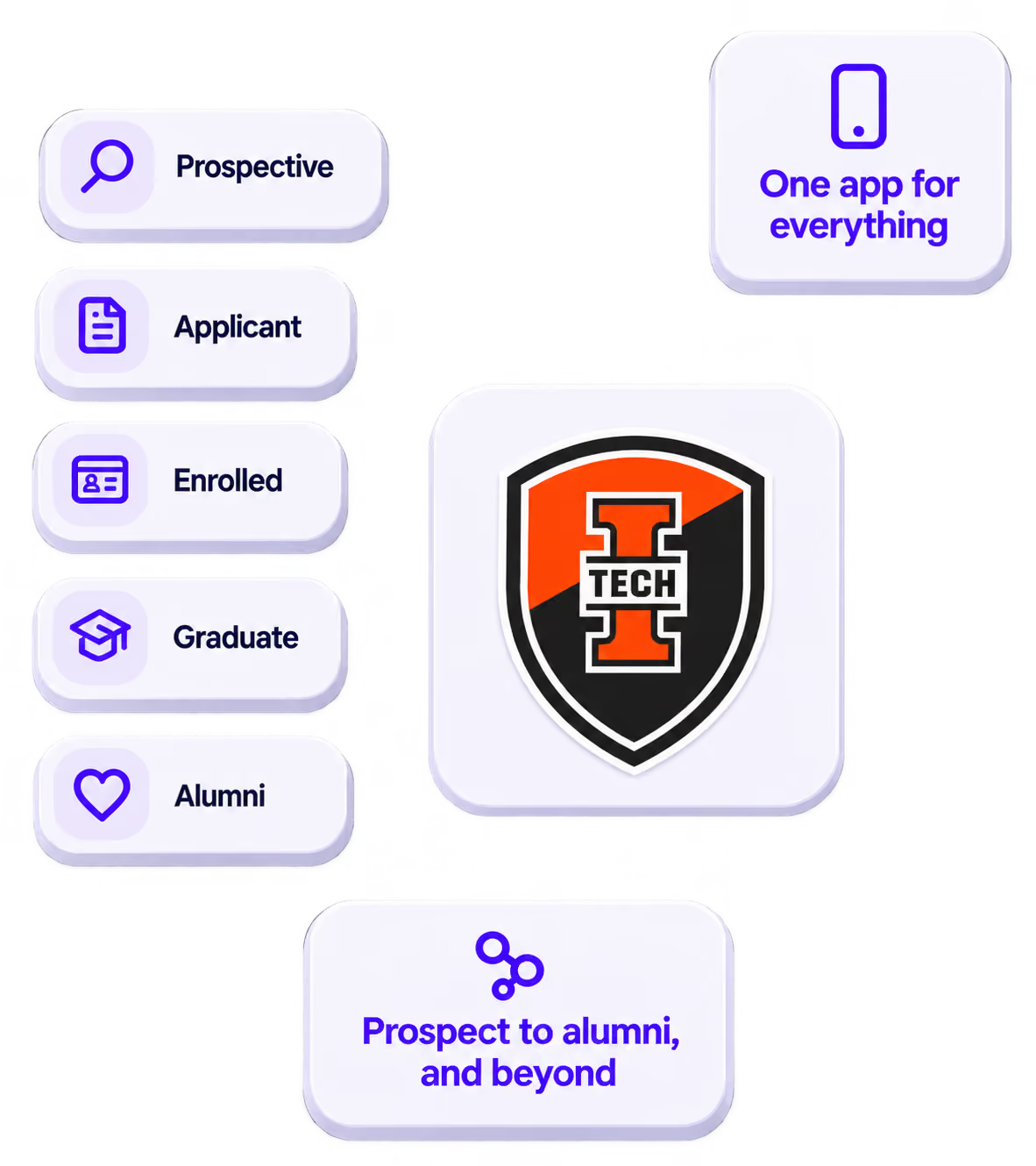
Stand out
A branded app is what people keep on their phone after the printed program is in the recycling.

Get the Mobile App Playbook
A short guide to running the whole student journey in one app. No fluff, just what works.
for higher ed
Campus
Playbook
A practical guide to building a connected campus experience.
Free playbook
The Mobile App Playbook for Universities
Students decide if they belong long before they set foot on campus. This playbook shows how to win them over from the first visit through graduation.
- Grow enrollment and boost recruitment
- Increase belonging and retention
- Run every event from one branded app
By submitting, you agree to our Privacy Policy.
You're in.
.png)