
Campus apps by department
Admissions, orientation, student life, and more — one campus app that works across departments.

Campus apps by department
Admissions, orientation, student life, and more — one campus app that works across departments.
Build unlimited event apps on one license
One partnership for unlimited campus events — orientation, tours, student life, and everything in between.
Build unlimited event apps on one license
One partnership for unlimited campus events — orientation, tours, student life, and everything in between.
Compare event app platforms
See how Guidebook stacks up against other event app and registration platforms.
Compare event app platforms
See how Guidebook stacks up against other event app and registration platforms.
Event apps for nonprofit and community programs
Give members, volunteers, and donors one branded app for conferences, fundraisers, and year-round community.
Event apps for nonprofit and community programs
Give members, volunteers, and donors one branded app for conferences, fundraisers, and year-round community.
Campus integrations and an open API
Connect Guidebook with the campus systems, APIs, and tools your team already uses.
Campus integrations and an open API
Connect Guidebook with the campus systems, APIs, and tools your team already uses.
Event apps for corporate and enterprise teams
Internal meetings, offsites, and large-scale corporate events — with the branding and control enterprise teams need.
Event apps for corporate and enterprise teams
Internal meetings, offsites, and large-scale corporate events — with the branding and control enterprise teams need.
Create a branded event app with no coding
Put schedules, maps, resources, and updates in every attendee's pocket — built for campus events and programs.
Create a branded event app with no coding
Put schedules, maps, resources, and updates in every attendee's pocket — built for campus events and programs.
Launch a branded, white-label event app
A white-label event app with your branding, your content, and your attendee experience — no coding required.
Launch a branded, white-label event app
A white-label event app with your branding, your content, and your attendee experience — no coding required.
Everything in the Guidebook platform
Explore the features event teams use to engage attendees before, during, and after the event.
Everything in the Guidebook platform
Explore the features event teams use to engage attendees before, during, and after the event.
One app for in-person and virtual attendees
The same schedule, networking, and updates whether people are in the room or joining remotely.
One app for in-person and virtual attendees
The same schedule, networking, and updates whether people are in the room or joining remotely.
Event apps built for associations
Annual meetings, chapter events, and member engagement — without rebuilding a new app every year.
Event apps built for associations
Annual meetings, chapter events, and member engagement — without rebuilding a new app every year.
A branded event website that matches the app
Promote the event, collect interest, and keep branding consistent from the first click to check-in.
A branded event website that matches the app
Promote the event, collect interest, and keep branding consistent from the first click to check-in.
Plan, run, and measure events on one platform
App, registration, badges, and websites in one workflow — so planning isn't a pile of disconnected tools.
Plan, run, and measure events on one platform
App, registration, badges, and websites in one workflow — so planning isn't a pile of disconnected tools.
Keep members engaged between events
One branded app for the conference and everything that happens the other 51 weeks of the year.
Keep members engaged between events
One branded app for the conference and everything that happens the other 51 weeks of the year.
The conference app attendees actually use
Schedules, maps, networking, and live updates for annual meetings, summits, and multi-day conferences.
The conference app attendees actually use
Schedules, maps, networking, and live updates for annual meetings, summits, and multi-day conferences.
Registration that feeds your app and badges
Collect registrations, payments, and attendee data in the same platform as your event app.
Registration that feeds your app and badges
Collect registrations, payments, and attendee data in the same platform as your event app.
Design and print event badges in one place
Custom badges, QR check-in, and on-site printing — without a separate badge vendor.
Design and print event badges in one place
Custom badges, QR check-in, and on-site printing — without a separate badge vendor.
A Smaller School?
Deliver a polished, branded event experience without a large team or a big budget.
A Smaller School?
Deliver a polished, branded event experience without a large team or a big budget.
Running Family Programs?
Give families everything they need, from schedules and maps to real-time updates, all in one place.
Running Family Programs?
Give families everything they need, from schedules and maps to real-time updates, all in one place.
Coordinating Move-In Day?
Share updates, manage events, and keep students informed from move-in through the academic year.

Coordinating Move-In Day?
Share updates, manage events, and keep students informed from move-in through the academic year.
Offering Campus Tours?
Deliver branded, self-guided tour experiences with interactive maps and rich media, available 24/7.

Offering Campus Tours?
Deliver branded, self-guided tour experiences with interactive maps and rich media, available 24/7.
Organising a Career Fair?
Simplify logistics for students, employers, and Career Services staff with one easy-to-use app.
Organising a Career Fair?
Simplify logistics for students, employers, and Career Services staff with one easy-to-use app.
Managing Alumni Events?
Plan reunions, regional events, and fundraising campaigns with an app built for alumni engagement.
Managing Alumni Events?
Plan reunions, regional events, and fundraising campaigns with an app built for alumni engagement.
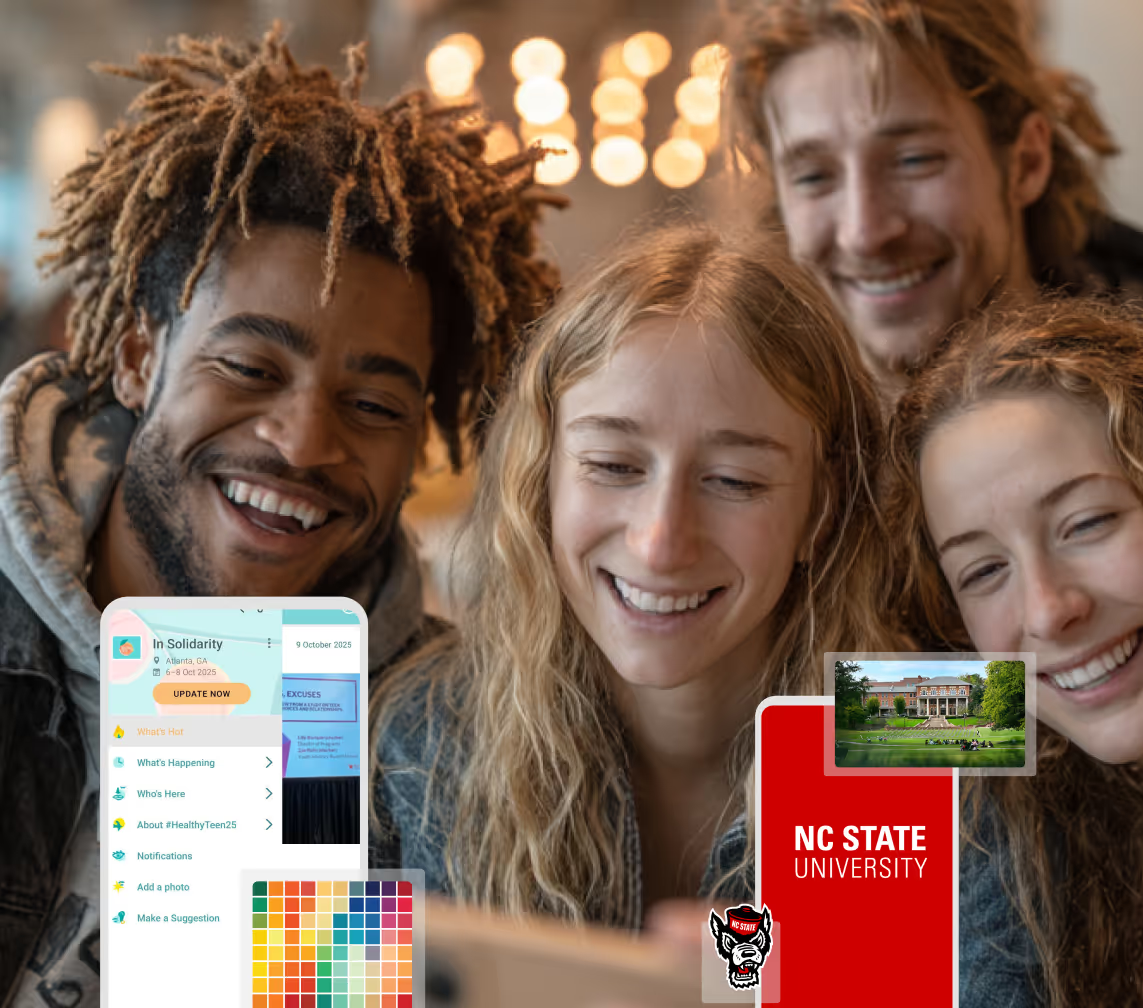
Boost Student Engagement
One hub for schedules, resources, and events that keeps students connected throughout the academic year.
Boost Student Engagement
One hub for schedules, resources, and events that keeps students connected throughout the academic year.
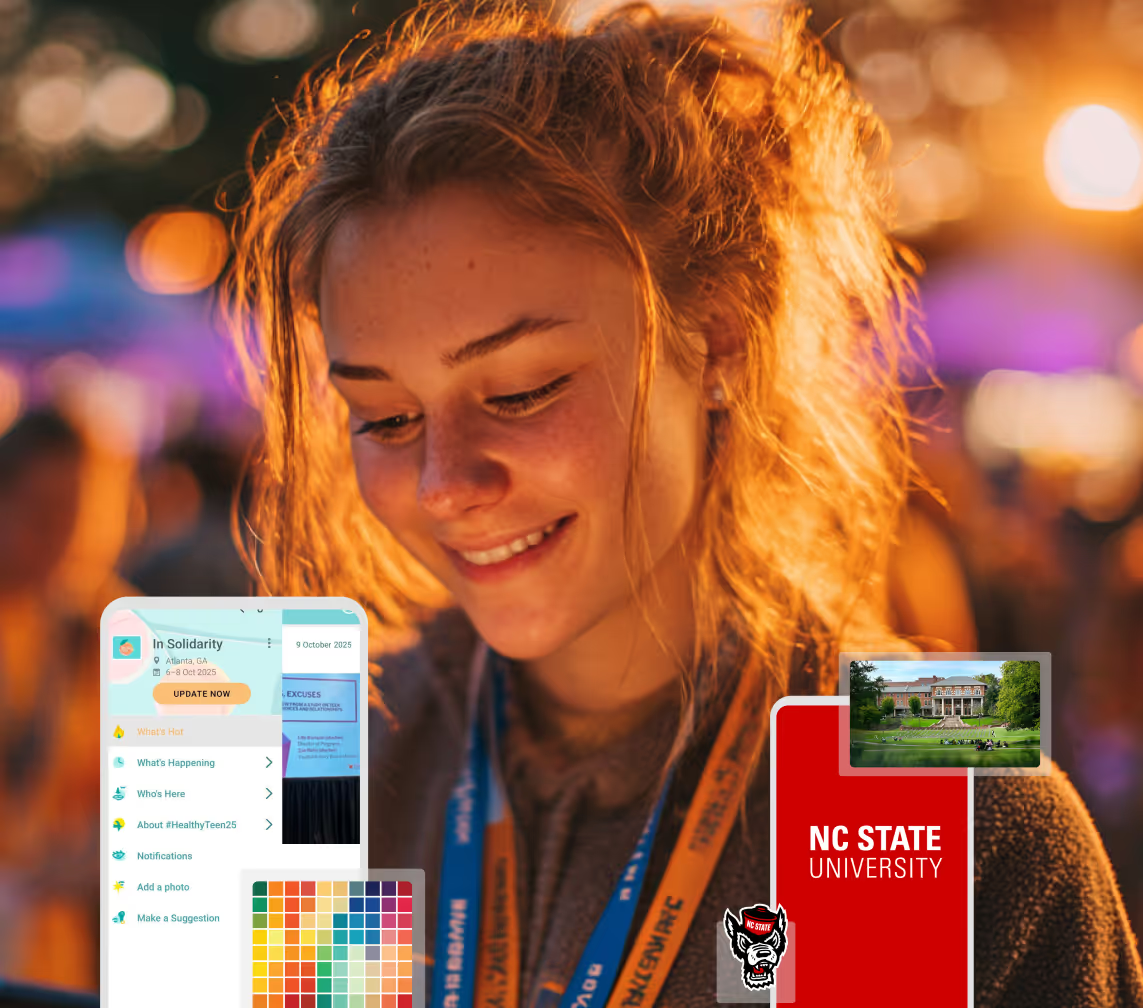
Planning Orientation?
Help new students feel prepared from day one with schedules, campus resources, and real-time updates in one app.
Planning Orientation?
Help new students feel prepared from day one with schedules, campus resources, and real-time updates in one app.
Running Admissions Events?
Manage open houses, tours, and yield events with a branded app that saves time and engages prospective students.

Running Admissions Events?
Manage open houses, tours, and yield events with a branded app that saves time and engages prospective students.
Get a custom Sponsorship Package Template
Stop starting from scratch. Grab free templates that helWe'll build a tailored sponsorship package with suggested pricing, tiers, and benefits..for your specific event.p you build professional sponsorship packages and close deals faster.
Get a custom Sponsorship Package Template
Stop starting from scratch. Grab free templates that helWe'll build a tailored sponsorship package with suggested pricing, tiers, and benefits..for your specific event.p you build professional sponsorship packages and close deals faster.
Plan Your Next Event Without Missing a Beat.
From venue selection to post-event wrap-up, this free checklist walks you through every step (so nothing falls through the cracks).
.avif)
Plan Your Next Event Without Missing a Beat.
From venue selection to post-event wrap-up, this free checklist walks you through every step (so nothing falls through the cracks).
Real Results From Real Events
100,000+ organizations trust Guidebook. See exactly how universities, associations, enterprises, and more put it to work.

Real Results From Real Events
100,000+ organizations trust Guidebook. See exactly how universities, associations, enterprises, and more put it to work.
Flexible pricing for every event size
Find the perfect plan for your needs, from intimate gatherings to large-scale conferences.
Flexible pricing for every event size
Find the perfect plan for your needs, from intimate gatherings to large-scale conferences.
Join our event experts
Watch on-demand webinars and join live sessions with industry leaders sharing best practices for event success.
.avif)
Join our event experts
Watch on-demand webinars and join live sessions with industry leaders sharing best practices for event success.
Guidebook in Action
Book a personalized walkthrough and discover how we help event teams create better attendee experiences.
Guidebook in Action
Book a personalized walkthrough and discover how we help event teams create better attendee experiences.

What is Trade Show Lead Generation?
Trade show lead generation captures and qualifies prospects at events to boost sales opportunities. Discover proven strategies, lead capture tools, and follow-up best practices.

Trade Show Lead Generation is the strategic process of identifying, attracting, and capturing potential customers at trade shows to build your sales pipeline and drive business growth. It combines booth design, staff training, and follow-up systems to turn casual visitors into qualified prospects. Done right, it delivers some of the highest-quality leads your sales team will ever see.
Here's the thing: trade shows put you face-to-face with people who are already interested in your industry. They've taken time off work, traveled, and paid to attend. That's intent you can't buy with digital ads. The challenge? Everyone else at the show wants those same leads. Your job is to stand out, connect, and capture contact info before they move to the next booth.
Key Characteristics of Trade Show Lead Generation
- Face-to-Face Interaction: Unlike digital marketing, you meet prospects in person. This builds trust faster and lets you read body language to qualify leads on the spot.
- Time-Sensitive Opportunity: You have hours, not weeks, to make an impression. Every conversation counts, and slow follow-up kills momentum.
- High Intent Audience: Attendees chose to be there. They're actively seeking solutions, making them warmer than cold outreach targets.
- Multi-Touch Experience: Leads interact with your booth, staff, demos, and materials. Each touchpoint shapes their perception of your brand.
- Competitive Environment: Your booth sits next to competitors. Differentiation isn't optional—it's survival.
- Data Capture Focus: Without contact information, conversations don't become customers. Every interaction should move toward capturing details.
- Immediate Qualification: Good booth staff can assess budget, authority, need, and timeline in a five-minute chat. That's powerful.
Trade Show Lead Generation vs. Related Terms
Event Marketing
- Scope: Broad promotional activities across all event types
- Focus: Brand awareness and audience engagement
- Timeline: Before, during, and after events
- Channels: Social media, email, advertising, content
- Goal: Drive attendance and build brand recognition
Trade Show Marketing
- Scope: All promotional efforts related to trade show presence
- Focus: Booth traffic and brand visibility
- Timeline: Pre-show promotion through post-show follow-up
- Channels: Booth design, giveaways, demos, sponsorships
- Goal: Maximize trade show ROI across all metrics
Sales Prospecting
- Scope: Ongoing outreach to potential customers
- Focus: Finding and qualifying individual prospects
- Timeline: Continuous, year-round activity
- Channels: Cold calls, emails, LinkedIn, referrals
- Goal: Fill the sales pipeline with qualified opportunities
Trade show lead generation sits at the intersection of these approaches. It uses event marketing tactics to attract visitors, applies trade show marketing principles for booth success, and feeds directly into sales prospecting efforts. The key difference? It's laser-focused on capturing and qualifying leads during a specific, high-stakes window.
Essential Trade Show Lead Generation Components
Design a Booth That Stops Traffic
Your booth has three seconds to grab attention. That's it. Use bold visuals, clear messaging, and open layouts that invite people in.
Skip the cluttered table covered in brochures. Instead, create an experience. Consider an interactive trade show booth with touchscreens, product demos, or games. Movement catches eyes. Engagement keeps people there.
Train Your Booth Staff
Your team makes or breaks lead generation. Hire friendly, knowledgeable people who can start conversations without being pushy.
Give them clear goals:
- Greet every passerby within five seconds
- Ask open-ended questions to uncover needs
- Qualify leads using a simple scoring system
- Capture contact info before ending conversations
- Take notes on each lead's specific interests
Create a Lead Capture System
Paper forms get lost. Badge scanners miss context. The best systems combine both.
Use event check-in software or lead capture apps that let staff scan badges and add notes instantly. Record what each prospect cares about, their timeline, and their budget range. This info is gold for follow-up.
Offer Irresistible Lead Magnets
People trade contact info for value. Make it worth their while.
Strong lead magnets include:
- Exclusive industry reports or research
- Free product trials or samples
- Contest entries for valuable prizes
- One-on-one consultations
- Early access to new features
Plan Your Follow-Up Before the Show
Most leads go cold within 48 hours. Have your follow-up emails, calls, and sequences ready before you leave for the show.
Segment leads by quality and interest. Hot leads get personal calls. Warm leads get targeted emails. Everyone gets something within 24 hours of the show ending.
The Trade Show Lead Generation Process
Pre-Show: Build Buzz and Book Meetings
Lead generation starts weeks before the show opens. Use event digital marketing to let prospects know you'll be there.
Send targeted emails to your database. Post on social media with your booth number. Offer incentives for pre-booked meetings. The goal? Fill your calendar before you arrive.
During the Show: Execute and Capture
This is game time. Your booth should run like a well-oiled machine.
Key activities include:
- Greeting visitors and starting conversations
- Giving demos and answering questions
- Scanning badges and capturing lead data
- Qualifying prospects in real-time
- Scheduling follow-up meetings on the spot
Track your numbers throughout the day. If traffic is slow, adjust your approach. Send staff into the aisles. Offer better giveaways. Do whatever it takes to hit your lead goals.
Post-Show: Convert Leads to Customers
The real work starts when the show ends. Speed matters more than perfection here.
Within 24 hours, send personalized follow-up emails referencing your conversation. Within 48 hours, call your hottest leads. Within a week, add everyone to nurture sequences. Track event ROI by monitoring how many leads convert to opportunities and sales.
Why Trade Show Lead Generation Matters
For Event Success:
- Justifies Your Investment: Trade shows are expensive. Strong lead generation proves the booth, travel, and staff time were worth it.
- Creates Measurable Outcomes: Unlike brand awareness, leads are countable. You can track exactly what you got from the show.
- Builds Industry Relationships: Face-to-face meetings create connections that last beyond the event.
- Generates Competitive Intelligence: Conversations reveal what prospects want and what competitors are doing.
- Supports Future Event Decisions: Lead data helps you decide which shows deserve your budget next year.
For Business Objectives:
- Fills the Sales Pipeline: Quality leads from trade shows often convert faster than cold outreach.
- Shortens Sales Cycles: In-person conversations build trust that would take months to develop remotely.
- Reaches Decision Makers: Trade shows attract executives and buyers who are hard to reach otherwise.
- Supports Account-Based Marketing: Target specific companies and book meetings with key accounts.
- Drives Revenue Growth: More qualified leads mean more opportunities, which means more closed deals.
Platforms like Guidebook's event management platform help exhibitors and organizers create better trade show experiences. From event registration to attendee engagement, the right tools make lead generation smoother for everyone involved.
Trade Show Lead Generation Best Practices
- Set Specific Lead Goals: Don't just aim for "lots of leads." Set a number. Break it down by day and by staff member. Track progress hourly.
- Research Attendees in Advance: Get the attendee list if possible. Identify target accounts. Reach out before the show to schedule meetings.
- Create Conversation Starters: Give your team opening lines that work. "What brings you to the show?" beats "Can I help you?" every time.
- Use Technology Wisely: Badge scanners speed up data capture. Lead scoring apps help prioritize follow-up. But don't let tech replace human connection.
- Qualify Ruthlessly: Not every visitor is a good lead. Train staff to identify tire-kickers quickly and focus energy on real prospects.
- Take Detailed Notes: "Interested in product X" isn't enough. Record specific pain points, timeline, budget, and next steps for each lead.
- Follow Up Fast: The first vendor to follow up often wins. Have your emails drafted and ready to send the moment the show ends.
- Personalize Every Touchpoint: Reference your conversation. Mention their specific challenges. Show you were actually listening.
- Track Everything: Measure leads captured, follow-up response rates, meetings booked, and deals closed. Use this data to improve next time.
- Debrief With Your Team: Use an event debrief template to capture what worked, what didn't, and what to change for the next show.
Common Trade Show Lead Generation Mistakes
Waiting Too Long to Follow Up: Leads go cold fast. If you wait a week to reach out, prospects have forgotten you and moved on to competitors. Follow up within 24 hours, period.
Treating All Leads the Same: A CEO with budget authority isn't the same as a student collecting swag. Score and segment your leads so your best prospects get priority attention.
Focusing on Quantity Over Quality: Scanning 500 badges means nothing if none of them convert. It's better to have 50 qualified conversations than 500 random scans.
Neglecting Booth Staff Training: Your team represents your brand. Untrained staff who sit on their phones or give pushy pitches will drive prospects away. Invest in preparation.
Skipping Pre-Show Outreach: Showing up and hoping for traffic is a losing strategy. The best exhibitors book meetings before the show even starts. Learn how to advertise your event presence effectively.
Ignoring Lead Capture Technology: Paper forms get lost. Manual data entry creates errors. Use digital tools to capture leads accurately and sync them to your CRM automatically.
Failing to Measure Results: If you don't track leads through to closed deals, you can't prove ROI. Without ROI data, your trade show budget is always at risk.
Final Thoughts
Trade show lead generation remains one of the most powerful ways to fill your sales pipeline. In a world of digital noise, face-to-face conversations cut through. The leads you capture at trade shows often become your best customers.
The industry continues to evolve. Hybrid events, better lead capture technology, and smarter follow-up tools are changing how exhibitors work. But the fundamentals stay the same: attract attention, start conversations, capture data, and follow up fast. Master these basics, and you'll outperform competitors who rely on flashy booths alone.
Think of trade show lead generation as a system, not an event. Every piece—from event planning to post-show nurturing—connects to the next. When the system works, leads flow smoothly from first handshake to signed contract. When it breaks down, opportunities slip away.
Ready to improve your trade show results? Explore event management tips to sharpen your approach. Check out sponsorship package examples if you're looking to offset costs. And when you're ready to create seamless attendee experiences that support lead generation, book a demo with Guidebook to see how the right platform makes everything easier. Your next trade show could be your best one yet.
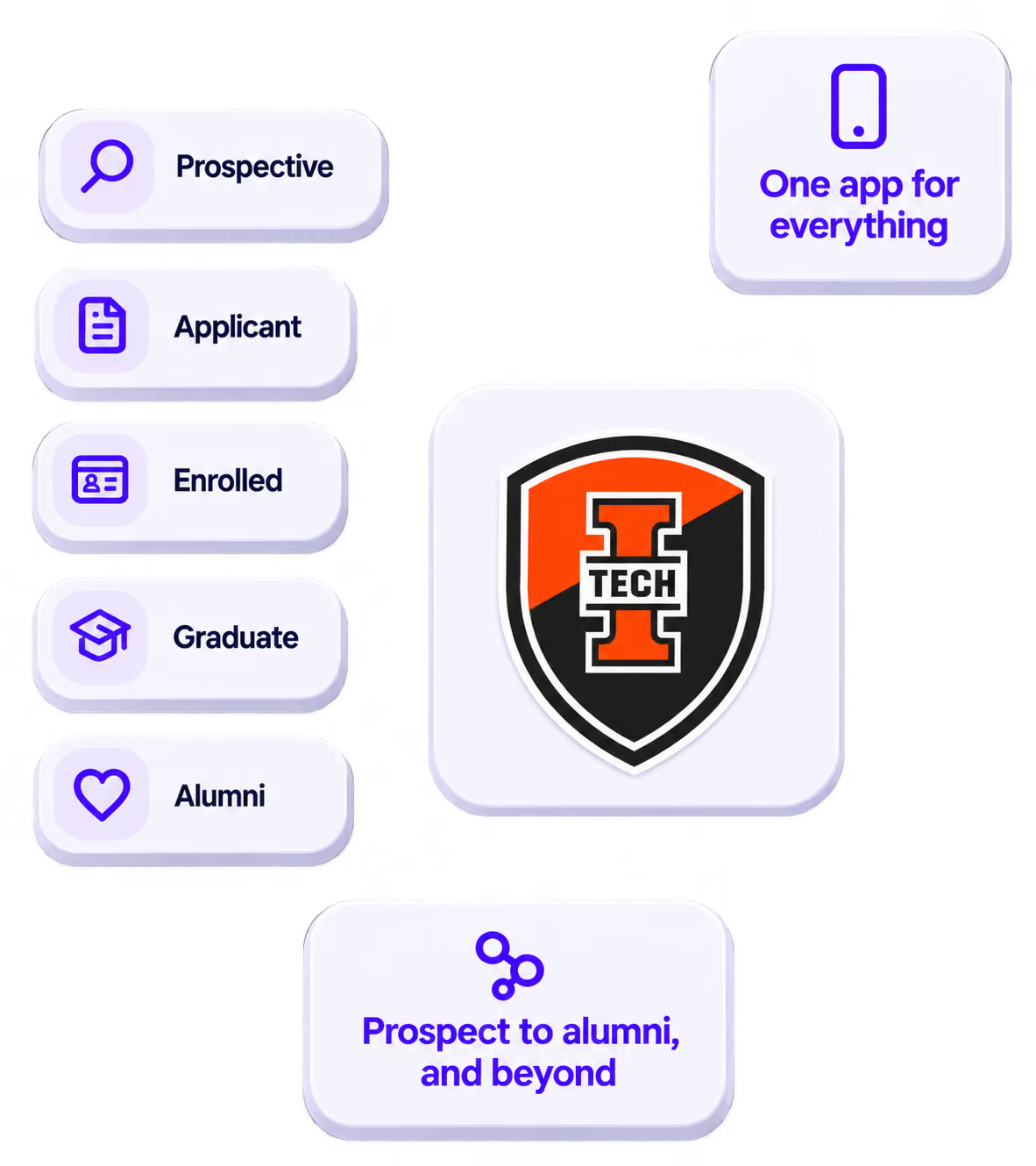
The power of your brand in your app, from first visit to alumni.
Build trust
Attendees download your app, not ours. Your name, colors, and crest in the stores.
.avif)
One place for the whole event
Schedules, maps, registration, and updates in one branded hub - not five tools.
Stand out
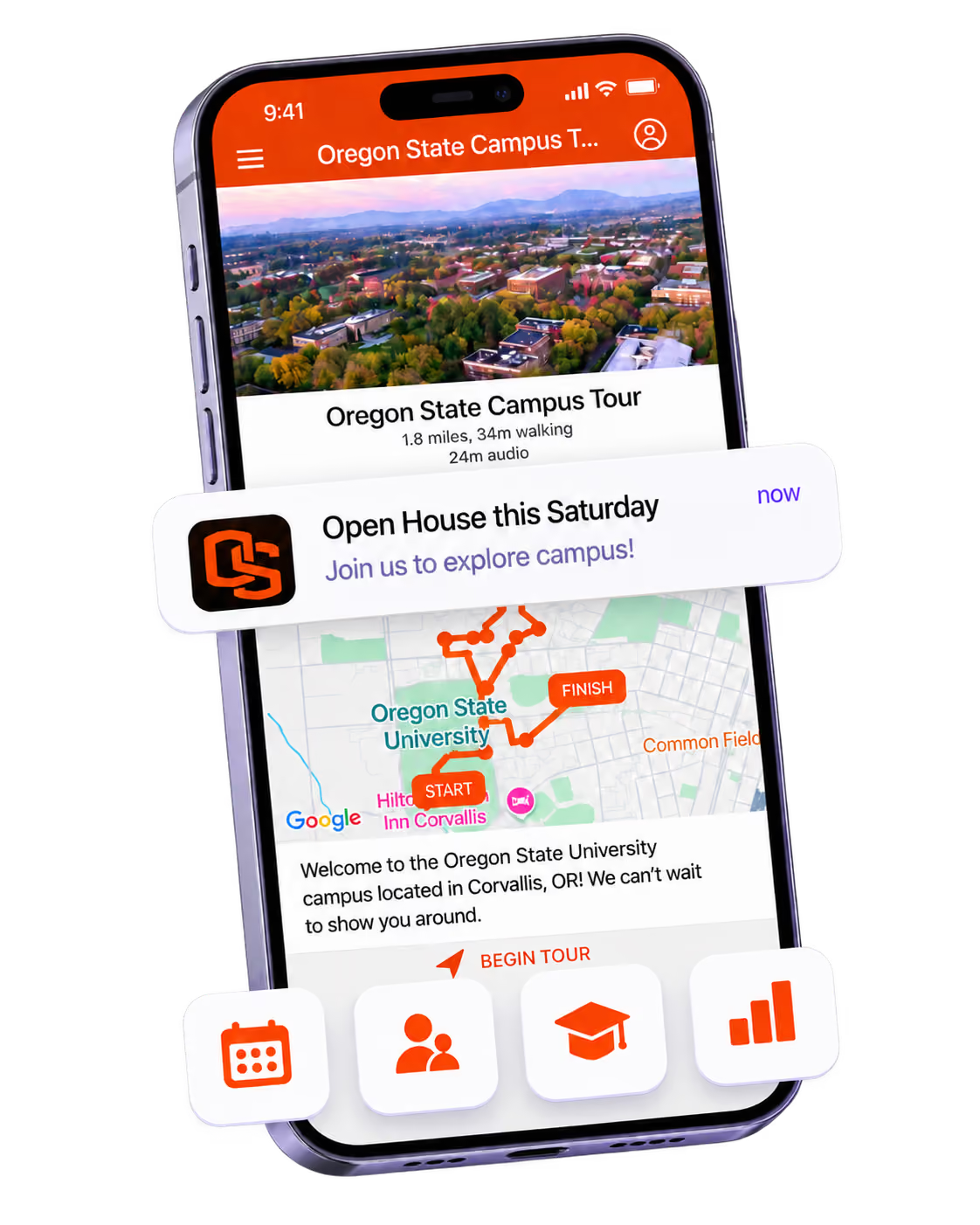
A branded app is what people keep on their phone after the printed program is in the recycling.

Get the Mobile App Playbook
A short guide to running the whole student journey in one app. No fluff, just what works.
for higher ed
Campus
Playbook
A practical guide to building a connected campus experience.
Free playbook
The Mobile App Playbook for Universities
Students decide if they belong long before they set foot on campus. This playbook shows how to win them over from the first visit through graduation.
- Grow enrollment and boost recruitment
- Increase belonging and retention
- Run every event from one branded app
By submitting, you agree to our Privacy Policy.
You're in.
.png)