
Campus apps by department
Admissions, orientation, student life, and more — one campus app that works across departments.

Campus apps by department
Admissions, orientation, student life, and more — one campus app that works across departments.
Build unlimited event apps on one license
One partnership for unlimited campus events — orientation, tours, student life, and everything in between.
Build unlimited event apps on one license
One partnership for unlimited campus events — orientation, tours, student life, and everything in between.
Compare event app platforms
See how Guidebook stacks up against other event app and registration platforms.
Compare event app platforms
See how Guidebook stacks up against other event app and registration platforms.
Event apps for nonprofit and community programs
Give members, volunteers, and donors one branded app for conferences, fundraisers, and year-round community.
Event apps for nonprofit and community programs
Give members, volunteers, and donors one branded app for conferences, fundraisers, and year-round community.
Campus integrations and an open API
Connect Guidebook with the campus systems, APIs, and tools your team already uses.
Campus integrations and an open API
Connect Guidebook with the campus systems, APIs, and tools your team already uses.
Event apps for corporate and enterprise teams
Internal meetings, offsites, and large-scale corporate events — with the branding and control enterprise teams need.
Event apps for corporate and enterprise teams
Internal meetings, offsites, and large-scale corporate events — with the branding and control enterprise teams need.
Create a branded event app with no coding
Put schedules, maps, resources, and updates in every attendee's pocket — built for campus events and programs.
Create a branded event app with no coding
Put schedules, maps, resources, and updates in every attendee's pocket — built for campus events and programs.
Launch a branded, white-label event app
A white-label event app with your branding, your content, and your attendee experience — no coding required.
Launch a branded, white-label event app
A white-label event app with your branding, your content, and your attendee experience — no coding required.
Everything in the Guidebook platform
Explore the features event teams use to engage attendees before, during, and after the event.
Everything in the Guidebook platform
Explore the features event teams use to engage attendees before, during, and after the event.
One app for in-person and virtual attendees
The same schedule, networking, and updates whether people are in the room or joining remotely.
One app for in-person and virtual attendees
The same schedule, networking, and updates whether people are in the room or joining remotely.
Event apps built for associations
Annual meetings, chapter events, and member engagement — without rebuilding a new app every year.
Event apps built for associations
Annual meetings, chapter events, and member engagement — without rebuilding a new app every year.
A branded event website that matches the app
Promote the event, collect interest, and keep branding consistent from the first click to check-in.
A branded event website that matches the app
Promote the event, collect interest, and keep branding consistent from the first click to check-in.
Plan, run, and measure events on one platform
App, registration, badges, and websites in one workflow — so planning isn't a pile of disconnected tools.
Plan, run, and measure events on one platform
App, registration, badges, and websites in one workflow — so planning isn't a pile of disconnected tools.
Keep members engaged between events
One branded app for the conference and everything that happens the other 51 weeks of the year.
Keep members engaged between events
One branded app for the conference and everything that happens the other 51 weeks of the year.
The conference app attendees actually use
Schedules, maps, networking, and live updates for annual meetings, summits, and multi-day conferences.
The conference app attendees actually use
Schedules, maps, networking, and live updates for annual meetings, summits, and multi-day conferences.
Registration that feeds your app and badges
Collect registrations, payments, and attendee data in the same platform as your event app.
Registration that feeds your app and badges
Collect registrations, payments, and attendee data in the same platform as your event app.
Design and print event badges in one place
Custom badges, QR check-in, and on-site printing — without a separate badge vendor.
Design and print event badges in one place
Custom badges, QR check-in, and on-site printing — without a separate badge vendor.
A Smaller School?
Deliver a polished, branded event experience without a large team or a big budget.
A Smaller School?
Deliver a polished, branded event experience without a large team or a big budget.
Running Family Programs?
Give families everything they need, from schedules and maps to real-time updates, all in one place.
Running Family Programs?
Give families everything they need, from schedules and maps to real-time updates, all in one place.
Coordinating Move-In Day?
Share updates, manage events, and keep students informed from move-in through the academic year.

Coordinating Move-In Day?
Share updates, manage events, and keep students informed from move-in through the academic year.
Offering Campus Tours?
Deliver branded, self-guided tour experiences with interactive maps and rich media, available 24/7.

Offering Campus Tours?
Deliver branded, self-guided tour experiences with interactive maps and rich media, available 24/7.
Organising a Career Fair?
Simplify logistics for students, employers, and Career Services staff with one easy-to-use app.
Organising a Career Fair?
Simplify logistics for students, employers, and Career Services staff with one easy-to-use app.
Managing Alumni Events?
Plan reunions, regional events, and fundraising campaigns with an app built for alumni engagement.
Managing Alumni Events?
Plan reunions, regional events, and fundraising campaigns with an app built for alumni engagement.
Boost Student Engagement
One hub for schedules, resources, and events that keeps students connected throughout the academic year.
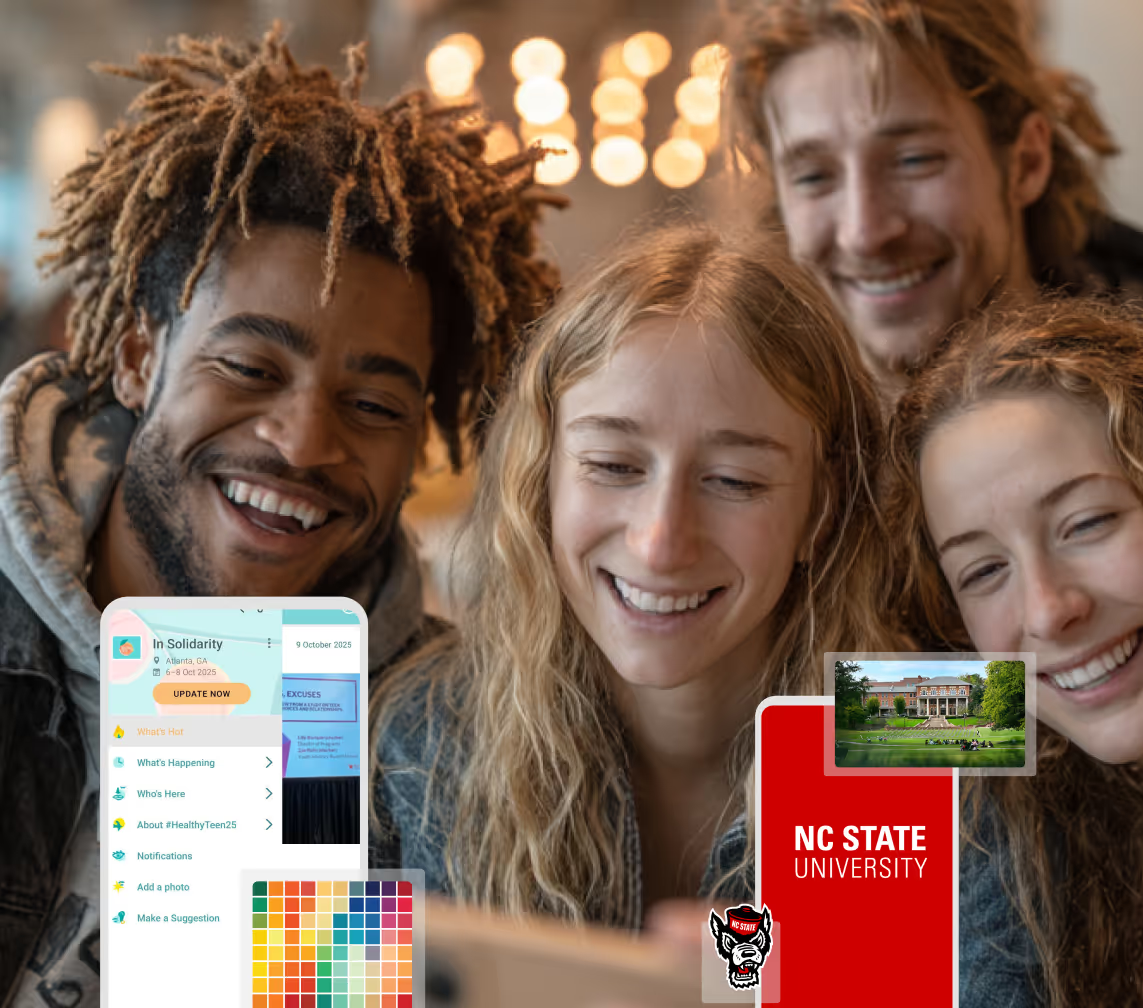
Boost Student Engagement
One hub for schedules, resources, and events that keeps students connected throughout the academic year.
Planning Orientation?
Help new students feel prepared from day one with schedules, campus resources, and real-time updates in one app.
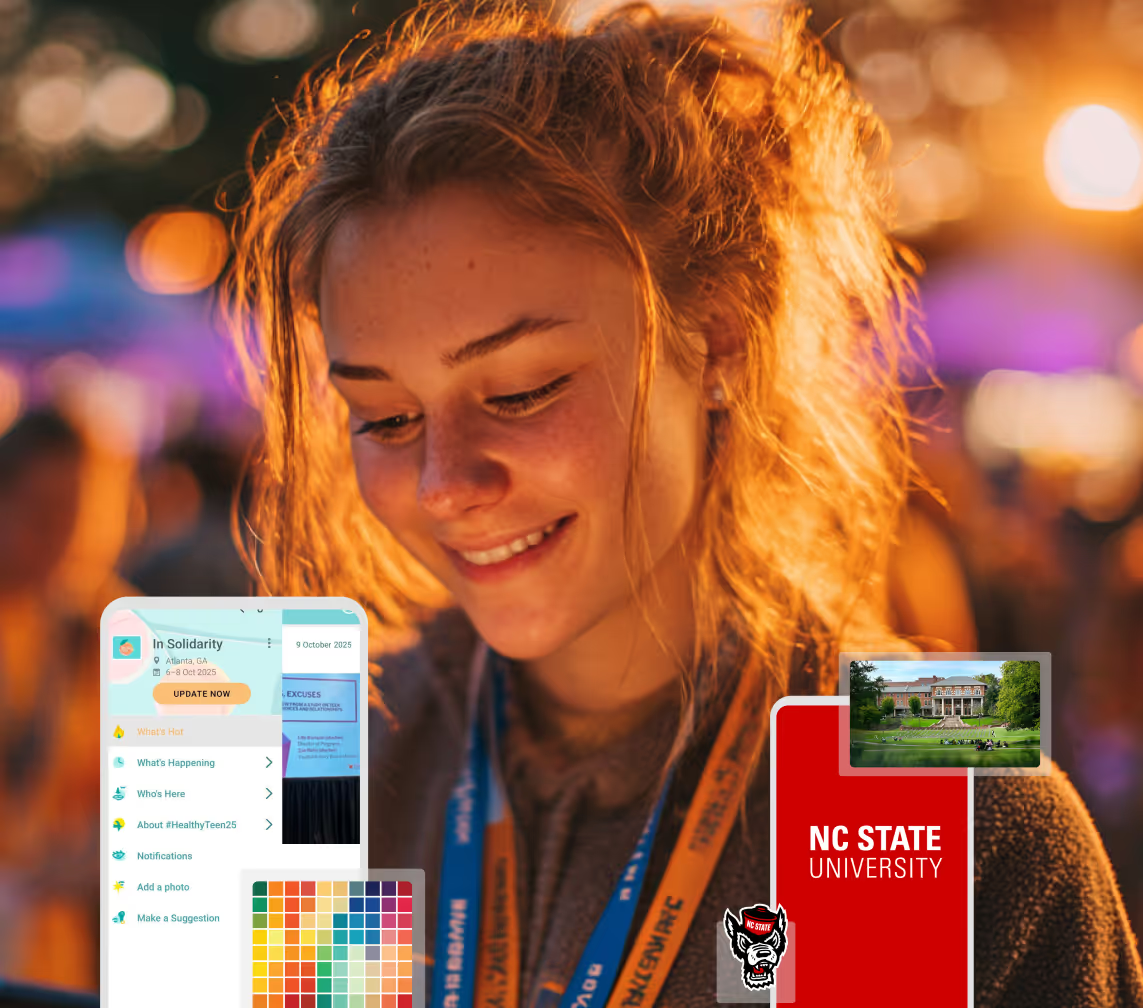
Planning Orientation?
Help new students feel prepared from day one with schedules, campus resources, and real-time updates in one app.
Running Admissions Events?
Manage open houses, tours, and yield events with a branded app that saves time and engages prospective students.

Running Admissions Events?
Manage open houses, tours, and yield events with a branded app that saves time and engages prospective students.
Get a custom Sponsorship Package Template
Stop starting from scratch. Grab free templates that helWe'll build a tailored sponsorship package with suggested pricing, tiers, and benefits..for your specific event.p you build professional sponsorship packages and close deals faster.
Get a custom Sponsorship Package Template
Stop starting from scratch. Grab free templates that helWe'll build a tailored sponsorship package with suggested pricing, tiers, and benefits..for your specific event.p you build professional sponsorship packages and close deals faster.
Plan Your Next Event Without Missing a Beat.
From venue selection to post-event wrap-up, this free checklist walks you through every step (so nothing falls through the cracks).
.avif)
Plan Your Next Event Without Missing a Beat.
From venue selection to post-event wrap-up, this free checklist walks you through every step (so nothing falls through the cracks).
Real Results From Real Events
100,000+ organizations trust Guidebook. See exactly how universities, associations, enterprises, and more put it to work.

Real Results From Real Events
100,000+ organizations trust Guidebook. See exactly how universities, associations, enterprises, and more put it to work.
Flexible pricing for every event size
Find the perfect plan for your needs, from intimate gatherings to large-scale conferences.

Flexible pricing for every event size
Find the perfect plan for your needs, from intimate gatherings to large-scale conferences.
Join our event experts
Watch on-demand webinars and join live sessions with industry leaders sharing best practices for event success.
.avif)
Join our event experts
Watch on-demand webinars and join live sessions with industry leaders sharing best practices for event success.
Guidebook in Action
Book a personalized walkthrough and discover how we help event teams create better attendee experiences.
Guidebook in Action
Book a personalized walkthrough and discover how we help event teams create better attendee experiences.

What is summer bridge programming?
Summer bridge programming supports students’ transition between academic levels with targeted learning and enrichment. Discover key benefits, program models, and implementation tips.
Summer bridge programming is the strategic design and delivery of transitional academic experiences that help incoming students build skills, confidence, and connections before their first semester begins. These programs typically run 2-8 weeks during summer months. They target students who need extra support to thrive in college-level coursework.
Here's the thing: summer bridge programs aren't just remedial courses in disguise. They're proactive investments in student success. The best programs combine academic prep with social integration, helping participants feel like they belong before classes even start. Schools that nail this see higher retention rates and stronger first-year GPAs.
Key Characteristics of Summer Bridge Programming
- Intensive Academic Focus: Programs concentrate on core subjects like math, writing, and reading comprehension. Students get a head start on college-level expectations in a supportive environment.
- Residential Component: Many programs house students on campus for the duration. This builds familiarity with dorms, dining halls, and campus navigation before the rush of fall move-in.
- Cohort-Based Learning: Participants move through the program together as a group. This creates instant peer networks and study partners for the academic year ahead.
- Mentorship Integration: Upper-class students or staff serve as guides and role models. These relationships often continue well into the first year and beyond.
- Holistic Support Services: Programs address more than academics. They include financial literacy workshops, time management training, and mental health resources.
- Assessment-Driven Placement: Pre-program testing identifies each student's specific needs. Instruction adapts to fill individual skill gaps rather than following a one-size-fits-all approach.
- Credit-Bearing Options: Some programs offer college credits for successful completion. This gives students a tangible academic advantage when fall semester begins.
Summer Bridge Programming vs. Related Programs
New Student Orientation
- Scope: Brief introduction to campus life and resources
- Focus: Logistics, registration, and social activities
- Timeline: 1-3 days, typically right before classes
- Channels: Large group sessions, campus tours, welcome events
- Goal: Familiarize all incoming students with campus basics
First-Year Experience Courses
- Scope: Semester-long academic course for credit
- Focus: Study skills, campus engagement, and academic planning
- Timeline: Full fall semester, meeting weekly
- Channels: Classroom instruction, assignments, peer discussions
- Goal: Support ongoing transition throughout first year
Summer Academic Camps
- Scope: Subject-specific enrichment for prospective students
- Focus: Exploration and recruitment, not remediation
- Timeline: 1-2 weeks during summer
- Channels: Hands-on activities, guest speakers, field trips
- Goal: Generate interest and build applicant pipeline
While these programs share some overlap, summer bridge programming stands apart through its intensive, multi-week format. It specifically targets students who face barriers to college success. The goal isn't just introduction—it's transformation.
Essential Components of Summer Bridge Programming
Build a Strong Academic Foundation
The academic core drives everything. Most programs focus heavily on math and English since these subjects predict college success better than almost anything else.
Effective programs use diagnostic testing on day one. This identifies exactly where each student needs help. Instruction then targets those specific gaps rather than covering material students already know.
Create Meaningful Social Connections
Academics alone won't cut it. Students need to feel like they belong. Smart programs build in plenty of social time:
- Team-based activities and friendly competitions
- Shared meals in campus dining halls
- Evening events and weekend outings
- Small group discussions about college fears and hopes
- Peer mentoring relationships that extend into fall
Introduce Campus Resources Early
Bridge students should know exactly where to go for help before regular students even arrive. This means hands-on introductions to:
- Writing centers and tutoring services
- Academic advising offices
- Financial aid and student accounts
- Health and counseling services
- Career development centers
Develop Essential Life Skills
College readiness goes beyond academics. The best programs teach practical skills many first-generation students never learned at home.
Time management workshops help students balance coursework, jobs, and social life. Financial literacy sessions cover budgeting, credit, and avoiding debt traps. These skills prevent the non-academic problems that derail many promising students.
Leverage Technology for Engagement
Modern bridge programs use event management platforms to keep participants connected and informed. Mobile apps deliver schedules, resources, and updates directly to students' phones.
This tech-forward approach mirrors how students already communicate. It also prepares them for the digital tools they'll use throughout college.
The Summer Bridge Programming Process
Identify and Recruit Target Students
Programs typically target specific populations. These might include first-generation college students, Pell Grant recipients, or students with borderline placement scores.
Admissions teams play a crucial role here. They identify eligible students early and communicate program benefits clearly. The best recruitment emphasizes opportunity, not deficiency.
Design Curriculum and Schedule
Program designers must balance rigor with support. Too easy, and students don't grow. Too hard, and they lose confidence before fall even starts.
Daily schedules typically include:
- Morning academic sessions (3-4 hours)
- Afternoon workshops or tutoring
- Evening social activities or study time
- Weekend excursions or free time
Train Staff and Mentors
Instructors need training on the specific challenges bridge students face. Many come from under-resourced high schools. Some juggle family responsibilities or work obligations.
Peer mentors require even more preparation. They serve as role models, tutors, and friends. Their relationships with participants often determine program success.
Execute and Adapt in Real-Time
No plan survives first contact with students. Effective programs build in flexibility. Daily check-ins help staff spot struggling participants early.
Using event check-in software and attendance tracking helps identify patterns. If a student starts missing sessions, intervention happens immediately—not weeks later.
Measure Outcomes and Iterate
Strong programs track everything. Pre and post assessments measure academic growth. Surveys capture student satisfaction and confidence levels.
Long-term tracking follows participants through graduation. This data proves program value and identifies areas for improvement. Understanding ROI helps secure ongoing funding.
Why Summer Bridge Programming Matters
For Event Success:
- Higher Completion Rates: Students who finish bridge programs show up ready for fall. They've already proven they can handle college-level work.
- Stronger Peer Networks: Participants arrive with built-in friend groups. This social foundation supports them through challenging first-year moments.
- Better Resource Utilization: Bridge students know where to find help. They use tutoring centers and advising offices at higher rates than peers.
- Increased Engagement: Early campus exposure builds institutional loyalty. These students often become campus leaders and ambassadors.
- Smoother Transitions: The shock of college life hits softer when you've already lived on campus. Bridge students adapt faster to academic and social demands.
For Business Objectives:
- Improved Retention Metrics: First-to-second-year retention often jumps 10-15% for bridge participants. This directly impacts institutional rankings and revenue.
- Enhanced Graduation Rates: Students who start strong finish strong. Bridge programs contribute to four and six-year completion goals.
- Stronger Alumni Relationships: Grateful bridge alumni often become donors and advocates. Their success stories fuel recruitment efforts.
- Demonstrated Equity Commitment: Bridge programs show tangible investment in underserved populations. This matters for accreditation and public perception.
- Data-Driven Decision Making: Program outcomes provide valuable insights about student success factors. This informs broader institutional strategy.
Platforms like Guidebook for Schools help institutions manage complex bridge programming logistics. From registration to daily schedules to alumni engagement, the right technology makes everything run smoother.
Summer Bridge Programming Best Practices
- Start Recruitment Early: Contact eligible students immediately after admission. The longer you wait, the more summer plans solidify. Early outreach dramatically improves participation rates.
- Frame the Program Positively: Avoid language that suggests remediation or deficiency. Position bridge as an exclusive opportunity and competitive advantage. Students should feel chosen, not singled out.
- Balance Structure with Flexibility: Provide clear expectations and schedules while allowing room for adjustment. Some students need more support; others need more challenge. Build systems that accommodate both.
- Invest in Peer Mentors: Upper-class mentors often matter more than instructors. Train them thoroughly and compensate them fairly. Their authenticity and relatability can't be replicated by staff.
- Use Technology Strategically: Deploy mobile apps for communication and scheduling. Today's students expect digital-first experiences. Paper packets and bulletin boards won't cut it.
- Create Memorable Experiences: Academic rigor matters, but so do fun moments. Plan activities that build community and create shared memories. These become the stories students tell for years.
- Connect to Fall Semester: Bridge shouldn't feel like an isolated experience. Link participants with fall courses, advisors, and continuing support services. The transition should feel seamless.
- Gather Feedback Continuously: Don't wait until the end to ask how things are going. Daily or weekly check-ins catch problems early. Use debrief templates to capture insights systematically.
- Track Long-Term Outcomes: Follow bridge participants through graduation and beyond. This data proves program value and justifies continued investment. Share success stories widely.
- Collaborate Across Departments: Bridge programs touch admissions, academics, student affairs, and housing. Break down silos and coordinate closely. The student experience should feel unified, not fragmented.
Common Summer Bridge Programming Mistakes
Treating It as Purely Academic: Programs that focus only on coursework miss the point. Social integration matters just as much as skill-building. Students who don't connect with peers often struggle regardless of academic preparation.
Overwhelming Students with Information: Cramming too much into limited weeks backfires. Exhausted, stressed students don't learn effectively. Build in downtime and processing space. Less content, better retained, beats more content forgotten.
Ignoring Family Involvement: Many bridge students come from families unfamiliar with college. Excluding parents and guardians misses a crucial support system. Parent and family programs should complement student activities.
Failing to Plan for Diverse Needs: Not all bridge students face the same challenges. Some need math help; others struggle with writing. Cookie-cutter approaches waste time on skills students already have while missing actual gaps.
Ending Abruptly: Programs that stop cold when fall starts abandon students at a critical moment. The transition from bridge to regular semester needs intentional support. Plan follow-up touchpoints and continuing connections.
Underestimating Logistics: Housing, meals, transportation, and supplies require careful event planning. Logistical failures distract from program goals and frustrate participants. Sweat the details before students arrive.
Skipping Assessment: Programs without clear metrics can't prove their value. When budgets tighten, unmeasured initiatives get cut first. Build assessment into program design from the start, not as an afterthought.
Final Thoughts
Summer bridge programming represents one of higher education's most powerful tools for equity and student success. When done well, these programs transform anxious incoming students into confident, connected community members. The investment pays dividends for years through improved retention, graduation rates, and alumni engagement.
The landscape of event trends in education continues evolving. Students expect personalized, tech-enabled experiences. They want to feel supported without feeling singled out. The best bridge programs thread this needle beautifully.
There's something magical about watching a nervous first-generation student become a campus leader. Bridge programs make these transformations possible. They prove that with the right support at the right time, any student can thrive.
Ready to elevate your summer bridge programming? Schedule a demo to see how Guidebook's event management platform can streamline your program logistics. From registration to daily schedules to housing coordination, we help schools create seamless student experiences. Check out our case studies to see how other institutions have transformed their programming. Because every student deserves a strong start—and the right tools make that possible.
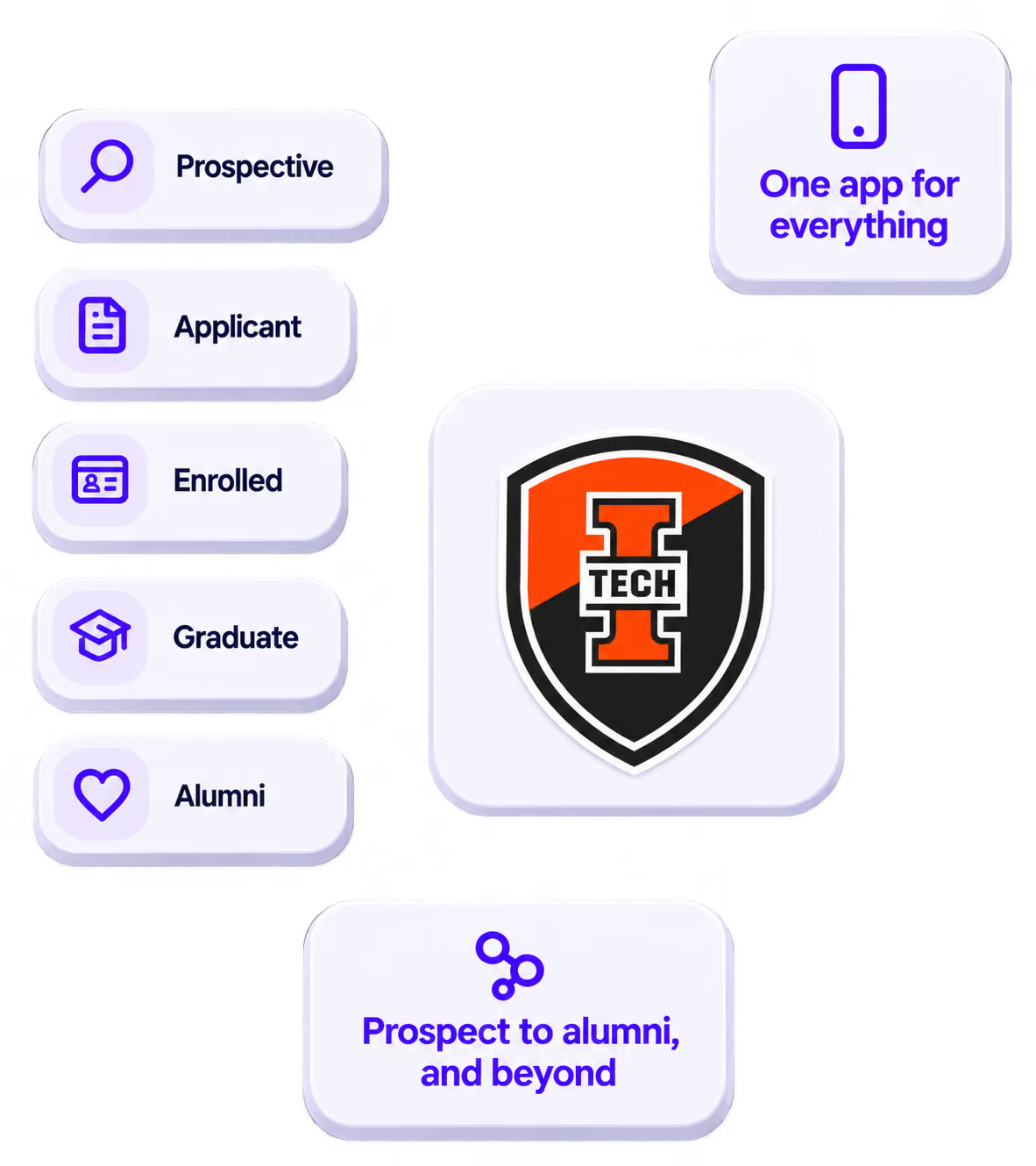
The power of your brand in your app, from first visit to alumni.
Build trust
Attendees download your app, not ours. Your name, colors, and crest in the stores.
.avif)
One place for the whole event
Schedules, maps, registration, and updates in one branded hub - not five tools.
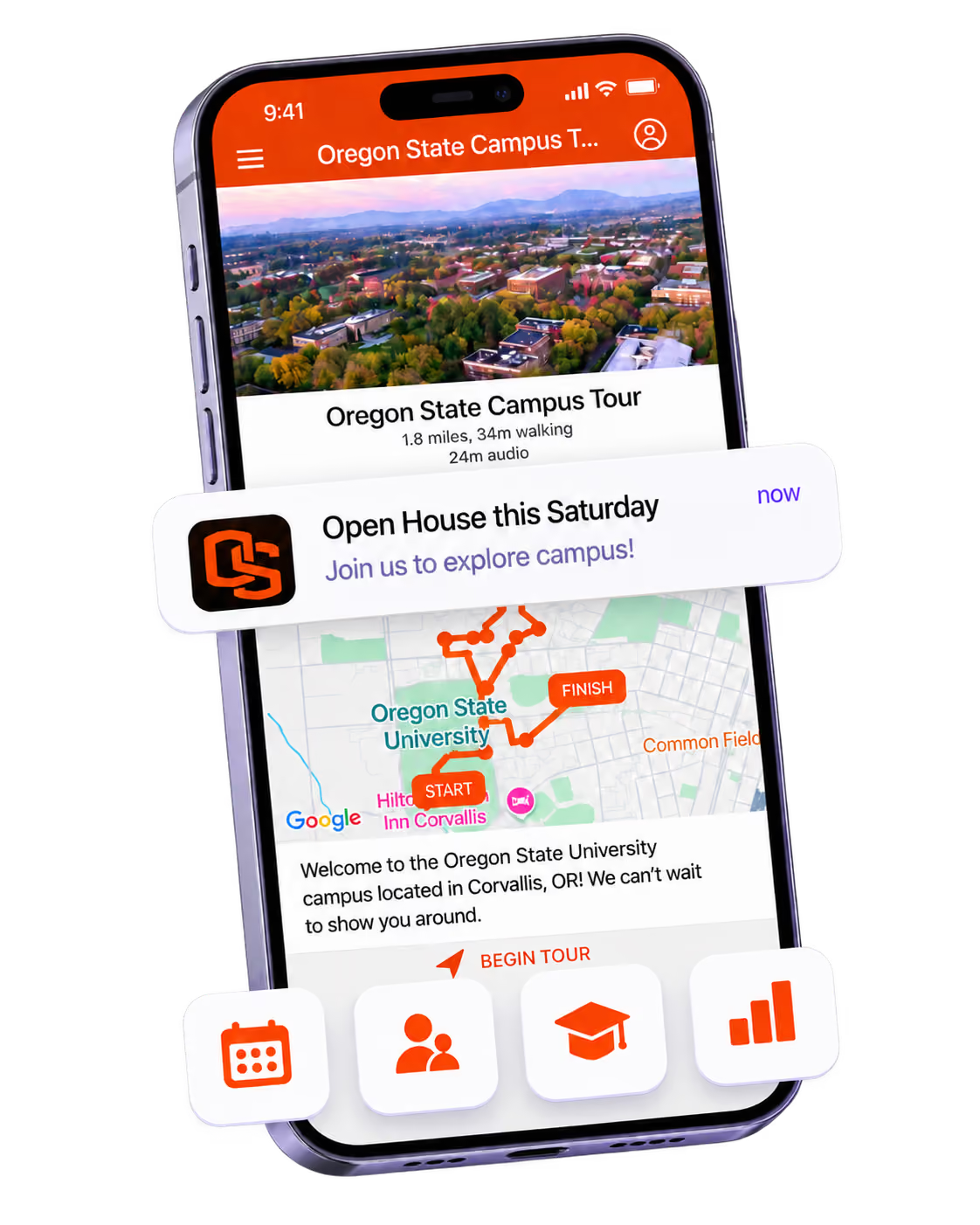
Stand out
A branded app is what people keep on their phone after the printed program is in the recycling.

Get the Mobile App Playbook
A short guide to running the whole student journey in one app. No fluff, just what works.
for higher ed
Campus
Playbook
A practical guide to building a connected campus experience.
Free playbook
The Mobile App Playbook for Universities
Students decide if they belong long before they set foot on campus. This playbook shows how to win them over from the first visit through graduation.
- Grow enrollment and boost recruitment
- Increase belonging and retention
- Run every event from one branded app
By submitting, you agree to our Privacy Policy.
You're in.
.png)