
Campus apps by department
Admissions, orientation, student life, and more — one campus app that works across departments.

Campus apps by department
Admissions, orientation, student life, and more — one campus app that works across departments.
Build unlimited event apps on one license
One partnership for unlimited campus events — orientation, tours, student life, and everything in between.
Build unlimited event apps on one license
One partnership for unlimited campus events — orientation, tours, student life, and everything in between.
Compare event app platforms
See how Guidebook stacks up against other event app and registration platforms.
Compare event app platforms
See how Guidebook stacks up against other event app and registration platforms.
Event apps for nonprofit and community programs
Give members, volunteers, and donors one branded app for conferences, fundraisers, and year-round community.
Event apps for nonprofit and community programs
Give members, volunteers, and donors one branded app for conferences, fundraisers, and year-round community.
Campus integrations and an open API
Connect Guidebook with the campus systems, APIs, and tools your team already uses.
Campus integrations and an open API
Connect Guidebook with the campus systems, APIs, and tools your team already uses.
Event apps for corporate and enterprise teams
Internal meetings, offsites, and large-scale corporate events — with the branding and control enterprise teams need.
Event apps for corporate and enterprise teams
Internal meetings, offsites, and large-scale corporate events — with the branding and control enterprise teams need.
Create a branded event app with no coding
Put schedules, maps, resources, and updates in every attendee's pocket — built for campus events and programs.
Create a branded event app with no coding
Put schedules, maps, resources, and updates in every attendee's pocket — built for campus events and programs.
Launch a branded, white-label event app
A white-label event app with your branding, your content, and your attendee experience — no coding required.
Launch a branded, white-label event app
A white-label event app with your branding, your content, and your attendee experience — no coding required.
Everything in the Guidebook platform
Explore the features event teams use to engage attendees before, during, and after the event.
Everything in the Guidebook platform
Explore the features event teams use to engage attendees before, during, and after the event.
One app for in-person and virtual attendees
The same schedule, networking, and updates whether people are in the room or joining remotely.
One app for in-person and virtual attendees
The same schedule, networking, and updates whether people are in the room or joining remotely.
Event apps built for associations
Annual meetings, chapter events, and member engagement — without rebuilding a new app every year.
Event apps built for associations
Annual meetings, chapter events, and member engagement — without rebuilding a new app every year.
A branded event website that matches the app
Promote the event, collect interest, and keep branding consistent from the first click to check-in.
A branded event website that matches the app
Promote the event, collect interest, and keep branding consistent from the first click to check-in.
Plan, run, and measure events on one platform
App, registration, badges, and websites in one workflow — so planning isn't a pile of disconnected tools.
Plan, run, and measure events on one platform
App, registration, badges, and websites in one workflow — so planning isn't a pile of disconnected tools.
Keep members engaged between events
One branded app for the conference and everything that happens the other 51 weeks of the year.
Keep members engaged between events
One branded app for the conference and everything that happens the other 51 weeks of the year.
The conference app attendees actually use
Schedules, maps, networking, and live updates for annual meetings, summits, and multi-day conferences.
The conference app attendees actually use
Schedules, maps, networking, and live updates for annual meetings, summits, and multi-day conferences.
Registration that feeds your app and badges
Collect registrations, payments, and attendee data in the same platform as your event app.
Registration that feeds your app and badges
Collect registrations, payments, and attendee data in the same platform as your event app.
Design and print event badges in one place
Custom badges, QR check-in, and on-site printing — without a separate badge vendor.
Design and print event badges in one place
Custom badges, QR check-in, and on-site printing — without a separate badge vendor.
A Smaller School?
Deliver a polished, branded event experience without a large team or a big budget.
A Smaller School?
Deliver a polished, branded event experience without a large team or a big budget.
Running Family Programs?
Give families everything they need, from schedules and maps to real-time updates, all in one place.
Running Family Programs?
Give families everything they need, from schedules and maps to real-time updates, all in one place.
Coordinating Move-In Day?
Share updates, manage events, and keep students informed from move-in through the academic year.

Coordinating Move-In Day?
Share updates, manage events, and keep students informed from move-in through the academic year.
Offering Campus Tours?
Deliver branded, self-guided tour experiences with interactive maps and rich media, available 24/7.

Offering Campus Tours?
Deliver branded, self-guided tour experiences with interactive maps and rich media, available 24/7.
Organising a Career Fair?
Simplify logistics for students, employers, and Career Services staff with one easy-to-use app.
Organising a Career Fair?
Simplify logistics for students, employers, and Career Services staff with one easy-to-use app.
Managing Alumni Events?
Plan reunions, regional events, and fundraising campaigns with an app built for alumni engagement.
Managing Alumni Events?
Plan reunions, regional events, and fundraising campaigns with an app built for alumni engagement.
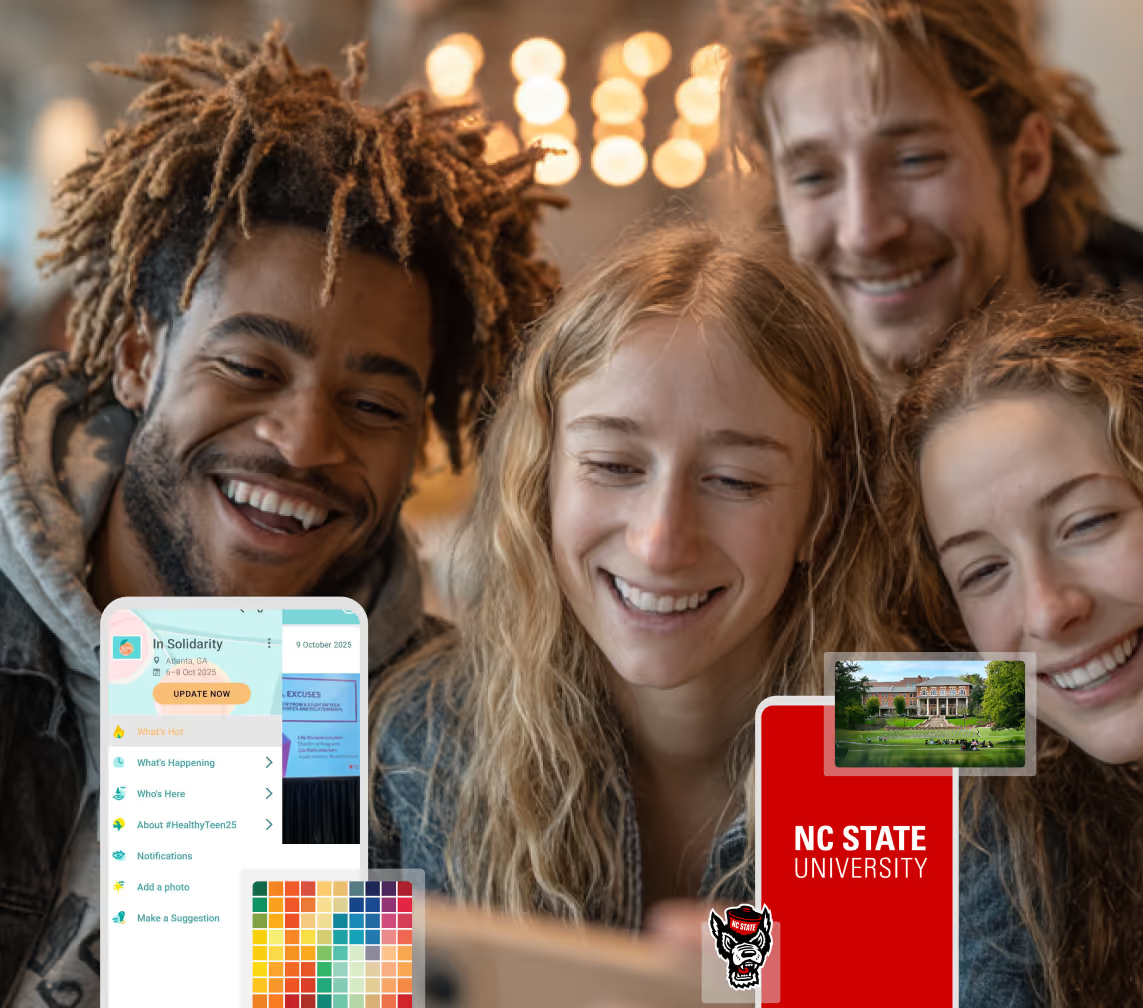
Boost Student Engagement
One hub for schedules, resources, and events that keeps students connected throughout the academic year.
Boost Student Engagement
One hub for schedules, resources, and events that keeps students connected throughout the academic year.
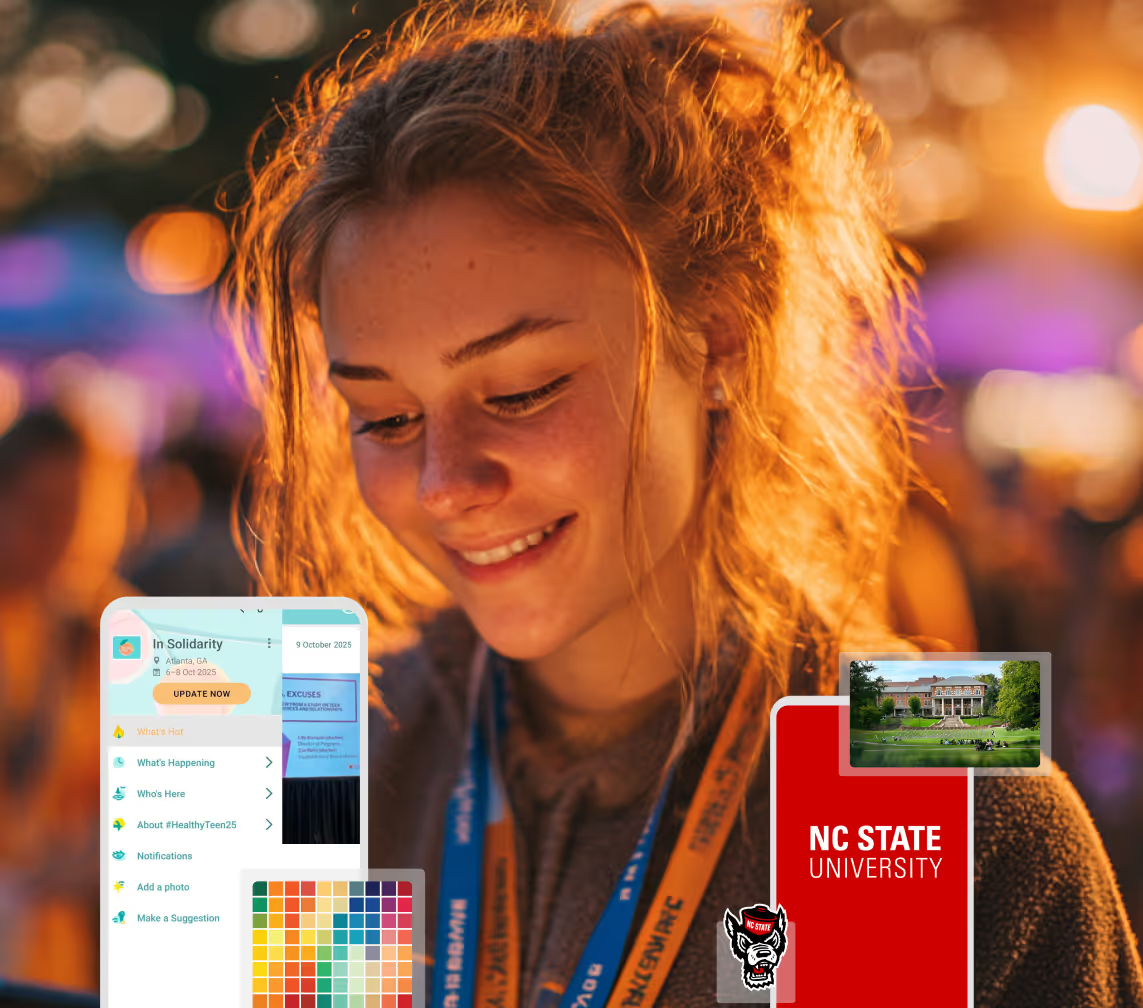
Planning Orientation?
Help new students feel prepared from day one with schedules, campus resources, and real-time updates in one app.
Planning Orientation?
Help new students feel prepared from day one with schedules, campus resources, and real-time updates in one app.
Running Admissions Events?
Manage open houses, tours, and yield events with a branded app that saves time and engages prospective students.

Running Admissions Events?
Manage open houses, tours, and yield events with a branded app that saves time and engages prospective students.
Get a custom Sponsorship Package Template
Stop starting from scratch. Grab free templates that helWe'll build a tailored sponsorship package with suggested pricing, tiers, and benefits..for your specific event.p you build professional sponsorship packages and close deals faster.
Get a custom Sponsorship Package Template
Stop starting from scratch. Grab free templates that helWe'll build a tailored sponsorship package with suggested pricing, tiers, and benefits..for your specific event.p you build professional sponsorship packages and close deals faster.
Plan Your Next Event Without Missing a Beat.
From venue selection to post-event wrap-up, this free checklist walks you through every step (so nothing falls through the cracks).
.avif)
Plan Your Next Event Without Missing a Beat.
From venue selection to post-event wrap-up, this free checklist walks you through every step (so nothing falls through the cracks).
Real Results From Real Events
100,000+ organizations trust Guidebook. See exactly how universities, associations, enterprises, and more put it to work.

Real Results From Real Events
100,000+ organizations trust Guidebook. See exactly how universities, associations, enterprises, and more put it to work.
Flexible pricing for every event size
Find the perfect plan for your needs, from intimate gatherings to large-scale conferences.
Flexible pricing for every event size
Find the perfect plan for your needs, from intimate gatherings to large-scale conferences.
Join our event experts
Watch on-demand webinars and join live sessions with industry leaders sharing best practices for event success.
.avif)
Join our event experts
Watch on-demand webinars and join live sessions with industry leaders sharing best practices for event success.
Guidebook in Action
Book a personalized walkthrough and discover how we help event teams create better attendee experiences.
Guidebook in Action
Book a personalized walkthrough and discover how we help event teams create better attendee experiences.

What is a Micro Event?
Micro events are small-scale gatherings focused on targeted engagement and personalized experiences. Discover key benefits, planning tips, and examples for effective micro event strategies.

A micro Event is an intimate, focused gathering designed to create meaningful connections and deliver high-impact experiences for a small, targeted audience. These events typically host between 10 and 50 attendees. They prioritize quality interactions over quantity of participants.
Here's the thing: micro events flip the traditional event model on its head. Instead of casting a wide net, you're fishing with a spear. Every attendee matters. Every conversation counts. And the results? Often more powerful than events ten times the size.
Key Characteristics of Micro Events
- Limited Attendance: Micro events cap guest lists at 50 people or fewer. This creates an exclusive atmosphere where everyone can participate meaningfully.
- Targeted Audience: Attendees share specific interests, roles, or goals. You're not inviting everyone—just the right people.
- High Engagement: Small groups mean more interaction. Attendees talk, share, and connect rather than passively observe.
- Focused Agenda: These events tackle one topic or goal deeply. There's no jumping between unrelated sessions.
- Personalized Experience: With fewer guests, you can customize everything. From name badges to follow-up emails, personal touches shine.
- Lower Budget Requirements: Smaller venues, less catering, fewer materials. Your dollar stretches further with micro events.
- Faster Planning Cycles: Less complexity means quicker turnaround. You can plan a micro event in weeks, not months.
Micro Events vs. Related Event Types
Traditional Large-Scale Events
- Scope: Hundreds to thousands of attendees across multiple days
- Focus: Broad topics appealing to diverse audiences
- Timeline: 6-12 months of planning required
- Channels: Mass marketing across multiple platforms
- Goal: Brand awareness and lead volume
Webinars
- Scope: Virtual-only with unlimited potential attendance
- Focus: Educational content delivery, often one-way
- Timeline: 2-4 weeks typical preparation
- Channels: Email and social media promotion
- Goal: Lead generation and thought leadership
Team Building Events
- Scope: Internal audiences only, typically 10-100 people
- Focus: Relationship building and company culture
- Timeline: 2-8 weeks depending on complexity
- Channels: Internal communications only
- Goal: Employee engagement and retention
Micro events borrow elements from each format. They combine the intimacy of team building events with the strategic focus of webinars. The result? A hybrid approach that delivers outsized results.
Types of Micro Events
Executive Roundtables
These invite-only discussions bring together 8-15 senior leaders. Participants share challenges and solutions in a confidential setting. No presentations. No sales pitches. Just peer-to-peer conversation.
Executive roundtables work best for B2B companies targeting decision-makers. The intimate format builds trust that larger events simply can't match.
VIP Customer Dinners
Nothing beats breaking bread together. VIP dinners host 10-20 of your best customers for an evening of food and conversation. The relaxed atmosphere encourages honest feedback and deeper relationships.
These events often generate more insights than formal focus groups. Plus, attendees feel valued and appreciated.
Workshop Sessions
Hands-on workshops limit attendance to ensure everyone participates. Groups of 15-25 work through exercises together. They leave with new skills and actionable takeaways.
Workshops shine when you're launching new products or teaching complex concepts. The small format allows for questions and real-time problem-solving.
Networking Mixers
Curated networking events connect 20-40 carefully selected professionals. Unlike crowded cocktail hours, everyone has time to meet everyone. Quality conversations replace rushed card exchanges.
Product Preview Events
Exclusive first looks at new offerings create buzz and gather feedback. Invite 15-30 key customers or influencers. Their early input shapes final products while making them feel like insiders.
Planning Your Micro Event
Define Your Purpose First
Every micro event needs a crystal-clear objective. Are you building relationships? Gathering feedback? Closing deals? Your purpose shapes every decision that follows.
Write your goal in one sentence. If you can't, you're not ready to plan. Understanding event planning fundamentals helps here.
Curate Your Guest List Carefully
This step makes or breaks micro events. You're not filling seats—you're assembling a room. Consider:
- Who will benefit most from attending?
- Who will contribute valuable perspectives?
- What mix of roles or backgrounds creates the best dynamic?
- Who do you want to build deeper relationships with?
Choose the Right Venue
Micro events thrive in unique spaces. Skip the hotel ballroom. Instead, consider:
- Private dining rooms at upscale restaurants
- Rooftop lounges with city views
- Art galleries or museums after hours
- Executive boardrooms or innovation labs
- Outdoor spaces like vineyards or gardens
The venue should feel special without being stuffy. Match the space to your audience and goals.
Design for Interaction
Passive audiences defeat the purpose of micro events. Build interaction into every element:
- Round tables instead of theater seating
- Discussion prompts at each table
- Structured networking activities
- Q&A sessions that encourage dialogue
- Collaborative exercises or workshops
Review event management tips for more ideas on creating engaging experiences.
Leverage Technology Smartly
Even small events benefit from the right tools. Event check-in software streamlines arrivals. Mobile apps keep attendees informed and connected.
Guidebook's event management platform works beautifully for micro events. You can share schedules, speaker bios, and networking features—all from attendees' phones.
Why Micro Events Matter
For Event Success:
- Higher Engagement Rates: Small groups participate more actively. Attendees can't hide in the back row.
- Stronger Connections: People remember conversations, not crowds. Micro events create lasting relationships.
- Better Feedback Quality: Intimate settings encourage honest, detailed input. You'll learn more from 20 engaged guests than 200 passive ones.
- Easier Logistics: Fewer moving parts mean fewer things can go wrong. Your team can focus on experience, not crowd control.
- Memorable Experiences: Exclusivity creates impact. Attendees feel special and valued.
For Business Objectives:
- Accelerated Sales Cycles: Face time with decision-makers moves deals forward faster than any email campaign.
- Improved Customer Retention: VIP treatment strengthens loyalty. Customers who feel valued stay longer.
- Higher ROI Per Attendee: Concentrated investment in fewer people often yields better returns. Track this with event ROI metrics.
- Valuable Market Intelligence: Candid conversations reveal insights surveys miss. You'll understand your market better.
- Thought Leadership Positioning: Hosting intimate expert gatherings establishes your brand as an industry leader.
Guidebook helps event planners maximize these benefits. Our platform supports everything from event registration to post-event follow-up. Request a demo to see how it works.
Micro Event Best Practices
- Send Personal Invitations: Generic emails get ignored. Personalize every invitation with specific reasons why each person should attend.
- Create Scarcity: Limited spots increase perceived value. Be honest about capacity and stick to your limits.
- Over-Communicate Details: Small events demand punctuality. Send reminders with clear logistics so no one gets lost or arrives late.
- Prepare Conversation Starters: Don't leave networking to chance. Provide discussion prompts or icebreaker activities.
- Capture Content Thoughtfully: Photos and videos document the experience. But don't let cameras disrupt intimate conversations.
- Follow Up Within 24 Hours: Strike while connections are fresh. Send personalized thank-you notes and next steps quickly.
- Gather Feedback Immediately: Short surveys right after the event capture honest reactions. Use insights to improve future gatherings.
- Track Relationship Progress: Micro events are investments. Monitor how attendee relationships develop over time.
- Repurpose Insights: Discussions generate valuable content. Turn key takeaways into blog posts, social content, or internal reports.
- Plan Your Next One: Successful micro events build momentum. Keep the series going to maintain relationships.
Common Micro Event Mistakes
Inviting Too Many People: The temptation to add "just a few more" destroys what makes micro events special. Stick to your cap. If demand exceeds supply, plan another event instead.
Neglecting the Guest Mix: A room full of competitors creates awkwardness. A room of strangers with nothing in common falls flat. Curate attendees who'll genuinely benefit from meeting each other.
Over-Programming the Agenda: Micro events need breathing room. Cramming in too many speakers or activities prevents the organic conversations that create real value.
Forgetting the Follow-Up: The event is just the beginning. Without proper follow-up, those promising connections fade. Have your post-event plan ready before guests arrive.
Choosing the Wrong Venue: A space that's too large feels empty. Too small feels cramped. Too loud prevents conversation. Visit venues in person before booking.
Skipping the Rehearsal: Even simple events benefit from a walkthrough. Test the AV. Confirm the catering. Brief your team. Small problems become big ones without preparation.
Ignoring Dietary Restrictions: With small groups, one unhappy guest is noticeable. Collect dietary needs in advance and accommodate them thoughtfully.
Final Thoughts
Micro events represent a powerful shift in how organizations build relationships. In a world of digital noise and crowded conferences, intimate gatherings cut through. They create the human connections that drive real business results.
The event trends point clearly toward quality over quantity. Attendees crave meaningful experiences, not another badge to collect. Micro events deliver exactly that.
Whether you're nurturing key accounts, launching products, or building community, micro events deserve a place in your strategy. They're not replacing large events—they're complementing them with depth that scale can't provide.
Ready to plan your first micro event? Guidebook's platform makes it easy to manage the event planning process from start to finish. Explore our templates for inspiration, or book a demo to see how we can help you create unforgettable intimate experiences.
Sometimes the smallest gatherings make the biggest impact.
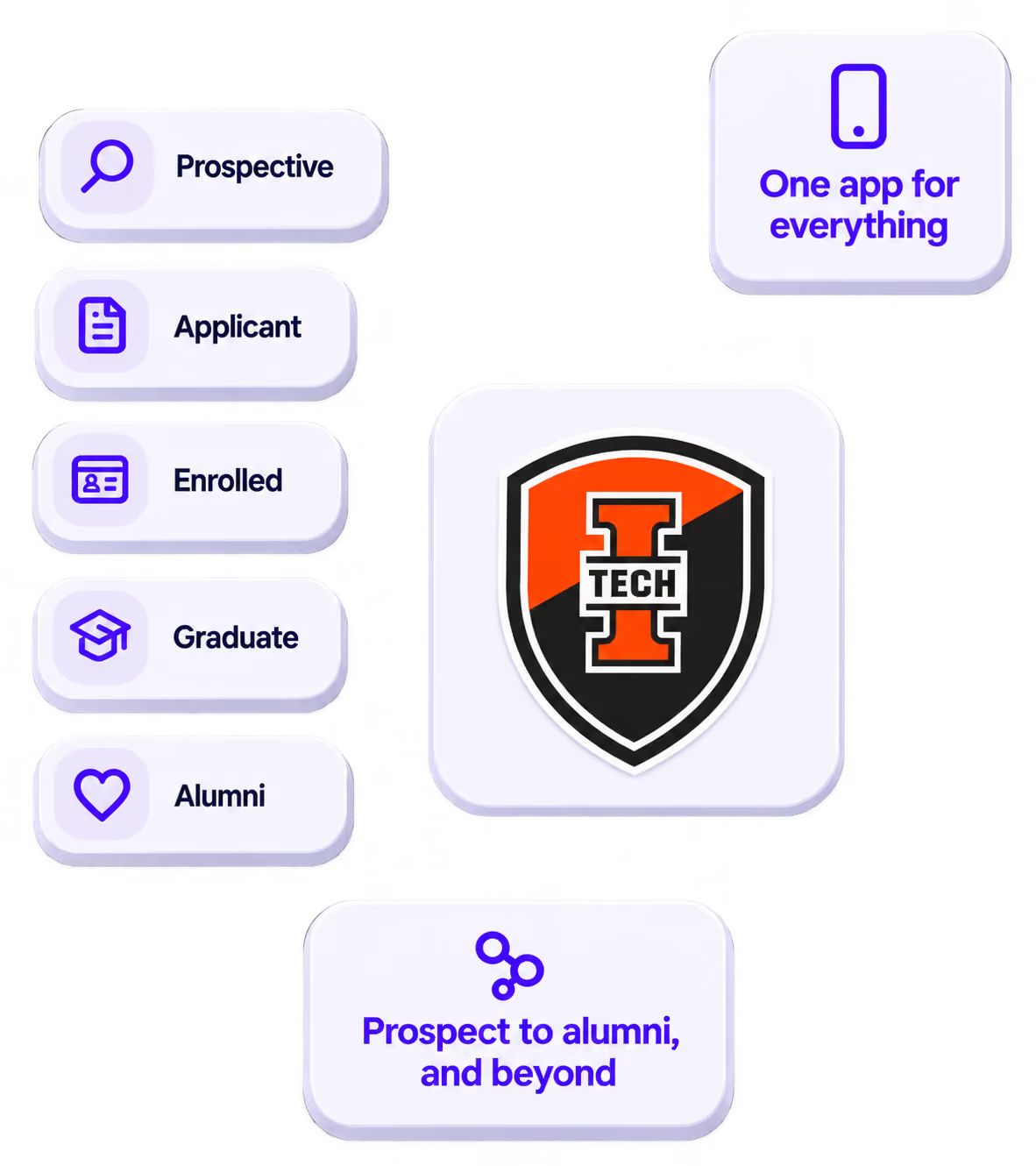
The power of your brand in your app, from first visit to alumni.
Build trust
Attendees download your app, not ours. Your name, colors, and crest in the stores.
.avif)
One place for the whole event
Schedules, maps, registration, and updates in one branded hub - not five tools.
Stand out
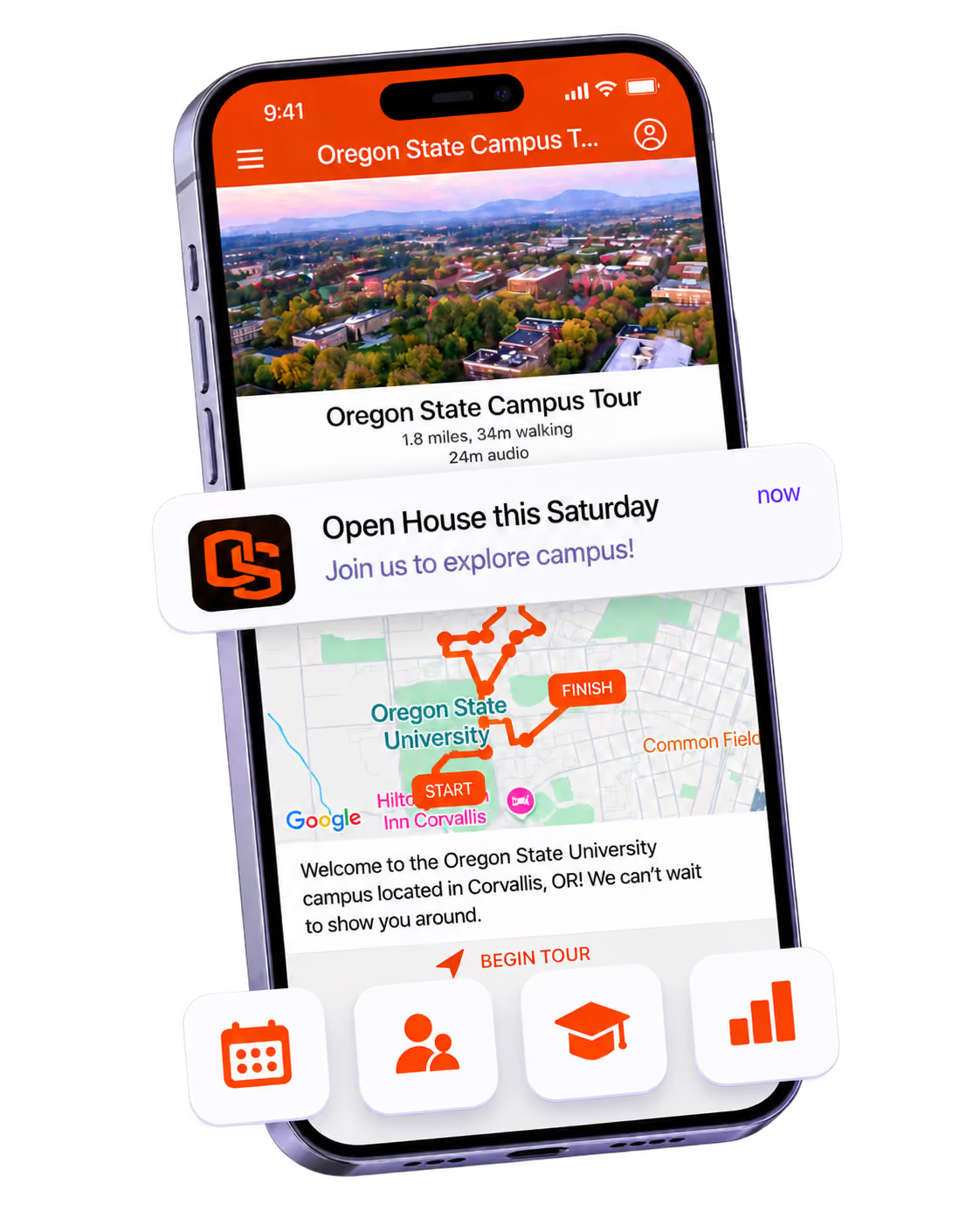
A branded app is what people keep on their phone after the printed program is in the recycling.

Get the Mobile App Playbook
A short guide to running the whole student journey in one app. No fluff, just what works.
for higher ed
Campus
Playbook
A practical guide to building a connected campus experience.
Free playbook
The Mobile App Playbook for Universities
Students decide if they belong long before they set foot on campus. This playbook shows how to win them over from the first visit through graduation.
- Grow enrollment and boost recruitment
- Increase belonging and retention
- Run every event from one branded app
By submitting, you agree to our Privacy Policy.
You're in.
.png)