A Smaller School?
Deliver a polished, branded event experience without a large team or a big budget.
A Smaller School?
Deliver a polished, branded event experience without a large team or a big budget.
Running Family Programs?
Give families everything they need, from schedules and maps to real-time updates, all in one place.
Running Family Programs?
Give families everything they need, from schedules and maps to real-time updates, all in one place.
Coordinating Move-In Day?
Share updates, manage events, and keep students informed from move-in through the academic year.

Coordinating Move-In Day?
Share updates, manage events, and keep students informed from move-in through the academic year.
Offering Campus Tours?
Deliver branded, self-guided tour experiences with interactive maps and rich media, available 24/7.

Offering Campus Tours?
Deliver branded, self-guided tour experiences with interactive maps and rich media, available 24/7.
Organising a Career Fair?
Simplify logistics for students, employers, and Career Services staff with one easy-to-use app.

Organising a Career Fair?
Simplify logistics for students, employers, and Career Services staff with one easy-to-use app.
Managing Alumni Events?
Plan reunions, regional events, and fundraising campaigns with an app built for alumni engagement.
Managing Alumni Events?
Plan reunions, regional events, and fundraising campaigns with an app built for alumni engagement.
Boost Student Engagement
One hub for schedules, resources, and events that keeps students connected throughout the academic year.
Boost Student Engagement
One hub for schedules, resources, and events that keeps students connected throughout the academic year.
Planning Orientation?
Help new students feel prepared from day one with schedules, campus resources, and real-time updates in one app.
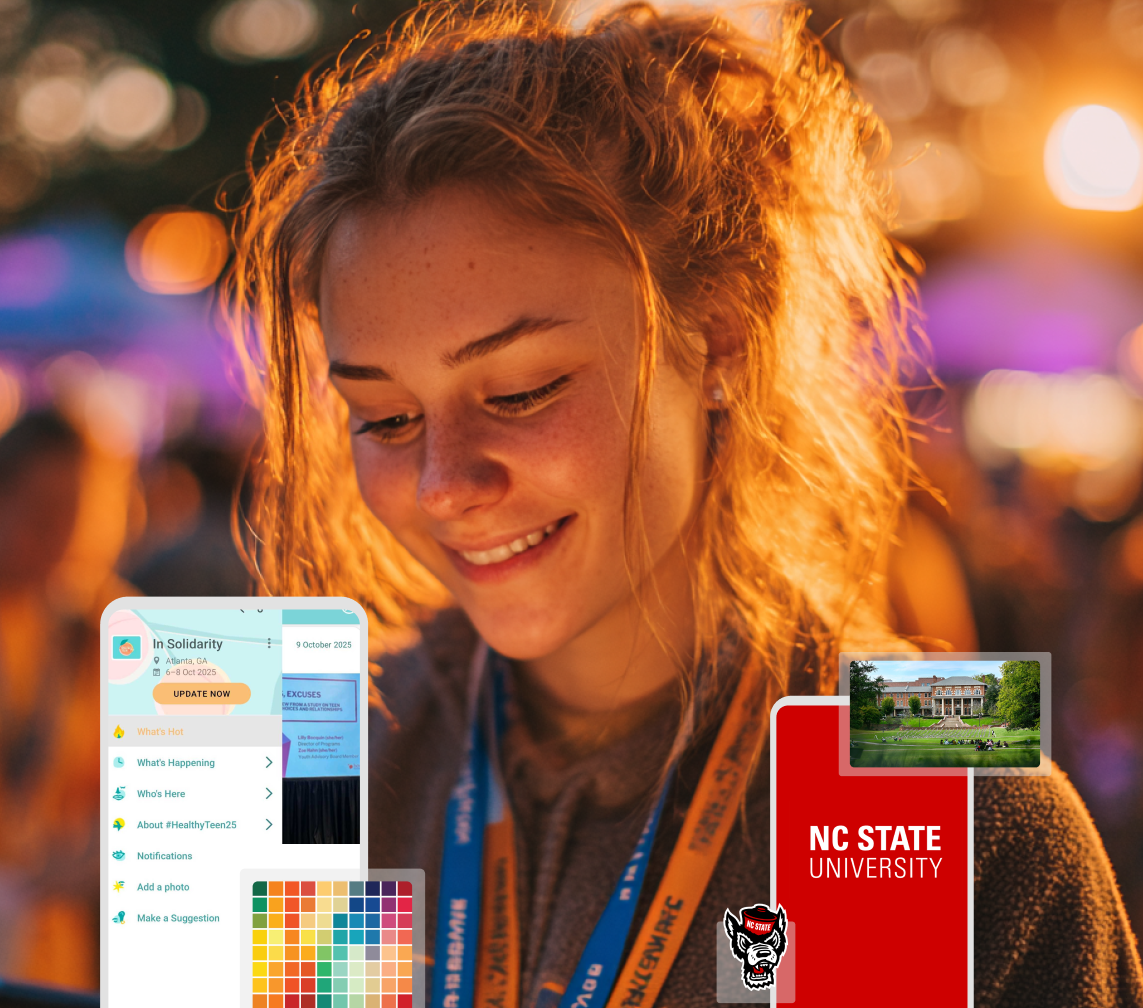
Planning Orientation?
Help new students feel prepared from day one with schedules, campus resources, and real-time updates in one app.
Running Admissions Events?
Manage open houses, tours, and yield events with a branded app that saves time and engages prospective students.

Running Admissions Events?
Manage open houses, tours, and yield events with a branded app that saves time and engages prospective students.
5 Ready-to-Use Sponsorship Package Templates
Stop starting from scratch. Grab free templates that help you build professional sponsorship packages and close deals faster.

5 Ready-to-Use Sponsorship Package Templates
Stop starting from scratch. Grab free templates that help you build professional sponsorship packages and close deals faster.
Plan Your Next Event Without Missing a Beat.
From venue selection to post-event wrap-up, this free checklist walks you through every step (so nothing falls through the cracks).
.png)
Plan Your Next Event Without Missing a Beat.
From venue selection to post-event wrap-up, this free checklist walks you through every step (so nothing falls through the cracks).
Real Results From Real Events
100,000+ organizations trust Guidebook. See exactly how universities, associations, enterprises, and more put it to work.

Real Results From Real Events
100,000+ organizations trust Guidebook. See exactly how universities, associations, enterprises, and more put it to work.
Flexible pricing for every event size
Find the perfect plan for your needs, from intimate gatherings to large-scale conferences.

Flexible pricing for every event size
Find the perfect plan for your needs, from intimate gatherings to large-scale conferences.
Join our event experts
Watch on-demand webinars and join live sessions with industry leaders sharing best practices for event success.
.jpeg)
Join our event experts
Watch on-demand webinars and join live sessions with industry leaders sharing best practices for event success.
Guidebook in Action
Book a personalized walkthrough and discover how we help event teams create better attendee experiences.
Guidebook in Action
Book a personalized walkthrough and discover how we help event teams create better attendee experiences.

A hybrid Event is the strategic combination of in-person and virtual experiences that lets attendees participate however works best for them. These events connect people across locations, time zones, and preferences through synchronized live and digital programming. When done right, hybrid events expand your reach while keeping the energy of face-to-face connection.
Here's the thing: hybrid isn't just streaming your conference to remote viewers. It's designing two distinct but connected experiences. Your in-person crowd gets the handshakes and hallway chats. Your virtual audience gets tailored content and digital networking. Both groups feel like first-class attendees, not afterthoughts.
Key Characteristics of Hybrid Events
- Dual Audience Design: Content and interactions are built specifically for both in-person and virtual attendees, not just one group watching the other.
- Synchronized Programming: Live sessions happen in real-time across both formats, creating shared moments that unite all participants.
- Platform Integration: Technology bridges the gap between physical venues and digital spaces through event check-in software and streaming tools.
- Flexible Participation: Attendees choose their experience based on location, budget, health concerns, or personal preference.
- Extended Reach: Geographic barriers disappear, letting you attract global audiences without requiring everyone to travel.
- Data-Rich Insights: Digital components capture engagement metrics that pure in-person events can't track.
- Content Longevity: Recorded sessions become on-demand resources, extending your event's value long after it ends.
Hybrid Event vs. Related Event Formats
Virtual Event
- Scope: Entirely online with no physical venue component
- Focus: Digital-first experience design and virtual event planning
- Timeline: Often shorter sessions to combat screen fatigue
- Channels: Streaming platforms, video conferencing, virtual lobbies
- Goal: Maximum accessibility with minimal travel requirements
In-Person Event
- Scope: Physical venue with face-to-face interactions only
- Focus: Networking, hands-on experiences, and venue atmosphere
- Timeline: Full-day or multi-day formats with built-in breaks
- Channels: On-site signage, printed materials, live presentations
- Goal: Deep relationship building and immersive brand experiences
Webinar
- Scope: Single-session online presentation, typically educational
- Focus: One-to-many content delivery with limited interaction
- Timeline: Usually 30-90 minutes in length
- Channels: Webinar platforms with chat and Q&A features
- Goal: Lead generation and thought leadership positioning
Hybrid events sit at the intersection of these formats. They borrow the engagement depth of in-person gatherings, the accessibility of virtual events, and the scalability of webinars. The magic happens when all three elements work together seamlessly.
Essential Hybrid Event Components
Choose the Right Technology Stack
Your tech makes or breaks the hybrid experience. You need reliable streaming, interactive tools, and a platform that handles both audiences smoothly.
Start with these essentials:
- Professional-grade cameras and microphones for broadcast quality
- Stable internet with backup connections
- A mobile event app like Guidebook's platform for schedules and updates
- Virtual networking tools for remote attendee connections
Design Your Venue for Dual Audiences
Your physical space needs to work for cameras, not just the people in the room. Think about lighting, sound isolation, and screen placement.
Create dedicated broadcast areas. Position speakers where virtual viewers can see their faces clearly. Add monitors so in-person attendees can see remote participants during Q&A sessions.
Build Your Production Team
Hybrid events need more hands on deck. You're essentially running two events at once.
Key roles include:
- Technical director managing the live stream
- Virtual moderator engaging online attendees
- On-site event coordinator handling the physical experience
- Chat monitors answering questions in real-time
Create Content That Works Both Ways
Not every session translates well to both formats. Hands-on workshops shine in person. Panel discussions work great for virtual viewers.
Plan your agenda with both audiences in mind. Some sessions might be in-person only. Others could be virtual exclusives. The best hybrid events offer unique value to each group.
The Hybrid Event Planning Process
Set Clear Goals for Each Audience
What do you want in-person attendees to walk away with? What about virtual participants? These answers might differ.
Your in-person crowd might prioritize networking. Virtual attendees might want educational content they can reference later. Define success metrics for both groups before you start planning.
Budget for Two Experiences
Hybrid events cost more than single-format events. You're paying for a venue AND production equipment. Staff AND technical support.
Break your budget into categories:
- Venue and catering (in-person)
- Streaming and platform fees (virtual)
- Shared costs like speakers and marketing
- Contingency funds for technical issues
Market to Different Motivations
Your event digital marketing should speak to each audience's reasons for attending. Remote attendees care about convenience and cost savings. In-person attendees want the full experience.
Create separate landing pages or ticket tiers. Highlight the unique benefits of each option. Let people self-select based on what matters most to them.
Rehearse Everything Twice
Run through your event from both perspectives. Watch the stream while someone attends in person. Find the gaps before your audience does.
Test your backup plans too. What happens if the internet drops? How do you handle a speaker who can't make it on-site? Preparation prevents panic.
Why Hybrid Events Matter
For Event Success:
- Expanded Attendance: Remove geographic barriers and welcome participants from anywhere in the world.
- Weather-Proof Planning: Travel disruptions don't cancel your event when virtual attendance is an option.
- Increased Engagement Data: Track how virtual attendees interact with content through event ROI metrics.
- Content Repurposing: Recorded sessions become marketing assets, training materials, and on-demand resources.
- Sponsor Value: Offer brands exposure to both live and digital audiences with sponsorship packages that deliver more impressions.
For Business Objectives:
- Lower Barriers to Entry: Virtual tickets at reduced prices attract budget-conscious attendees who might upgrade next year.
- Global Market Testing: Gauge interest from new regions before committing to international in-person events.
- Sustainability Goals: Reduce your event's carbon footprint by cutting travel for some participants.
- Talent Accessibility: Book speakers who can't travel but can present remotely to your in-person crowd.
- Year-Round Community: Keep virtual attendees engaged between events through your branded app and digital content.
Guidebook's event management platform helps you deliver seamless hybrid experiences. From personalized schedules to real-time updates, your attendees stay connected regardless of how they're participating.
Hybrid Event Best Practices
- Treat Virtual Attendees as VIPs: Don't make remote participants feel like they're watching through a window. Create exclusive virtual-only content, networking rooms, and interactive elements.
- Assign Dedicated Moderators: Have someone whose only job is engaging the online audience. They monitor chat, relay questions, and keep virtual attendees feeling included.
- Sync Your Schedules Thoughtfully: Consider time zones when planning live sessions. Offer on-demand options for content that happens at inconvenient hours for global attendees.
- Invest in Quality Production: Poor audio kills virtual engagement faster than anything. Budget for professional microphones, good lighting, and reliable streaming equipment.
- Create Networking Bridges: Use tools that let in-person and virtual attendees connect. Video chat rooms, shared discussion boards, and hybrid breakout sessions build cross-format relationships.
- Communicate Platform Details Early: Send virtual attendees clear instructions well before the event. Include tech requirements, login details, and troubleshooting contacts.
- Plan for Technical Failures: Have backup streaming options ready. Record everything locally in case the live feed fails. Prepare pre-recorded content to fill unexpected gaps.
- Gather Feedback from Both Groups: Use your event debrief template to collect insights from in-person and virtual attendees separately. Their experiences differ, and so will their suggestions.
- Extend the Experience: Keep your virtual platform open after the event ends. Let attendees access recordings, continue conversations, and download resources on their own schedule.
- Start Small and Scale: If you're new to hybrid, begin with a single hybrid session at an otherwise in-person event. Learn what works before going fully hybrid.
Common Hybrid Event Mistakes
Treating Virtual as an Afterthought: Slapping a camera in the back of the room isn't a hybrid event. It's a bad livestream. Virtual attendees notice when they're not the priority, and they won't come back.
Ignoring Time Zone Differences: Scheduling your keynote at 9 AM local time means 3 AM for some virtual attendees. Check where your audience lives and plan accordingly.
Underestimating Bandwidth Needs: Hotel WiFi rarely handles professional streaming. Always bring your own dedicated internet connection or use a cellular backup.
Skipping the Tech Rehearsal: "We'll figure it out live" leads to embarrassing technical failures. Run full rehearsals with all speakers, platforms, and backup systems.
Creating Identical Experiences: In-person and virtual attendees have different needs. Forcing the same agenda on both groups means neither gets an optimized experience.
Forgetting Engagement Tools: Virtual attendees can't raise their hands or chat with neighbors. Without polls, Q&A features, and chat functions, they'll tune out and multitask.
Overcomplicating the Platform: Too many tools confuse attendees. Choose an integrated solution that handles registration, schedules, and engagement in one place.
Final Thoughts
Hybrid events aren't a pandemic-era compromise. They're the future of how we gather. The organizations mastering this format now will have a serious advantage as attendee expectations continue evolving.
The latest event trends show hybrid attendance growing across industries. From association conferences to enterprise meetings, planners are discovering that offering choice increases participation and satisfaction.
Yes, hybrid events require more planning. They demand better technology and bigger teams. But they also deliver something no single-format event can: the ability to meet every attendee exactly where they are.
Ready to create hybrid experiences that wow both audiences? Explore Guidebook's resources for event planners, check out success stories from organizations like yours, or book a demo to see how the right platform makes hybrid events feel effortless. Your next event could be the one that brings everyone together—no matter where they're joining from.
Join 5000+ other
**event planners** today
From Fortune 500s to universities to local nonprofits, teams trust Guidebook to save time, reduce chaos, and delight attendees.
.avif)