
Campus apps by department
Admissions, orientation, student life, and more — one campus app that works across departments.

Campus apps by department
Admissions, orientation, student life, and more — one campus app that works across departments.
Build unlimited event apps on one license
One partnership for unlimited campus events — orientation, tours, student life, and everything in between.
Build unlimited event apps on one license
One partnership for unlimited campus events — orientation, tours, student life, and everything in between.
Compare event app platforms
See how Guidebook stacks up against other event app and registration platforms.
Compare event app platforms
See how Guidebook stacks up against other event app and registration platforms.
Event apps for nonprofit and community programs
Give members, volunteers, and donors one branded app for conferences, fundraisers, and year-round community.
Event apps for nonprofit and community programs
Give members, volunteers, and donors one branded app for conferences, fundraisers, and year-round community.
Campus integrations and an open API
Connect Guidebook with the campus systems, APIs, and tools your team already uses.
Campus integrations and an open API
Connect Guidebook with the campus systems, APIs, and tools your team already uses.
Event apps for corporate and enterprise teams
Internal meetings, offsites, and large-scale corporate events — with the branding and control enterprise teams need.
Event apps for corporate and enterprise teams
Internal meetings, offsites, and large-scale corporate events — with the branding and control enterprise teams need.
Create a branded event app with no coding
Put schedules, maps, resources, and updates in every attendee's pocket — built for campus events and programs.
Create a branded event app with no coding
Put schedules, maps, resources, and updates in every attendee's pocket — built for campus events and programs.
Launch a branded, white-label event app
A white-label event app with your branding, your content, and your attendee experience — no coding required.
Launch a branded, white-label event app
A white-label event app with your branding, your content, and your attendee experience — no coding required.
Everything in the Guidebook platform
Explore the features event teams use to engage attendees before, during, and after the event.
Everything in the Guidebook platform
Explore the features event teams use to engage attendees before, during, and after the event.
One app for in-person and virtual attendees
The same schedule, networking, and updates whether people are in the room or joining remotely.
One app for in-person and virtual attendees
The same schedule, networking, and updates whether people are in the room or joining remotely.
Event apps built for associations
Annual meetings, chapter events, and member engagement — without rebuilding a new app every year.
Event apps built for associations
Annual meetings, chapter events, and member engagement — without rebuilding a new app every year.
A branded event website that matches the app
Promote the event, collect interest, and keep branding consistent from the first click to check-in.
A branded event website that matches the app
Promote the event, collect interest, and keep branding consistent from the first click to check-in.
Plan, run, and measure events on one platform
App, registration, badges, and websites in one workflow — so planning isn't a pile of disconnected tools.
Plan, run, and measure events on one platform
App, registration, badges, and websites in one workflow — so planning isn't a pile of disconnected tools.
Keep members engaged between events
One branded app for the conference and everything that happens the other 51 weeks of the year.
Keep members engaged between events
One branded app for the conference and everything that happens the other 51 weeks of the year.
The conference app attendees actually use
Schedules, maps, networking, and live updates for annual meetings, summits, and multi-day conferences.
The conference app attendees actually use
Schedules, maps, networking, and live updates for annual meetings, summits, and multi-day conferences.
Registration that feeds your app and badges
Collect registrations, payments, and attendee data in the same platform as your event app.
Registration that feeds your app and badges
Collect registrations, payments, and attendee data in the same platform as your event app.
Design and print event badges in one place
Custom badges, QR check-in, and on-site printing — without a separate badge vendor.
Design and print event badges in one place
Custom badges, QR check-in, and on-site printing — without a separate badge vendor.
A Smaller School?
Deliver a polished, branded event experience without a large team or a big budget.
A Smaller School?
Deliver a polished, branded event experience without a large team or a big budget.
Running Family Programs?
Give families everything they need, from schedules and maps to real-time updates, all in one place.
Running Family Programs?
Give families everything they need, from schedules and maps to real-time updates, all in one place.
Coordinating Move-In Day?
Share updates, manage events, and keep students informed from move-in through the academic year.

Coordinating Move-In Day?
Share updates, manage events, and keep students informed from move-in through the academic year.
Offering Campus Tours?
Deliver branded, self-guided tour experiences with interactive maps and rich media, available 24/7.

Offering Campus Tours?
Deliver branded, self-guided tour experiences with interactive maps and rich media, available 24/7.
Organising a Career Fair?
Simplify logistics for students, employers, and Career Services staff with one easy-to-use app.
Organising a Career Fair?
Simplify logistics for students, employers, and Career Services staff with one easy-to-use app.
Managing Alumni Events?
Plan reunions, regional events, and fundraising campaigns with an app built for alumni engagement.
Managing Alumni Events?
Plan reunions, regional events, and fundraising campaigns with an app built for alumni engagement.
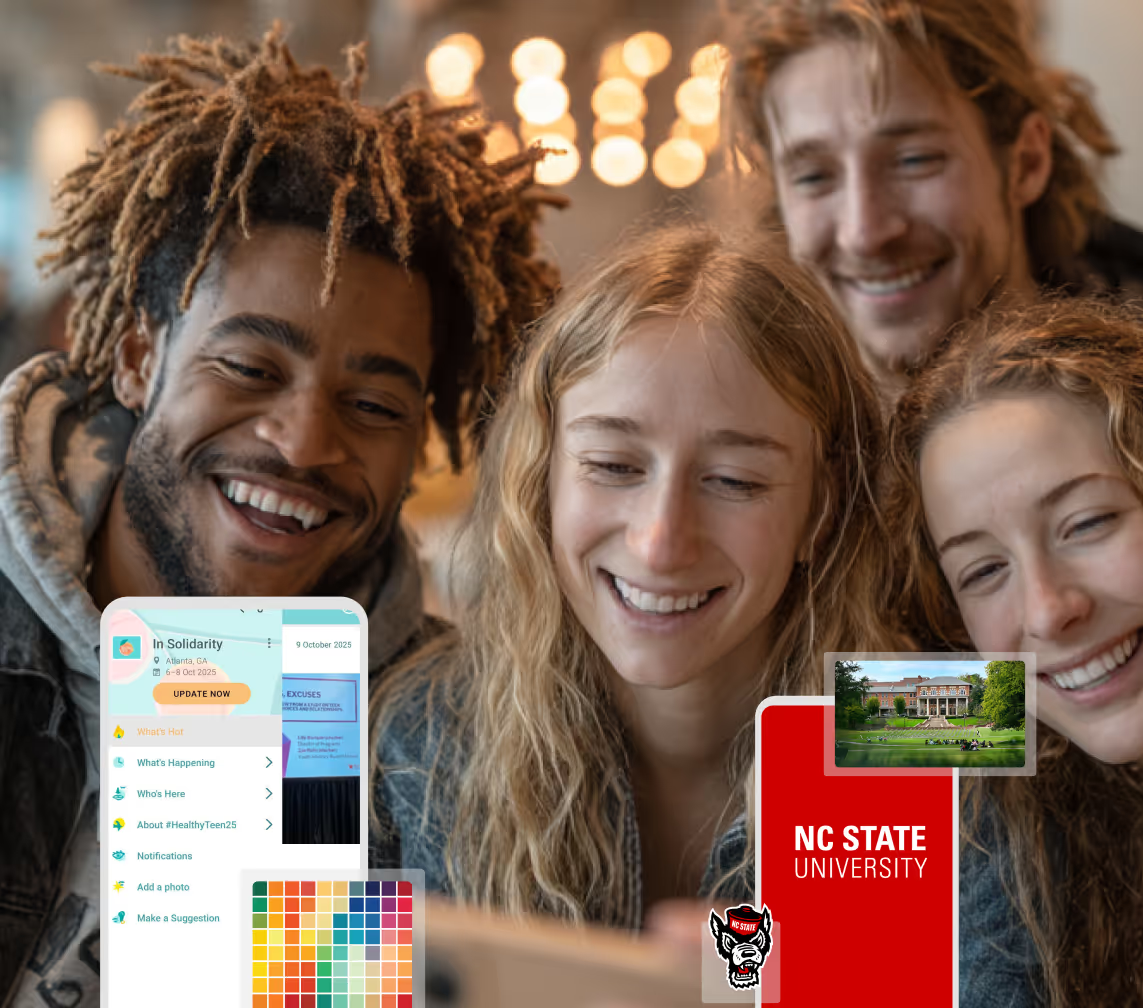
Boost Student Engagement
One hub for schedules, resources, and events that keeps students connected throughout the academic year.
Boost Student Engagement
One hub for schedules, resources, and events that keeps students connected throughout the academic year.
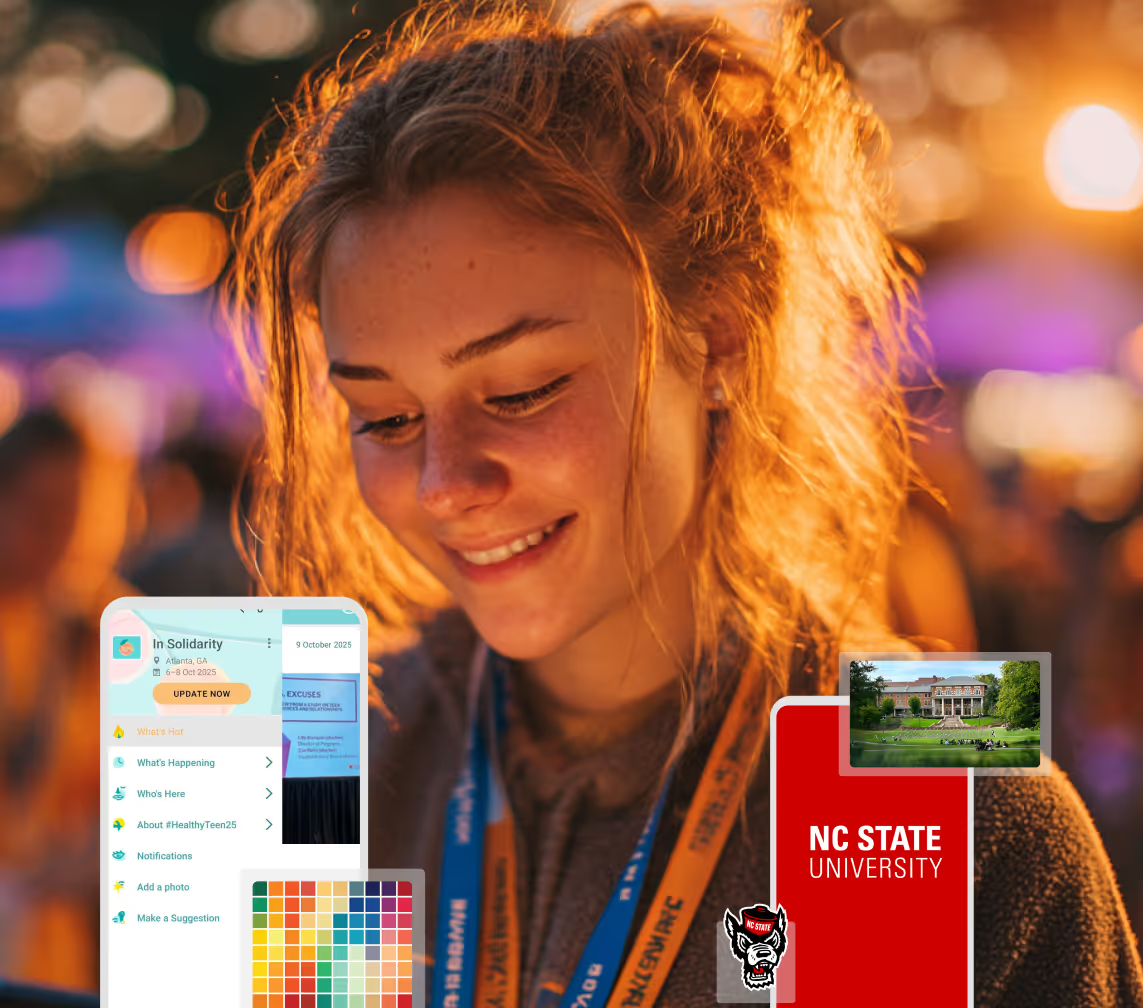
Planning Orientation?
Help new students feel prepared from day one with schedules, campus resources, and real-time updates in one app.
Planning Orientation?
Help new students feel prepared from day one with schedules, campus resources, and real-time updates in one app.
Running Admissions Events?
Manage open houses, tours, and yield events with a branded app that saves time and engages prospective students.

Running Admissions Events?
Manage open houses, tours, and yield events with a branded app that saves time and engages prospective students.
Get a custom Sponsorship Package Template
Stop starting from scratch. Grab free templates that helWe'll build a tailored sponsorship package with suggested pricing, tiers, and benefits..for your specific event.p you build professional sponsorship packages and close deals faster.
Get a custom Sponsorship Package Template
Stop starting from scratch. Grab free templates that helWe'll build a tailored sponsorship package with suggested pricing, tiers, and benefits..for your specific event.p you build professional sponsorship packages and close deals faster.
Plan Your Next Event Without Missing a Beat.
From venue selection to post-event wrap-up, this free checklist walks you through every step (so nothing falls through the cracks).
.avif)
Plan Your Next Event Without Missing a Beat.
From venue selection to post-event wrap-up, this free checklist walks you through every step (so nothing falls through the cracks).
Real Results From Real Events
100,000+ organizations trust Guidebook. See exactly how universities, associations, enterprises, and more put it to work.

Real Results From Real Events
100,000+ organizations trust Guidebook. See exactly how universities, associations, enterprises, and more put it to work.
Flexible pricing for every event size
Find the perfect plan for your needs, from intimate gatherings to large-scale conferences.
Flexible pricing for every event size
Find the perfect plan for your needs, from intimate gatherings to large-scale conferences.
Join our event experts
Watch on-demand webinars and join live sessions with industry leaders sharing best practices for event success.
.avif)
Join our event experts
Watch on-demand webinars and join live sessions with industry leaders sharing best practices for event success.
Guidebook in Action
Book a personalized walkthrough and discover how we help event teams create better attendee experiences.
Guidebook in Action
Book a personalized walkthrough and discover how we help event teams create better attendee experiences.
What are Pop-up Events?
Pop-up events are temporary, immersive experiences designed to engage audiences and create buzz. Discover pop-up event ideas, planning tips, and marketing strategies.

Pop-up Events are temporary, surprise-style experiences that create buzz and urgency by appearing in unexpected locations for a limited time. These short-term activations range from retail shops and art installations to food experiences and brand launches. They've become a go-to strategy for organizations wanting to test markets, generate excitement, and connect with audiences in fresh ways.
Here's the thing: pop-up events thrive on scarcity. When people know something won't last, they act fast. This "fear of missing out" drives foot traffic, social sharing, and genuine engagement. Unlike permanent venues or recurring events, pop-ups feel special because they're fleeting.
Key Characteristics of Pop-up Events
- Limited Duration: Pop-ups run anywhere from a few hours to several weeks. The short timeframe creates urgency and encourages immediate action from attendees.
- Unexpected Locations: These events often appear in vacant storefronts, warehouses, parks, or other non-traditional spaces. The surprise element adds to their appeal.
- Low Overhead Costs: Without long-term leases or permanent infrastructure, pop-ups let organizers test concepts with minimal financial risk.
- High Visual Impact: Pop-ups prioritize Instagram-worthy designs and immersive experiences. They're built to be shared on social media.
- Exclusive Atmosphere: Limited capacity and short windows make attendees feel like insiders. This exclusivity builds brand loyalty.
- Flexibility: Organizers can pivot quickly based on feedback. If something isn't working, they can adjust without major consequences.
- Direct Customer Interaction: Pop-ups put brands face-to-face with their audience. This personal connection is hard to replicate online.
Pop-up Events vs. Related Event Types
Traditional Retail Events
- Scope: Permanent or semi-permanent store activations
- Focus: Ongoing sales and customer retention
- Timeline: Months to years
- Channels: Established retail locations
- Goal: Sustained revenue and brand presence
Trade Shows
- Scope: Industry-wide exhibitions with multiple vendors
- Focus: B2B networking and product showcases
- Timeline: Typically 2-5 days annually
- Channels: Convention centers and expo halls
- Goal: Lead generation and industry visibility
Flash Mobs
- Scope: Single, coordinated public performances
- Focus: Viral moments and brand awareness
- Timeline: Minutes to one hour
- Channels: Public spaces with high foot traffic
- Goal: Social media buzz and press coverage
Pop-up events sit in a sweet spot between these formats. They offer more depth than flash mobs but require less commitment than traditional retail. For event planning teams, this balance makes pop-ups an attractive option for testing new ideas.
Types of Pop-up Events
Retail Pop-up Shops
These temporary stores let brands sell products in new markets. Fashion labels, tech companies, and artisan makers use them to reach customers outside their usual channels.
Retail pop-ups work especially well for seasonal launches. Think holiday gift shops or summer collections. They create shopping urgency without long-term lease commitments.
Experiential Brand Activations
These pop-ups focus on interaction over sales. Attendees might walk through immersive installations, try products firsthand, or participate in workshops.
The goal? Create memorable moments that people share online. A well-designed activation can generate thousands of social posts and massive brand awareness.
Food and Beverage Pop-ups
Restaurants, chefs, and beverage brands use pop-ups to test menus or reach new audiences. These might appear at:
- Farmers markets
- Music festivals
- Empty restaurant spaces
- Rooftops and outdoor venues
- Collaboration events with other brands
Art and Cultural Installations
Museums, galleries, and artists create temporary exhibitions in unexpected spaces. These pop-ups bring culture to communities that might not visit traditional venues.
They're also great for generating press coverage. A striking installation in an unusual location makes for compelling stories.
Corporate and Internal Pop-ups
Companies use pop-up formats for team building events and employee engagement. These might include wellness stations, learning labs, or celebration spaces within office buildings.
Planning Your Pop-up Event
Choose the Right Location
Location can make or break your pop-up. Consider foot traffic, your target audience's habits, and the vibe you want to create.
High-traffic areas cost more but deliver built-in audiences. Off-the-beaten-path spots require stronger marketing but offer unique atmospheres. Research current event trends to see what's working in your industry.
Set a Clear Timeline
Decide how long your pop-up will run. Shorter events (one day to one week) create more urgency. Longer runs (two to six weeks) allow word-of-mouth to build.
Your timeline affects everything from staffing to permits. Build in setup and teardown time when booking your space.
Design for Social Sharing
Every corner of your pop-up should be photo-worthy. Think about:
- Bold colors and interesting textures
- Good lighting for photos
- Branded backdrops and signage
- Interactive elements people want to capture
- Clear hashtags displayed throughout
Check out Facebook keywords for events to optimize your social strategy.
Plan Your Promotion Strategy
Pop-ups need strong marketing to drive attendance. Start promoting at least two weeks before opening. Use a mix of:
- Social media teasers
- Email campaigns to existing customers
- Local press outreach
- Influencer partnerships
- Paid advertising in your target area
Learn more about how to advertise your event effectively.
Secure Permits and Insurance
Don't skip the paperwork. Most pop-ups need:
- Temporary business permits
- Health department approval (for food)
- Liability insurance
- Fire safety compliance
- Noise permits (if applicable)
Start this process early. Permit delays can derail your entire timeline.
Why Pop-up Events Matter
For Event Success:
- Creates Urgency: Limited-time offers drive immediate action and higher conversion rates.
- Generates Buzz: The novelty factor makes pop-ups naturally newsworthy and shareable.
- Enables Testing: Try new concepts, products, or markets without major investment.
- Builds Community: Face-to-face interactions create stronger connections than digital touchpoints alone.
- Delivers Content: Every pop-up produces photos, videos, and stories for ongoing marketing use.
For Business Objectives:
- Reduces Risk: Test market demand before committing to permanent locations or large-scale launches.
- Increases Revenue: Direct sales combined with brand awareness create both immediate and long-term returns.
- Expands Reach: Access new geographic markets or customer segments affordably.
- Strengthens Brand: Memorable experiences build emotional connections that outlast the event itself.
- Gathers Data: Collect customer feedback and contact information for future marketing efforts.
Managing pop-up logistics gets easier with the right tools. Guidebook's event management platform helps organizers handle registration, communication, and attendee engagement all in one place.
Pop-up Events Best Practices
- Start with Clear Goals: Define what success looks like before you begin. Is it sales? Email signups? Social impressions? Your goals shape every decision.
- Know Your Audience: Research where your target customers spend time. A pop-up in the wrong neighborhood won't attract the right people.
- Create Scarcity: Limit availability through exclusive products, timed experiences, or capacity caps. Scarcity drives action.
- Train Your Team: Staff should know your brand story and be ready to engage visitors. First impressions matter enormously.
- Capture Contact Information: Use event registration tools to collect emails and build your database for future marketing.
- Document Everything: Hire a photographer or assign someone to capture content. You'll use these assets for months afterward.
- Partner Strategically: Collaborate with complementary brands to share costs and cross-promote to each other's audiences.
- Plan for Lines: If your pop-up gets crowded, have a system ready. Queue management affects customer experience significantly.
- Follow Up Fast: Contact attendees within 48 hours while the experience is fresh. Thank them and invite them to stay connected.
- Measure Results: Track event ROI against your original goals. Use insights to improve future pop-ups.
Common Pop-up Events Mistakes
Choosing Style Over Substance: A beautiful space means nothing if visitors don't understand your brand or offering. Balance aesthetics with clear messaging and purpose.
Underestimating Setup Time: Pop-ups always take longer to build than expected. Give yourself buffer time to avoid opening-day chaos.
Ignoring Local Regulations: Permit violations can shut you down mid-event. Research requirements thoroughly and get everything in writing.
Skipping the Marketing Plan: "Build it and they will come" doesn't work. Without promotion, even amazing pop-ups sit empty.
Forgetting the Follow-up: The event ends, but the relationship shouldn't. Failing to nurture new contacts wastes your investment.
Overcomplicating the Experience: Keep your concept focused. Trying to do too much confuses visitors and dilutes your message.
Not Having a Backup Plan: Weather, vendor issues, and tech failures happen. Prepare contingencies for common problems.
Final Thoughts
Pop-up events offer something rare in today's digital-first world: genuine, in-person connection. They let brands step out from behind screens and meet their audiences face-to-face. That human element creates loyalty no algorithm can replicate.
The event industry continues embracing temporary formats. As consumers crave unique experiences over material goods, pop-ups deliver exactly what they're looking for. Smart organizations use them to stay agile, test ideas, and build buzz without massive budgets.
There's something magical about discovering a pop-up. That sense of stumbling onto something special, something that won't last, creates memories that stick. Your next pop-up could be the experience people talk about for years.
Ready to bring your pop-up vision to life? Explore the event planning process to get started. Check out event planning resources for templates and guides. And when you're ready to streamline your event management, book a demo with Guidebook to see how the right tools make everything easier. Your next unforgettable pop-up is waiting to happen.
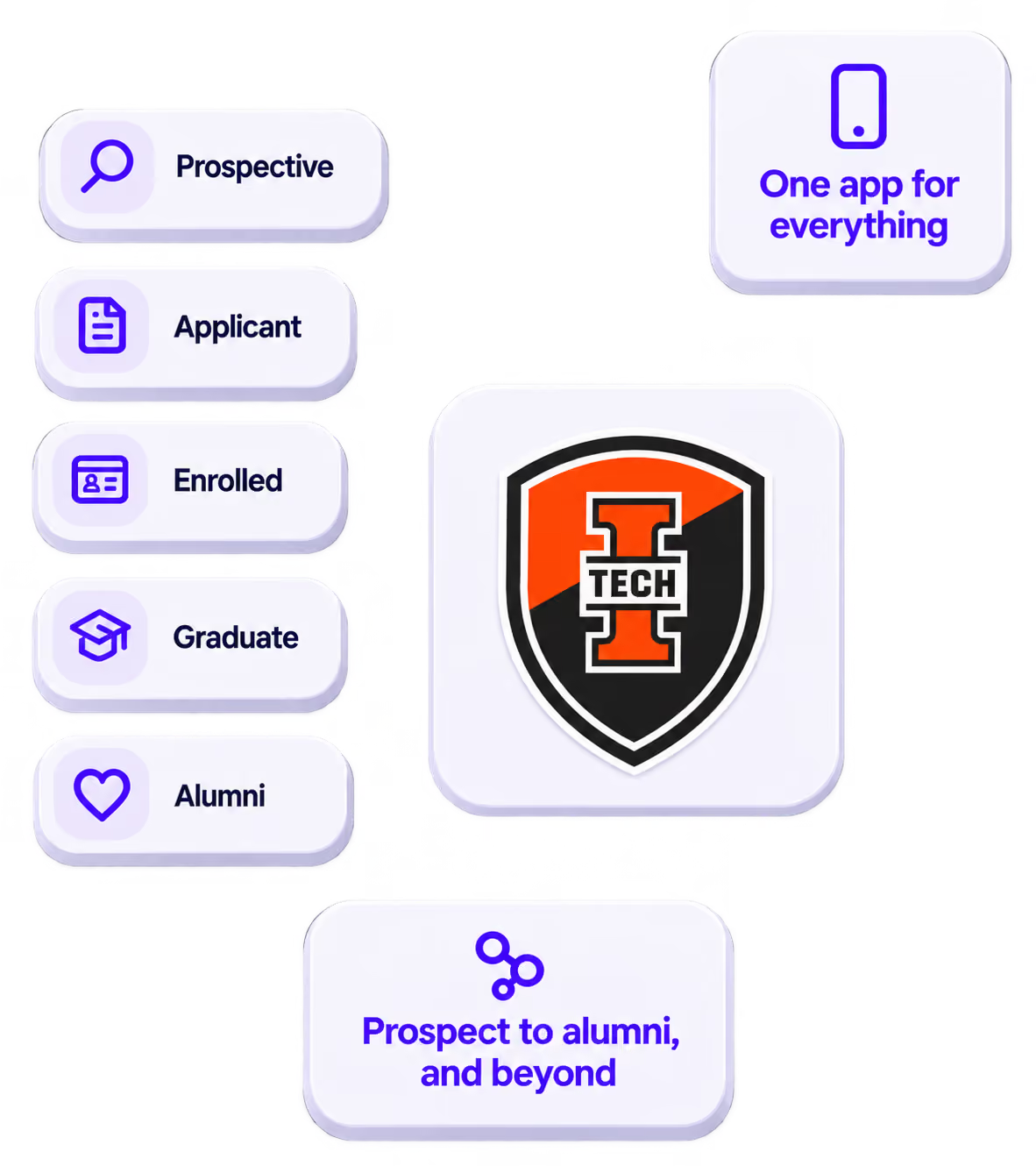
The power of your brand in your app, from first visit to alumni.
Build trust
Attendees download your app, not ours. Your name, colors, and crest in the stores.
.avif)
One place for the whole event
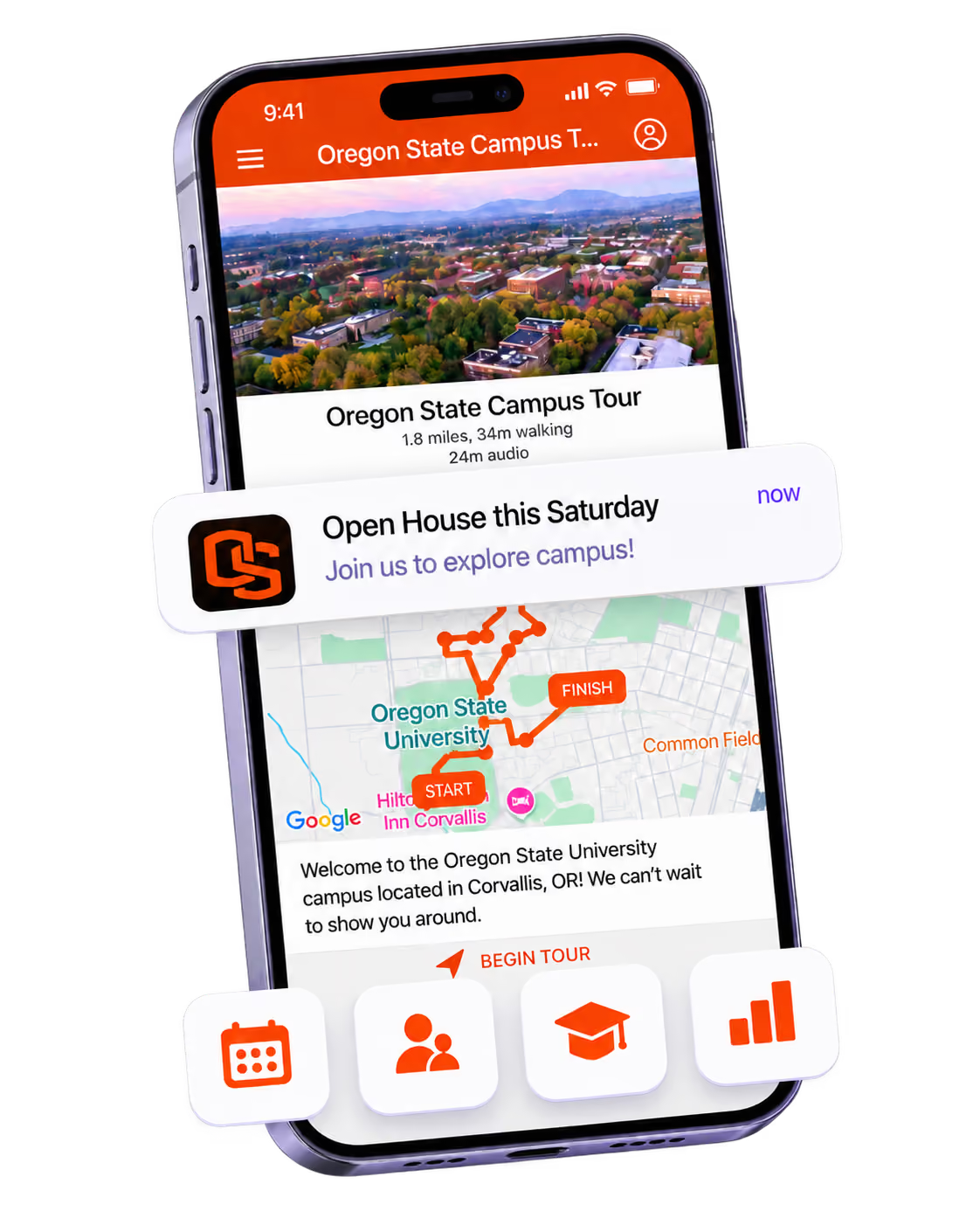
Schedules, maps, registration, and updates in one branded hub - not five tools.
Stand out
A branded app is what people keep on their phone after the printed program is in the recycling.

Get the Mobile App Playbook
A short guide to running the whole student journey in one app. No fluff, just what works.
for higher ed
Campus
Playbook
A practical guide to building a connected campus experience.
Free playbook
The Mobile App Playbook for Universities
Students decide if they belong long before they set foot on campus. This playbook shows how to win them over from the first visit through graduation.
- Grow enrollment and boost recruitment
- Increase belonging and retention
- Run every event from one branded app
By submitting, you agree to our Privacy Policy.
You're in.
.png)