A Smaller School?
Deliver a polished, branded event experience without a large team or a big budget.
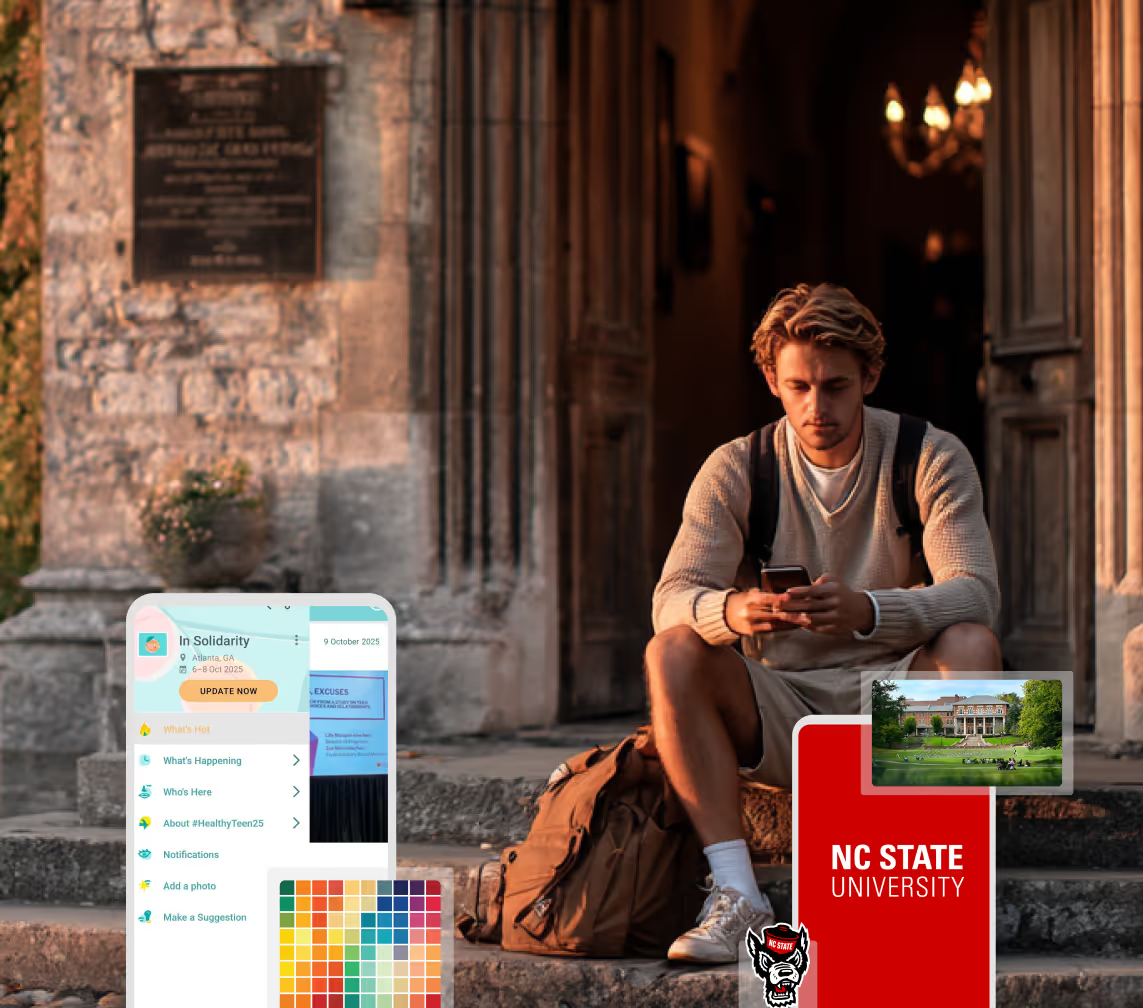
A Smaller School?
Deliver a polished, branded event experience without a large team or a big budget.
Running Family Programs?
Give families everything they need, from schedules and maps to real-time updates, all in one place.
Running Family Programs?
Give families everything they need, from schedules and maps to real-time updates, all in one place.
Coordinating Move-In Day?
Share updates, manage events, and keep students informed from move-in through the academic year.

Coordinating Move-In Day?
Share updates, manage events, and keep students informed from move-in through the academic year.
Offering Campus Tours?
Deliver branded, self-guided tour experiences with interactive maps and rich media, available 24/7.

Offering Campus Tours?
Deliver branded, self-guided tour experiences with interactive maps and rich media, available 24/7.
Organising a Career Fair?
Simplify logistics for students, employers, and Career Services staff with one easy-to-use app.
Organising a Career Fair?
Simplify logistics for students, employers, and Career Services staff with one easy-to-use app.
Managing Alumni Events?
Plan reunions, regional events, and fundraising campaigns with an app built for alumni engagement.
Managing Alumni Events?
Plan reunions, regional events, and fundraising campaigns with an app built for alumni engagement.
Boost Student Engagement
One hub for schedules, resources, and events that keeps students connected throughout the academic year.
Boost Student Engagement
One hub for schedules, resources, and events that keeps students connected throughout the academic year.
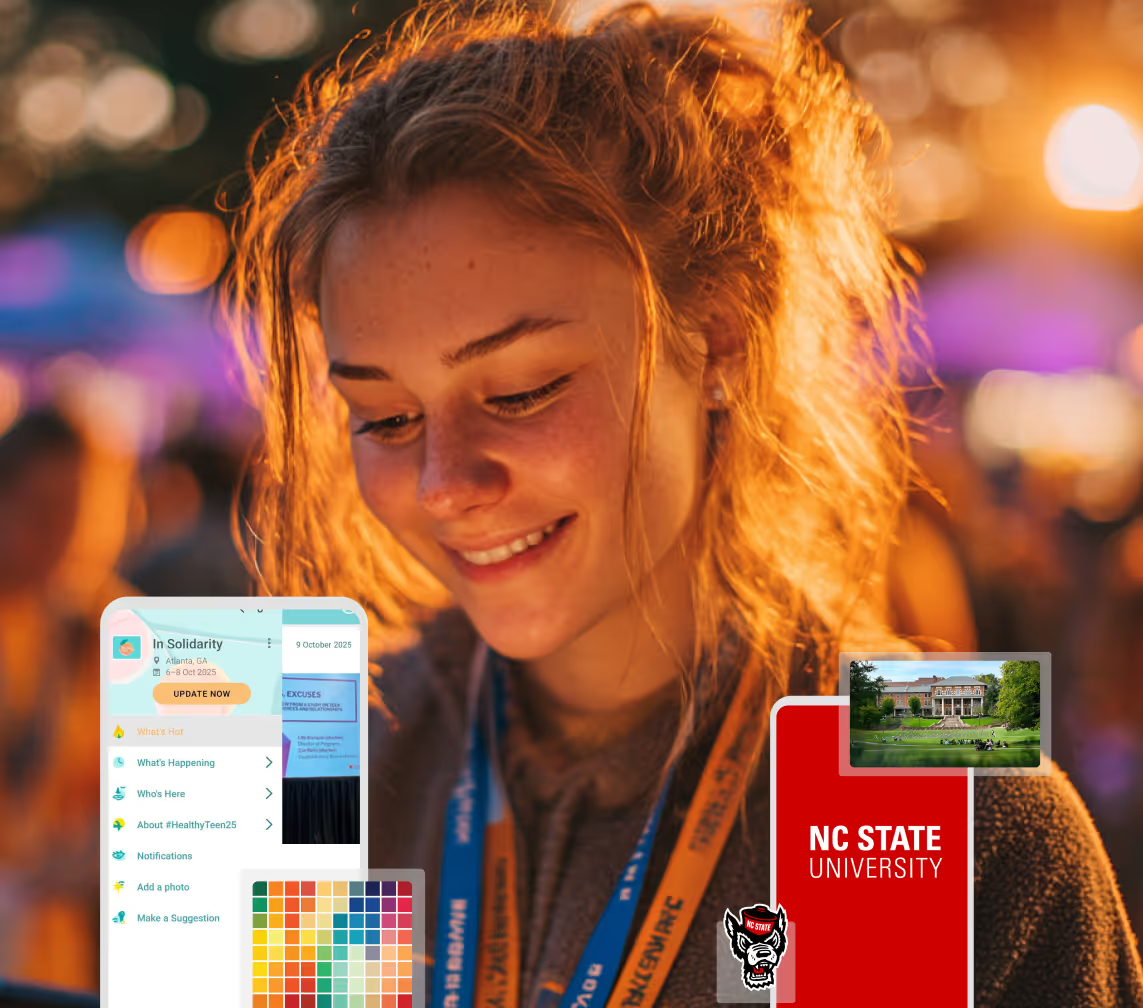
Planning Orientation?
Help new students feel prepared from day one with schedules, campus resources, and real-time updates in one app.
Planning Orientation?
Help new students feel prepared from day one with schedules, campus resources, and real-time updates in one app.
Running Admissions Events?
Manage open houses, tours, and yield events with a branded app that saves time and engages prospective students.

Running Admissions Events?
Manage open houses, tours, and yield events with a branded app that saves time and engages prospective students.
Get a custom Sponsorship Package Template
Stop starting from scratch. Grab free templates that helWe'll build a tailored sponsorship package with suggested pricing, tiers, and benefits..for your specific event.p you build professional sponsorship packages and close deals faster.
Get a custom Sponsorship Package Template
Stop starting from scratch. Grab free templates that helWe'll build a tailored sponsorship package with suggested pricing, tiers, and benefits..for your specific event.p you build professional sponsorship packages and close deals faster.
Plan Your Next Event Without Missing a Beat.
From venue selection to post-event wrap-up, this free checklist walks you through every step (so nothing falls through the cracks).
.avif)
Plan Your Next Event Without Missing a Beat.
From venue selection to post-event wrap-up, this free checklist walks you through every step (so nothing falls through the cracks).
Real Results From Real Events
100,000+ organizations trust Guidebook. See exactly how universities, associations, enterprises, and more put it to work.

Real Results From Real Events
100,000+ organizations trust Guidebook. See exactly how universities, associations, enterprises, and more put it to work.
Flexible pricing for every event size
Find the perfect plan for your needs, from intimate gatherings to large-scale conferences.

Flexible pricing for every event size
Find the perfect plan for your needs, from intimate gatherings to large-scale conferences.
Join our event experts
Watch on-demand webinars and join live sessions with industry leaders sharing best practices for event success.
.avif)
Join our event experts
Watch on-demand webinars and join live sessions with industry leaders sharing best practices for event success.
Guidebook in Action
Book a personalized walkthrough and discover how we help event teams create better attendee experiences.
Guidebook in Action
Book a personalized walkthrough and discover how we help event teams create better attendee experiences.

Trade show software is the digital toolkit that helps exhibitors and organizers plan, manage, and measure every aspect of trade show participation—from booth design to lead capture. It replaces spreadsheets, paper forms, and scattered tools with one unified platform. The right software can transform a chaotic trade show experience into a streamlined, data-driven success.
Here's the thing: trade shows are expensive. Booth space, travel, materials, and staff time add up fast. Without proper software, you're flying blind. You won't know which leads are hot, which conversations matter, or whether your investment paid off. Trade show software gives you visibility and control over every dollar spent.
Key Characteristics of Trade Show Software
- Lead Capture and Management: Collects attendee information through badge scanning, business card capture, or manual entry. Syncs directly with your CRM for immediate follow-up.
- Booth and Floor Plan Management: Lets organizers design layouts and helps exhibitors select, customize, and manage their booth spaces digitally. : Tracks booth traffic, engagement metrics, and lead quality as the event unfolds. No more waiting weeks for reports.
- Appointment Scheduling: Enables pre-show meeting booking between exhibitors and attendees. Maximizes face time with qualified prospects.
- Mobile Accessibility: Works on smartphones and tablets so booth staff can capture leads and access information on the floor.
- Integration Capabilities: Connects with marketing automation, CRM, and event check-in software for seamless data flow.
- ROI Tracking: Calculates return on investment by connecting trade show activities to actual sales outcomes.
Trade Show Software vs. Related Event Technology
Event Management Platforms
- Scope: Covers entire event lifecycle from planning to post-event analysis
- Focus: Overall event coordination and attendee experience
- Timeline: Months of planning through event completion
- Channels: Registration, communication, scheduling, and feedback
- Goal: Successful event execution for all stakeholders
Trade Show Software
- Scope: Exhibitor-focused tools for booth management and lead capture
- Focus: Maximizing exhibitor ROI and lead generation
- Timeline: Pre-show planning through post-show follow-up
- Channels: Booth interactions, badge scanning, and CRM integration
- Goal: Converting booth visitors into qualified sales opportunities
Virtual Event Platforms
- Scope: Online event hosting and engagement
- Focus: Digital attendee experience and virtual networking
- Timeline: Live event duration plus on-demand access
- Channels: Video streaming, chat, and virtual booths
- Goal: Replicating in-person engagement in digital environments
These tools often overlap. Many event management platforms include trade show features. The best approach? Choose software that matches your specific role—whether you're organizing the show or exhibiting at one.
Essential Trade Show Software Features
Lead Capture Tools That Actually Work
Badge scanners are table stakes. Modern trade show software goes further. Look for tools that let you add notes, rate lead quality, and tag interests in real time.
The best systems capture context, not just contact info. Who talked to this person? What products interested them? What's their timeline? This context makes follow-up conversations meaningful.
Pre-Show Planning and Promotion
Smart exhibitors start working before the show opens. Trade show software helps you:
- Identify and invite target attendees
- Schedule meetings in advance
- Promote your booth through event digital marketing
- Coordinate staff schedules and responsibilities
- Track shipping and setup logistics
Interactive Booth Experiences
Static displays don't cut it anymore. Trade show software powers interactive trade show booth experiences that draw crowds and capture attention.
Think touchscreen demos, gamification elements, and digital product catalogs. These tools create memorable moments while collecting valuable engagement data.
The real work starts when the show ends. Your software should answer key questions:
- How many leads did you capture?
- What's the quality breakdown?
- Which staff members performed best?
- How does this show compare to previous events?
- What's your projected event ROI?
How Trade Show Software Works in Practice
Before the Show: Setup and Strategy
Start by importing your target attendee list. Set up lead scoring criteria based on your ideal customer profile. Create custom fields for the information your sales team needs.
Configure your badge scanning settings. Test everything before you ship equipment. Nothing kills momentum like tech problems on day one.
During the Show: Capture and Qualify
Your booth staff scans badges and adds context immediately. Good software makes this fast—under 30 seconds per interaction. Staff can rate leads, add notes, and assign follow-up tasks on the spot.
Managers monitor activity in real time. They can see which team members need support and which booth areas attract the most traffic.
After the Show: Follow-Up and Measure
Leads sync to your CRM automatically. Hot prospects get immediate outreach. The software tracks which leads convert to opportunities and closed deals.
This closed-loop reporting proves trade show value. You'll know exactly what each event costs and returns.
Why Trade Show Software Matters
For Event Success:
- Faster Lead Follow-Up: Automated syncing means sales can call hot leads within hours, not weeks. Speed wins deals.
- Better Booth Staff Performance: Real-time dashboards create healthy competition and accountability among team members.
- Reduced Administrative Burden: No more typing business cards into spreadsheets. Staff focus on conversations, not data entry.
- Improved Attendee Experience: Quick badge scans and scheduled meetings respect everyone's time at busy shows.
- Consistent Brand Presentation: Digital materials ensure every staff member shares accurate, up-to-date information.
For Business Objectives:
- Measurable ROI: Connect trade show investment directly to pipeline and revenue. Justify budgets with data.
- Sales and Marketing Alignment: Shared lead data eliminates finger-pointing and improves collaboration.
- Competitive Intelligence: Track which competitors attendees also visited. Understand your market position.
- Resource Optimization: Data shows which shows deserve bigger investments and which to skip.
- Long-Term Relationship Building: Historical data helps you remember past conversations and build on them.
Platforms like Guidebook help organizations create seamless event experiences that extend beyond the trade show floor. From branded apps to comprehensive event management tools, the right technology transforms how you connect with prospects.
Trade Show Software Best Practices
- Define Lead Scoring Criteria Before the Show: Get sales and marketing aligned on what makes a hot lead. Build these definitions into your software so everyone qualifies consistently.
- Train Your Booth Staff Thoroughly: Practice with the software before the event. Fumbling with technology during conversations kills momentum and credibility.
- Set Daily Lead Goals: Give your team targets. Track progress on a visible dashboard. Celebrate wins and address gaps in real time.
- Capture Context, Not Just Contacts: A name and email aren't enough. Record specific interests, pain points, and next steps for every meaningful conversation.
- Follow Up Within 24 Hours: Speed matters more than perfection. A quick, personalized email beats a polished message sent two weeks later.
- Integrate With Your CRM: Manual data transfer creates delays and errors. Automatic syncing keeps your pipeline accurate and actionable.
- Review Performance Daily: Don't wait until the show ends. Analyze each day's results and adjust your approach for tomorrow.
- Document Lessons Learned: Use your software's reporting to identify what worked. Apply these insights to your next event using solid event management tips.
- Track Long-Term Outcomes: Connect trade show leads to closed deals months later. This data proves value and guides future investments.
- Keep Your Database Clean: Remove duplicates, update contact information, and maintain data quality between shows.
Common Trade Show Software Mistakes
Waiting Until the Last Minute to Set Up: Rushing software configuration leads to missing fields, broken integrations, and frustrated staff. Start setup at least two weeks before the show. Test everything twice.
Ignoring Mobile Optimization: Your booth staff won't carry laptops around the floor. If your software doesn't work smoothly on phones and tablets, it won't get used. Prioritize mobile-first solutions.
Collecting Leads Without Context: A pile of badge scans means nothing without notes. Staff who scan and walk away waste opportunities. Require context fields for every lead captured.
Failing to Integrate With Existing Systems: Standalone trade show data creates silos. When leads don't flow to your CRM automatically, follow-up suffers and ROI becomes impossible to track.
Skipping Staff Training: Even intuitive software requires practice. Untrained staff default to paper and business cards. Invest time in hands-on training before every show.
Not Setting Clear Goals: "Capture lots of leads" isn't a goal. Define specific targets for lead quantity, quality, and follow-up timing. Use your software to track progress against these benchmarks.
Abandoning Data After the Show: Trade show software value extends beyond the event. Use historical data to improve future performance, identify trends, and build long-term relationships.
Final Thoughts
Trade show software isn't optional anymore. It's the difference between hoping your investment pays off and knowing exactly what you got for your money. The best exhibitors treat every show as a data collection opportunity.
The trade show industry continues evolving. Hybrid events, virtual components, and changing attendee expectations demand flexible technology. Software that worked five years ago may not meet today's needs.
Think of trade show software as your competitive advantage. While competitors fumble with business cards and spreadsheets, you're capturing qualified leads and following up before the show ends. That speed and precision wins business.
Ready to transform your trade show results? Explore how Guidebook's event management platform can streamline your next event. Check out our case studies to see real results, or book a demo to see the platform in action. Your next trade show could be your best one yet.
Join 5000+ other
**event planners** today
From Fortune 500s to universities to local nonprofits, teams trust Guidebook to save time, reduce chaos, and delight attendees.
.avif)