
Campus apps by department
Admissions, orientation, student life, and more — one campus app that works across departments.

Campus apps by department
Admissions, orientation, student life, and more — one campus app that works across departments.
Build unlimited event apps on one license
One partnership for unlimited campus events — orientation, tours, student life, and everything in between.
Build unlimited event apps on one license
One partnership for unlimited campus events — orientation, tours, student life, and everything in between.
Compare event app platforms
See how Guidebook stacks up against other event app and registration platforms.
Compare event app platforms
See how Guidebook stacks up against other event app and registration platforms.
Event apps for nonprofit and community programs
Give members, volunteers, and donors one branded app for conferences, fundraisers, and year-round community.
Event apps for nonprofit and community programs
Give members, volunteers, and donors one branded app for conferences, fundraisers, and year-round community.
Campus integrations and an open API
Connect Guidebook with the campus systems, APIs, and tools your team already uses.
Campus integrations and an open API
Connect Guidebook with the campus systems, APIs, and tools your team already uses.
Event apps for corporate and enterprise teams
Internal meetings, offsites, and large-scale corporate events — with the branding and control enterprise teams need.
Event apps for corporate and enterprise teams
Internal meetings, offsites, and large-scale corporate events — with the branding and control enterprise teams need.
Create a branded event app with no coding
Put schedules, maps, resources, and updates in every attendee's pocket — built for campus events and programs.
Create a branded event app with no coding
Put schedules, maps, resources, and updates in every attendee's pocket — built for campus events and programs.
Launch a branded, white-label event app
A white-label event app with your branding, your content, and your attendee experience — no coding required.
Launch a branded, white-label event app
A white-label event app with your branding, your content, and your attendee experience — no coding required.
Everything in the Guidebook platform
Explore the features event teams use to engage attendees before, during, and after the event.
Everything in the Guidebook platform
Explore the features event teams use to engage attendees before, during, and after the event.
One app for in-person and virtual attendees
The same schedule, networking, and updates whether people are in the room or joining remotely.
One app for in-person and virtual attendees
The same schedule, networking, and updates whether people are in the room or joining remotely.
Event apps built for associations
Annual meetings, chapter events, and member engagement — without rebuilding a new app every year.
Event apps built for associations
Annual meetings, chapter events, and member engagement — without rebuilding a new app every year.
A branded event website that matches the app
Promote the event, collect interest, and keep branding consistent from the first click to check-in.
A branded event website that matches the app
Promote the event, collect interest, and keep branding consistent from the first click to check-in.
Plan, run, and measure events on one platform
App, registration, badges, and websites in one workflow — so planning isn't a pile of disconnected tools.
Plan, run, and measure events on one platform
App, registration, badges, and websites in one workflow — so planning isn't a pile of disconnected tools.
Keep members engaged between events
One branded app for the conference and everything that happens the other 51 weeks of the year.
Keep members engaged between events
One branded app for the conference and everything that happens the other 51 weeks of the year.
The conference app attendees actually use
Schedules, maps, networking, and live updates for annual meetings, summits, and multi-day conferences.
The conference app attendees actually use
Schedules, maps, networking, and live updates for annual meetings, summits, and multi-day conferences.
Registration that feeds your app and badges
Collect registrations, payments, and attendee data in the same platform as your event app.
Registration that feeds your app and badges
Collect registrations, payments, and attendee data in the same platform as your event app.
Design and print event badges in one place
Custom badges, QR check-in, and on-site printing — without a separate badge vendor.
Design and print event badges in one place
Custom badges, QR check-in, and on-site printing — without a separate badge vendor.
A Smaller School?
Deliver a polished, branded event experience without a large team or a big budget.
A Smaller School?
Deliver a polished, branded event experience without a large team or a big budget.
Running Family Programs?
Give families everything they need, from schedules and maps to real-time updates, all in one place.
Running Family Programs?
Give families everything they need, from schedules and maps to real-time updates, all in one place.
Coordinating Move-In Day?
Share updates, manage events, and keep students informed from move-in through the academic year.

Coordinating Move-In Day?
Share updates, manage events, and keep students informed from move-in through the academic year.
Offering Campus Tours?
Deliver branded, self-guided tour experiences with interactive maps and rich media, available 24/7.

Offering Campus Tours?
Deliver branded, self-guided tour experiences with interactive maps and rich media, available 24/7.
Organising a Career Fair?
Simplify logistics for students, employers, and Career Services staff with one easy-to-use app.
Organising a Career Fair?
Simplify logistics for students, employers, and Career Services staff with one easy-to-use app.
Managing Alumni Events?
Plan reunions, regional events, and fundraising campaigns with an app built for alumni engagement.
Managing Alumni Events?
Plan reunions, regional events, and fundraising campaigns with an app built for alumni engagement.
Boost Student Engagement
One hub for schedules, resources, and events that keeps students connected throughout the academic year.
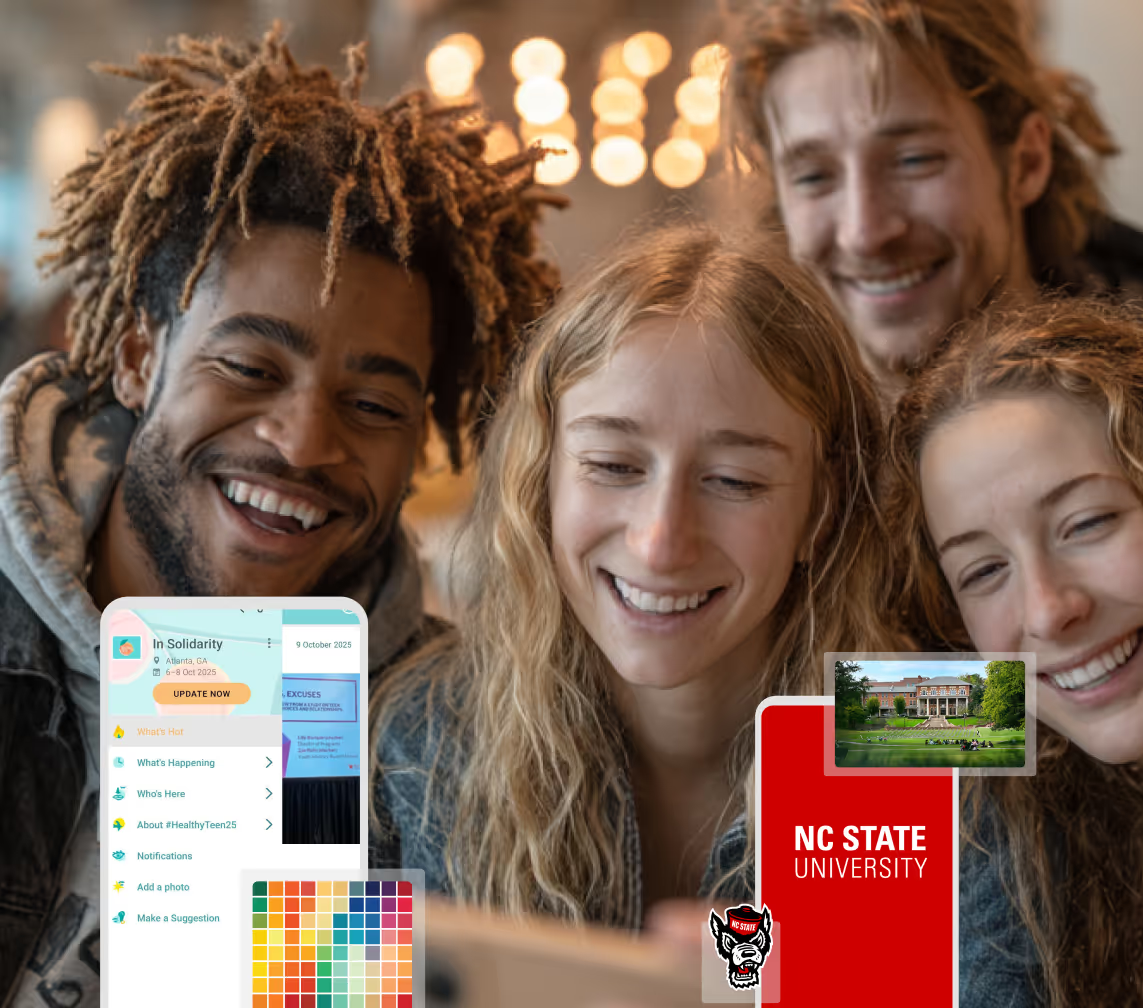
Boost Student Engagement
One hub for schedules, resources, and events that keeps students connected throughout the academic year.
Planning Orientation?
Help new students feel prepared from day one with schedules, campus resources, and real-time updates in one app.
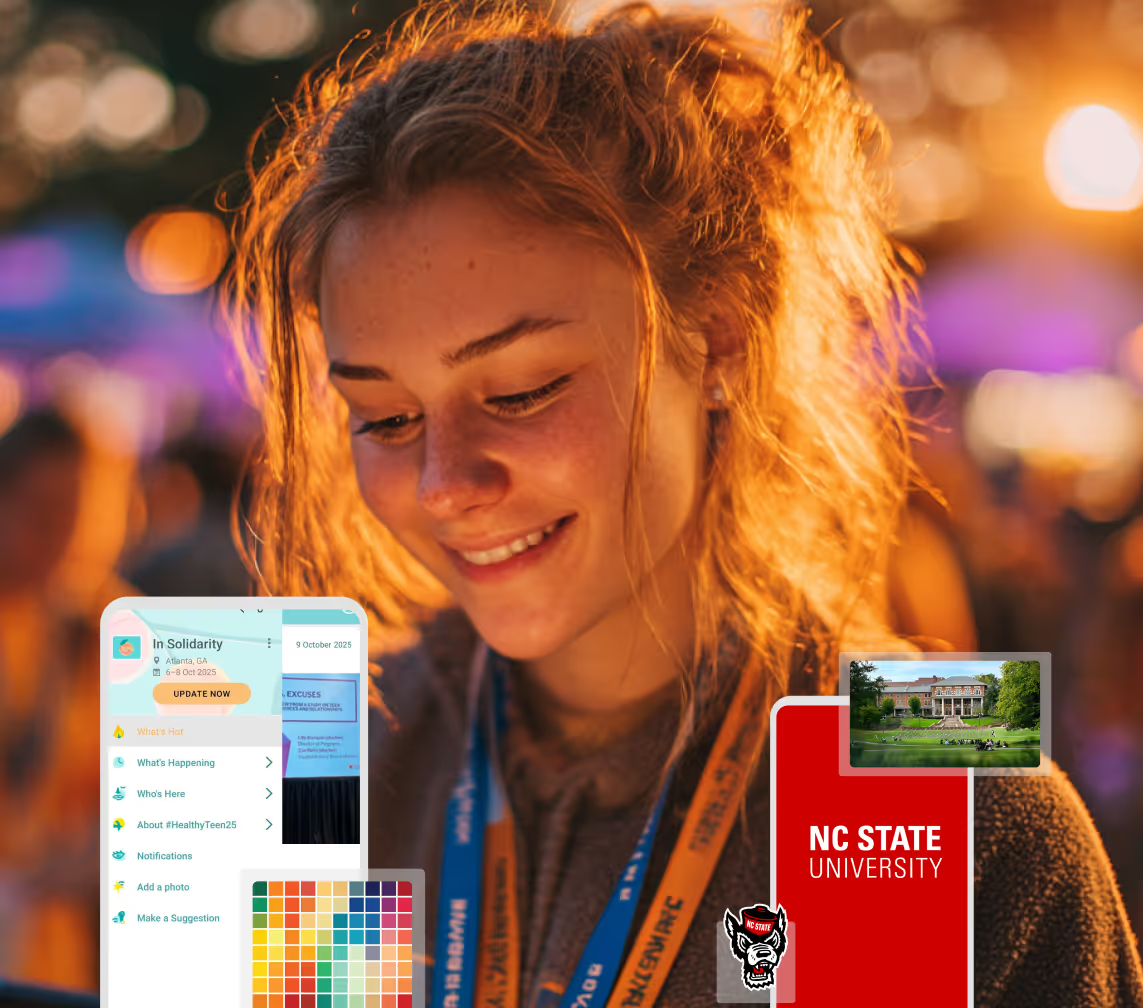
Planning Orientation?
Help new students feel prepared from day one with schedules, campus resources, and real-time updates in one app.
Running Admissions Events?
Manage open houses, tours, and yield events with a branded app that saves time and engages prospective students.

Running Admissions Events?
Manage open houses, tours, and yield events with a branded app that saves time and engages prospective students.
Get a custom Sponsorship Package Template
Stop starting from scratch. Grab free templates that helWe'll build a tailored sponsorship package with suggested pricing, tiers, and benefits..for your specific event.p you build professional sponsorship packages and close deals faster.
Get a custom Sponsorship Package Template
Stop starting from scratch. Grab free templates that helWe'll build a tailored sponsorship package with suggested pricing, tiers, and benefits..for your specific event.p you build professional sponsorship packages and close deals faster.
Plan Your Next Event Without Missing a Beat.
From venue selection to post-event wrap-up, this free checklist walks you through every step (so nothing falls through the cracks).
.avif)
Plan Your Next Event Without Missing a Beat.
From venue selection to post-event wrap-up, this free checklist walks you through every step (so nothing falls through the cracks).
Real Results From Real Events
100,000+ organizations trust Guidebook. See exactly how universities, associations, enterprises, and more put it to work.

Real Results From Real Events
100,000+ organizations trust Guidebook. See exactly how universities, associations, enterprises, and more put it to work.
Flexible pricing for every event size
Find the perfect plan for your needs, from intimate gatherings to large-scale conferences.

Flexible pricing for every event size
Find the perfect plan for your needs, from intimate gatherings to large-scale conferences.
Join our event experts
Watch on-demand webinars and join live sessions with industry leaders sharing best practices for event success.
.avif)
Join our event experts
Watch on-demand webinars and join live sessions with industry leaders sharing best practices for event success.
Guidebook in Action
Book a personalized walkthrough and discover how we help event teams create better attendee experiences.
Guidebook in Action
Book a personalized walkthrough and discover how we help event teams create better attendee experiences.
What is a Symposium?
What is a Symposium? Definition, Purpose & Key Elements | Guidebook
A symposium is a focused academic or professional gathering where experts present research, share insights, and engage in deep discussion on a specific topic. Unlike broad conferences, symposiums zero in on one subject area. They create space for meaningful dialogue that advances knowledge and sparks new ideas.
Here's the thing: the symposium isn't a niche corporate format — it's the native language of campus life. University departments, honors programs, student research offices, and academic affairs teams run them year-round. An undergraduate research showcase, a faculty innovation forum, a student-led colloquium on a pressing social issue — all symposiums. If you work in higher education, you're already in the business of producing them. The question is whether you're getting the full strategic value out of every one.
Key Characteristics of a Symposium
- Narrow Topic Focus: Symposiums explore one specific subject in depth rather than covering broad themes. This allows for nuanced discussion and expert-level insights.
- Expert Presenters: Speakers are typically researchers, scholars, or industry leaders with deep knowledge. They present original work or cutting-edge findings.
- Interactive Format: Unlike passive lectures, symposiums encourage questions, debates, and audience participation. Discussion is built into the agenda.
- Smaller Scale: Most symposiums host 50-200 attendees. This intimate size fosters networking and meaningful connections.
- Academic or Professional Tone: The atmosphere is scholarly and serious. Attendees come to learn, not to be entertained.
- Single-Day or Multi-Day Structure: Many symposiums run one to three days. This concentrated timeframe keeps energy and focus high.
- Published Proceedings: Presentations often become published papers or reports. This extends the symposium's impact beyond the event itself.
Symposium vs. Related Event Types
Conference
- Scope: Covers multiple topics within a broad field or industry
- Focus: Networking, learning, and professional development
- Timeline: Typically 2-5 days with concurrent sessions
- Channels: Keynotes, breakouts, workshops, and exhibitions
- Goal: Connect professionals and share diverse perspectives
Seminar
- Scope: Educational session on a specific skill or topic
- Focus: Teaching and skill-building for attendees
- Timeline: Usually a few hours to one full day
- Channels: Lecture-style presentation with Q&A
- Goal: Transfer knowledge from expert to learners
Workshop
- Scope: Hands-on training session with practical exercises
- Focus: Active learning and skill application
- Timeline: Half-day to two days maximum
- Channels: Group activities, demonstrations, and practice
- Goal: Build specific skills attendees can use immediately
The key difference? Symposiums prioritize discussion and intellectual exchange over teaching or networking. While webinars broadcast information and workshops build skills, symposiums advance collective understanding through expert dialogue.
Essential Symposium Components
Define Your Central Theme
Every successful symposium starts with a clear, compelling theme. This isn't just a topic—it's a question or challenge that needs exploring.
Your theme should be specific enough to attract the right experts. It should also be broad enough to allow diverse perspectives. For example, "Climate Change" is too vague. "Carbon Capture Technologies in Urban Environments" gives speakers and attendees a clear focus.
Curate Your Speaker Lineup
Speakers make or break your symposium. You need experts who can present original research or fresh insights.
Look for diversity in perspectives, not just demographics. Include:
- Established researchers with proven track records
- Rising scholars with innovative approaches — including graduate students and faculty researchers at your own institution
- Industry practitioners who apply theory in real settings
- Contrarian voices who challenge conventional thinking
Design the Discussion Format
Symposiums thrive on interaction. Build discussion time into every session—not just at the end.
Consider formats like panel discussions, roundtables, or fishbowl conversations. These structures get more voices into the room. They also prevent any single speaker from dominating.
Create Networking Opportunities
The hallway conversations at symposiums often matter as much as the formal sessions. Build in breaks, meals, and social events where attendees can connect.
Small group discussions or "birds of a feather" sessions help people find others with shared interests. These connections often lead to future collaborations and research partnerships.
Plan for Knowledge Capture
Great ideas shared at symposiums shouldn't disappear when the event ends. Plan how you'll capture and share insights.
Options include recorded sessions, written proceedings, summary reports, or follow-up publications. This extends your symposium's impact and provides value to those who couldn't attend.
The Symposium Planning Process
Set Your Timeline Early
Academic symposiums need long lead times. Start planning 12-18 months ahead for major events.
This timeline allows for call-for-papers processes, speaker recruitment, and proper promotion. It also gives attendees time to secure travel funding and clear their schedules. Use solid event planning processes to stay on track.
Build Your Planning Committee
Symposiums benefit from diverse planning teams. Include people with different expertise areas and institutional connections.
Your committee should handle:
- Program development and speaker selection — include faculty, honors directors, and student representatives
- Logistics and venue coordination — classroom space, lecture halls, outdoor quads
- Marketing to the right academic communities — departmental listservs, honors program networks, and academic associations
- Funding and budget management — provost office grants, academic department budgets, and external research sponsors
- Technology and event registration — including abstract submission systems for research presentations
Secure Funding and Sponsorships
Most symposiums rely on a mix of registration fees, institutional support, and sponsorships. Start fundraising early.
Academic institutions, professional associations, and industry partners often sponsor symposiums. Create clear sponsorship packages that show the value sponsors receive. A strong sponsorship letter can open doors.
Promote to the Right Audience
Symposium marketing differs from general event marketing. You're targeting a niche audience of experts and serious learners.
Focus on:
- Academic listservs and professional networks
- Relevant journals and publications
- Social media groups in your field
- Direct outreach to key researchers and institutions
Why Symposiums Matter
For Event Success:
- Deep Engagement: Attendees participate actively rather than passively consuming content. This creates memorable experiences.
- Quality Networking: Smaller, focused groups lead to meaningful connections. Attendees meet people who share their specific interests.
- Knowledge Advancement: Symposiums push fields forward by bringing together diverse expert perspectives on focused topics.
- Reputation Building: Hosting a well-run symposium establishes your organization as a thought leader in your field.
- Content Creation: Presentations and discussions generate valuable content for publications, reports, and future marketing.
For Enrollment and Institutional Outcomes:
- Student Retention: Students who present research at a symposium are measurably more engaged with your institution. Engagement drives persistence. Persistence drives retention. The research on this is consistent — and the impact compounds year over year.
- Yield and Enrollment Differentiation: Top admitted students choose schools that show them intellectual vitality, not just nice facilities. A research symposium during an Admitted Student Day or Open House is one of the most powerful yield moments you can create. It answers the question every prospective student is really asking: will I belong here?
- Alumni Giving: The student who presented at your honors symposium becomes the alumnus who gives. The experience of intellectual belonging — of being seen as a scholar, not just a student — is the foundation of donor identity. Symposiums build that identity.
- Faculty Recruitment and Retention: Institutions with active symposium cultures attract research-minded faculty. Better faculty attracts stronger applicants. The flywheel compounds.
- Institutional Reputation: Symposiums produce published proceedings, press coverage, and peer recognition. That reputation influences rankings. Rankings influence enrollment. Every well-run symposium is an investment in next year's admitted class.
Managing symposium logistics shouldn't consume your team. Guidebook helps admissions and orientation teams — and the academic affairs colleagues they partner with — run campus events with a custom-branded mobile app that keeps admitted students, faculty, and families aligned. Less logistics chaos. More time for the intellectual moments that drive enrollment outcomes. See how higher education teams use Guidebook.
Symposium Best Practices
- Start with a Clear Call for Papers: Give potential presenters specific guidelines on topics, formats, and submission deadlines. Clarity attracts better submissions.
- Vet Speakers Thoroughly: Review past presentations, publications, and speaking samples. One weak presenter can drag down an entire session.
- Build in Buffer Time: Academic discussions often run long. Schedule 10-15 minute breaks between sessions to keep things on track.
- Assign Strong Moderators: Good moderators keep discussions focused and ensure all voices get heard. Train them on your expectations.
- Create a Mobile-Friendly Experience: Attendees need easy access to schedules, speaker bios, and session materials. A dedicated event app keeps everything organized.
- Facilitate Pre-Event Connections: Share attendee lists or create online forums before the event. This jumpstarts networking and discussion.
- Record Everything: Capture presentations and discussions for those who can't attend. This also creates valuable content for future use.
- Gather Feedback Immediately: Survey attendees while the experience is fresh. Use insights to improve future symposiums.
- Follow Up with Proceedings: Publish papers, summaries, or recordings within 60 days. This extends your symposium's impact and value.
- Measure Your Event ROI: Track attendance, engagement, and outcomes. Use data to justify future investments and improve planning.
Common Symposium Mistakes
Choosing Too Broad a Topic: When your theme is too general, discussions stay surface-level. Attendees leave without the deep insights they came for. Narrow your focus to enable meaningful exploration.
Overloading the Schedule: Cramming too many presentations into one day exhausts attendees. It also eliminates time for the discussions that make symposiums valuable. Quality beats quantity.
Neglecting Discussion Time: Some organizers treat Q&A as optional filler. This misses the point entirely. Discussion is the heart of a symposium—protect it fiercely.
Ignoring Audience Expertise: Symposium attendees are often experts themselves. Presentations that cover basics or avoid complexity insult their intelligence. Aim high.
Poor Moderator Preparation: Unprepared moderators let discussions wander or let one voice dominate. Brief moderators thoroughly on their role and your expectations.
Skipping the Tech Check: AV failures derail presentations and waste precious time. Test all equipment before sessions begin. Have backup plans ready.
Forgetting Post-Event Follow-Through: The symposium's value extends beyond the event itself. Failing to publish proceedings or share recordings wastes the knowledge generated.
Symposiums in Higher Education
No event format is more native to campus life. Universities run symposiums at every level — from freshman research showcases to faculty innovation forums. And every single one is an opportunity to build the intellectual belonging that retains students, converts admitted students into enrolled ones, and gives alumni a reason to stay connected for decades.
Undergraduate Research Symposiums
When a sophomore stands in front of peers and faculty and explains what they discovered — and why it matters — something changes in them. They stop being a student at your institution and start being a scholar. That shift is exactly what drives retention. Students who feel academically purposeful don't melt over the summer. They show up in the fall, and they tell their friends. Your undergraduate research symposium isn't an extracurricular. It's a retention tool.
Orientation and Welcome Week Programming
The most effective orientation teams use symposium-style sessions to signal academic culture early. A faculty lightning talk, a panel of current students presenting their research, a moderated Q&A with department chairs — this format tells incoming students: this is a place that takes ideas seriously. That message is worth more than a hundred orientation fair flyers.
Admissions and Preview Days
Prospective students who experience a faculty symposium or student research showcase during a campus visit leave with something most schools never give them: a visceral sense of the intellectual culture. That's a yield conversation. Not a talking point — a feeling. And admitted students make deposit decisions based on feelings far more than they'll ever admit. See how Guidebook supports admissions events that create those moments.
Alumni and Donor Symposiums
Reunion weekend doesn't have to be just nostalgia. Institutions that build a symposium into homecoming — alumni presenting career research, faculty showcasing new discoveries, student honorees presenting work — turn homecoming into intellectual homecoming. That's a giving conversation dressed up as an event. Learn how higher ed teams run alumni events with Guidebook.
Final Thoughts
Symposiums represent something special in the event world. They're spaces where experts come together not just to share what they know, but to build new understanding together. That collaborative spirit sets them apart from lectures, conferences, and workshops.
The academic and professional communities increasingly value these focused gatherings. As information overload grows, the chance to dive deep on one topic with fellow experts becomes more precious. Symposiums cut through the noise.
There's something energizing about being in a room full of people who care deeply about the same questions you do. The debates, the "aha" moments, the connections formed over coffee — these experiences stick with attendees long after they return home.
If you're in admissions, orientation, student engagement, or academic affairs, symposiums aren't peripheral. They're some of the most powerful events in your portfolio. They build the intellectual belonging that retains students. They create the yield moments that convert admitted students into enrolled ones. They give alumni a reason to stay connected and give back. The best higher education institutions don't just run symposiums — they run them with intention. Book a demo to see how Guidebook helps your team execute the events that move enrollment numbers, not just fill seats.
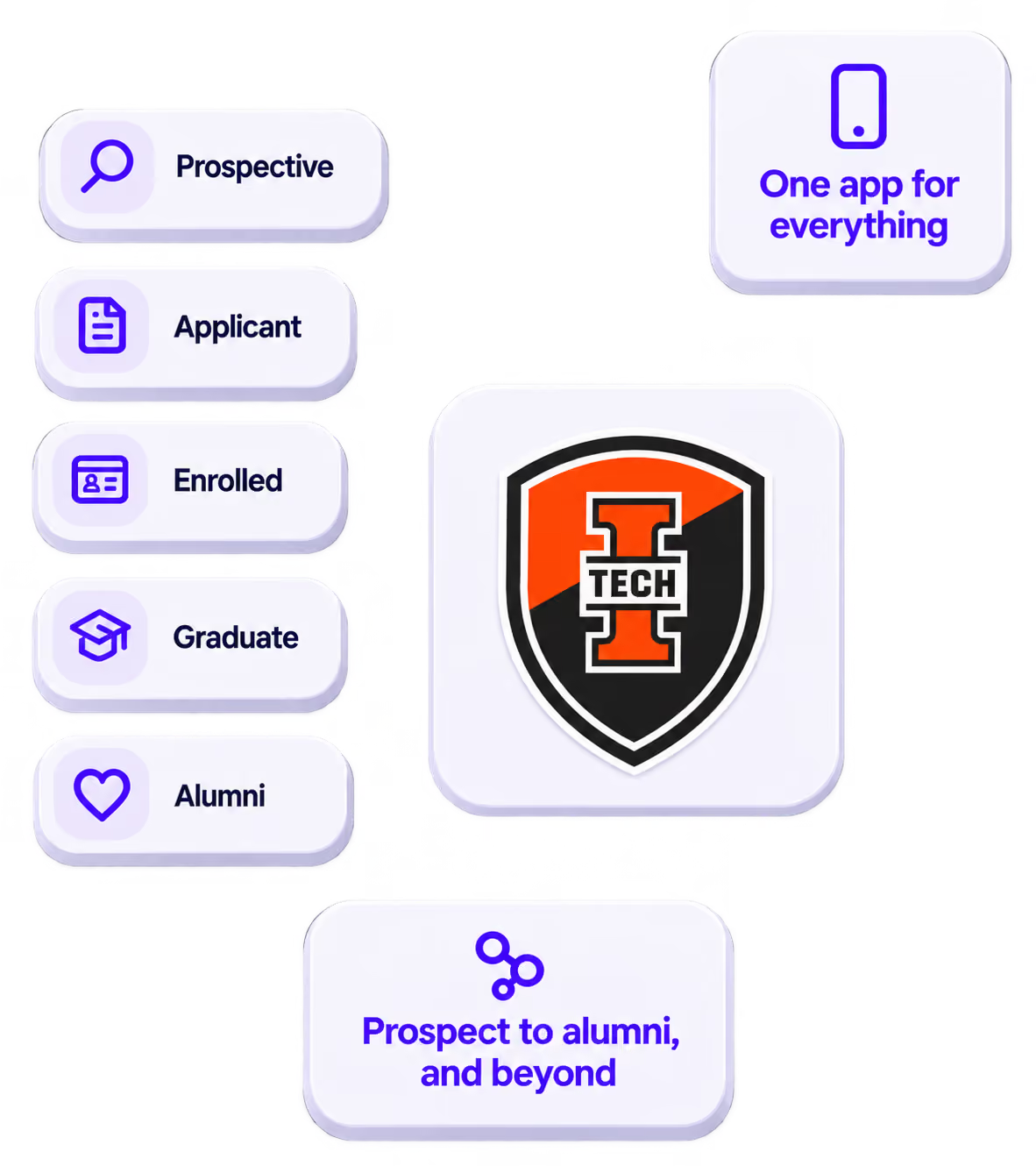
The power of your brand in your app, from first visit to alumni.
Build trust
Attendees download your app, not ours. Your name, colors, and crest in the stores.
.avif)
One place for the whole event
Schedules, maps, registration, and updates in one branded hub - not five tools.
Stand out
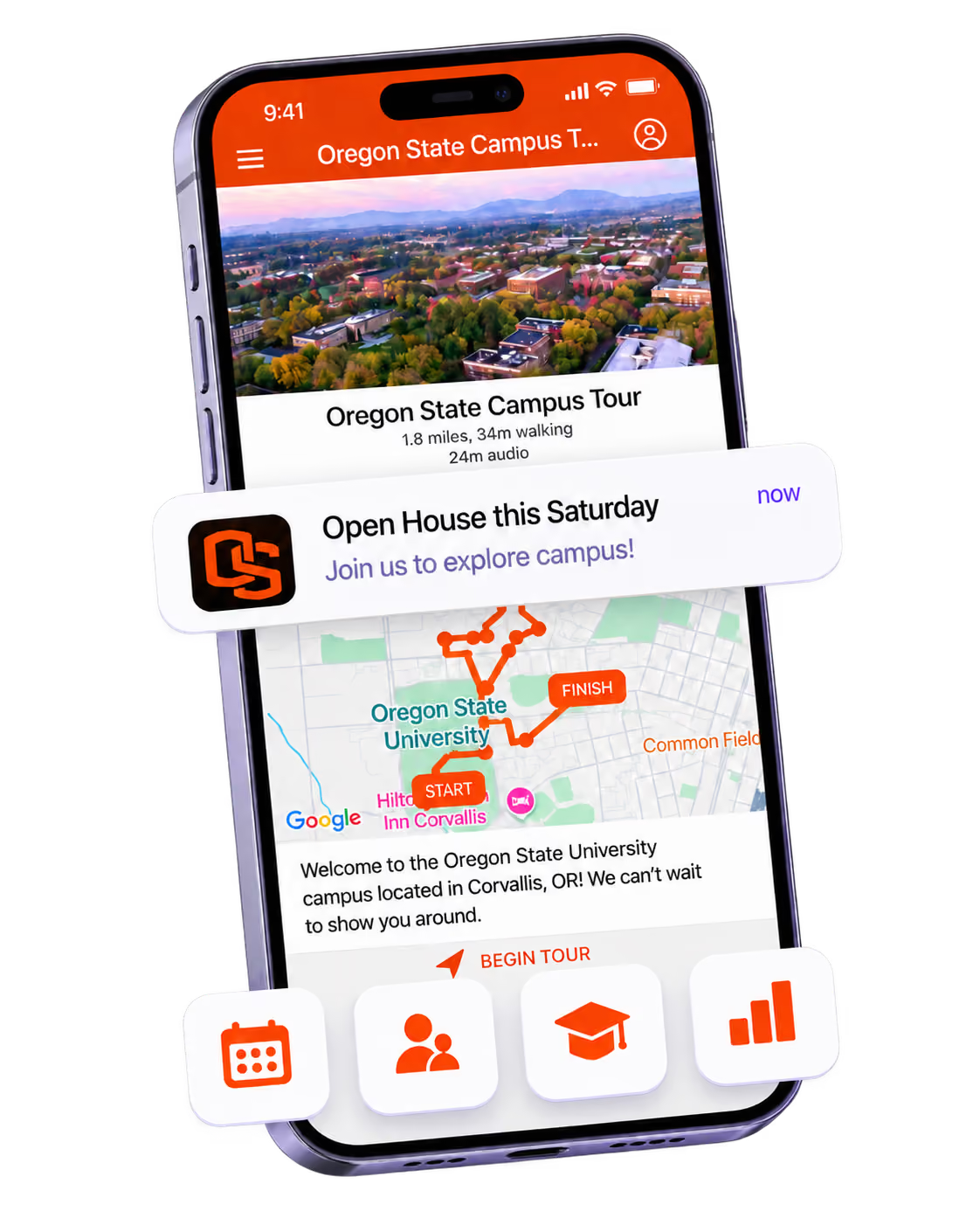
A branded app is what people keep on their phone after the printed program is in the recycling.

Get the Mobile App Playbook
A short guide to running the whole student journey in one app. No fluff, just what works.
for higher ed
Campus
Playbook
A practical guide to building a connected campus experience.
Free playbook
The Mobile App Playbook for Universities
Students decide if they belong long before they set foot on campus. This playbook shows how to win them over from the first visit through graduation.
- Grow enrollment and boost recruitment
- Increase belonging and retention
- Run every event from one branded app
By submitting, you agree to our Privacy Policy.
You're in.
.png)