
Campus apps by department
Admissions, orientation, student life, and more — one campus app that works across departments.

Campus apps by department
Admissions, orientation, student life, and more — one campus app that works across departments.
Build unlimited event apps on one license
One partnership for unlimited campus events — orientation, tours, student life, and everything in between.
Build unlimited event apps on one license
One partnership for unlimited campus events — orientation, tours, student life, and everything in between.
Compare event app platforms
See how Guidebook stacks up against other event app and registration platforms.
Compare event app platforms
See how Guidebook stacks up against other event app and registration platforms.
Event apps for nonprofit and community programs
Give members, volunteers, and donors one branded app for conferences, fundraisers, and year-round community.
Event apps for nonprofit and community programs
Give members, volunteers, and donors one branded app for conferences, fundraisers, and year-round community.
Campus integrations and an open API
Connect Guidebook with the campus systems, APIs, and tools your team already uses.
Campus integrations and an open API
Connect Guidebook with the campus systems, APIs, and tools your team already uses.
Event apps for corporate and enterprise teams
Internal meetings, offsites, and large-scale corporate events — with the branding and control enterprise teams need.
Event apps for corporate and enterprise teams
Internal meetings, offsites, and large-scale corporate events — with the branding and control enterprise teams need.
Create a branded event app with no coding
Put schedules, maps, resources, and updates in every attendee's pocket — built for campus events and programs.
Create a branded event app with no coding
Put schedules, maps, resources, and updates in every attendee's pocket — built for campus events and programs.
Launch a branded, white-label event app
A white-label event app with your branding, your content, and your attendee experience — no coding required.
Launch a branded, white-label event app
A white-label event app with your branding, your content, and your attendee experience — no coding required.
Everything in the Guidebook platform
Explore the features event teams use to engage attendees before, during, and after the event.
Everything in the Guidebook platform
Explore the features event teams use to engage attendees before, during, and after the event.
One app for in-person and virtual attendees
The same schedule, networking, and updates whether people are in the room or joining remotely.
One app for in-person and virtual attendees
The same schedule, networking, and updates whether people are in the room or joining remotely.
Event apps built for associations
Annual meetings, chapter events, and member engagement — without rebuilding a new app every year.
Event apps built for associations
Annual meetings, chapter events, and member engagement — without rebuilding a new app every year.
A branded event website that matches the app
Promote the event, collect interest, and keep branding consistent from the first click to check-in.
A branded event website that matches the app
Promote the event, collect interest, and keep branding consistent from the first click to check-in.
Plan, run, and measure events on one platform
App, registration, badges, and websites in one workflow — so planning isn't a pile of disconnected tools.
Plan, run, and measure events on one platform
App, registration, badges, and websites in one workflow — so planning isn't a pile of disconnected tools.
Keep members engaged between events
One branded app for the conference and everything that happens the other 51 weeks of the year.
Keep members engaged between events
One branded app for the conference and everything that happens the other 51 weeks of the year.
The conference app attendees actually use
Schedules, maps, networking, and live updates for annual meetings, summits, and multi-day conferences.
The conference app attendees actually use
Schedules, maps, networking, and live updates for annual meetings, summits, and multi-day conferences.
Registration that feeds your app and badges
Collect registrations, payments, and attendee data in the same platform as your event app.
Registration that feeds your app and badges
Collect registrations, payments, and attendee data in the same platform as your event app.
Design and print event badges in one place
Custom badges, QR check-in, and on-site printing — without a separate badge vendor.
Design and print event badges in one place
Custom badges, QR check-in, and on-site printing — without a separate badge vendor.
A Smaller School?
Deliver a polished, branded event experience without a large team or a big budget.
A Smaller School?
Deliver a polished, branded event experience without a large team or a big budget.
Running Family Programs?
Give families everything they need, from schedules and maps to real-time updates, all in one place.
Running Family Programs?
Give families everything they need, from schedules and maps to real-time updates, all in one place.
Coordinating Move-In Day?
Share updates, manage events, and keep students informed from move-in through the academic year.

Coordinating Move-In Day?
Share updates, manage events, and keep students informed from move-in through the academic year.
Offering Campus Tours?
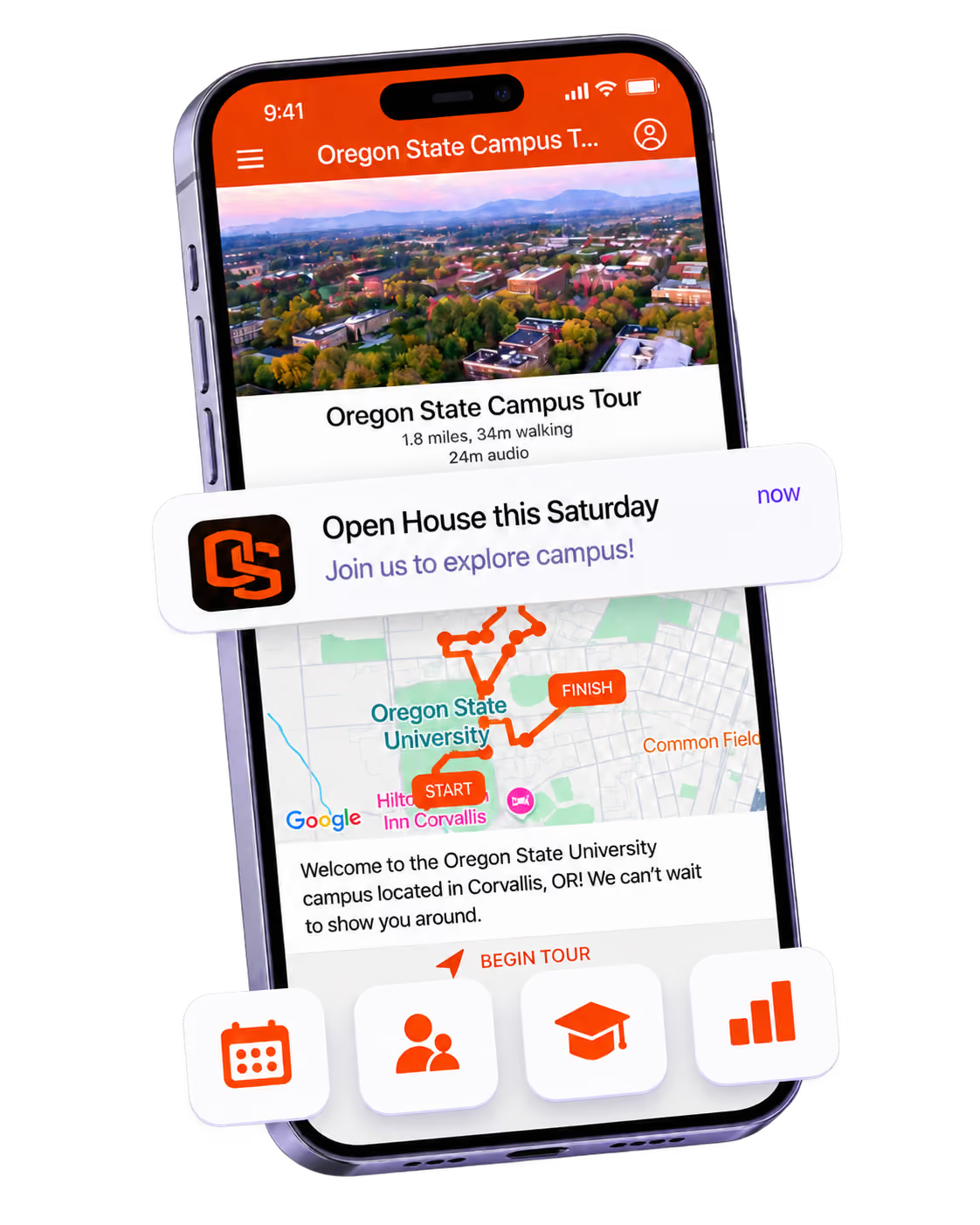
Deliver branded, self-guided tour experiences with interactive maps and rich media, available 24/7.

Offering Campus Tours?
Deliver branded, self-guided tour experiences with interactive maps and rich media, available 24/7.
Organising a Career Fair?
Simplify logistics for students, employers, and Career Services staff with one easy-to-use app.
Organising a Career Fair?
Simplify logistics for students, employers, and Career Services staff with one easy-to-use app.
Managing Alumni Events?
Plan reunions, regional events, and fundraising campaigns with an app built for alumni engagement.
Managing Alumni Events?
Plan reunions, regional events, and fundraising campaigns with an app built for alumni engagement.
Boost Student Engagement
One hub for schedules, resources, and events that keeps students connected throughout the academic year.
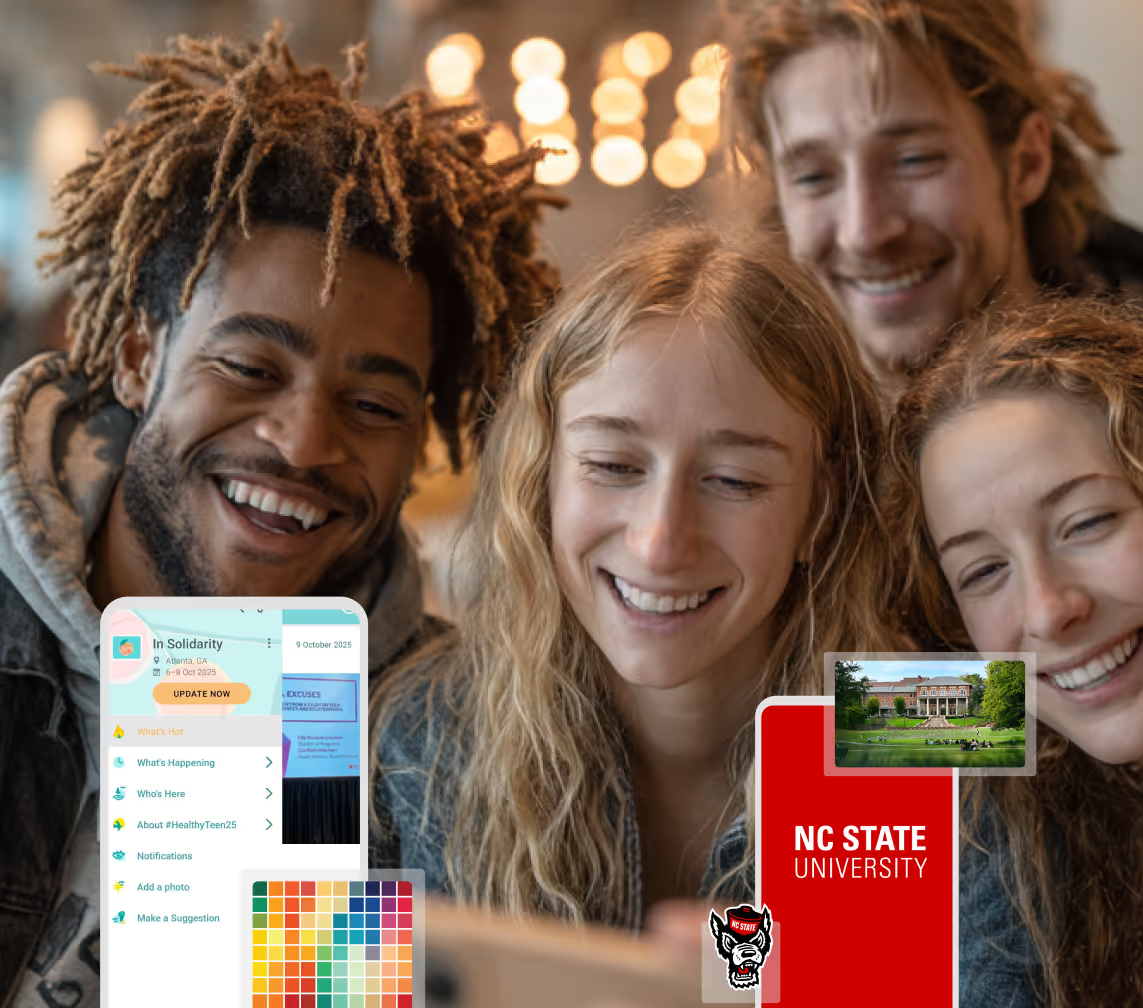
Boost Student Engagement
One hub for schedules, resources, and events that keeps students connected throughout the academic year.
Planning Orientation?
Help new students feel prepared from day one with schedules, campus resources, and real-time updates in one app.
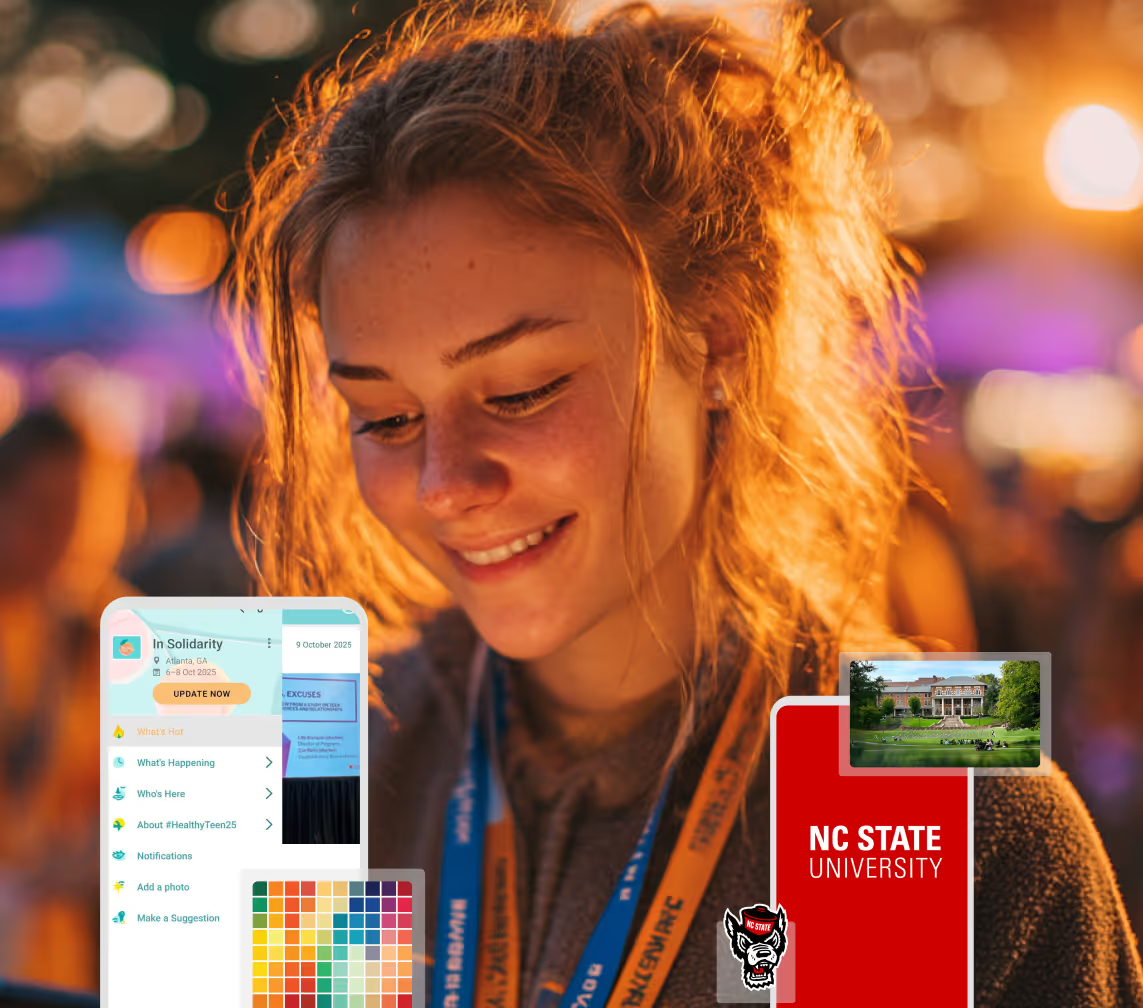
Planning Orientation?
Help new students feel prepared from day one with schedules, campus resources, and real-time updates in one app.
Running Admissions Events?
Manage open houses, tours, and yield events with a branded app that saves time and engages prospective students.

Running Admissions Events?
Manage open houses, tours, and yield events with a branded app that saves time and engages prospective students.
Get a custom Sponsorship Package Template
Stop starting from scratch. Grab free templates that helWe'll build a tailored sponsorship package with suggested pricing, tiers, and benefits..for your specific event.p you build professional sponsorship packages and close deals faster.
Get a custom Sponsorship Package Template
Stop starting from scratch. Grab free templates that helWe'll build a tailored sponsorship package with suggested pricing, tiers, and benefits..for your specific event.p you build professional sponsorship packages and close deals faster.
Plan Your Next Event Without Missing a Beat.
From venue selection to post-event wrap-up, this free checklist walks you through every step (so nothing falls through the cracks).
.avif)
Plan Your Next Event Without Missing a Beat.
From venue selection to post-event wrap-up, this free checklist walks you through every step (so nothing falls through the cracks).
Real Results From Real Events
100,000+ organizations trust Guidebook. See exactly how universities, associations, enterprises, and more put it to work.

Real Results From Real Events
100,000+ organizations trust Guidebook. See exactly how universities, associations, enterprises, and more put it to work.
Flexible pricing for every event size
Find the perfect plan for your needs, from intimate gatherings to large-scale conferences.

Flexible pricing for every event size
Find the perfect plan for your needs, from intimate gatherings to large-scale conferences.
Join our event experts
Watch on-demand webinars and join live sessions with industry leaders sharing best practices for event success.
.avif)
Join our event experts
Watch on-demand webinars and join live sessions with industry leaders sharing best practices for event success.
Guidebook in Action
Book a personalized walkthrough and discover how we help event teams create better attendee experiences.
Guidebook in Action
Book a personalized walkthrough and discover how we help event teams create better attendee experiences.

What is Speed Networking?
Speed networking accelerates professional connections through structured, timed interactions. Discover event formats, best practices, and tips for maximizing results.

Speed networking is the fast-paced, structured approach to professional introductions that helps attendees make dozens of meaningful connections in under an hour. Think of it as the event world's answer to efficiency. Participants rotate through brief, timed conversations—typically 3-5 minutes each—before moving to the next person. It's become a staple at conferences, trade shows, and professional meetups worldwide.
Here's the thing: traditional networking often leaves attendees standing awkwardly by the coffee station. Speed networking fixes that. Everyone gets equal face time. Introverts don't get overlooked. And nobody wastes 20 minutes trapped in a conversation that's going nowhere. The format creates a level playing field where connections happen by design, not by chance.
Key Characteristics of Speed Networking
- Timed Rotations: Each conversation runs 3-5 minutes before a signal prompts participants to switch. This keeps energy high and ensures everyone meets multiple people.
- Structured Format: Organizers assign seating arrangements or rotation patterns. Participants don't choose who they meet—the system does.
- Equal Opportunity: Every attendee gets the same amount of face time with potential connections. No one dominates the room.
- Facilitated Introductions: A moderator guides the session, announces rotations, and keeps things moving smoothly.
- Goal-Oriented Conversations: Participants come prepared with elevator pitches and specific objectives. Small talk takes a backseat to substance.
- Contact Exchange Built-In: Most formats include time for swapping business cards or digital contact info before rotating.
- Scalable Design: Works for groups of 20 or 200. The format adapts to fit your event planning needs.
Speed Networking vs. Traditional Networking
Traditional Networking
- Scope: Unstructured mingling during breaks, receptions, or social hours
- Focus: Organic conversations that develop naturally over time
- Timeline: Open-ended; conversations last as long as participants want
- Channels: Cocktail hours, coffee breaks, hallway conversations
- Goal: Building deeper relationships with fewer people
Speed Networking
- Scope: Structured sessions with predetermined rotation schedules
- Focus: Quick introductions and initial connection-building
- Timeline: Fixed 3-5 minute intervals with mandatory rotations
- Channels: Dedicated sessions, often in conference rooms with table setups
- Goal: Meeting maximum people in minimum time
Smart event planners use both approaches. Speed networking creates initial touchpoints. Traditional networking deepens those connections later. Together, they give attendees the best of both worlds.
How Speed Networking Works
Pre-Session Setup and Planning
Great speed networking starts before anyone enters the room. You'll need to determine your rotation format—round-robin, station-based, or random matching.
Consider your space requirements carefully. Most formats need tables arranged in rows or circles. Each participant needs a seat and enough room to move quickly between rotations. Using event check-in software helps track who's participating.
Participant Preparation and Briefing
Send attendees a heads-up before the session. Let them know:
- How long each rotation lasts
- What to bring (business cards, phone for contact exchange)
- Tips for crafting a quick elevator pitch
- The session's specific focus or theme
A 5-minute briefing at the start sets expectations. Explain the rules, demonstrate the rotation pattern, and answer questions before the timer starts.
Running the Live Session
The facilitator controls everything. They start the timer, announce rotations, and keep energy levels up. A clear audio signal—bell, buzzer, or music—marks each transition.
Watch for stragglers during rotations. Some conversations naturally want to continue. Gentle reminders keep the schedule on track. Most sessions run 45-60 minutes total, allowing 10-15 individual meetings per person.
Post-Session Follow-Up
The real value comes after the session ends. Encourage participants to:
- Review their notes immediately
- Send follow-up emails within 24 hours
- Connect on LinkedIn while faces are fresh
- Schedule deeper conversations with promising contacts
Consider using your event management platform to facilitate digital contact sharing and follow-up reminders.
Types of Speed Networking Formats
Classic Round-Robin Style
The original format. Participants sit in two rows facing each other. After each rotation, one row shifts down one seat. Simple, effective, and easy to manage.
This works best for groups under 50. Everyone meets everyone else on the opposite row. It's predictable and ensures equal distribution of conversations.
Station-Based Networking
Participants rotate through themed stations. Each station might focus on a specific industry, topic, or goal. This format works well for larger events with diverse attendee interests.
For example, a team building event might have stations for different departments. A career fair could organize stations by industry sector.
Virtual Speed Networking
The pandemic pushed speed networking online—and it stuck. Virtual events use breakout rooms that automatically rotate participants. The format translates surprisingly well to video calls.
Key differences for virtual sessions:
- Slightly longer rotations (5-7 minutes) to account for tech transitions
- Built-in chat features for contact exchange
- Screen sharing for visual introductions
- Recording options for follow-up reference
Hybrid Speed Networking
Mixing in-person and virtual participants requires extra planning. Some organizers dedicate specific rotations to cross-format meetings. Others run parallel sessions that connect at designated times.
Your virtual event planning strategy should address how remote and in-person attendees will interact meaningfully.
Why Speed Networking Matters
For Event Success:
- Higher Engagement Scores: Attendees rate events with speed networking significantly higher for networking value
- Increased Attendance: Networking opportunities drive registration decisions—speed networking delivers guaranteed connections
- Better Time Utilization: Pack more value into shorter time blocks, improving your overall event planning process
- Memorable Experiences: The format creates energy and excitement that attendees remember and talk about
- Inclusive Participation: Everyone networks equally, regardless of personality type or social confidence
For Business Objectives:
- Lead Generation: Sales teams meet more prospects in one hour than a full day of traditional networking
- Partnership Development: Structured introductions surface collaboration opportunities faster
- Talent Acquisition: Recruiters screen more candidates efficiently at hiring events
- Member Retention: Association members cite networking as a top membership benefit
- Measurable Event ROI: Track connections made, follow-ups scheduled, and deals closed
Guidebook's platform helps event organizers manage speed networking logistics seamlessly. From participant matching to digital contact exchange, the right tools make execution effortless.
Speed Networking Best Practices
- Set Clear Time Limits: Stick to 3-5 minute rotations. Longer sessions lose energy. Shorter ones feel rushed. Test your timing during rehearsal.
- Provide Conversation Starters: Give participants suggested questions or topics. This helps shy attendees and keeps conversations productive.
- Use Visible Timers: Display countdown clocks where everyone can see them. This reduces anxiety about time management and keeps rotations smooth.
- Match Strategically When Possible: Use registration data to pair complementary participants. A vendor meeting only other vendors wastes everyone's time.
- Create Comfortable Transitions: Play upbeat music during rotations. It fills awkward silence and signals movement without shouting.
- Offer Note-Taking Tools: Provide cards or digital forms for jotting quick notes about each conversation. Details fade fast after 15 meetings.
- Schedule Follow-Up Time: Build in 15-20 minutes after the session for participants to reconnect with promising contacts immediately.
- Brief Your Facilitator Thoroughly: The moderator sets the tone. They need to be energetic, clear, and comfortable redirecting off-track participants.
- Test Your Tech: Timers, bells, microphones—check everything twice. Technical glitches kill momentum instantly.
- Gather Feedback: Use your event debrief template to capture what worked and what didn't for next time.
Common Speed Networking Mistakes
Overcrowding Sessions: Cramming too many participants into one session creates chaos. Rotations take longer, noise levels spike, and quality suffers. Cap sessions at 40-50 people for optimal results.
Skipping the Briefing: Jumping straight into rotations without explaining the format confuses first-timers. Spend five minutes on rules and expectations. It saves twenty minutes of mid-session questions.
Ignoring Room Acoustics: Forty simultaneous conversations get loud. Choose spaces with sound absorption or spread tables farther apart. Nobody connects when they're shouting.
Forgetting Accessibility: Not everyone can move quickly between stations. Plan for mobility needs, hearing accommodations, and virtual participation options.
Mismatched Participant Goals: Mixing job seekers with vendors with investors creates awkward conversations. Segment sessions by objective when possible, or clearly communicate the session's focus.
No Follow-Up Support: The session ends and participants scatter with pockets full of business cards. Provide digital tools for contact management and follow-up reminders through your event digital marketing channels.
Rigid Timing Without Flexibility: Sometimes magic happens in a conversation. Build in one or two "free choice" rotations where participants can return to someone they clicked with.
Final Thoughts
Speed networking transforms passive attendees into active connectors. It's one of the most reliable ways to deliver tangible networking value at any event. When done right, participants leave with a stack of new contacts and genuine excitement about follow-up conversations.
The format continues evolving with technology. AI-powered matching, digital business cards, and integrated CRM tools make speed networking smarter every year. Staying current with event trends helps you deliver cutting-edge experiences.
Don't let networking be an afterthought at your next event. Whether you're planning a women in business conference, an association annual meeting, or a corporate summit, speed networking deserves a spot on your agenda.
Ready to level up your event's networking game? Explore Guidebook's event management platform to see how easy speed networking can be. Check out our case studies for inspiration, or book a demo to see the platform in action. Your attendees will thank you—probably during their very first rotation.
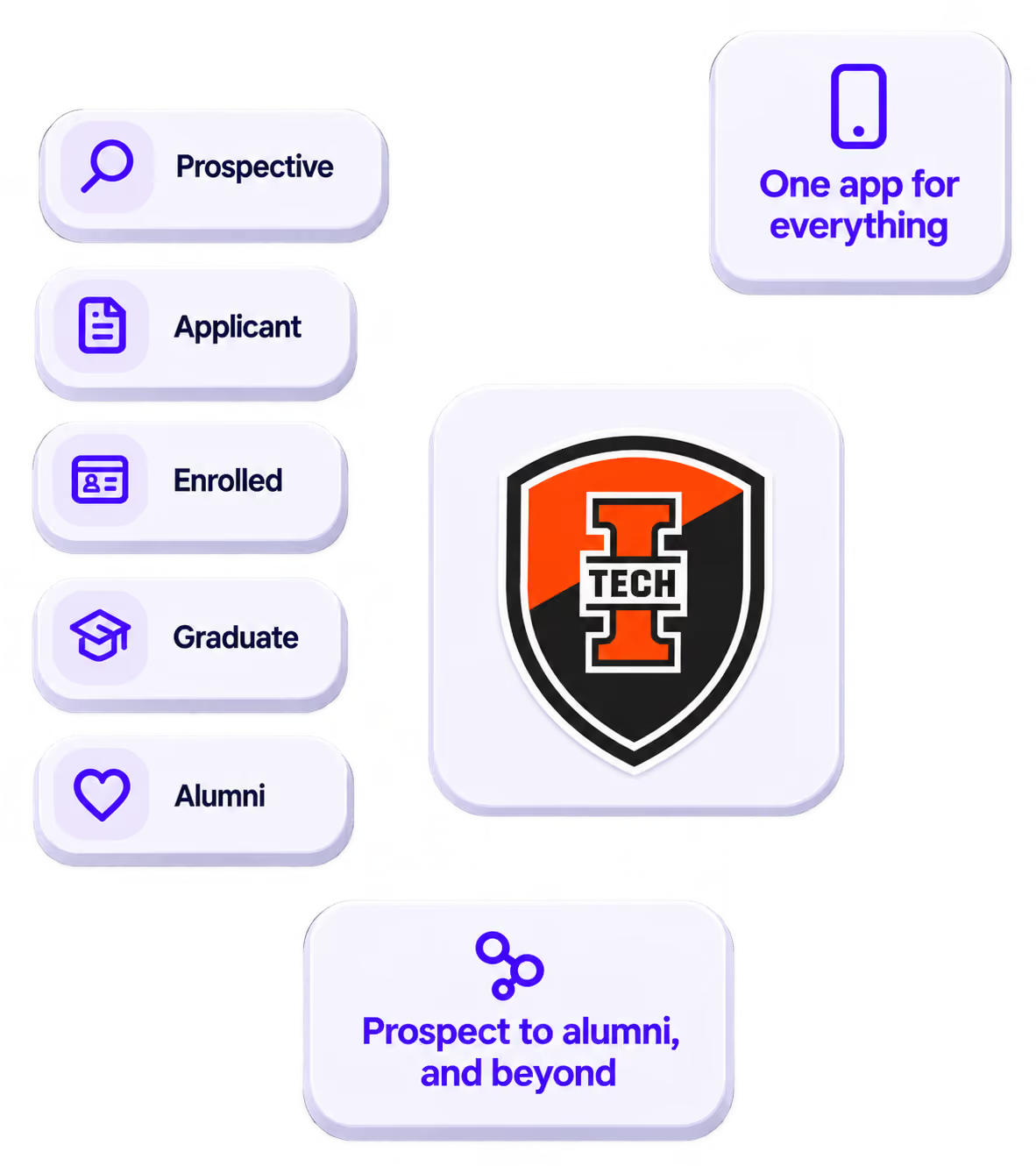
The power of your brand in your app, from first visit to alumni.
Build trust
Attendees download your app, not ours. Your name, colors, and crest in the stores.
.avif)
One place for the whole event
Schedules, maps, registration, and updates in one branded hub - not five tools.
Stand out
A branded app is what people keep on their phone after the printed program is in the recycling.

Get the Mobile App Playbook
A short guide to running the whole student journey in one app. No fluff, just what works.
for higher ed
Campus
Playbook
A practical guide to building a connected campus experience.
Free playbook
The Mobile App Playbook for Universities
Students decide if they belong long before they set foot on campus. This playbook shows how to win them over from the first visit through graduation.
- Grow enrollment and boost recruitment
- Increase belonging and retention
- Run every event from one branded app
By submitting, you agree to our Privacy Policy.
You're in.
.png)