
Campus apps by department
Admissions, orientation, student life, and more — one campus app that works across departments.

Campus apps by department
Admissions, orientation, student life, and more — one campus app that works across departments.
Build unlimited event apps on one license
One partnership for unlimited campus events — orientation, tours, student life, and everything in between.
Build unlimited event apps on one license
One partnership for unlimited campus events — orientation, tours, student life, and everything in between.
Compare event app platforms
See how Guidebook stacks up against other event app and registration platforms.
Compare event app platforms
See how Guidebook stacks up against other event app and registration platforms.
Event apps for nonprofit and community programs
Give members, volunteers, and donors one branded app for conferences, fundraisers, and year-round community.
Event apps for nonprofit and community programs
Give members, volunteers, and donors one branded app for conferences, fundraisers, and year-round community.
Campus integrations and an open API
Connect Guidebook with the campus systems, APIs, and tools your team already uses.
Campus integrations and an open API
Connect Guidebook with the campus systems, APIs, and tools your team already uses.
Event apps for corporate and enterprise teams
Internal meetings, offsites, and large-scale corporate events — with the branding and control enterprise teams need.
Event apps for corporate and enterprise teams
Internal meetings, offsites, and large-scale corporate events — with the branding and control enterprise teams need.
Create a branded event app with no coding
Put schedules, maps, resources, and updates in every attendee's pocket — built for campus events and programs.
Create a branded event app with no coding
Put schedules, maps, resources, and updates in every attendee's pocket — built for campus events and programs.
Launch a branded, white-label event app
A white-label event app with your branding, your content, and your attendee experience — no coding required.
Launch a branded, white-label event app
A white-label event app with your branding, your content, and your attendee experience — no coding required.
Everything in the Guidebook platform
Explore the features event teams use to engage attendees before, during, and after the event.
Everything in the Guidebook platform
Explore the features event teams use to engage attendees before, during, and after the event.
One app for in-person and virtual attendees
The same schedule, networking, and updates whether people are in the room or joining remotely.
One app for in-person and virtual attendees
The same schedule, networking, and updates whether people are in the room or joining remotely.
Event apps built for associations
Annual meetings, chapter events, and member engagement — without rebuilding a new app every year.
Event apps built for associations
Annual meetings, chapter events, and member engagement — without rebuilding a new app every year.
A branded event website that matches the app
Promote the event, collect interest, and keep branding consistent from the first click to check-in.
A branded event website that matches the app
Promote the event, collect interest, and keep branding consistent from the first click to check-in.
Plan, run, and measure events on one platform
App, registration, badges, and websites in one workflow — so planning isn't a pile of disconnected tools.
Plan, run, and measure events on one platform
App, registration, badges, and websites in one workflow — so planning isn't a pile of disconnected tools.
Keep members engaged between events
One branded app for the conference and everything that happens the other 51 weeks of the year.
Keep members engaged between events
One branded app for the conference and everything that happens the other 51 weeks of the year.
The conference app attendees actually use
Schedules, maps, networking, and live updates for annual meetings, summits, and multi-day conferences.
The conference app attendees actually use
Schedules, maps, networking, and live updates for annual meetings, summits, and multi-day conferences.
Registration that feeds your app and badges
Collect registrations, payments, and attendee data in the same platform as your event app.
Registration that feeds your app and badges
Collect registrations, payments, and attendee data in the same platform as your event app.
Design and print event badges in one place
Custom badges, QR check-in, and on-site printing — without a separate badge vendor.
Design and print event badges in one place
Custom badges, QR check-in, and on-site printing — without a separate badge vendor.
A Smaller School?
Deliver a polished, branded event experience without a large team or a big budget.
A Smaller School?
Deliver a polished, branded event experience without a large team or a big budget.
Running Family Programs?
Give families everything they need, from schedules and maps to real-time updates, all in one place.
Running Family Programs?
Give families everything they need, from schedules and maps to real-time updates, all in one place.
Coordinating Move-In Day?
Share updates, manage events, and keep students informed from move-in through the academic year.

Coordinating Move-In Day?
Share updates, manage events, and keep students informed from move-in through the academic year.
Offering Campus Tours?
Deliver branded, self-guided tour experiences with interactive maps and rich media, available 24/7.

Offering Campus Tours?
Deliver branded, self-guided tour experiences with interactive maps and rich media, available 24/7.
Organising a Career Fair?
Simplify logistics for students, employers, and Career Services staff with one easy-to-use app.
Organising a Career Fair?
Simplify logistics for students, employers, and Career Services staff with one easy-to-use app.
Managing Alumni Events?
Plan reunions, regional events, and fundraising campaigns with an app built for alumni engagement.
Managing Alumni Events?
Plan reunions, regional events, and fundraising campaigns with an app built for alumni engagement.
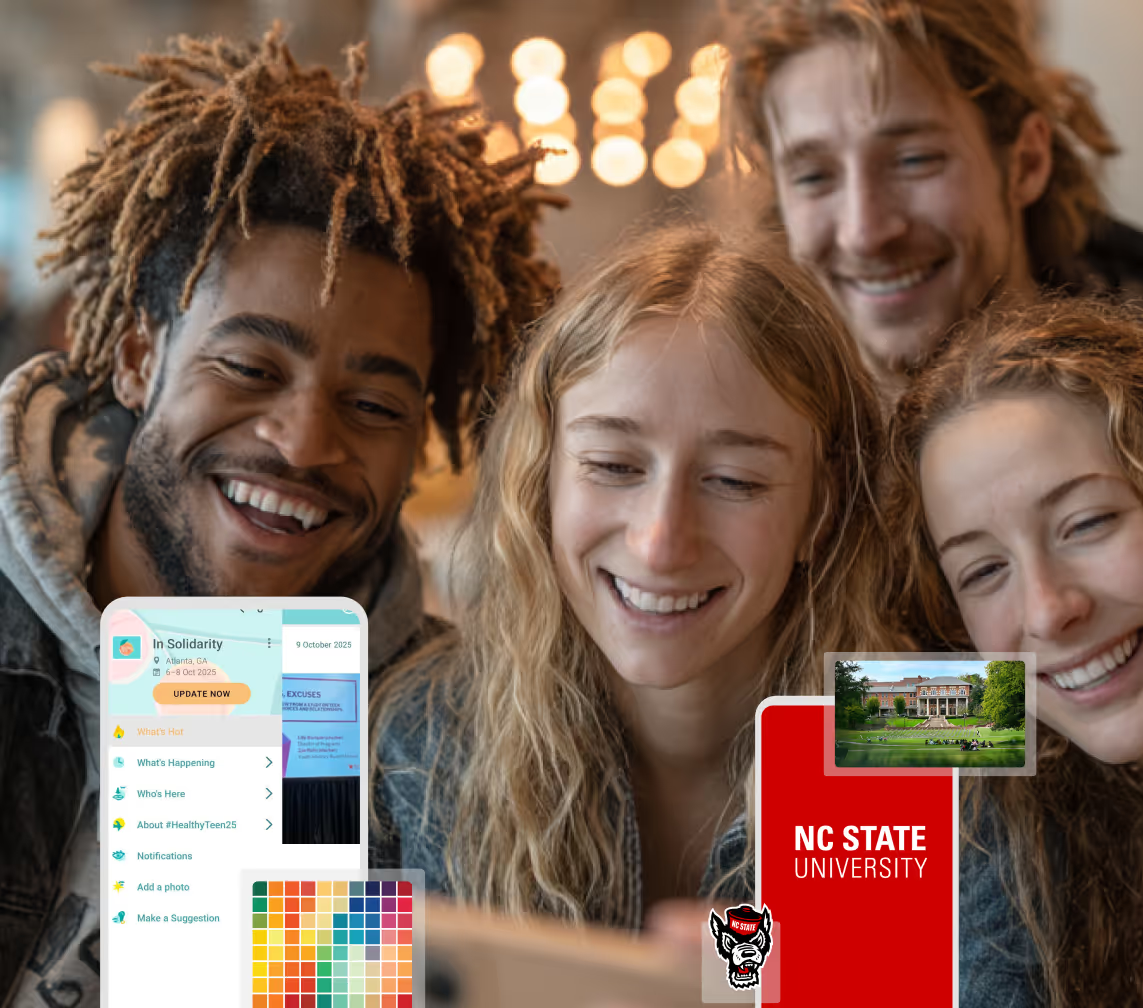
Boost Student Engagement
One hub for schedules, resources, and events that keeps students connected throughout the academic year.
Boost Student Engagement
One hub for schedules, resources, and events that keeps students connected throughout the academic year.
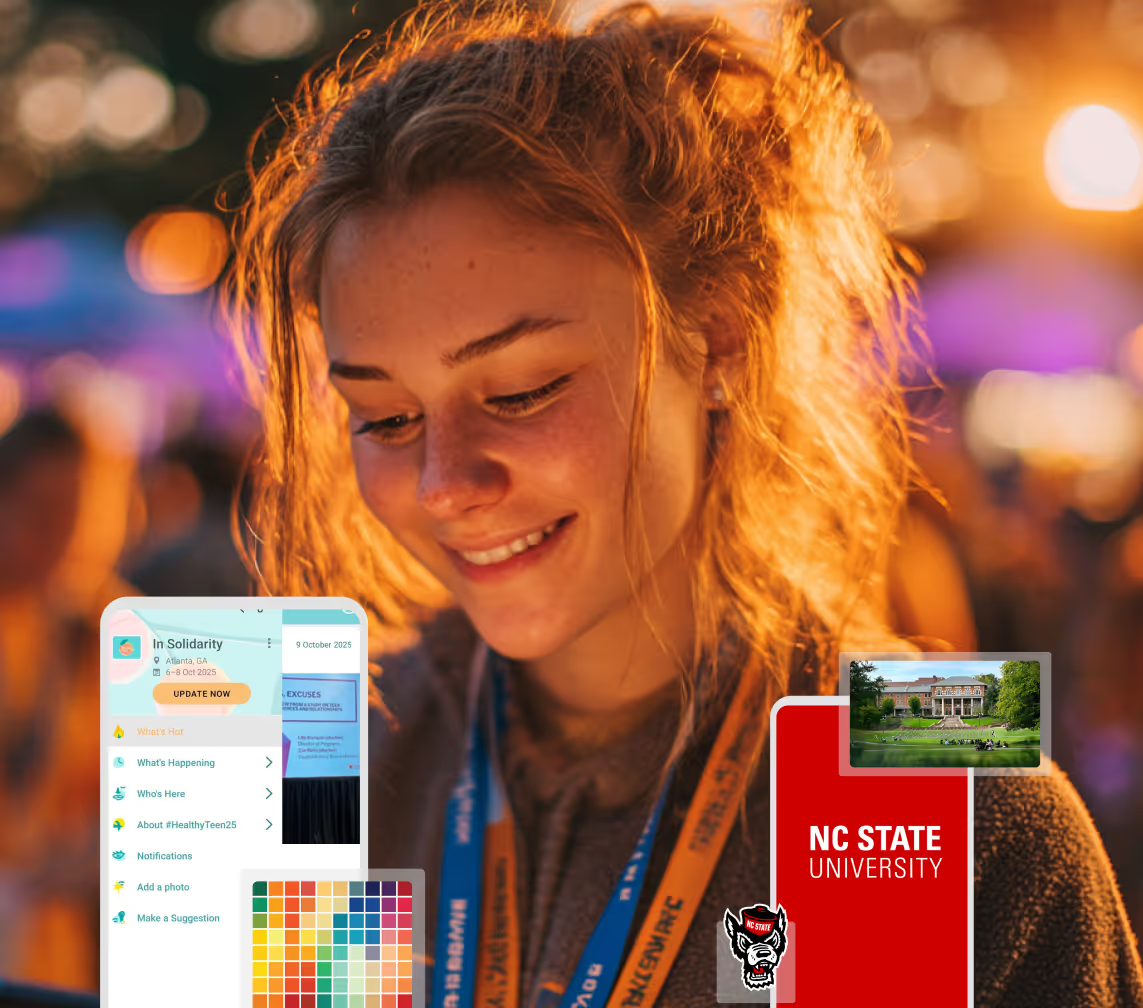
Planning Orientation?
Help new students feel prepared from day one with schedules, campus resources, and real-time updates in one app.
Planning Orientation?
Help new students feel prepared from day one with schedules, campus resources, and real-time updates in one app.
Running Admissions Events?
Manage open houses, tours, and yield events with a branded app that saves time and engages prospective students.

Running Admissions Events?
Manage open houses, tours, and yield events with a branded app that saves time and engages prospective students.
Get a custom Sponsorship Package Template
Stop starting from scratch. Grab free templates that helWe'll build a tailored sponsorship package with suggested pricing, tiers, and benefits..for your specific event.p you build professional sponsorship packages and close deals faster.
Get a custom Sponsorship Package Template
Stop starting from scratch. Grab free templates that helWe'll build a tailored sponsorship package with suggested pricing, tiers, and benefits..for your specific event.p you build professional sponsorship packages and close deals faster.
Plan Your Next Event Without Missing a Beat.
From venue selection to post-event wrap-up, this free checklist walks you through every step (so nothing falls through the cracks).
.avif)
Plan Your Next Event Without Missing a Beat.
From venue selection to post-event wrap-up, this free checklist walks you through every step (so nothing falls through the cracks).
Real Results From Real Events
100,000+ organizations trust Guidebook. See exactly how universities, associations, enterprises, and more put it to work.

Real Results From Real Events
100,000+ organizations trust Guidebook. See exactly how universities, associations, enterprises, and more put it to work.
Flexible pricing for every event size
Find the perfect plan for your needs, from intimate gatherings to large-scale conferences.
Flexible pricing for every event size
Find the perfect plan for your needs, from intimate gatherings to large-scale conferences.
Join our event experts
Watch on-demand webinars and join live sessions with industry leaders sharing best practices for event success.
.avif)
Join our event experts
Watch on-demand webinars and join live sessions with industry leaders sharing best practices for event success.
Guidebook in Action
Book a personalized walkthrough and discover how we help event teams create better attendee experiences.
Guidebook in Action
Book a personalized walkthrough and discover how we help event teams create better attendee experiences.

What is Event Technology?
What is Event Technology? Strategies & Best Practices | Guidebook

Event Technology is the collection of digital tools, software, and hardware that transforms how events are planned, executed, and experienced. It covers everything from registration platforms to mobile apps to live streaming solutions. Modern events simply can't compete without it.
Here's the thing: event technology isn't just about going digital. It's about creating seamless experiences that attendees expect in 2026. The right tech stack saves your team hours of manual work. It also delivers data you can actually use to prove ROI and improve future events.
Key Characteristics of Event Technology
- Integration Capability: Modern event tech connects with your existing tools. CRMs, marketing platforms, and payment systems all talk to each other.
- Real-Time Functionality: Updates happen instantly. Schedule changes, attendee notifications, and live polls work in the moment.
- Data Collection: Every interaction generates insights. You'll know which sessions drew crowds and which fell flat.
- Scalability: Good tech grows with your event. A 50-person workshop and a 10,000-attendee conference can use the same platform.
- Mobile-First Design: Attendees live on their phones. Event tech meets them there with apps, mobile check-in, and responsive websites.
- Accessibility Features: Closed captions, screen reader compatibility, and multiple language options make events inclusive.
- Self-Service Options: Attendees manage their own registrations, schedules, and preferences without staff intervention.
Event Technology vs. Related Terms
Event Management Software
- Scope: Focuses on planning and logistics coordination
- Focus: Backend operations and team workflows
- Timeline: Primarily pre-event planning phases
- Channels: Desktop-based dashboards and admin tools
- Goal: Streamline organizer tasks and team collaboration
Event Apps
- Scope: Attendee-facing mobile experience
- Focus: Engagement and information delivery
- Timeline: Active during the event itself
- Channels: iOS and Android mobile devices
- Goal: Enhance attendee experience and participation
Virtual Event Platforms
- Scope: Online-only or hybrid event delivery
- Focus: Remote attendance and digital networking
- Timeline: Live streaming and on-demand content
- Channels: Web browsers and dedicated streaming apps
- Goal: Extend reach beyond physical venue limitations
Event technology is the umbrella term that includes all these tools. Think of it as your complete digital toolkit. Event planning becomes much smoother when you understand how each piece fits together.
Essential Event Technology Categories
Registration and Ticketing Systems
These platforms handle the first touchpoint with attendees. They process payments, collect attendee data, and send confirmation emails automatically.
Look for features like:
- Custom registration forms
- Early bird pricing options
- Group registration discounts
- Waitlist management
- Refund processing
Strong event registration sets the tone for your entire attendee experience.
Event Mobile Apps
Mobile apps put your entire event in attendees' pockets. Schedules, maps, speaker bios, and networking tools live in one place.
The best apps include:
- Personalized agenda builders
- Push notifications for updates
- Interactive venue maps
- Attendee messaging features
- Session feedback surveys
Platforms like Guidebook's event management platform make building these apps surprisingly simple.
Check-In and Badge Printing
Event check-in software eliminates registration desk bottlenecks. QR codes, facial recognition, and self-service kiosks speed up entry.
On-demand badge printing means no more pre-printed name tags sitting unclaimed. Attendees get their badges in seconds.
Live Engagement Tools
Keep audiences active during sessions with:
- Live polling and Q&A
- Gamification and leaderboards
- Social media walls
- Audience response systems
- Real-time feedback collection
These tools turn passive listeners into active participants.
Streaming and Hybrid Solutions
Virtual event capabilities became essential and aren't going away. Hybrid events now reach audiences who can't travel.
Quality streaming requires reliable encoding, multiple camera angles, and backup internet connections. Don't skimp here.
How Event Technology Works Together
Pre-Event Technology Stack
Before your event, technology handles the heavy lifting. Marketing automation drives registrations. Event digital marketing tools track campaign performance.
Your registration platform feeds data to your CRM. Email sequences nurture registrants. Landing pages convert browsers into attendees.
During-Event Technology Flow
On event day, systems work in concert. Check-in data syncs with your app. Session scans track attendance. Live polls capture real-time feedback.
Behind the scenes, your team monitors dashboards. They spot issues before attendees notice. They push updates instantly when schedules change.
Post-Event Technology Analysis
After the event, data becomes your best friend. Survey responses reveal what worked. Session attendance shows content preferences.
This information shapes your next event. It also proves event ROI to stakeholders who control budgets.
Integration and Data Flow
The magic happens when tools connect. APIs let platforms share information automatically. No more manual data entry or spreadsheet gymnastics.
A single attendee record flows from registration to check-in to session tracking to post-event follow-up. One source of truth for everything.
Why Event Technology Matters
For Event Success:
- Reduced Manual Work: Automation handles repetitive tasks so your team focuses on strategy and attendee experience.
- Better Attendee Experience: Self-service options and instant information access meet modern expectations.
- Real-Time Problem Solving: Dashboards and alerts help you catch issues before they become disasters.
- Increased Engagement: Interactive features keep attendees active and invested throughout your event.
- Scalable Operations: Technology lets small teams run large events without proportional staff increases.
For Business Objectives:
- Measurable ROI: Data proves event value to executives and sponsors with hard numbers.
- Lead Generation: Registration and engagement data feeds sales pipelines with qualified prospects.
- Brand Consistency: Branded apps and digital touchpoints reinforce your visual identity.
- Competitive Advantage: Tech-forward events attract attendees who expect modern experiences.
- Cost Savings: Digital materials replace printed programs. Automation reduces staffing needs.
Guidebook's platform helps event teams achieve both operational efficiency and business results. From event planning process optimization to attendee engagement, the right technology makes everything easier.
Event Technology Best Practices
- Start with Goals, Not Features: Define what success looks like before shopping for tools. Technology should solve specific problems, not create new ones.
- Prioritize Integration: Choose platforms that play well with others. Siloed data creates headaches and missed opportunities.
- Test Everything Before Launch: Run through the entire attendee journey yourself. Find friction points before your audience does.
- Train Your Team Thoroughly: The best technology fails when staff can't use it. Budget time for proper training sessions.
- Plan for Connectivity Issues: WiFi fails. Cell signals drop. Have offline capabilities and backup plans ready.
- Collect Only Necessary Data: More fields mean lower completion rates. Ask for what you'll actually use.
- Promote Your Tech Early: Tell attendees about your app weeks before the event. Send download reminders multiple times. : Watch dashboards during your event. Spot trends and respond quickly to issues.
- Gather Feedback on the Tech Itself: Ask attendees about their digital experience. Use insights to improve next time.
- Document What Works: Create playbooks for future events. Note which tools delivered and which disappointed.
Common Event Technology Mistakes
Choosing Based on Price Alone: The cheapest option often costs more in the long run. Hidden fees, poor support, and missing features add up. Evaluate total cost of ownership, not just the sticker price.
Implementing Too Late: Rushing technology deployment leads to errors and stress. Start your tech setup months before the event, not weeks. Your team needs time to learn the systems.
Ignoring the Attendee Perspective: Technology that works for organizers might frustrate attendees. Test your tools with real users. Watch how they navigate without guidance.
Overcomplicating the Experience: More features don't always mean better events. Too many apps, logins, and platforms confuse attendees. Simplify wherever possible.
Skipping the Backup Plan: Technology fails at the worst moments. Have manual processes ready for registration, check-in, and session tracking. Print emergency schedules just in case.
Neglecting Accessibility: Not all attendees interact with technology the same way. Ensure your tools work with screen readers. Provide alternatives for those who need them.
Forgetting Post-Event Data: The event ends, but the data lives on. Export and analyze information promptly. Waiting too long means losing valuable insights.
Final Thoughts
Event technology has moved from nice-to-have to absolutely essential. Attendees expect seamless digital experiences. Stakeholders demand measurable results. Your team needs tools that save time, not create more work.
The industry continues evolving rapidly. AI-powered features, enhanced personalization, and deeper integrations are reshaping what's possible. Staying current with event trends helps you make smart technology investments.
Don't let technology intimidate you. Start with your biggest pain points. Solve those first. Build your tech stack gradually as your needs grow and your team gains confidence.
Ready to upgrade your event technology? Explore event management tips for practical guidance. Check out case studies to see how other organizations succeed. Or book a demo to see how Guidebook can transform your next event.
The best events don't just happen. They're built with the right technology, the right team, and the right strategy working together.
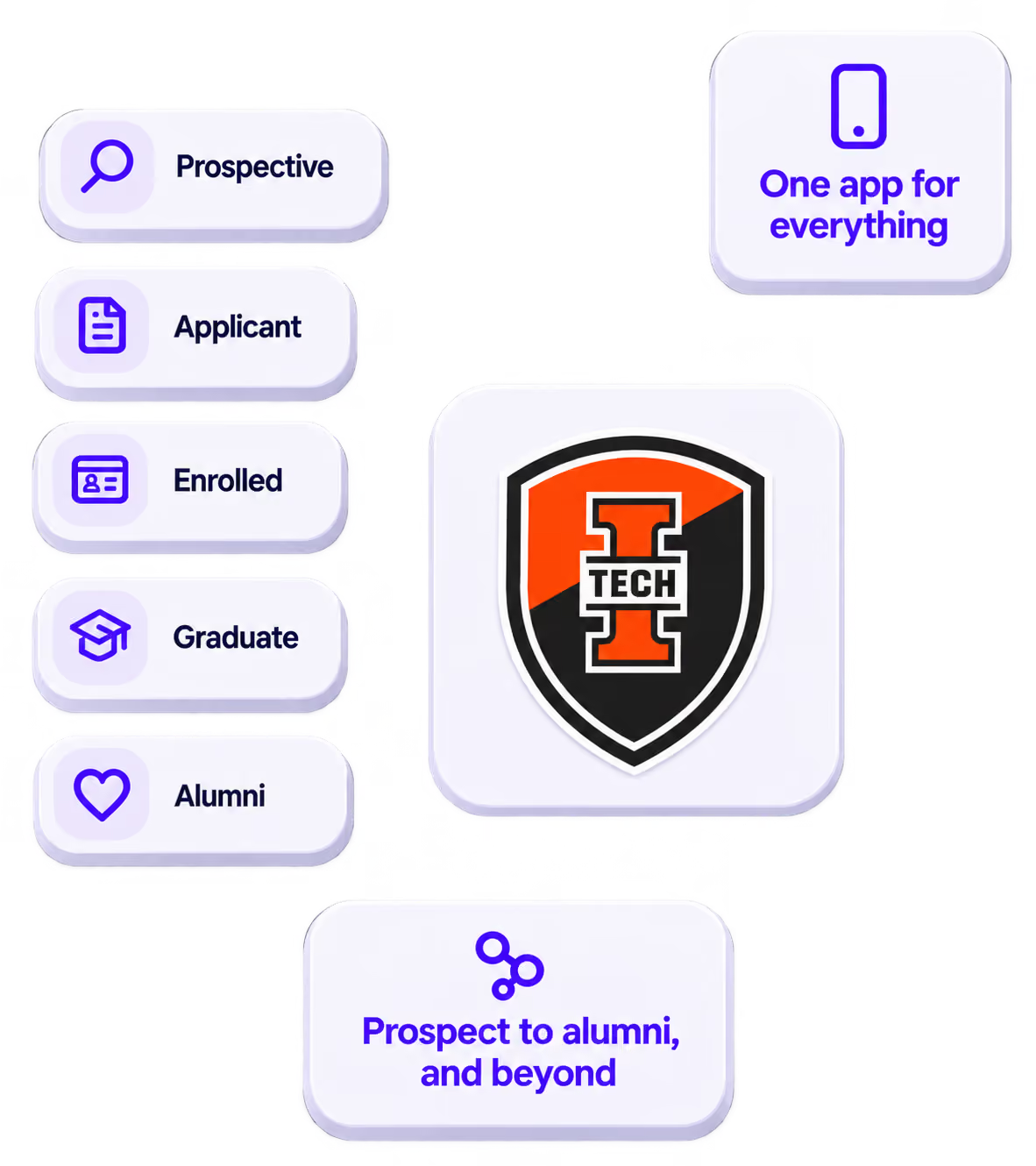
The power of your brand in your app, from first visit to alumni.
Build trust
Attendees download your app, not ours. Your name, colors, and crest in the stores.
.avif)
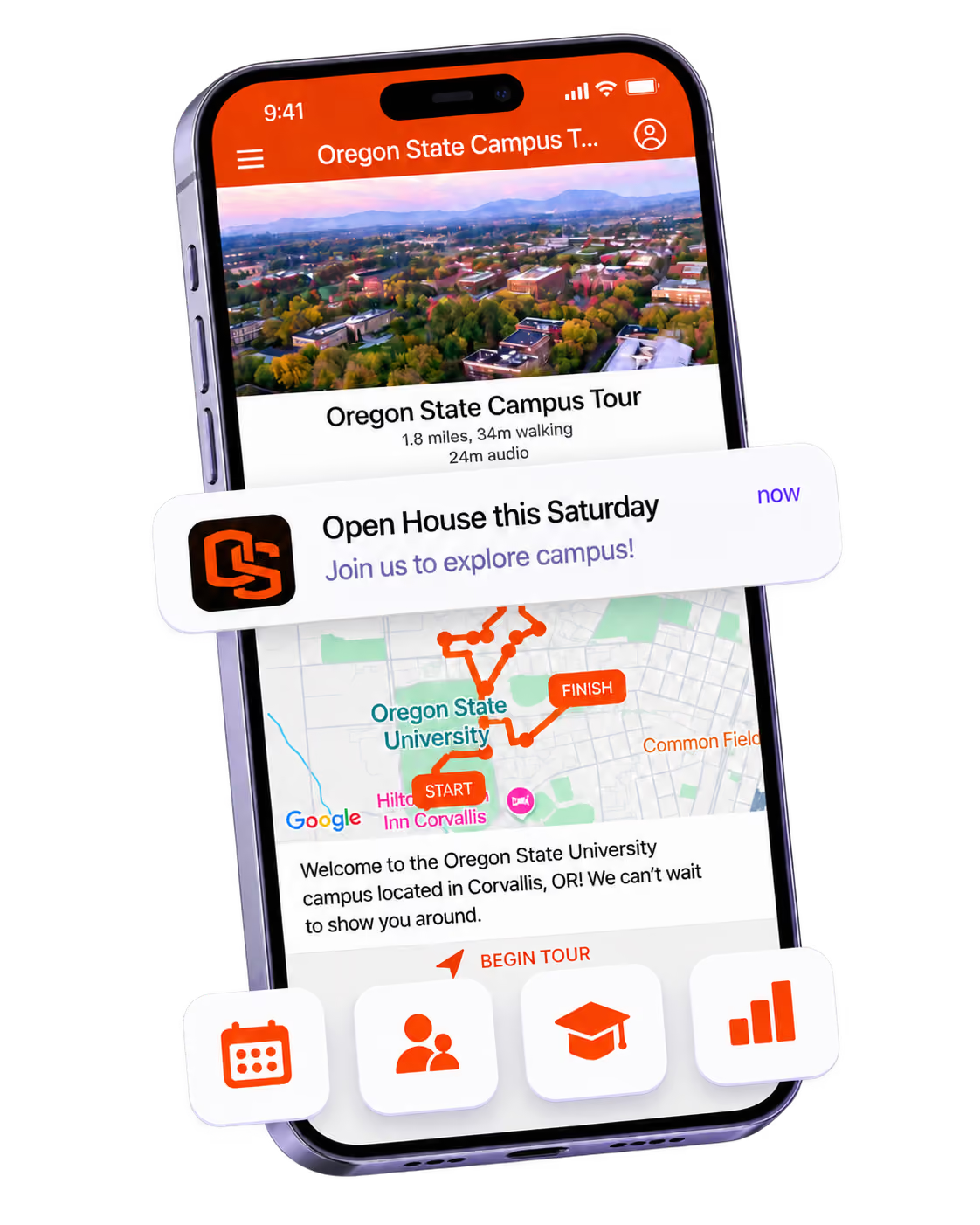
One place for the whole event
Schedules, maps, registration, and updates in one branded hub - not five tools.
Stand out
A branded app is what people keep on their phone after the printed program is in the recycling.

Get the Mobile App Playbook
A short guide to running the whole student journey in one app. No fluff, just what works.
for higher ed
Campus
Playbook
A practical guide to building a connected campus experience.
Free playbook
The Mobile App Playbook for Universities
Students decide if they belong long before they set foot on campus. This playbook shows how to win them over from the first visit through graduation.
- Grow enrollment and boost recruitment
- Increase belonging and retention
- Run every event from one branded app
By submitting, you agree to our Privacy Policy.
You're in.
.png)