
Campus apps by department
Admissions, orientation, student life, and more — one campus app that works across departments.

Campus apps by department
Admissions, orientation, student life, and more — one campus app that works across departments.
Build unlimited event apps on one license
One partnership for unlimited campus events — orientation, tours, student life, and everything in between.
Build unlimited event apps on one license
One partnership for unlimited campus events — orientation, tours, student life, and everything in between.
Compare event app platforms
See how Guidebook stacks up against other event app and registration platforms.
Compare event app platforms
See how Guidebook stacks up against other event app and registration platforms.
Event apps for nonprofit and community programs
Give members, volunteers, and donors one branded app for conferences, fundraisers, and year-round community.
Event apps for nonprofit and community programs
Give members, volunteers, and donors one branded app for conferences, fundraisers, and year-round community.
Campus integrations and an open API
Connect Guidebook with the campus systems, APIs, and tools your team already uses.
Campus integrations and an open API
Connect Guidebook with the campus systems, APIs, and tools your team already uses.
Event apps for corporate and enterprise teams
Internal meetings, offsites, and large-scale corporate events — with the branding and control enterprise teams need.
Event apps for corporate and enterprise teams
Internal meetings, offsites, and large-scale corporate events — with the branding and control enterprise teams need.
Create a branded event app with no coding
Put schedules, maps, resources, and updates in every attendee's pocket — built for campus events and programs.
Create a branded event app with no coding
Put schedules, maps, resources, and updates in every attendee's pocket — built for campus events and programs.
Launch a branded, white-label event app
A white-label event app with your branding, your content, and your attendee experience — no coding required.
Launch a branded, white-label event app
A white-label event app with your branding, your content, and your attendee experience — no coding required.
Everything in the Guidebook platform
Explore the features event teams use to engage attendees before, during, and after the event.
Everything in the Guidebook platform
Explore the features event teams use to engage attendees before, during, and after the event.
One app for in-person and virtual attendees
The same schedule, networking, and updates whether people are in the room or joining remotely.
One app for in-person and virtual attendees
The same schedule, networking, and updates whether people are in the room or joining remotely.
Event apps built for associations
Annual meetings, chapter events, and member engagement — without rebuilding a new app every year.
Event apps built for associations
Annual meetings, chapter events, and member engagement — without rebuilding a new app every year.
A branded event website that matches the app
Promote the event, collect interest, and keep branding consistent from the first click to check-in.
A branded event website that matches the app
Promote the event, collect interest, and keep branding consistent from the first click to check-in.
Plan, run, and measure events on one platform
App, registration, badges, and websites in one workflow — so planning isn't a pile of disconnected tools.
Plan, run, and measure events on one platform
App, registration, badges, and websites in one workflow — so planning isn't a pile of disconnected tools.
Keep members engaged between events
One branded app for the conference and everything that happens the other 51 weeks of the year.
Keep members engaged between events
One branded app for the conference and everything that happens the other 51 weeks of the year.
The conference app attendees actually use
Schedules, maps, networking, and live updates for annual meetings, summits, and multi-day conferences.
The conference app attendees actually use
Schedules, maps, networking, and live updates for annual meetings, summits, and multi-day conferences.
Registration that feeds your app and badges
Collect registrations, payments, and attendee data in the same platform as your event app.
Registration that feeds your app and badges
Collect registrations, payments, and attendee data in the same platform as your event app.
Design and print event badges in one place
Custom badges, QR check-in, and on-site printing — without a separate badge vendor.
Design and print event badges in one place
Custom badges, QR check-in, and on-site printing — without a separate badge vendor.
A Smaller School?
Deliver a polished, branded event experience without a large team or a big budget.
A Smaller School?
Deliver a polished, branded event experience without a large team or a big budget.
Running Family Programs?
Give families everything they need, from schedules and maps to real-time updates, all in one place.
Running Family Programs?
Give families everything they need, from schedules and maps to real-time updates, all in one place.
Coordinating Move-In Day?
Share updates, manage events, and keep students informed from move-in through the academic year.

Coordinating Move-In Day?
Share updates, manage events, and keep students informed from move-in through the academic year.
Offering Campus Tours?
Deliver branded, self-guided tour experiences with interactive maps and rich media, available 24/7.

Offering Campus Tours?
Deliver branded, self-guided tour experiences with interactive maps and rich media, available 24/7.
Organising a Career Fair?
Simplify logistics for students, employers, and Career Services staff with one easy-to-use app.
Organising a Career Fair?
Simplify logistics for students, employers, and Career Services staff with one easy-to-use app.
Managing Alumni Events?
Plan reunions, regional events, and fundraising campaigns with an app built for alumni engagement.
Managing Alumni Events?
Plan reunions, regional events, and fundraising campaigns with an app built for alumni engagement.
Boost Student Engagement
One hub for schedules, resources, and events that keeps students connected throughout the academic year.
Boost Student Engagement
One hub for schedules, resources, and events that keeps students connected throughout the academic year.
Planning Orientation?
Help new students feel prepared from day one with schedules, campus resources, and real-time updates in one app.
Planning Orientation?
Help new students feel prepared from day one with schedules, campus resources, and real-time updates in one app.
Running Admissions Events?
Manage open houses, tours, and yield events with a branded app that saves time and engages prospective students.

Running Admissions Events?
Manage open houses, tours, and yield events with a branded app that saves time and engages prospective students.
Get a custom Sponsorship Package Template
Stop starting from scratch. Grab free templates that helWe'll build a tailored sponsorship package with suggested pricing, tiers, and benefits..for your specific event.p you build professional sponsorship packages and close deals faster.
Get a custom Sponsorship Package Template
Stop starting from scratch. Grab free templates that helWe'll build a tailored sponsorship package with suggested pricing, tiers, and benefits..for your specific event.p you build professional sponsorship packages and close deals faster.
Plan Your Next Event Without Missing a Beat.
From venue selection to post-event wrap-up, this free checklist walks you through every step (so nothing falls through the cracks).
.avif)
Plan Your Next Event Without Missing a Beat.
From venue selection to post-event wrap-up, this free checklist walks you through every step (so nothing falls through the cracks).
Real Results From Real Events
100,000+ organizations trust Guidebook. See exactly how universities, associations, enterprises, and more put it to work.

Real Results From Real Events
100,000+ organizations trust Guidebook. See exactly how universities, associations, enterprises, and more put it to work.
Flexible pricing for every event size
Find the perfect plan for your needs, from intimate gatherings to large-scale conferences.
Flexible pricing for every event size
Find the perfect plan for your needs, from intimate gatherings to large-scale conferences.
Join our event experts
Watch on-demand webinars and join live sessions with industry leaders sharing best practices for event success.
.avif)
Join our event experts
Watch on-demand webinars and join live sessions with industry leaders sharing best practices for event success.
Guidebook in Action
Book a personalized walkthrough and discover how we help event teams create better attendee experiences.
Guidebook in Action
Book a personalized walkthrough and discover how we help event teams create better attendee experiences.

What are Virtual Event Trends?
Virtual event trends are shaping the future of online experiences. Discover the latest technologies, engagement strategies, and best practices for hosting successful virtual events.

Virtual Event Trends are the emerging technologies, strategies, and attendee expectations shaping how organizations plan and deliver online experiences in 2026. These trends span everything from AI-powered networking to immersive hybrid formats. Staying current with virtual event trends separates forgettable webinars from must-attend digital experiences.
Here's the thing: virtual events aren't going anywhere. They've evolved far beyond the pandemic-era Zoom fatigue we all remember. Today's virtual event trends focus on creating genuine connection, not just broadcasting content. The organizations winning at virtual events treat them as strategic engagement tools—not backup plans for in-person gatherings.
Key Characteristics of Virtual Event Trends
- Technology-Driven Innovation: Each trend builds on new tools like AI matchmaking, spatial audio, and interactive platforms that didn't exist five years ago.
- Attendee-Centric Design: Modern trends prioritize what participants actually want—shorter sessions, more networking, and on-demand access. event ROI more easily than in-person events.
- Accessibility Focus: Leading trends emphasize inclusive features like live captions, multiple time zones, and mobile-first experiences.
- Hybrid Integration: Most 2026 trends blur the line between virtual and in-person, creating unified experiences across formats.
- Sustainability Alignment: Virtual options reduce travel carbon footprints, making them attractive for environmentally conscious organizations.
- Cost Efficiency: Trends often emerge from the need to deliver high-impact experiences without massive venue budgets.
Virtual Event Trends vs. Related Concepts
Virtual Event Planning
- Scope: The tactical process of organizing a single online event from start to finish
- Focus: Logistics, platform selection, and day-of execution
- Timeline: Weeks to months for one specific event
- Channels: Chosen platforms and communication tools for that event
- Goal: Successfully deliver one virtual experience
Event Trends (General)
- Scope: Industry-wide shifts affecting all event formats—in-person, virtual, and hybrid
- Focus: Broad patterns in attendee behavior, technology, and business strategy
- Timeline: Year-over-year or multi-year movements
- Channels: All event delivery methods and marketing approaches
- Goal: Help planners stay competitive across all event trends
Event Digital Marketing
- Scope: Online promotion strategies to drive registrations and awareness
- Focus: Advertising, social media, email campaigns, and SEO
- Timeline: Pre-event promotional windows
- Channels: Digital advertising platforms, social networks, and search engines
- Goal: Maximize attendance through event digital marketing tactics
Virtual event trends inform both planning and marketing decisions. Understanding these trends helps you choose the right virtual event planning approach while shaping how you promote your event online.
Top Virtual Event Trends for 2026
AI-Powered Personalization
Artificial intelligence now drives smarter event experiences. AI analyzes attendee profiles and behavior to recommend relevant sessions, suggest networking matches, and customize content feeds.
The best platforms learn in real-time. If someone skips marketing sessions but attends every tech talk, the AI adjusts recommendations mid-event. This creates a "choose your own adventure" feel that keeps people engaged.
Micro-Events Over Mega-Conferences
Attention spans haven't recovered from 2020. Smart planners now break large conferences into smaller, focused experiences:
- 90-minute deep-dive workshops instead of full-day sessions
- Weekly series replacing annual mega-events
- Topic-specific tracks attendees can mix and match
- On-demand libraries for content consumption at any pace
Immersive Networking Experiences
The "virtual happy hour" is dead. In its place? Structured networking that actually works. Think speed-networking rounds with AI-matched partners, virtual escape rooms for team building, and spatial audio lounges where conversations feel natural.
Platforms now offer "serendipity features" that recreate hallway conversations. You might bump into someone with shared interests while browsing the virtual exhibit hall.
Mobile-First Event Design
Over 60% of virtual event attendees now join from mobile devices. This trend demands:
- Vertical video formats optimized for phone screens
- One-tap registration and login
- Push notifications for session reminders
- Chat features that work seamlessly on small screens
Organizations using event management platforms with strong mobile apps see 40% higher engagement rates.
Hybrid as the Default Format
Pure virtual events still exist, but hybrid has become the standard. The 2026 approach treats virtual attendees as first-class participants—not afterthoughts watching a livestream.
This means dedicated virtual hosts, exclusive online networking sessions, and content designed for both audiences. Learn more about creating seamless experiences in our guide to virtual events.
Essential Virtual Event Technology Components
Interactive Engagement Tools
Passive viewing kills virtual events. Today's must-have engagement features include:
- Live polling with instant results displayed on screen
- Q&A systems that let attendees upvote questions
- Gamification with leaderboards and prizes
- Breakout rooms for small group discussions
- Virtual whiteboards for collaborative brainstorming
Seamless Registration Systems
Registration friction kills attendance. Modern event registration systems offer social login, calendar integration, and automatic time zone conversion. The best ones remember returning attendees and pre-fill their information.
Virtual events generate treasure troves of data. Key metrics to track:
- Session attendance and drop-off points
- Engagement scores (polls answered, questions asked)
- Networking connections made
- Content downloads and replay views
- Sponsor booth visits and lead captures
This data helps prove value and improve future events. Check out our resources on measuring event ROI effectively.
Reliable Streaming Infrastructure
Nothing destroys credibility faster than technical failures. Trends point toward redundant streaming setups, professional-grade encoding, and backup internet connections. Many organizations now hire dedicated event production teams for virtual broadcasts.
Why Virtual Event Trends Matter
For Event Success:
- Higher Engagement Rates: Trend-aligned events see 3x more interaction than traditional webinar formats.
- Expanded Reach: Virtual removes geographic barriers, letting you attract global audiences without travel costs.
- Better Content Longevity: Recorded sessions become evergreen assets for marketing and training.
- Improved Accessibility: Modern trends prioritize inclusive design, welcoming attendees with different needs.
- Real-Time Optimization: Data from virtual events lets you adjust mid-stream based on what's working.
For Business Objectives:
- Lead Generation: Virtual events capture detailed attendee data for sales follow-up.
- Cost Reduction: No venue, catering, or travel expenses means higher profit margins.
- Brand Positioning: Innovative virtual experiences establish thought leadership in your industry.
- Sponsor Value: Digital formats offer measurable sponsor exposure through booth visits and ad impressions.
- Scalability: Add 1,000 more attendees without booking a bigger room.
Virtual Event Trends Best Practices
- Start with Attendee Research: Survey your audience about preferred formats, session lengths, and networking styles before planning.
- Design for Mobile First: Build every element assuming someone will experience it on their phone during a commute.
- Keep Sessions Under 45 Minutes: Attention drops dramatically after this point. Build in breaks every 20-30 minutes for longer content.
- Invest in Production Quality: Good lighting, clear audio, and professional graphics signal that your event matters.
- Create Networking Structures: Don't just open a chat room. Facilitate introductions with icebreakers, matching algorithms, or guided discussions.
- Offer On-Demand Options: Record everything and make it available within 24 hours for attendees in different time zones.
- Train Your Speakers: Virtual presenting requires different skills. Coach speakers on camera presence, pacing, and audience interaction.
- Build in Gamification: Points, badges, and leaderboards boost engagement by 40% according to recent studies.
- Test Everything Twice: Run full technical rehearsals with backup plans for common failure points.
- Follow Up Fast: Send personalized follow-ups within 24 hours while the experience is fresh.
Common Virtual Event Trends Mistakes
Copying In-Person Formats Directly: A 3-hour keynote works in a ballroom. Online? People check email after 15 minutes. Redesign content for the medium instead of just streaming your usual agenda.
Ignoring Time Zone Diversity: Scheduling everything for Eastern Time alienates global audiences. Offer multiple session times or robust on-demand access to respect attendees worldwide.
Underestimating Technical Requirements: "We'll just use Zoom" leads to disasters. Virtual events need proper bandwidth, backup systems, and technical support staff ready to troubleshoot.
Skipping the Rehearsal: Speakers who've never used your platform will fumble on camera. Mandatory tech checks prevent embarrassing moments during live broadcasts.
Treating Virtual Attendees as Second-Class: Hybrid events often focus on the in-room experience while virtual viewers watch a shaky livestream. Dedicate resources to making both audiences feel valued.
Overloading the Schedule: More sessions doesn't mean more value. Curate ruthlessly and leave breathing room between content blocks.
Forgetting Post-Event Engagement: The event ends, but the relationship shouldn't. Use your event debrief template to capture learnings and plan follow-up communications.
Final Thoughts
Virtual event trends in 2026 reflect a maturing industry. We've moved past "can we do this online?" to "how do we create unforgettable digital experiences?" The organizations embracing these trends aren't just surviving—they're building engaged communities that transcend geography.
The event industry continues evolving at breakneck speed. What works today might feel dated in 18 months. That's why staying current with trends matters more than perfecting any single approach. Flexibility and willingness to experiment separate leaders from followers.
Here's what excites us most: virtual events democratize access. A student in rural Nebraska can attend the same conference as an executive in Manhattan. A nonprofit with a tiny budget can reach thousands. That's powerful stuff.
Ready to put these trends into action? Explore Guidebook's event planning resources, browse our templates, or check out case studies from organizations crushing their virtual events. Whether you're planning a webinar or a full-scale virtual conference, the right tools make all the difference. The future of events is here—and it fits in your pocket.
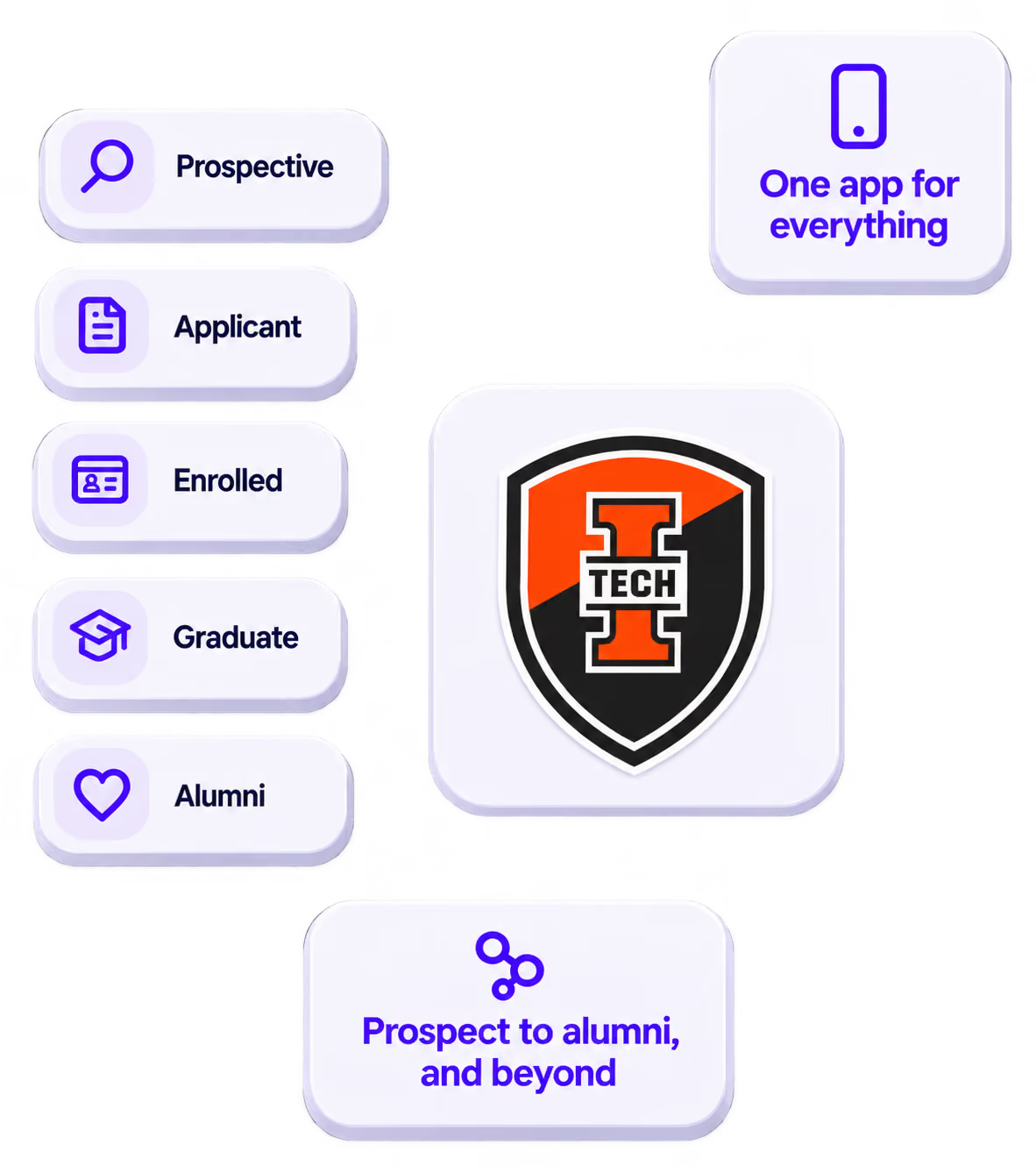
The power of your brand in your app, from first visit to alumni.
Build trust
Attendees download your app, not ours. Your name, colors, and crest in the stores.
.avif)
One place for the whole event
Schedules, maps, registration, and updates in one branded hub - not five tools.
Stand out
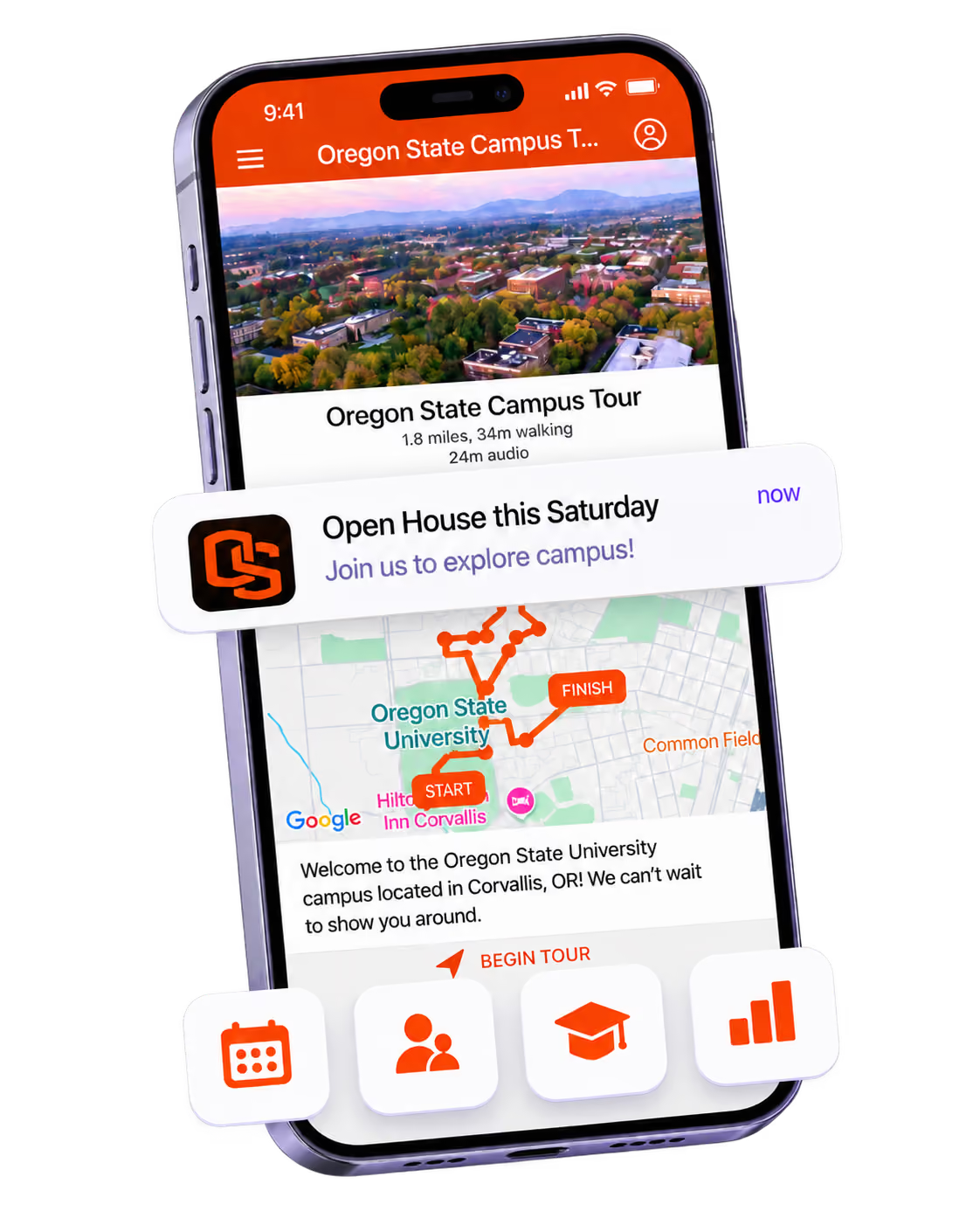
A branded app is what people keep on their phone after the printed program is in the recycling.

Get the Mobile App Playbook
A short guide to running the whole student journey in one app. No fluff, just what works.
for higher ed
Campus
Playbook
A practical guide to building a connected campus experience.
Free playbook
The Mobile App Playbook for Universities
Students decide if they belong long before they set foot on campus. This playbook shows how to win them over from the first visit through graduation.
- Grow enrollment and boost recruitment
- Increase belonging and retention
- Run every event from one branded app
By submitting, you agree to our Privacy Policy.
You're in.
.png)