
Campus apps by department
Admissions, orientation, student life, and more — one campus app that works across departments.

Campus apps by department
Admissions, orientation, student life, and more — one campus app that works across departments.
Build unlimited event apps on one license
One partnership for unlimited campus events — orientation, tours, student life, and everything in between.
Build unlimited event apps on one license
One partnership for unlimited campus events — orientation, tours, student life, and everything in between.
Compare event app platforms
See how Guidebook stacks up against other event app and registration platforms.
Compare event app platforms
See how Guidebook stacks up against other event app and registration platforms.
Event apps for nonprofit and community programs
Give members, volunteers, and donors one branded app for conferences, fundraisers, and year-round community.
Event apps for nonprofit and community programs
Give members, volunteers, and donors one branded app for conferences, fundraisers, and year-round community.
Campus integrations and an open API
Connect Guidebook with the campus systems, APIs, and tools your team already uses.
Campus integrations and an open API
Connect Guidebook with the campus systems, APIs, and tools your team already uses.
Event apps for corporate and enterprise teams
Internal meetings, offsites, and large-scale corporate events — with the branding and control enterprise teams need.
Event apps for corporate and enterprise teams
Internal meetings, offsites, and large-scale corporate events — with the branding and control enterprise teams need.
Create a branded event app with no coding
Put schedules, maps, resources, and updates in every attendee's pocket — built for campus events and programs.
Create a branded event app with no coding
Put schedules, maps, resources, and updates in every attendee's pocket — built for campus events and programs.
Launch a branded, white-label event app
A white-label event app with your branding, your content, and your attendee experience — no coding required.
Launch a branded, white-label event app
A white-label event app with your branding, your content, and your attendee experience — no coding required.
Everything in the Guidebook platform
Explore the features event teams use to engage attendees before, during, and after the event.
Everything in the Guidebook platform
Explore the features event teams use to engage attendees before, during, and after the event.
One app for in-person and virtual attendees
The same schedule, networking, and updates whether people are in the room or joining remotely.
One app for in-person and virtual attendees
The same schedule, networking, and updates whether people are in the room or joining remotely.
Event apps built for associations
Annual meetings, chapter events, and member engagement — without rebuilding a new app every year.
Event apps built for associations
Annual meetings, chapter events, and member engagement — without rebuilding a new app every year.
A branded event website that matches the app
Promote the event, collect interest, and keep branding consistent from the first click to check-in.
A branded event website that matches the app
Promote the event, collect interest, and keep branding consistent from the first click to check-in.
Plan, run, and measure events on one platform
App, registration, badges, and websites in one workflow — so planning isn't a pile of disconnected tools.
Plan, run, and measure events on one platform
App, registration, badges, and websites in one workflow — so planning isn't a pile of disconnected tools.
Keep members engaged between events
One branded app for the conference and everything that happens the other 51 weeks of the year.
Keep members engaged between events
One branded app for the conference and everything that happens the other 51 weeks of the year.
The conference app attendees actually use
Schedules, maps, networking, and live updates for annual meetings, summits, and multi-day conferences.
The conference app attendees actually use
Schedules, maps, networking, and live updates for annual meetings, summits, and multi-day conferences.
Registration that feeds your app and badges
Collect registrations, payments, and attendee data in the same platform as your event app.
Registration that feeds your app and badges
Collect registrations, payments, and attendee data in the same platform as your event app.
Design and print event badges in one place
Custom badges, QR check-in, and on-site printing — without a separate badge vendor.
Design and print event badges in one place
Custom badges, QR check-in, and on-site printing — without a separate badge vendor.
A Smaller School?
Deliver a polished, branded event experience without a large team or a big budget.
A Smaller School?
Deliver a polished, branded event experience without a large team or a big budget.
Running Family Programs?
Give families everything they need, from schedules and maps to real-time updates, all in one place.
Running Family Programs?
Give families everything they need, from schedules and maps to real-time updates, all in one place.
Coordinating Move-In Day?
Share updates, manage events, and keep students informed from move-in through the academic year.

Coordinating Move-In Day?
Share updates, manage events, and keep students informed from move-in through the academic year.
Offering Campus Tours?
Deliver branded, self-guided tour experiences with interactive maps and rich media, available 24/7.

Offering Campus Tours?
Deliver branded, self-guided tour experiences with interactive maps and rich media, available 24/7.
Organising a Career Fair?
Simplify logistics for students, employers, and Career Services staff with one easy-to-use app.
Organising a Career Fair?
Simplify logistics for students, employers, and Career Services staff with one easy-to-use app.
Managing Alumni Events?
Plan reunions, regional events, and fundraising campaigns with an app built for alumni engagement.
Managing Alumni Events?
Plan reunions, regional events, and fundraising campaigns with an app built for alumni engagement.
Boost Student Engagement
One hub for schedules, resources, and events that keeps students connected throughout the academic year.
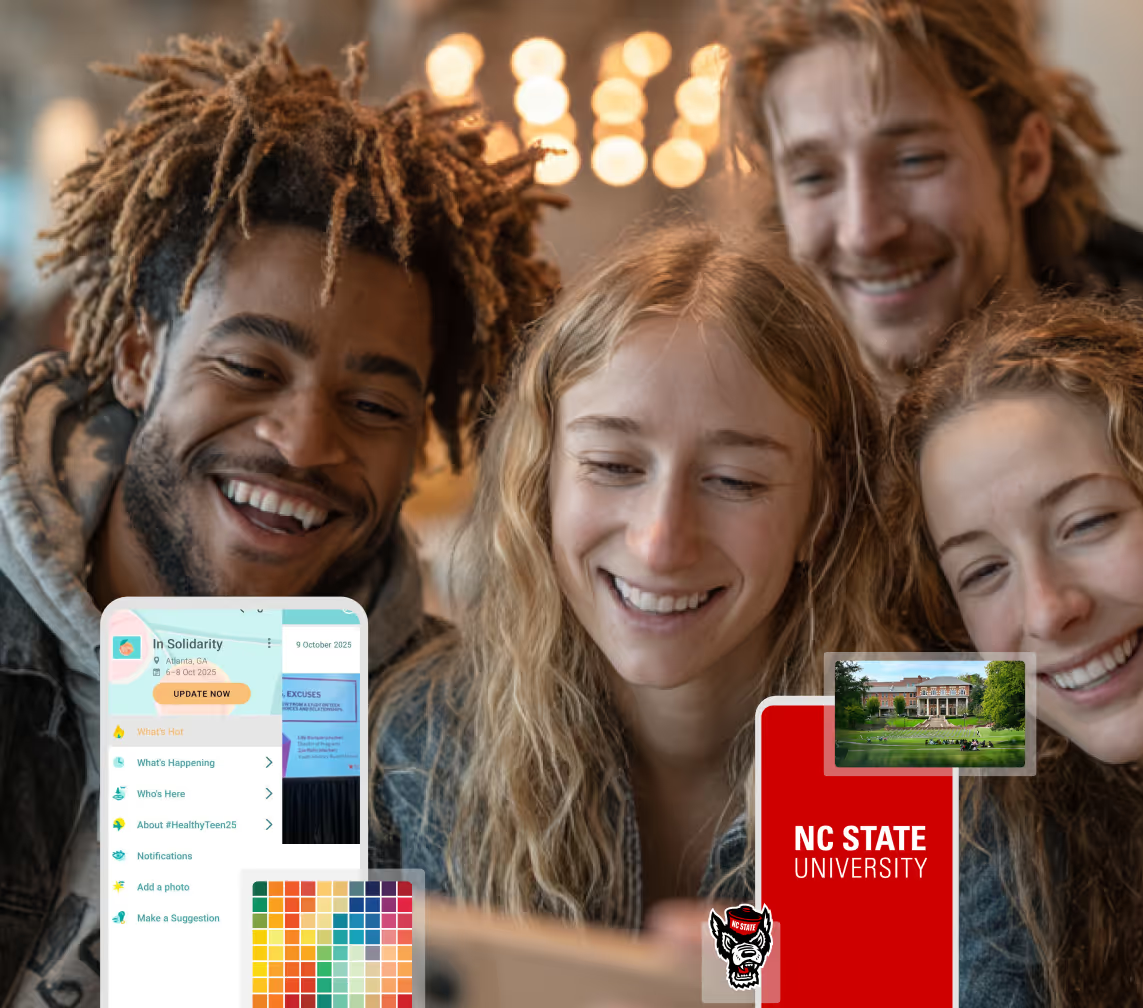
Boost Student Engagement
One hub for schedules, resources, and events that keeps students connected throughout the academic year.
Planning Orientation?
Help new students feel prepared from day one with schedules, campus resources, and real-time updates in one app.

Planning Orientation?
Help new students feel prepared from day one with schedules, campus resources, and real-time updates in one app.
Running Admissions Events?
Manage open houses, tours, and yield events with a branded app that saves time and engages prospective students.

Running Admissions Events?
Manage open houses, tours, and yield events with a branded app that saves time and engages prospective students.
Get a custom Sponsorship Package Template
Stop starting from scratch. Grab free templates that helWe'll build a tailored sponsorship package with suggested pricing, tiers, and benefits..for your specific event.p you build professional sponsorship packages and close deals faster.
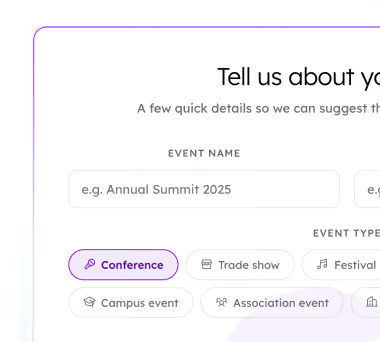
Get a custom Sponsorship Package Template
Stop starting from scratch. Grab free templates that helWe'll build a tailored sponsorship package with suggested pricing, tiers, and benefits..for your specific event.p you build professional sponsorship packages and close deals faster.
Plan Your Next Event Without Missing a Beat.
From venue selection to post-event wrap-up, this free checklist walks you through every step (so nothing falls through the cracks).
.avif)
Plan Your Next Event Without Missing a Beat.
From venue selection to post-event wrap-up, this free checklist walks you through every step (so nothing falls through the cracks).
Real Results From Real Events
100,000+ organizations trust Guidebook. See exactly how universities, associations, enterprises, and more put it to work.

Real Results From Real Events
100,000+ organizations trust Guidebook. See exactly how universities, associations, enterprises, and more put it to work.
Flexible pricing for every event size
Find the perfect plan for your needs, from intimate gatherings to large-scale conferences.

Flexible pricing for every event size
Find the perfect plan for your needs, from intimate gatherings to large-scale conferences.
Join our event experts
Watch on-demand webinars and join live sessions with industry leaders sharing best practices for event success.
.avif)
Join our event experts
Watch on-demand webinars and join live sessions with industry leaders sharing best practices for event success.
Guidebook in Action
Book a personalized walkthrough and discover how we help event teams create better attendee experiences.
Guidebook in Action
Book a personalized walkthrough and discover how we help event teams create better attendee experiences.

What are Event Registration Platforms?
Event registration platforms streamline attendee sign-ups, payments, and data collection for events. Discover top features, platform comparisons, and tips for choosing the best solution.

Event Registration Platforms are digital tools that help organizers collect attendee information, process payments, and manage sign-ups for conferences, meetings, and gatherings of all sizes. These platforms handle everything from simple RSVPs to complex multi-session registrations. The right platform can transform a chaotic sign-up process into a smooth, professional experience.
Here's the thing: event registration platforms do more than collect names and emails. They're the first touchpoint between you and your attendees. A clunky registration process frustrates people before your event even starts. A great one builds excitement and sets the tone for what's to come.
Key Characteristics of Event Registration Platforms
- Online Form Builder: Create custom registration forms with fields for names, contact info, dietary needs, session preferences, and any other data you need to collect.
- Payment Processing: Accept credit cards, PayPal, and other payment methods securely. Most platforms handle taxes, refunds, and multiple ticket types automatically.
- Confirmation Automation: Send instant confirmation emails with tickets, receipts, and event details. No manual follow-up required.
- Attendee Database: Store and organize all registrant information in one searchable place. Export data for reports or import into other tools.
- Capacity Management: Set limits on total attendance or individual sessions. Waitlist features kick in automatically when spots fill up.
- Integration Capabilities: Connect with CRM systems, email marketing tools, and event check-in software to create a seamless workflow.
- Real-Time Reporting: Track registrations as they happen. See revenue totals, registration trends, and demographic breakdowns at a glance.
Event Registration Platforms vs. Related Tools
Event Management Platforms
- Scope: Full event lifecycle from planning to post-event analysis
- Focus: Comprehensive coordination including venues, vendors, and logistics
- Timeline: Months before through weeks after the event
- Channels: Multiple touchpoints including apps, websites, and on-site tools
- Goal: Deliver complete event experiences, not just sign-ups
Ticketing Systems
- Scope: Ticket sales and distribution only
- Focus: Revenue generation and access control
- Timeline: Pre-event sales period
- Channels: Online sales pages and box offices
- Goal: Maximize ticket revenue and prevent fraud
RSVP Tools
- Scope: Simple yes/no attendance tracking
- Focus: Headcount collection for free events
- Timeline: Brief pre-event window
- Channels: Email invitations and basic web forms
- Goal: Get accurate attendance estimates quickly
Registration platforms sit in the middle ground. They're more robust than RSVP tools but more focused than full event management platforms. Many organizers start with registration and expand to comprehensive solutions as their events grow.
Essential Features to Look For
Customizable Registration Forms
Your registration form should match your brand and capture exactly what you need. Look for drag-and-drop builders that let you add custom fields without coding.
Conditional logic is a game-changer. Show different questions based on previous answers. If someone selects "VIP ticket," show them exclusive add-on options. If they're a first-time attendee, ask how they heard about you.
Mobile-Friendly Design
Over 60% of registrations now happen on phones. If your forms don't work perfectly on mobile, you're losing sign-ups.
Test the entire flow on your phone before launching. Can you complete registration in under two minutes? Are buttons easy to tap? Does payment work smoothly?
Flexible Pricing Options
Events rarely have one-size-fits-all pricing. Your platform should handle:
- Early bird discounts with automatic expiration dates
- Group rates for teams registering together
- Promo codes for sponsors, speakers, or VIPs
- Tiered pricing based on membership status
- Add-on purchases like workshops or merchandise
Data Security and Compliance
You're collecting sensitive information. Credit card numbers. Personal details. Maybe health information for accessibility needs.
Choose platforms with PCI compliance for payment processing. Check their privacy policies. Understand where data is stored and who can access it. Your attendees trust you with their information—don't let them down.
Good data helps you make better decisions. Track which marketing channels drive the most registrations. See when people sign up (hint: it's often right before deadlines). Identify which ticket types sell fastest.
This information shapes your event digital marketing strategy and helps you plan future events more effectively.
The Registration Process Flow
Pre-Launch Setup
Before opening registration, nail down your ticket types, pricing tiers, and form fields. Create confirmation email templates. Set up payment processing. Test everything with fake registrations.
Build your registration page with event SEO in mind. Use clear, descriptive titles. Include relevant keywords. Make sure the page loads fast.
Active Registration Period
Once you're live, monitor registrations daily. Watch for:
- Technical issues or error messages
- Abandoned registrations (people who start but don't finish)
- Questions coming into your support channels
- Registration velocity compared to your goals
Use this data to adjust your event marketing approach. If sign-ups are slow, ramp up promotion. If certain ticket types aren't selling, consider adjusting prices or messaging.
Pre-Event Communication
Registration doesn't end when someone clicks "submit." Use your platform to send:
- Reminder emails as the event approaches
- Logistics information (parking, dress code, what to bring)
- Schedule updates or speaker announcements
- Mobile app download links
- Pre-event surveys to gather preferences
Day-of Integration
Your registration data should flow seamlessly into check-in. Attendees shouldn't re-enter information they already provided. QR codes or digital tickets speed up entry and reduce lines.
Platforms like Guidebook connect registration with mobile event apps. Attendees get personalized schedules based on their registration choices.
Why Event Registration Platforms Matter
For Event Success:
- Accurate Headcounts: Know exactly how many people are coming. Plan catering, seating, and materials with confidence.
- Reduced No-Shows: Automated reminders keep your event top-of-mind. Paid registrations have higher attendance rates than free sign-ups.
- Better Attendee Data: Collect information that helps you personalize the experience. Dietary restrictions, accessibility needs, session preferences—it's all in one place.
- Streamlined Check-In: Digital registration eliminates paper lists and manual data entry. Check-in takes seconds instead of minutes.
- Professional First Impression: A polished registration experience signals that your event will be well-organized and worth attending.
For Business Objectives:
- Revenue Tracking: See exactly how much money you've collected. Track against budget goals in real-time.
- Marketing Attribution: Understand which channels drive registrations. Invest more in what works.
- Lead Generation: Every registrant is a potential customer, member, or partner. Build your database with qualified contacts.
- Sponsor Value: Show sponsors exactly who's attending. Demographics and registration numbers help you sell sponsorship packages.
- ROI Measurement: Connect registration data to event ROI calculations. Prove the value of your events to stakeholders.
Guidebook's event management platform combines registration capabilities with mobile apps, check-in tools, and engagement features. It's everything you need to run successful events in one place.
Event Registration Platforms Best Practices
- Keep Forms Short: Only ask for information you'll actually use. Every extra field reduces completion rates. You can always collect more details later.
- Offer Multiple Payment Options: Credit cards are standard, but consider PayPal, invoicing for corporate buyers, or payment plans for expensive events.
- Create Urgency: Early bird pricing, limited spots, and countdown timers motivate people to register now instead of "later" (which often means never).
- Test on Multiple Devices: Check your registration flow on phones, tablets, and different browsers. What works on your laptop might break on someone's iPhone.
- Write Clear Confirmation Emails: Include everything attendees need: date, time, location, what to bring, and how to contact you with questions.
- Set Up Tracking: Use UTM parameters to track which marketing efforts drive registrations. This data is gold for future event promotion.
- Plan for Accessibility: Ask about accommodation needs during registration. Give people space to explain what they require.
- Enable Waitlists: When sessions or events fill up, capture interested people. You'll have a ready list if spots open up or for future events.
- Automate Reminders: Schedule emails for one week out, one day out, and day-of. Include practical details and build excitement.
- Prepare for Questions: Create FAQ content addressing common registration concerns. Link to it from your registration page.
Common Event Registration Platforms Mistakes
Overcomplicating the Form: Asking for too much information upfront kills conversions. One organization saw a 40% increase in completions after cutting their form from 15 fields to 7. Collect essentials now; gather details later.
Ignoring Mobile Users: If your registration page isn't mobile-optimized, you're turning away more than half your potential attendees. Test thoroughly on phones before launching.
Skipping Confirmation Emails: People need proof they registered. Without immediate confirmation, they'll wonder if it worked and might register again—or give up entirely.
Setting and Forgetting: Registration needs active monitoring. Check for technical issues, track progress against goals, and adjust marketing based on what you see.
Not Integrating with Other Tools: Manual data transfer between registration and other systems wastes time and creates errors. Choose platforms that connect with your existing tech stack.
Unclear Refund Policies: State your cancellation and refund terms clearly during registration. Ambiguity leads to disputes and unhappy attendees.
Launching Without Testing: Complete a full test registration yourself. Pay with a real card. Check every confirmation email. Find problems before your attendees do.
Final Thoughts
Event registration platforms are the foundation of successful events. They're where attendee relationships begin. Get this right, and everything else flows more smoothly.
The best platforms do more than collect information. They create positive first impressions, reduce administrative burden, and provide data that makes your events better over time. As events become more complex and attendee expectations rise, having the right registration tools isn't optional—it's essential.
Think of registration as your event's front door. It should be welcoming, easy to navigate, and give people confidence about what's inside. When someone completes registration, they should feel excited, not exhausted.
Ready to upgrade your registration experience? Explore how Guidebook's platform handles registration alongside event planning, mobile apps, and attendee engagement. Check out our case studies to see how organizations like yours have transformed their events. Or book a demo to see the platform in action. Your attendees—and your sanity—will thank you.
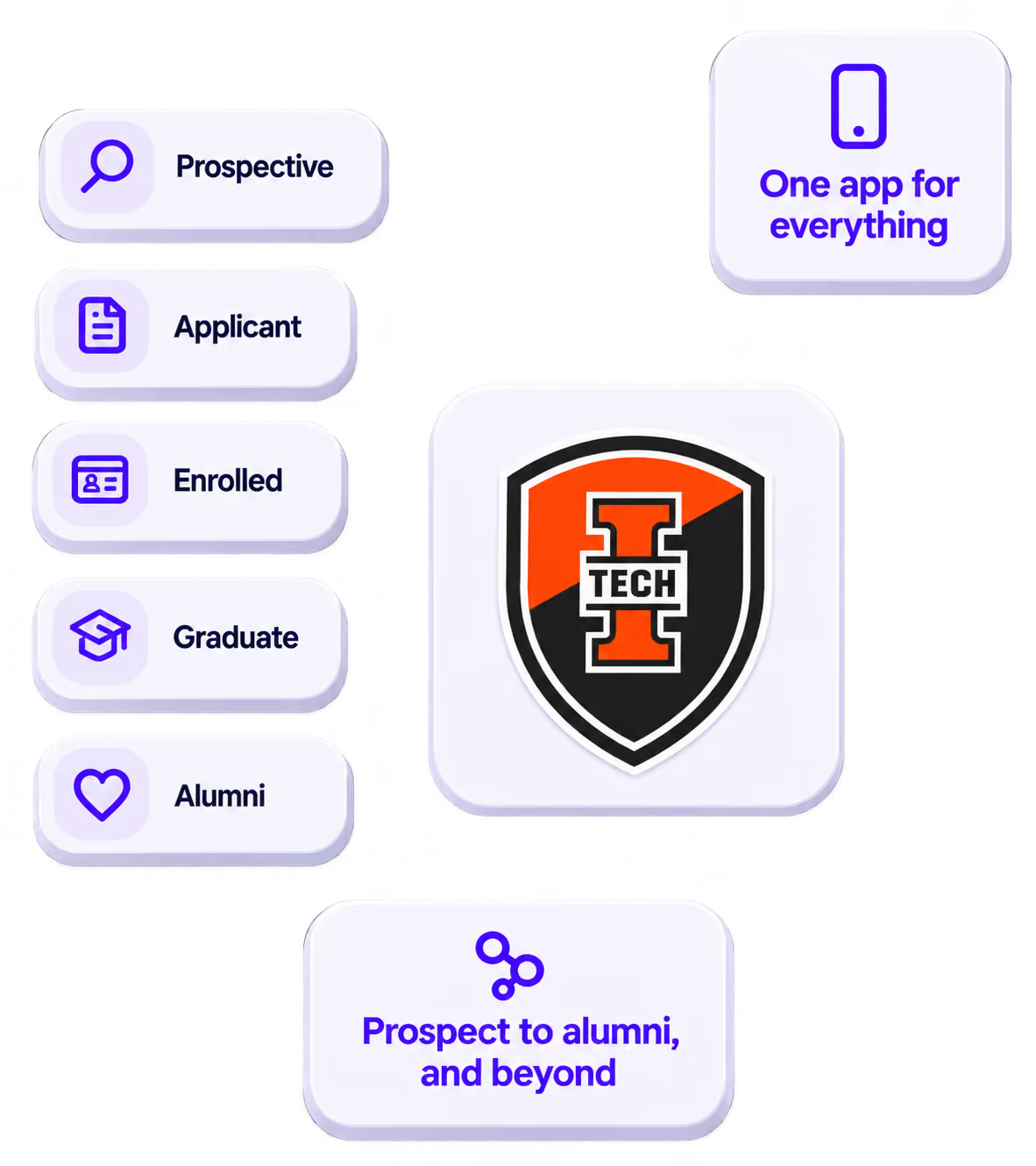
The power of your brand in your app, from first visit to alumni.
Build trust
Attendees download your app, not ours. Your name, colors, and crest in the stores.
.avif)
One place for the whole event
Schedules, maps, registration, and updates in one branded hub - not five tools.
Stand out
A branded app is what people keep on their phone after the printed program is in the recycling.
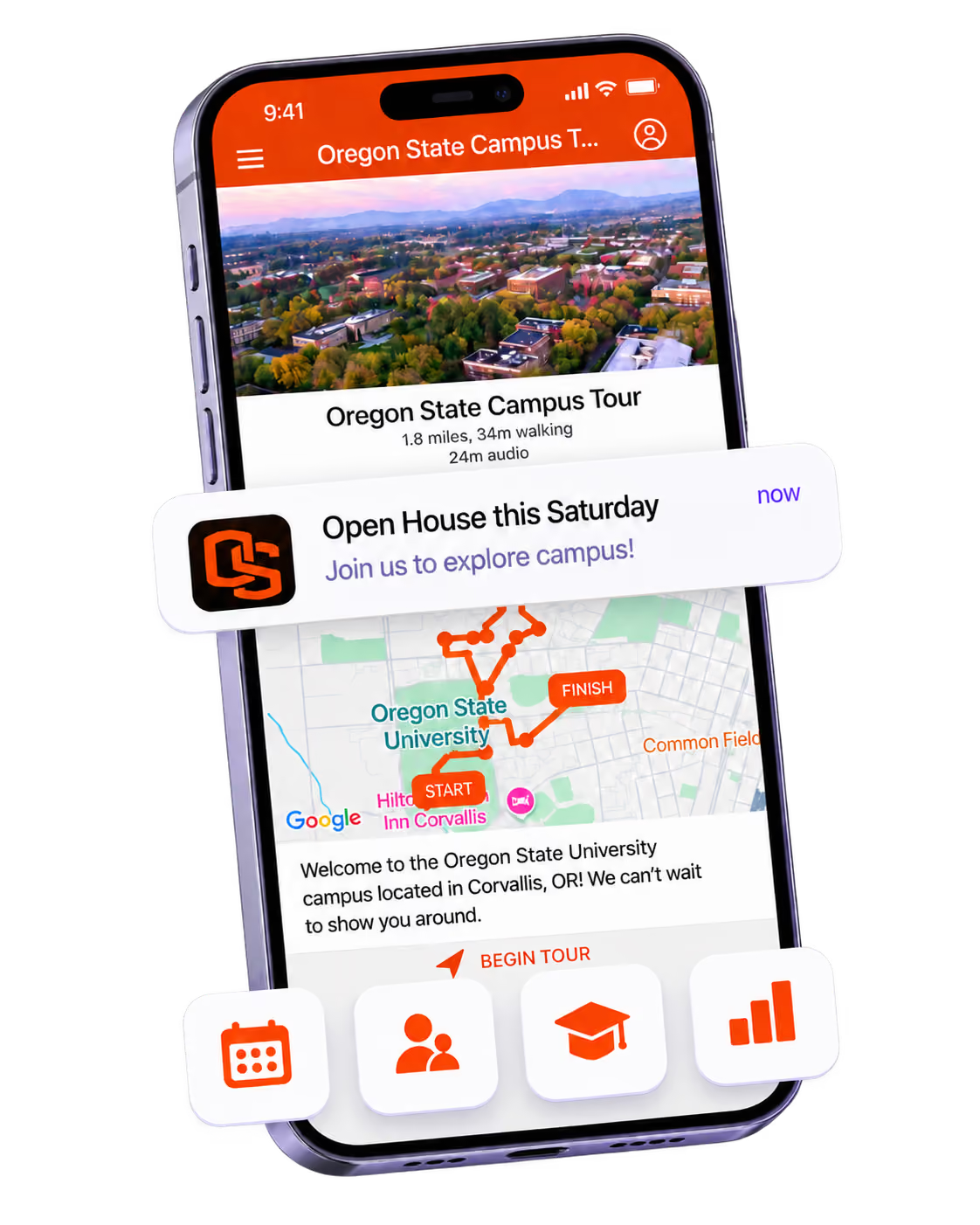

Get the Mobile App Playbook
A short guide to running the whole student journey in one app. No fluff, just what works.
for higher ed
Campus
Playbook
A practical guide to building a connected campus experience.
Free playbook
The Mobile App Playbook for Universities
Students decide if they belong long before they set foot on campus. This playbook shows how to win them over from the first visit through graduation.
- Grow enrollment and boost recruitment
- Increase belonging and retention
- Run every event from one branded app
By submitting, you agree to our Privacy Policy.
You're in.
.png)