
Campus apps by department
Admissions, orientation, student life, and more — one campus app that works across departments.

Campus apps by department
Admissions, orientation, student life, and more — one campus app that works across departments.
Build unlimited event apps on one license
One partnership for unlimited campus events — orientation, tours, student life, and everything in between.
Build unlimited event apps on one license
One partnership for unlimited campus events — orientation, tours, student life, and everything in between.
Compare event app platforms
See how Guidebook stacks up against other event app and registration platforms.
Compare event app platforms
See how Guidebook stacks up against other event app and registration platforms.
Event apps for nonprofit and community programs
Give members, volunteers, and donors one branded app for conferences, fundraisers, and year-round community.
Event apps for nonprofit and community programs
Give members, volunteers, and donors one branded app for conferences, fundraisers, and year-round community.
Campus integrations and an open API
Connect Guidebook with the campus systems, APIs, and tools your team already uses.
Campus integrations and an open API
Connect Guidebook with the campus systems, APIs, and tools your team already uses.
Event apps for corporate and enterprise teams
Internal meetings, offsites, and large-scale corporate events — with the branding and control enterprise teams need.
Event apps for corporate and enterprise teams
Internal meetings, offsites, and large-scale corporate events — with the branding and control enterprise teams need.
Create a branded event app with no coding
Put schedules, maps, resources, and updates in every attendee's pocket — built for campus events and programs.
Create a branded event app with no coding
Put schedules, maps, resources, and updates in every attendee's pocket — built for campus events and programs.
Launch a branded, white-label event app
A white-label event app with your branding, your content, and your attendee experience — no coding required.
Launch a branded, white-label event app
A white-label event app with your branding, your content, and your attendee experience — no coding required.
Everything in the Guidebook platform
Explore the features event teams use to engage attendees before, during, and after the event.
Everything in the Guidebook platform
Explore the features event teams use to engage attendees before, during, and after the event.
One app for in-person and virtual attendees
The same schedule, networking, and updates whether people are in the room or joining remotely.
One app for in-person and virtual attendees
The same schedule, networking, and updates whether people are in the room or joining remotely.
Event apps built for associations
Annual meetings, chapter events, and member engagement — without rebuilding a new app every year.
Event apps built for associations
Annual meetings, chapter events, and member engagement — without rebuilding a new app every year.
A branded event website that matches the app
Promote the event, collect interest, and keep branding consistent from the first click to check-in.
A branded event website that matches the app
Promote the event, collect interest, and keep branding consistent from the first click to check-in.
Plan, run, and measure events on one platform
App, registration, badges, and websites in one workflow — so planning isn't a pile of disconnected tools.
Plan, run, and measure events on one platform
App, registration, badges, and websites in one workflow — so planning isn't a pile of disconnected tools.
Keep members engaged between events
One branded app for the conference and everything that happens the other 51 weeks of the year.
Keep members engaged between events
One branded app for the conference and everything that happens the other 51 weeks of the year.
The conference app attendees actually use
Schedules, maps, networking, and live updates for annual meetings, summits, and multi-day conferences.
The conference app attendees actually use
Schedules, maps, networking, and live updates for annual meetings, summits, and multi-day conferences.
Registration that feeds your app and badges
Collect registrations, payments, and attendee data in the same platform as your event app.
Registration that feeds your app and badges
Collect registrations, payments, and attendee data in the same platform as your event app.
Design and print event badges in one place
Custom badges, QR check-in, and on-site printing — without a separate badge vendor.
Design and print event badges in one place
Custom badges, QR check-in, and on-site printing — without a separate badge vendor.
A Smaller School?
Deliver a polished, branded event experience without a large team or a big budget.
A Smaller School?
Deliver a polished, branded event experience without a large team or a big budget.
Running Family Programs?
Give families everything they need, from schedules and maps to real-time updates, all in one place.
Running Family Programs?
Give families everything they need, from schedules and maps to real-time updates, all in one place.
Coordinating Move-In Day?
Share updates, manage events, and keep students informed from move-in through the academic year.

Coordinating Move-In Day?
Share updates, manage events, and keep students informed from move-in through the academic year.
Offering Campus Tours?
Deliver branded, self-guided tour experiences with interactive maps and rich media, available 24/7.

Offering Campus Tours?
Deliver branded, self-guided tour experiences with interactive maps and rich media, available 24/7.
Organising a Career Fair?
Simplify logistics for students, employers, and Career Services staff with one easy-to-use app.
Organising a Career Fair?
Simplify logistics for students, employers, and Career Services staff with one easy-to-use app.
Managing Alumni Events?
Plan reunions, regional events, and fundraising campaigns with an app built for alumni engagement.
Managing Alumni Events?
Plan reunions, regional events, and fundraising campaigns with an app built for alumni engagement.
Boost Student Engagement
One hub for schedules, resources, and events that keeps students connected throughout the academic year.
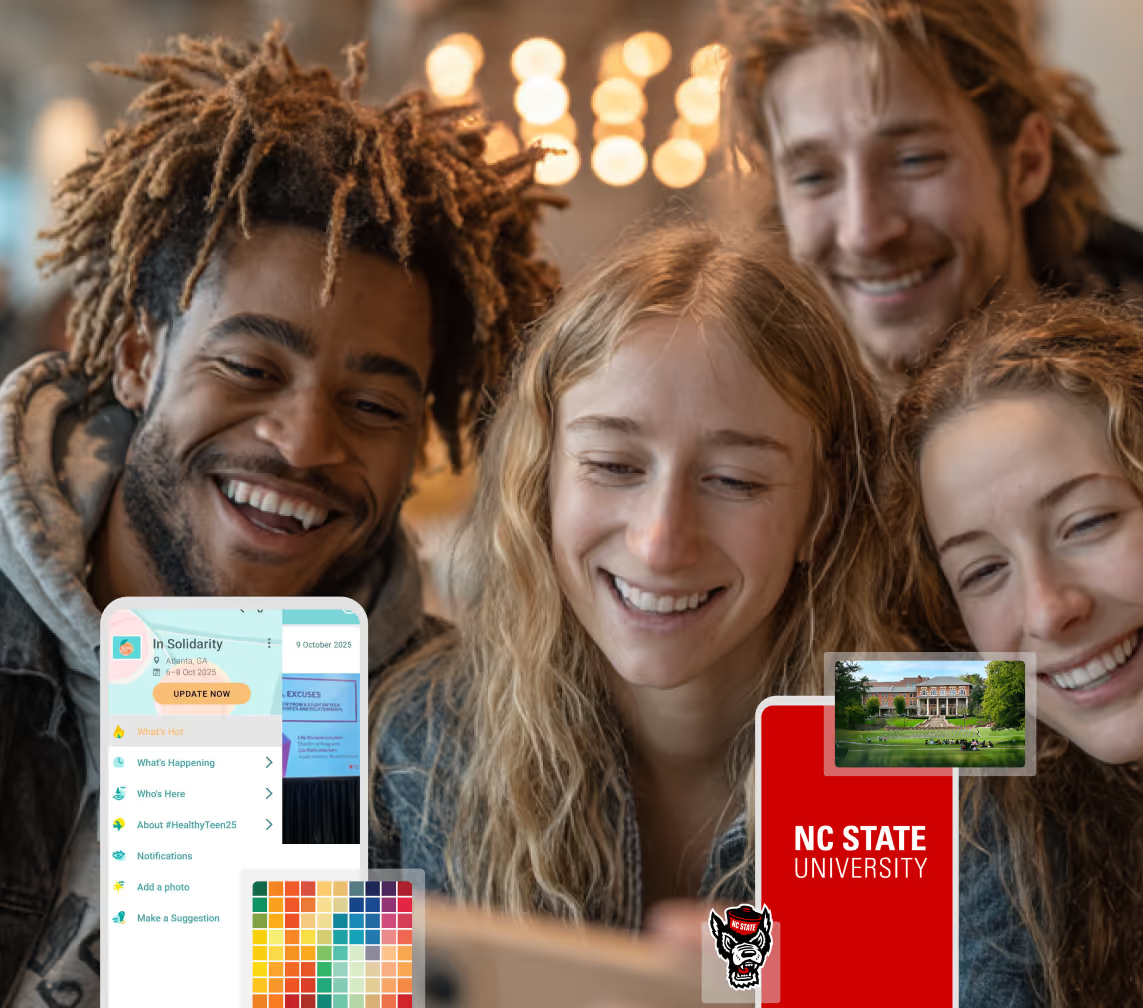
Boost Student Engagement
One hub for schedules, resources, and events that keeps students connected throughout the academic year.
Planning Orientation?
Help new students feel prepared from day one with schedules, campus resources, and real-time updates in one app.
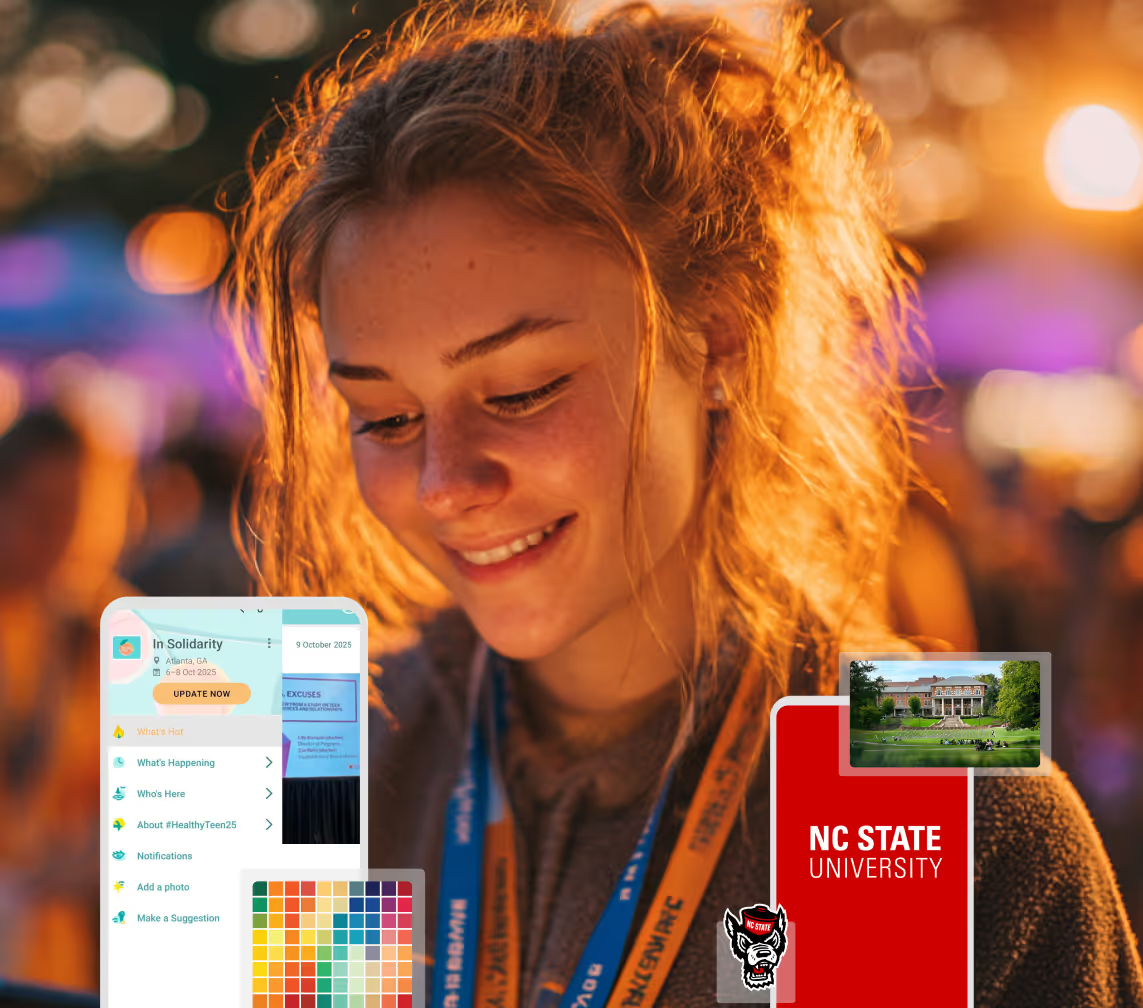
Planning Orientation?
Help new students feel prepared from day one with schedules, campus resources, and real-time updates in one app.
Running Admissions Events?
Manage open houses, tours, and yield events with a branded app that saves time and engages prospective students.

Running Admissions Events?
Manage open houses, tours, and yield events with a branded app that saves time and engages prospective students.
Get a custom Sponsorship Package Template
Stop starting from scratch. Grab free templates that helWe'll build a tailored sponsorship package with suggested pricing, tiers, and benefits..for your specific event.p you build professional sponsorship packages and close deals faster.
Get a custom Sponsorship Package Template
Stop starting from scratch. Grab free templates that helWe'll build a tailored sponsorship package with suggested pricing, tiers, and benefits..for your specific event.p you build professional sponsorship packages and close deals faster.
Plan Your Next Event Without Missing a Beat.
From venue selection to post-event wrap-up, this free checklist walks you through every step (so nothing falls through the cracks).
.avif)
Plan Your Next Event Without Missing a Beat.
From venue selection to post-event wrap-up, this free checklist walks you through every step (so nothing falls through the cracks).
Real Results From Real Events
100,000+ organizations trust Guidebook. See exactly how universities, associations, enterprises, and more put it to work.

Real Results From Real Events
100,000+ organizations trust Guidebook. See exactly how universities, associations, enterprises, and more put it to work.
Flexible pricing for every event size
Find the perfect plan for your needs, from intimate gatherings to large-scale conferences.

Flexible pricing for every event size
Find the perfect plan for your needs, from intimate gatherings to large-scale conferences.
Join our event experts
Watch on-demand webinars and join live sessions with industry leaders sharing best practices for event success.
.avif)
Join our event experts
Watch on-demand webinars and join live sessions with industry leaders sharing best practices for event success.
Guidebook in Action
Book a personalized walkthrough and discover how we help event teams create better attendee experiences.
Guidebook in Action
Book a personalized walkthrough and discover how we help event teams create better attendee experiences.

What defines an association conference?
An association conference brings members together to network, share knowledge, and advance industry goals. Discover key features, planning tips, and engagement strategies.
An Association Conference is a professional gathering where members of an industry group meet to share knowledge, build connections, and advance their field's collective goals. These events range from intimate regional meetups to massive multi-day conventions with thousands of attendees. They're the heartbeat of professional communities worldwide.
Here's the thing: association conferences aren't just another event on the calendar. They're where careers get made, partnerships form, and industries evolve. Unlike corporate meetings or trade shows, these gatherings exist to serve members—not sell to them. That distinction shapes everything from session content to networking opportunities.
Key Characteristics of Association Conferences
- Member-Centric Focus: Every element serves the association's members first. Programming, pricing, and perks all prioritize member value over profit margins.
- Educational Programming: Sessions feature industry experts sharing research, best practices, and emerging trends. Learning drives attendance more than any other factor.
- Networking Opportunities: Structured and informal connection points help attendees build relationships. These connections often outlast the event itself.
- Annual or Recurring Schedule: Most associations host their flagship conference yearly. This predictability helps members plan and budget accordingly.
- Volunteer Leadership: Member volunteers often shape programming and logistics. This grassroots involvement keeps content relevant and authentic.
- Credentialing Components: Many conferences offer continuing education credits or certification opportunities. Attendees can advance their careers while attending.
- Governance Activities: Board meetings, elections, and policy votes often happen during conferences. Members participate in shaping their organization's future.
Association Conference vs. Related Event Types
Trade Show
- Scope: Product and service exhibitions with vendor booths
- Focus: Sales and product demonstrations
- Timeline: Typically 2-4 days with exhibit hall hours
- Channels: Booth displays, demos, and sales meetings
- Goal: Generate leads and close deals
Corporate Conference
- Scope: Single company's employees or stakeholders
- Focus: Internal communication and team alignment
- Timeline: Usually 1-3 days based on company needs
- Channels: Keynotes, breakouts, and team activities
- Goal: Unite teams around company objectives
Professional Summit
- Scope: Thought leaders and senior professionals
- Focus: High-level strategy and industry direction
- Timeline: Often 1-2 days with intensive programming
- Channels: Panels, fireside chats, and executive networking
- Goal: Shape industry thinking and forge partnerships
While these events share some DNA, association conferences stand apart through their member-first mission. They blend education, networking, and governance in ways other formats don't. Understanding these differences helps planners create experiences that truly serve their community. For deeper insights into what is event planning, explore how different event types require unique approaches.
Essential Components of Association Conferences
Build a Strong Educational Track
Education forms the backbone of any successful association conference. Members attend primarily to learn something new.
Your programming should include:
- Keynote presentations from industry leaders
- Breakout sessions on specialized topics
- Workshops with hands-on learning
- Poster sessions for research sharing
- Panel discussions featuring diverse perspectives
Create Meaningful Networking Spaces
Connections made at conferences often become career-defining relationships. Don't leave networking to chance.
Design intentional touchpoints throughout your event. Morning coffee breaks, lunch roundtables, and evening receptions all serve different networking styles. Some attendees thrive in large groups. Others prefer intimate conversations. Offer both options.
Incorporate Governance and Business Meetings
Association conferences serve as the annual gathering point for organizational business. Board elections, bylaw votes, and strategic planning sessions belong here.
Schedule these activities thoughtfully. Early morning or late afternoon slots work well. Members who care deeply will attend. Others can skip without missing educational content.
Design an Engaging Exhibit Hall
Sponsors and exhibitors help fund your conference. They deserve quality exposure to your members.
Create traffic flow that naturally moves attendees through the exhibit space. Schedule breaks and meals nearby. Consider gamification elements that encourage booth visits. Check out what is interactive trade show booth for creative ideas.
Leverage Technology Throughout
Modern conferences need digital support. Mobile apps, live polling, and virtual attendance options expand your reach.
A solid event management platform ties everything together. Attendees access schedules, connect with peers, and engage with content—all from their phones.
The Association Conference Planning Process
Start 12-18 Months Ahead
Large association conferences require serious lead time. Venue contracts, speaker commitments, and sponsor agreements all need early attention.
Your initial planning phase should cover:
- Date selection and venue booking
- Budget development and approval
- Theme and branding decisions
- Committee formation and role assignments
- Initial sponsor outreach
For a complete breakdown, explore what is event planning process.
Build Your Programming 6-9 Months Out
Call for proposals, speaker recruitment, and session scheduling happen in this window. Give yourself enough time to curate quality content.
Review submissions carefully. Balance topics across member interests. Mix formats to keep energy high. Include emerging voices alongside established experts.
Execute Marketing 3-6 Months Before
Registration opens and promotion kicks into high gear. Your event digital marketing strategy should target members through multiple channels.
Email campaigns, social media, and direct outreach all play roles. Early bird pricing creates urgency. Testimonials from past attendees build credibility. Learn more about how to advertise event effectively.
Finalize Details in the Final Weeks
The last month involves confirming everything. Speaker logistics, catering counts, AV requirements, and signage all need final approval.
Create detailed run-of-show documents. Brief your team thoroughly. Prepare contingency plans for common issues. The more you prepare, the smoother your event runs.
Why Association Conference Definition Matters
For Event Success:
- Clear Expectations: Understanding what makes association conferences unique helps planners deliver appropriate experiences.
- Better Programming: Member-focused content drives higher satisfaction scores and repeat attendance.
- Stronger Sponsorships: Sponsors value access to engaged professional communities. Clear positioning attracts better partners.
- Improved Logistics: Knowing your event type guides decisions about venues, technology, and staffing needs.
- Enhanced Networking: Purpose-built connection opportunities create lasting professional relationships.
For Business Objectives:
- Member Retention: Great conferences remind members why they joined. Value delivered equals renewals earned.
- Revenue Generation: Registration fees, sponsorships, and exhibit sales fund association operations year-round.
- Industry Influence: Conferences position associations as thought leaders. Media coverage and content creation extend reach.
- Professional Development: Members advance their careers through learning and credentialing opportunities.
- Community Building: Shared experiences create bonds that strengthen the entire professional community.
Measuring success matters too. Understanding what is event ROI helps you demonstrate value to stakeholders. Guidebook's platform makes tracking engagement and gathering feedback simple, giving you data to improve year over year.
Association Conference Best Practices
- Survey Members Before Planning: Ask what topics matter most. Let data guide your programming decisions rather than assumptions.
- Diversify Your Speaker Lineup: Include voices from different backgrounds, career stages, and perspectives. Fresh viewpoints keep content engaging.
- Price Strategically: Offer member discounts, early bird rates, and group pricing. Make attendance accessible without undervaluing your event.
- Invest in Your Mobile App: Attendees expect digital tools. A quality branded app improves experience and reduces printed materials.
- Create Content Beyond Sessions: Podcasts, blog posts, and video recaps extend your conference's value. Non-attendees get a taste. Attendees relive highlights.
- Train Your Volunteers Well: Member volunteers represent your association. Give them clear roles, proper briefings, and genuine appreciation.
- Build in Flexibility: Schedules change. Speakers cancel. Technology fails. Plan for problems and you'll handle them gracefully.
- Gather Feedback Immediately: Send surveys while memories are fresh. Use a solid event debrief template to capture insights.
- Celebrate Successes Publicly: Share attendance numbers, satisfaction scores, and member testimonials. Success breeds future success.
- Start Planning Next Year Early: The best time to book next year's venue? During this year's conference, while energy runs high.
Common Association Conference Mistakes
Ignoring First-Time Attendees: New members feel lost at large conferences. Without orientation sessions or buddy programs, they may not return. Create specific touchpoints that help newcomers navigate and connect.
Overloading the Schedule: More sessions don't equal more value. Packed schedules exhaust attendees and prevent meaningful networking. Build in breathing room between activities.
Neglecting Virtual Options: Not everyone can travel. Hybrid elements expand access and revenue potential. Learn about what is virtual event options that complement in-person experiences.
Underestimating Technology Needs: Weak WiFi, poor AV, and clunky registration systems frustrate attendees. Invest in reliable event check-in software and infrastructure.
Forgetting Accessibility: Members have diverse needs. Hearing loops, wheelchair access, dietary accommodations, and quiet spaces matter. Inclusive events serve everyone better.
Treating Sponsors as ATMs: Partners want meaningful engagement, not just logo placement. Create genuine value exchanges that benefit sponsors and attendees alike. Review sponsorship package examples for inspiration.
Skipping Post-Event Follow-Up: The conference ends but relationships shouldn't. Share resources, connect attendees, and maintain momentum until next year.
Final Thoughts
Association conferences represent something special in the events world. They're where professionals gather not as customers or employees, but as community members united by shared purpose. That distinction shapes everything from content to culture.
The best association conferences balance tradition with innovation. They honor what members love while introducing fresh ideas. They create spaces where veterans mentor newcomers and newcomers challenge assumptions. This dynamic keeps professional communities vibrant and relevant.
Planning these events takes serious effort. But the payoff—watching members connect, learn, and grow—makes it worthwhile. Every handshake, every "aha moment," every business card exchanged represents your association's mission in action.
Book a demo to see how we can support your community's biggest gathering.Because great conferences don't just happen. They're built by people who understand what their members truly need.
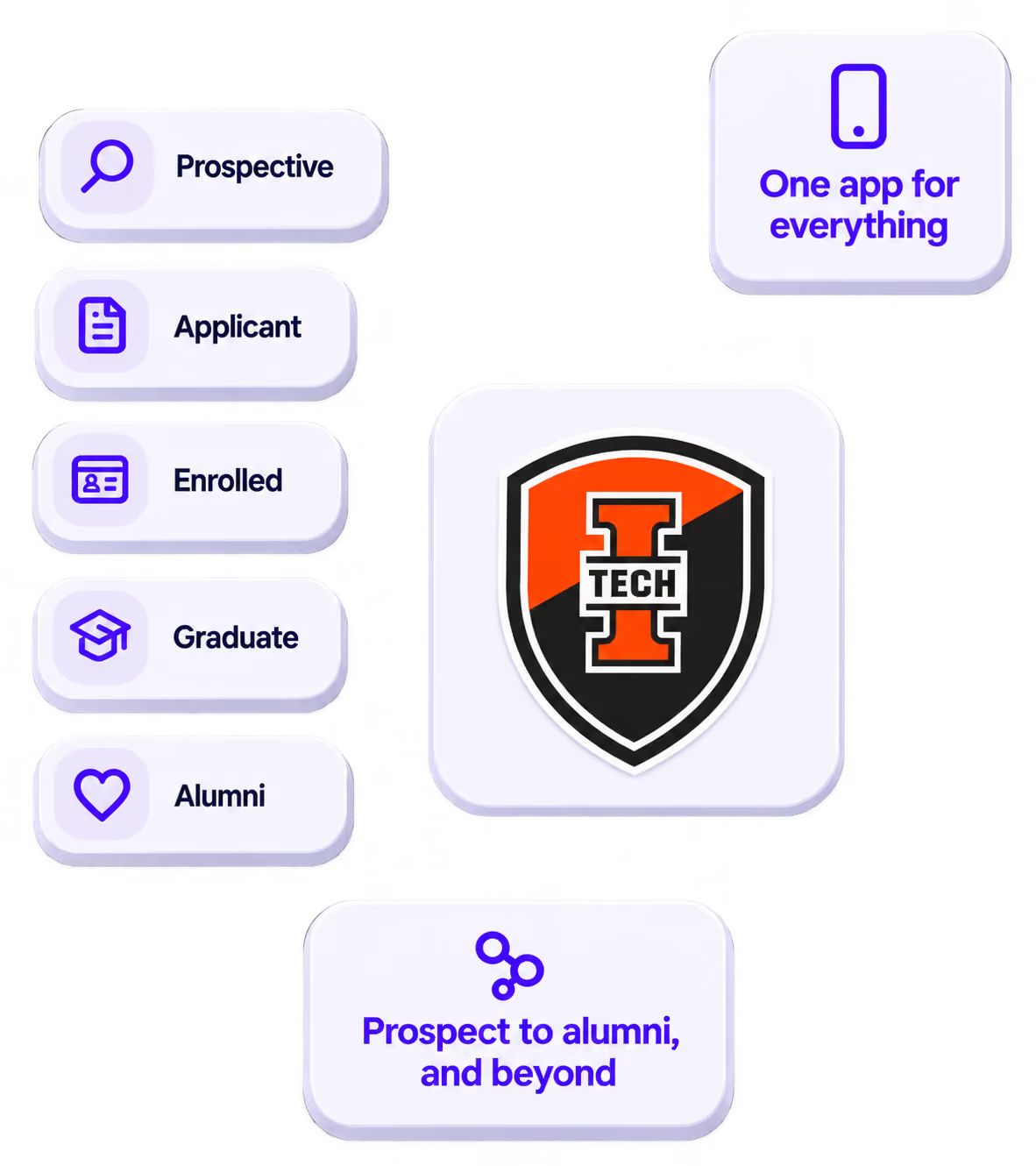
The power of your brand in your app, from first visit to alumni.
Build trust
Attendees download your app, not ours. Your name, colors, and crest in the stores.
.avif)
One place for the whole event
Schedules, maps, registration, and updates in one branded hub - not five tools.
Stand out
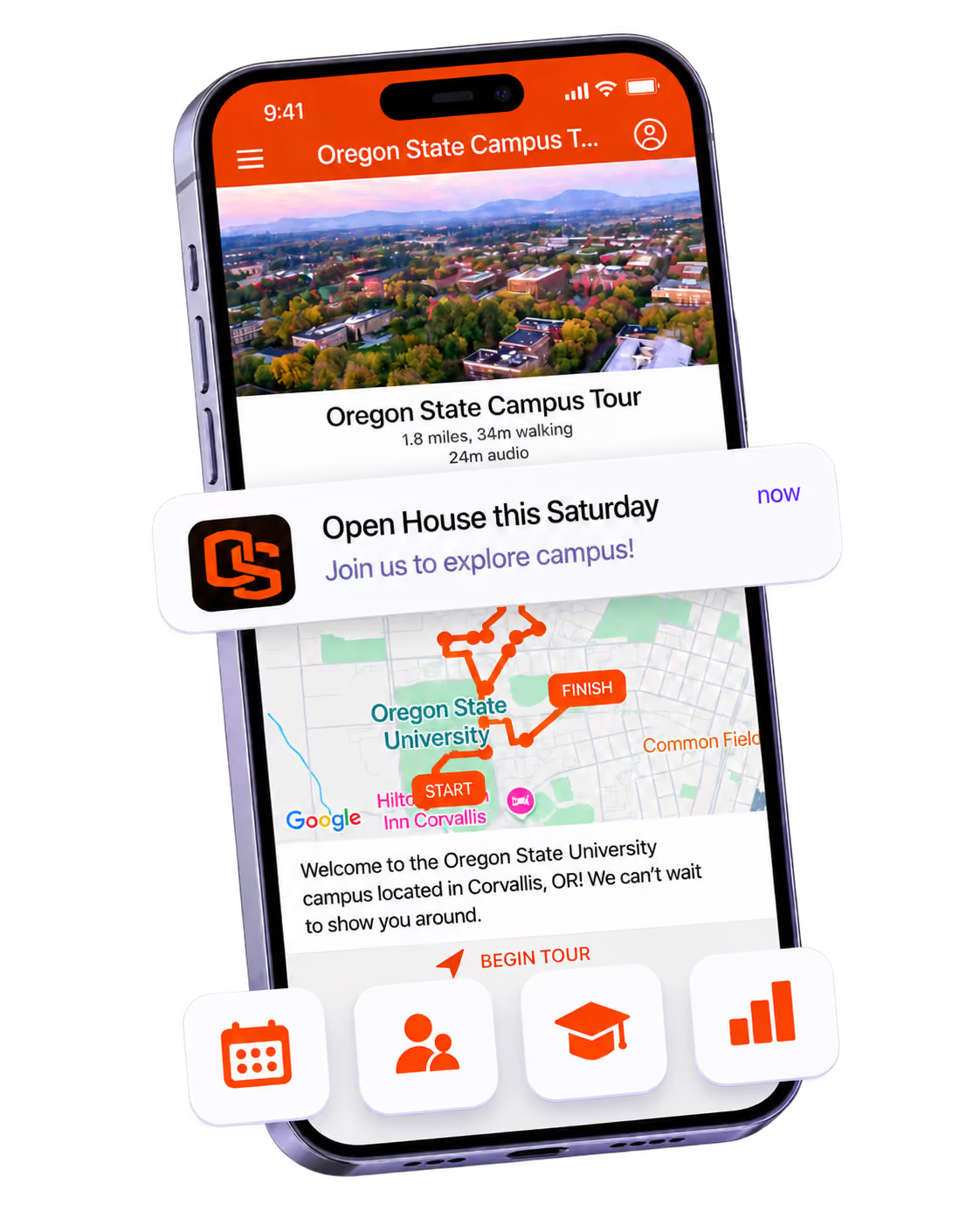
A branded app is what people keep on their phone after the printed program is in the recycling.

Get the Mobile App Playbook
A short guide to running the whole student journey in one app. No fluff, just what works.
for higher ed
Campus
Playbook
A practical guide to building a connected campus experience.
Free playbook
The Mobile App Playbook for Universities
Students decide if they belong long before they set foot on campus. This playbook shows how to win them over from the first visit through graduation.
- Grow enrollment and boost recruitment
- Increase belonging and retention
- Run every event from one branded app
By submitting, you agree to our Privacy Policy.
You're in.
.png)