
Campus apps by department
Admissions, orientation, student life, and more — one campus app that works across departments.

Campus apps by department
Admissions, orientation, student life, and more — one campus app that works across departments.
Build unlimited event apps on one license
One partnership for unlimited campus events — orientation, tours, student life, and everything in between.
Build unlimited event apps on one license
One partnership for unlimited campus events — orientation, tours, student life, and everything in between.
Compare event app platforms
See how Guidebook stacks up against other event app and registration platforms.
Compare event app platforms
See how Guidebook stacks up against other event app and registration platforms.
Event apps for nonprofit and community programs
Give members, volunteers, and donors one branded app for conferences, fundraisers, and year-round community.
Event apps for nonprofit and community programs
Give members, volunteers, and donors one branded app for conferences, fundraisers, and year-round community.
Campus integrations and an open API
Connect Guidebook with the campus systems, APIs, and tools your team already uses.
Campus integrations and an open API
Connect Guidebook with the campus systems, APIs, and tools your team already uses.
Event apps for corporate and enterprise teams
Internal meetings, offsites, and large-scale corporate events — with the branding and control enterprise teams need.
Event apps for corporate and enterprise teams
Internal meetings, offsites, and large-scale corporate events — with the branding and control enterprise teams need.
Create a branded event app with no coding
Put schedules, maps, resources, and updates in every attendee's pocket — built for campus events and programs.
Create a branded event app with no coding
Put schedules, maps, resources, and updates in every attendee's pocket — built for campus events and programs.
Launch a branded, white-label event app
A white-label event app with your branding, your content, and your attendee experience — no coding required.
Launch a branded, white-label event app
A white-label event app with your branding, your content, and your attendee experience — no coding required.
Everything in the Guidebook platform
Explore the features event teams use to engage attendees before, during, and after the event.
Everything in the Guidebook platform
Explore the features event teams use to engage attendees before, during, and after the event.
One app for in-person and virtual attendees
The same schedule, networking, and updates whether people are in the room or joining remotely.
One app for in-person and virtual attendees
The same schedule, networking, and updates whether people are in the room or joining remotely.
Event apps built for associations
Annual meetings, chapter events, and member engagement — without rebuilding a new app every year.
Event apps built for associations
Annual meetings, chapter events, and member engagement — without rebuilding a new app every year.
A branded event website that matches the app
Promote the event, collect interest, and keep branding consistent from the first click to check-in.
A branded event website that matches the app
Promote the event, collect interest, and keep branding consistent from the first click to check-in.
Plan, run, and measure events on one platform
App, registration, badges, and websites in one workflow — so planning isn't a pile of disconnected tools.
Plan, run, and measure events on one platform
App, registration, badges, and websites in one workflow — so planning isn't a pile of disconnected tools.
Keep members engaged between events
One branded app for the conference and everything that happens the other 51 weeks of the year.
Keep members engaged between events
One branded app for the conference and everything that happens the other 51 weeks of the year.
The conference app attendees actually use
Schedules, maps, networking, and live updates for annual meetings, summits, and multi-day conferences.
The conference app attendees actually use
Schedules, maps, networking, and live updates for annual meetings, summits, and multi-day conferences.
Registration that feeds your app and badges
Collect registrations, payments, and attendee data in the same platform as your event app.
Registration that feeds your app and badges
Collect registrations, payments, and attendee data in the same platform as your event app.
Design and print event badges in one place
Custom badges, QR check-in, and on-site printing — without a separate badge vendor.
Design and print event badges in one place
Custom badges, QR check-in, and on-site printing — without a separate badge vendor.
A Smaller School?
Deliver a polished, branded event experience without a large team or a big budget.
A Smaller School?
Deliver a polished, branded event experience without a large team or a big budget.
Running Family Programs?
Give families everything they need, from schedules and maps to real-time updates, all in one place.
Running Family Programs?
Give families everything they need, from schedules and maps to real-time updates, all in one place.
Coordinating Move-In Day?
Share updates, manage events, and keep students informed from move-in through the academic year.

Coordinating Move-In Day?
Share updates, manage events, and keep students informed from move-in through the academic year.
Offering Campus Tours?
Deliver branded, self-guided tour experiences with interactive maps and rich media, available 24/7.

Offering Campus Tours?
Deliver branded, self-guided tour experiences with interactive maps and rich media, available 24/7.
Organising a Career Fair?
Simplify logistics for students, employers, and Career Services staff with one easy-to-use app.
Organising a Career Fair?
Simplify logistics for students, employers, and Career Services staff with one easy-to-use app.
Managing Alumni Events?
Plan reunions, regional events, and fundraising campaigns with an app built for alumni engagement.
Managing Alumni Events?
Plan reunions, regional events, and fundraising campaigns with an app built for alumni engagement.
Boost Student Engagement
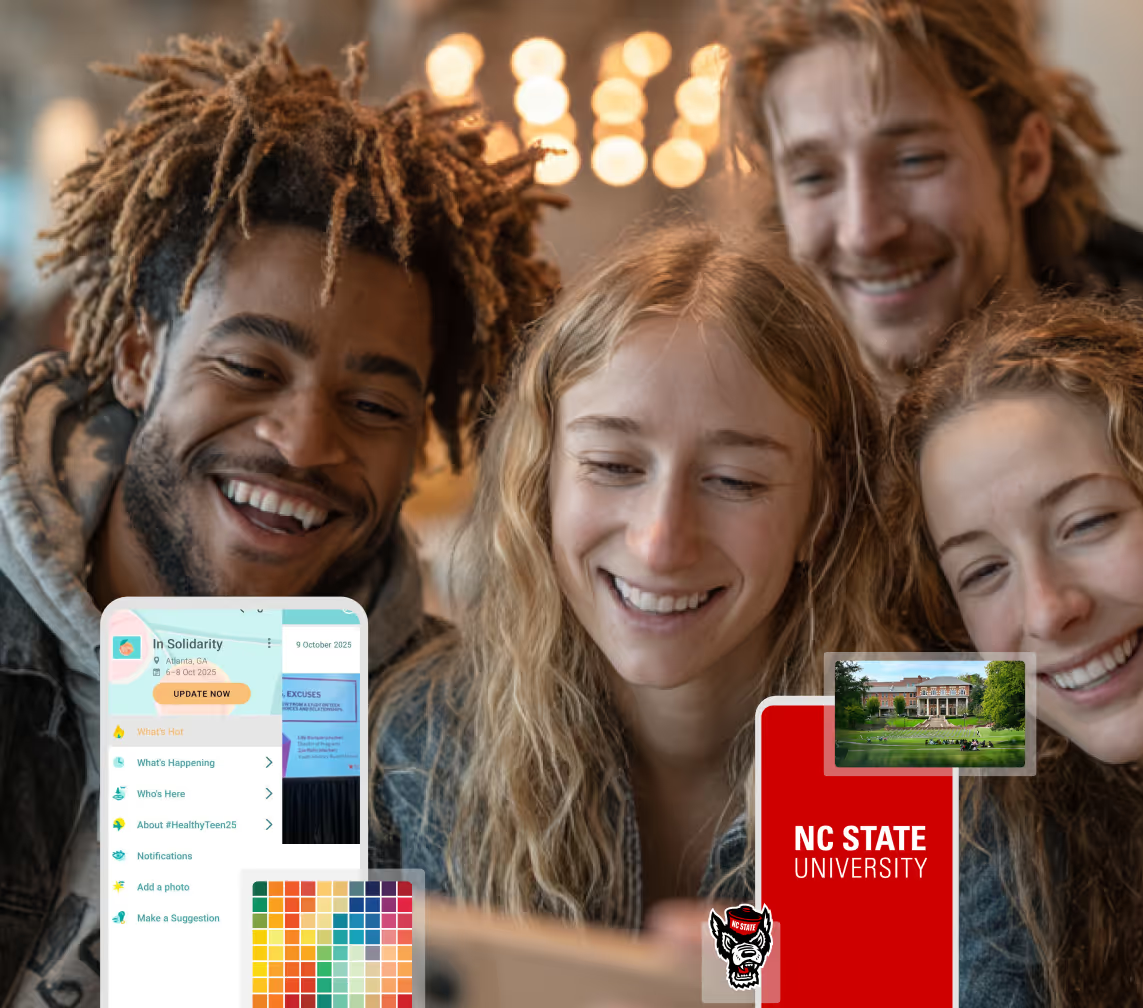
One hub for schedules, resources, and events that keeps students connected throughout the academic year.
Boost Student Engagement
One hub for schedules, resources, and events that keeps students connected throughout the academic year.
Planning Orientation?
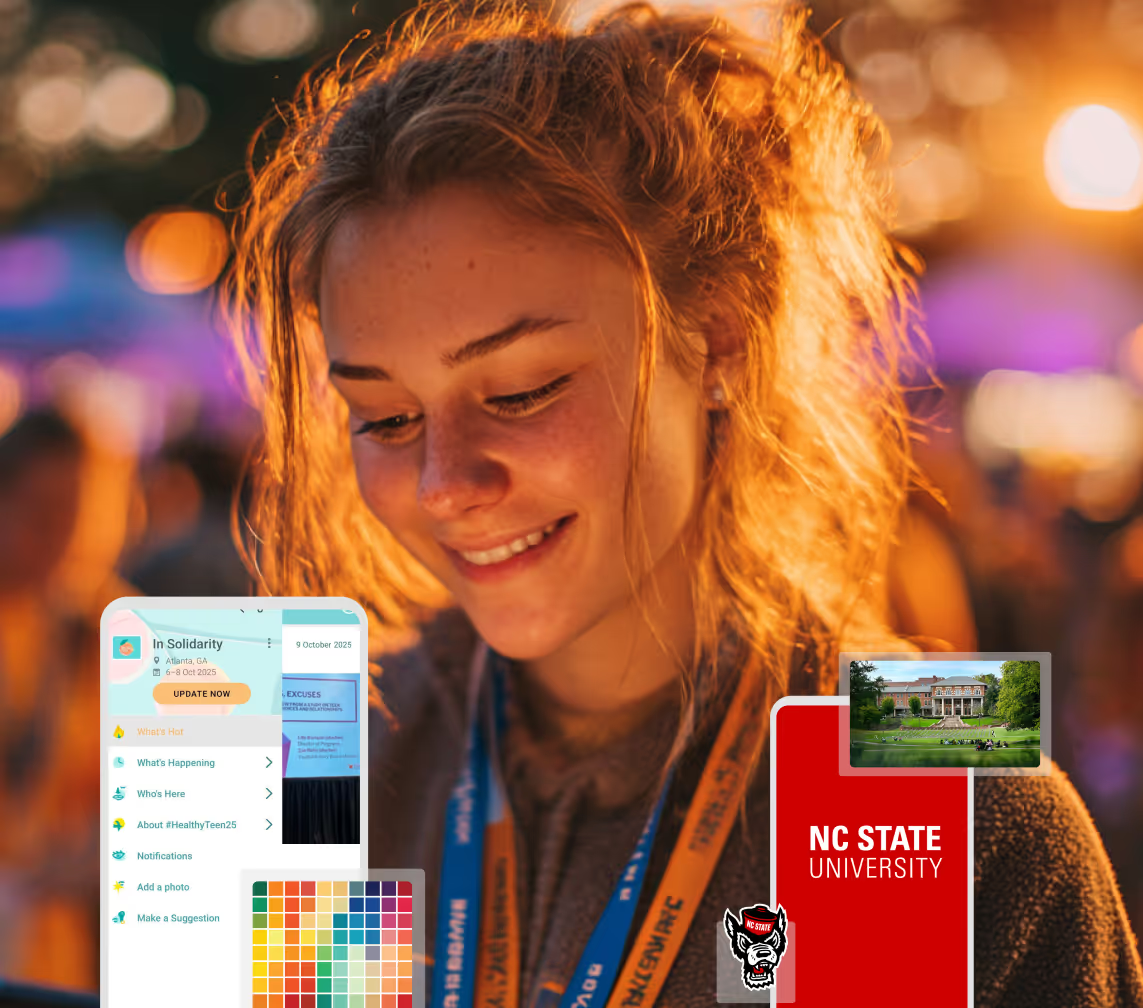
Help new students feel prepared from day one with schedules, campus resources, and real-time updates in one app.
Planning Orientation?
Help new students feel prepared from day one with schedules, campus resources, and real-time updates in one app.
Running Admissions Events?
Manage open houses, tours, and yield events with a branded app that saves time and engages prospective students.

Running Admissions Events?
Manage open houses, tours, and yield events with a branded app that saves time and engages prospective students.
Get a custom Sponsorship Package Template
Stop starting from scratch. Grab free templates that helWe'll build a tailored sponsorship package with suggested pricing, tiers, and benefits..for your specific event.p you build professional sponsorship packages and close deals faster.
Get a custom Sponsorship Package Template
Stop starting from scratch. Grab free templates that helWe'll build a tailored sponsorship package with suggested pricing, tiers, and benefits..for your specific event.p you build professional sponsorship packages and close deals faster.
Plan Your Next Event Without Missing a Beat.
From venue selection to post-event wrap-up, this free checklist walks you through every step (so nothing falls through the cracks).
.avif)
Plan Your Next Event Without Missing a Beat.
From venue selection to post-event wrap-up, this free checklist walks you through every step (so nothing falls through the cracks).
Real Results From Real Events
100,000+ organizations trust Guidebook. See exactly how universities, associations, enterprises, and more put it to work.

Real Results From Real Events
100,000+ organizations trust Guidebook. See exactly how universities, associations, enterprises, and more put it to work.
Flexible pricing for every event size
Find the perfect plan for your needs, from intimate gatherings to large-scale conferences.

Flexible pricing for every event size
Find the perfect plan for your needs, from intimate gatherings to large-scale conferences.
Join our event experts
Watch on-demand webinars and join live sessions with industry leaders sharing best practices for event success.
.avif)
Join our event experts
Watch on-demand webinars and join live sessions with industry leaders sharing best practices for event success.
Guidebook in Action
Book a personalized walkthrough and discover how we help event teams create better attendee experiences.
Guidebook in Action
Book a personalized walkthrough and discover how we help event teams create better attendee experiences.

What is a Sponsorship Packet?
A sponsorship packet is a comprehensive proposal that outlines partnership opportunities, benefits, and pricing for potential sponsors. Learn key components, design tips, and best practices.

A Sponsorship Packet is the comprehensive document that showcases your event's value and convinces potential sponsors to invest in your success. It combines event details, audience data, and partnership opportunities into one polished package. A well-crafted sponsorship packet can mean the difference between securing funding and getting ignored.
Here's the thing: a sponsorship packet isn't just a price list. It's your event's sales pitch in document form. Think of it as a first date with potential sponsors. You're showing them who you are, what you offer, and why they should care. The best packets tell a story that makes sponsors excited to partner with you.
Key Characteristics of a Sponsorship Packet
- Professional Presentation: Clean design, consistent branding, and high-quality visuals signal that you take your event seriously. Sponsors judge your professionalism by how your packet looks.
- Clear Value Proposition: Every page should answer the sponsor's main question: "What's in it for me?" Lead with benefits, not features.
- Audience Demographics: Detailed data about who attends your event helps sponsors see if your audience matches their target market.
- Tiered Sponsorship Levels: Multiple investment options let sponsors choose what fits their budget. Most packets include 3-5 tiers with escalating benefits.
- Specific Deliverables: Concrete benefits like logo placement, booth space, or speaking slots give sponsors tangible reasons to invest.
- Social Proof: Past sponsor testimonials, attendance numbers, and media coverage build credibility and trust.
- Easy Contact Information: Clear next steps and contact details make it simple for interested sponsors to reach out.
Sponsorship Packet vs. Related Documents
Sponsorship Letter
- Scope: Single-page introduction to your event and sponsorship opportunity
- Focus: Personal connection and initial outreach
- Timeline: Sent first to gauge interest before sharing full packet
- Channels: Email, direct mail, or hand-delivered
- Goal: Open the door for further conversation
Sponsorship Agreement
- Scope: Legal contract outlining terms and conditions
- Focus: Binding commitments and payment details
- Timeline: Created after sponsor commits to partnership
- Channels: Formal document exchange, often with signatures
- Goal: Finalize the partnership legally
Media Kit
- Scope: Press-focused materials about your event or organization
- Focus: News coverage and publicity opportunities
- Timeline: Used throughout event promotion cycle
- Channels: Shared with journalists and media outlets
- Goal: Generate press coverage and awareness
Your sponsorship packet sits between the initial sponsorship letter and the final agreement. It's your main selling tool. While media kits target journalists, sponsorship packets speak directly to potential business partners.
Essential Sponsorship Packet Components
Create a Compelling Cover Page
Your cover page sets the tone. Include your event name, logo, dates, and location. Add a tagline that captures your event's essence.
Keep it clean and visually striking. This is your first impression—make it count.
Write an Executive Summary
Busy decision-makers often skim. Your executive summary should hook them in 30 seconds or less.
Cover these essentials:
- What your event is about
- When and where it happens
- Expected attendance numbers
- Why sponsors should care
Showcase Your Audience Data
Sponsors want to reach specific people. Give them the data they need to say yes.
Include demographics like:
- Age ranges and gender breakdown
- Job titles and industries
- Geographic locations
- Income levels or company sizes
- Interests and buying behaviors
Design Your Sponsorship Tiers
Most successful packets offer 3-5 sponsorship levels. Name them creatively to match your event theme.
Each tier should clearly show what sponsors receive. Use tables or visual comparisons to make differences obvious. Check out sponsorship package examples for inspiration.
Include Past Success Stories
Nothing sells like proof. Share photos from previous events. Include testimonials from happy sponsors.
If you're hosting your first event, highlight your team's experience. Share relevant industry statistics that support your event's potential.
Building Your Sponsorship Packet Strategy
Research Your Target Sponsors
Don't blast your packet to everyone. Research companies that align with your event's mission and audience.
Look for brands that:
- Already sponsor similar events
- Target your attendee demographics
- Have marketing budgets for partnerships
- Share your event's values
Customize for Each Prospect
Generic packets get generic responses. Tailor your pitch to each sponsor's specific goals.
Add a personalized cover letter. Reference their recent campaigns or initiatives. Show you've done your homework.
Time Your Outreach Right
Most companies plan marketing budgets months in advance. Start your sponsorship outreach 6-12 months before your event.
This timeline gives sponsors time to:
- Review your proposal
- Get internal approvals
- Allocate budget
- Plan their activation
Follow Up Strategically
Sending your packet is just the beginning. Plan a follow-up sequence that keeps you top of mind without being annoying.
A good rhythm: follow up one week after sending, then again at two weeks. After that, check in monthly until you get a clear yes or no.
Why Sponsorship Packets Matter
For Event Success:
- Funding Security: Sponsorship revenue can cover 30-70% of event costs, reducing financial risk significantly.
- Enhanced Attendee Experience: Sponsor contributions fund better speakers, venues, and amenities that attendees love.
- Marketing Amplification: Sponsors often promote your event to their audiences, expanding your reach for free.
- Credibility Boost: Well-known sponsor logos signal that your event is worth attending.
- Resource Access: Sponsors may provide products, services, or expertise beyond cash contributions.
For Business Objectives:
- Revenue Diversification: Multiple sponsors reduce dependence on ticket sales alone.
- Long-term Partnerships: Great sponsor experiences lead to multi-year commitments and stable income.
- Industry Connections: Sponsor relationships open doors to new business opportunities.
- Brand Positioning: Attracting premium sponsors elevates your event's market position.
- Scalability: Sponsorship funding enables you to grow your event year over year.
Managing sponsor relationships gets easier with the right tools. Guidebook's event management platform helps you track sponsor deliverables, showcase sponsor logos in your event app, and measure the exposure sponsors receive.
Sponsorship Packet Best Practices
- Lead with Benefits, Not Features: Don't just list what sponsors get. Explain how each benefit helps them achieve their goals.
- Use Real Numbers: Vague claims like "great exposure" mean nothing. Specific data like "5,000 attendees with 60% decision-makers" sells.
- Keep It Scannable: Use headers, bullet points, and white space. Busy executives won't read walls of text.
- Include Visually Appealing Photos: High-quality images from past events help sponsors picture themselves there.
- Offer Flexible Options: Beyond standard tiers, include à la carte options for sponsors with specific needs.
- Make Pricing Clear: Don't hide costs or make sponsors guess. Transparency builds trust.
- Add a Deadline: Create urgency with early-bird pricing or limited availability for premium placements.
- Proofread Everything: Typos and errors signal carelessness. Have multiple people review before sending.
- Create Digital and Print Versions: Some sponsors prefer PDFs; others want physical packets. Be ready for both.
- Update Annually: Refresh your packet each year with new data, testimonials, and improved design.
Common Sponsorship Packet Mistakes
Focusing on Your Needs, Not Theirs: Your packet shouldn't read like a wish list. Sponsors don't care that you need money. They care about reaching their target audience and achieving their marketing goals.
Overloading with Information: More pages don't mean more value. A 30-page packet overwhelms readers. Aim for 8-12 pages that cover essentials clearly. Save detailed information for follow-up conversations.
Using Outdated Data: Last year's attendance numbers won't cut it. Sponsors want current, relevant data. If you're planning a new event, use industry benchmarks and realistic projections.
Ignoring Design Quality: A Word document with clip art screams amateur hour. Invest in professional design or use quality templates. Your packet's appearance reflects your event's quality.
Setting Unrealistic Prices: Pricing too high scares sponsors away. Pricing too low undervalues your event. Research what similar events charge and price accordingly.
Forgetting the Call to Action: Every packet needs clear next steps. Tell sponsors exactly how to move forward. Include contact information, response deadlines, and the decision-making process.
Neglecting Follow-Up Plans: Sending packets without follow-up is like fishing without reeling in. Plan your outreach sequence before you send a single packet.
Final Thoughts
A strong sponsorship packet transforms your event from a funding challenge into a partnership opportunity. It's not just a document—it's your event's ambassador to the business world. The time you invest in creating a compelling packet pays dividends in sponsor relationships and event success.
The event industry continues to evolve, and so do sponsor expectations. Today's sponsors want more than logo placement. They want meaningful engagement with your audience. Your packet should reflect this shift by emphasizing experiential benefits and measurable outcomes.
Think of your sponsorship packet as a living document. Each event teaches you what resonates with sponsors. Use that feedback to improve your next version. The best event planners treat sponsorship development as an ongoing process, not a one-time task.
Ready to take your sponsorship game to the next level? Schedule a demo with Guidebook to see how our platform helps you deliver on sponsor promises. From digital marketing integration to ROI tracking, we give you the tools to make sponsors happy and keep them coming back. Check out our event templates and planning guides to start building better events today.
Your next great sponsor partnership starts with a packet worth reading. Make it count.
The power of your brand in your app, from first visit to alumni.
Build trust
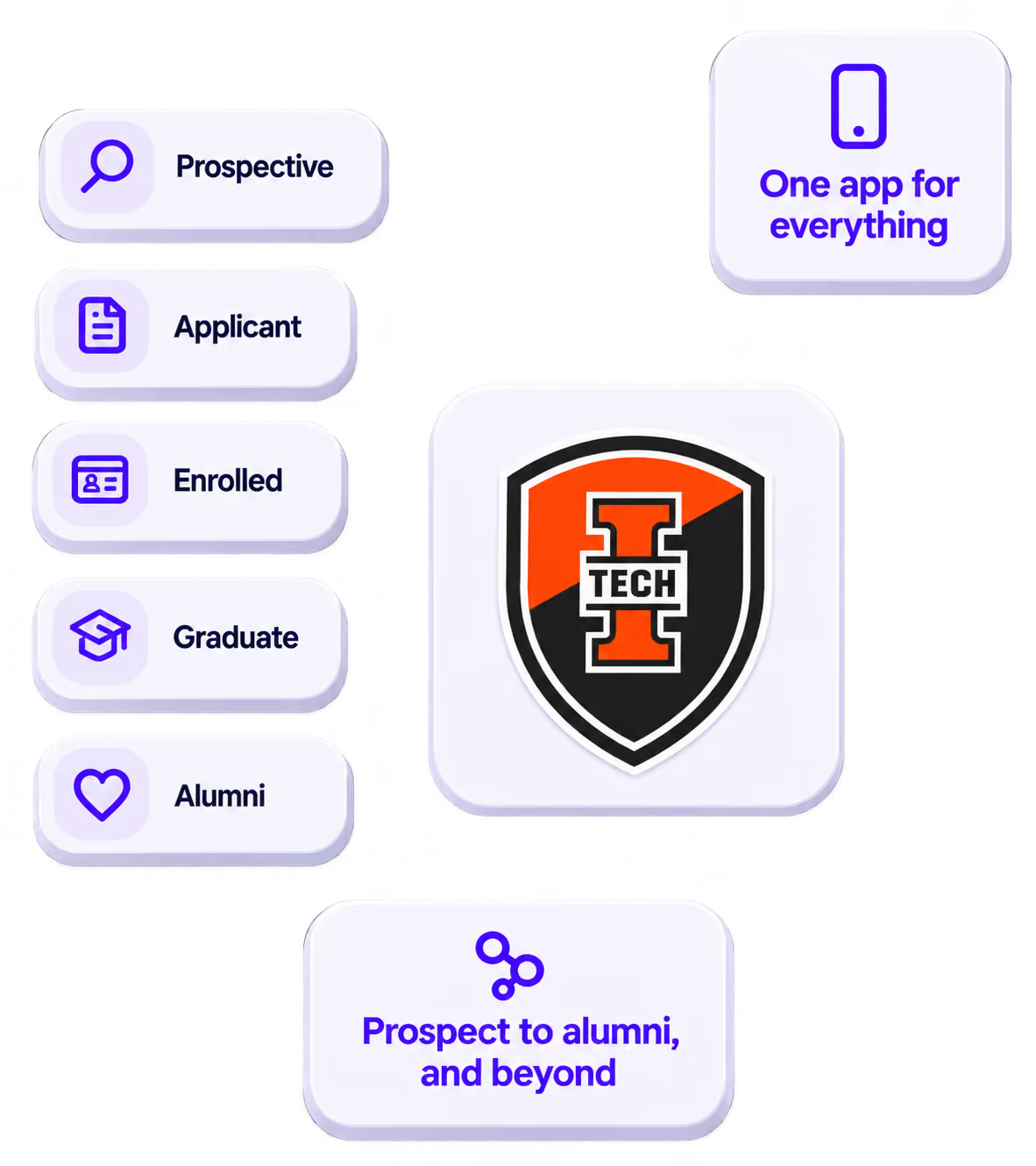
Attendees download your app, not ours. Your name, colors, and crest in the stores.
.avif)
One place for the whole event
Schedules, maps, registration, and updates in one branded hub - not five tools.
Stand out
A branded app is what people keep on their phone after the printed program is in the recycling.
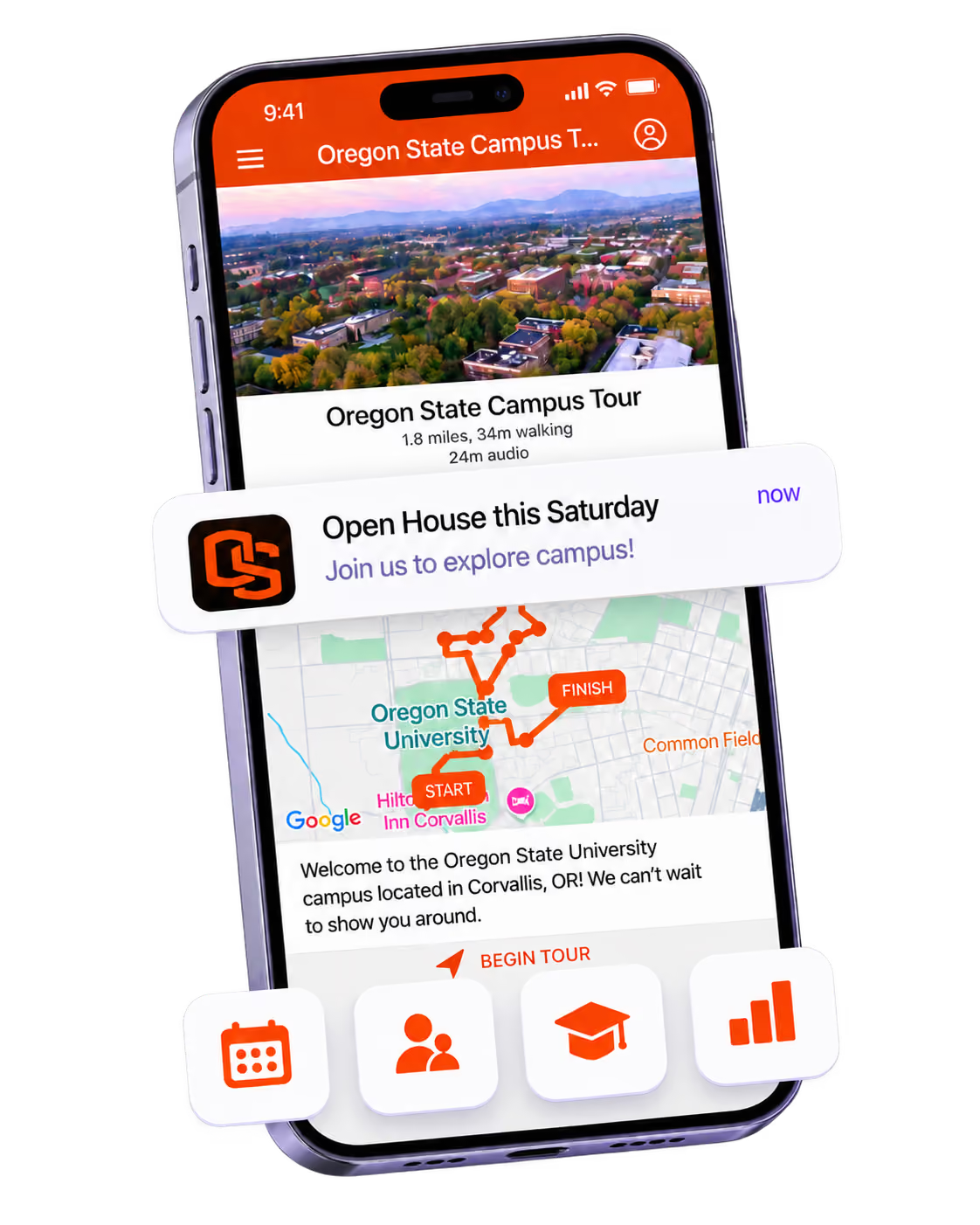

Get the Mobile App Playbook
A short guide to running the whole student journey in one app. No fluff, just what works.
for higher ed
Campus
Playbook
A practical guide to building a connected campus experience.
Free playbook
The Mobile App Playbook for Universities
Students decide if they belong long before they set foot on campus. This playbook shows how to win them over from the first visit through graduation.
- Grow enrollment and boost recruitment
- Increase belonging and retention
- Run every event from one branded app
By submitting, you agree to our Privacy Policy.
You're in.
.png)