
Campus apps by department
Admissions, orientation, student life, and more — one campus app that works across departments.

Campus apps by department
Admissions, orientation, student life, and more — one campus app that works across departments.
Build unlimited event apps on one license
One partnership for unlimited campus events — orientation, tours, student life, and everything in between.
Build unlimited event apps on one license
One partnership for unlimited campus events — orientation, tours, student life, and everything in between.
Compare event app platforms
See how Guidebook stacks up against other event app and registration platforms.
Compare event app platforms
See how Guidebook stacks up against other event app and registration platforms.
Event apps for nonprofit and community programs
Give members, volunteers, and donors one branded app for conferences, fundraisers, and year-round community.
Event apps for nonprofit and community programs
Give members, volunteers, and donors one branded app for conferences, fundraisers, and year-round community.
Campus integrations and an open API
Connect Guidebook with the campus systems, APIs, and tools your team already uses.
Campus integrations and an open API
Connect Guidebook with the campus systems, APIs, and tools your team already uses.
Event apps for corporate and enterprise teams
Internal meetings, offsites, and large-scale corporate events — with the branding and control enterprise teams need.
Event apps for corporate and enterprise teams
Internal meetings, offsites, and large-scale corporate events — with the branding and control enterprise teams need.
Create a branded event app with no coding
Put schedules, maps, resources, and updates in every attendee's pocket — built for campus events and programs.
Create a branded event app with no coding
Put schedules, maps, resources, and updates in every attendee's pocket — built for campus events and programs.
Launch a branded, white-label event app
A white-label event app with your branding, your content, and your attendee experience — no coding required.
Launch a branded, white-label event app
A white-label event app with your branding, your content, and your attendee experience — no coding required.
Everything in the Guidebook platform
Explore the features event teams use to engage attendees before, during, and after the event.
Everything in the Guidebook platform
Explore the features event teams use to engage attendees before, during, and after the event.
One app for in-person and virtual attendees
The same schedule, networking, and updates whether people are in the room or joining remotely.
One app for in-person and virtual attendees
The same schedule, networking, and updates whether people are in the room or joining remotely.
Event apps built for associations
Annual meetings, chapter events, and member engagement — without rebuilding a new app every year.
Event apps built for associations
Annual meetings, chapter events, and member engagement — without rebuilding a new app every year.
A branded event website that matches the app
Promote the event, collect interest, and keep branding consistent from the first click to check-in.
A branded event website that matches the app
Promote the event, collect interest, and keep branding consistent from the first click to check-in.
Plan, run, and measure events on one platform
App, registration, badges, and websites in one workflow — so planning isn't a pile of disconnected tools.
Plan, run, and measure events on one platform
App, registration, badges, and websites in one workflow — so planning isn't a pile of disconnected tools.
Keep members engaged between events
One branded app for the conference and everything that happens the other 51 weeks of the year.
Keep members engaged between events
One branded app for the conference and everything that happens the other 51 weeks of the year.
The conference app attendees actually use
Schedules, maps, networking, and live updates for annual meetings, summits, and multi-day conferences.
The conference app attendees actually use
Schedules, maps, networking, and live updates for annual meetings, summits, and multi-day conferences.
Registration that feeds your app and badges
Collect registrations, payments, and attendee data in the same platform as your event app.
Registration that feeds your app and badges
Collect registrations, payments, and attendee data in the same platform as your event app.
Design and print event badges in one place
Custom badges, QR check-in, and on-site printing — without a separate badge vendor.
Design and print event badges in one place
Custom badges, QR check-in, and on-site printing — without a separate badge vendor.
A Smaller School?
Deliver a polished, branded event experience without a large team or a big budget.
A Smaller School?
Deliver a polished, branded event experience without a large team or a big budget.
Running Family Programs?
Give families everything they need, from schedules and maps to real-time updates, all in one place.
Running Family Programs?
Give families everything they need, from schedules and maps to real-time updates, all in one place.
Coordinating Move-In Day?
Share updates, manage events, and keep students informed from move-in through the academic year.

Coordinating Move-In Day?
Share updates, manage events, and keep students informed from move-in through the academic year.
Offering Campus Tours?
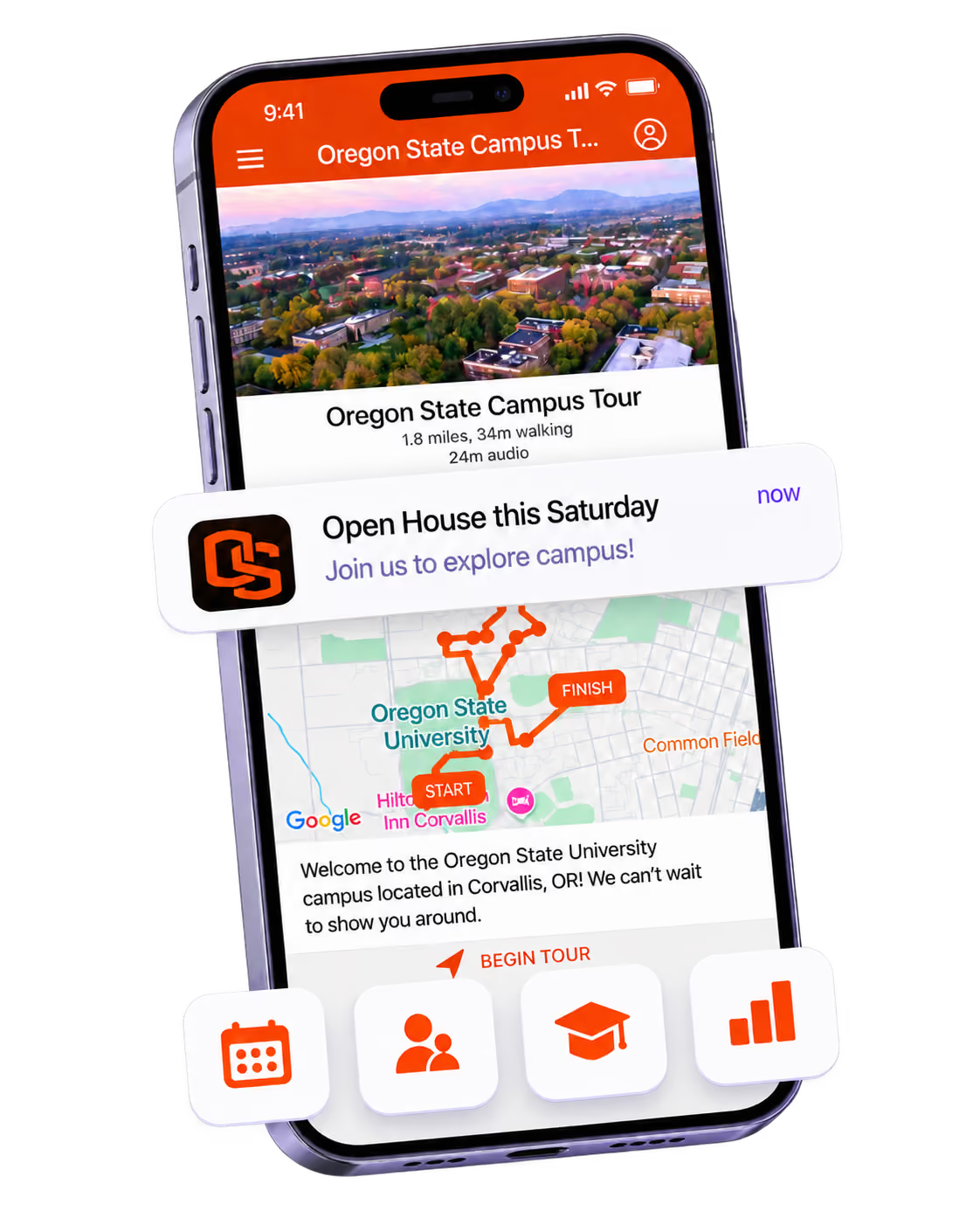
Deliver branded, self-guided tour experiences with interactive maps and rich media, available 24/7.

Offering Campus Tours?
Deliver branded, self-guided tour experiences with interactive maps and rich media, available 24/7.
Organising a Career Fair?
Simplify logistics for students, employers, and Career Services staff with one easy-to-use app.
Organising a Career Fair?
Simplify logistics for students, employers, and Career Services staff with one easy-to-use app.
Managing Alumni Events?
Plan reunions, regional events, and fundraising campaigns with an app built for alumni engagement.
Managing Alumni Events?
Plan reunions, regional events, and fundraising campaigns with an app built for alumni engagement.
Boost Student Engagement
One hub for schedules, resources, and events that keeps students connected throughout the academic year.
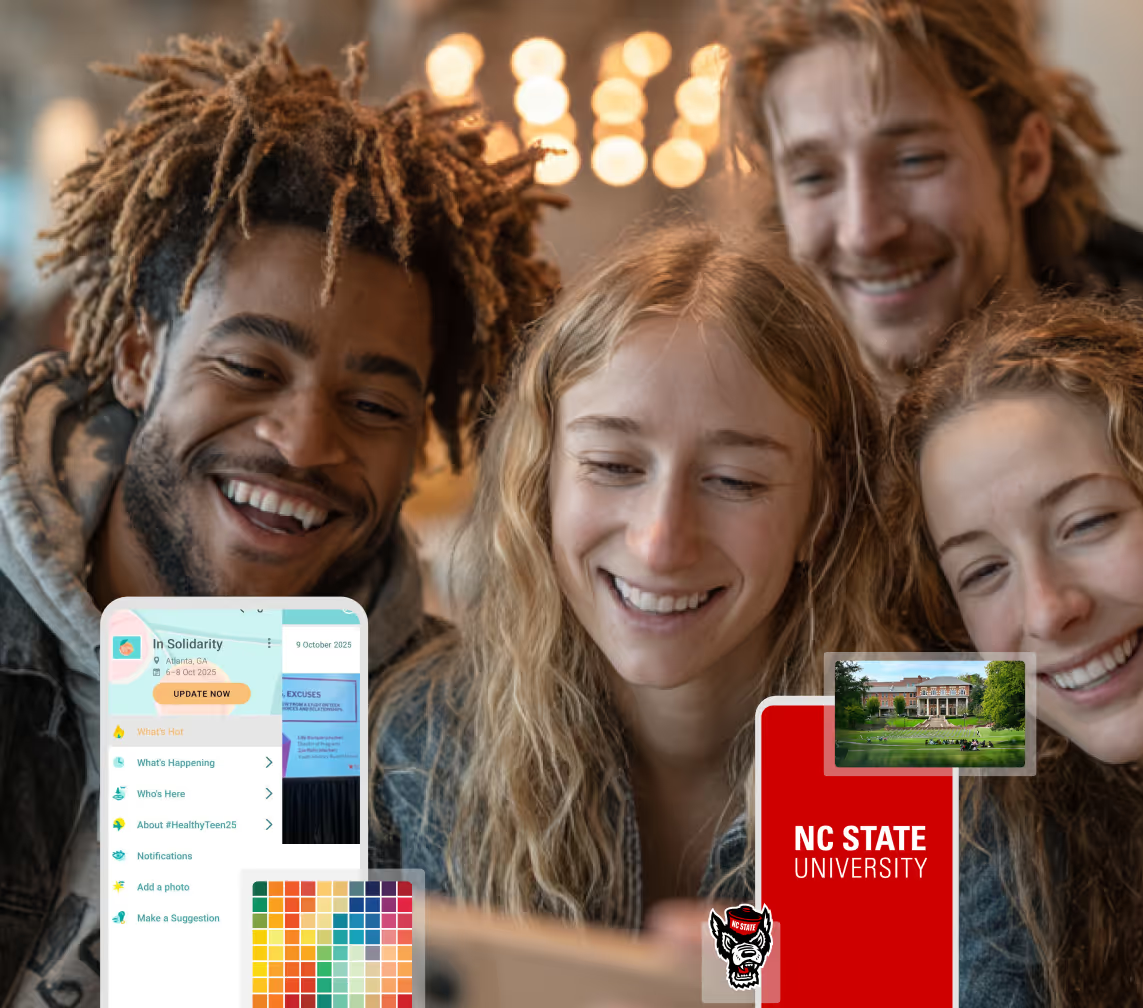
Boost Student Engagement
One hub for schedules, resources, and events that keeps students connected throughout the academic year.
Planning Orientation?
Help new students feel prepared from day one with schedules, campus resources, and real-time updates in one app.
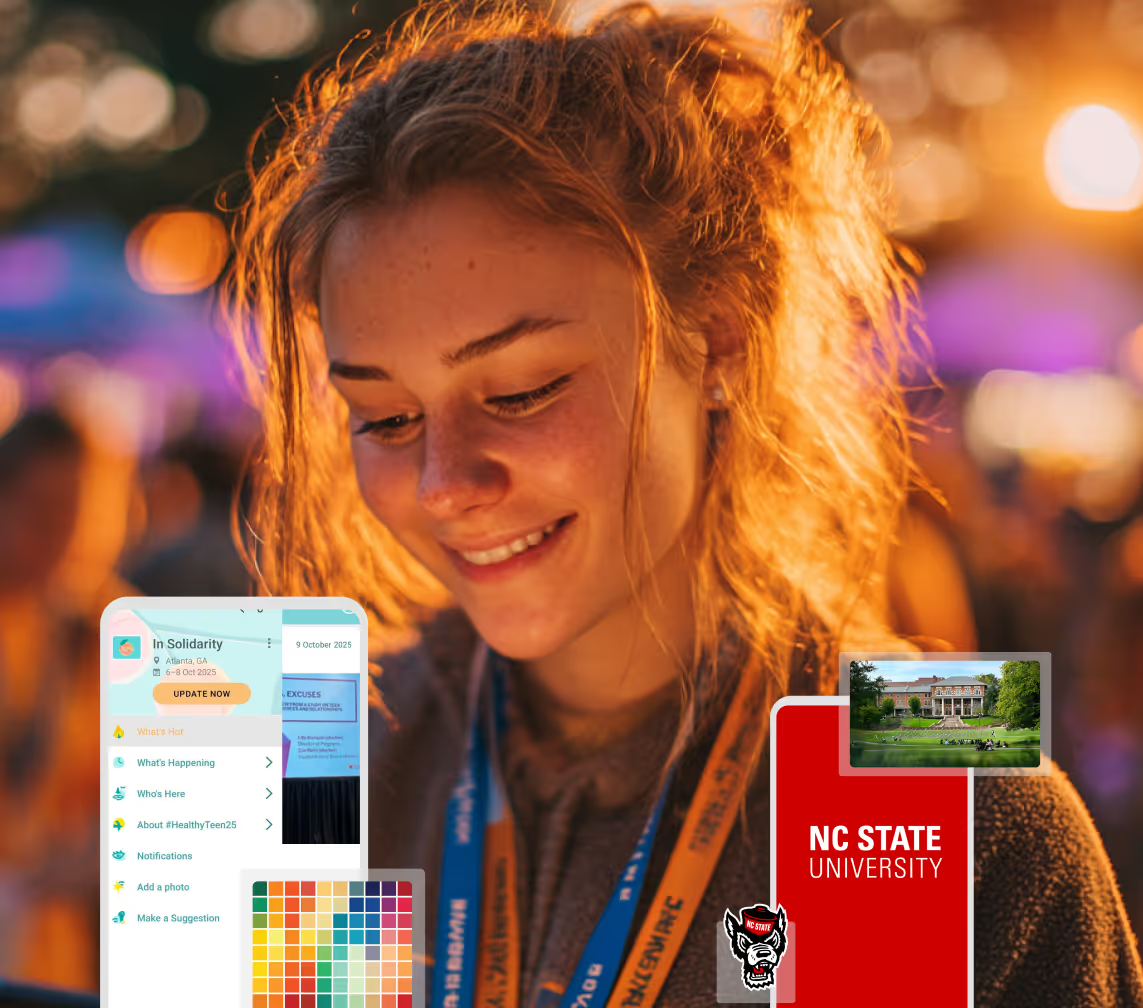
Planning Orientation?
Help new students feel prepared from day one with schedules, campus resources, and real-time updates in one app.
Running Admissions Events?
Manage open houses, tours, and yield events with a branded app that saves time and engages prospective students.

Running Admissions Events?
Manage open houses, tours, and yield events with a branded app that saves time and engages prospective students.
Get a custom Sponsorship Package Template
Stop starting from scratch. Grab free templates that helWe'll build a tailored sponsorship package with suggested pricing, tiers, and benefits..for your specific event.p you build professional sponsorship packages and close deals faster.
Get a custom Sponsorship Package Template
Stop starting from scratch. Grab free templates that helWe'll build a tailored sponsorship package with suggested pricing, tiers, and benefits..for your specific event.p you build professional sponsorship packages and close deals faster.
Plan Your Next Event Without Missing a Beat.
From venue selection to post-event wrap-up, this free checklist walks you through every step (so nothing falls through the cracks).
.avif)
Plan Your Next Event Without Missing a Beat.
From venue selection to post-event wrap-up, this free checklist walks you through every step (so nothing falls through the cracks).
Real Results From Real Events
100,000+ organizations trust Guidebook. See exactly how universities, associations, enterprises, and more put it to work.

Real Results From Real Events
100,000+ organizations trust Guidebook. See exactly how universities, associations, enterprises, and more put it to work.
Flexible pricing for every event size
Find the perfect plan for your needs, from intimate gatherings to large-scale conferences.
Flexible pricing for every event size
Find the perfect plan for your needs, from intimate gatherings to large-scale conferences.
Join our event experts
Watch on-demand webinars and join live sessions with industry leaders sharing best practices for event success.
.avif)
Join our event experts
Watch on-demand webinars and join live sessions with industry leaders sharing best practices for event success.
Guidebook in Action
Book a personalized walkthrough and discover how we help event teams create better attendee experiences.
Guidebook in Action
Book a personalized walkthrough and discover how we help event teams create better attendee experiences.

What is Event Sponsorship?
Event sponsorship boosts brand visibility by partnering with events for mutual benefit. Learn key sponsorship types, activation ideas, and measurement strategies.

Event Sponsorship is the strategic partnership where businesses provide funding, products, or services to events in exchange for brand exposure and marketing opportunities. These partnerships range from small local gatherings to massive international conferences. Done right, sponsorship creates a win-win that fuels event success while delivering measurable business results.
Here's the thing: event sponsorship isn't just about slapping a logo on a banner. It's a relationship built on shared goals. Sponsors want access to your audience. You need resources to create amazing experiences. When both sides align, magic happens. The best sponsorships feel natural to attendees—not like advertising.
Key Characteristics of Event Sponsorship
- Mutual Value Exchange: Both parties gain something meaningful. Events get funding or resources. Sponsors get brand visibility and audience access.
- Tiered Structure: Most sponsorship programs offer multiple levels (platinum, gold, silver) with different benefits and price points.
- Brand Integration: Sponsors appear throughout the event experience—from signage to digital platforms to speaking opportunities.
- Measurable Outcomes: Modern sponsorships include clear metrics like impressions, leads generated, and engagement rates.
- Contractual Agreement: Formal agreements outline deliverables, timelines, and expectations for both parties.
- Audience Alignment: Successful sponsorships match brands with events whose attendees fit their target market.
- Activation Opportunities: Beyond logos, sponsors often create interactive experiences that engage attendees directly.
Event Sponsorship vs. Related Funding Models
Event Sponsorship
- Scope: Targeted partnership with specific events or event series
- Focus: Brand exposure and audience engagement
- Timeline: Event-specific, typically weeks to months
- Channels: On-site signage, digital platforms, speaking slots, activations
- Goal: Marketing ROI and lead generation
Charitable Donations
- Scope: General support for organizations or causes
- Focus: Philanthropic giving without marketing expectations
- Timeline: Often ongoing or annual
- Channels: Limited recognition, usually acknowledgment only
- Goal: Social responsibility and tax benefits
Exhibitor Fees
- Scope: Booth space at trade shows or conferences
- Focus: Direct sales and product demonstrations
- Timeline: Event duration only
- Channels: Physical booth presence
- Goal: Immediate sales conversations and lead capture
Understanding these differences helps you position sponsorship correctly. Sponsors aren't donors—they expect returns. And they're not just exhibitors—they want deeper integration. Frame your sponsorship packages accordingly.
Types of Event Sponsorship
Financial Sponsorship
This is the most common type. Companies provide cash in exchange for benefits. The money might cover venue costs, speaker fees, or marketing expenses.
Financial sponsors typically receive logo placement, mentions in promotional materials, and on-site recognition. Higher-tier sponsors get premium positioning and exclusive perks.
In-Kind Sponsorship
Instead of cash, sponsors provide products or services. A catering company might supply food. A tech firm could offer equipment. A beverage brand might stock the bar.
In-kind deals work great when you need specific resources. They also help sponsors showcase their offerings directly to potential customers.
Media Sponsorship
Media partners promote your event through their channels. This includes:
- Radio and TV coverage
- Print advertising
- Social media promotion
- Podcast mentions
- Newsletter features
In return, media sponsors get recognition at your event and access to your audience. This type pairs well with your event digital marketing strategy.
Title Sponsorship
The biggest commitment. Title sponsors get their name attached to the event itself. Think "The Acme Corporation Annual Conference."
These deals command premium prices but deliver maximum exposure. Title sponsors typically receive exclusive category rights, meaning no competitors can sponsor.
Session or Track Sponsorship
Sponsors "own" specific parts of your event. They might sponsor a keynote, workshop track, or networking session.
This works well for sponsors wanting targeted exposure. A software company might sponsor the technology track. A consulting firm could own the leadership sessions.
Building a Sponsorship Strategy
Define Your Sponsorship Goals
Start with clarity. What do you need from sponsors? Common goals include:
- Covering 30-50% of event costs
- Securing specific products or services
- Adding credibility through brand associations
- Expanding reach through sponsor networks
Write down specific numbers. "We need $50,000 in sponsorship revenue" beats "We need sponsors."
Know Your Audience Value
Sponsors buy access to your attendees. You need to prove that access is valuable. Gather data on:
- Attendee demographics (job titles, industries, company sizes)
- Purchasing authority and budgets
- Past event attendance numbers
- Engagement metrics from previous events
The more specific your audience data, the easier it is to justify sponsorship prices. Check out event ROI strategies to strengthen your pitch.
Create Compelling Packages
Don't just list benefits. Show value. Each package should answer: "What will sponsors get from this investment?"
Strong packages include:
- Estimated impressions and reach
- Specific placement details
- Activation opportunities
- Lead generation options
- Post-event reporting commitments
Need inspiration? Review sponsorship package examples to see what works.
Identify Target Sponsors
Not every company fits your event. Look for sponsors whose:
- Target customers match your attendees
- Brand values align with your event
- Marketing budgets support sponsorship
- Products or services complement your content
Research companies that sponsored similar events. They've already proven interest in event marketing.
Perfect Your Outreach
Cold emails rarely work. Build relationships first. Connect on LinkedIn. Attend their events. Find mutual contacts for introductions.
When you do reach out, personalize everything. Show you understand their business goals. Explain specifically how your event helps them achieve those goals. Learn how to write a sponsorship letter that gets responses.
Why Event Sponsorship Matters
For Event Success:
- Revenue Generation: Sponsorship often covers 20-50% of event budgets, reducing ticket price pressure
- Enhanced Experiences: Sponsor funding enables better venues, speakers, and production quality
- Credibility Boost: Well-known sponsor brands signal event quality to potential attendees
- Extended Reach: Sponsors promote events to their audiences, expanding your marketing reach
- Resource Access: In-kind sponsors provide products and services you couldn't otherwise afford
For Business Objectives:
- Targeted Exposure: Events deliver concentrated access to specific audience segments
- Lead Generation: Face-to-face interactions create higher-quality leads than digital advertising
- Brand Positioning: Association with respected events elevates brand perception
- Relationship Building: Events enable meaningful conversations with prospects and customers
- Content Opportunities: Speaking slots and activations showcase expertise and products
Managing sponsorship effectively requires the right tools. Guidebook's event management platform helps you showcase sponsors throughout your event app, track engagement, and deliver the metrics sponsors need to justify their investment.
Event Sponsorship Best Practices
- Start Early: Begin sponsorship outreach 6-12 months before your event. Decision-makers need time, and budgets get allocated early.
- Customize Your Approach: Generic proposals fail. Research each prospect and tailor your pitch to their specific goals.
- Offer Flexibility: Let sponsors mix and match benefits. Some want speaking slots. Others prefer digital exposure. Build packages that adapt.
- Deliver on Promises: Track every commitment. If you promised 500 logo impressions, prove you delivered. Under-promise and over-deliver.
- Communicate Constantly: Keep sponsors informed throughout the planning process. Share attendee registration updates, marketing wins, and timeline changes.
- Create Activation Opportunities: Move beyond passive logos. Help sponsors engage attendees through demos, contests, or interactive experiences.
- Leverage Technology: Use event check-in software and mobile apps to capture sponsor engagement data and prove value.
- Provide Post-Event Reports: Within two weeks of your event, send sponsors detailed reports showing what they received and the results achieved.
- Build Long-Term Relationships: The best sponsors return year after year. Treat them as partners, not transactions.
- Ask for Feedback: Survey sponsors after events. Learn what worked, what didn't, and how to improve for next time.
Common Event Sponsorship Mistakes
Underpricing Packages: Many event planners undervalue their audience. Research comparable events and price accordingly. Sponsors expect to pay for quality access—don't leave money on the table.
Ignoring Sponsor Goals: You're excited about your event. But sponsors care about their objectives. Every conversation should focus on what they'll gain, not what you need.
Overloading with Sponsors: Too many sponsors dilute everyone's value. If attendees see 50 logos, they remember none. Limit sponsors and charge more for exclusivity.
Forgetting Digital Integration: Physical signage isn't enough anymore. Sponsors expect visibility in your event app, email campaigns, and social media. Plan digital exposure from the start.
Poor Follow-Through: Nothing kills future sponsorships faster than broken promises. If you committed to something, deliver it. Track every obligation in writing.
Waiting Too Long to Start: Sponsorship sales take time. Starting three months before your event means missing companies whose budgets are already spent. Begin early.
Neglecting Renewal Conversations: The best time to discuss next year's sponsorship is right after this year's event. Strike while results are fresh and relationships are warm.
Final Thoughts
Event sponsorship transforms good events into great ones. It's not just about money—though that helps. The right sponsors add credibility, expand reach, and enhance attendee experiences in ways you couldn't achieve alone.
The sponsorship landscape keeps evolving. Today's sponsors want more than logo placement. They expect data, engagement opportunities, and measurable results. Events that deliver these things build lasting partnerships. Those that don't struggle to retain sponsors year over year.
Think of sponsorship as relationship building, not sales. The best sponsor partnerships feel like collaborations. Both sides work together toward shared success. When sponsors win, they come back. When they come back, your events get better.
Ready to level up your sponsorship game? Explore Guidebook's resources on event planning, event marketing, and event management tips. Our platform helps you showcase sponsors beautifully, track engagement, and deliver the proof of value that keeps sponsors coming back. Because great events deserve great partnerships—and great partnerships deserve great tools.
The power of your brand in your app, from first visit to alumni.
Build trust
Attendees download your app, not ours. Your name, colors, and crest in the stores.
.avif)
One place for the whole event
Schedules, maps, registration, and updates in one branded hub - not five tools.
Stand out
A branded app is what people keep on their phone after the printed program is in the recycling.

Get the Mobile App Playbook
A short guide to running the whole student journey in one app. No fluff, just what works.
for higher ed
Campus
Playbook
A practical guide to building a connected campus experience.
Free playbook
The Mobile App Playbook for Universities
Students decide if they belong long before they set foot on campus. This playbook shows how to win them over from the first visit through graduation.
- Grow enrollment and boost recruitment
- Increase belonging and retention
- Run every event from one branded app
By submitting, you agree to our Privacy Policy.
You're in.
.png)