
Campus apps by department
Admissions, orientation, student life, and more — one campus app that works across departments.

Campus apps by department
Admissions, orientation, student life, and more — one campus app that works across departments.
Build unlimited event apps on one license
One partnership for unlimited campus events — orientation, tours, student life, and everything in between.
Build unlimited event apps on one license
One partnership for unlimited campus events — orientation, tours, student life, and everything in between.
Compare event app platforms
See how Guidebook stacks up against other event app and registration platforms.
Compare event app platforms
See how Guidebook stacks up against other event app and registration platforms.
Event apps for nonprofit and community programs
Give members, volunteers, and donors one branded app for conferences, fundraisers, and year-round community.
Event apps for nonprofit and community programs
Give members, volunteers, and donors one branded app for conferences, fundraisers, and year-round community.
Campus integrations and an open API
Connect Guidebook with the campus systems, APIs, and tools your team already uses.
Campus integrations and an open API
Connect Guidebook with the campus systems, APIs, and tools your team already uses.
Event apps for corporate and enterprise teams
Internal meetings, offsites, and large-scale corporate events — with the branding and control enterprise teams need.
Event apps for corporate and enterprise teams
Internal meetings, offsites, and large-scale corporate events — with the branding and control enterprise teams need.
Create a branded event app with no coding
Put schedules, maps, resources, and updates in every attendee's pocket — built for campus events and programs.
Create a branded event app with no coding
Put schedules, maps, resources, and updates in every attendee's pocket — built for campus events and programs.
Launch a branded, white-label event app
A white-label event app with your branding, your content, and your attendee experience — no coding required.
Launch a branded, white-label event app
A white-label event app with your branding, your content, and your attendee experience — no coding required.
Everything in the Guidebook platform
Explore the features event teams use to engage attendees before, during, and after the event.
Everything in the Guidebook platform
Explore the features event teams use to engage attendees before, during, and after the event.
One app for in-person and virtual attendees
The same schedule, networking, and updates whether people are in the room or joining remotely.
One app for in-person and virtual attendees
The same schedule, networking, and updates whether people are in the room or joining remotely.
Event apps built for associations
Annual meetings, chapter events, and member engagement — without rebuilding a new app every year.
Event apps built for associations
Annual meetings, chapter events, and member engagement — without rebuilding a new app every year.
A branded event website that matches the app
Promote the event, collect interest, and keep branding consistent from the first click to check-in.
A branded event website that matches the app
Promote the event, collect interest, and keep branding consistent from the first click to check-in.
Plan, run, and measure events on one platform
App, registration, badges, and websites in one workflow — so planning isn't a pile of disconnected tools.
Plan, run, and measure events on one platform
App, registration, badges, and websites in one workflow — so planning isn't a pile of disconnected tools.
Keep members engaged between events
One branded app for the conference and everything that happens the other 51 weeks of the year.
Keep members engaged between events
One branded app for the conference and everything that happens the other 51 weeks of the year.
The conference app attendees actually use
Schedules, maps, networking, and live updates for annual meetings, summits, and multi-day conferences.
The conference app attendees actually use
Schedules, maps, networking, and live updates for annual meetings, summits, and multi-day conferences.
Registration that feeds your app and badges
Collect registrations, payments, and attendee data in the same platform as your event app.
Registration that feeds your app and badges
Collect registrations, payments, and attendee data in the same platform as your event app.
Design and print event badges in one place
Custom badges, QR check-in, and on-site printing — without a separate badge vendor.
Design and print event badges in one place
Custom badges, QR check-in, and on-site printing — without a separate badge vendor.
A Smaller School?
Deliver a polished, branded event experience without a large team or a big budget.
A Smaller School?
Deliver a polished, branded event experience without a large team or a big budget.
Running Family Programs?
Give families everything they need, from schedules and maps to real-time updates, all in one place.
Running Family Programs?
Give families everything they need, from schedules and maps to real-time updates, all in one place.
Coordinating Move-In Day?
Share updates, manage events, and keep students informed from move-in through the academic year.

Coordinating Move-In Day?
Share updates, manage events, and keep students informed from move-in through the academic year.
Offering Campus Tours?
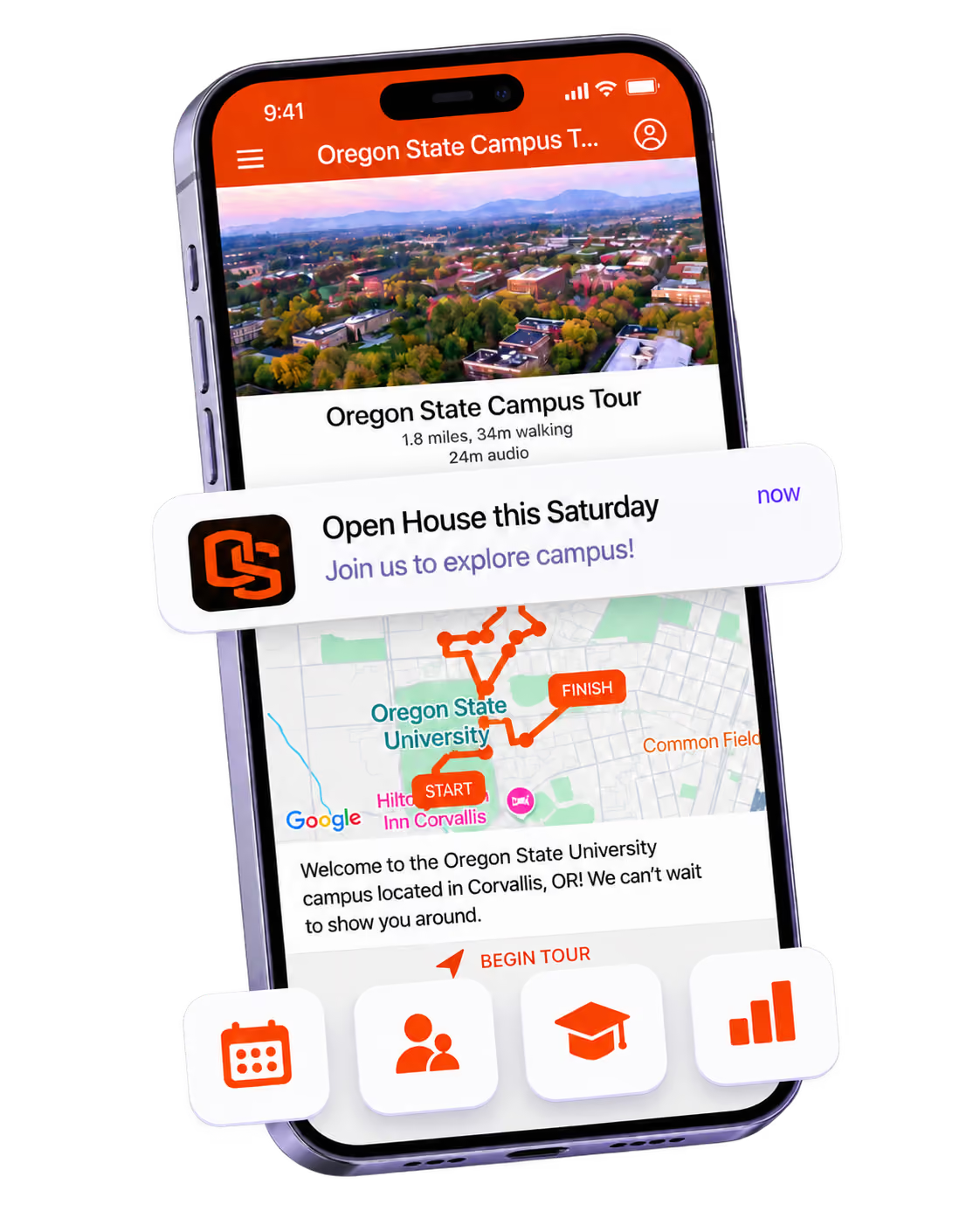
Deliver branded, self-guided tour experiences with interactive maps and rich media, available 24/7.

Offering Campus Tours?
Deliver branded, self-guided tour experiences with interactive maps and rich media, available 24/7.
Organising a Career Fair?
Simplify logistics for students, employers, and Career Services staff with one easy-to-use app.
Organising a Career Fair?
Simplify logistics for students, employers, and Career Services staff with one easy-to-use app.
Managing Alumni Events?
Plan reunions, regional events, and fundraising campaigns with an app built for alumni engagement.
Managing Alumni Events?
Plan reunions, regional events, and fundraising campaigns with an app built for alumni engagement.
Boost Student Engagement
One hub for schedules, resources, and events that keeps students connected throughout the academic year.
Boost Student Engagement
One hub for schedules, resources, and events that keeps students connected throughout the academic year.
Planning Orientation?
Help new students feel prepared from day one with schedules, campus resources, and real-time updates in one app.
Planning Orientation?
Help new students feel prepared from day one with schedules, campus resources, and real-time updates in one app.
Running Admissions Events?
Manage open houses, tours, and yield events with a branded app that saves time and engages prospective students.

Running Admissions Events?
Manage open houses, tours, and yield events with a branded app that saves time and engages prospective students.
Get a custom Sponsorship Package Template
Stop starting from scratch. Grab free templates that helWe'll build a tailored sponsorship package with suggested pricing, tiers, and benefits..for your specific event.p you build professional sponsorship packages and close deals faster.
Get a custom Sponsorship Package Template
Stop starting from scratch. Grab free templates that helWe'll build a tailored sponsorship package with suggested pricing, tiers, and benefits..for your specific event.p you build professional sponsorship packages and close deals faster.
Plan Your Next Event Without Missing a Beat.
From venue selection to post-event wrap-up, this free checklist walks you through every step (so nothing falls through the cracks).
.avif)
Plan Your Next Event Without Missing a Beat.
From venue selection to post-event wrap-up, this free checklist walks you through every step (so nothing falls through the cracks).
Real Results From Real Events
100,000+ organizations trust Guidebook. See exactly how universities, associations, enterprises, and more put it to work.

Real Results From Real Events
100,000+ organizations trust Guidebook. See exactly how universities, associations, enterprises, and more put it to work.
Flexible pricing for every event size
Find the perfect plan for your needs, from intimate gatherings to large-scale conferences.

Flexible pricing for every event size
Find the perfect plan for your needs, from intimate gatherings to large-scale conferences.
Join our event experts
Watch on-demand webinars and join live sessions with industry leaders sharing best practices for event success.
.avif)
Join our event experts
Watch on-demand webinars and join live sessions with industry leaders sharing best practices for event success.
Guidebook in Action
Book a personalized walkthrough and discover how we help event teams create better attendee experiences.
Guidebook in Action
Book a personalized walkthrough and discover how we help event teams create better attendee experiences.

What is an Event Planner Business Proposal?
Discover what an event planner business proposal is, why it’s essential, and how to create one. Get templates, key components, and tips for winning clients.

An Event Planner Business Proposal is the strategic document that convinces clients to hire you by showcasing your expertise, vision, and value for their specific event. It goes beyond a simple quote. A strong proposal tells a story about how you'll transform their event goals into reality. Done right, it's your most powerful sales tool.
Here's the thing: A business proposal isn't just paperwork. It's your first impression as a professional. Clients judge your attention to detail, creativity, and professionalism based on this single document. The best proposals don't just list services—they demonstrate understanding of the client's unique needs and paint a picture of success.
Key Characteristics of an Event Planner Business Proposal
- Client-Centered Focus: Every section addresses the client's specific goals, challenges, and vision rather than generic event planning services.
- Clear Value Proposition: The proposal explains exactly what makes your approach unique and why you're the right fit for this particular event.
- Detailed Scope of Work: Services, deliverables, and responsibilities are spelled out clearly so there's no confusion about what's included.
- Transparent Pricing: Costs are broken down in an easy-to-understand format with clear explanations for each line item.
- Professional Presentation: The document reflects your brand through consistent design, proper formatting, and polished writing.
- Realistic Timeline: Key milestones and deadlines show you understand the event planning process and can deliver on time.
- Social Proof: Testimonials, case studies, or portfolio examples build credibility and trust with potential clients.
Event Planner Business Proposal vs. Related Documents
Event Quote/Estimate
- Scope: Pricing information only
- Focus: Cost breakdown for specific services
- Timeline: Quick turnaround, minimal detail
- Channels: Email or simple PDF
- Goal: Provide pricing for budget decisions
Event Contract
- Scope: Legal agreement between parties
- Focus: Terms, conditions, and obligations
- Timeline: Created after proposal acceptance
- Channels: Formal legal document
- Goal: Protect both parties legally
Event Brief
- Scope: Client's event requirements and vision
- Focus: What the client wants to achieve
- Timeline: Created before the proposal
- Channels: Internal planning document
- Goal: Guide proposal development
Think of it this way: The brief tells you what the client wants. The proposal shows how you'll deliver it. The quote gives them numbers. The contract makes it official. Each document plays a distinct role in winning and securing event planning business.
Essential Components of an Event Planner Business Proposal
Craft a Compelling Executive Summary
Your executive summary is the hook. It should capture attention in the first 30 seconds of reading.
Include these elements:
- Brief overview of the client's event goals
- Your proposed approach in 2-3 sentences
- Key benefits of working with you
- A confident statement about expected outcomes
Define Your Scope of Services
This section eliminates confusion. List exactly what you'll handle and what falls outside your responsibilities.
Break services into categories like:
- Venue selection and management
- Vendor coordination and contracts
- Budget tracking and reporting
- Day-of coordination and event production
- Post-event wrap-up and analysis
Present Your Creative Vision
This is where you stand out. Show the client you understand their brand and audience.
Include mood boards, theme concepts, or sample layouts. Reference current event trends that align with their goals. Paint a picture of what attendees will experience.
Build a Realistic Timeline
Clients want to know you can deliver on schedule. Create a milestone-based timeline that shows:
- Planning phase deadlines
- Vendor booking windows
- Design approval dates
- Final walkthrough timing
- Event day schedule overview
Structure Your Pricing Clearly
Confusing pricing kills deals. Break down costs into logical categories. Explain what each fee covers. Offer package options when possible.
Consider including:
- Planning fees (flat rate or percentage)
- Estimated vendor costs
- Optional add-on services
- Payment schedule and terms
The Proposal Development Process
Research the Client Thoroughly
Before writing a single word, dig deep. Review their website, social media, and past events. Understand their brand voice and values.
Ask yourself:
- What's their company culture like?
- Who's their target audience?
- What problems are they trying to solve?
- What's their budget comfort zone?
Customize Every Section
Generic proposals lose to personalized ones every time. Reference specific details from your discovery call. Use their language and terminology.
Show you've done your homework. Mention their industry challenges. Connect your solutions to their stated goals. This attention to detail reflects how you'll handle their event.
Include Relevant Portfolio Examples
Social proof builds confidence. Include 2-3 case studies from similar events. Show before-and-after results when possible.
Focus on outcomes like:
- Attendance numbers achieved
- Budget savings delivered
- Client satisfaction scores
- Specific challenges overcome
Add Technology Recommendations
Modern events need modern tools. Recommend solutions for event registration, check-in software, and attendee engagement.
Platforms like Guidebook's event management platform can streamline communication and boost attendee experience. Including tech recommendations shows you're forward-thinking.
Why Event Planner Business Proposals Matter
For Event Success:
- Clear Expectations: Both parties understand exactly what will be delivered, reducing misunderstandings and scope creep.
- Better Planning: The proposal process forces thorough thinking about logistics, timeline, and resources.
- Stronger Partnerships: A detailed proposal builds trust and sets the foundation for a collaborative relationship.
- Risk Reduction: Documenting everything upfront protects against disputes and forgotten commitments.
- Quality Outcomes: Events planned with clear proposals tend to run smoother and achieve better event ROI.
For Business Objectives:
- Higher Close Rates: Professional proposals convert more prospects into paying clients.
- Premium Pricing: Well-crafted proposals justify higher fees by demonstrating value.
- Efficient Sales Process: Templates and systems speed up proposal creation without sacrificing quality.
- Brand Building: Every proposal reinforces your professional reputation and expertise.
- Referral Generation: Impressed clients share great proposals with colleagues, driving word-of-mouth business.
Using tools like Guidebook's templates can help streamline your proposal process while maintaining professional quality across all client communications.
Event Planner Business Proposal Best Practices
- Lead with Benefits, Not Features: Don't just list what you do. Explain how each service helps the client achieve their goals.
- Use Visual Elements Strategically: Include photos, charts, and graphics to break up text and illustrate concepts. A picture of a past event speaks louder than paragraphs of description.
- Keep Language Simple and Direct: Avoid industry jargon. Write like you're explaining to a smart friend who doesn't plan events for a living.
- Include a Clear Call to Action: Tell the client exactly what to do next. Make it easy to say yes with simple next steps.
- Proofread Ruthlessly: Typos and errors signal carelessness. Have someone else review before sending.
- Follow Up Promptly: Send a brief email within 24 hours of submitting. Offer to answer questions or schedule a call.
- Create Urgency Without Pressure: Include proposal validity dates. Mention limited availability during peak seasons.
- Offer Multiple Options: Give clients 2-3 package levels. This shifts the conversation from "yes or no" to "which one."
- Address Objections Proactively: Anticipate concerns about budget, timeline, or experience. Answer them before they're asked.
- Make It Easy to Share: Format for easy forwarding. Decision-makers often need to share proposals with stakeholders.
Common Event Planner Business Proposal Mistakes
Using Generic Templates Without Customization: Clients can spot a copy-paste job instantly. It signals you don't care enough to personalize your approach. Take time to tailor every proposal to the specific client and event.
Burying the Price: Some planners hide pricing at the end or make it confusing. This frustrates clients and erodes trust. Be upfront and clear about costs from the start.
Overselling and Underdelivering: Making promises you can't keep destroys relationships. Be honest about your capabilities. It's better to exceed modest expectations than fall short of grand ones.
Ignoring the Competition: Clients are likely reviewing multiple proposals. Failing to differentiate yourself means blending into the crowd. Highlight what makes your approach unique.
Skipping the Follow-Up: Sending a proposal and waiting passively is a recipe for lost business. Proactive follow-up shows enthusiasm and professionalism.
Forgetting About Mobile Readers: Many clients review proposals on phones or tablets. Dense formatting and tiny text create a poor experience. Design for readability across all devices.
Neglecting to Include Technology Solutions: Modern clients expect digital tools. Not mentioning event digital marketing or virtual event planning capabilities makes you seem outdated.
Final Thoughts
A strong event planner business proposal does more than win contracts. It sets the tone for your entire client relationship. The effort you put into this document reflects the care you'll bring to their event.
The event industry is competitive. Clients have options. Your proposal is often the deciding factor between you and another planner with similar experience. Make it count by showing genuine understanding of their needs and a clear path to success.
Remember: Every proposal is a chance to showcase your creativity, professionalism, and problem-solving skills. Treat it as a preview of the experience clients will have working with you. The best proposals feel less like sales documents and more like exciting roadmaps to an amazing event.
Ready to level up your event planning business? Explore event planning resources and check out how Guidebook's platform can help you deliver exceptional events that keep clients coming back. Your next great proposal—and your next great event—starts with the right tools and mindset.
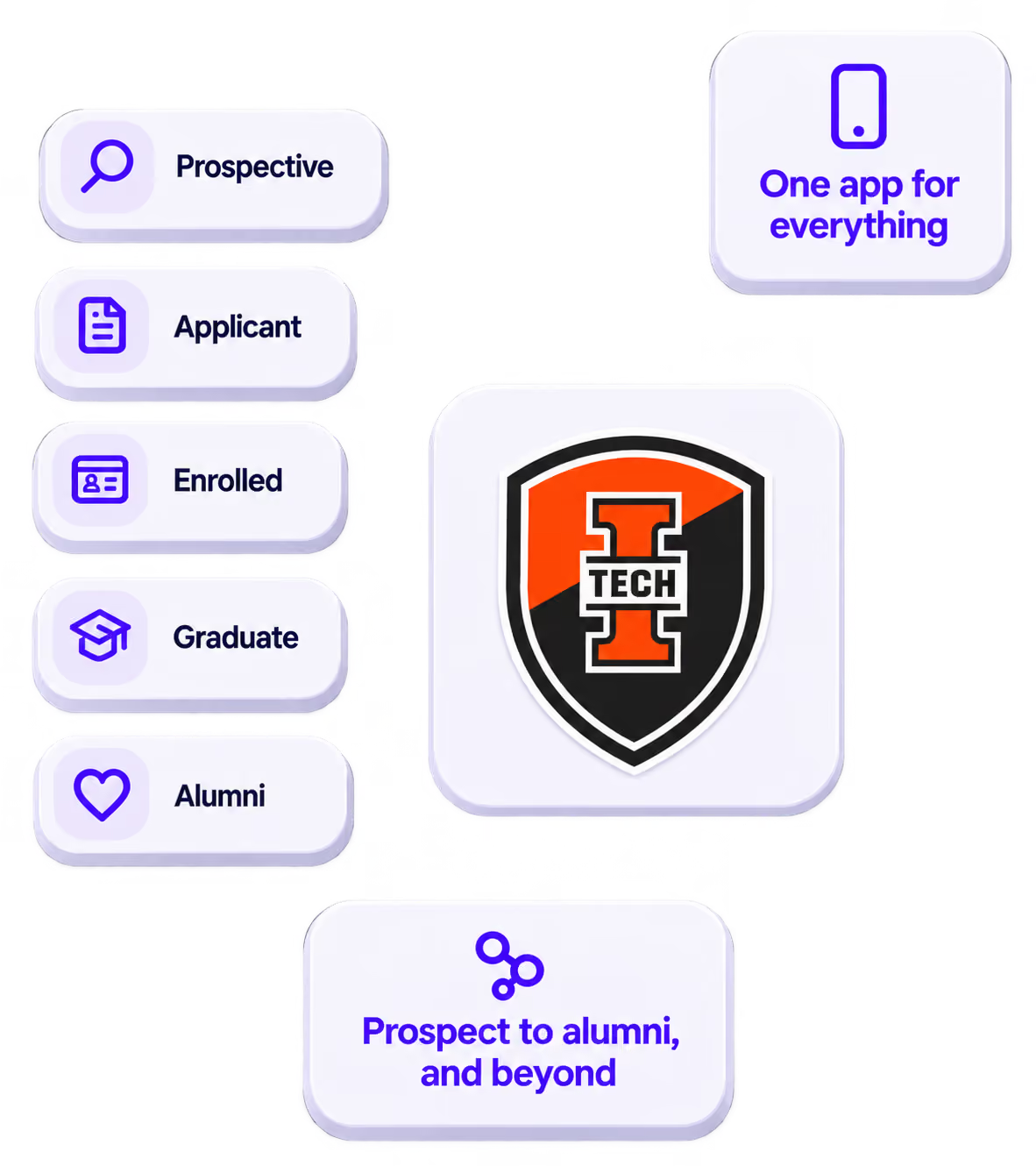
The power of your brand in your app, from first visit to alumni.
Build trust
Attendees download your app, not ours. Your name, colors, and crest in the stores.
.avif)
One place for the whole event
Schedules, maps, registration, and updates in one branded hub - not five tools.
Stand out
A branded app is what people keep on their phone after the printed program is in the recycling.

Get the Mobile App Playbook
A short guide to running the whole student journey in one app. No fluff, just what works.
for higher ed
Campus
Playbook
A practical guide to building a connected campus experience.
Free playbook
The Mobile App Playbook for Universities
Students decide if they belong long before they set foot on campus. This playbook shows how to win them over from the first visit through graduation.
- Grow enrollment and boost recruitment
- Increase belonging and retention
- Run every event from one branded app
By submitting, you agree to our Privacy Policy.
You're in.
.png)