
Campus apps by department
Admissions, orientation, student life, and more — one campus app that works across departments.

Campus apps by department
Admissions, orientation, student life, and more — one campus app that works across departments.
Build unlimited event apps on one license
One partnership for unlimited campus events — orientation, tours, student life, and everything in between.
Build unlimited event apps on one license
One partnership for unlimited campus events — orientation, tours, student life, and everything in between.
Compare event app platforms
See how Guidebook stacks up against other event app and registration platforms.
Compare event app platforms
See how Guidebook stacks up against other event app and registration platforms.
Event apps for nonprofit and community programs
Give members, volunteers, and donors one branded app for conferences, fundraisers, and year-round community.
Event apps for nonprofit and community programs
Give members, volunteers, and donors one branded app for conferences, fundraisers, and year-round community.
Campus integrations and an open API
Connect Guidebook with the campus systems, APIs, and tools your team already uses.
Campus integrations and an open API
Connect Guidebook with the campus systems, APIs, and tools your team already uses.
Event apps for corporate and enterprise teams
Internal meetings, offsites, and large-scale corporate events — with the branding and control enterprise teams need.
Event apps for corporate and enterprise teams
Internal meetings, offsites, and large-scale corporate events — with the branding and control enterprise teams need.
Create a branded event app with no coding
Put schedules, maps, resources, and updates in every attendee's pocket — built for campus events and programs.
Create a branded event app with no coding
Put schedules, maps, resources, and updates in every attendee's pocket — built for campus events and programs.
Launch a branded, white-label event app
A white-label event app with your branding, your content, and your attendee experience — no coding required.
Launch a branded, white-label event app
A white-label event app with your branding, your content, and your attendee experience — no coding required.
Everything in the Guidebook platform
Explore the features event teams use to engage attendees before, during, and after the event.
Everything in the Guidebook platform
Explore the features event teams use to engage attendees before, during, and after the event.
One app for in-person and virtual attendees
The same schedule, networking, and updates whether people are in the room or joining remotely.
One app for in-person and virtual attendees
The same schedule, networking, and updates whether people are in the room or joining remotely.
Event apps built for associations
Annual meetings, chapter events, and member engagement — without rebuilding a new app every year.
Event apps built for associations
Annual meetings, chapter events, and member engagement — without rebuilding a new app every year.
A branded event website that matches the app
Promote the event, collect interest, and keep branding consistent from the first click to check-in.
A branded event website that matches the app
Promote the event, collect interest, and keep branding consistent from the first click to check-in.
Plan, run, and measure events on one platform
App, registration, badges, and websites in one workflow — so planning isn't a pile of disconnected tools.
Plan, run, and measure events on one platform
App, registration, badges, and websites in one workflow — so planning isn't a pile of disconnected tools.
Keep members engaged between events
One branded app for the conference and everything that happens the other 51 weeks of the year.
Keep members engaged between events
One branded app for the conference and everything that happens the other 51 weeks of the year.
The conference app attendees actually use
Schedules, maps, networking, and live updates for annual meetings, summits, and multi-day conferences.
The conference app attendees actually use
Schedules, maps, networking, and live updates for annual meetings, summits, and multi-day conferences.
Registration that feeds your app and badges
Collect registrations, payments, and attendee data in the same platform as your event app.
Registration that feeds your app and badges
Collect registrations, payments, and attendee data in the same platform as your event app.
Design and print event badges in one place
Custom badges, QR check-in, and on-site printing — without a separate badge vendor.
Design and print event badges in one place
Custom badges, QR check-in, and on-site printing — without a separate badge vendor.
A Smaller School?
Deliver a polished, branded event experience without a large team or a big budget.
A Smaller School?
Deliver a polished, branded event experience without a large team or a big budget.
Running Family Programs?
Give families everything they need, from schedules and maps to real-time updates, all in one place.
Running Family Programs?
Give families everything they need, from schedules and maps to real-time updates, all in one place.
Coordinating Move-In Day?
Share updates, manage events, and keep students informed from move-in through the academic year.

Coordinating Move-In Day?
Share updates, manage events, and keep students informed from move-in through the academic year.
Offering Campus Tours?
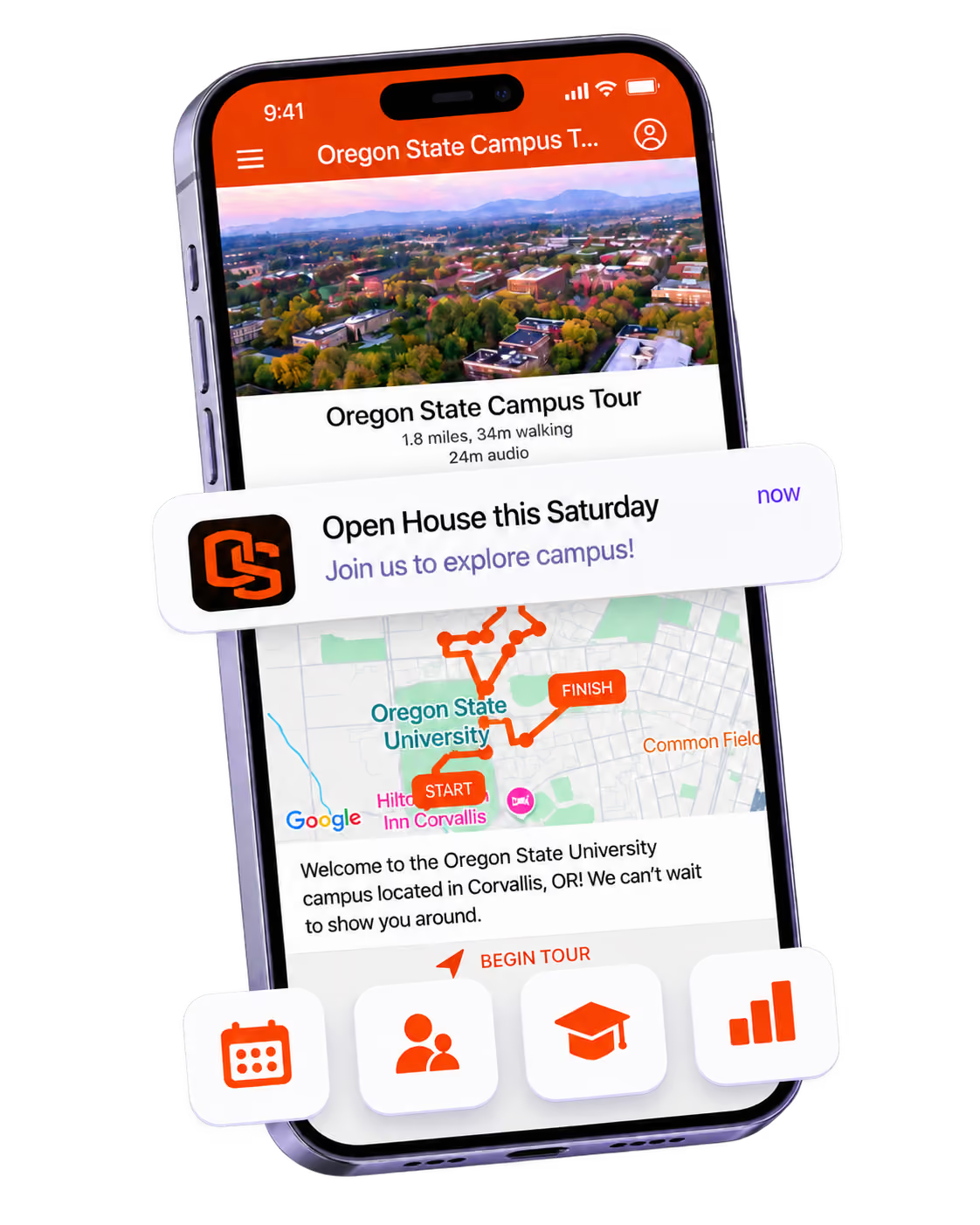
Deliver branded, self-guided tour experiences with interactive maps and rich media, available 24/7.

Offering Campus Tours?
Deliver branded, self-guided tour experiences with interactive maps and rich media, available 24/7.
Organising a Career Fair?
Simplify logistics for students, employers, and Career Services staff with one easy-to-use app.
Organising a Career Fair?
Simplify logistics for students, employers, and Career Services staff with one easy-to-use app.
Managing Alumni Events?
Plan reunions, regional events, and fundraising campaigns with an app built for alumni engagement.
Managing Alumni Events?
Plan reunions, regional events, and fundraising campaigns with an app built for alumni engagement.
Boost Student Engagement
One hub for schedules, resources, and events that keeps students connected throughout the academic year.
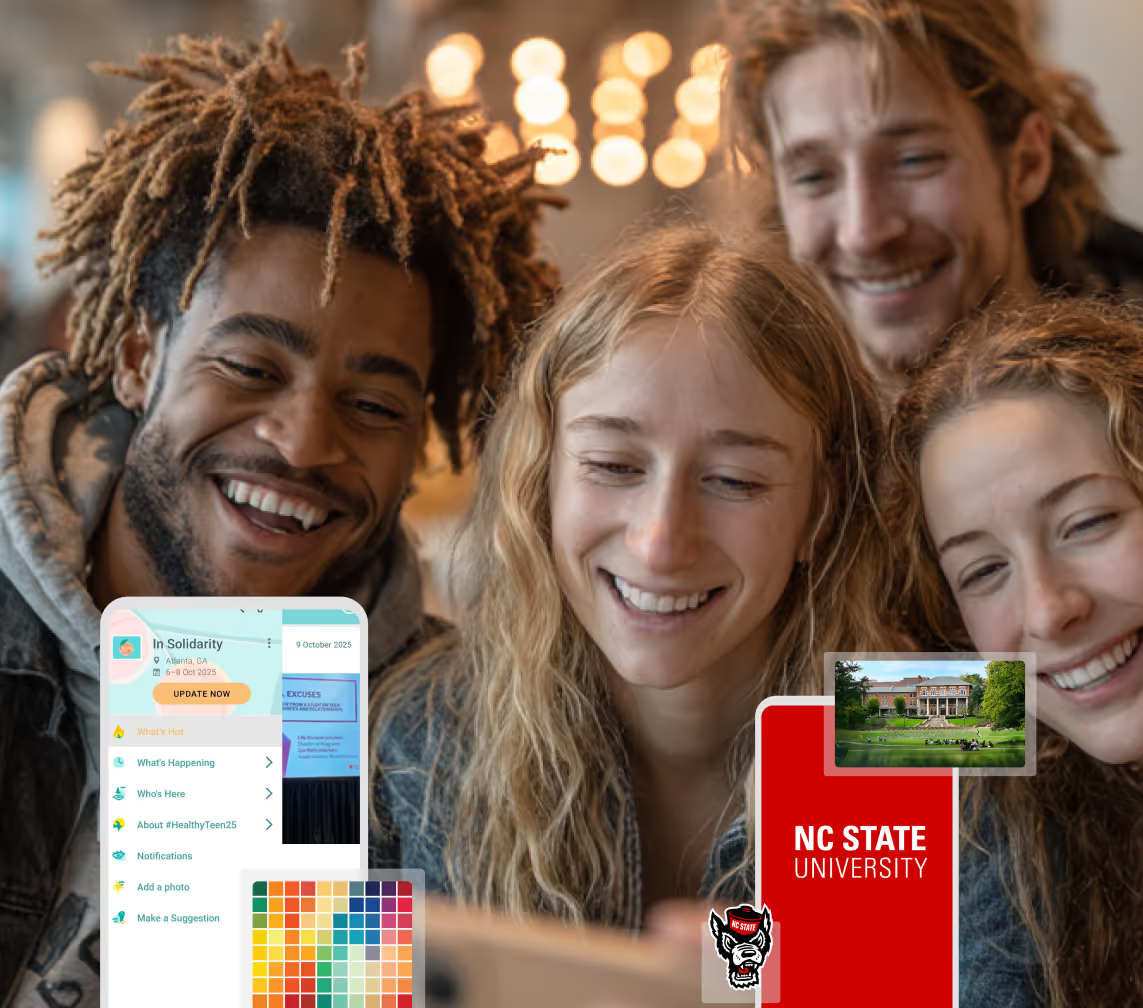
Boost Student Engagement
One hub for schedules, resources, and events that keeps students connected throughout the academic year.
Planning Orientation?
Help new students feel prepared from day one with schedules, campus resources, and real-time updates in one app.
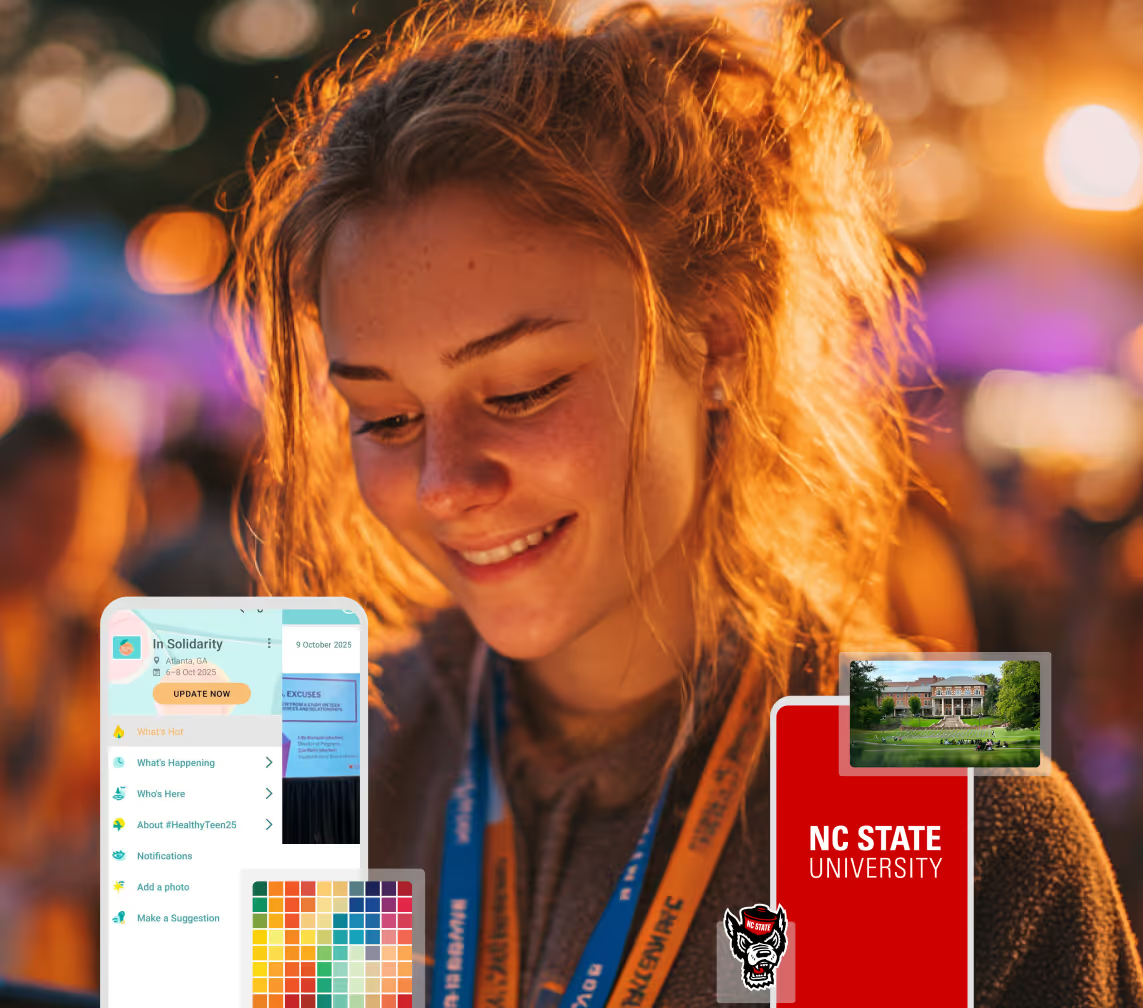
Planning Orientation?
Help new students feel prepared from day one with schedules, campus resources, and real-time updates in one app.
Running Admissions Events?
Manage open houses, tours, and yield events with a branded app that saves time and engages prospective students.

Running Admissions Events?
Manage open houses, tours, and yield events with a branded app that saves time and engages prospective students.
Get a custom Sponsorship Package Template
Stop starting from scratch. Grab free templates that helWe'll build a tailored sponsorship package with suggested pricing, tiers, and benefits..for your specific event.p you build professional sponsorship packages and close deals faster.
Get a custom Sponsorship Package Template
Stop starting from scratch. Grab free templates that helWe'll build a tailored sponsorship package with suggested pricing, tiers, and benefits..for your specific event.p you build professional sponsorship packages and close deals faster.
Plan Your Next Event Without Missing a Beat.
From venue selection to post-event wrap-up, this free checklist walks you through every step (so nothing falls through the cracks).
.avif)
Plan Your Next Event Without Missing a Beat.
From venue selection to post-event wrap-up, this free checklist walks you through every step (so nothing falls through the cracks).
Real Results From Real Events
100,000+ organizations trust Guidebook. See exactly how universities, associations, enterprises, and more put it to work.

Real Results From Real Events
100,000+ organizations trust Guidebook. See exactly how universities, associations, enterprises, and more put it to work.
Flexible pricing for every event size
Find the perfect plan for your needs, from intimate gatherings to large-scale conferences.
Flexible pricing for every event size
Find the perfect plan for your needs, from intimate gatherings to large-scale conferences.
Join our event experts
Watch on-demand webinars and join live sessions with industry leaders sharing best practices for event success.
.avif)
Join our event experts
Watch on-demand webinars and join live sessions with industry leaders sharing best practices for event success.
Guidebook in Action
Book a personalized walkthrough and discover how we help event teams create better attendee experiences.
Guidebook in Action
Book a personalized walkthrough and discover how we help event teams create better attendee experiences.
What are Virtual Event Examples?
Discover top virtual event examples, from webinars to online conferences. Explore formats, engagement tips, and best practices for hosting successful virtual events.
Virtual event examples are real-world showcases of online gatherings that help planners understand what's possible when bringing people together digitally. From webinars to full-scale conferences, these examples span industries and formats. They prove that virtual events can be just as engaging—sometimes more so—than in-person experiences.
Here's the thing: seeing actual virtual events in action beats reading theory every time. Examples show you what works, what flops, and what gets attendees genuinely excited. They're your shortcut to planning smarter.
Key Characteristics of Virtual Event Examples
- Digital-First Design: These events are built for screens, not stages. Every element—from registration to networking—happens online.
- Diverse Formats: Examples range from 30-minute webinars to week-long conferences with thousands of attendees.
- Interactive Features: The best examples include live polls, Q&A sessions, chat rooms, and breakout discussions.
- Global Accessibility: Virtual events remove geographic barriers. Attendees join from anywhere with an internet connection.
- Measurable Engagement: Digital platforms track everything—session attendance, chat activity, resource downloads, and more.
- On-Demand Options: Many examples include recorded content that attendees can watch after the live event ends.
- Lower Carbon Footprint: No flights, no hotels, no printed materials. Virtual events are inherently more sustainable.
Virtual Event Examples vs. Related Event Types
Hybrid Events
- Scope: Combines in-person and virtual attendance simultaneously
- Focus: Serving two distinct audience experiences at once
- Timeline: Typically follows traditional event schedules
- Channels: Physical venue plus streaming platform
- Goal: Maximize reach while maintaining in-person energy
Webinars
- Scope: Single-session, focused presentations
- Focus: Education or lead generation on specific topics
- Timeline: Usually 30-90 minutes
- Channels: Video conferencing or webinar platforms
- Goal: Share knowledge and capture qualified leads
Virtual Conferences
- Scope: Multi-session events with keynotes, breakouts, and networking
- Focus: Comprehensive industry or topic coverage
- Timeline: One to several days
- Channels: Dedicated virtual event platforms
- Goal: Replicate the full conference experience online
Understanding these distinctions helps you choose the right format. A product demo needs a webinar. An annual industry gathering needs a virtual conference. Knowing the difference saves time and budget.
Popular Virtual Event Examples by Category
Corporate Training and Onboarding
Companies like IBM and Microsoft run virtual training programs for thousands of employees. These events include live instruction, breakout practice sessions, and certification exams.
The best examples use mobile apps to boost engagement. Employees access schedules, complete quizzes, and track their progress—all from their phones.
Industry Conferences and Summits
Adobe MAX went fully virtual in 2020, attracting over 21 million views. Salesforce's Dreamforce virtual edition reached attendees in 180+ countries.
These mega-events prove scale is possible online. They feature:
- Keynote presentations with production-quality video
- Dozens of concurrent breakout sessions
- Virtual expo halls with sponsor booths
- Networking lounges and 1:1 meeting scheduling
Trade Shows and Expos
Virtual trade shows let exhibitors showcase products through video demos, downloadable resources, and live chat. Attendees browse booths, collect digital swag, and schedule follow-up calls.
Creating an interactive trade show booth requires creativity. Top examples include 3D product viewers, gamified experiences, and exclusive virtual-only offers.
Academic and Educational Events
Universities host virtual open houses, orientation programs, and career fairs online. These events help prospective students explore campuses without traveling.
Academic conferences have also thrived virtually. Researchers present papers, attend poster sessions, and network with peers worldwide. The scholarly events community has embraced digital formats enthusiastically.
Fundraising Galas and Nonprofit Events
Charities discovered virtual galas can actually raise more money. Without venue costs, more donations go directly to the cause. Live auctions, donation thermometers, and impact videos drive giving.
One children's hospital raised $2.3 million through a virtual gala—30% more than their previous in-person event.
Essential Components of Successful Virtual Events
Choose the Right Platform
Your platform makes or breaks the experience. Consider your audience size, interactivity needs, and budget. Some events work fine on Zoom. Others need dedicated event management platforms.
Key features to look for:
- Reliable streaming with minimal lag
- Built-in engagement tools (polls, Q&A, chat)
- Breakout room capabilities
- Mobile accessibility
Design for Digital Attention Spans
Virtual attendees get distracted easily. Their email is one tab away. Their phone keeps buzzing. Design your event to compete.
Keep sessions short—45 minutes max. Build in breaks every 90 minutes. Use varied formats: panels, demos, fireside chats, interactive workshops.
Create Networking Opportunities
The biggest complaint about virtual events? "I miss the hallway conversations." Smart planners solve this with:
- Speed networking sessions with random pairings
- Topic-based discussion rooms
- Virtual coffee breaks with small groups
- AI-powered attendee matching
Invest in Production Quality
Grainy video and bad audio kill engagement fast. Speakers need good lighting, quality microphones, and stable internet. Pre-recorded segments should look polished.
You don't need a Hollywood budget. But you do need to care about the basics.
Why Virtual Event Examples Matter
For Event Success:
- Inspiration: Examples spark ideas you'd never think of on your own
- Benchmarking: See what attendance rates and engagement levels are realistic
- Risk Reduction: Learn from others' mistakes before making your own
- Format Selection: Understand which event types fit your goals
- Stakeholder Buy-In: Show leadership what's possible with concrete examples
For Business Objectives:
- Cost Efficiency: Virtual events typically cost 50-75% less than in-person equivalents
- Expanded Reach: Remove geographic and travel barriers to attendance
- Better Data: Track every click, view, and interaction for stronger ROI measurement
- Content Longevity: Recorded sessions become marketing assets for months
- Sustainability Goals: Support corporate environmental commitments
Virtual Event Examples Best Practices
- Start Planning Early: Virtual events need 8-12 weeks minimum. Virtual event planning involves tech setup, speaker prep, and promotion—don't rush it.
- Test Everything Twice: Run full rehearsals with all speakers. Check audio, video, screen sharing, and backup plans. Then test again.
- Promote Like Your Event Depends on It: Because it does. Use email, social media, and digital marketing to drive registrations. Virtual events need extra promotion since there's no physical reminder.
- Create a Mobile-First Experience: Many attendees join from phones or tablets. Your platform and content must work flawlessly on mobile. Consider a branded app for larger events.
- Build in Engagement Every 5-10 Minutes: Polls, questions, chat prompts, quick activities. Keep attendees actively participating, not passively watching.
- Offer On-Demand Access: Record everything. Let registrants watch sessions they missed. This extends your event's value and reach.
- Train Your Speakers: Presenting to a camera differs from presenting to a room. Coach speakers on energy, eye contact, and handling tech issues.
- Have a Backup Plan: Internet will fail. Speakers will have emergencies. Platforms will glitch. Plan for every scenario.
- Follow Up Fast: Send recordings, resources, and thank-you messages within 24 hours. Strike while engagement is hot.
- Measure and Learn: Use your event debrief template to capture what worked. Apply lessons to your next virtual event.
Common Virtual Event Examples Mistakes
Trying to Replicate In-Person Exactly: Virtual events aren't just in-person events on a screen. They need different pacing, shorter sessions, and more interaction. Planners who ignore this create boring, exhausting experiences.
Ignoring Time Zones: Global reach means global scheduling headaches. Hosting a 9 AM session in New York means midnight in Tokyo. Offer multiple time slots or on-demand options for international audiences.
Skimping on Tech Support: Attendees will have login issues, audio problems, and confusion. Without live tech support, frustration builds fast. Staff a help desk throughout your event.
Forgetting Accessibility: Closed captions, screen reader compatibility, and clear visual design matter. Virtual events can be more accessible than in-person—but only if you plan for it.
Overwhelming the Agenda: More sessions doesn't mean better events. Attendees suffer from "Zoom fatigue." Quality beats quantity every time. Curate ruthlessly.
Neglecting Sponsor Value: Sponsors need visibility and leads. Virtual events require creative sponsorship packages that deliver real value—not just logo placement.
Skipping the Rehearsal: "We'll figure it out live" is a recipe for disaster. Every speaker, every transition, every tech element needs practice. No exceptions.
Final Thoughts
Virtual event examples prove that online gatherings can inspire, educate, and connect people just as powerfully as in-person experiences. The key is learning from what's already worked—and adapting those lessons to your unique audience and goals.
The events industry has permanently changed. Virtual and hybrid formats aren't temporary fixes anymore. They're essential tools in every planner's toolkit. Organizations that master virtual events gain competitive advantages in reach, cost efficiency, and data insights.
Don't let the technology intimidate you. Start small if needed. A well-executed webinar teaches you more than months of reading. Each virtual event you run builds skills and confidence for the next one.
Ready to create your own virtual event success story? Guidebook helps planners at every stage—from initial planning through post-event analysis. Book a demo to see how our platform supports virtual, hybrid, and in-person events. Check out our case studies for more inspiration from real organizations.
The best virtual event example? It's the one you'll create next.
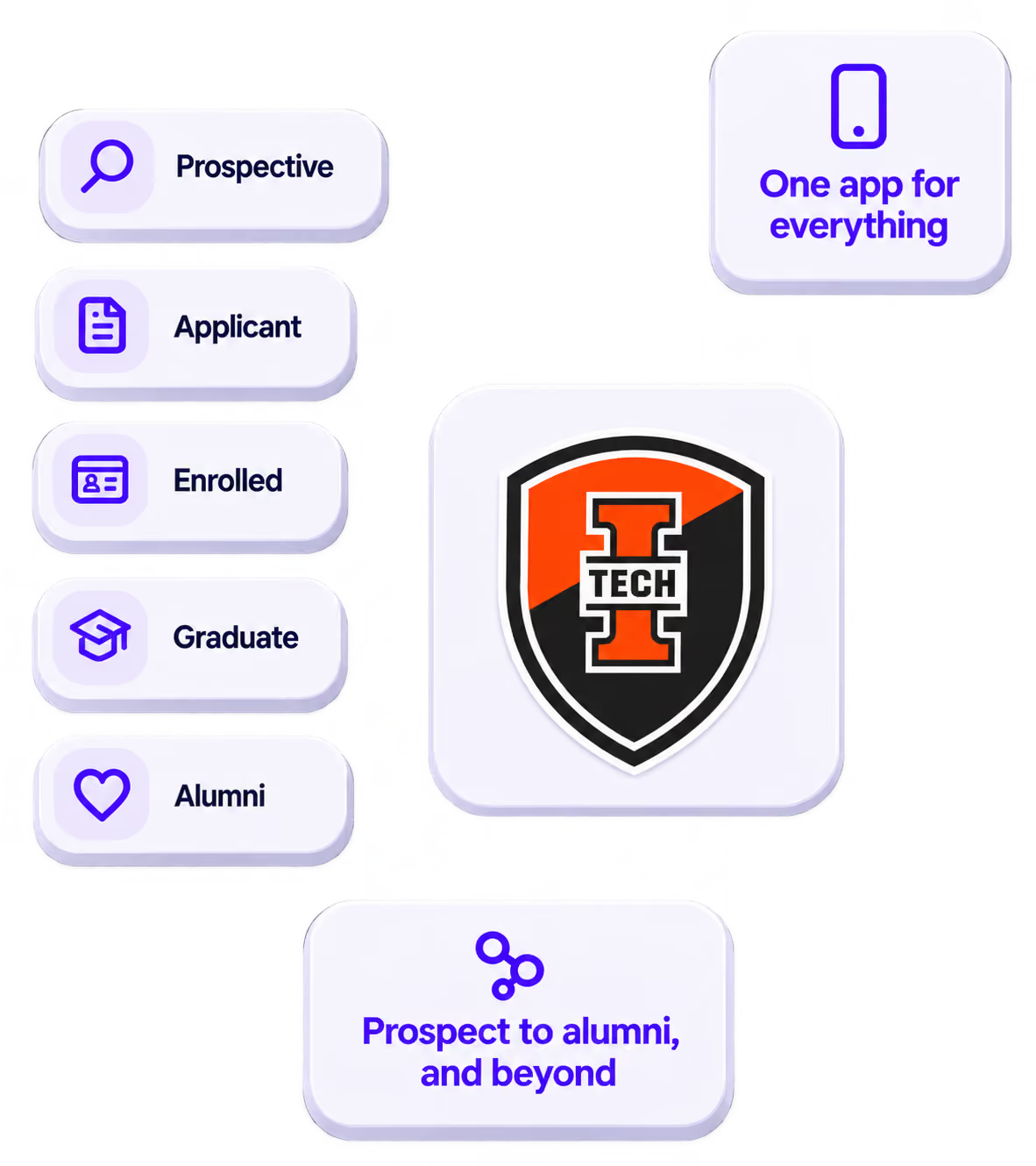
The power of your brand in your app, from first visit to alumni.
Build trust
Attendees download your app, not ours. Your name, colors, and crest in the stores.
.avif)
One place for the whole event
Schedules, maps, registration, and updates in one branded hub - not five tools.
Stand out
A branded app is what people keep on their phone after the printed program is in the recycling.

Get the Mobile App Playbook
A short guide to running the whole student journey in one app. No fluff, just what works.
for higher ed
Campus
Playbook
A practical guide to building a connected campus experience.
Free playbook
The Mobile App Playbook for Universities
Students decide if they belong long before they set foot on campus. This playbook shows how to win them over from the first visit through graduation.
- Grow enrollment and boost recruitment
- Increase belonging and retention
- Run every event from one branded app
By submitting, you agree to our Privacy Policy.
You're in.
.png)