
Campus apps by department
Admissions, orientation, student life, and more — one campus app that works across departments.

Campus apps by department
Admissions, orientation, student life, and more — one campus app that works across departments.
Build unlimited event apps on one license
One partnership for unlimited campus events — orientation, tours, student life, and everything in between.
Build unlimited event apps on one license
One partnership for unlimited campus events — orientation, tours, student life, and everything in between.
Compare event app platforms
See how Guidebook stacks up against other event app and registration platforms.
Compare event app platforms
See how Guidebook stacks up against other event app and registration platforms.
Event apps for nonprofit and community programs
Give members, volunteers, and donors one branded app for conferences, fundraisers, and year-round community.
Event apps for nonprofit and community programs
Give members, volunteers, and donors one branded app for conferences, fundraisers, and year-round community.
Campus integrations and an open API
Connect Guidebook with the campus systems, APIs, and tools your team already uses.
Campus integrations and an open API
Connect Guidebook with the campus systems, APIs, and tools your team already uses.
Event apps for corporate and enterprise teams
Internal meetings, offsites, and large-scale corporate events — with the branding and control enterprise teams need.
Event apps for corporate and enterprise teams
Internal meetings, offsites, and large-scale corporate events — with the branding and control enterprise teams need.
Create a branded event app with no coding
Put schedules, maps, resources, and updates in every attendee's pocket — built for campus events and programs.
Create a branded event app with no coding
Put schedules, maps, resources, and updates in every attendee's pocket — built for campus events and programs.
Launch a branded, white-label event app
A white-label event app with your branding, your content, and your attendee experience — no coding required.
Launch a branded, white-label event app
A white-label event app with your branding, your content, and your attendee experience — no coding required.
Everything in the Guidebook platform
Explore the features event teams use to engage attendees before, during, and after the event.
Everything in the Guidebook platform
Explore the features event teams use to engage attendees before, during, and after the event.
One app for in-person and virtual attendees
The same schedule, networking, and updates whether people are in the room or joining remotely.
One app for in-person and virtual attendees
The same schedule, networking, and updates whether people are in the room or joining remotely.
Event apps built for associations
Annual meetings, chapter events, and member engagement — without rebuilding a new app every year.
Event apps built for associations
Annual meetings, chapter events, and member engagement — without rebuilding a new app every year.
A branded event website that matches the app
Promote the event, collect interest, and keep branding consistent from the first click to check-in.
A branded event website that matches the app
Promote the event, collect interest, and keep branding consistent from the first click to check-in.
Plan, run, and measure events on one platform
App, registration, badges, and websites in one workflow — so planning isn't a pile of disconnected tools.
Plan, run, and measure events on one platform
App, registration, badges, and websites in one workflow — so planning isn't a pile of disconnected tools.
Keep members engaged between events
One branded app for the conference and everything that happens the other 51 weeks of the year.
Keep members engaged between events
One branded app for the conference and everything that happens the other 51 weeks of the year.
The conference app attendees actually use
Schedules, maps, networking, and live updates for annual meetings, summits, and multi-day conferences.
The conference app attendees actually use
Schedules, maps, networking, and live updates for annual meetings, summits, and multi-day conferences.
Registration that feeds your app and badges
Collect registrations, payments, and attendee data in the same platform as your event app.
Registration that feeds your app and badges
Collect registrations, payments, and attendee data in the same platform as your event app.
Design and print event badges in one place
Custom badges, QR check-in, and on-site printing — without a separate badge vendor.
Design and print event badges in one place
Custom badges, QR check-in, and on-site printing — without a separate badge vendor.
A Smaller School?
Deliver a polished, branded event experience without a large team or a big budget.
A Smaller School?
Deliver a polished, branded event experience without a large team or a big budget.
Running Family Programs?
Give families everything they need, from schedules and maps to real-time updates, all in one place.
Running Family Programs?
Give families everything they need, from schedules and maps to real-time updates, all in one place.
Coordinating Move-In Day?
Share updates, manage events, and keep students informed from move-in through the academic year.

Coordinating Move-In Day?
Share updates, manage events, and keep students informed from move-in through the academic year.
Offering Campus Tours?
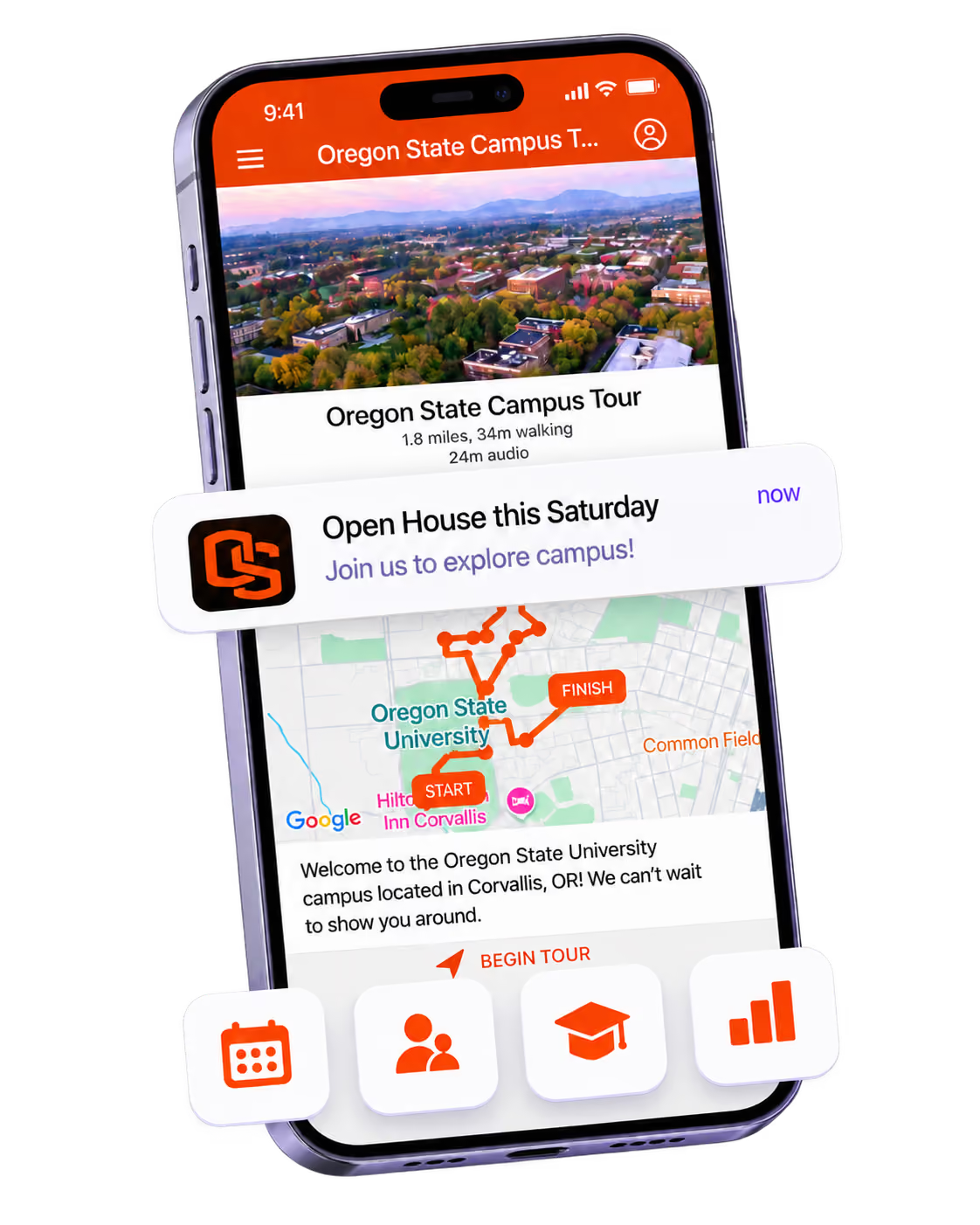
Deliver branded, self-guided tour experiences with interactive maps and rich media, available 24/7.

Offering Campus Tours?
Deliver branded, self-guided tour experiences with interactive maps and rich media, available 24/7.
Organising a Career Fair?
Simplify logistics for students, employers, and Career Services staff with one easy-to-use app.
Organising a Career Fair?
Simplify logistics for students, employers, and Career Services staff with one easy-to-use app.
Managing Alumni Events?
Plan reunions, regional events, and fundraising campaigns with an app built for alumni engagement.
Managing Alumni Events?
Plan reunions, regional events, and fundraising campaigns with an app built for alumni engagement.
Boost Student Engagement
One hub for schedules, resources, and events that keeps students connected throughout the academic year.
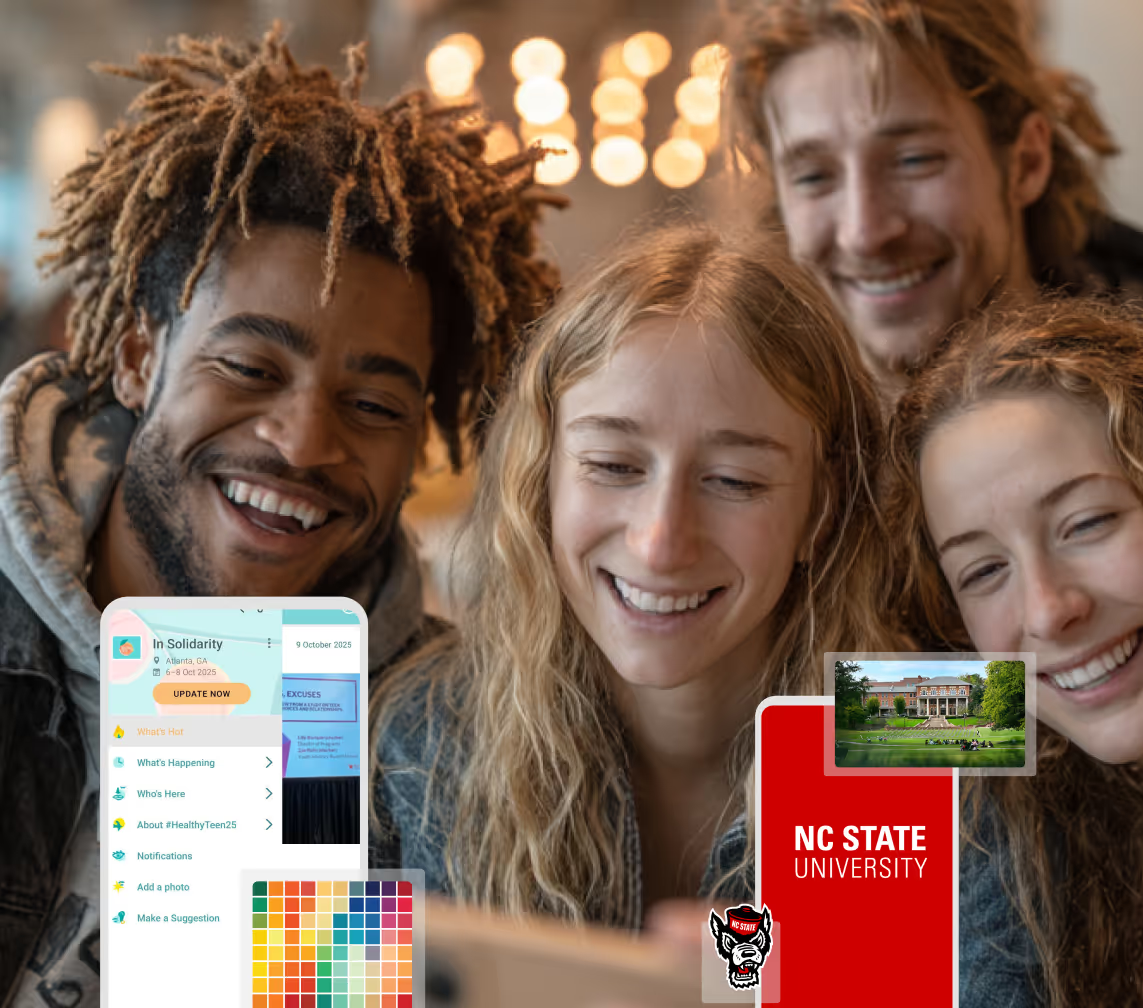
Boost Student Engagement
One hub for schedules, resources, and events that keeps students connected throughout the academic year.
Planning Orientation?
Help new students feel prepared from day one with schedules, campus resources, and real-time updates in one app.
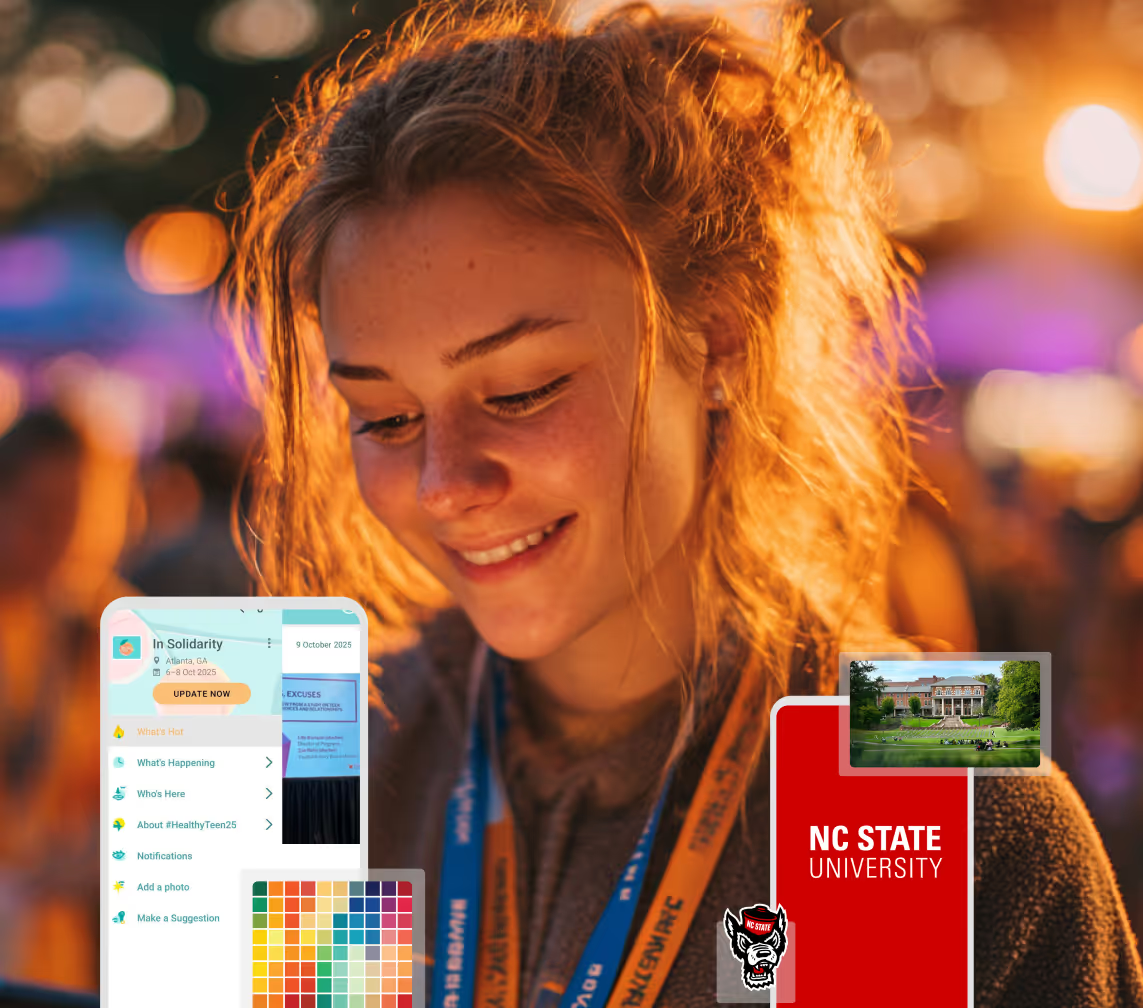
Planning Orientation?
Help new students feel prepared from day one with schedules, campus resources, and real-time updates in one app.
Running Admissions Events?
Manage open houses, tours, and yield events with a branded app that saves time and engages prospective students.

Running Admissions Events?
Manage open houses, tours, and yield events with a branded app that saves time and engages prospective students.
Get a custom Sponsorship Package Template
Stop starting from scratch. Grab free templates that helWe'll build a tailored sponsorship package with suggested pricing, tiers, and benefits..for your specific event.p you build professional sponsorship packages and close deals faster.
Get a custom Sponsorship Package Template
Stop starting from scratch. Grab free templates that helWe'll build a tailored sponsorship package with suggested pricing, tiers, and benefits..for your specific event.p you build professional sponsorship packages and close deals faster.
Plan Your Next Event Without Missing a Beat.
From venue selection to post-event wrap-up, this free checklist walks you through every step (so nothing falls through the cracks).
.avif)
Plan Your Next Event Without Missing a Beat.
From venue selection to post-event wrap-up, this free checklist walks you through every step (so nothing falls through the cracks).
Real Results From Real Events
100,000+ organizations trust Guidebook. See exactly how universities, associations, enterprises, and more put it to work.

Real Results From Real Events
100,000+ organizations trust Guidebook. See exactly how universities, associations, enterprises, and more put it to work.
Flexible pricing for every event size
Find the perfect plan for your needs, from intimate gatherings to large-scale conferences.

Flexible pricing for every event size
Find the perfect plan for your needs, from intimate gatherings to large-scale conferences.
Join our event experts
Watch on-demand webinars and join live sessions with industry leaders sharing best practices for event success.
.avif)
Join our event experts
Watch on-demand webinars and join live sessions with industry leaders sharing best practices for event success.
Guidebook in Action
Book a personalized walkthrough and discover how we help event teams create better attendee experiences.
Guidebook in Action
Book a personalized walkthrough and discover how we help event teams create better attendee experiences.

What are Sites Like Eventbrite?
Discover top alternatives to Eventbrite for event management and ticketing. Explore platform features, pricing comparisons, and tips for choosing the best site for your needs.

Sites like Eventbrite are alternative event management platforms that help organizers create, promote, and sell tickets to events without relying on a single provider. These platforms range from simple ticketing tools to full-featured event management solutions. Choosing the right one can save you money, unlock better features, and give attendees a smoother experience.
Here's the thing: Eventbrite works great for many events. But it's not perfect for everyone. Some organizers need lower fees. Others want more customization or better mobile experiences. The good news? You've got plenty of options to explore.
Key Characteristics of Sites Like Eventbrite
- Online Ticketing: All alternatives let you sell tickets through a website or app. Most handle payment processing, refunds, and confirmation emails automatically.
- Event Page Creation: These platforms provide templates to build event listings. You can add descriptions, images, schedules, and speaker information.
- Attendee Management: Track registrations, manage guest lists, and communicate with attendees. Good platforms make event check-in simple.
- Payment Processing: Accept credit cards, PayPal, and other payment methods. Fee structures vary widely between platforms.
- Marketing Tools: Built-in features help you promote events through email, social media, and SEO. Some integrate with event digital marketing tools. : Track ticket sales, revenue, and attendee data. Better platforms offer real-time dashboards and exportable reports.
- Mobile Access: Attendees expect mobile-friendly experiences. Top alternatives offer dedicated apps or responsive web designs.
Sites Like Eventbrite vs. Related Platforms
Event Ticketing Platforms
- Scope: Focus primarily on selling tickets and processing payments
- Focus: Transaction completion and revenue collection
- Timeline: Active mainly during registration periods
- Channels: Website embeds and direct purchase links
- Goal: Maximize ticket sales with minimal friction
Event Management Platforms
- Scope: Cover the entire event lifecycle from planning to post-event analysis
- Focus: Attendee experience and operational efficiency
- Timeline: Used before, during, and after events
- Channels: Mobile apps, websites, email, and on-site tools
- Goal: Create seamless experiences that drive event ROI
Virtual Event Platforms
- Scope: Specialize in online and hybrid event delivery
- Focus: Live streaming, networking, and digital engagement
- Timeline: Concentrated around live event dates
- Channels: Video conferencing, chat, and virtual lobbies
- Goal: Replicate in-person experiences in digital environments
Understanding these differences helps you pick the right tool. Need just ticketing? A simple platform works fine. Want to manage the whole attendee journey? Look for comprehensive event management solutions.
Types of Eventbrite Alternatives
Free and Low-Cost Options
Budget-conscious organizers have solid choices. Some platforms charge nothing for free events. Others take smaller percentages than Eventbrite's standard fees.
These work best for:
- Community gatherings and meetups
- Nonprofit fundraisers
- Small workshops and classes
- First-time event organizers testing the waters
Enterprise-Level Platforms
Large organizations need more horsepower. Enterprise platforms handle thousands of attendees, complex registration workflows, and multi-event management.
Key features include:
- Custom branding and white-label options
- Integration with CRM and marketing tools
- Dedicated support and account management
Niche and Specialized Platforms
Some alternatives focus on specific event types. Conference platforms offer abstract submission and speaker management. Festival tools handle multi-stage schedules and vendor coordination.
Consider specialized options for:
- Academic conferences and webinars
- Music festivals and concerts
- Trade shows and expos
- Corporate training and team building events
Mobile-First Platforms
Today's attendees live on their phones. Mobile-first alternatives prioritize app experiences over desktop websites. They offer features like push notifications, offline access, and in-app networking.
Guidebook's branded app solution lets you create custom mobile experiences. Attendees get schedules, maps, and updates in one place.
How to Choose the Right Alternative
Evaluate Your Event Size
Small events don't need enterprise features. Large events can't rely on basic tools. Match the platform to your scale.
Ask yourself:
- How many attendees do you expect?
- Will you run multiple events per year?
- Do you need to manage complex registration types?
Compare Fee Structures
Pricing models vary wildly. Some charge per ticket. Others take a percentage of sales. A few offer flat monthly rates.
Calculate total costs for your specific situation. A platform with higher per-ticket fees might cost less if you're selling expensive tickets to small crowds.
Check Integration Options
Your event tools should talk to each other. Look for platforms that connect with your email marketing, CRM, and payment systems.
Popular integrations include:
- Mailchimp and Constant Contact
- Salesforce and HubSpot
- Stripe and PayPal
- Zoom and streaming services
Test the Attendee Experience
Sign up for a test event on any platform you're considering. See how the registration flow feels. Check if confirmation emails look professional.
Your attendees' first impression matters. A clunky checkout process kills conversions.
Review Support Options
Things go wrong during events. You need help fast when they do. Check if platforms offer live chat, phone support, or just email tickets.
Read reviews about response times. A great feature set means nothing if you can't get help at 2 AM before your event.
Why Sites Like Eventbrite Matter
For Event Success:
- Better Attendee Experience: The right platform makes registration smooth and event navigation easy. Happy attendees become repeat customers.
- Streamlined Operations: Good tools reduce manual work. Spend less time on admin and more on creating great experiences.
- Professional Branding: Custom event pages and branded spaces build credibility. Your events look polished and trustworthy.
- Real-Time Communication: Push notifications and in-app messaging keep attendees informed. No more "I didn't know about the schedule change" complaints.
For Business Objectives:
- Cost Control: Lower fees mean more revenue stays with you. Some alternatives save thousands on large events.
- Scalability: Grow without switching platforms. The right choice supports you from 50 attendees to 5,000.
- Brand Ownership: White-label options let you own the experience. Attendees see your brand, not the platform's.
- Competitive Advantage: Better tools create better events. Stand out in crowded markets with superior experiences.
- Integration Efficiency: Connected systems reduce data entry and errors. Your tech stack works together seamlessly.
Guidebook's event management platform addresses all these needs. From event registration to post-event surveys, everything lives in one place.
Sites Like Eventbrite Best Practices
- Start with Your Must-Haves: List non-negotiable features before you shop. This prevents getting distracted by flashy extras you won't use.
- Request Demos from Top Contenders: Book demos with your shortlist. See platforms in action before committing.
- Calculate True Costs: Factor in all fees, including payment processing, add-ons, and support tiers. The cheapest option isn't always the best value.
- Test with a Small Event First: Run a pilot before your big conference. Work out kinks when stakes are low.
- Train Your Team Early: Don't wait until event week to learn the platform. Build expertise before you need it.
- Plan Your Migration Strategy: Moving from Eventbrite? Export attendee data and plan how you'll communicate the change.
- Set Up Integrations Before Launch: Connect your email, CRM, and other tools during setup. Don't scramble to sync data later.
- Create Templates for Efficiency: Use event templates to speed up future event creation. Build once, reuse often. : Track registration patterns and engagement metrics. Data helps you optimize in real-time.
- Gather Feedback and Iterate: Ask attendees about their experience. Use insights to improve your next event.
Common Sites Like Eventbrite Mistakes
Choosing Based on Price Alone: The cheapest platform often costs more in the long run. Hidden fees, limited features, and poor support add up. Evaluate total value, not just sticker price.
Ignoring Mobile Experience: Over 60% of registrations happen on phones. A platform that looks great on desktop but fails on mobile loses attendees. Always test the mobile flow.
Overlooking Scalability: Your 100-person workshop might grow into a 1,000-person conference. Switching platforms mid-growth is painful. Choose tools that can scale with you.
Skipping the Trial Period: Most platforms offer free trials. Use them. Discovering deal-breakers after you've committed wastes time and money.
Forgetting About Support: Event emergencies don't wait for business hours. Platforms with limited support leave you stranded when problems hit. Prioritize responsive help.
Not Planning Data Migration: Moving attendee lists, event history, and integrations takes work. Underestimating this effort leads to rushed, error-prone transitions.
Assuming All Features Work the Same: "Ticketing" means different things on different platforms. Dig into specifics. Does it support waitlists? Group registrations? Discount codes? Don't assume.
Final Thoughts
Finding the right Eventbrite alternative isn't about finding a perfect clone. It's about finding the platform that fits your specific needs, budget, and growth plans.
The event technology landscape keeps evolving. New platforms emerge. Existing ones add features. What works today might not be the best choice in two years. Stay curious and keep evaluating your options.
Great events happen when technology gets out of the way. The best platform is one you barely notice because everything just works. Your attendees show up, engage, and leave impressed.
Ready to explore your options? Check out Guidebook's Cvent alternative, Whova alternative, or EventMobi alternative comparisons. Browse our case studies to see how organizations like yours create amazing events. Or dive into our guides for more event management tips.
The perfect platform for your next event is out there. Go find it.
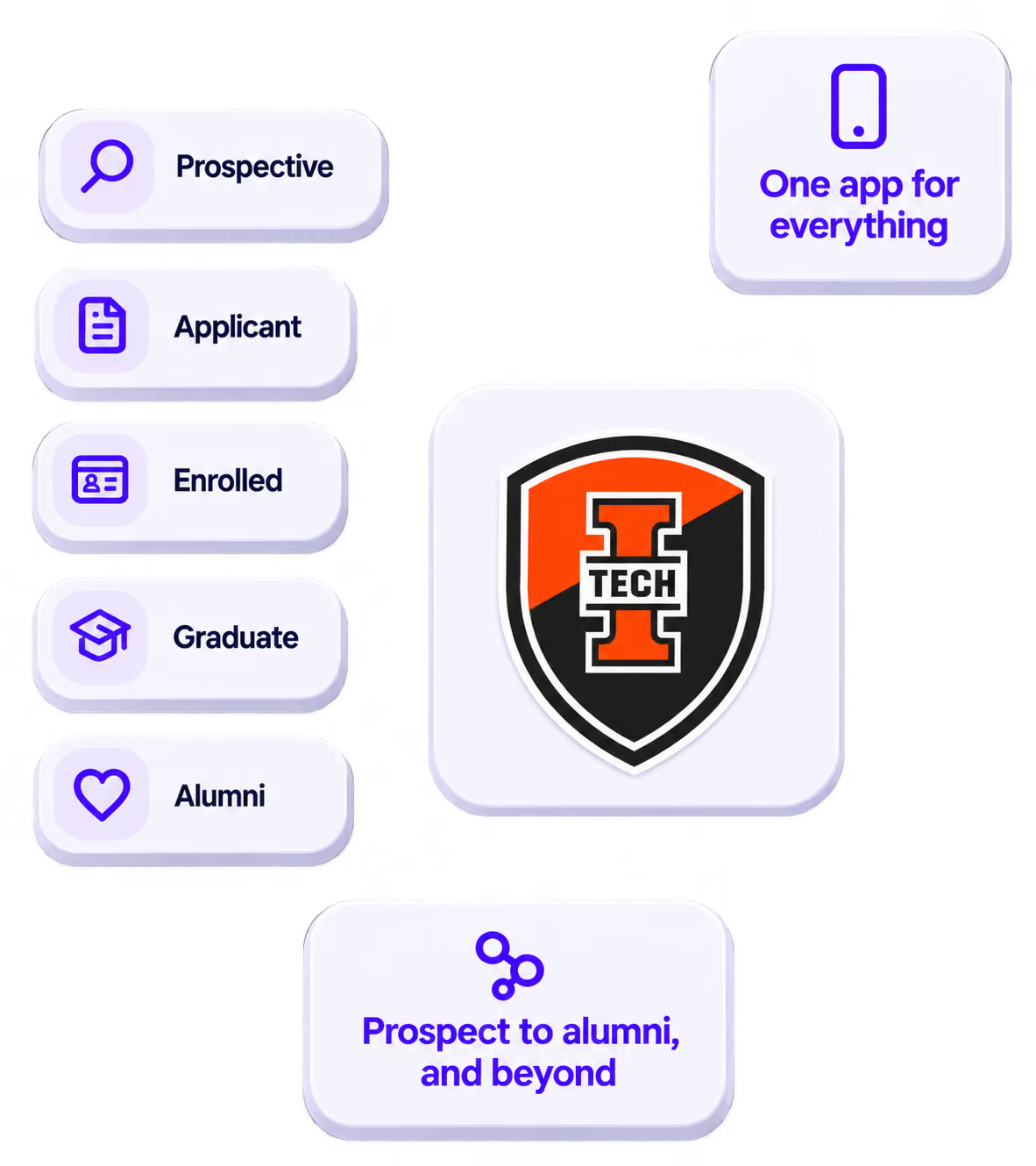
The power of your brand in your app, from first visit to alumni.
Build trust
Attendees download your app, not ours. Your name, colors, and crest in the stores.
.avif)
One place for the whole event
Schedules, maps, registration, and updates in one branded hub - not five tools.
Stand out
A branded app is what people keep on their phone after the printed program is in the recycling.

Get the Mobile App Playbook
A short guide to running the whole student journey in one app. No fluff, just what works.
for higher ed
Campus
Playbook
A practical guide to building a connected campus experience.
Free playbook
The Mobile App Playbook for Universities
Students decide if they belong long before they set foot on campus. This playbook shows how to win them over from the first visit through graduation.
- Grow enrollment and boost recruitment
- Increase belonging and retention
- Run every event from one branded app
By submitting, you agree to our Privacy Policy.
You're in.
.png)