
Campus apps by department
Admissions, orientation, student life, and more — one campus app that works across departments.

Campus apps by department
Admissions, orientation, student life, and more — one campus app that works across departments.
Build unlimited event apps on one license
One partnership for unlimited campus events — orientation, tours, student life, and everything in between.
Build unlimited event apps on one license
One partnership for unlimited campus events — orientation, tours, student life, and everything in between.
Compare event app platforms
See how Guidebook stacks up against other event app and registration platforms.
Compare event app platforms
See how Guidebook stacks up against other event app and registration platforms.
Event apps for nonprofit and community programs
Give members, volunteers, and donors one branded app for conferences, fundraisers, and year-round community.
Event apps for nonprofit and community programs
Give members, volunteers, and donors one branded app for conferences, fundraisers, and year-round community.
Campus integrations and an open API
Connect Guidebook with the campus systems, APIs, and tools your team already uses.
Campus integrations and an open API
Connect Guidebook with the campus systems, APIs, and tools your team already uses.
Event apps for corporate and enterprise teams
Internal meetings, offsites, and large-scale corporate events — with the branding and control enterprise teams need.
Event apps for corporate and enterprise teams
Internal meetings, offsites, and large-scale corporate events — with the branding and control enterprise teams need.
Create a branded event app with no coding
Put schedules, maps, resources, and updates in every attendee's pocket — built for campus events and programs.
Create a branded event app with no coding
Put schedules, maps, resources, and updates in every attendee's pocket — built for campus events and programs.
Launch a branded, white-label event app
A white-label event app with your branding, your content, and your attendee experience — no coding required.
Launch a branded, white-label event app
A white-label event app with your branding, your content, and your attendee experience — no coding required.
Everything in the Guidebook platform
Explore the features event teams use to engage attendees before, during, and after the event.
Everything in the Guidebook platform
Explore the features event teams use to engage attendees before, during, and after the event.
One app for in-person and virtual attendees
The same schedule, networking, and updates whether people are in the room or joining remotely.
One app for in-person and virtual attendees
The same schedule, networking, and updates whether people are in the room or joining remotely.
Event apps built for associations
Annual meetings, chapter events, and member engagement — without rebuilding a new app every year.
Event apps built for associations
Annual meetings, chapter events, and member engagement — without rebuilding a new app every year.
A branded event website that matches the app
Promote the event, collect interest, and keep branding consistent from the first click to check-in.
A branded event website that matches the app
Promote the event, collect interest, and keep branding consistent from the first click to check-in.
Plan, run, and measure events on one platform
App, registration, badges, and websites in one workflow — so planning isn't a pile of disconnected tools.
Plan, run, and measure events on one platform
App, registration, badges, and websites in one workflow — so planning isn't a pile of disconnected tools.
Keep members engaged between events
One branded app for the conference and everything that happens the other 51 weeks of the year.
Keep members engaged between events
One branded app for the conference and everything that happens the other 51 weeks of the year.
The conference app attendees actually use
Schedules, maps, networking, and live updates for annual meetings, summits, and multi-day conferences.
The conference app attendees actually use
Schedules, maps, networking, and live updates for annual meetings, summits, and multi-day conferences.
Registration that feeds your app and badges
Collect registrations, payments, and attendee data in the same platform as your event app.
Registration that feeds your app and badges
Collect registrations, payments, and attendee data in the same platform as your event app.
Design and print event badges in one place
Custom badges, QR check-in, and on-site printing — without a separate badge vendor.
Design and print event badges in one place
Custom badges, QR check-in, and on-site printing — without a separate badge vendor.
A Smaller School?
Deliver a polished, branded event experience without a large team or a big budget.
A Smaller School?
Deliver a polished, branded event experience without a large team or a big budget.
Running Family Programs?
Give families everything they need, from schedules and maps to real-time updates, all in one place.
Running Family Programs?
Give families everything they need, from schedules and maps to real-time updates, all in one place.
Coordinating Move-In Day?
Share updates, manage events, and keep students informed from move-in through the academic year.

Coordinating Move-In Day?
Share updates, manage events, and keep students informed from move-in through the academic year.
Offering Campus Tours?
Deliver branded, self-guided tour experiences with interactive maps and rich media, available 24/7.

Offering Campus Tours?
Deliver branded, self-guided tour experiences with interactive maps and rich media, available 24/7.
Organising a Career Fair?
Simplify logistics for students, employers, and Career Services staff with one easy-to-use app.
Organising a Career Fair?
Simplify logistics for students, employers, and Career Services staff with one easy-to-use app.
Managing Alumni Events?
Plan reunions, regional events, and fundraising campaigns with an app built for alumni engagement.
Managing Alumni Events?
Plan reunions, regional events, and fundraising campaigns with an app built for alumni engagement.
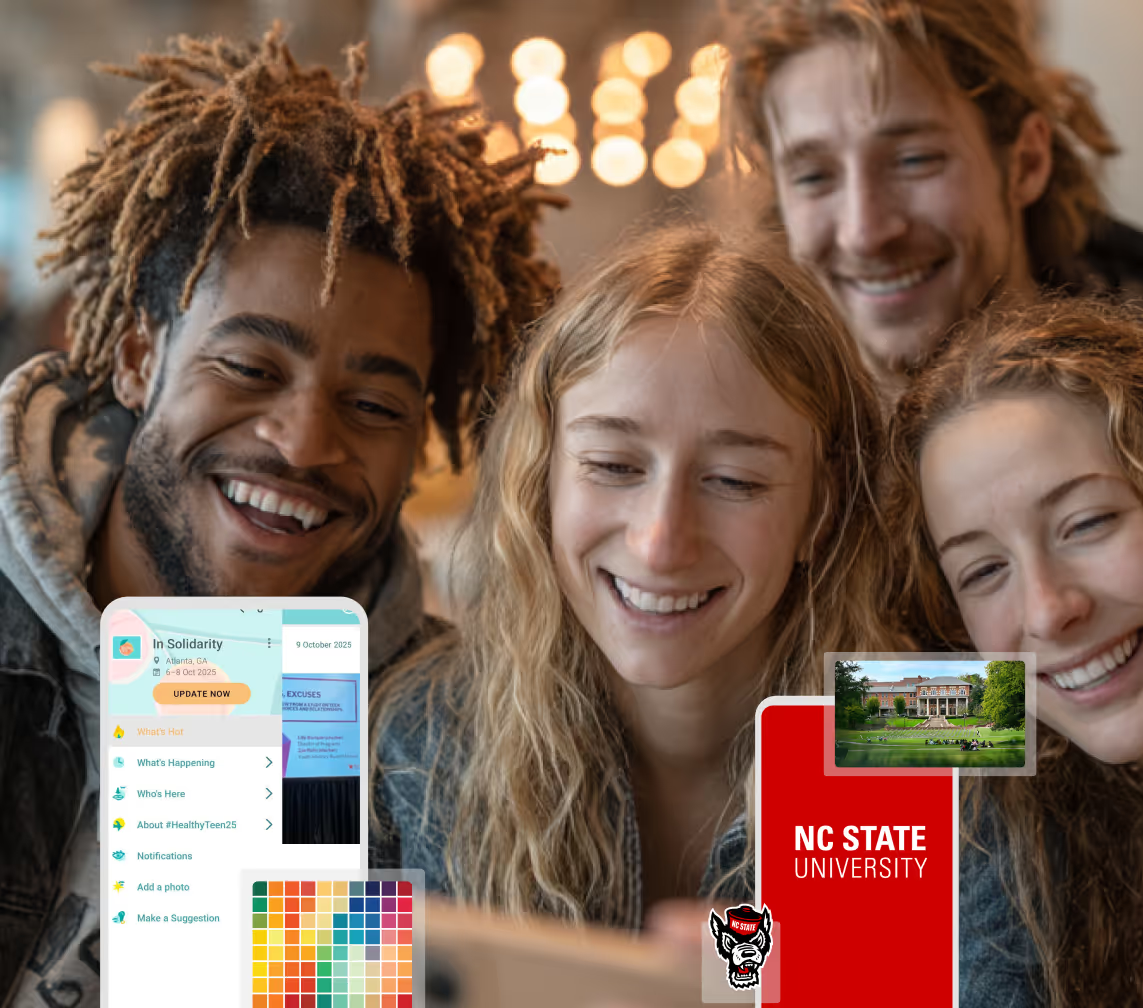
Boost Student Engagement
One hub for schedules, resources, and events that keeps students connected throughout the academic year.
Boost Student Engagement
One hub for schedules, resources, and events that keeps students connected throughout the academic year.
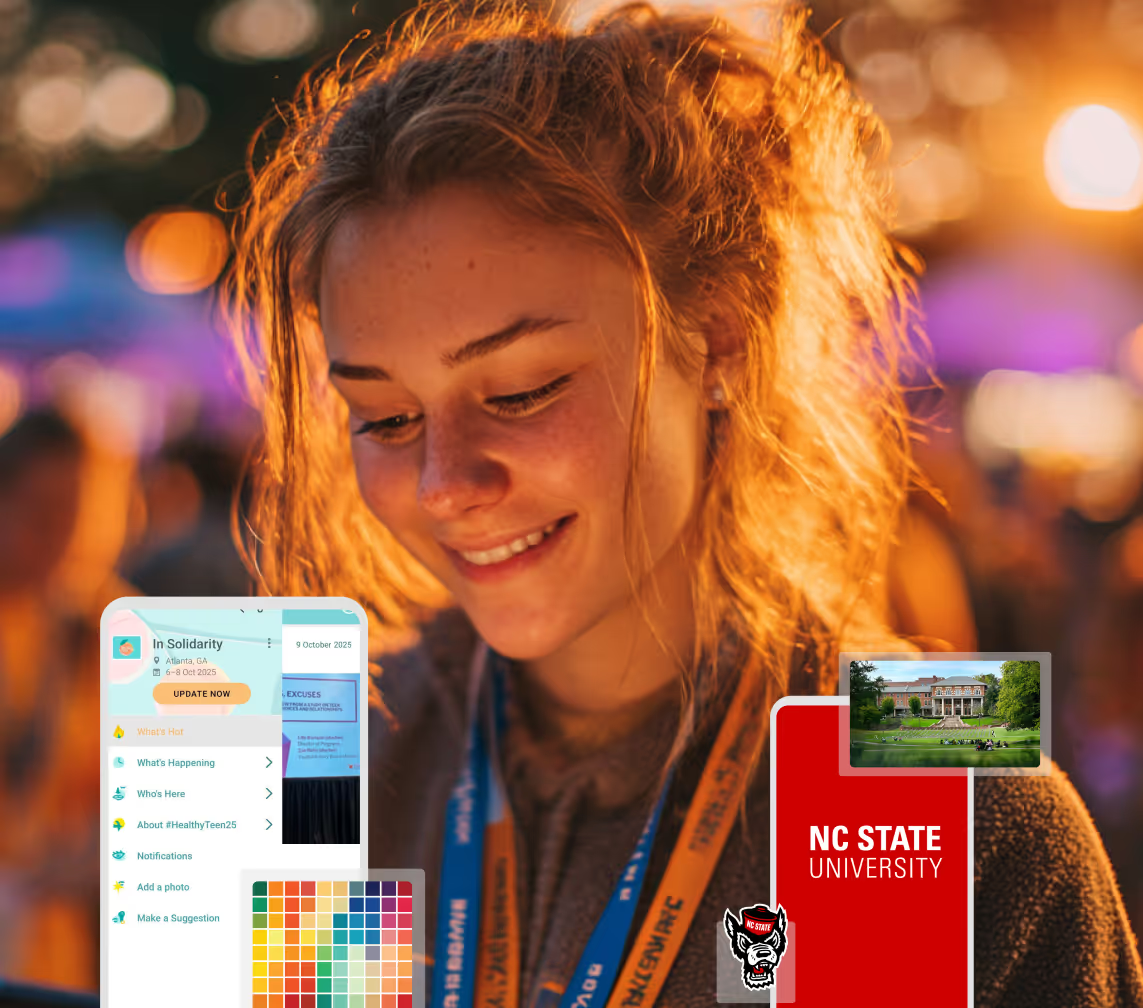
Planning Orientation?
Help new students feel prepared from day one with schedules, campus resources, and real-time updates in one app.
Planning Orientation?
Help new students feel prepared from day one with schedules, campus resources, and real-time updates in one app.
Running Admissions Events?
Manage open houses, tours, and yield events with a branded app that saves time and engages prospective students.

Running Admissions Events?
Manage open houses, tours, and yield events with a branded app that saves time and engages prospective students.
Get a custom Sponsorship Package Template
Stop starting from scratch. Grab free templates that helWe'll build a tailored sponsorship package with suggested pricing, tiers, and benefits..for your specific event.p you build professional sponsorship packages and close deals faster.
Get a custom Sponsorship Package Template
Stop starting from scratch. Grab free templates that helWe'll build a tailored sponsorship package with suggested pricing, tiers, and benefits..for your specific event.p you build professional sponsorship packages and close deals faster.
Plan Your Next Event Without Missing a Beat.
From venue selection to post-event wrap-up, this free checklist walks you through every step (so nothing falls through the cracks).
.avif)
Plan Your Next Event Without Missing a Beat.
From venue selection to post-event wrap-up, this free checklist walks you through every step (so nothing falls through the cracks).
Real Results From Real Events
100,000+ organizations trust Guidebook. See exactly how universities, associations, enterprises, and more put it to work.

Real Results From Real Events
100,000+ organizations trust Guidebook. See exactly how universities, associations, enterprises, and more put it to work.
Flexible pricing for every event size
Find the perfect plan for your needs, from intimate gatherings to large-scale conferences.
Flexible pricing for every event size
Find the perfect plan for your needs, from intimate gatherings to large-scale conferences.
Join our event experts
Watch on-demand webinars and join live sessions with industry leaders sharing best practices for event success.
.avif)
Join our event experts
Watch on-demand webinars and join live sessions with industry leaders sharing best practices for event success.
Guidebook in Action
Book a personalized walkthrough and discover how we help event teams create better attendee experiences.
Guidebook in Action
Book a personalized walkthrough and discover how we help event teams create better attendee experiences.

What does high attendee engagement look like at conferences?
High attendee engagement at conferences features active participation, networking, and interaction. Discover key engagement indicators, proven strategies, and measurement tips.

Attendee engagement at conferences is the art and science of creating meaningful interactions that transform passive participants into active, invested contributors throughout your event. It covers everything from pre-event buzz to post-conference follow-up. When done right, engaged attendees become your biggest advocates.
Here's the thing: attendance doesn't equal engagement. Someone can show up, sit in the back, scroll their phone, and leave without connecting with a single person. True engagement means attendees are participating, networking, asking questions, and walking away with real value. That's the difference between a forgettable event and one that builds lasting relationships.
Key Characteristics of Attendee Engagement at Conferences
- Two-Way Interaction: Engagement isn't a one-way broadcast. It requires dialogue between speakers, organizers, and attendees through Q&A sessions, polls, and discussions.
- Personalized Experiences: Engaged attendees feel the event speaks directly to their needs. This means tailored content tracks, networking matches, and relevant recommendations.
- Active Participation: Beyond listening, engaged attendees contribute. They ask questions, share insights, and collaborate with peers.
- Emotional Connection: The best engagement creates memorable moments. Attendees feel part of something bigger than themselves.
- Measurable Behaviors: Real engagement shows up in data. Think session attendance rates, app usage, social media mentions, and survey responses.
- Continuous Throughout the Event Lifecycle: Engagement starts before registration and continues long after the closing keynote. It's not limited to event days.
Attendee Engagement vs. Related Concepts
Attendee Experience
- Scope: The complete journey from discovery to post-event follow-up
- Focus: Overall satisfaction and perception of the event
- Timeline: Encompasses every touchpoint across weeks or months
- Channels: All interactions including venue, food, logistics, and content
- Goal: Create positive memories and brand associations
Audience Interaction
- Scope: Real-time exchanges during sessions and presentations
- Focus: Immediate responses and participation
- Timeline: Limited to specific moments during live content
- Channels: Polls, Q&A, chat features, and live reactions
- Goal: Keep attention and gather instant feedback
Event Networking
- Scope: Connections between attendees, speakers, and sponsors
- Focus: Relationship building and professional connections
- Timeline: Structured sessions plus organic opportunities
- Channels: Networking lounges, matchmaking tools, and social events
- Goal: Facilitate valuable professional relationships
These concepts overlap significantly. Strong attendee engagement includes great experiences, meaningful interactions, and valuable networking. Think of engagement as the umbrella that ties everything together.
Essential Components of Conference Engagement
Pre-Event Communication and Buzz
Engagement starts weeks before your event. Send personalized emails highlighting sessions that match each registrant's interests. Create anticipation through social media countdowns and speaker spotlights.
Use your event digital marketing strategy to build excitement. Share sneak peeks of content, introduce networking opportunities, and help attendees plan their schedules in advance.
Interactive Session Formats
Ditch the lecture-only approach. Mix up your session types:
- Live polls every 10-15 minutes
- Breakout discussions in small groups
- Workshop-style hands-on activities
- Panel debates with audience questions
- Lightning talks with rapid-fire insights
Technology-Enabled Participation
The right tech makes engagement effortless. Mobile event apps let attendees access schedules, connect with peers, and participate in real-time. Event check-in software streamlines arrival and captures valuable data.
Features like live Q&A, session ratings, and in-app messaging turn passive attendees into active participants. They can engage on their own terms, whether that's asking a question publicly or sending a private message to a speaker.
Gamification and Incentives
A little friendly competition goes a long way. Leaderboards, point systems, and prizes motivate attendees to explore more sessions, visit sponsor booths, and connect with new people.
Keep it simple. Award points for:
- Attending sessions
- Completing surveys
- Visiting exhibitor booths
- Connecting with other attendees
- Sharing on social media
Networking Facilitation
Don't leave networking to chance. Use matchmaking algorithms to suggest relevant connections. Create structured networking sessions with conversation prompts. Designate quiet spaces for one-on-one meetings.
For larger events, consider speed networking formats. They're efficient and help shy attendees break the ice without awkward small talk.
The Attendee Engagement Timeline
Build Anticipation (4-8 Weeks Before)
Start early with targeted communications. Share speaker announcements, session previews, and networking opportunities. Encourage attendees to set goals for what they want to learn and who they want to meet.
Your event planning process should include engagement touchpoints at every stage. Don't wait until event day to start building relationships.
Prepare Attendees (1-2 Weeks Before)
Send practical information that reduces friction:
- Venue maps and parking details
- Session recommendations based on interests
- App download instructions
- Networking tips and icebreakers
- What to bring and what to expect
Activate During the Event
This is showtime. Your engagement strategy should include:
- Welcome messages and orientation
- Real-time session updates and reminders
- Live social media walls
- Instant feedback collection
- Surprise moments and special announcements
Extend the Connection (Post-Event)
Engagement doesn't end when attendees leave. Follow up within 48 hours with session recordings, presentation slides, and connection requests. Use your event debrief template to capture insights while they're fresh.
Keep the community alive through ongoing content, alumni groups, and early access to future events.
Why Attendee Engagement at Conferences Matters
For Event Success:
- Higher Satisfaction Scores: Engaged attendees rate events 40% higher than passive ones. They feel their time was well spent.
- Increased Return Attendance: People come back to events where they felt connected. Engagement drives loyalty.
- Better Word-of-Mouth: Engaged attendees become advocates. They share on social media and recommend your event to colleagues.
- Stronger Sponsor Value: Sponsors pay for attention. Engaged audiences deliver more meaningful interactions with exhibitors.
- Richer Content Creation: Active participants generate user content, questions, and insights that enhance your event's value.
For Business Objectives:
- Improved Event ROI: Engagement correlates directly with business outcomes. Leads are warmer, relationships are stronger.
- Valuable Data Collection: Engaged attendees share preferences, feedback, and behaviors that inform future strategy.
- Brand Differentiation: In a crowded market, engagement sets your conference apart from competitors.
- Community Building: Conferences become platforms for year-round communities, not just annual gatherings.
- Revenue Growth: Engaged attendees spend more on premium experiences, merchandise, and future registrations.
Platforms like Guidebook's event management platform make it easy to implement engagement strategies at scale. From personalized schedules to real-time interaction features, the right technology amplifies your efforts.
Attendee Engagement at Conferences Best Practices
- Start Engagement Before Registration: Use social media, email teasers, and early-bird content to build excitement. The relationship begins at first contact.
- Personalize Everything Possible: Generic experiences feel forgettable. Use data to tailor recommendations, communications, and networking suggestions.
- Design for Participation, Not Just Consumption: Every session should include at least one interactive element. Passive listening kills engagement.
- Make Technology Invisible: Tech should enhance, not complicate. Choose intuitive tools that attendees can use without training. Event registration should be seamless.
- Create FOMO-Worthy Moments: Surprise announcements, exclusive experiences, and shareable moments give attendees stories to tell.
- Empower Your Speakers: Train presenters on engagement techniques. Provide them with polling tools and Q&A platforms.
- Build in Breathing Room: Over-scheduled events exhaust attendees. Leave time for organic conversations and reflection.
- Collect Feedback in Real-Time: Don't wait for post-event surveys. Gather input during sessions so you can adjust on the fly.
- Recognize and Reward Participation: Acknowledge active attendees publicly. Gamification works because people love recognition.
- Follow Up Fast: The 48-hour window after your event is critical. Strike while connections are fresh and enthusiasm is high.
Common Attendee Engagement at Conferences Mistakes
Treating All Attendees the Same: First-timers need different support than veterans. VIPs expect different access than general admission. Segment your audience and tailor engagement accordingly.
Overloading the Schedule: Back-to-back sessions leave no time for networking or processing information. Attendees burn out and disengage. Quality beats quantity every time.
Ignoring Introverts: Not everyone thrives in loud networking events. Provide quiet spaces, one-on-one meeting options, and digital connection tools for those who prefer them.
Relying on Technology Alone: Apps and platforms are tools, not strategies. Technology enables engagement but doesn't create it. Human connection remains essential.
Forgetting Accessibility: Engagement features must work for everyone. Consider hearing impairments, mobility challenges, and language barriers in your planning.
Measuring the Wrong Things: Attendance numbers don't equal engagement. Track meaningful metrics like session participation rates, networking connections made, and content interactions.
Stopping at the Closing Session: Post-event engagement often gets neglected. The relationships built during your conference need nurturing to deliver long-term value.
Final Thoughts
Attendee engagement at conferences isn't a nice-to-have anymore. It's the difference between events people attend and events people remember. In a world where attention is scarce, creating genuine connection is your competitive advantage.
The latest event trends all point in one direction: passive audiences are out, active communities are in. Attendees expect to participate, not just observe. They want personalized experiences that respect their time and deliver real value.
The good news? You don't need a massive budget to boost engagement. Start with simple changes: add polls to sessions, create networking prompts, send personalized follow-ups. Small improvements compound into significant results.
Ready to transform your conference engagement? Explore event management tips for practical strategies, check out real-world case studies from successful events, or book a demo to see how Guidebook can help you create conferences attendees actually want to attend. Because at the end of the day, the best events aren't the ones with the biggest budgets—they're the ones where people feel like they truly belong.
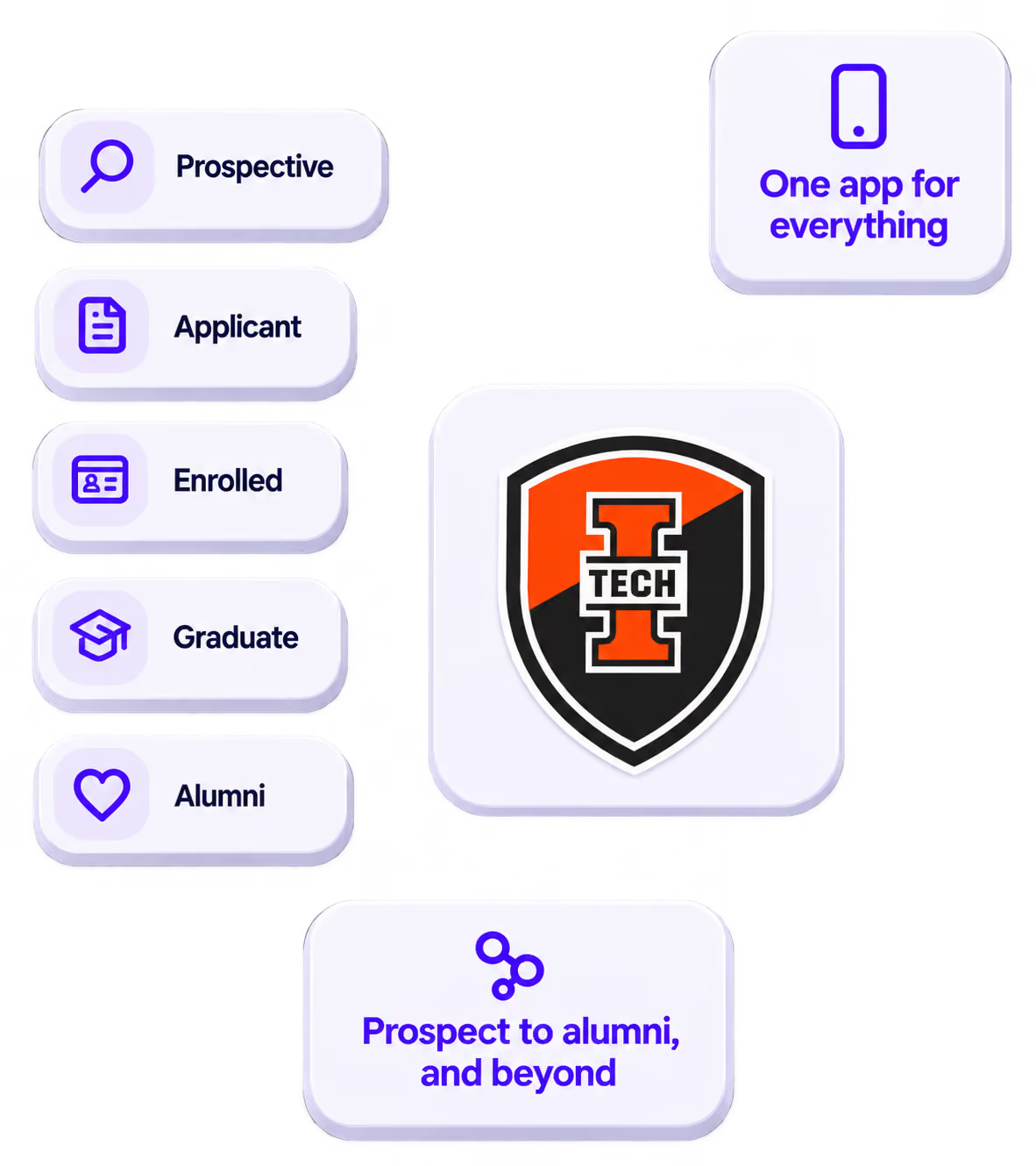
The power of your brand in your app, from first visit to alumni.
Build trust
Attendees download your app, not ours. Your name, colors, and crest in the stores.
.avif)
One place for the whole event
Schedules, maps, registration, and updates in one branded hub - not five tools.
Stand out
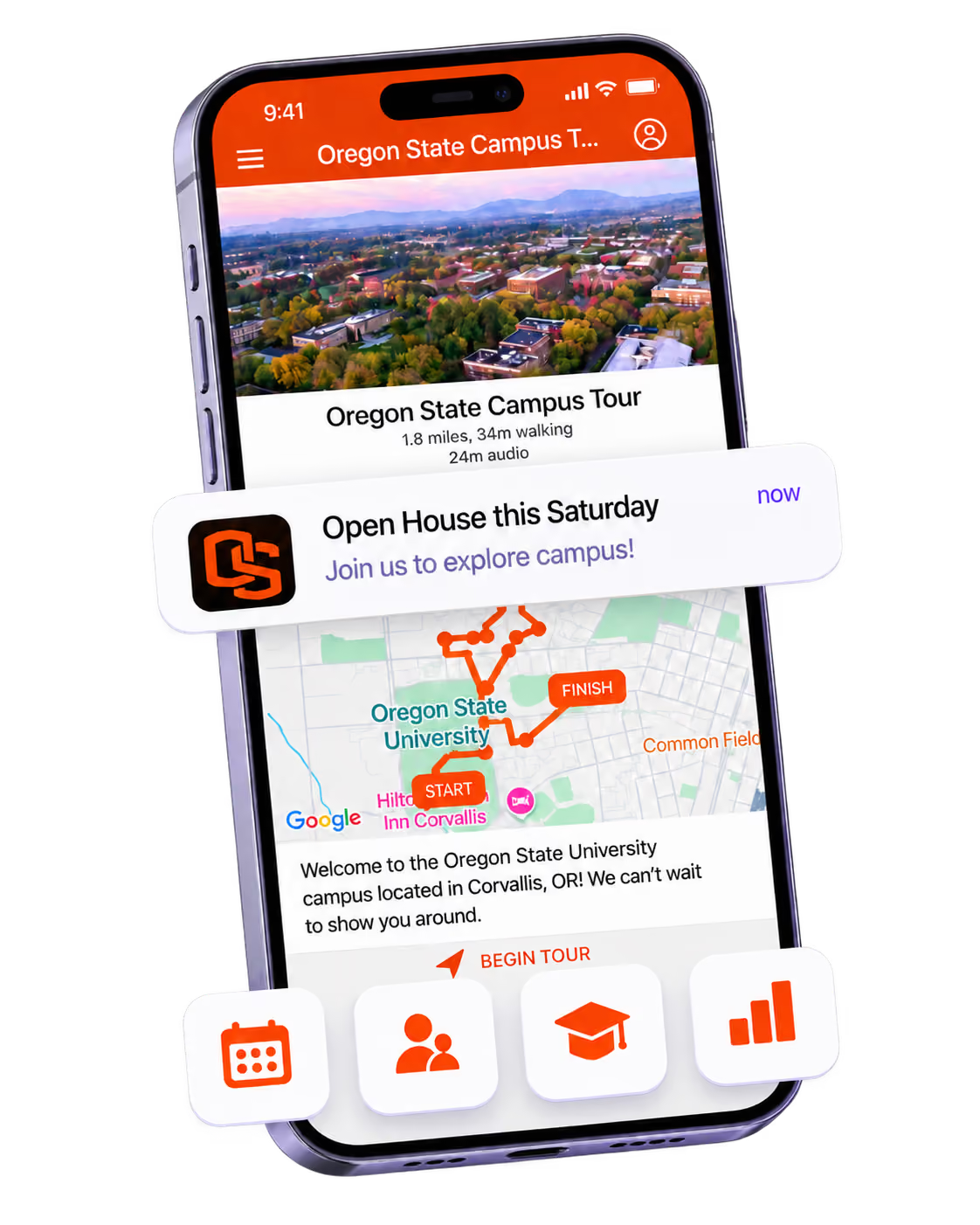
A branded app is what people keep on their phone after the printed program is in the recycling.

Get the Mobile App Playbook
A short guide to running the whole student journey in one app. No fluff, just what works.
for higher ed
Campus
Playbook
A practical guide to building a connected campus experience.
Free playbook
The Mobile App Playbook for Universities
Students decide if they belong long before they set foot on campus. This playbook shows how to win them over from the first visit through graduation.
- Grow enrollment and boost recruitment
- Increase belonging and retention
- Run every event from one branded app
By submitting, you agree to our Privacy Policy.
You're in.
.png)