
Campus apps by department
Admissions, orientation, student life, and more — one campus app that works across departments.

Campus apps by department
Admissions, orientation, student life, and more — one campus app that works across departments.
Build unlimited event apps on one license
One partnership for unlimited campus events — orientation, tours, student life, and everything in between.
Build unlimited event apps on one license
One partnership for unlimited campus events — orientation, tours, student life, and everything in between.
Compare event app platforms
See how Guidebook stacks up against other event app and registration platforms.
Compare event app platforms
See how Guidebook stacks up against other event app and registration platforms.
Event apps for nonprofit and community programs
Give members, volunteers, and donors one branded app for conferences, fundraisers, and year-round community.
Event apps for nonprofit and community programs
Give members, volunteers, and donors one branded app for conferences, fundraisers, and year-round community.
Campus integrations and an open API
Connect Guidebook with the campus systems, APIs, and tools your team already uses.
Campus integrations and an open API
Connect Guidebook with the campus systems, APIs, and tools your team already uses.
Event apps for corporate and enterprise teams
Internal meetings, offsites, and large-scale corporate events — with the branding and control enterprise teams need.
Event apps for corporate and enterprise teams
Internal meetings, offsites, and large-scale corporate events — with the branding and control enterprise teams need.
Create a branded event app with no coding
Put schedules, maps, resources, and updates in every attendee's pocket — built for campus events and programs.
Create a branded event app with no coding
Put schedules, maps, resources, and updates in every attendee's pocket — built for campus events and programs.
Launch a branded, white-label event app
A white-label event app with your branding, your content, and your attendee experience — no coding required.
Launch a branded, white-label event app
A white-label event app with your branding, your content, and your attendee experience — no coding required.
Everything in the Guidebook platform
Explore the features event teams use to engage attendees before, during, and after the event.
Everything in the Guidebook platform
Explore the features event teams use to engage attendees before, during, and after the event.
One app for in-person and virtual attendees
The same schedule, networking, and updates whether people are in the room or joining remotely.
One app for in-person and virtual attendees
The same schedule, networking, and updates whether people are in the room or joining remotely.
Event apps built for associations
Annual meetings, chapter events, and member engagement — without rebuilding a new app every year.
Event apps built for associations
Annual meetings, chapter events, and member engagement — without rebuilding a new app every year.
A branded event website that matches the app
Promote the event, collect interest, and keep branding consistent from the first click to check-in.
A branded event website that matches the app
Promote the event, collect interest, and keep branding consistent from the first click to check-in.
Plan, run, and measure events on one platform
App, registration, badges, and websites in one workflow — so planning isn't a pile of disconnected tools.
Plan, run, and measure events on one platform
App, registration, badges, and websites in one workflow — so planning isn't a pile of disconnected tools.
Keep members engaged between events
One branded app for the conference and everything that happens the other 51 weeks of the year.
Keep members engaged between events
One branded app for the conference and everything that happens the other 51 weeks of the year.
The conference app attendees actually use
Schedules, maps, networking, and live updates for annual meetings, summits, and multi-day conferences.
The conference app attendees actually use
Schedules, maps, networking, and live updates for annual meetings, summits, and multi-day conferences.
Registration that feeds your app and badges
Collect registrations, payments, and attendee data in the same platform as your event app.
Registration that feeds your app and badges
Collect registrations, payments, and attendee data in the same platform as your event app.
Design and print event badges in one place
Custom badges, QR check-in, and on-site printing — without a separate badge vendor.
Design and print event badges in one place
Custom badges, QR check-in, and on-site printing — without a separate badge vendor.
A Smaller School?
Deliver a polished, branded event experience without a large team or a big budget.
A Smaller School?
Deliver a polished, branded event experience without a large team or a big budget.
Running Family Programs?
Give families everything they need, from schedules and maps to real-time updates, all in one place.
Running Family Programs?
Give families everything they need, from schedules and maps to real-time updates, all in one place.
Coordinating Move-In Day?
Share updates, manage events, and keep students informed from move-in through the academic year.

Coordinating Move-In Day?
Share updates, manage events, and keep students informed from move-in through the academic year.
Offering Campus Tours?
Deliver branded, self-guided tour experiences with interactive maps and rich media, available 24/7.

Offering Campus Tours?
Deliver branded, self-guided tour experiences with interactive maps and rich media, available 24/7.
Organising a Career Fair?
Simplify logistics for students, employers, and Career Services staff with one easy-to-use app.
Organising a Career Fair?
Simplify logistics for students, employers, and Career Services staff with one easy-to-use app.
Managing Alumni Events?
Plan reunions, regional events, and fundraising campaigns with an app built for alumni engagement.
Managing Alumni Events?
Plan reunions, regional events, and fundraising campaigns with an app built for alumni engagement.
Boost Student Engagement
One hub for schedules, resources, and events that keeps students connected throughout the academic year.
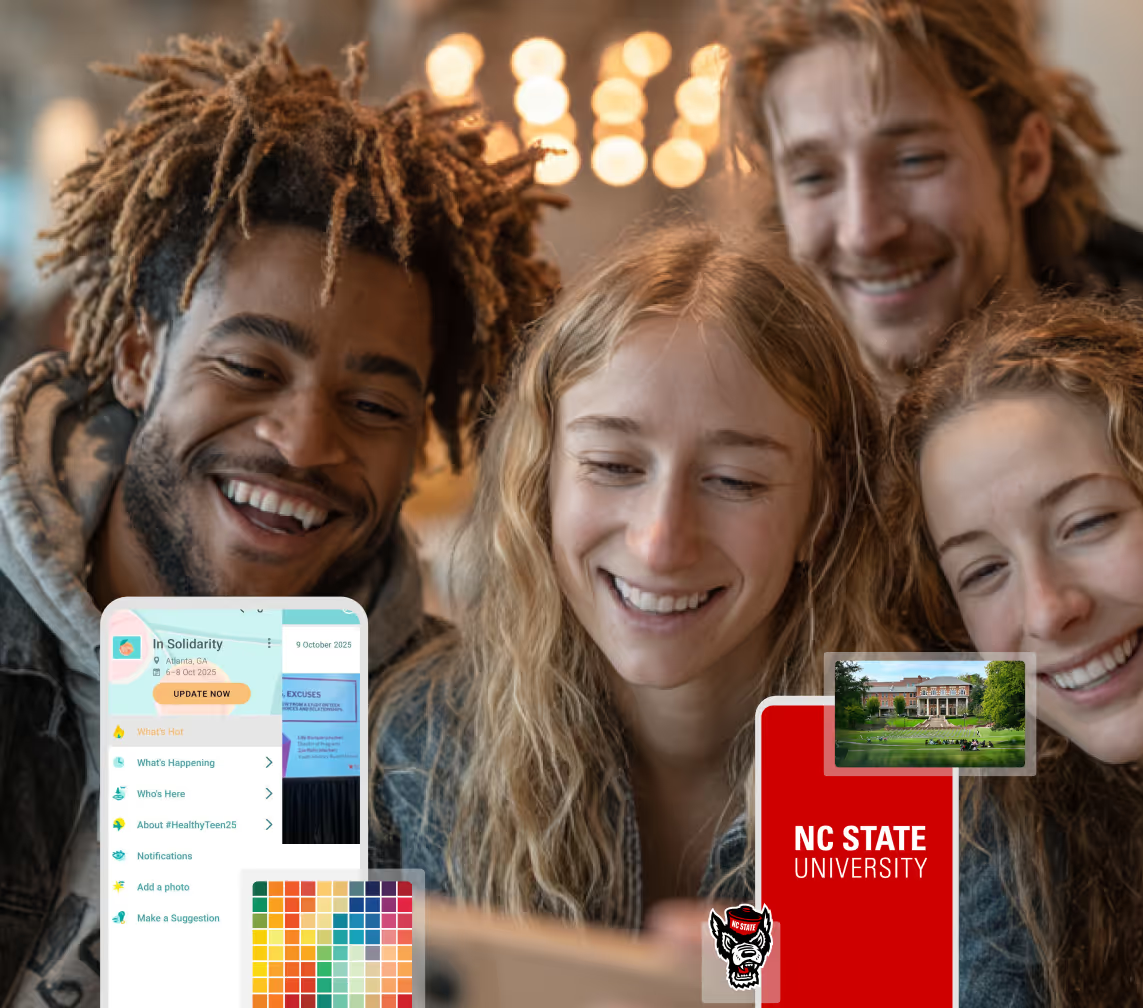
Boost Student Engagement
One hub for schedules, resources, and events that keeps students connected throughout the academic year.
Planning Orientation?
Help new students feel prepared from day one with schedules, campus resources, and real-time updates in one app.
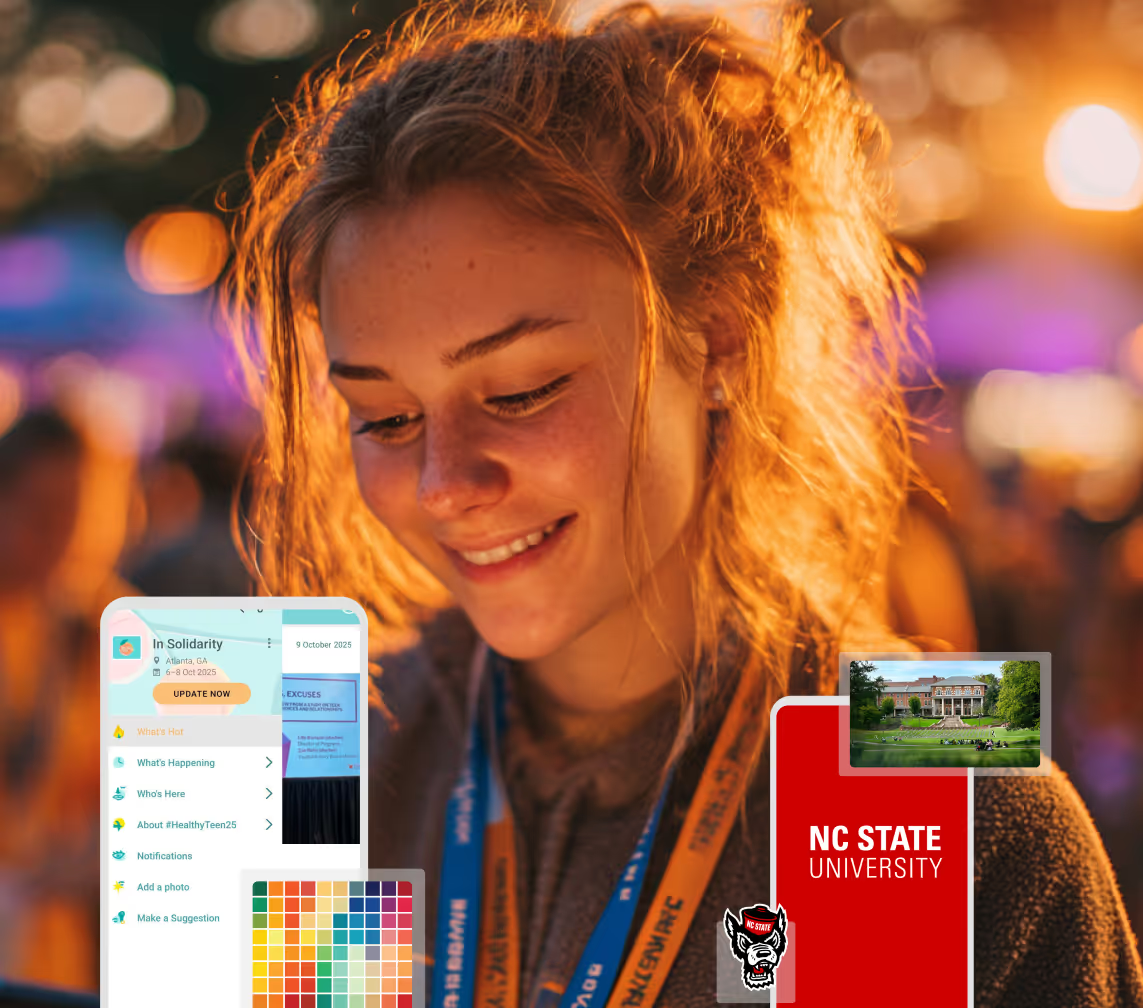
Planning Orientation?
Help new students feel prepared from day one with schedules, campus resources, and real-time updates in one app.
Running Admissions Events?
Manage open houses, tours, and yield events with a branded app that saves time and engages prospective students.

Running Admissions Events?
Manage open houses, tours, and yield events with a branded app that saves time and engages prospective students.
Get a custom Sponsorship Package Template
Stop starting from scratch. Grab free templates that helWe'll build a tailored sponsorship package with suggested pricing, tiers, and benefits..for your specific event.p you build professional sponsorship packages and close deals faster.
Get a custom Sponsorship Package Template
Stop starting from scratch. Grab free templates that helWe'll build a tailored sponsorship package with suggested pricing, tiers, and benefits..for your specific event.p you build professional sponsorship packages and close deals faster.
Plan Your Next Event Without Missing a Beat.
From venue selection to post-event wrap-up, this free checklist walks you through every step (so nothing falls through the cracks).
.avif)
Plan Your Next Event Without Missing a Beat.
From venue selection to post-event wrap-up, this free checklist walks you through every step (so nothing falls through the cracks).
Real Results From Real Events
100,000+ organizations trust Guidebook. See exactly how universities, associations, enterprises, and more put it to work.

Real Results From Real Events
100,000+ organizations trust Guidebook. See exactly how universities, associations, enterprises, and more put it to work.
Flexible pricing for every event size
Find the perfect plan for your needs, from intimate gatherings to large-scale conferences.

Flexible pricing for every event size
Find the perfect plan for your needs, from intimate gatherings to large-scale conferences.
Join our event experts
Watch on-demand webinars and join live sessions with industry leaders sharing best practices for event success.
.avif)
Join our event experts
Watch on-demand webinars and join live sessions with industry leaders sharing best practices for event success.
Guidebook in Action
Book a personalized walkthrough and discover how we help event teams create better attendee experiences.
Guidebook in Action
Book a personalized walkthrough and discover how we help event teams create better attendee experiences.

What is a Virtual Summit?
Virtual summits are online conferences connecting global audiences through live sessions and networking. Discover key benefits, hosting tips, and engagement strategies.

A Virtual Summit is a large-scale online event that brings together industry experts, thought leaders, and attendees for multi-session learning and networking experiences. These digital gatherings typically span one to several days and feature keynotes, panels, workshops, and interactive sessions. Virtual summits have transformed how organizations share knowledge and build communities across geographic boundaries.
Here's the thing: virtual summits aren't just webinars with a fancy name. They're comprehensive events designed to replicate the energy and value of in-person conferences. Attendees get access to multiple speakers, networking opportunities, and often on-demand content. The format creates urgency and excitement that single sessions simply can't match.
Key Characteristics of Virtual Summits
- Multi-Session Format: Virtual summits include multiple presentations, panels, and workshops spread across hours or days. This variety keeps attendees engaged and provides diverse learning opportunities.
- Expert Speaker Lineup: These events feature industry leaders, subject matter experts, and influential voices. The speaker roster often serves as the primary draw for registrations.
- Interactive Elements: Live Q&A sessions, chat features, polls, and breakout rooms encourage active participation. These tools help recreate the engagement of in-person events.
- Global Accessibility: Attendees join from anywhere with an internet connection. This removes travel barriers and dramatically expands potential audience reach.
- On-Demand Content: Most summits offer session recordings after the live event. This extends the content's lifespan and accommodates different time zones.
- Networking Opportunities: Virtual lounges, one-on-one meeting tools, and community spaces connect attendees. These features address the social aspects of traditional conferences.
- Sponsor Integration: Virtual booths, sponsored sessions, and digital swag bags provide value for event partners. This creates revenue streams similar to physical events.
Virtual Summit vs. Related Event Formats
Webinar
- Scope: Single topic or presentation
- Focus: Educational content delivery
- Timeline: 30-90 minutes typically
- Channels: One platform, one session
- Goal: Lead generation or training
Virtual Conference
- Scope: Broad industry coverage
- Focus: Comprehensive programming
- Timeline: Multiple days
- Channels: Multiple tracks and stages
- Goal: Industry gathering and education
Online Workshop
- Scope: Specific skill development
- Focus: Hands-on learning
- Timeline: 2-4 hours
- Channels: Interactive platform
- Goal: Practical skill acquisition
Understanding these differences helps you choose the right format for your goals. Virtual summits sit between webinars and full conferences. They offer more depth than a single session but require less commitment than multi-day conferences. Learn more about what makes virtual events successful.
Essential Virtual Summit Components
Choose the Right Platform
Consider how the platform handles registration, session management, and networking tools. Many organizers use event management platforms that integrate these features seamlessly.
Build a Compelling Speaker Lineup
Speakers make or break your summit. Aim for a mix of well-known names and rising experts in your field.
- Reach out to speakers 3-6 months in advance
- Provide clear expectations for session length and format
- Offer promotional support to help speakers share the event
- Create speaker prep materials and tech check schedules
Design an Engaging Agenda
Balance content types throughout your summit. Mix keynotes with panels, workshops with networking breaks.
Build in buffer time between sessions. Attendees need mental breaks, and you need flexibility for technical issues. Check out the event planning process for detailed guidance.
Create Networking Opportunities
Don't let your summit become a passive viewing experience. Schedule dedicated networking time and provide tools for connection.
- Virtual coffee chats or speed networking sessions
- Topic-based discussion rooms
- Attendee directories with messaging features
- Social media hashtags for real-time conversation
Plan Your Content Strategy
Think beyond the live event. Your summit content can fuel marketing efforts for months afterward.
Record all sessions for on-demand access. Create clips for social media. Turn key insights into blog posts or guides. This extends your summit's impact and ROI.
How Virtual Summits Work
Pre-Event Preparation
Successful summits start months before the live date. This phase includes speaker recruitment, platform setup, and marketing campaigns.
Build anticipation through email sequences, social media teasers, and early-bird registration offers. Use event digital marketing strategies to maximize reach.
Registration and Onboarding
Make registration simple and mobile-friendly. Collect only essential information to reduce friction.
- Send confirmation emails immediately
- Provide calendar invites for key sessions
- Share platform access instructions early
- Offer tech check opportunities before the event
Strong event registration processes set the tone for attendee experience.
Live Event Execution
During the summit, your team manages multiple moving parts. Assign clear roles for speaker support, technical troubleshooting, and attendee assistance.
Monitor chat and Q&A actively. Respond to questions quickly. Address technical issues before they escalate. Keep energy high with engaging hosts and smooth transitions.
Post-Event Follow-Up
The summit doesn't end when the last session wraps. Send thank-you emails with session recordings. Share key takeaways and resources.
Gather feedback through surveys. Analyze attendance data and engagement metrics. Use insights to improve future events. Learn about measuring event ROI effectively.
Why Virtual Summits Matter
For Event Success:
- Expanded Reach: Remove geographic barriers and attract global audiences without travel requirements.
- Cost Efficiency: Eliminate venue, catering, and travel expenses while maintaining high production value.
- Data Collection: Track attendee behavior, session popularity, and engagement metrics in real-time.
- Content Longevity: Repurpose recordings for ongoing marketing, training, and lead generation.
- Accessibility: Include attendees who couldn't participate in person due to budget, health, or schedule constraints.
For Business Objectives:
- Lead Generation: Capture qualified prospects through registration and engagement tracking.
- Thought Leadership: Position your organization as an industry authority through expert content.
- Community Building: Create connections among your audience that extend beyond the event.
- Revenue Opportunities: Generate income through ticket sales, sponsorships, and premium content.
- Brand Awareness: Increase visibility through speaker networks and attendee sharing.
Platforms like Guidebook help organizers deliver professional virtual summit experiences. From branded apps to comprehensive event management tools, the right technology makes execution smoother.
Virtual Summit Best Practices
- Start Planning Early: Give yourself 4-6 months for a quality summit. Rush jobs show in the final product.
- Test Everything Twice: Run full technical rehearsals with speakers. Check audio, video, and screen sharing before going live.
- Keep Sessions Focused: Aim for 20-45 minute sessions. Attention spans are shorter online than in person.
- Build in Breaks: Schedule 10-15 minute gaps between sessions. Let attendees stretch, grab coffee, and process information.
- Engage Throughout: Use polls, Q&A, and chat prompts every 5-10 minutes. Passive viewing leads to drop-off.
- Provide Clear Instructions: Tell attendees exactly how to access sessions, ask questions, and network. Don't assume they know.
- Have Backup Plans: Prepare for speaker no-shows, technical failures, and platform issues. Flexibility saves events.
- Promote Aggressively: Use email, social media, partner networks, and speaker audiences. Learn how to advertise your event effectively.
- Follow Up Fast: Send recordings and resources within 24 hours. Strike while interest is high.
- Measure What Matters: Track registration-to-attendance rates, session completion, and post-event actions.
Common Virtual Summit Mistakes
Overloading the Agenda: Cramming too many sessions creates fatigue and forces attendees to choose between content. Quality beats quantity. Focus on fewer, higher-impact sessions.
Ignoring Time Zones: Scheduling all sessions during your local business hours excludes international attendees. Offer live sessions at varied times or provide robust on-demand access.
Skipping Rehearsals: Assuming speakers know how to present online leads to technical disasters. Every speaker needs a tech check and platform walkthrough.
Neglecting Networking: Treating your summit as a broadcast instead of an event misses the point. Build in structured networking time and tools for connection.
Poor Audio Quality: Attendees forgive mediocre video but abandon sessions with bad audio. Require speakers to use quality microphones and stable internet connections.
Weak Follow-Up: Failing to nurture leads after the summit wastes your investment. Create post-event email sequences and content strategies before the event starts.
Underestimating Support Needs: Running a summit with skeleton staff creates chaos. Assign dedicated team members for tech support, speaker management, and attendee assistance.
Final Thoughts
Virtual summits have earned their place as powerful tools for education, community building, and business growth. They combine the depth of conferences with the accessibility of digital events. When executed well, they create memorable experiences that drive real results.
The virtual event landscape continues to evolve. Attendees now expect professional production, engaging content, and meaningful networking opportunities. Organizations that invest in quality virtual summits build stronger relationships with their audiences. Stay current with event trends to keep your approach fresh.
Don't let the technical aspects intimidate you. With proper virtual event planning and the right tools, any organization can host successful summits. Start with clear goals, build a strong speaker lineup, and focus relentlessly on attendee experience.
Ready to create your own virtual summit? Explore Guidebook's resources for event planning guidance. Check out case studies from organizations running successful virtual events. And when you're ready to level up your event technology, book a demo to see how Guidebook can help you deliver exceptional virtual experiences.
Your next summit could be the one that transforms your community. Make it count.
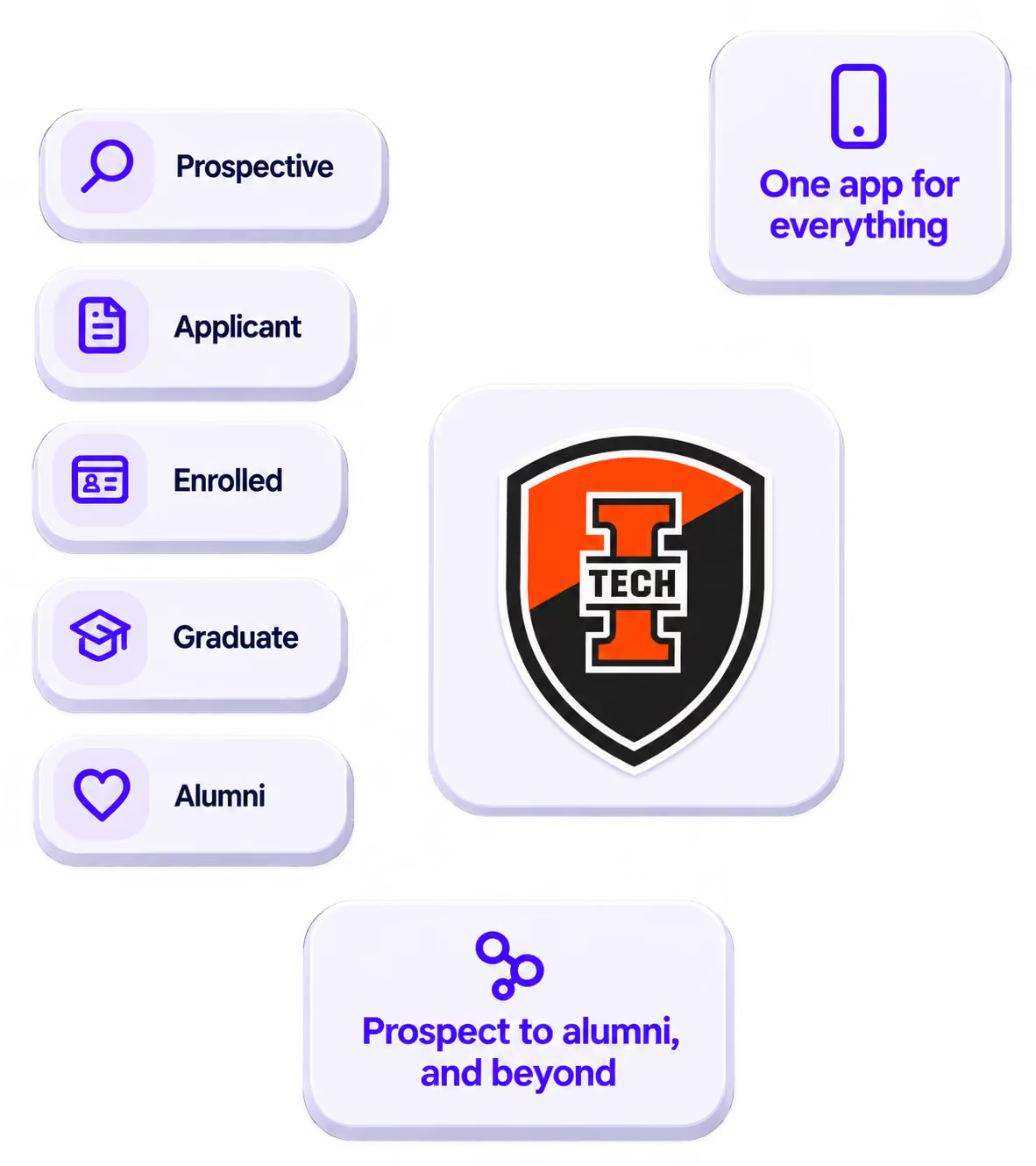
The power of your brand in your app, from first visit to alumni.
Build trust
Attendees download your app, not ours. Your name, colors, and crest in the stores.
.avif)
One place for the whole event
Schedules, maps, registration, and updates in one branded hub - not five tools.
Stand out
A branded app is what people keep on their phone after the printed program is in the recycling.
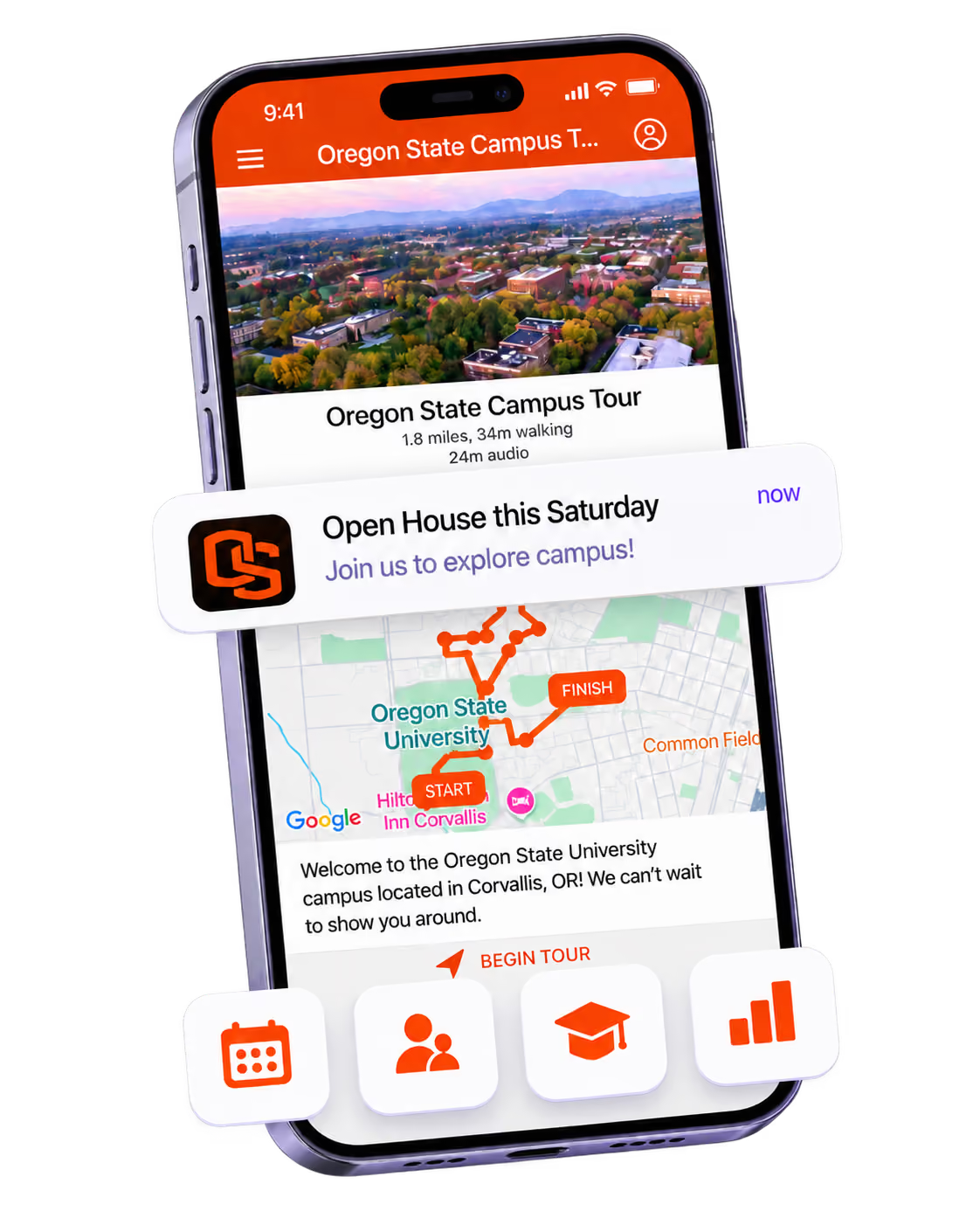

Get the Mobile App Playbook
A short guide to running the whole student journey in one app. No fluff, just what works.
for higher ed
Campus
Playbook
A practical guide to building a connected campus experience.
Free playbook
The Mobile App Playbook for Universities
Students decide if they belong long before they set foot on campus. This playbook shows how to win them over from the first visit through graduation.
- Grow enrollment and boost recruitment
- Increase belonging and retention
- Run every event from one branded app
By submitting, you agree to our Privacy Policy.
You're in.
.png)