
Campus apps by department
Admissions, orientation, student life, and more — one campus app that works across departments.

Campus apps by department
Admissions, orientation, student life, and more — one campus app that works across departments.
Build unlimited event apps on one license
One partnership for unlimited campus events — orientation, tours, student life, and everything in between.
Build unlimited event apps on one license
One partnership for unlimited campus events — orientation, tours, student life, and everything in between.
Compare event app platforms
See how Guidebook stacks up against other event app and registration platforms.
Compare event app platforms
See how Guidebook stacks up against other event app and registration platforms.
Event apps for nonprofit and community programs
Give members, volunteers, and donors one branded app for conferences, fundraisers, and year-round community.
Event apps for nonprofit and community programs
Give members, volunteers, and donors one branded app for conferences, fundraisers, and year-round community.
Campus integrations and an open API
Connect Guidebook with the campus systems, APIs, and tools your team already uses.
Campus integrations and an open API
Connect Guidebook with the campus systems, APIs, and tools your team already uses.
Event apps for corporate and enterprise teams
Internal meetings, offsites, and large-scale corporate events — with the branding and control enterprise teams need.
Event apps for corporate and enterprise teams
Internal meetings, offsites, and large-scale corporate events — with the branding and control enterprise teams need.
Create a branded event app with no coding
Put schedules, maps, resources, and updates in every attendee's pocket — built for campus events and programs.
Create a branded event app with no coding
Put schedules, maps, resources, and updates in every attendee's pocket — built for campus events and programs.
Launch a branded, white-label event app
A white-label event app with your branding, your content, and your attendee experience — no coding required.
Launch a branded, white-label event app
A white-label event app with your branding, your content, and your attendee experience — no coding required.
Everything in the Guidebook platform
Explore the features event teams use to engage attendees before, during, and after the event.
Everything in the Guidebook platform
Explore the features event teams use to engage attendees before, during, and after the event.
One app for in-person and virtual attendees
The same schedule, networking, and updates whether people are in the room or joining remotely.
One app for in-person and virtual attendees
The same schedule, networking, and updates whether people are in the room or joining remotely.
Event apps built for associations
Annual meetings, chapter events, and member engagement — without rebuilding a new app every year.
Event apps built for associations
Annual meetings, chapter events, and member engagement — without rebuilding a new app every year.
A branded event website that matches the app
Promote the event, collect interest, and keep branding consistent from the first click to check-in.
A branded event website that matches the app
Promote the event, collect interest, and keep branding consistent from the first click to check-in.
Plan, run, and measure events on one platform
App, registration, badges, and websites in one workflow — so planning isn't a pile of disconnected tools.
Plan, run, and measure events on one platform
App, registration, badges, and websites in one workflow — so planning isn't a pile of disconnected tools.
Keep members engaged between events
One branded app for the conference and everything that happens the other 51 weeks of the year.
Keep members engaged between events
One branded app for the conference and everything that happens the other 51 weeks of the year.
The conference app attendees actually use
Schedules, maps, networking, and live updates for annual meetings, summits, and multi-day conferences.
The conference app attendees actually use
Schedules, maps, networking, and live updates for annual meetings, summits, and multi-day conferences.
Registration that feeds your app and badges
Collect registrations, payments, and attendee data in the same platform as your event app.
Registration that feeds your app and badges
Collect registrations, payments, and attendee data in the same platform as your event app.
Design and print event badges in one place
Custom badges, QR check-in, and on-site printing — without a separate badge vendor.
Design and print event badges in one place
Custom badges, QR check-in, and on-site printing — without a separate badge vendor.
A Smaller School?
Deliver a polished, branded event experience without a large team or a big budget.
A Smaller School?
Deliver a polished, branded event experience without a large team or a big budget.
Running Family Programs?
Give families everything they need, from schedules and maps to real-time updates, all in one place.
Running Family Programs?
Give families everything they need, from schedules and maps to real-time updates, all in one place.
Coordinating Move-In Day?
Share updates, manage events, and keep students informed from move-in through the academic year.

Coordinating Move-In Day?
Share updates, manage events, and keep students informed from move-in through the academic year.
Offering Campus Tours?
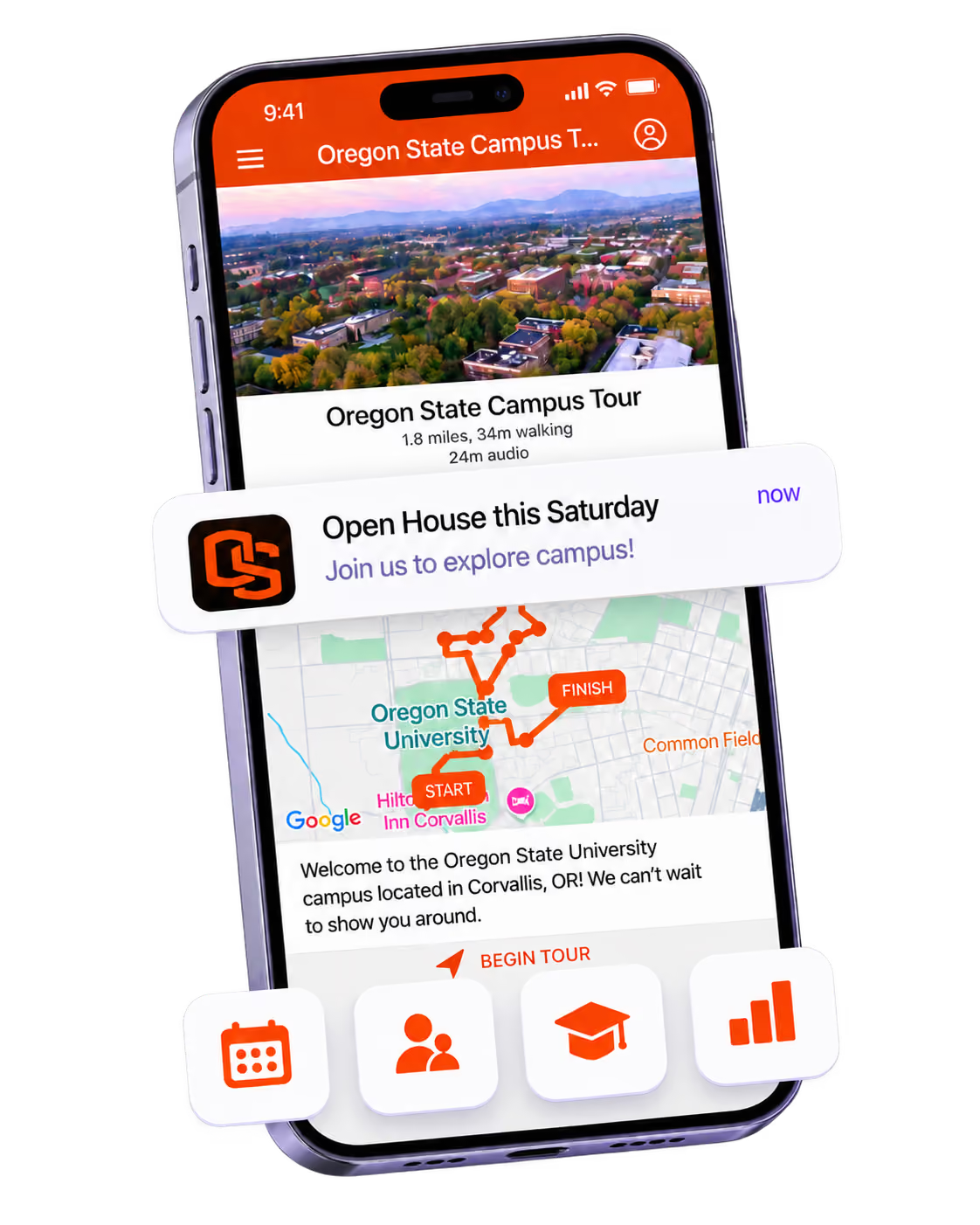
Deliver branded, self-guided tour experiences with interactive maps and rich media, available 24/7.

Offering Campus Tours?
Deliver branded, self-guided tour experiences with interactive maps and rich media, available 24/7.
Organising a Career Fair?
Simplify logistics for students, employers, and Career Services staff with one easy-to-use app.
Organising a Career Fair?
Simplify logistics for students, employers, and Career Services staff with one easy-to-use app.
Managing Alumni Events?
Plan reunions, regional events, and fundraising campaigns with an app built for alumni engagement.
Managing Alumni Events?
Plan reunions, regional events, and fundraising campaigns with an app built for alumni engagement.
Boost Student Engagement
One hub for schedules, resources, and events that keeps students connected throughout the academic year.
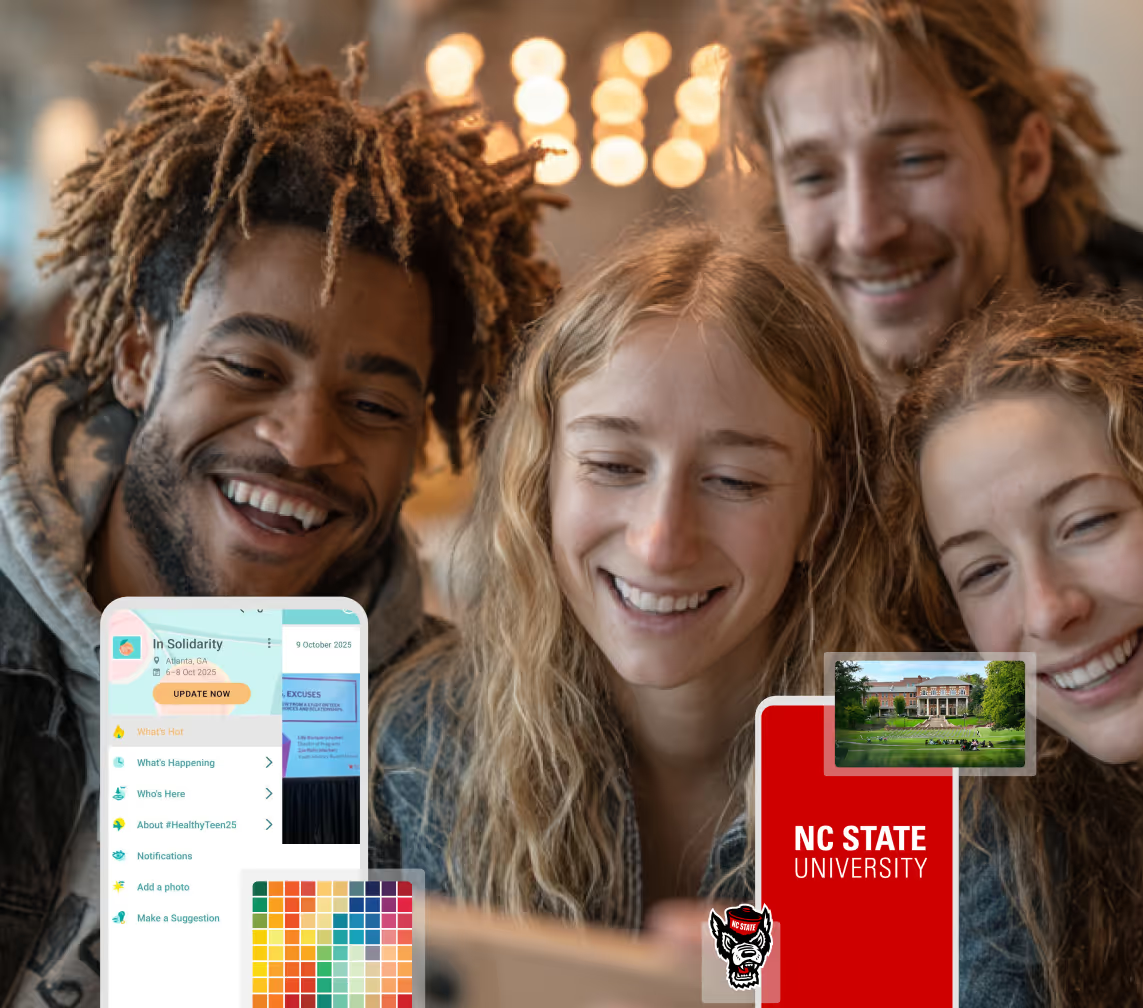
Boost Student Engagement
One hub for schedules, resources, and events that keeps students connected throughout the academic year.
Planning Orientation?
Help new students feel prepared from day one with schedules, campus resources, and real-time updates in one app.
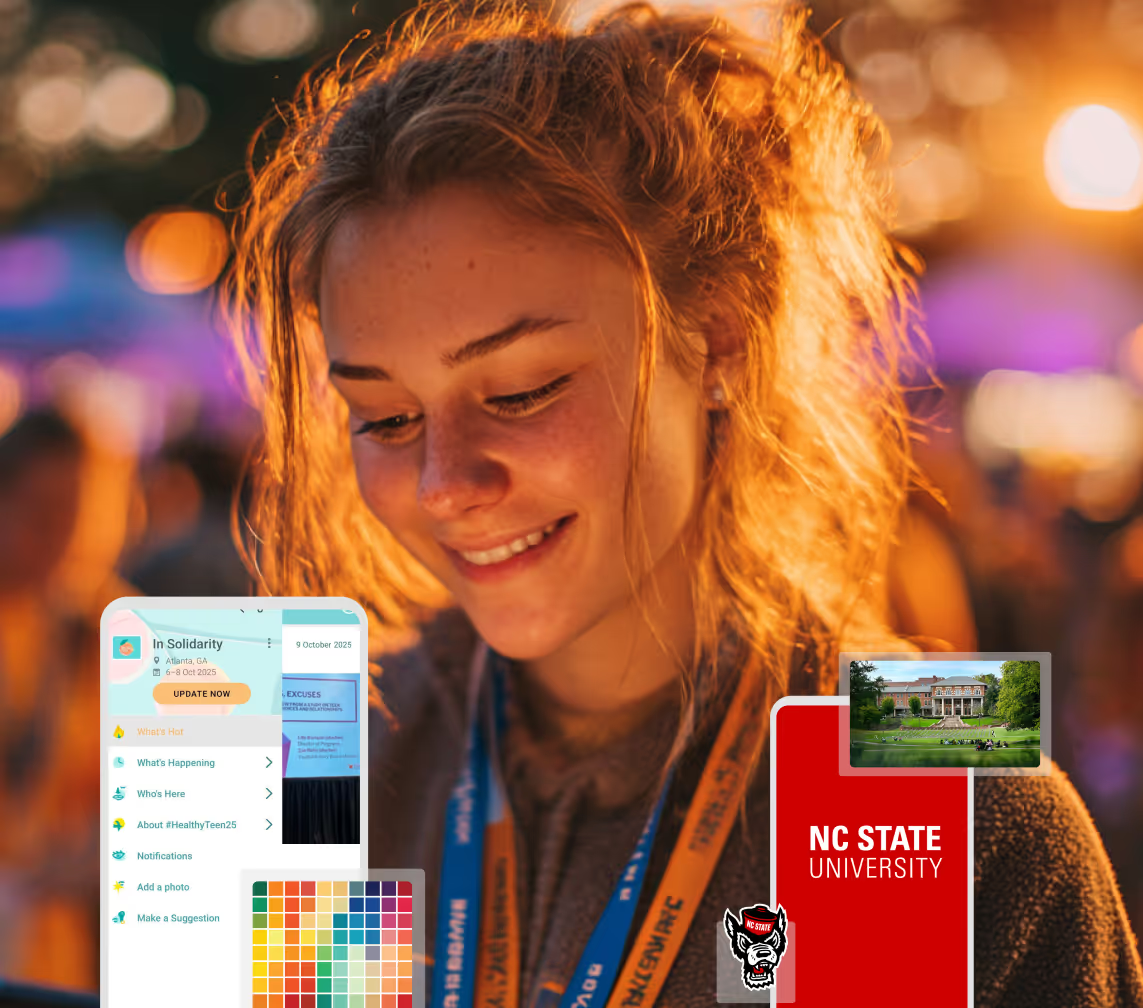
Planning Orientation?
Help new students feel prepared from day one with schedules, campus resources, and real-time updates in one app.
Running Admissions Events?
Manage open houses, tours, and yield events with a branded app that saves time and engages prospective students.

Running Admissions Events?
Manage open houses, tours, and yield events with a branded app that saves time and engages prospective students.
Get a custom Sponsorship Package Template
Stop starting from scratch. Grab free templates that helWe'll build a tailored sponsorship package with suggested pricing, tiers, and benefits..for your specific event.p you build professional sponsorship packages and close deals faster.
Get a custom Sponsorship Package Template
Stop starting from scratch. Grab free templates that helWe'll build a tailored sponsorship package with suggested pricing, tiers, and benefits..for your specific event.p you build professional sponsorship packages and close deals faster.
Plan Your Next Event Without Missing a Beat.
From venue selection to post-event wrap-up, this free checklist walks you through every step (so nothing falls through the cracks).
.avif)
Plan Your Next Event Without Missing a Beat.
From venue selection to post-event wrap-up, this free checklist walks you through every step (so nothing falls through the cracks).
Real Results From Real Events
100,000+ organizations trust Guidebook. See exactly how universities, associations, enterprises, and more put it to work.

Real Results From Real Events
100,000+ organizations trust Guidebook. See exactly how universities, associations, enterprises, and more put it to work.
Flexible pricing for every event size
Find the perfect plan for your needs, from intimate gatherings to large-scale conferences.

Flexible pricing for every event size
Find the perfect plan for your needs, from intimate gatherings to large-scale conferences.
Join our event experts
Watch on-demand webinars and join live sessions with industry leaders sharing best practices for event success.
.avif)
Join our event experts
Watch on-demand webinars and join live sessions with industry leaders sharing best practices for event success.
Guidebook in Action
Book a personalized walkthrough and discover how we help event teams create better attendee experiences.
Guidebook in Action
Book a personalized walkthrough and discover how we help event teams create better attendee experiences.

What are Virtual Company Events?
Virtual company events connect teams and audiences online through interactive platforms. Discover event types, engagement tips, tech tools, and best practices.

Virtual company events are online gatherings that bring employees together through digital platforms to connect, collaborate, and celebrate—regardless of where they're located. These events range from quick team huddles to elaborate multi-day conferences. They've become essential for building culture in today's distributed workforce.
Here's the thing: virtual company events aren't just "in-person events on Zoom." They require different planning, different engagement tactics, and different success metrics. The best ones feel intentional and interactive—not like another meeting that could've been an email. When done right, they boost morale, strengthen team bonds, and keep remote workers from feeling like isolated islands.
Key Characteristics of Virtual Company Events
- Digital-First Design: Every element is built for screens, from interactive polls to breakout rooms. Nothing feels like an afterthought or awkward adaptation.
- Location Independence: Participants join from anywhere with internet access. This opens doors for global teams and eliminates travel barriers.
- Technology Dependence: Success hinges on reliable platforms, stable connections, and user-friendly tools. Tech issues can derail even the best-planned events.
- Shorter Attention Windows: Screen fatigue is real. Virtual events typically run shorter than in-person equivalents, with more frequent breaks built in.
- Asynchronous Options: Many virtual events offer recorded sessions or flexible participation times to accommodate different time zones and schedules.
- Lower Cost Structure: No venue rentals, catering, or travel expenses. Budgets stretch further, though production quality still matters.
Virtual Company Events vs. Related Terms
Virtual Events (General)
- Scope: Any online gathering, including public conferences, webinars, and consumer-facing experiences
- Focus: Broad audience engagement and content delivery
- Timeline: Varies from one-hour sessions to week-long festivals
- Channels: Public streaming platforms, registration-based access, social media integration
- Goal: Education, marketing, community building, or entertainment
Hybrid Events
- Scope: Combines in-person and virtual attendance options simultaneously
- Focus: Serving both physical and remote audiences with equal quality
- Timeline: Typically matches traditional event schedules
- Channels: Physical venues plus streaming technology and virtual event planning tools
- Goal: Maximum reach while maintaining in-person energy
Team Building Events
- Scope: Activities specifically designed to strengthen team relationships
- Focus: Collaboration, trust, and interpersonal connections
- Timeline: Usually 1-4 hours of focused activity
- Channels: Can be virtual, in-person, or hybrid
- Goal: Improved teamwork and employee satisfaction
Virtual company events sit at the intersection of these concepts. They borrow engagement strategies from team building events, use technology from virtual events, and sometimes incorporate hybrid elements for executive gatherings.
Types of Virtual Company Events
All-Hands Meetings and Town Halls
These company-wide gatherings keep everyone aligned on goals, wins, and changes. Leadership shares updates, answers questions, and reinforces company culture.
The best all-hands meetings feel like conversations, not lectures. Include live Q&A, employee spotlights, and interactive elements to keep people engaged.
Virtual Team Building Activities
From online escape rooms to virtual cooking classes, these events prioritize fun and connection. They work best when participation feels voluntary, not forced.
Popular options include:
- Trivia competitions with team prizes
- Virtual happy hours with shipped drink kits
- Online game tournaments
- Collaborative art or music sessions
- Mystery-solving challenges
Training and Development Sessions
Virtual workshops, certification programs, and skill-building sessions help employees grow. These events often combine live instruction with self-paced modules.
Interactive elements like breakout discussions and hands-on exercises prevent the dreaded "death by PowerPoint" syndrome.
Virtual Conferences and Summits
Multi-day events featuring keynotes, breakout sessions, and networking opportunities. These require serious event planning and often benefit from dedicated event management platforms.
Recognition and Awards Ceremonies
Celebrating wins matters—even through screens. Virtual award shows can include video tributes, surprise guest appearances, and shipped celebration kits.
Essential Components for Success
Choose the Right Platform
Your technology choice shapes the entire experience. Consider your event size, interaction needs, and technical capabilities.
Key features to evaluate:
- Breakout room functionality
- Polling and Q&A tools
- Chat and networking features
- Recording and replay options
- Integration with your existing tools
Design for Engagement
Passive watching kills virtual events. Build in interaction every 5-10 minutes. Use polls, chat prompts, small group discussions, and hands-on activities.
The event planning process should include engagement checkpoints throughout your agenda.
Create Professional Production Value
Good lighting, clear audio, and polished visuals signal that you take the event seriously. Invest in basic event production elements.
This doesn't mean Hollywood budgets. Simple upgrades make a big difference:
- Ring lights for presenters
- External microphones
- Branded virtual backgrounds
- Professional slide templates
Plan for Technical Issues
Something will go wrong. Have backup plans, tech support on standby, and clear communication channels for troubleshooting.
Run full rehearsals with all presenters. Test every feature you plan to use.
Why Virtual Company Events Matter
For Event Success:
- Broader Participation: Remote employees, traveling team members, and global offices can all attend without travel barriers
- Cost Efficiency: Budgets stretch further without venue, catering, and travel expenses eating up resources : Track exactly who attended, how long they stayed, and which sessions resonated most
- Content Longevity: Recordings extend value beyond the live event, serving as training resources for months
- Scheduling Flexibility: Offer multiple time slots or on-demand access to accommodate different schedules
For Business Objectives:
- Culture Building: Regular virtual touchpoints keep distributed teams connected and aligned with company values
- Employee Retention: Workers who feel connected to colleagues and company mission stay longer
- Knowledge Sharing: Virtual events democratize access to training and leadership insights across all locations
- Talent Attraction: Strong virtual culture signals to candidates that remote work is genuinely supported
- Business Continuity: Teams skilled in virtual collaboration adapt faster to disruptions and changes
Measuring event ROI becomes easier with virtual events. Platforms like Guidebook help you track engagement and gather feedback to prove value to stakeholders.
Virtual Company Events Best Practices
- Start with Clear Goals: Define what success looks like before planning anything else. Is this about information sharing, team bonding, or skill building?
- Respect Time Zones: Rotate meeting times fairly or offer multiple sessions. Don't always burden the same regions with inconvenient hours.
- Keep Sessions Short: Cap live segments at 45-60 minutes maximum. Build in breaks every 20-30 minutes for longer events.
- Send Pre-Event Materials: Share agendas, tech requirements, and any prep work in advance. Reduce day-of confusion and anxiety.
- Use a Dedicated Event App: Centralize schedules, resources, and networking in one place. Branded apps create a more professional experience than scattered links.
- Assign Engagement Facilitators: Have team members monitor chat, prompt discussions, and keep energy high throughout the event.
- Include Surprise Elements: Unexpected guests, prizes, or activities break up predictability and boost attention.
- Follow Up Quickly: Send recordings, resources, and thank-you messages within 24 hours while the event is fresh.
- Gather Feedback Systematically: Use post-event surveys to improve future events. Ask specific questions, not just "how was it?"
Common Virtual Company Events Mistakes
Treating Virtual Like In-Person: Simply streaming your usual meeting format doesn't work. Virtual events need different pacing, more interaction, and shorter segments. Ignoring these differences leads to disengaged, distracted attendees.
Skipping the Tech Rehearsal: Assuming everything will work is a recipe for disaster. Untested technology fails at the worst moments, embarrassing presenters and frustrating attendees who took time to show up.
Overloading the Agenda: Cramming too much content into limited time exhausts everyone. Attendees tune out, miss key messages, and leave feeling drained rather than energized.
Ignoring Accessibility Needs: Forgetting captions, transcripts, or alternative formats excludes team members with disabilities. This damages inclusion efforts and may violate compliance requirements.
Making Attendance Optional Without Incentive: If virtual events feel skippable, people skip them. Create genuine value and communicate why attendance matters to build participation.
Neglecting Post-Event Follow-Through: Events without follow-up waste momentum. Action items get forgotten, connections fade, and the investment yields minimal return.
Forgetting the Human Element: All business, no fun makes virtual events feel like obligations. Balance serious content with moments of levity, recognition, and genuine human connection.
Final Thoughts
Virtual company events have evolved from pandemic necessity to strategic advantage. Organizations that master them build stronger cultures, retain top talent, and operate more efficiently than competitors stuck in old patterns.
The bar keeps rising. Employees now expect virtual experiences that rival in-person quality. They want events that respect their time, engage their attention, and deliver real value. Meeting these expectations requires intentional planning and the right tools.
The good news? You don't need massive budgets or dedicated event teams to succeed. Start with clear goals, choose appropriate technology, and focus relentlessly on engagement. Small improvements compound over time into genuinely great experiences.
Ready to level up your virtual company events? Explore event management tips for practical guidance, check out current event trends for fresh ideas, or book a demo to see how Guidebook's event management platform can transform your next gathering. Your distributed team deserves events worth showing up for.
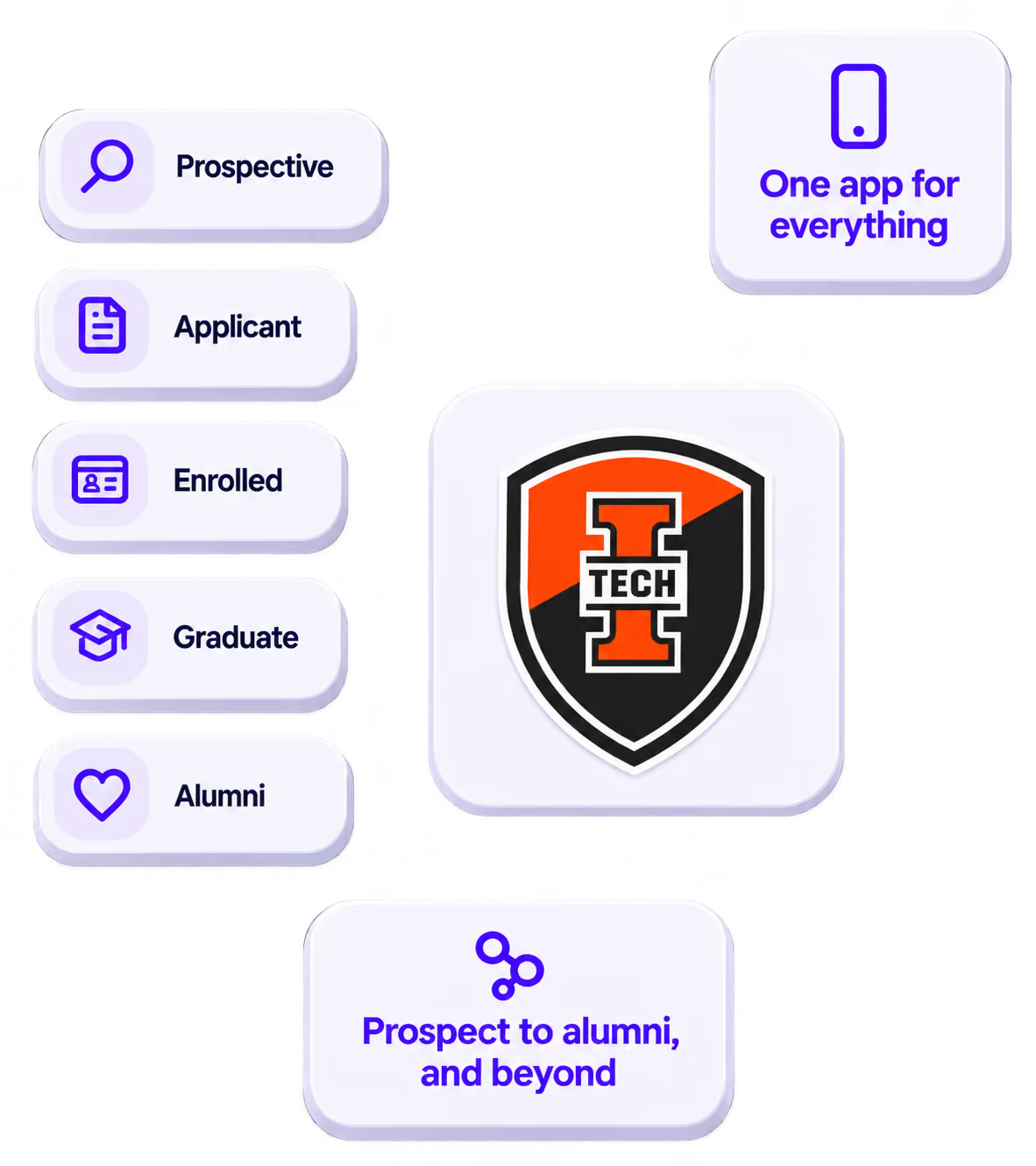
The power of your brand in your app, from first visit to alumni.
Build trust
Attendees download your app, not ours. Your name, colors, and crest in the stores.
.avif)
One place for the whole event
Schedules, maps, registration, and updates in one branded hub - not five tools.
Stand out
A branded app is what people keep on their phone after the printed program is in the recycling.

Get the Mobile App Playbook
A short guide to running the whole student journey in one app. No fluff, just what works.
for higher ed
Campus
Playbook
A practical guide to building a connected campus experience.
Free playbook
The Mobile App Playbook for Universities
Students decide if they belong long before they set foot on campus. This playbook shows how to win them over from the first visit through graduation.
- Grow enrollment and boost recruitment
- Increase belonging and retention
- Run every event from one branded app
By submitting, you agree to our Privacy Policy.
You're in.
.png)