
Campus apps by department
Admissions, orientation, student life, and more — one campus app that works across departments.

Campus apps by department
Admissions, orientation, student life, and more — one campus app that works across departments.
Build unlimited event apps on one license
One partnership for unlimited campus events — orientation, tours, student life, and everything in between.
Build unlimited event apps on one license
One partnership for unlimited campus events — orientation, tours, student life, and everything in between.
Compare event app platforms
See how Guidebook stacks up against other event app and registration platforms.
Compare event app platforms
See how Guidebook stacks up against other event app and registration platforms.
Event apps for nonprofit and community programs
Give members, volunteers, and donors one branded app for conferences, fundraisers, and year-round community.
Event apps for nonprofit and community programs
Give members, volunteers, and donors one branded app for conferences, fundraisers, and year-round community.
Campus integrations and an open API
Connect Guidebook with the campus systems, APIs, and tools your team already uses.
Campus integrations and an open API
Connect Guidebook with the campus systems, APIs, and tools your team already uses.
Event apps for corporate and enterprise teams
Internal meetings, offsites, and large-scale corporate events — with the branding and control enterprise teams need.
Event apps for corporate and enterprise teams
Internal meetings, offsites, and large-scale corporate events — with the branding and control enterprise teams need.
Create a branded event app with no coding
Put schedules, maps, resources, and updates in every attendee's pocket — built for campus events and programs.
Create a branded event app with no coding
Put schedules, maps, resources, and updates in every attendee's pocket — built for campus events and programs.
Launch a branded, white-label event app
A white-label event app with your branding, your content, and your attendee experience — no coding required.
Launch a branded, white-label event app
A white-label event app with your branding, your content, and your attendee experience — no coding required.
Everything in the Guidebook platform
Explore the features event teams use to engage attendees before, during, and after the event.
Everything in the Guidebook platform
Explore the features event teams use to engage attendees before, during, and after the event.
One app for in-person and virtual attendees
The same schedule, networking, and updates whether people are in the room or joining remotely.
One app for in-person and virtual attendees
The same schedule, networking, and updates whether people are in the room or joining remotely.
Event apps built for associations
Annual meetings, chapter events, and member engagement — without rebuilding a new app every year.
Event apps built for associations
Annual meetings, chapter events, and member engagement — without rebuilding a new app every year.
A branded event website that matches the app
Promote the event, collect interest, and keep branding consistent from the first click to check-in.
A branded event website that matches the app
Promote the event, collect interest, and keep branding consistent from the first click to check-in.
Plan, run, and measure events on one platform
App, registration, badges, and websites in one workflow — so planning isn't a pile of disconnected tools.
Plan, run, and measure events on one platform
App, registration, badges, and websites in one workflow — so planning isn't a pile of disconnected tools.
Keep members engaged between events
One branded app for the conference and everything that happens the other 51 weeks of the year.
Keep members engaged between events
One branded app for the conference and everything that happens the other 51 weeks of the year.
The conference app attendees actually use
Schedules, maps, networking, and live updates for annual meetings, summits, and multi-day conferences.
The conference app attendees actually use
Schedules, maps, networking, and live updates for annual meetings, summits, and multi-day conferences.
Registration that feeds your app and badges
Collect registrations, payments, and attendee data in the same platform as your event app.
Registration that feeds your app and badges
Collect registrations, payments, and attendee data in the same platform as your event app.
Design and print event badges in one place
Custom badges, QR check-in, and on-site printing — without a separate badge vendor.
Design and print event badges in one place
Custom badges, QR check-in, and on-site printing — without a separate badge vendor.
A Smaller School?
Deliver a polished, branded event experience without a large team or a big budget.
A Smaller School?
Deliver a polished, branded event experience without a large team or a big budget.
Running Family Programs?
Give families everything they need, from schedules and maps to real-time updates, all in one place.
Running Family Programs?
Give families everything they need, from schedules and maps to real-time updates, all in one place.
Coordinating Move-In Day?
Share updates, manage events, and keep students informed from move-in through the academic year.

Coordinating Move-In Day?
Share updates, manage events, and keep students informed from move-in through the academic year.
Offering Campus Tours?
Deliver branded, self-guided tour experiences with interactive maps and rich media, available 24/7.

Offering Campus Tours?
Deliver branded, self-guided tour experiences with interactive maps and rich media, available 24/7.
Organising a Career Fair?
Simplify logistics for students, employers, and Career Services staff with one easy-to-use app.
Organising a Career Fair?
Simplify logistics for students, employers, and Career Services staff with one easy-to-use app.
Managing Alumni Events?
Plan reunions, regional events, and fundraising campaigns with an app built for alumni engagement.
Managing Alumni Events?
Plan reunions, regional events, and fundraising campaigns with an app built for alumni engagement.
Boost Student Engagement
One hub for schedules, resources, and events that keeps students connected throughout the academic year.
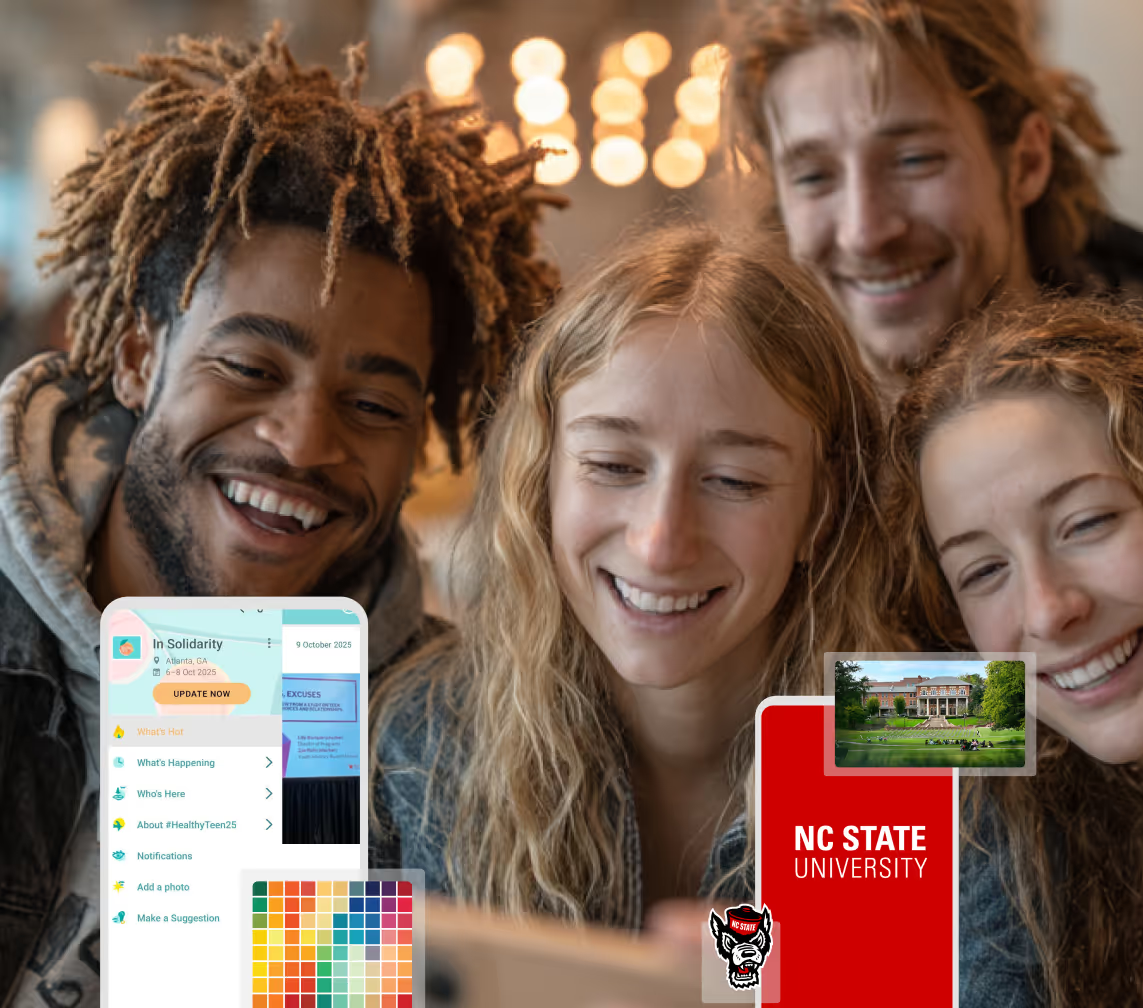
Boost Student Engagement
One hub for schedules, resources, and events that keeps students connected throughout the academic year.
Planning Orientation?
Help new students feel prepared from day one with schedules, campus resources, and real-time updates in one app.
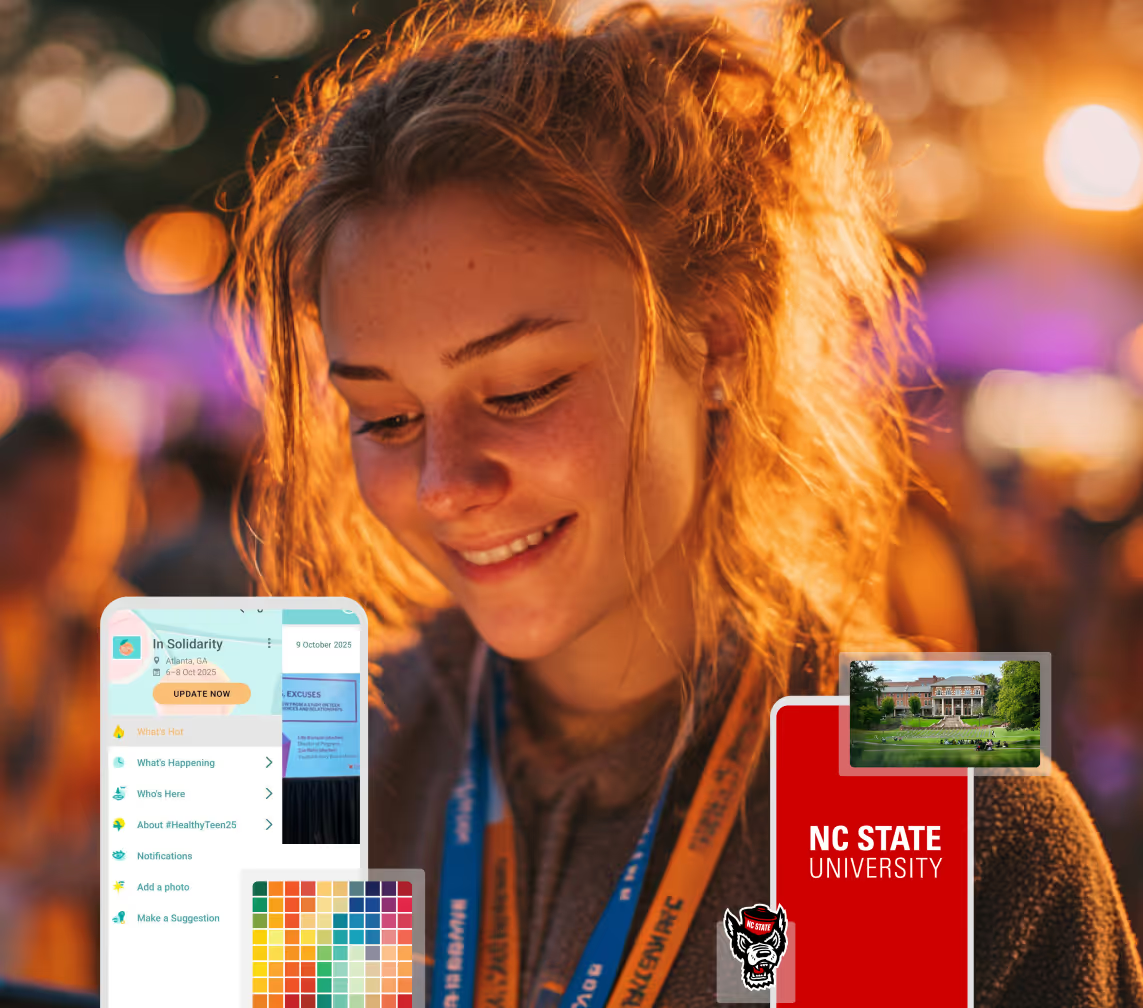
Planning Orientation?
Help new students feel prepared from day one with schedules, campus resources, and real-time updates in one app.
Running Admissions Events?
Manage open houses, tours, and yield events with a branded app that saves time and engages prospective students.

Running Admissions Events?
Manage open houses, tours, and yield events with a branded app that saves time and engages prospective students.
Get a custom Sponsorship Package Template
Stop starting from scratch. Grab free templates that helWe'll build a tailored sponsorship package with suggested pricing, tiers, and benefits..for your specific event.p you build professional sponsorship packages and close deals faster.
Get a custom Sponsorship Package Template
Stop starting from scratch. Grab free templates that helWe'll build a tailored sponsorship package with suggested pricing, tiers, and benefits..for your specific event.p you build professional sponsorship packages and close deals faster.
Plan Your Next Event Without Missing a Beat.
From venue selection to post-event wrap-up, this free checklist walks you through every step (so nothing falls through the cracks).
.avif)
Plan Your Next Event Without Missing a Beat.
From venue selection to post-event wrap-up, this free checklist walks you through every step (so nothing falls through the cracks).
Real Results From Real Events
100,000+ organizations trust Guidebook. See exactly how universities, associations, enterprises, and more put it to work.

Real Results From Real Events
100,000+ organizations trust Guidebook. See exactly how universities, associations, enterprises, and more put it to work.
Flexible pricing for every event size
Find the perfect plan for your needs, from intimate gatherings to large-scale conferences.

Flexible pricing for every event size
Find the perfect plan for your needs, from intimate gatherings to large-scale conferences.
Join our event experts
Watch on-demand webinars and join live sessions with industry leaders sharing best practices for event success.
.avif)
Join our event experts
Watch on-demand webinars and join live sessions with industry leaders sharing best practices for event success.
Guidebook in Action
Book a personalized walkthrough and discover how we help event teams create better attendee experiences.
Guidebook in Action
Book a personalized walkthrough and discover how we help event teams create better attendee experiences.

What are 5-Minute Games for Virtual Meetings?
5-minute games for virtual meetings boost engagement and energy with quick, interactive activities. Discover game ideas, setup tips, and ways to enhance team connection.

5-Minute Games for Virtual Meetings is the secret weapon smart facilitators use to boost energy, build connections, and rescue remote teams from screen fatigue in under 300 seconds. These quick activities transform awkward silences into genuine engagement. They're the difference between a meeting people dread and one they actually enjoy.
Here's the thing: virtual meetings don't have to feel like digital detention. Quick games break the monotony without derailing your agenda. They give people permission to laugh, connect, and show up as humans—not just floating heads in boxes. The best part? Five minutes is all you need to shift the entire vibe of your call.
Key Characteristics of 5-Minute Games for Virtual Meetings
- Time-Bounded Structure: These activities fit neatly into tight schedules. They start fast, end clean, and never overstay their welcome.
- Low-Tech Requirements: Most games need nothing more than a video platform and willing participants. No special software or prep required.
- Inclusive Design: The best games work for introverts and extroverts alike. Everyone can participate without feeling put on the spot.
- Energy Shifting Power: These activities reset the room's mood. They wake people up after lunch or ease tension before tough conversations.
- Relationship Building Focus: Quick games reveal personality quirks and shared interests. They help remote colleagues feel like actual teammates.
- Scalable Participation: Whether you have 5 people or 50, these games adapt. Breakout rooms and chat features make large groups manageable.
- Zero Preparation Needed: Facilitators can pull these out on the fly. No materials, no setup, no advance planning necessary.
5-Minute Games vs. Traditional Team Building Activities
Traditional Team Building Events
- Scope: Full-day or multi-hour experiences requiring significant planning
- Focus: Deep relationship building and complex problem-solving
- Timeline: Quarterly or annual occurrences
- Channels: Often in-person with elaborate setups
- Goal: Major cultural transformation and team bonding
5-Minute Virtual Games
- Scope: Micro-interactions woven into regular meetings
- Focus: Quick connection and energy management
- Timeline: Daily or weekly integration
- Channels: Video conferencing platforms with basic features
- Goal: Sustained engagement and meeting enjoyment
Both approaches matter for healthy teams. Traditional team building events create memorable shared experiences. But 5-minute games maintain connection between those bigger moments. Think of quick games as daily vitamins and traditional events as annual checkups—you need both.
Types of 5-Minute Games for Virtual Meetings
Icebreaker Questions That Actually Work
Forget "what's your favorite color." Good icebreakers spark genuine conversation. Try questions like "What's the worst fashion trend you participated in?" or "What's your most useless talent?"
These questions work because they're specific and slightly silly. They give people permission to be human. Keep a running list so you're never caught without one.
Quick Guessing Games
Guessing games create instant engagement. Have someone share a childhood photo and let others guess who it is. Or play "Two Truths and a Lie" with surprising facts.
- Baby photo reveals build curiosity and connection
- Desk item guessing games showcase personalities
- Background story challenges get people moving
- "Guess the pet" rounds always get laughs
Movement-Based Activities
Sitting kills energy. Quick movement games wake everyone up. Try "show us something blue in your space" or "stand up if you've ever..."
These activities combat Zoom fatigue physically. They remind people they have bodies. Even 60 seconds of movement changes the meeting's energy completely.
Creative Challenges
Give teams 2 minutes to draw something ridiculous. Or challenge them to find the weirdest item within arm's reach. Creative tasks activate different parts of the brain.
The goal isn't artistic excellence. It's shared laughter and unexpected discoveries. Bad drawings often get the biggest reactions.
How to Choose the Right Game for Your Meeting
Match the Game to Your Meeting Purpose
Starting a brainstorm? Choose something creative. Kicking off a tough conversation? Pick something that builds psychological safety. The game should serve the meeting, not distract from it.
Consider your meeting themes when selecting activities. A sales kickoff needs different energy than a project retrospective.
Consider Your Audience Size
Small groups can do round-robin activities where everyone participates. Large groups need games that work in chat or breakout rooms. Adjust your approach based on headcount.
- Under 8 people: Everyone can share verbally
- 8-20 people: Use chat for simultaneous responses
- 20+ people: Leverage breakout rooms or polling features
Read the Room's Energy Level
Monday morning calls need wake-up activities. Friday afternoon meetings might benefit from something celebratory. Pay attention to what your team actually needs.
If people seem stressed, choose something calming. If they're sluggish, pick something energizing. Flexibility matters more than having a perfect plan.
Account for Cultural Differences
Global teams need games that translate across cultures. Avoid activities requiring specific cultural knowledge. Stick to universal experiences like food preferences or travel dreams.
When planning international meetings, simple games work best. They create connection without confusion.
Why 5-Minute Games for Virtual Meetings Matter
For Event Success:
- Increased Attendance: People actually show up when meetings aren't painful. Fun elements boost participation rates significantly.
- Higher Engagement Scores: Interactive elements keep attention focused. Participants stay present instead of multitasking.
- Better Information Retention: Positive emotions help memory formation. People remember content from enjoyable meetings.
- Stronger Participation: Games warm people up to contribute. They're more likely to speak up after a fun activity.
- Improved Feedback: Post-meeting surveys reflect the experience. Fun meetings get better ratings consistently.
For Business Objectives:
- Team Cohesion: Regular connection moments build trust over time. Remote teams feel less isolated and more united.
- Employee Retention: Enjoyable work experiences reduce turnover. People stay where they feel connected.
- Collaboration Quality: Teams that play together work better together. Psychological safety improves problem-solving.
- Meeting Efficiency: Engaged participants make faster decisions. Less time wasted on disengaged attendees.
- Company Culture: Fun rituals define workplace identity. They attract talent who value connection.
For virtual events and regular meetings alike, engagement tools make the difference. Platforms like Guidebook help facilitators deliver interactive experiences that keep participants invested.
5-Minute Games for Virtual Meetings Best Practices
- Start with Low-Stakes Activities: Don't launch into something embarrassing. Build comfort with simple questions before trying anything vulnerable.
- Explain Rules Clearly and Quickly: Confusion kills momentum. State instructions in 30 seconds or less. If it takes longer to explain, it's too complicated.
- Participate Yourself: Leaders who play along give others permission. Your willingness to be silly matters more than you think.
- Keep Time Ruthlessly: Five minutes means five minutes. Set a timer and stick to it. Respect for time builds trust.
- Rotate Game Selection: The same activity gets stale fast. Build a library of options and mix things up regularly.
- Make Participation Optional: Some people hate games. Let them observe without pressure. Forced fun isn't fun.
- Use Technology Wisely: Chat, polls, and reactions expand possibilities. Learn your platform's features and use them creatively.
- Debrief When Appropriate: Sometimes a quick reflection adds value. "What did you notice?" can extend the learning.
- Document Favorites: Track which games land well with your team. Build institutional knowledge about what works.
- Connect Games to Meeting Content: The best activities relate to your agenda. A creativity game before brainstorming makes sense.
Common 5-Minute Games for Virtual Meetings Mistakes
Forcing Participation: Mandatory fun backfires spectacularly. When you require everyone to play, you create resentment instead of connection. Always offer an opt-out for those who prefer to watch.
Choosing Overly Complex Games: If you spend three minutes explaining rules, you've lost the plot. Simple activities with clear instructions work best. Complexity belongs in escape rooms, not Tuesday standups.
Ignoring Cultural Sensitivities: Games involving alcohol preferences or dating stories exclude people. Activities requiring specific pop culture knowledge alienate international colleagues. Stick to universal themes.
Running Games Too Long: Five minutes should feel too short, not too long. Leave people wanting more. Overstaying kills the positive energy you created.
Using the Same Game Repeatedly: Even great activities get boring with repetition. Your team will groan if they hear "Two Truths and a Lie" for the fifteenth time. Variety keeps things fresh.
Skipping Games When Busy: Cutting connection activities during crunch time sends the wrong message. That's exactly when teams need them most. Five minutes of bonding saves hours of conflict later.
Forgetting Accessibility: Movement games exclude people with mobility limitations. Audio-only games leave out deaf participants. Design activities that work for everyone on your team.
Final Thoughts
5-minute games for virtual meetings aren't frivolous extras. They're essential tools for building human connection in digital spaces. Every quick activity chips away at the isolation that remote work creates.
The shift to virtual and hybrid work isn't reversing. Event trends show that remote collaboration is here to stay. Organizations that master virtual engagement will attract and retain better talent than those clinging to boring meeting formats.
Think about your best work memories. They probably involve laughter, shared challenges, and genuine connection. Quick games create those moments intentionally. They transform routine meetings into relationship-building opportunities.
Ready to level up your virtual gatherings? Explore virtual event planning strategies and discover how Guidebook's platform helps facilitators create engaging experiences. From webinars to team meetings, the right tools make connection possible—even through screens. Your next meeting could be the one people actually look forward to.
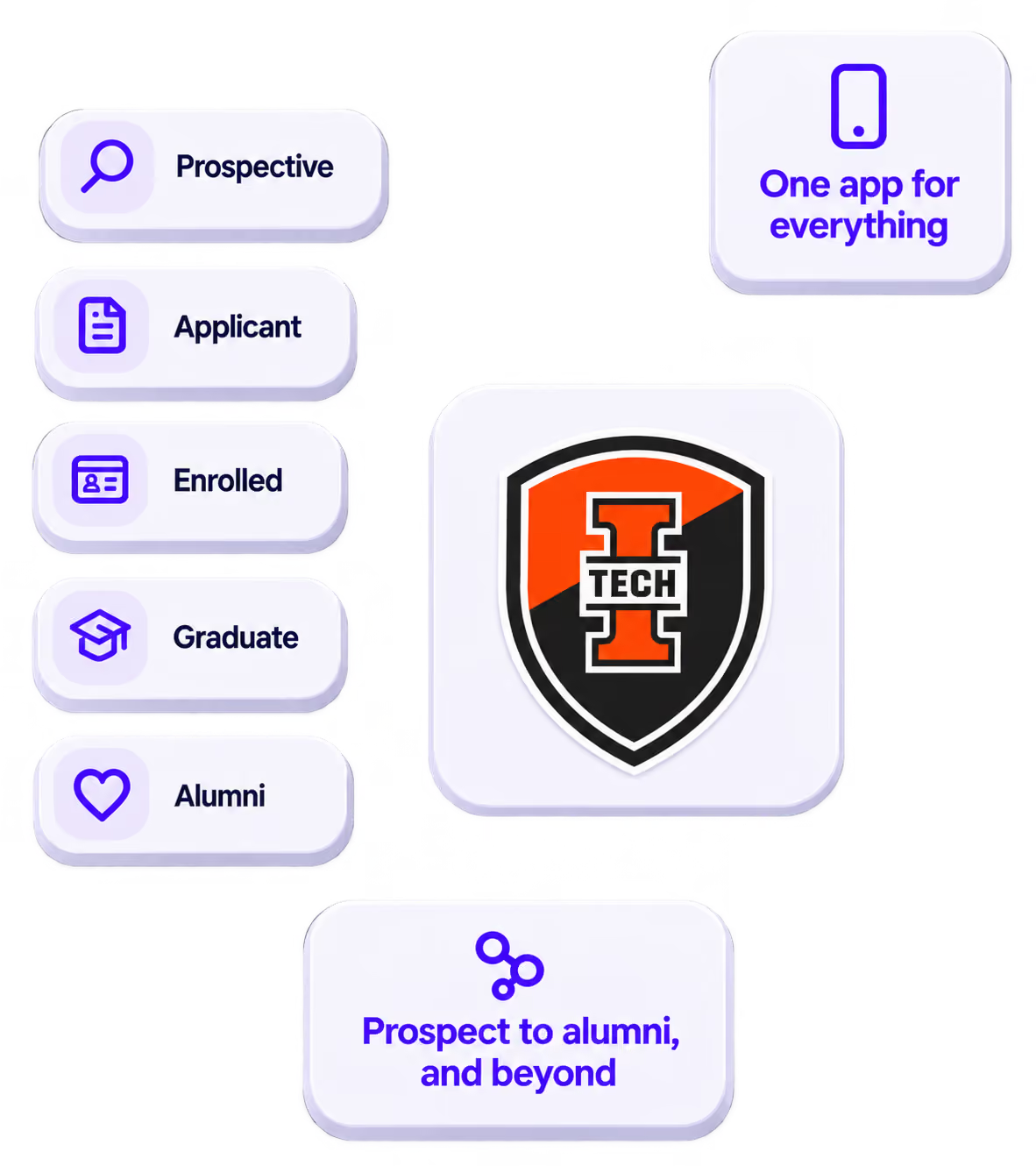
The power of your brand in your app, from first visit to alumni.
Build trust
Attendees download your app, not ours. Your name, colors, and crest in the stores.
.avif)
One place for the whole event
Schedules, maps, registration, and updates in one branded hub - not five tools.
Stand out
A branded app is what people keep on their phone after the printed program is in the recycling.
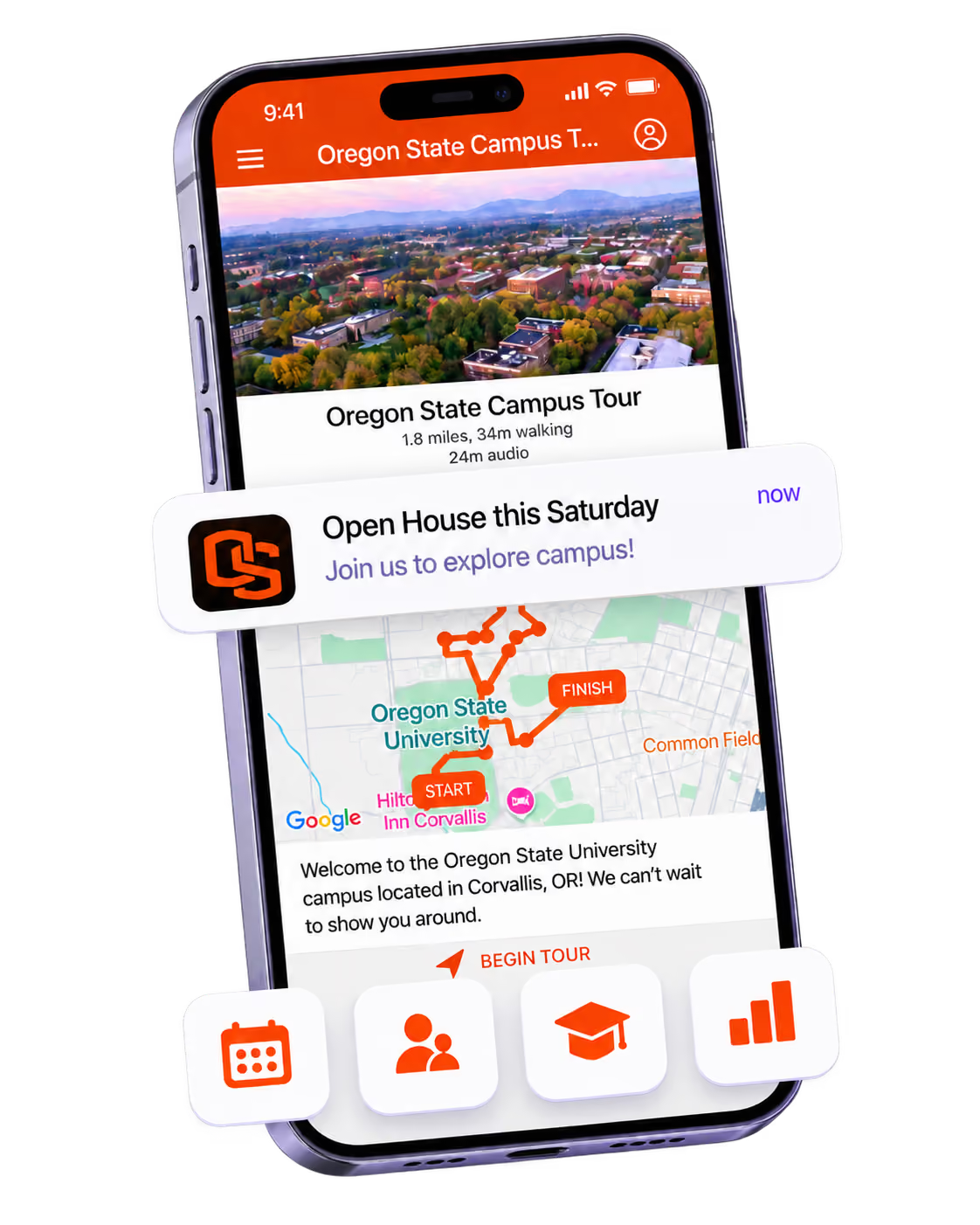

Get the Mobile App Playbook
A short guide to running the whole student journey in one app. No fluff, just what works.
for higher ed
Campus
Playbook
A practical guide to building a connected campus experience.
Free playbook
The Mobile App Playbook for Universities
Students decide if they belong long before they set foot on campus. This playbook shows how to win them over from the first visit through graduation.
- Grow enrollment and boost recruitment
- Increase belonging and retention
- Run every event from one branded app
By submitting, you agree to our Privacy Policy.
You're in.
.png)