Campus apps by department
Admissions, orientation, student life, and more — one campus app that works across departments.

Campus apps by department
Admissions, orientation, student life, and more — one campus app that works across departments.
Build unlimited event apps on one license
One partnership for unlimited campus events — orientation, tours, student life, and everything in between.
Build unlimited event apps on one license
One partnership for unlimited campus events — orientation, tours, student life, and everything in between.
Compare event app platforms
See how Guidebook stacks up against other event app and registration platforms.
Compare event app platforms
See how Guidebook stacks up against other event app and registration platforms.
Event apps for nonprofit and community programs
Give members, volunteers, and donors one branded app for conferences, fundraisers, and year-round community.
Event apps for nonprofit and community programs
Give members, volunteers, and donors one branded app for conferences, fundraisers, and year-round community.
Campus integrations and an open API
Connect Guidebook with the campus systems, APIs, and tools your team already uses.
Campus integrations and an open API
Connect Guidebook with the campus systems, APIs, and tools your team already uses.
Event apps for corporate and enterprise teams
Internal meetings, offsites, and large-scale corporate events — with the branding and control enterprise teams need.
Event apps for corporate and enterprise teams
Internal meetings, offsites, and large-scale corporate events — with the branding and control enterprise teams need.
Create a branded event app with no coding
Put schedules, maps, resources, and updates in every attendee's pocket — built for campus events and programs.
Create a branded event app with no coding
Put schedules, maps, resources, and updates in every attendee's pocket — built for campus events and programs.
Launch a branded, white-label event app
A white-label event app with your branding, your content, and your attendee experience — no coding required.
Launch a branded, white-label event app
A white-label event app with your branding, your content, and your attendee experience — no coding required.
Everything in the Guidebook platform
Explore the features event teams use to engage attendees before, during, and after the event.
Everything in the Guidebook platform
Explore the features event teams use to engage attendees before, during, and after the event.
One app for in-person and virtual attendees
The same schedule, networking, and updates whether people are in the room or joining remotely.
One app for in-person and virtual attendees
The same schedule, networking, and updates whether people are in the room or joining remotely.
Event apps built for associations
Annual meetings, chapter events, and member engagement — without rebuilding a new app every year.
Event apps built for associations
Annual meetings, chapter events, and member engagement — without rebuilding a new app every year.
A branded event website that matches the app
Promote the event, collect interest, and keep branding consistent from the first click to check-in.
A branded event website that matches the app
Promote the event, collect interest, and keep branding consistent from the first click to check-in.
Plan, run, and measure events on one platform
App, registration, badges, and websites in one workflow — so planning isn't a pile of disconnected tools.
Plan, run, and measure events on one platform
App, registration, badges, and websites in one workflow — so planning isn't a pile of disconnected tools.
Keep members engaged between events
One branded app for the conference and everything that happens the other 51 weeks of the year.
Keep members engaged between events
One branded app for the conference and everything that happens the other 51 weeks of the year.
The conference app attendees actually use
Schedules, maps, networking, and live updates for annual meetings, summits, and multi-day conferences.
The conference app attendees actually use
Schedules, maps, networking, and live updates for annual meetings, summits, and multi-day conferences.
Registration that feeds your app and badges
Collect registrations, payments, and attendee data in the same platform as your event app.
Registration that feeds your app and badges
Collect registrations, payments, and attendee data in the same platform as your event app.
Design and print event badges in one place
Custom badges, QR check-in, and on-site printing — without a separate badge vendor.
Design and print event badges in one place
Custom badges, QR check-in, and on-site printing — without a separate badge vendor.
A Smaller School?
Deliver a polished, branded event experience without a large team or a big budget.
A Smaller School?
Deliver a polished, branded event experience without a large team or a big budget.
Running Family Programs?
Give families everything they need, from schedules and maps to real-time updates, all in one place.
Running Family Programs?
Give families everything they need, from schedules and maps to real-time updates, all in one place.
Coordinating Move-In Day?
Share updates, manage events, and keep students informed from move-in through the academic year.

Coordinating Move-In Day?
Share updates, manage events, and keep students informed from move-in through the academic year.
Offering Campus Tours?
Deliver branded, self-guided tour experiences with interactive maps and rich media, available 24/7.

Offering Campus Tours?
Deliver branded, self-guided tour experiences with interactive maps and rich media, available 24/7.
Organising a Career Fair?
Simplify logistics for students, employers, and Career Services staff with one easy-to-use app.
Organising a Career Fair?
Simplify logistics for students, employers, and Career Services staff with one easy-to-use app.
Managing Alumni Events?
Plan reunions, regional events, and fundraising campaigns with an app built for alumni engagement.
Managing Alumni Events?
Plan reunions, regional events, and fundraising campaigns with an app built for alumni engagement.
Boost Student Engagement
One hub for schedules, resources, and events that keeps students connected throughout the academic year.
Boost Student Engagement
One hub for schedules, resources, and events that keeps students connected throughout the academic year.
Planning Orientation?
Help new students feel prepared from day one with schedules, campus resources, and real-time updates in one app.
Planning Orientation?
Help new students feel prepared from day one with schedules, campus resources, and real-time updates in one app.
Running Admissions Events?
Manage open houses, tours, and yield events with a branded app that saves time and engages prospective students.

Running Admissions Events?
Manage open houses, tours, and yield events with a branded app that saves time and engages prospective students.
Get a custom Sponsorship Package Template
Stop starting from scratch. Grab free templates that helWe'll build a tailored sponsorship package with suggested pricing, tiers, and benefits..for your specific event.p you build professional sponsorship packages and close deals faster.
Get a custom Sponsorship Package Template
Stop starting from scratch. Grab free templates that helWe'll build a tailored sponsorship package with suggested pricing, tiers, and benefits..for your specific event.p you build professional sponsorship packages and close deals faster.
Plan Your Next Event Without Missing a Beat.
From venue selection to post-event wrap-up, this free checklist walks you through every step (so nothing falls through the cracks).
.avif)
Plan Your Next Event Without Missing a Beat.
From venue selection to post-event wrap-up, this free checklist walks you through every step (so nothing falls through the cracks).
Real Results From Real Events
100,000+ organizations trust Guidebook. See exactly how universities, associations, enterprises, and more put it to work.

Real Results From Real Events
100,000+ organizations trust Guidebook. See exactly how universities, associations, enterprises, and more put it to work.
Flexible pricing for every event size
Find the perfect plan for your needs, from intimate gatherings to large-scale conferences.
Flexible pricing for every event size
Find the perfect plan for your needs, from intimate gatherings to large-scale conferences.
Join our event experts
Watch on-demand webinars and join live sessions with industry leaders sharing best practices for event success.
.avif)
Join our event experts
Watch on-demand webinars and join live sessions with industry leaders sharing best practices for event success.
Guidebook in Action
Book a personalized walkthrough and discover how we help event teams create better attendee experiences.
Guidebook in Action
Book a personalized walkthrough and discover how we help event teams create better attendee experiences.
Event App Marketing: Tips and Mistakes to Watch Out For





Event App Marketing: Tips and Mistakes to Watch Out For
Best Practices of Event App Marketing
To ensure your event app stands out and performs at its best, it’s crucial to implement proven marketing best practices. We’ve identified the top tips that will help you effectively promote your app.Tip 1: Map Out a Promotion Strategy
A good plan is a success half-done. Therefore, start with outlining how you will promote your event app. A thoroughly organized plan not only guides your actions but also sets the foundation for a smooth and effective implementation. Here are the main things to think about when developing your strategy:- Define Campaign Goals. Establish clear and measurable objectives for your app promotion campaign. Whether your goal is to increase app downloads, boost user engagement, or enhance brand awareness, having specific targets will help guide your strategy.
- Choose the right communication channels. Social media, emails, ads, SMS, influencer posts, and landing pages — there are plenty of ways to reach your target audience and communicate the value of your app. You can focus efforts on just one channel or combine a couple of them in an integrated marketing strategy.
- Define Budget. Determine the budget for your promotional activities, allocating resources to each channel and tactic accordingly.
- Develop a communication guide. Come up with pillar value points you will highlight in all your copies and campaigns. Try to not only enumerate your app's features but also showcase the outstanding benefits.
- Build a promotion schedule. Think of the best time and frequency to share your content via various platforms. You are likely to have different schedules for each channel so using a content calendar, Kanban board, or Gantt Chart will help you stay organized.
Tip 2: Boost Your Event App with App Store Optimization
App Store Optimization, also known as ASO, is a marketing practice used specifically for mobile apps. ASO tactics help mobile apps rank higher in an app store's search results. The easiest way to increase your app visibility in app stores is to hire an ASO marketer or agency. However, you can also apply certain strategies on your own. Here are the key points to implement:- Craft a memorable and simple app name that will be instantly associated with your event.
- Research relevant keywords and include them in the description of your app as well as the title. This will help your app rank higher in the search by popular queries. When doing your research, review keywords that focus on your app’s functionality. Also, don’t forget to analyze the top-ranked keywords of competitors.
- Highlight unique features in your app description, such as AI-powered session recommendations, reverse video search capability, real-time translation for multilingual attendees, and interactive live polling.
- Include high-quality screenshots of your app. These will illustrate your app's features and functionality, luring users to download and try them out for themselves.
Tip 3: Leverage Interactive Event App Features
Interactive event app features are tools within an app that engage attendees and enhance their event experience. Among the top features to consider when developing a mobile app for business are the following:- Q&A sessions: A perfect opportunity for attendees to ask questions in real time using their account or anonymously. You can also allow ranking questions to prioritize those that get more votes.
- Gamification and contests: Incorporate games and challenges within your event app to create a fun and competitive atmosphere. Give reward points, badges, or prizes for completing tasks or winning contests. Encourage users to explore the app by increasing their rank on the event app leaderboard.
- Networking Chat Rooms: Create virtual spaces within an event app where attendees can connect and discuss specific topics or interests. These rooms foster interaction and help to build professional relationships.
- Live Polls: This feature enables you to get real-time feedback by asking questions and displaying instant results within the app. If you need some inspiration to get started, check our comprehensive guide on live polls.
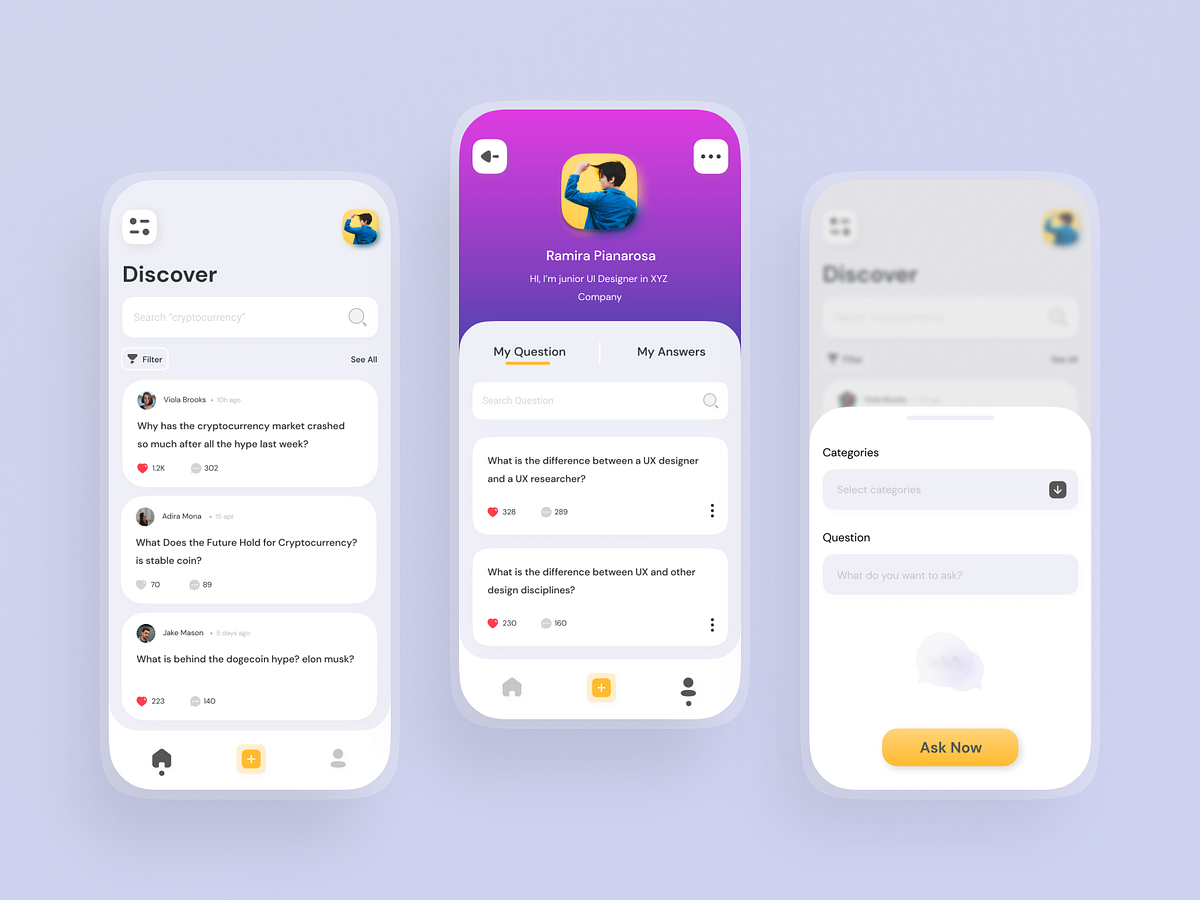
Tip 4: Enhance User Experience with Personalization
Personalization helps create a more relevant experience for app users by tailoring content, agendas, and notifications to match their individual interests and needs. This boosts engagement, improves user satisfaction, and makes the event more meaningful for each participant. Here is how to implement personalization in your event app:- Make it possible for attendees to craft profiles with personal data such as interests, favorite topics, hobbies, expertise, event goals, and desired connections. This will not only help to customize their content feed but also connect with like-minded participants.
- Employ data from profiles to offer customized content such as session recommendations, targeted notifications, and personalized networking opportunities. To take it to the next level, use AI recommendations that will help to tailor suggestions even better.
- Adjust your communication according to users’ preferences by using push notifications to send reminders for bookmarked sessions, updates on favorite speakers, or personalized greetings.
- Provide personalized customer support by tailoring assistance based on users’ profiles and interactions with the app. For instance, offer context-sensitive help and targeted FAQs that address specific user needs.
- Enable personalized planners, so that attendees can schedule sessions and activities based on their personal preferences.
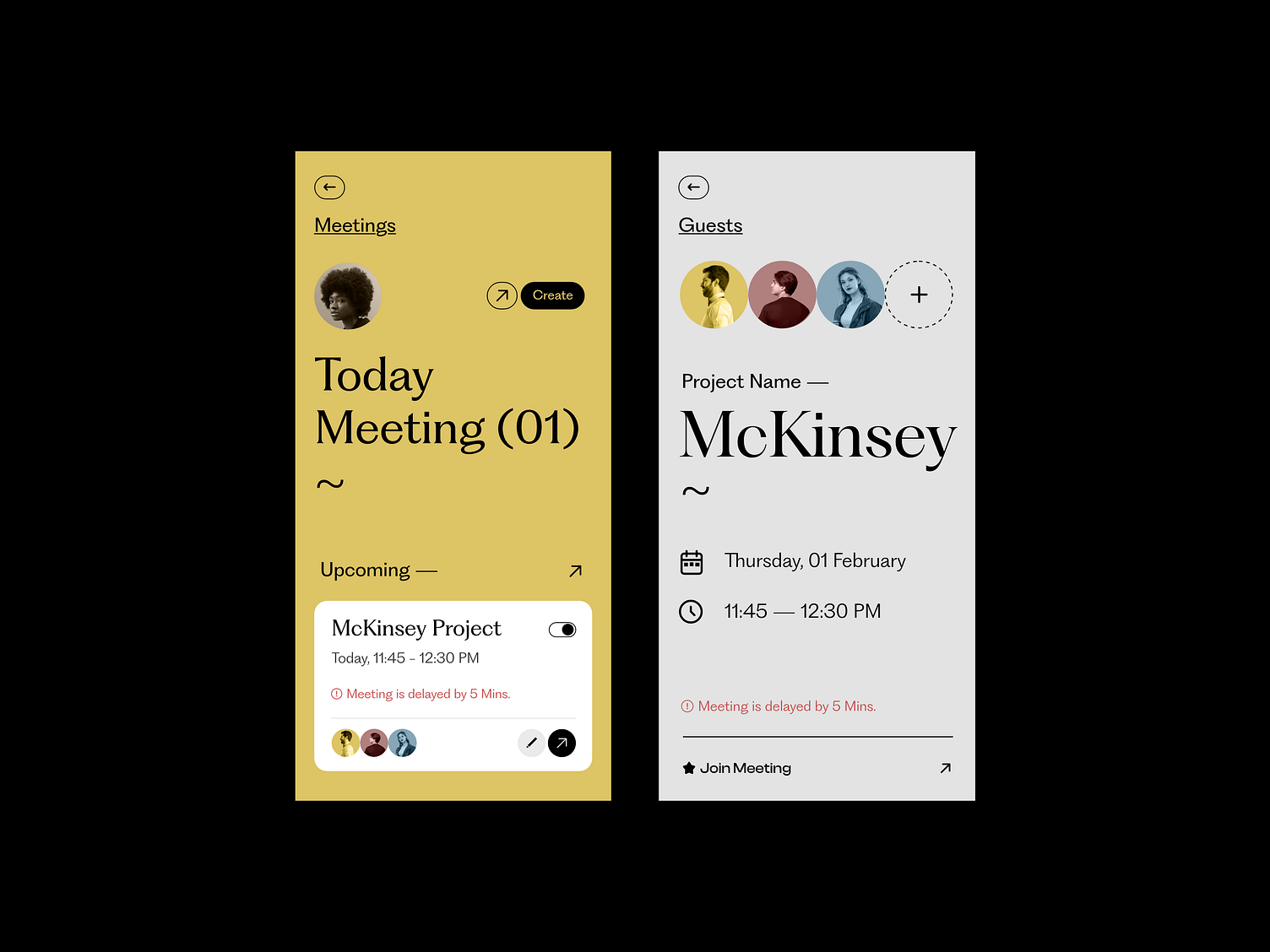 Source: https://dribbble.com/shots/23561501-App-UI
 Mistakes of Event App Marketing
Learning from the mistakes of others can help you improve your marketing efforts way faster. We’ve gathered a few common don’ts of mobile marketing that can serve as a guideline for your event app marketing strategy.Mistake 1: Overlooking the Importance of App Analytics
Keeping an eye on app usage analytics is the key to tracking your marketing success as well as shaping your strategy on the go if needed. You can retrieve valuable data on how your attendees use the app by using marketing analytics and reporting tools. Here are the key event app metrics to monitor:- App downloads: The most common metric to measure your app’s popularity and track the success of your promotion activities.
- Android vs. iOS downloads: Comparing numbers of app downloads for Android and iOS assists in shaping app features per the majority of users’ phone types and choosing the best promotion channels.
- Number of logins: This metric gives an understanding of the real usage of your app. Track the ratio of app downloads to the number of logins to see how many users continue to use it.
- Most used/unused features: A great way to see where to focus your efforts and budget, and what should be improved. Also, you can use the insights to tailor your communication strategy — emphasize the features your users like the most.
- Engagement: Monitor likes, shares, comments, posts, and interactions with your app to measure the performance of your marketing campaign.
- Conversion rates: Analyze how effectively different marketing channels are converting leads into app downloads and active users. For example, track PPC performance, email campaign effectiveness, social media ad engagement, and organic traffic conversion rates.
Mistake 2: Underestimating the Power of Visual Branding
Another mistake you’d like to avoid is not taking branding and user interface design seriously. A recent study shows that a signature color can boost brand recognition by 80%. And while it’s important for marketing campaigns, the same goes for in-app interface. Branding helps with creating your particular visual identity that will be associated with your event. Consider hiring a professional designer and developing a comprehensive brand book. This should include your logo, color palette, typography, event banners, promotional materials, and digital graphics. If your budget is tight, leverage AI tools or use pre-designed templates to maintain a professional appearance. Additionally, make sure your user interface (UI) is not only appealing but also intuitive and easy to use. This will allow attendees to have a seamless experience interacting with your app and website. Incorporate interactive elements like clickable features and dynamic content to engage users further. For example, you can repurpose demo videos into interactive demos on your website or integrate gamified elements within your app.Mistake 3: Flood Users with In-App Notifications and Ads
It may seem surprising, but an overload of ads and notifications is among the main reasons for app uninstalls — nearly 28% of users delete apps due to being overwhelmed with them. Therefore, make sure you don’t bombard your users with excessive information. Push notifications are great marketing tools for engaging users and driving interaction, but they must be timely and relevant. When designing your event app, consider employing scheduled and personalized notifications. Try using emojis to make communication more amiable and warm. Additionally, use analytics to track notification effectiveness and adjust strategies accordingly.
Mistake 4: Not Promoting Your App during the Event
Mobile app marketing during the event is as effective as the pre-event marketing activities, so don’t overlook it. The day of the event itself offers tons of opportunities to increase app downloads and improve engagement. Place QR codes on banners, printed materials, and digital screens so attendees who haven’t downloaded your app yet will do so on the spot. Make sure it is possible to get assistance with the app either at the registration desk or at an extra help desk. Your hosts, speakers, and event staff should encourage attendees to use the app. They can do it during opening remarks, sessions, or breaks. You can also consider using e-business cards to network with attendees and promote your event app. Motivate attendees to check out the app with exclusive offers, prizes, and networking opportunities they can get in the app. Consider organizing live polls or interactive sessions within the app to further engage attendees and encourage them to explore its features throughout the event.
Author’s bio
Nadia Basaraba is a Marketing Specialist at Coupler.io, a data analytics and automation platform. She’s passionate about content creation and data-driven marketing. Apart from experimenting with marketing tactics, she’s an avid reader and traveler.
Get the Mobile App Playbook
A short guide to running the whole student journey in one app. No fluff, just what works.
for higher ed
Campus
Playbook
A practical guide to building a connected campus experience.
Free playbook
The Mobile App Playbook for Universities
Students decide if they belong long before they set foot on campus. This playbook shows how to win them over from the first visit through graduation.
- Grow enrollment and boost recruitment
- Increase belonging and retention
- Run every event from one branded app
By submitting, you agree to our Privacy Policy.
You're in.
.png)

%20(1).avif)
.avif)