
Campus apps by department
Admissions, orientation, student life, and more — one campus app that works across departments.

Campus apps by department
Admissions, orientation, student life, and more — one campus app that works across departments.
Build unlimited event apps on one license
One partnership for unlimited campus events — orientation, tours, student life, and everything in between.
Build unlimited event apps on one license
One partnership for unlimited campus events — orientation, tours, student life, and everything in between.
Compare event app platforms
See how Guidebook stacks up against other event app and registration platforms.
Compare event app platforms
See how Guidebook stacks up against other event app and registration platforms.
Event apps for nonprofit and community programs
Give members, volunteers, and donors one branded app for conferences, fundraisers, and year-round community.
Event apps for nonprofit and community programs
Give members, volunteers, and donors one branded app for conferences, fundraisers, and year-round community.
Campus integrations and an open API
Connect Guidebook with the campus systems, APIs, and tools your team already uses.
Campus integrations and an open API
Connect Guidebook with the campus systems, APIs, and tools your team already uses.
Event apps for corporate and enterprise teams
Internal meetings, offsites, and large-scale corporate events — with the branding and control enterprise teams need.
Event apps for corporate and enterprise teams
Internal meetings, offsites, and large-scale corporate events — with the branding and control enterprise teams need.
Create a branded event app with no coding
Put schedules, maps, resources, and updates in every attendee's pocket — built for campus events and programs.
Create a branded event app with no coding
Put schedules, maps, resources, and updates in every attendee's pocket — built for campus events and programs.
Launch a branded, white-label event app
A white-label event app with your branding, your content, and your attendee experience — no coding required.
Launch a branded, white-label event app
A white-label event app with your branding, your content, and your attendee experience — no coding required.
Everything in the Guidebook platform
Explore the features event teams use to engage attendees before, during, and after the event.
Everything in the Guidebook platform
Explore the features event teams use to engage attendees before, during, and after the event.
One app for in-person and virtual attendees
The same schedule, networking, and updates whether people are in the room or joining remotely.
One app for in-person and virtual attendees
The same schedule, networking, and updates whether people are in the room or joining remotely.
Event apps built for associations
Annual meetings, chapter events, and member engagement — without rebuilding a new app every year.
Event apps built for associations
Annual meetings, chapter events, and member engagement — without rebuilding a new app every year.
A branded event website that matches the app
Promote the event, collect interest, and keep branding consistent from the first click to check-in.
A branded event website that matches the app
Promote the event, collect interest, and keep branding consistent from the first click to check-in.
Plan, run, and measure events on one platform
App, registration, badges, and websites in one workflow — so planning isn't a pile of disconnected tools.
Plan, run, and measure events on one platform
App, registration, badges, and websites in one workflow — so planning isn't a pile of disconnected tools.
Keep members engaged between events
One branded app for the conference and everything that happens the other 51 weeks of the year.
Keep members engaged between events
One branded app for the conference and everything that happens the other 51 weeks of the year.
The conference app attendees actually use
Schedules, maps, networking, and live updates for annual meetings, summits, and multi-day conferences.
The conference app attendees actually use
Schedules, maps, networking, and live updates for annual meetings, summits, and multi-day conferences.
Registration that feeds your app and badges
Collect registrations, payments, and attendee data in the same platform as your event app.
Registration that feeds your app and badges
Collect registrations, payments, and attendee data in the same platform as your event app.
Design and print event badges in one place
Custom badges, QR check-in, and on-site printing — without a separate badge vendor.
Design and print event badges in one place
Custom badges, QR check-in, and on-site printing — without a separate badge vendor.
A Smaller School?
Deliver a polished, branded event experience without a large team or a big budget.
A Smaller School?
Deliver a polished, branded event experience without a large team or a big budget.
Running Family Programs?
Give families everything they need, from schedules and maps to real-time updates, all in one place.
Running Family Programs?
Give families everything they need, from schedules and maps to real-time updates, all in one place.
Coordinating Move-In Day?
Share updates, manage events, and keep students informed from move-in through the academic year.

Coordinating Move-In Day?
Share updates, manage events, and keep students informed from move-in through the academic year.
Offering Campus Tours?
Deliver branded, self-guided tour experiences with interactive maps and rich media, available 24/7.

Offering Campus Tours?
Deliver branded, self-guided tour experiences with interactive maps and rich media, available 24/7.
Organising a Career Fair?
Simplify logistics for students, employers, and Career Services staff with one easy-to-use app.
Organising a Career Fair?
Simplify logistics for students, employers, and Career Services staff with one easy-to-use app.
Managing Alumni Events?
Plan reunions, regional events, and fundraising campaigns with an app built for alumni engagement.
Managing Alumni Events?
Plan reunions, regional events, and fundraising campaigns with an app built for alumni engagement.
Boost Student Engagement
One hub for schedules, resources, and events that keeps students connected throughout the academic year.
Boost Student Engagement
One hub for schedules, resources, and events that keeps students connected throughout the academic year.
Planning Orientation?
Help new students feel prepared from day one with schedules, campus resources, and real-time updates in one app.
Planning Orientation?
Help new students feel prepared from day one with schedules, campus resources, and real-time updates in one app.
Running Admissions Events?
Manage open houses, tours, and yield events with a branded app that saves time and engages prospective students.

Running Admissions Events?
Manage open houses, tours, and yield events with a branded app that saves time and engages prospective students.
Get a custom Sponsorship Package Template
Stop starting from scratch. Grab free templates that helWe'll build a tailored sponsorship package with suggested pricing, tiers, and benefits..for your specific event.p you build professional sponsorship packages and close deals faster.
Get a custom Sponsorship Package Template
Stop starting from scratch. Grab free templates that helWe'll build a tailored sponsorship package with suggested pricing, tiers, and benefits..for your specific event.p you build professional sponsorship packages and close deals faster.
Plan Your Next Event Without Missing a Beat.
From venue selection to post-event wrap-up, this free checklist walks you through every step (so nothing falls through the cracks).
.avif)
Plan Your Next Event Without Missing a Beat.
From venue selection to post-event wrap-up, this free checklist walks you through every step (so nothing falls through the cracks).
Real Results From Real Events
100,000+ organizations trust Guidebook. See exactly how universities, associations, enterprises, and more put it to work.

Real Results From Real Events
100,000+ organizations trust Guidebook. See exactly how universities, associations, enterprises, and more put it to work.
Flexible pricing for every event size
Find the perfect plan for your needs, from intimate gatherings to large-scale conferences.
Flexible pricing for every event size
Find the perfect plan for your needs, from intimate gatherings to large-scale conferences.
Join our event experts
Watch on-demand webinars and join live sessions with industry leaders sharing best practices for event success.
.avif)
Join our event experts
Watch on-demand webinars and join live sessions with industry leaders sharing best practices for event success.
Guidebook in Action
Book a personalized walkthrough and discover how we help event teams create better attendee experiences.
Guidebook in Action
Book a personalized walkthrough and discover how we help event teams create better attendee experiences.

What are Hybrid Event Platforms?
Hybrid event platforms enable seamless integration of in-person and virtual experiences. Discover key features, top platform options, and tips for maximizing engagement and ROI.

Hybrid Event Platforms are software solutions that seamlessly connect in-person and virtual attendees in a single, unified event experience. These tools let organizers broadcast live content, enable real-time interaction, and manage both audiences from one dashboard. They've become essential for reaching global audiences while keeping local energy alive.
Here's the thing: hybrid platforms aren't just video streaming bolted onto an event app. They're purpose-built to make remote attendees feel like they're actually there. The best ones sync live polls, Q&A sessions, and networking features across both audiences. That means someone watching from Tokyo can ask a question just as easily as someone in the front row.
Key Characteristics of Hybrid Event Platforms
- Dual-Audience Management: Control in-person and virtual experiences from a single interface. No more juggling multiple tools or separate logins.
- Live Streaming Integration: Broadcast sessions in real-time with professional-grade video quality. Most platforms support multiple camera feeds and screen sharing.
- Interactive Engagement Tools: Live polls, Q&A, chat, and reactions work across both audiences simultaneously. Everyone participates equally.
- On-Demand Content Library: Recorded sessions become available instantly for replay. Attendees in different time zones can catch up later. : Track attendance, engagement, and behavior for all participants in one place. Compare virtual vs. in-person metrics side by side.
- Networking Features: Virtual attendees can connect with in-person guests through chat, video calls, or AI-powered matchmaking.
- Branded Experience: Customize the look and feel to match your organization's identity across all touchpoints.
Hybrid Event Platforms vs. Related Technologies
Virtual Event Platforms
- Scope: Online-only experiences with no physical component
- Focus: Digital engagement and remote accessibility
- Timeline: Often shorter, single-day events
- Channels: Web browsers and mobile apps exclusively
- Goal: Reach audiences who can't travel
Event Management Software
- Scope: End-to-end planning, logistics, and execution
- Focus: Registration, scheduling, and operations
- Timeline: Covers pre-event through post-event phases
- Channels: Primarily in-person with some digital tools
- Goal: Streamline planning and reduce manual work
Webinar Software
- Scope: Single-session presentations or training
- Focus: One-to-many broadcasting with limited interaction
- Timeline: Typically 30-90 minute sessions
- Channels: Web-based viewing only
- Goal: Educate or inform a specific audience
Understanding these differences helps you pick the right tool. Hybrid platforms combine elements of all three but add the crucial ability to unite physical and digital audiences. Learn more about virtual events and webinars to see how they compare.
Essential Components of Hybrid Event Platforms
Live Streaming and Broadcasting
Quality video is non-negotiable. Your virtual attendees judge the entire event by what they see on screen. Look for platforms that support 1080p streaming at minimum.
The best platforms handle multiple simultaneous streams. This lets you run breakout sessions, main stage content, and networking lounges at the same time.
Audience Engagement Features
Passive watching kills virtual attendance. You need tools that pull remote viewers into the action:
- Live polling with instant results displayed on stage
- Moderated Q&A that surfaces the best questions
- Real-time chat with emoji reactions
- Gamification elements like leaderboards and badges
Registration and Check-In Systems
Smooth registration sets the tone. Your platform should handle both ticket types without confusion. Virtual attendees get login credentials while in-person guests receive QR codes or badges.
Check out event registration best practices and check-in software options to streamline this process.
Networking and Matchmaking Tools
Networking is where hybrid gets tricky. How do you connect someone at home with someone at the venue? Smart platforms use:
- AI-powered attendee matching based on interests
- Video meeting rooms for 1:1 conversations
- Virtual lounges where both audiences can mingle
- Appointment scheduling for planned connections
Data drives improvement. Track session attendance, engagement rates, and networking activity. Compare how virtual and in-person audiences behave differently. Use these insights to optimize future events and prove event ROI.
How Hybrid Event Platforms Work
Pre-Event Setup and Configuration
Start by building your event structure. Create sessions, assign speakers, and set up registration pages. Most platforms use drag-and-drop builders that don't require coding skills.
Configure your streaming settings next. Test video quality, audio levels, and backup connections. Nothing ruins a hybrid event faster than technical failures during the keynote.
Day-of Event Execution
Your platform becomes mission control on event day. Monitor both audiences from a single dashboard. Watch engagement metrics in real-time and adjust accordingly.
Key tasks include:
- Managing speaker transitions and session timing
- Moderating chat and Q&A queues
- Troubleshooting attendee access issues
- Pushing notifications and announcements
Post-Event Content and Follow-Up
The event doesn't end when the livestream stops. Upload recordings to your on-demand library within hours. Send personalized follow-up emails based on session attendance.
debrief template to capture lessons learned.Why Hybrid Event Platforms Matter
For Event Success
- Expanded Reach: Remove geographic barriers and welcome attendees from anywhere in the world.
- Increased Attendance: People who can't travel still participate. Your total audience grows significantly.
- Weather-Proof Planning: Storms, travel disruptions, or health concerns won't tank your attendance numbers.
- Content Longevity: Recorded sessions live on as marketing assets, training materials, or member benefits.
- Accessibility Improvements: Captions, translations, and flexible viewing options serve diverse needs.
For Business Objectives
- Higher Sponsorship Value: Offer sponsors exposure to both live and virtual audiences. Double the eyeballs, double the value.
- Reduced Carbon Footprint: Fewer flights and hotel stays mean greener events. Many organizations now track this metric.
- Better Data Collection: Digital interactions generate rich behavioral data you can't capture at in-person-only events.
- Cost Efficiency: Smaller venues work when part of your audience joins remotely. Save on catering and space rental.
- Year-Round Engagement: Turn annual conferences into ongoing communities with on-demand content and virtual touchpoints.
Guidebook's event management platform helps organizers deliver seamless hybrid experiences. From branded apps to real-time engagement tools, everything works together to connect your audiences.
Hybrid Event Platform Best Practices
- Design for Both Audiences Equally: Don't treat virtual attendees as an afterthought. Plan specific moments that include them directly.
- Test Everything Before Going Live: Run full technical rehearsals with speakers. Check internet bandwidth, audio quality, and backup systems.
- Assign Dedicated Virtual Hosts: Have someone focused entirely on the remote audience. They monitor chat, relay questions, and keep energy high.
- Create Exclusive Virtual Content: Offer behind-the-scenes access or bonus sessions only available online. Give remote attendees something special.
- Sync Engagement Across Audiences: When you run a poll, show results on the main stage AND the livestream. Make everyone feel included.
- Optimize Session Length for Screens: Virtual attention spans are shorter. Keep sessions under 45 minutes with built-in breaks.
- Promote Networking Aggressively: Remote attendees won't stumble into conversations. Push them toward matchmaking tools and scheduled meetups.
- Prepare for Technical Issues: Have backup streaming options ready. Create a troubleshooting guide for common attendee problems.
- Collect Feedback from Both Groups: Survey in-person and virtual attendees separately. Their experiences differ, and so will their suggestions.
- Repurpose Content Strategically: Turn recordings into blog posts, social clips, and digital marketing assets. Extend your event's lifespan.
Common Hybrid Event Platform Mistakes
Ignoring Virtual Attendee Experience: Too many organizers focus on the room and forget the screen. Virtual attendees notice when they're treated as second-class participants. They'll skip your next event.
Underestimating Bandwidth Requirements: Professional livestreaming demands serious internet. Hotel WiFi rarely cuts it. Always bring dedicated, wired connections with backup options.
Skipping Technical Rehearsals: "We'll figure it out live" is a recipe for disaster. Speakers need practice with the platform. Test every transition, every slide, every video.
Choosing the Wrong Platform: Not all hybrid platforms are equal. Some excel at large conferences while others suit smaller meetings. Match the tool to your specific needs. Check out platform comparisons before deciding.
Forgetting Time Zones: Your virtual audience spans the globe. A 9 AM session in New York is midnight in Tokyo. Offer on-demand options or repeat sessions for different regions.
Overcomplicating the Tech Stack: Using five different tools creates confusion and integration headaches. Look for platforms that handle multiple functions in one place.
Neglecting Post-Event Engagement: The hybrid advantage is content that lives on. If you don't make recordings available quickly, you waste that opportunity.
Final Thoughts
Hybrid event platforms have moved from "nice to have" to "must have" for serious event professionals. They solve real problems: limited venue capacity, travel restrictions, budget constraints, and accessibility barriers. The organizations that master hybrid delivery will outpace those stuck in single-format thinking.
event trends helps you spot opportunities before competitors do.Think of hybrid not as a compromise but as an expansion. You're not splitting your event in two. You're multiplying your reach, your impact, and your data. That's a powerful shift in how we think about bringing people together.
Ready to explore hybrid possibilities? Guidebook offers tools for event planning, virtual event planning, and everything in between. Browse our case studies to see how other organizations have succeeded. Then book a demo to see the platform in action. Your next event could reach twice the audience with half the stress.
The power of your brand in your app, from first visit to alumni.
Build trust
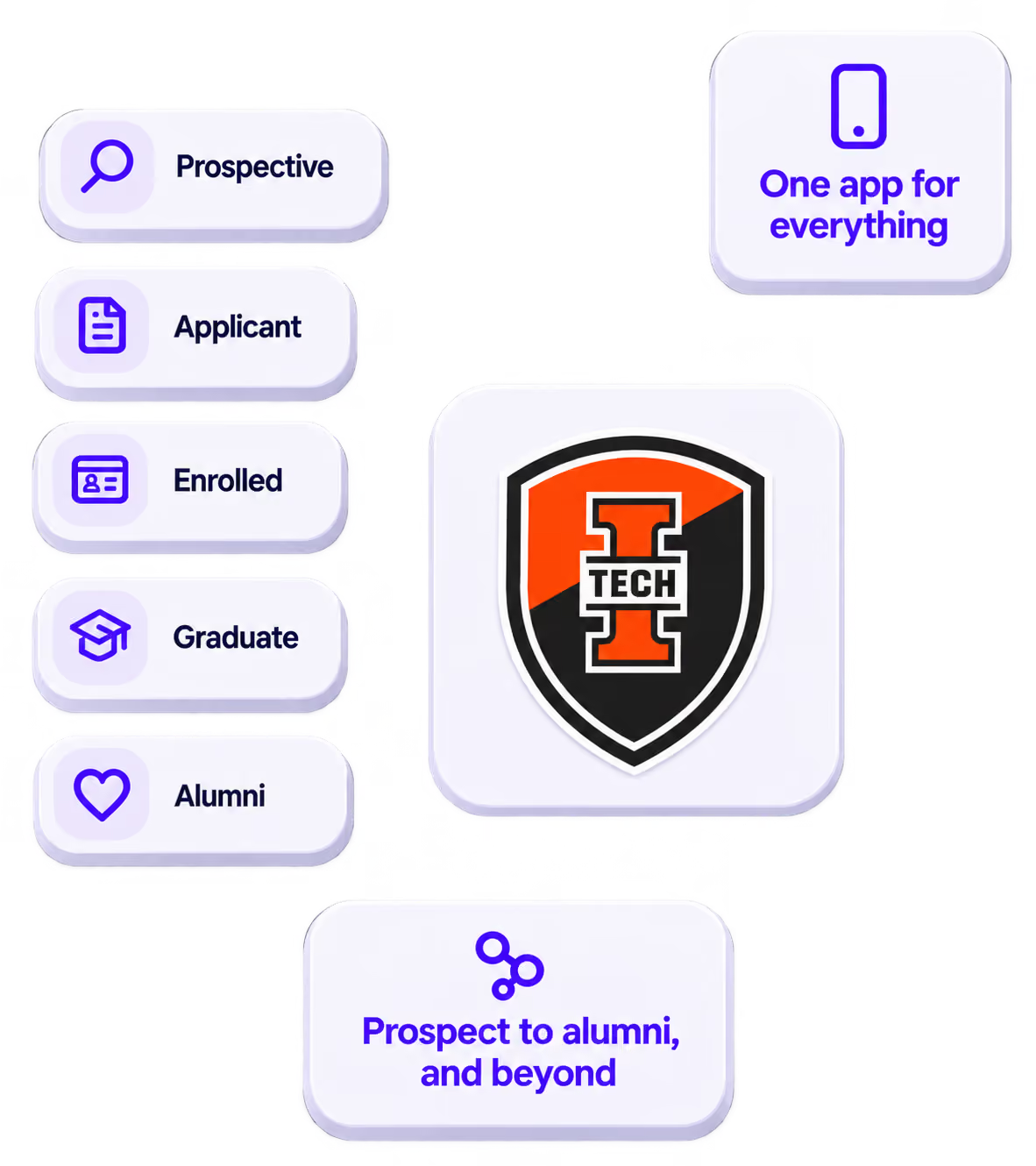
Attendees download your app, not ours. Your name, colors, and crest in the stores.
.avif)
One place for the whole event
Schedules, maps, registration, and updates in one branded hub - not five tools.
Stand out
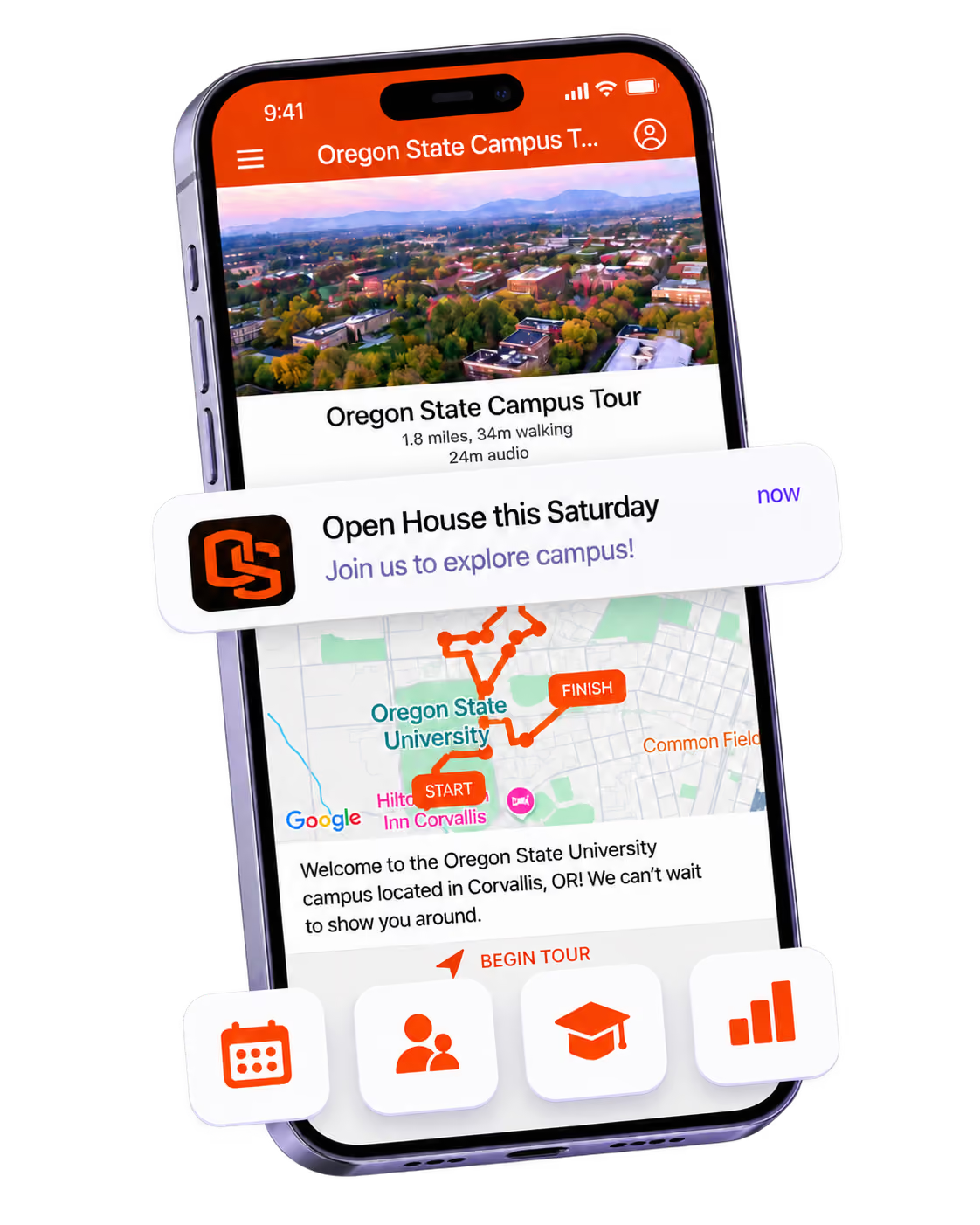
A branded app is what people keep on their phone after the printed program is in the recycling.

Get the Mobile App Playbook
A short guide to running the whole student journey in one app. No fluff, just what works.
for higher ed
Campus
Playbook
A practical guide to building a connected campus experience.
Free playbook
The Mobile App Playbook for Universities
Students decide if they belong long before they set foot on campus. This playbook shows how to win them over from the first visit through graduation.
- Grow enrollment and boost recruitment
- Increase belonging and retention
- Run every event from one branded app
By submitting, you agree to our Privacy Policy.
You're in.
.png)